
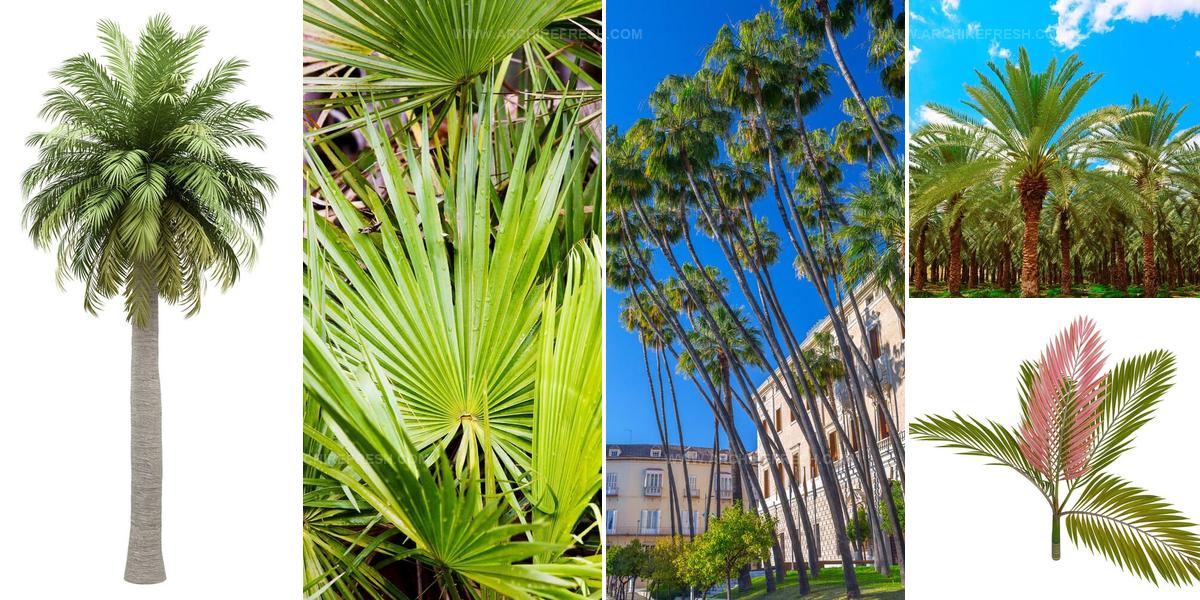
40 Palm Tree Types For Tropical Gardens That Thrive
Palm tree types for tropical gardens offer an incredible range of options that can completely reshape how outdoor spaces look and feel.
Different varieties bring unique characteristics, from towering specimens that provide cooling shade to compact selections perfect for smaller yards.
The climate where you live plays a major role in determining which palms will flourish best on the property.
Some species handle coastal conditions beautifully while others prefer sheltered locations away from salt spray and strong winds.
Understanding growth habits helps match the right variety to available space and desired aesthetic goals.
Maintenance requirements vary significantly among different palms, with certain ones demanding minimal attention and others needing regular care.
Sharp Spikes Compact Palm Tree
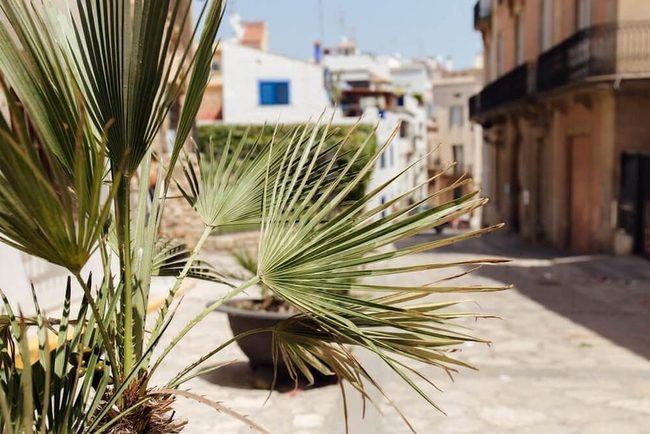
Needle palms stand out with their sharp spikes running between the leaves, which is why some people call them porcupine palms, and this distinctive feature makes them look more like a shrub than a traditional tree.
What makes them even more appealing is their small, compact size; they only grow a few feet tall and wide, so you can fit them into tight garden spaces without any problem.
Beyond their appearance, these palms have serious cold-hardiness that lets them survive in temperatures well below freezing, which means they handle both hot summers and harsh winters with ease.
You do need to be careful when you interact with these plants because those spikes can cut you if you're not paying attention during pruning or handling.
Combining their tough nature with their manageable size makes needle palms a genuinely interesting option for anyone looking to add something different to their yard.
Towering Mexican Fan Palms Statement
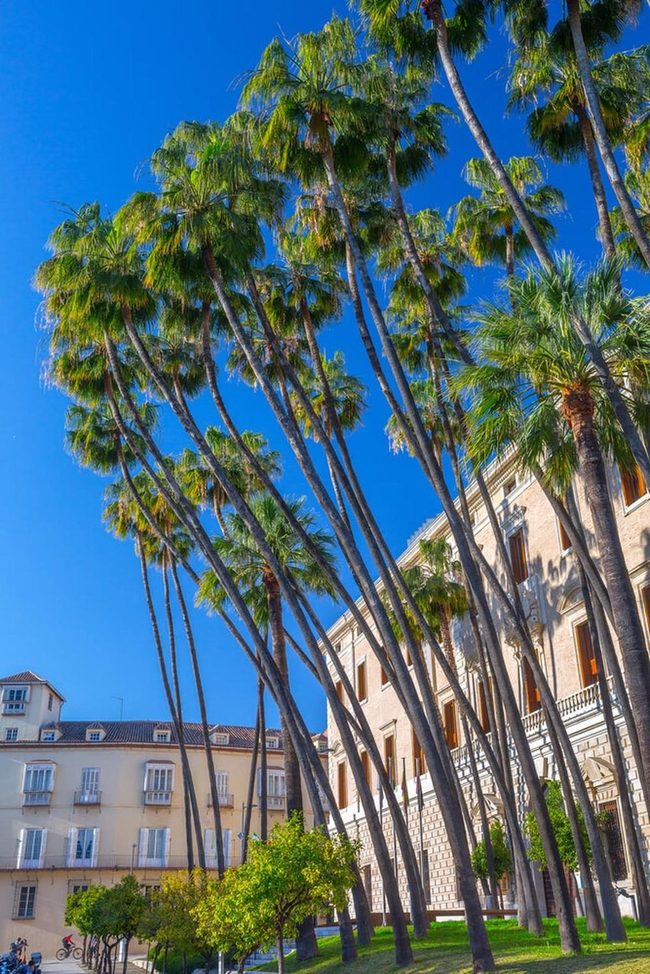
Mexican fan palms command attention with their dramatic height, often soaring to 100 feet in perfect growing conditions and creating an unmistakable vertical presence in your yard.
What starts as a modest shrubby form quickly develops into a towering statement piece that reshapes your entire landscape.
Like other palms, these trees display broad fan-shaped leaves that add to their visual appeal, but here's something unusual about them; dead leaves cling to the trunk rather than dropping naturally.
You'll want to prune away these dried leaves regularly to keep the canopy looking healthy and prevent disease from settling in.
Taking time to remove dead foliage protects your tree and extends its life for years to come.
Regular maintenance keeps this striking plant performing well and looking its best in your garden.
Red Fronds Meet Green Leaves
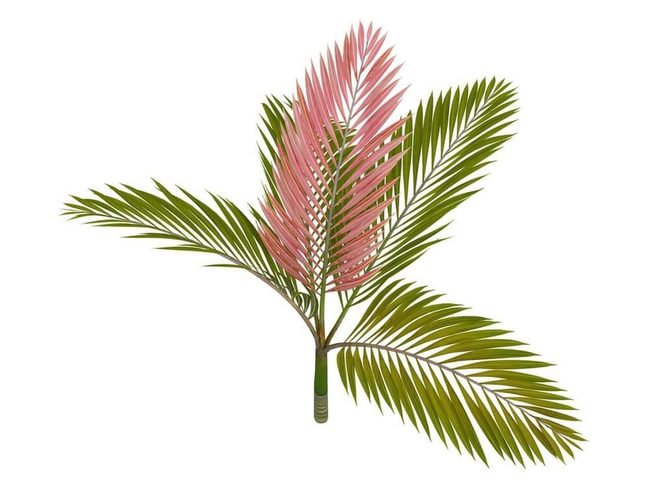
Bold red fronds at the center of the flame thrower palm tree immediately grab your attention and set this plant apart from others.
This approach works because that striking crimson hue stands in sharp contrast against the deep green leaves that make up most of the canopy, and this dramatic color combination is actually where the plant gets its memorable name.
Over time, the bright red gradually fades to match the surrounding green foliage, but nature has a way of keeping things fresh and exciting since new vibrant fronds tend to pop up not long after.
Each new red frond that appears gives you that same pop of color again and again, making this a plant that keeps on delivering beauty season after season.
Silver-Green Fan Palm Beauty
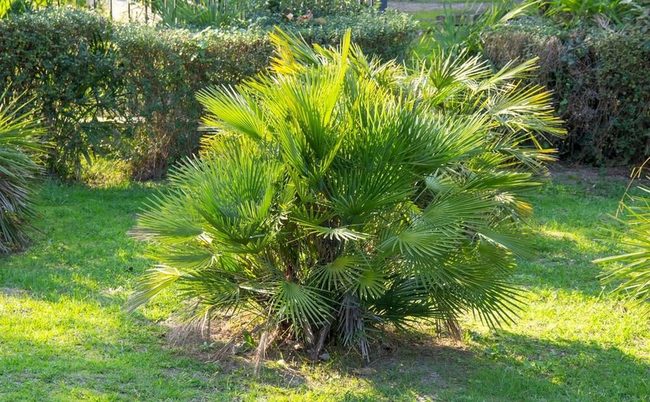
Palm trees come in sizes to match any space you have, and the European fan palm deserves attention if you're drawn to smaller varieties.
Growing slowly to around 15 feet tall, this palm stays manageable and won't demand constant attention as it matures.
Its large, fan-shaped fronds stand out with their distinctive form and soft silvery green hue that adds instant visual interest to your home or garden.
Because it expands gradually, you can enjoy watching it develop over time and adjust your space accordingly.
This palm brings both style and grace into wherever you decide to place it, making it a smart choice for anyone looking to enhance their decorating scheme without complications.
Single Trunk Desert Palm
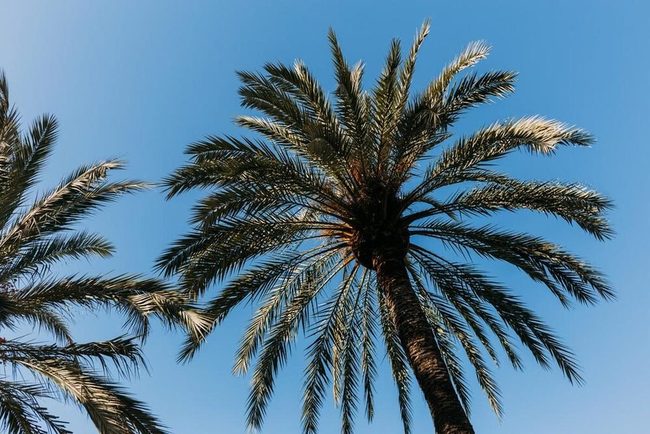
Standing tall with a single, strong trunk, the San Jose Hesper palm commands attention in any outdoor space and draws the eye with its impressive stature.
This design succeeds because how well it handles harsh, dry climates and can go long stretches without water, proving itself as a hardy plant that doesn't demand much from you.
As the tree matures, nature does the work for you since dead fronds simply drop on their own and you won't face the hassle of constant pruning.
Most people overlook this variety because it isn't as popular as other palms, but that shouldn't fool you into thinking it's anything less than excellent.
If you want a low-maintenance addition to your landscape that looks great and handles tough conditions without complaint, this palm is exactly what you need.
Choosing something this durable means you can enjoy your outdoor space without spending weekends on upkeep and maintenance.
Compact Palms For Small Spaces
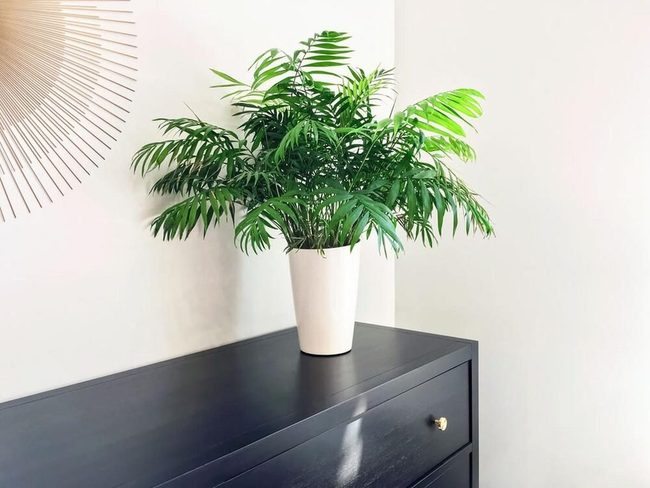
Parlor palms stand out among houseplant lovers because they stay compact at just a few feet tall and wide, fitting perfectly into small containers and tight spaces.
If you live in hardiness zone 10 or warmer, you can grow these plants outdoors and enjoy their tropical feel year-round.
Other popular indoor palms like king palms and pygmy date palms show up in homes across the United States, and each brings its own charm to any room.
Most palm species originally come from distant tropical regions, though the California fan palm has made itself at home in its namesake state.
Whether you're new to plants or looking for something reliable, parlor palms work well because they adapt to indoor conditions and grow steadily without much effort.
Triangular Frayed Leaves Palm
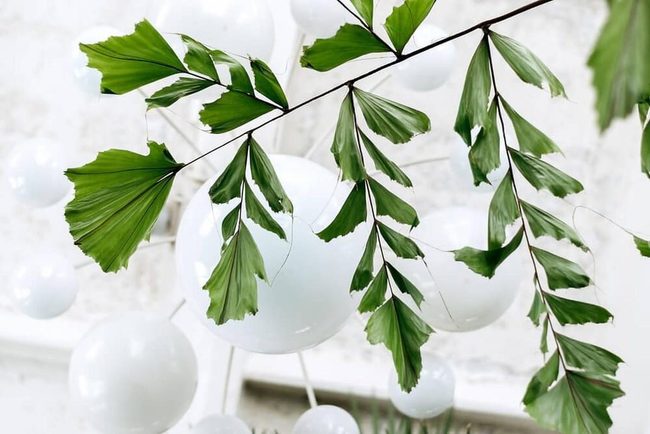
Fishtail palms stand out immediately with their distinctive triangular leaves that have frayed edges looking just like actual fishtails, which sets them apart from nearly every other palm tree you'll encounter.
Most palms display fan-shaped or long fronds packed with leaflets, but this species breaks that pattern entirely and gives your garden a refreshingly different look.
A beautiful part of this design is its flexibility when it comes to light; it does well in full sun and also handles mostly shaded spots without complaint.
You get real freedom when picking plants for your space because this palm adapts to what you have available rather than demanding specific conditions.
Gardeners love this kind of adaptability because it opens up so many possibilities for where you can plant it.
Whether you want something unusual in a bright corner or a dramatic addition to a shadier area, the fishtail palm delivers in both situations.
Traveler’S Palm Statement Leaves
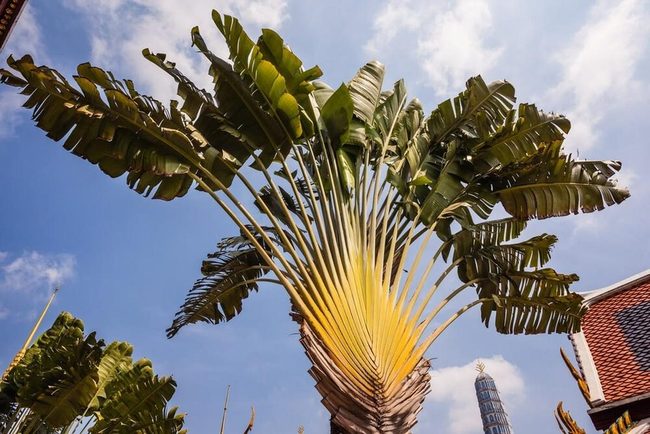
Highlighting the traveler's palm brings instant attention because of its striking fan-shaped structure, with long stems spreading outward in a flat display that stops you in your tracks.
Large banana-like leaves crown each stem, making the plant impossible to miss as you move through a space.
What's interesting is that despite its palm-like appearance, this plant actually belongs to the banana family rather than the palm family.
Its unusual form and growth pattern make for a bold statement that naturally draws your eye, and that distinctive look is exactly why people call it a palm even though its true botanical relatives are quite different.
You can't help but notice how the leaves create that memorable silhouette, and that's what makes it such an excellent choice for anyone wanting a plant that commands attention in a room or garden.
Cascading Leaves, Sculptural Trunk
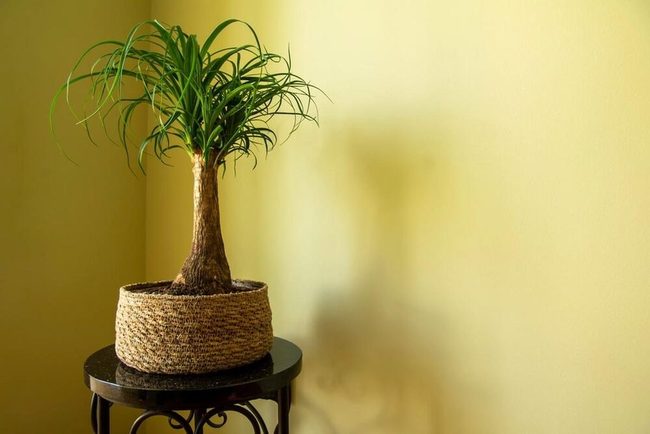
Ponytail palms stand out as an excellent indoor plant because their long, slender leaves cascade down around the trunk in a way that looks just like flowing hair, and the trunk itself becomes a visual showstopper with its thin base that widens just above the soil line.
Keeping one healthy is simple since all you need is plenty of sunlight and a pot with good drainage holes.
Once you set up these basic conditions, the plant takes care of itself without demanding much from you.
Indoor spaces feel more vibrant and alive when you add one of these striking palms to the mix.
If you want a houseplant that looks fantastic while staying low-maintenance, ponytail palms are hard to beat.
Compact Fan Palm Indoor Green
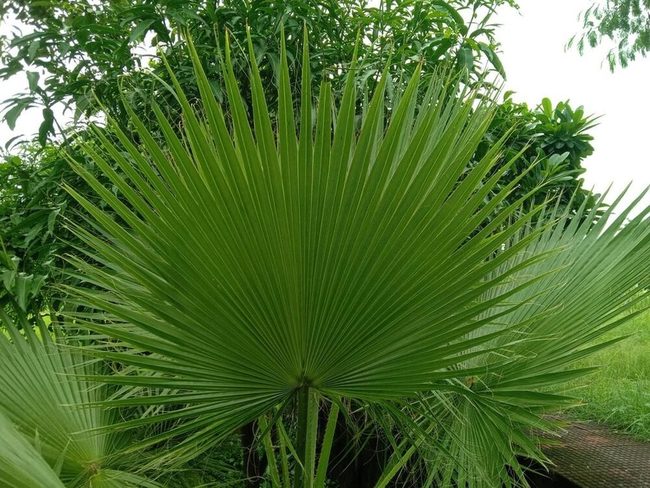
Looking for something that makes a real visual statement without overwhelming your space, a Chinese fan palm tree catches attention with its distinctly broad fronds that spread out and stand apart from typical houseplants.
You'll love how compact it stays, usually reaching just six feet tall or so, which means it adapts beautifully to container living without demanding much room at all.
Rather than growing as a single trunk like traditional trees, this palm develops more like a bush, much the way European fan palms do, and that growth pattern keeps it proportional and manageable for indoor settings.
Since it handles containers well and doesn't sprawl everywhere, you can position it almost anywhere in your home without worry.
What really keeps this plant happy is a few hours of sunlight each day, and when you give it that basic care, it rewards you with years of green beauty and reliable growth.
Dense Everglades Palm Privacy Screen
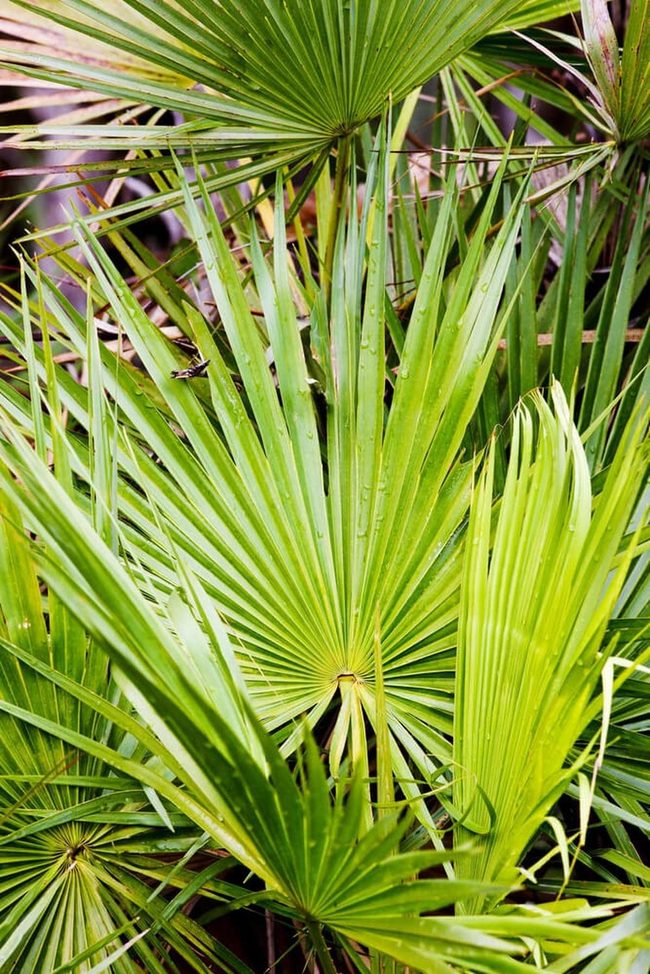
Tall and dense, the Everglades palm makes a striking statement in your yard with its unique cluster-like growth pattern that immediately draws the eye.
If you're looking to add privacy to your outdoor space, this species works beautifully as a natural screen since it fills in thickly and blocks unwanted views.
It loves wet soils and thrives in conditions where other plants might struggle, so if you have damp areas on your property, this palm handles them well.
One thing to keep in mind is that some stems grow at angles rather than straight up, and these curved stems can bend or break under stress as the plant matures, so you'll want to provide support if needed.
Regular pruning keeps the palm looking neat and maintains its health over time, preventing it from becoming overgrown or unruly.
Tall Palmetto Trunks Cross-Hatch Pattern
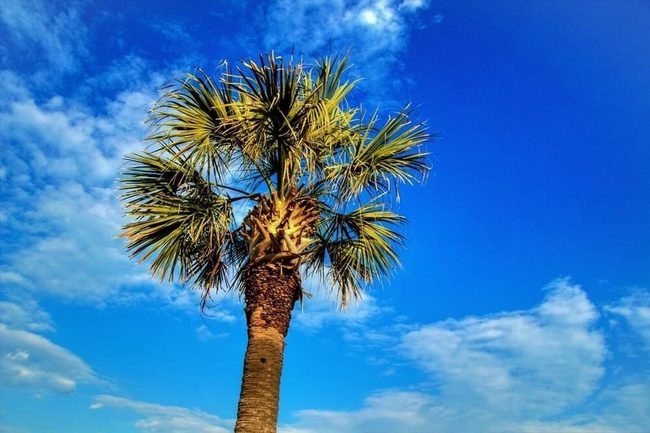
Palmetto palms immediately catch attention with their distinctive tall trunks topped by expansive crowns of fronds that rise dramatically above the landscape.
The first thing to notice is these trees hold official status as the state tree in both Florida and South Carolina, which even earned its nickname from this plant.
Many people find themselves drawn to the striking cross-hatch pattern that appears on the trunk when the tree is properly pruned, revealing a sculptural quality that few other palms display.
Also known as cabbage palm or cabbage palmetto, this species adapts well to many different growing conditions throughout the United States.
Their distinctive appearance and hardy nature make them popular choices for those who want natural beauty in their yards and neighborhoods.
Compact Fan-Shaped Dwarf Palm
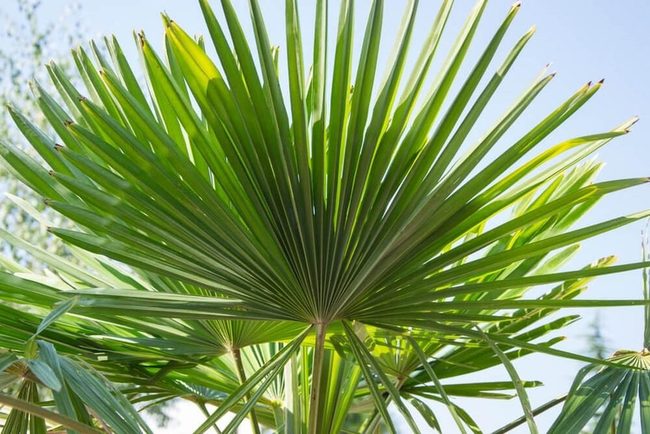
Dwarf palmetto captures attention with its large fan-shaped leaves that spread out in bold patterns and set it apart from other indoor plants.
Standing between 5 to 10 feet tall, this palm remains much more compact than its better-known relative, the standard palmetto palm, making it ideal for spaces where you need something substantial but not overwhelming.
Native to southern regions of the United States and Mexico, this species shows impressive flexibility and adapts well to various growing conditions without demanding much fuss.
If you love palm trees and want to expand your collection, dwarf palmetto serves as an excellent choice that doesn't require special expertise.
Growing this resilient species presents few obstacles, and most people find it straightforward to maintain once established in their space.
Dramatically Curved Palm Tree Trunks
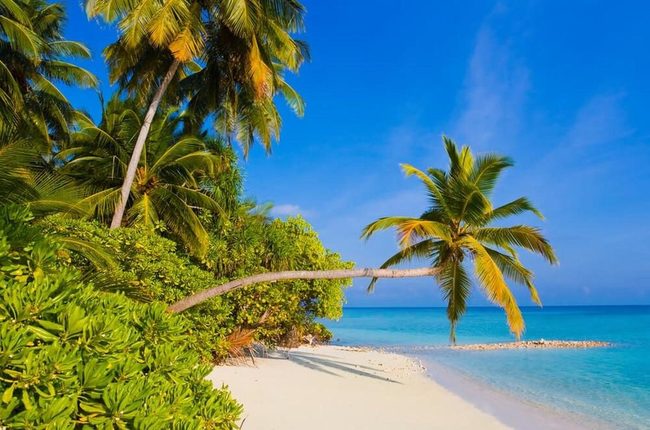
Guadalupe palm trees grab your attention with their dramatically curved trunks that often seem to lean at eye-catching angles, making them one of the most visually striking choices for any landscape.
Young specimens display these distinctive shapes particularly well, narrowing from a thick base to a slender top much like bottle palms, and when you plant several together, their graceful forms enhance each other and create a memorable garden display.
This unusual appearance sets them apart from typical plants and gives your outdoor space something genuinely interesting to look at.
Visitors naturally pause to admire how different these palms look among other greenery.
Whether you're designing a garden or refreshing a landscape, these trees offer real visual appeal without requiring much effort to stand out.
Diverse Leaf Colors, Slow Growing
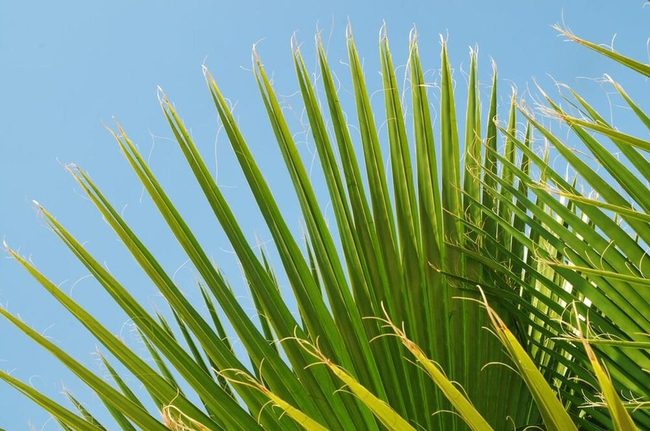
Saw palmetto captures attention in plant shops and nurseries because nurseries stock so many cultivated varieties with distinctly different leaf colors that really stand out.
While saw palmetto shares its common name with both palmetto and dwarf palmetto, it actually belongs to a separate genus altogether, so the three plants are quite different despite looking similar enough to confuse people.
Most saw palmetto varieties stay compact and develop slowly, which works well if you want something that won't quickly overtake your garden space.
The slow growth means these plants stay manageable and you can enjoy them for years without constant pruning.
If you're looking to add something unusual to your landscape, saw palmetto offers plenty of options since so many cultivated types exist.
Each variety brings its own character and leaf appearance to your garden design.
You get flexibility in choosing a saw palmetto that matches both your space and your style preferences.
Golden-Frond Palms Slow Growth Stunner
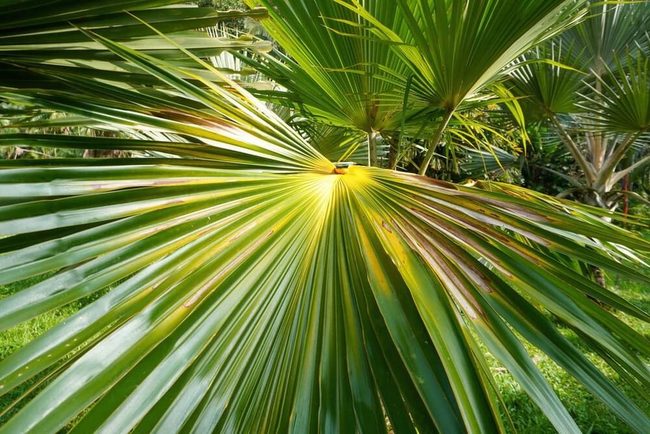
Yellow latan palm trees demand attention with their distinctive fronds and deep green leaves that shimmer with golden flecks, making them impossible to miss in any garden setting.
The charm comes from how this striking color combination naturally draws the eye and sets your outdoor space apart from typical landscaping choices.
What makes these palms even more appealing is that they grow large and impressive over time, yet their slow growth rate means you won't have to worry about them taking over your yard or requiring frequent pruning.
The size and presence of these trees bring both charm and character to your outdoor areas without dominating the space or making things feel cramped.
Their unique appearance works well whether you're designing a tropical garden or adding personality to a more traditional landscape.
Most people who see a yellow latan palm can't help but appreciate how it transforms an ordinary yard into something special.
If you want a tree that looks beautiful and grows at a manageable pace, this species delivers on both fronts.
Red Tiered Flower Clusters Palm
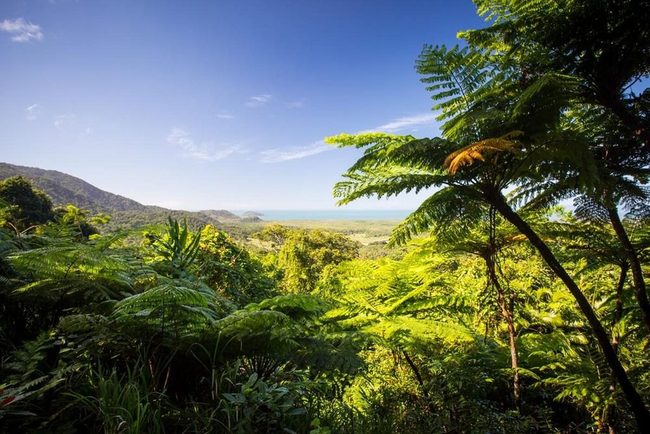
Most people react with disbelief at first sight of a multi-colored palm tree, yet the Alexandra palm truly deserves its striking reputation thanks to those enormous flower clusters that hang down in layers.
This design succeeds becauseually arresting is how the blooms transform through different stages of growth, moving from soft green tones to pale yellow and finally settling into a deep crimson red.
When you see multiple flower clusters at various stages of development on the same tree, the result is a riot of color that catches attention from across any garden or landscape.
Beyond those show-stopping flowers, the Alexandra palm has other beautiful qualities worth mentioning, including elegant fronds and a wonderfully straight trunk that gleams with a light grey hue.
Orange Fruit Palm Tree Display
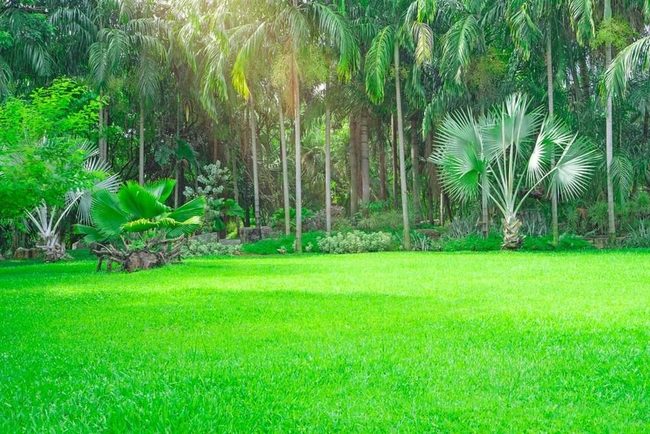
Bright orange fruits create a striking display on the Carpentaria palm tree once the flowers drop away, while long fronds shoot out from the top of its smooth, light trunk in all directions and some extend nearly horizontal.
Growth happens fast with this tree, reaching maturity without long delays so you can enjoy the results sooner rather than later.
Clusters of flowers appear on the upper portions and add interesting texture to the canopy, though they don't bring bold color to the scene.
You can add this palm to your landscape and watch it stand tall with its impressive structure and form, and basic care means you'll be able to enjoy its natural beauty in your space for many years.
Towering Queen Palms Need Acidic Soil

Queen palms catch the eye immediately with their regal stature and impressive height, their straight trunks rising tall while fronds extend up to 15 feet overhead.
If you want this majestic tree to flourish in your space, start with the right soil foundation and use nutrient-rich medium that leans slightly acidic.
Alkaline soil works against you here, as it can trigger chlorosis and drain away the vibrant green color you're after.
Once established in proper conditions, this palm becomes a stunning addition to any outdoor area and brings natural elegance to your landscape.
Growing your queen palm well means watching it develop with grace, and the payoff is worth the upfront effort in soil preparation.
Tropical Elegance In Compact Form
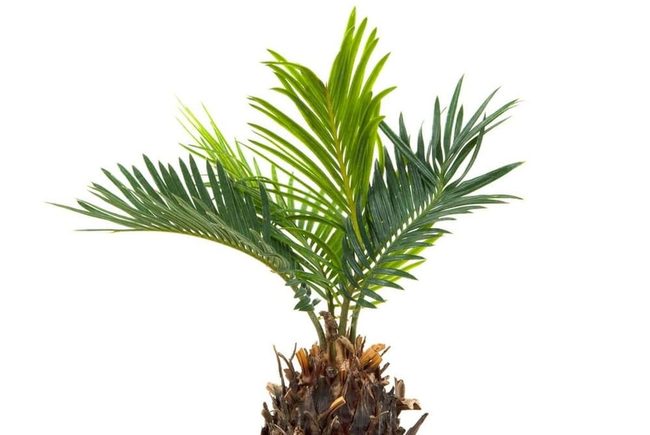
Dwarf majesty palms stand out with their distinctive silhouette; a tall, straight trunk crowned with graceful, spreading fronds that deliver classic palm appeal in a compact form.
I value how this tree stays relatively small, maxing out around ten feet tall, so it doesn't overwhelm your yard or squeeze out space for other plants.
What makes these palms even better for most people is their cold tolerance, as they can actually survive occasional dips below 30 degrees Fahrenheit without serious damage.
Since they thrive in residential settings and blend into various landscape designs, positioning one in your yard adds genuine tropical character.
One thing to keep in mind is that too much direct sun can stress the plant and cause the fronds to droop and wilt.
Red Cherry Palm Saves Florida Species

Brilliant red fruits that look like cherries make the Florida cherry palm a stunning choice for any yard, and this small palm brings real charm to your outdoor space.
Wild populations have declined significantly, putting this species in a precarious position within its native habitats.
Gardeners have stepped in to help by growing it as an ornamental plant throughout residential areas, which means you can enjoy its beauty while supporting conservation efforts.
Planting one of these palms in your garden does more than just upgrade your landscaping; it actively helps protect a species that has become increasingly rare in Florida's natural ecosystems.
These palms adapt well to home gardens and let you bring a piece of Florida's unique plant life right into your own yard.
When you choose to grow this lovely palm, you're not just adding greenery to your space but also participating in the preservation of something special for future generations.
Chilean Wine Palm’S Striking Trunk Statement
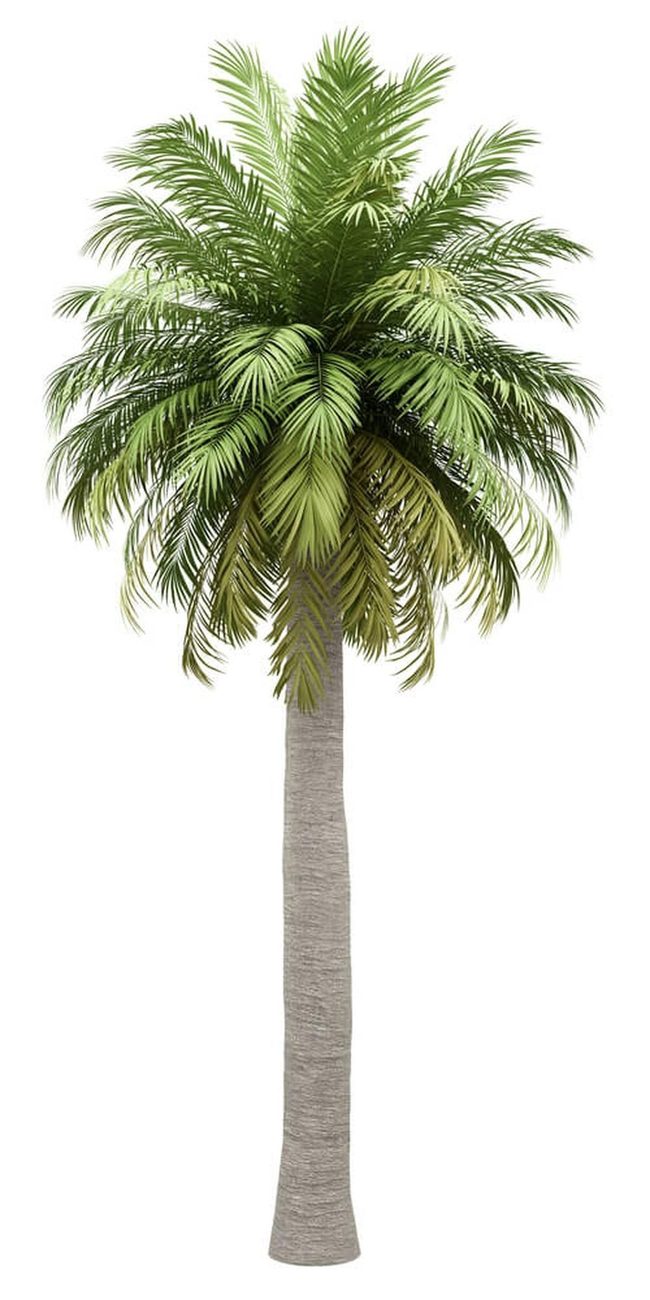
Growing the Chilean wine palm tree in your garden means adding a plant with a bold, dramatic presence; its thick trunk and numerous large fronds stand out immediately against any landscape.
This palm does well in many different soil conditions, whether sandy or loamy, so you won't struggle to find the right spot in your yard.
It thrives in hardiness zones 8 through 11, which means it can handle a wide range of climates across different regions.
One of the best things about this plant is how low-maintenance it really is, since pests and diseases rarely become problems for you.
Its adaptability and good looks make it a smart pick for any gardener looking to add something special to their collection.
Cascading Green Waterfall Indoors
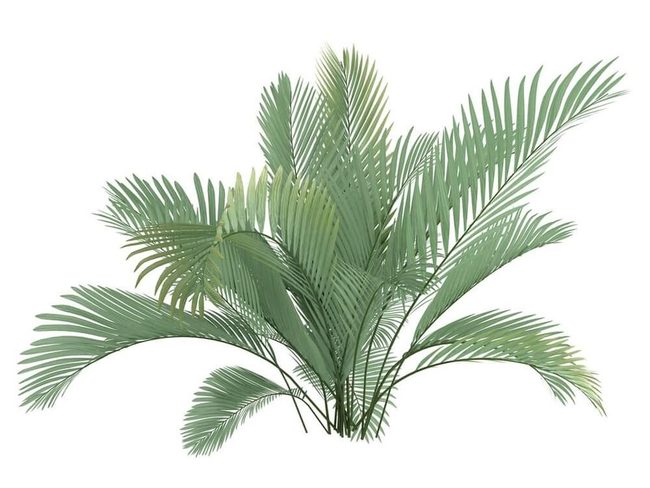
Cascade palms, also known as cat palms, offer a stunning display of foliage that spills gracefully downward from the top, giving any room a lush and natural look that draws the eye upward.
Native to Mexico and Central America, this tropical plant has become popular in homes throughout the United States and adapts well to indoor living.
When it comes to keeping your cascade palm healthy, light is the most important factor to consider.
Bright indirect light is what this plant needs to thrive, and you'll want to avoid placing it in direct sun since those intense rays can damage the delicate leaves.
Finding a spot near a window where light filters through without hitting the leaves directly works best.
Once you've got the light situation right, your cascade palm will reward you with that beautiful cascading effect that makes it such an eye-catching addition to any space.
Red Date Palms Fresh Harvest
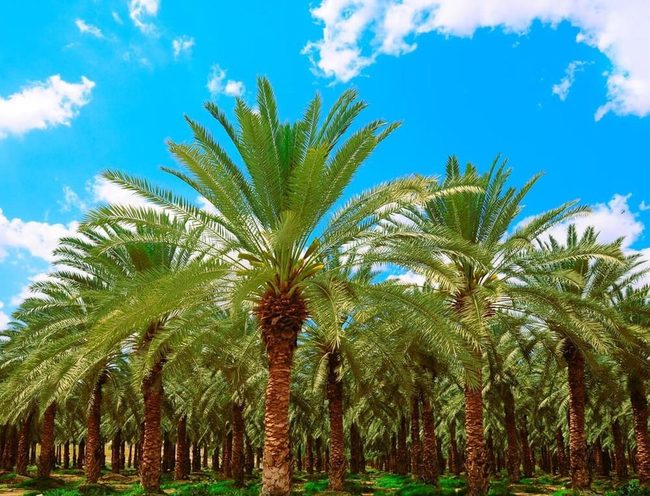
Ripe red date clusters hanging heavily among thick green foliage make an eye-catching display that brings genuine happiness to your outdoor space.
Tall palms with swaying fronds add natural movement and grace to any landscape you're working with.
Growing Phoenix dactylifera means you can actually harvest sweet dates straight from your own trees instead of buying them at stores.
Beyond just looking good, these plants bring real practical value to your home garden.
The lush greenery works well in most yards and brightens up even plain garden areas.
I've seen how much character they add to outdoor spaces, and you don't need to do much to enjoy their benefits.
Whether you're drawn to them for food production or simply for their appearance, date palms deliver on both fronts.
Tall Palm, No Edible Fruit

Canary Island date palms command attention with their impressive stature, reaching heights up to 90 feet and dominating any landscape where they grow.
Growth happens slowly with these trees, and you'll need patience since they take more than ten years to reach just ten feet tall.
Many people plant them expecting a harvest of edible dates, but the fruits this palm produces look like dates and lack any real flavor that makes them worth eating.
You won't find many people harvesting these fruits because they taste disappointing and aren't pleasant to eat.
Even in ideal growing conditions, this tree maintains its slow pace and won't give you the rapid growth you might hope for in your garden.
What you do get instead is beautiful foliage and an elegant form that works well as an ornamental plant.
If you're drawn to the visual appeal of a large palm without needing a food source, this species makes a solid choice.
Swollen Trunk Statement Tree
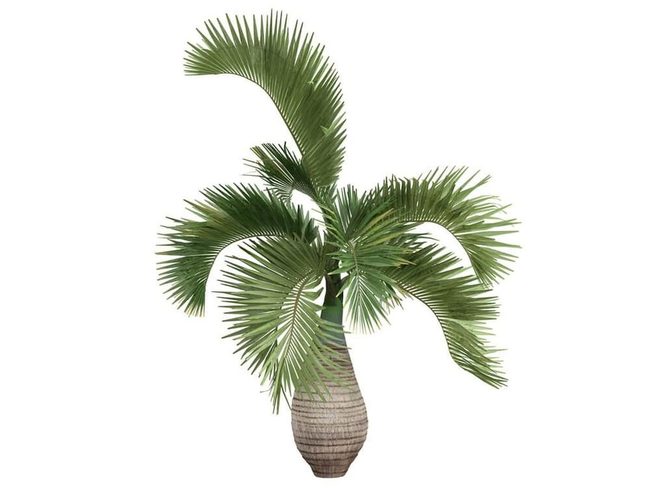
Bottle palms stop you in your tracks with that unmistakable trunk; wide and rounded like a soda bottle; which makes them pop right out from every other plant in your garden.
What really sets these palms apart is how the graceful fronds sweep upward and arch over from the crown, creating a shape that surprises most people since we usually think of palm trunks as plain and simple.
It's rare to find a plant where the trunk itself becomes the main reason you want to look at it, and that's exactly what happens here.
Whether you're walking through your own yard or visiting a botanical garden, spotting one of these distinctive palms can completely shift how your outdoor space feels.
Their unusual silhouette brings character and visual interest that standard palms just can't match.
If you're looking to add something a little different to your landscaping, a bottle palm delivers that wow factor without trying too hard.
Lush Green Pygmy Date Palms
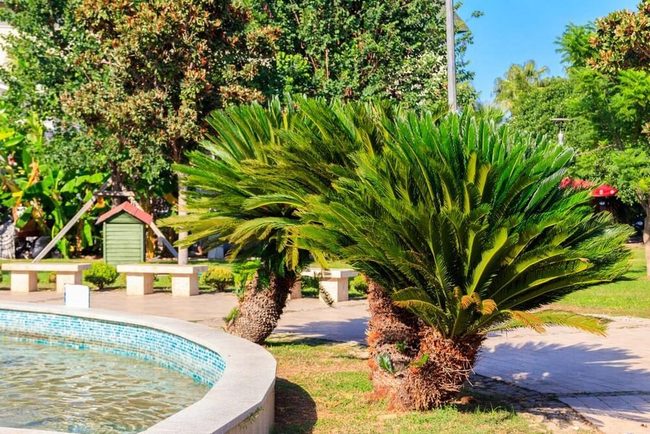
Pygmy date palms bring lush greenery and distinctive fronds that stand out in any outdoor setting, making them ideal if you live in warm climates where temperatures stay above 25 degrees Fahrenheit.
In cooler regions, you can still enjoy these plants by growing them indoors, where they add natural color to your home even without producing flowers.
One thing to keep in mind is that their leaves need protection from intense direct sunlight, as harsh rays can fade or damage the foliage and hurt the plant's overall health.
Whether you're planning an outdoor garden in a warm zone or setting up an indoor space, pygmy date palms work well when you give them the right conditions and care they need.
Towering Coconut Palms Island Vibes
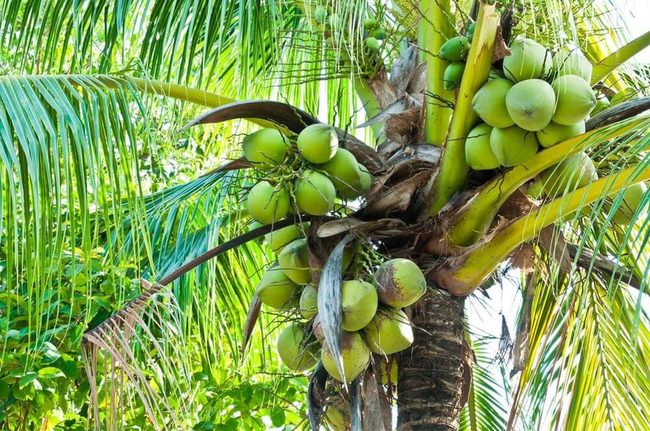
Coconut trees reach dramatically high into the sky and produce large coconuts that hang in clusters on top, making them some of the most visually striking plants you can add to a garden.
These tall specimens belong to the palm family and go by the scientific name Cocos nucifera, though most of us simply know them as coconut trees.
If you live in a suitable climate, growing your own coconut tree at home is totally within reach and opens up possibilities for harvesting fresh coconuts whenever you want.
Many people don't realize how rewarding it can be to pick coconuts directly from your own garden and use them fresh.
Tropical landscapes around the world showcase these wonderful trees in abundance, and they naturally bring that warm, tropical feel to any outdoor space.
Geometric Palms Shape Modern Gardens
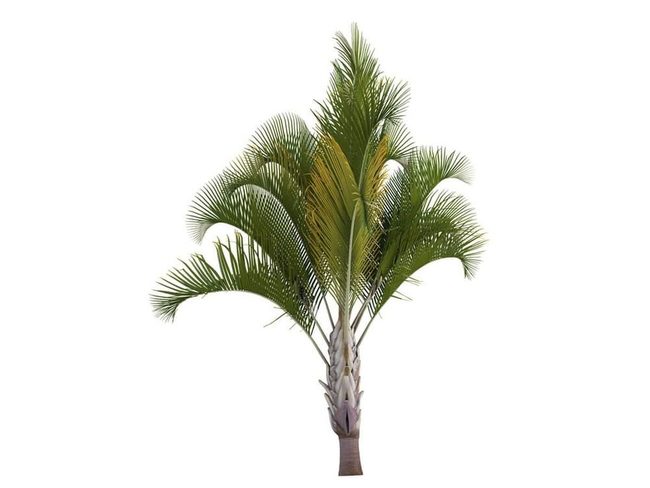
Triangle palms stop you in your tracks with their one-of-a-kind geometric forms, as new fronds emerge at three angles from the trunk and build those distinctive triangular silhouettes that demand attention.
Pruning these naturally shaped plants amplifies their architectural appeal even further and helps you maintain those clean lines without spending hours on upkeep.
If you like the look of topiary but want something less demanding, this plant delivers that design-forward quality on its own.
Your garden gains instant modern flair just by planting one, and it functions beautifully as a central anchor in your landscape design.
The low-maintenance nature means you get bold visual interest and freedom at the same time.
Whether you're designing a contemporary outdoor area or adding personality to an existing space, triangle palms bring that sculptural presence most gardeners search for.
Fragrant Jelly Palm Fruits And Graceful Fronds
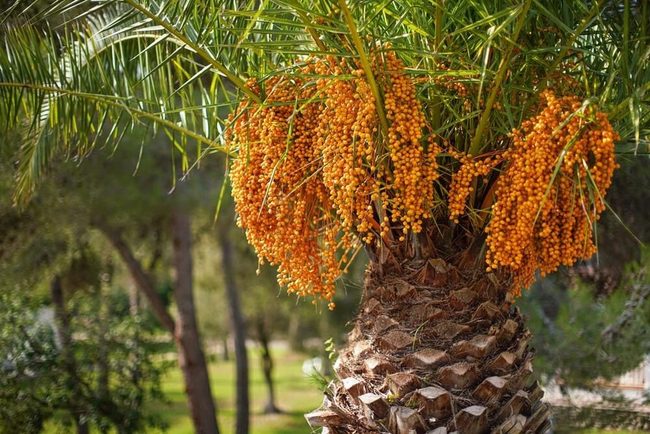
Jelly palms catch attention with their long arching fronds that sway and move in the breeze, offering year-round beauty to your garden space.
Before the sweet fruits develop, small creamy flowers bloom and release a lovely scent into the air.
You can harvest those delicious fruits and turn them into homemade jams or use them in your favorite baked goods.
This style feels fresh because how adaptable it really is to different growing conditions.
It handles both full sun and partial shade without any trouble, and it stays resilient even when temperatures drop in cooler climates.
Whether you're working with a shady corner or a sunny spot, this palm fits right in and thrives without demanding much fuss from you.
Red Fruit King Palms
King palm trees grab your attention with their thick canopy of fan-shaped fronds that droops gently at the tips, creating a lovely weeping appearance.
Bright red fruit clusters add striking color and contrast beautifully against the trunk and leaves, making these trees stand out in any landscape.
You'll find that many people who love nature are drawn to king palms because of this natural artistry and visual appeal.
The combination of the graceful drooping fronds and the vibrant fruit creates something special that brings joy to anyone who takes a walk among them.
There's real beauty in how nature arranges these elements together, and it's this arrangement that makes king palms a favorite choice for those who want to enhance their outdoor spaces.
Walking through these magnificent plants offers inspiration and reminds us why so many people enjoy gardening and landscaping as hobbies.
Towering Grey Palms Of Florida
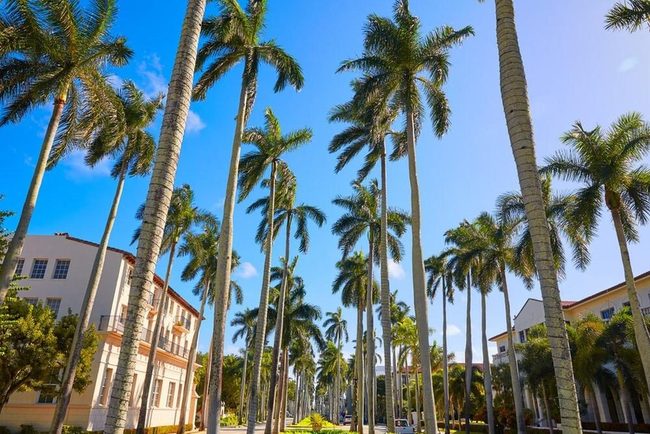
Standing tall at over 100 feet high, the Florida royal palm tree commands immediate attention with its remarkable stature and dominates any landscape it graces.
Its distinctive light grey trunk sets it apart visually and adds a unique aesthetic quality that makes it stand out among other vegetation.
Beyond its impressive appearance, this native species proves incredibly resilient and can withstand powerful winds and hurricanes without faltering.
Because it's naturally found in Florida, it supports the local ecosystem and provides habitat for various wildlife species.
This majestic palm truly embodies Florida's natural character and serves as a living symbol of the region's botanical heritage.
Dark Purple Berries On Palm
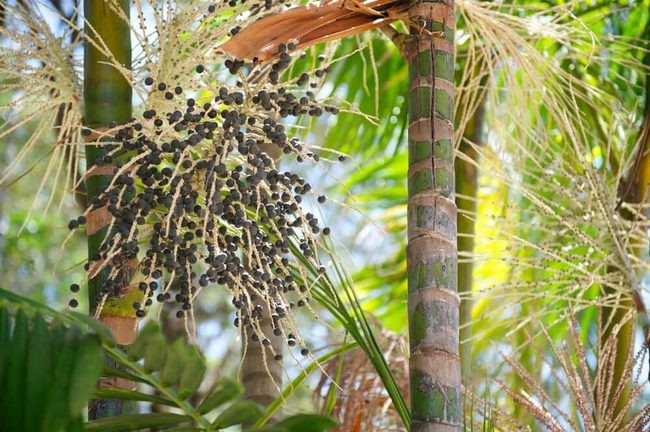
Standing tall with striking dark purple drupes hanging from its branches, the acai palm tree delivers one of nature's most visually compelling combinations of form and function.
Long fronds spread elegantly above trunks that give the tree its classic palm silhouette, and these berries; called acai; have become highly desired across the globe for their nutritional value and taste.
A single panicle can hold nearly 1,000 individual fruits, which really shows how productive this plant is.
Beyond the dramatic appearance of those deep purple berries, you get the bonus of fresh fruit straight from your own garden.
Adding one to your outdoor space means you're gaining an attractive landscape feature while also harvesting delicious treats throughout the year.
It's one of those plants from the palm family that manages to give you everything at once; visual appeal and real rewards for your effort.
Silvery Blue Fan Palms Statement
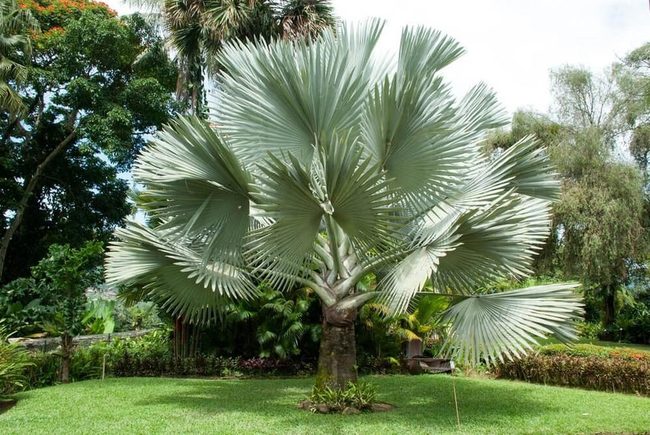
Bismarck palms make a stunning choice for gardens in hardiness zones 10 to 11, and what really stops you in your tracks is that silvery blue color on the massive fan-shaped fronds that seem to glow in the sunlight.
One thick trunk supports all that impressive foliage, which gives the tree a bold, architectural presence that works beautifully as a centerpiece in your landscape.
Most palm varieties offer nice greenery, but few match the striking appearance of a Bismarck palm when it reaches maturity.
If you're looking to make a real statement in your outdoor space, this tree delivers drama and style without needing constant fussing.
Its size and color combination mean it naturally draws attention and anchors your entire garden design.
Towering Date Palms Easy Growing
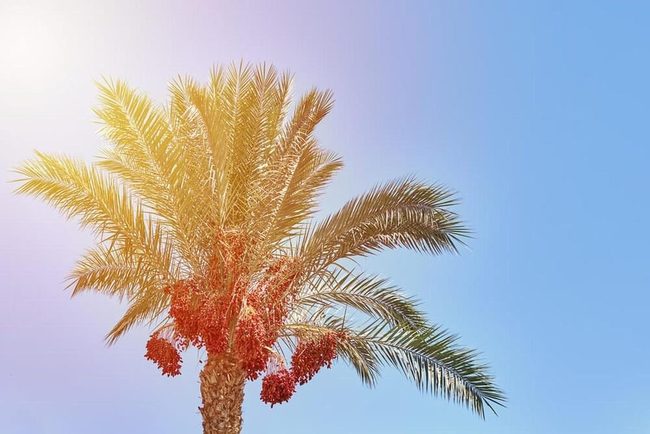
Wild date palms, scientifically known as Sylvester palms, produce those delicious date fruits you may have enjoyed, and these striking trees tower up to 40 feet tall with an impressive presence that stands out in any landscape.
Growing one isn't complicated at all, and the maintenance demands are surprisingly manageable once you understand what the plant needs.
Sunlight matters quite a bit for healthy growth, so position your palm where it gets plenty of direct rays throughout the day.
Soil drainage deserves equal attention since waterlogged roots will cause problems, so amend your soil with sand or perlite if needed.
Keeping the plant tidy involves removing the suckers that pop up around the base and cutting away any damaged or diseased fronds as they appear.
Although other palm varieties grow much larger, this species still gives you that tropical feel without overwhelming your space.
Dramatic Fan Leaves Multiple Growth Forms
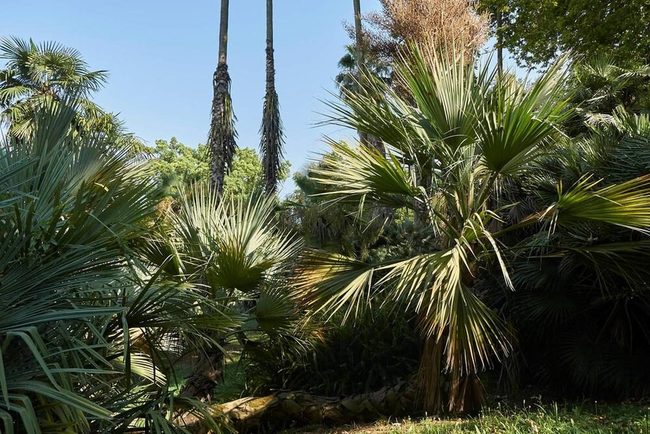
Mazari palms catch attention with their dramatic fan-shaped leaves that hang down in graceful arches, and they can grow in surprising ways depending on the conditions and your preferences.
Sometimes you'll see a single trunk climbing upward like a traditional tree, while other times multiple trunks emerge from the ground and bundle together to create something more unusual and striking.
Beyond just looking good, these palms also produce edible fruits, which some people appreciate even if they didn't plant it for that reason.
Towering Native Desert Fan Palm
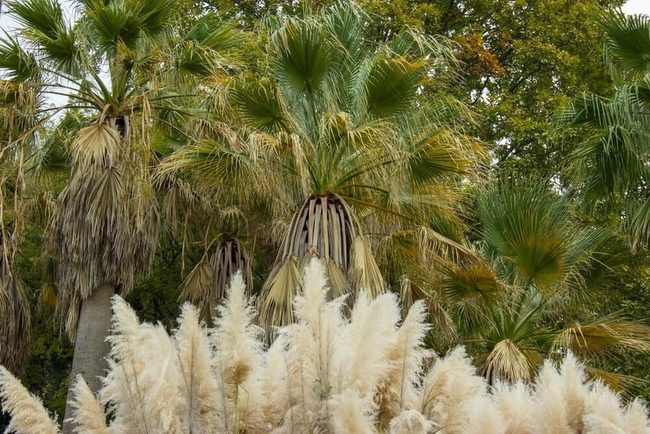
If you're looking for a tree that really commands attention in a landscape, the California fan palm deserves consideration since it ranks as North America's largest native palm and can stretch up to 80 feet high with leaves extending about 5 feet long.
You'll find these palms thriving in desert climates and mountainous regions alike, which is why some people call them desert fan palms based on where they naturally grow.
What gives this look its appeal is that most palm varieties around the world aren't actually native to this area, so having one of these few genuine local palms adds something distinct to your outdoor space.
People who care about regional plants and want to incorporate native species into their gardens often choose this option because it brings authentic American flora to your landscape design.
Yellow Blooms Texas Sabal Palm
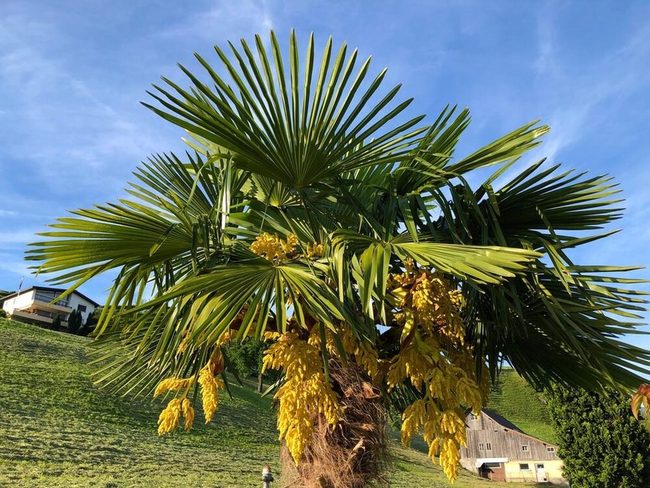
One look at a Texas sabal palm and you'll spot something unexpected among palms; those gorgeous yellow flower clusters that hang down like nature's own decorations against the deep green fan-shaped fronds.
Most people miss this colorful side of palms because they picture something totally different, but this plant delivers visual excitement season after season.
Getting the best from your sabal palm means giving it full sunlight and watering deeply on a regular schedule.
When you add one to your garden, the combination of those bold yellow blooms and the rich green leaves creates real beauty that sticks around for years.
You don't need much more than sun and water to keep it happy and healthy.
Gardens with these palms feel more lively and interesting because of that splash of unexpected color.
Golden Fruit Palms With Textured Bark
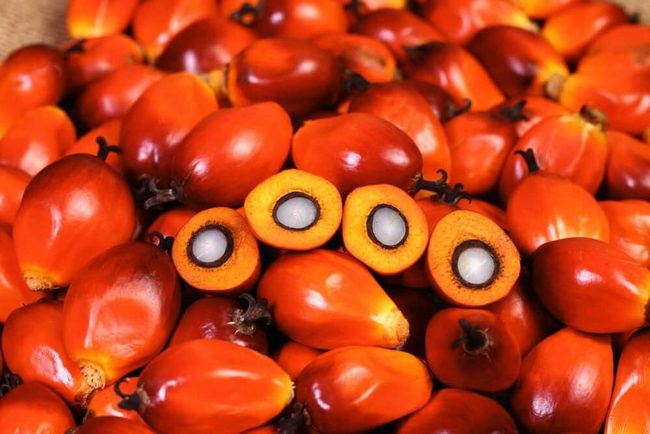
Oil palm trees capture attention the moment you spot them, thanks to their bold flowers and fruits that glow in shades of yellow and orange against green foliage.
Beyond their eye-catching colors, these plants offer real economic value since they produce palm oil, making them both beautiful and functional for your landscape.
When you trim away the old fronds, something special happens underneath; a distinctive bark pattern reveals itself and gives the tree genuine character and depth.
Originating from Africa, oil palms bring together ornamental appeal and practical benefits in one plant.
They brighten outdoor spaces simply by existing there, and they do it while serving a genuine purpose.
Whether you're drawn to them for their looks or their usefulness, oil palms deliver on both fronts.
Growing one means getting a tree that works hard and looks good doing it.
Senegal Date Palms Irregular Forms
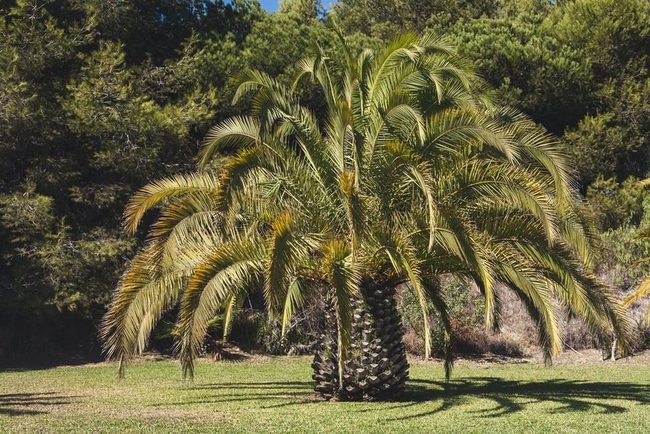
Senegal date palms grab attention with their striking irregular form, often stretching up to 40 feet tall in ways that set them apart from the typical single-stemmed or rounded palms you might see elsewhere.
If you want to add something genuinely different to your garden, this species offers real character and breaks away from standard landscaping choices.
Unlike more conventional palms, its unusual shape brings personality and flair to the landscape.
You get a natural focal point that doesn't rely on traditional rounded forms or predictable growth patterns.
The Senegal date palm essentially lets your garden express a more adventurous side.
Selecting this species means choosing something that will make your outdoor area feel intentional and unique without looking overdone or trendy.
Michael Harris
Senior Content Editor
Expertise
Home Décor Content Creation, Interior Design Journalism, Editorial Oversight, Digital Media Strategy, Team Leadership and Mentorship
Education
University of Queensland, Brisbane, Australia
Queensland University of Technology (QUT), Brisbane, Australia
Michael Harris is the senior content editor at Archi Refresh, where he turns home design trends into engaging, easy-to-follow articles. With a journalism degree from the University of Queensland and a digital communication certification from QUT, he knows how to craft content that informs and inspires.
With over 10 years of experience in lifestyle and design media, Michael has shaped editorial strategies, mentored writers, and helped readers refresh their spaces with practical tips. His work blends storytelling with expert advice, making home decor more accessible to everyone.
Outside of work, Michael enjoys DIY projects, exploring Brisbane’s art scene, and teaching digital literacy workshops.