
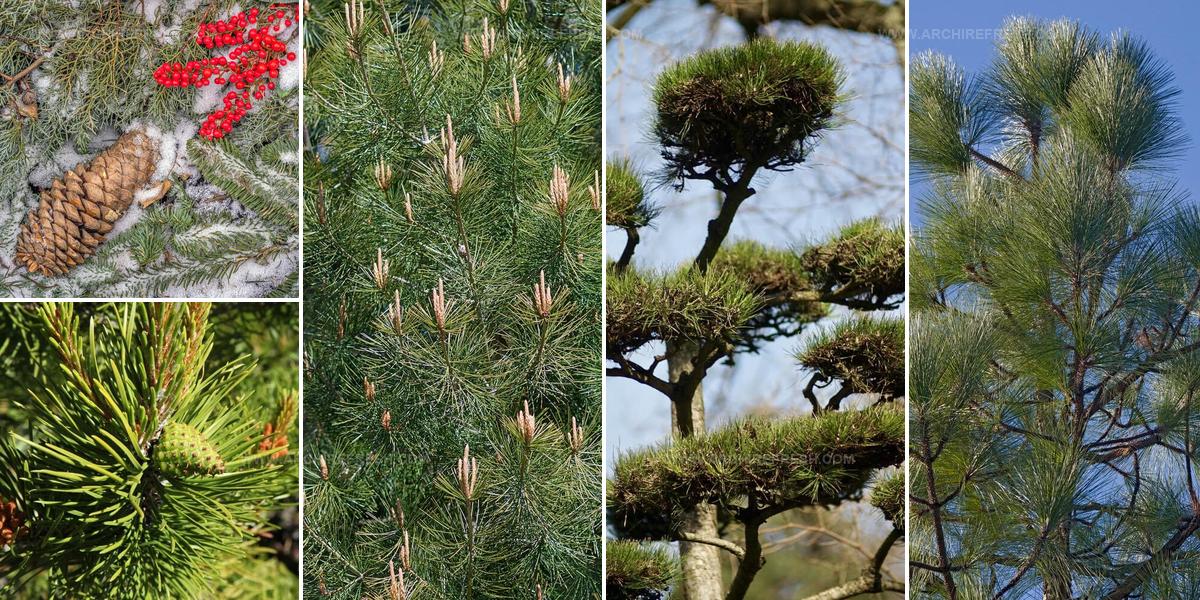
38 Fresh Ways to Use Pine Tree Landscaping Ideas
Pine trees bring natural elegance and year-round beauty to any outdoor space.
These evergreens offer versatility that works well in both formal and casual settings.
Homeowners often overlook how adaptable pines can be when designing gardens and yards.
With proper placement and complementary plantings, pines become stunning focal points that anchor entire landscapes.
The soft needles and distinctive silhouettes create texture and visual interest throughout all seasons.
Whether you have a sprawling property or a compact area, pines adapt beautifully to various conditions and design approaches.
Get started on transforming what you see outside into something that feels both personal and polished.
Vanilla-Scented Pine Giant
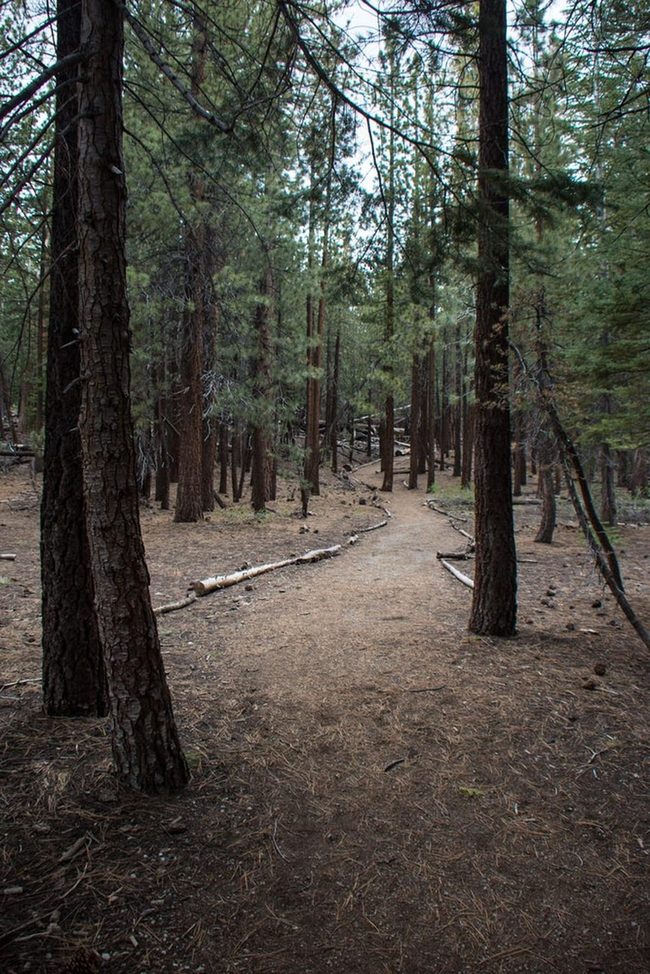
Named after Scottish botanist John Jeffrey, the Jeffrey Pine stands as a tall, straight tree that can grow between 80 to 140 feet high and spread 20 to 30 feet wide, giving it a somewhat sparse and distinctive silhouette.
You can tell this works because its bark, which releases a sweet aroma that smells like vanilla or butterscotch when you brush against it.
You'll find these pines growing naturally across California, Oregon, Nevada, and parts of Mexico in mountain regions between 1,500 and 10,200 feet above sea level.
Its needles grow in clusters of three and stretch up to ten inches long, adding to the tree's unique character and appearance.
Blue-Green Needle Evergreen Giant
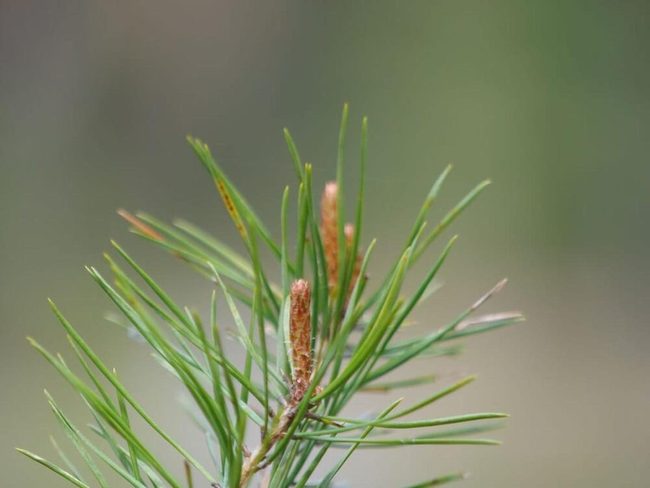
Scots pines stand out with their distinctive blue-green needles stretching one to three inches long, making them easy to identify among other trees.
These fast-growing evergreens reach impressive heights of 20 to 60 feet with spreads of 30 to 40 feet, which is why Christmas tree farms favor them so heavily.
Originally from Europe and Asia, they've adapted remarkably well to the Northern United States and thrive across USDA zones 2 to 7 without requiring much fussing.
What makes them even more appealing is their ability to handle different soil types and conditions, so you don't need perfect growing circumstances to succeed with them.
Several varieties exist within the species, each bringing its own personality to your landscape.
Their rapid growth rate compared to other options means you'll see noticeable progress year after year.
Dark Gray Giants With Golden Foliage
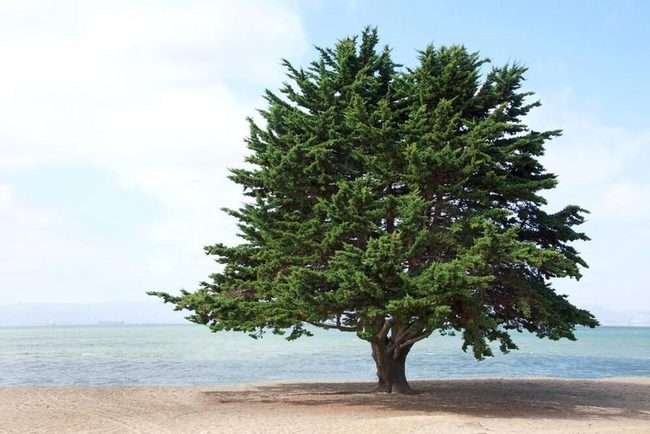
Monterey Pines are remarkable trees native to California's central coast that can soar between 50 and 100 feet tall with impressive spreads of 25 to 35 feet, making them hard to miss in any landscape.
What really catches attention is their substantial dark gray bark covering trunks that expand up to three feet across, giving these giants a distinctive and weathered character.
Paired yellow-green leaves blanket the branches and create a full, healthy look throughout the growing season.
In zones 7 to 10, you'll find these species thrive in their ideal climate.
Egg-shaped seed cones need fire to crack open and remain dormant for up to twenty years before sprouting, which is nature's clever way of ensuring survival after natural events.
Unfortunately, Pine Canker disease threatens these valuable trees in their native habitats and has reduced their wild populations significantly.
Towering Giant With Furrowed Bark
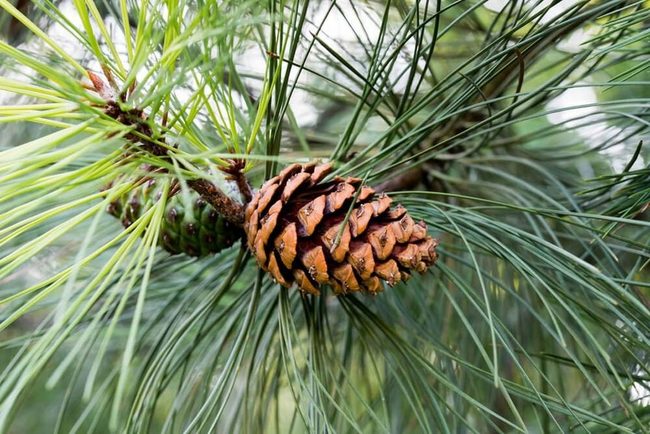
Standing between 60 and 100 feet tall with branches stretching out to 30 feet wide, the Ponderosa Pine commands attention in any landscape with its impressive stature.
Deep brown to black bark etched with distinctive grooves creates striking visual patterns that draw your eye up the trunk.
Bright green pine needles grow in clusters of two to five, and egg-shaped cones with sharp triangular points add textural variety to its form.
You'll find this tree thriving across Western North America in USDA zones 3 to 8, where it adapts well to local growing conditions.
Beyond its ornamental appeal with those interesting needles and cones, the Ponderosa Pine also serves practical purposes as a valuable source for lumber production.
Its dual nature makes it stand out among other trees, offering both visual interest and functional benefits.
Cream Cones Blue-Green Pine
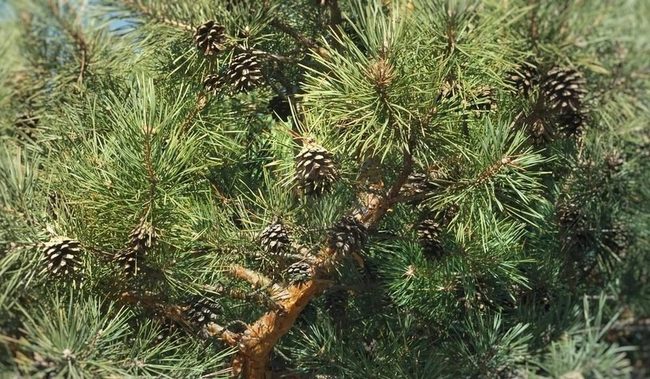
Soaring 80 to 100 feet tall with a spread of 20 to 40 feet, the Chihuahuan pine makes a dramatic statement in landscapes throughout its native range near Chihuahua, Mexico, and across the mountains of New Mexico and Arizona.
The main detail is the tree's creamy-colored cones reaching up to 2.5 inches long as they mature, providing beautiful seasonal interest against the canopy.
Its straight trunk displays small blue-green leaves bundled in groups of five, giving the tree a distinctive appearance that stands out in any setting.
Growing well in USDA Zones 5 through 9, this pine adapts nicely to various climates and conditions across different regions.
Wildlife benefits greatly from this species since numerous animals depend on its seeds as a food source.
Towering Grey-Green Pine Invader
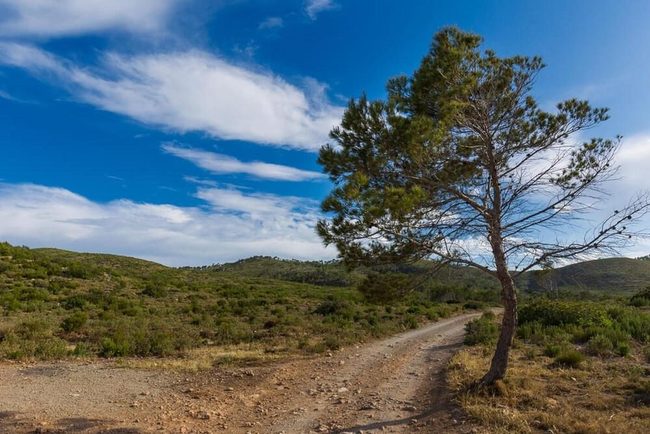
Standing tall at 30 to 65 feet with a spread reaching up to 20 feet wide, the Aleppo Pine; also known as the Jerusalem pine; dominates landscapes across the globe and ranks among the world's five most invasive pine species.
Its greyish-green leaves stretch between 2.4 to 5.9 inches long and give the tree a distinctive appearance that makes it easy to spot in any setting.
Wind carries its seeds far and wide, enabling this aggressive tree to rapidly colonize burned forests and disturbed areas where other plants struggle to survive.
You can see the impressive cones, which grow between 2 and 4.7 inches in length and require roughly three years before they fully develop and release their seeds.
Because this species thrives in USDA zones eight through eleven, it adapts well to many different climates and soil conditions across warm regions.
Orange-Red Bark Turkish Pine
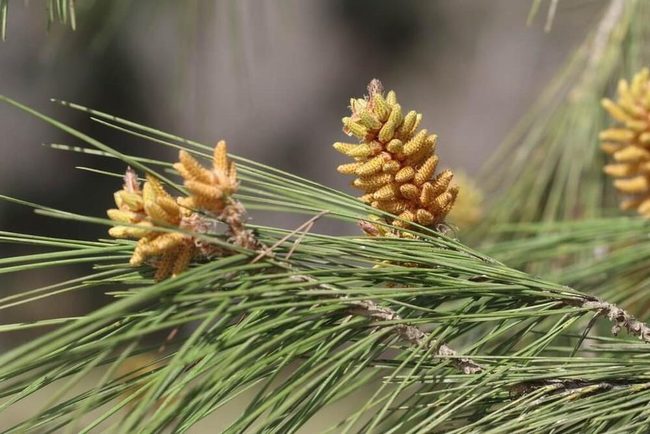
Turkish pine grows beautifully in warm climates and can reach impressive heights between 30 and 115 feet with spreads of 20 to 60 feet, making it an excellent choice for ornamental landscaping.
Most striking is the large trunk with orange-red bark marked by deep grooves that immediately stand out in any yard.
Long yellow-green leaves emerge in small pairs and stretch between 4 and 6.5 inches, contributing pleasant color and texture to the overall look.
Seed cones start out elongated and gradually shift into egg-shaped forms over one to two years before finally releasing their seeds.
You'll find this non-invasive species thrives well in USDA zones 8 through 11, so it adapts nicely to warm regions without taking over your landscape.
Dark Green Pine With Edible Seeds
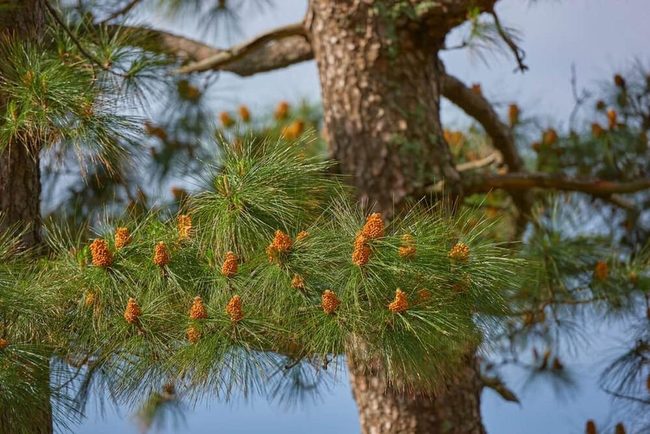
Standing up to fifty feet tall and twenty feet wide, the Chinese Red Pine offers a striking presence in any landscape with its dark green paired leaves that feel pleasant when you touch them and stretch between two to six inches in length.
You can read the grayish-brown bark provides wonderful texture and visual interest throughout the year.
It produces egg-shaped seed cones that remain on the tree for years and contain edible seeds that both people and wildlife appreciate.
Originally from Northern China and Northern Korea, this species does well in USDA zones 5 through 8 and won't spread aggressively into surrounding areas.
Beyond its natural beauty, it serves multiple purposes; you can harvest it for lumber or shape it into a bonsai with reasonable effort.
This adaptable tree combines ornamental appeal with practical usefulness, making it a solid choice for homeowners seeking a tree that looks good and delivers real benefits.
Twisted Gray Bark Pine Tower
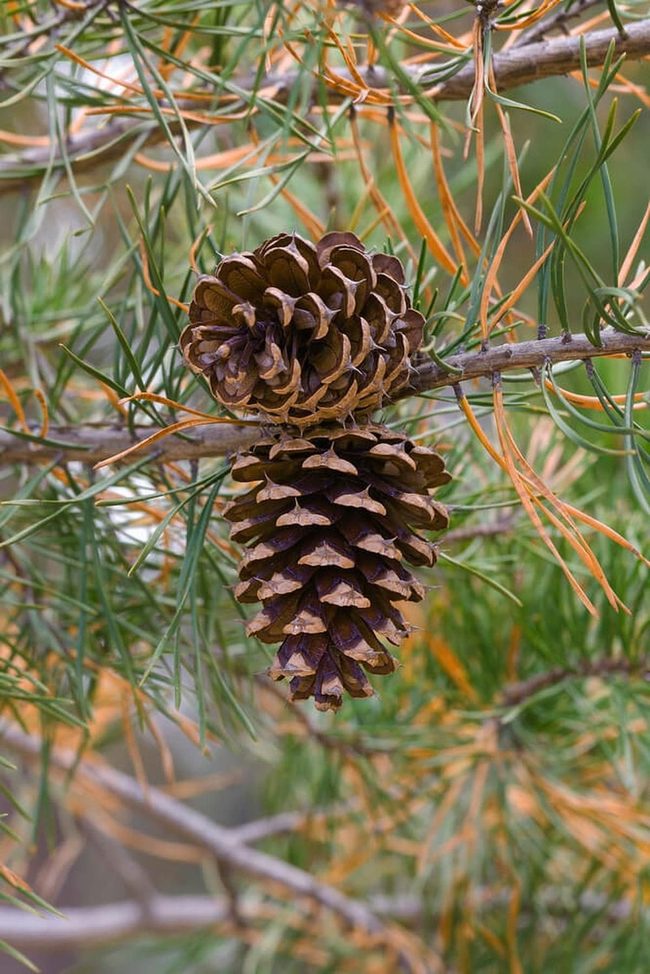
Standing 50 to 80 feet tall and spreading 20 to 30 feet wide, the Virginia Pine (also called the Jersey Pine) makes a bold statement in any landscape with its distinctive gray-brown bark and trunk that can grow straight, lean, or twist in unpredictable ways.
Its crown sits either flat or uneven, and paired yellow-green leaves line the branches throughout the growing season.
Distributed across the Eastern United States from Pennsylvania all the way down to Alabama and Georgia, this species grows well in zones 4 to 8 and adapts readily to various conditions.
You'll find it thriving in landscapes where people value its natural appearance and hardiness.
One thing to keep in mind is that this tree spreads quickly through self-seeding and can overtake burned-out forest areas, sometimes becoming invasive in certain regions.
Tall Orange Bark Pine Needles
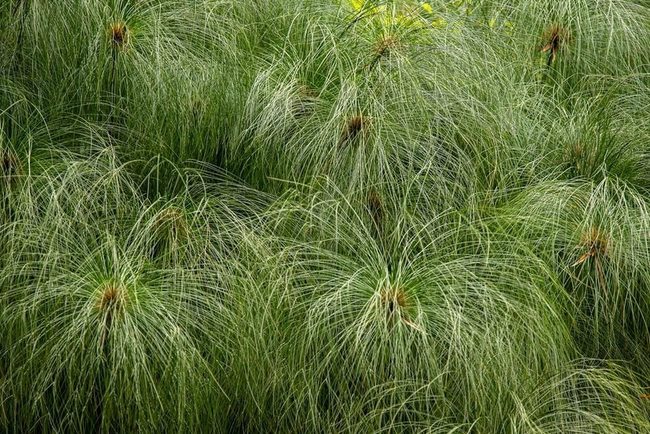
Longleaf pine trees command attention with their impressive height, stretching between 60 to 100 feet into the sky with a rounded crown sitting atop a perfectly straight trunk.
What really stands out is the striking orange-brown bark that contrasts beautifully against the yellowish-green needle clusters, and these needles are unusually long at 8 to 18 inches, making them the longest of any pine species you'll encounter.
You'll find these trees flourishing primarily throughout the Southeast Atlantic States and Florida, though they also grow as far west as Texas.
They thrive best in USDA growing zones 7 to 10, which means you need specific environmental conditions to support them properly.
These pines have long been harvested for timber and pulp production, which has made their natural habitats increasingly endangered over time.
If you're thinking about planting one, understanding their particular zone requirements and habitat needs becomes essential to your success.
Giant Cinnamon Bark Towers
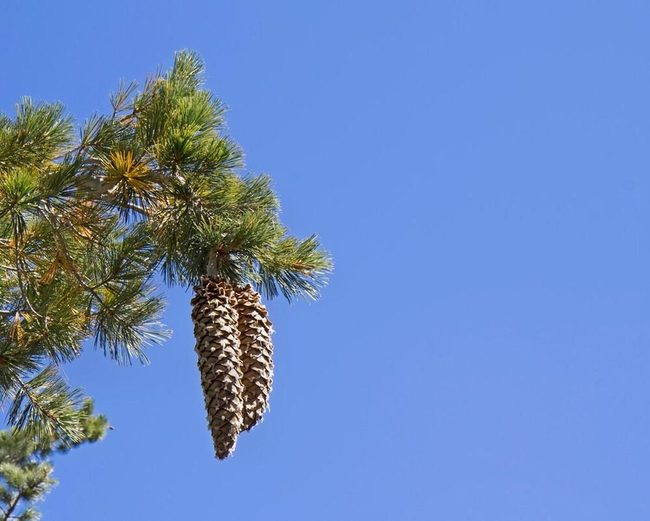
Sugar pine trees tower over the landscape at heights between 100 and 200 feet, with some spreading out to reach widths of 50 feet or more, making them impossible to miss in any forest setting.
Long cones dangle from the branches, and these impressive structures can stretch up to 20 inches in length while weighing over four pounds each.
Their bark displays a striking combination of gray and cinnamon tones carved with deep grooves that add character and texture to the trunk.
Needles grow in clusters of five and display a blue-green hue that brings a cool, natural color to the canopy.
Towering Grey-Bark Pine Tree
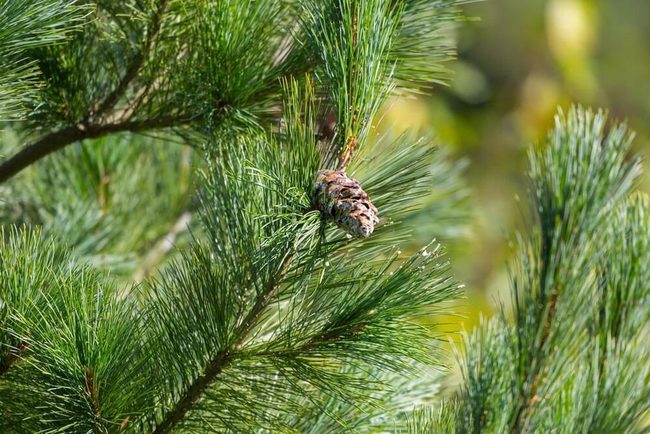
Known for its striking Christmas tree shape, the Eastern White Pine stands out as a popular choice for both lumber and landscaping, and this tree thrives in the northeastern United States within USDA grow zones 4 to 9.
Its leaves are green or blue-gray and grow in bundles of five, with each needle measuring roughly 2 to 4 inches long.
If you're considering these trees for your property, understanding their impressive size and visual characteristics helps guide your decision.
Their distinctive shape and needle arrangement make them recognizable among other forest species.
Tall Desert Pine With Paired Needles
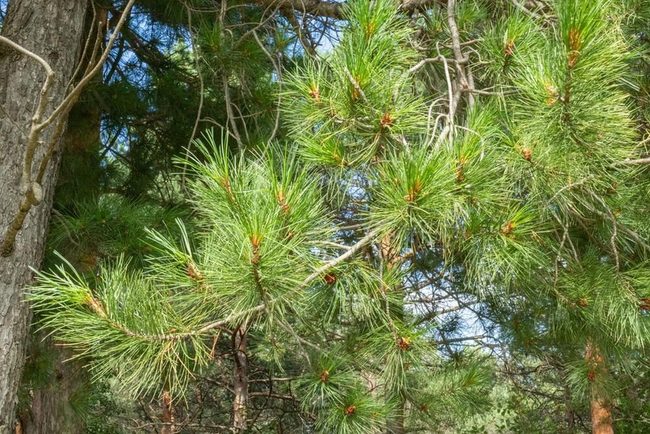
Eldarica pine towers impressively in desert landscapes, reaching heights between 30 and 80 feet with spreads of 15 to 30 feet across, making it a commanding presence in growing zones 6 to 10.
The first thing you see is the foliage consists of paired needles measuring three to six inches long, giving the tree a full and lush appearance throughout the year.
Seed cones develop to lengths of two to three and a half inches and serve as an important food source that draws in birds and other wildlife to your property.
Botanists don't all agree on how to classify this tree; some recognize it as a distinct species while others group it with Turkish pine as a subspecies.
What sets Eldarica apart from its Turkish pine counterpart is its denser growth pattern and superior ability to handle intense heat, strong winds, and prolonged dry spells.
Compact Evergreen For Small Spaces
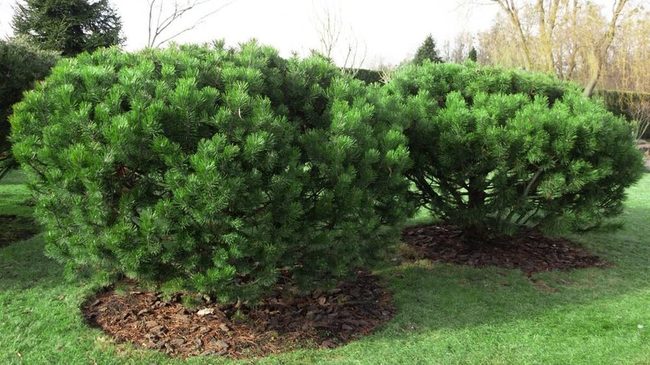
Dwarf Mugo Pine stands out as a cold-hardy shrub with upward-pointing needles that give it a distinctive appearance many gardeners love.
This plant reaches about five feet tall and spreads six to ten feet wide, making it perfect for smaller yards where space matters.
Native to the mountains of central and southern Europe, it adapts well to USDA zones 3 through 7 and handles different soil types and pH levels without fussing.
You'll want to plant it in full sun with soil that drains well, though it shows real flexibility with growing conditions.
It doesn't become invasive, so you can plant it without worry and let it settle in naturally.
Some people even train this pine for Bonsai projects since it responds well to that kind of work.
Whether you're looking for a low-maintenance landscape plant or something more specialized, this compact evergreen delivers reliable growth and year-round structure to your garden.
Dark Green Scots Pine Tree
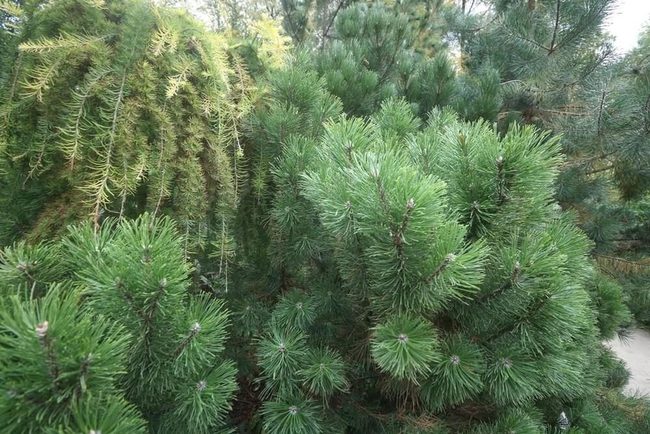
Standing forty to fifty feet high, the French Dark Green Scots Pine commands attention in any landscape with its striking red-brown bark and shorter blue-green needles that instantly remind you of a traditional Christmas tree.
This variety grows less aggressively than the original Scots Pine, making it a smarter pick for most landscaping projects.
You'll find it spreads twenty to thirty-five feet wide, so it fits well into many different yard sizes and settings.
It loves full sun and handles various soil types without fussing, which means you don't need special conditions to keep it healthy and growing strong.
Gardeners and landscapers favor this tree because it adapts easily to different environments across USDA zones 3 through 8.
If you're looking for a pine that gives you that classic holiday look while staying manageable in size and growth rate, this variety delivers on both fronts.
Towering Red-Brown Pine Sentinels
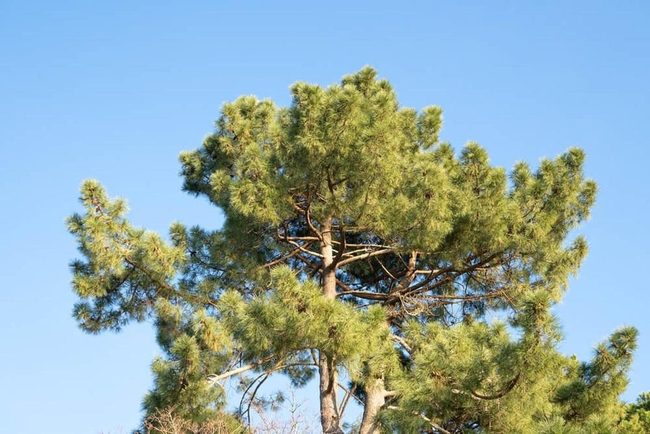
Old-growth shortleaf pines tower 50 to 80 feet tall and spread 20 to 35 feet wide, displaying striking red-brown bark pockets filled with resin that make them instantly recognizable in any landscape.
The useful detail is their needle clusters grow in groups of two, stretching up to five inches long and creating a distinctive texture across the canopy.
These remarkable trees span throughout the southeastern United States, stretching from New Jersey down to North Florida across growing zones six through nine, and they flourish in diverse conditions from sea level to 3,000 feet in elevation.
Rocky soils and flood plains suit them well as long as they receive full sunlight exposure.
Beyond their impressive physical presence, shortleaf pines serve critical ecological functions by providing homes for red-cockaded woodpeckers, a species struggling toward extinction.
Straight Trunk Gray Bark Pine
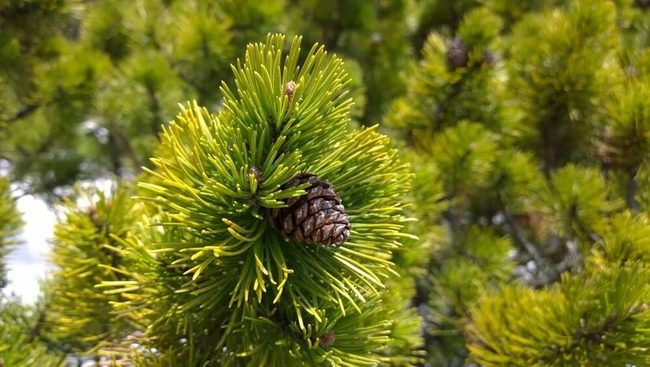
Limbar Pine stretches across the mountains from Southwest Canada down through California and Arizona, showing off a commanding trunk that can grow wider than six feet across as it reaches heights between 20 to 50 feet with a spread of 10 to 30 feet at maturity.
You can pick up on the straight or slightly twisted trunk covered in smooth gray bark that becomes more prominent as the tree develops.
Dark green needles grow together in bundles of five and stretch up to 2.75 inches long, while narrow egg-shaped cones add visual interest to the overall form.
This hardy species does well in poor soil and adapts to different conditions across hardiness zones four through seven.
Wide Spreading Dark Green Pine
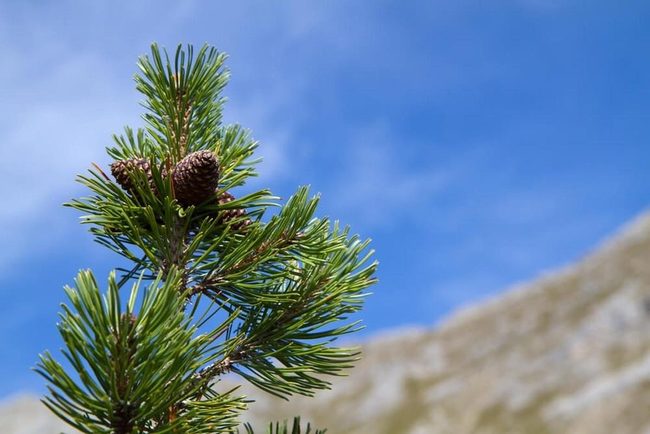
Mugo Pine stands out as a distinctive landscape choice that often grows wider than it is tall, with specimens ranging from 5 to 25 feet in height and spreading across 5 to 30 feet at the base, immediately catching attention in any outdoor space.
Dark green needles arranged in pairs cluster along brown-gray bark that adds rich texture and visual depth to the plant's overall appearance.
This hardy tree adapts well to different soil conditions, thriving in sandy loam but managing clay soils without complaint.
Native to the mountainous regions of central and southern Europe, it flourishes in USDA zones 2 through 7 and handles cold winters with ease.
Beyond looks, Mugo Pine serves practical purposes by helping prevent soil erosion and performing well in challenging spots like boggy areas or positions just below established tree lines.
If you want a tree that brings both beauty and function to your yard, this species delivers on both fronts.
Graceful Weeping Pine Drooping Foliage
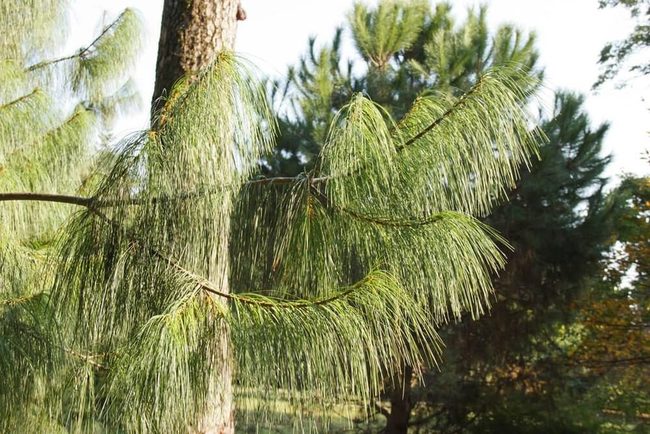
Found in Eastern and Central Mexico, the Mexican Weeping Pine grows well in USDA zones 8 to 9 and can shoot up to 50 to 100 feet tall with a spread of 20 to 30 feet, making it an impressive presence in any landscape.
What really catches attention is how its long, straight trunk holds up those distinctive drooping leaf tufts that sway and move in the breeze.
Pairs of egg-shaped seed cones dot the branches and add nice visual interest to the tree's overall appearance.
You should know that while this pine gets chosen often for landscaping because of how good it looks, it does have a habit of spreading more than you might want it to over time.
Light shade doesn't pose any problems for this tree since it adjusts well to different light conditions.
Red-Brown Twisted Pine Trunks
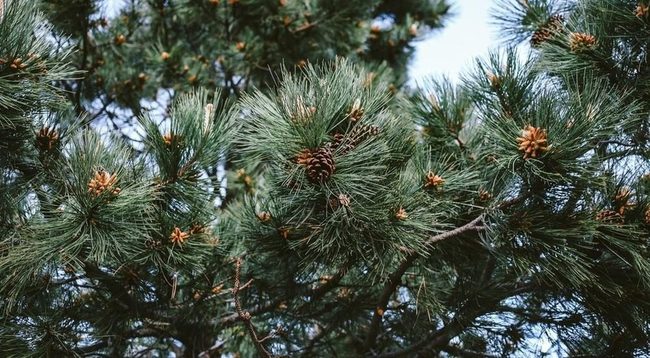
Pond Pines grow best in soggy ground and can shoot up between 30 to 70 feet tall while spreading 20 to 45 feet wide, and their most eye-catching feature is the crooked trunk wrapped in distinctive red-brown bark with deep grooves beneath an uneven crown.
You can notice the needle clusters come in bundles of three to five, which look so similar to Loblolly pine needles that people often mix them up.
Stretching from New Jersey all the way down to Florida along the Atlantic coast, these trees do well in zones 7 through 9 where moisture stays constant.
One remarkable thing about this species is that its seed cones need fire exposure to open and release their seeds, making it a tree that actually depends on natural burn cycles to spread.
Wet marshes and swampy ground support these pines, though standing water can sometimes slow down their growth and development.
Single Needle Pine Southwestern Treasure
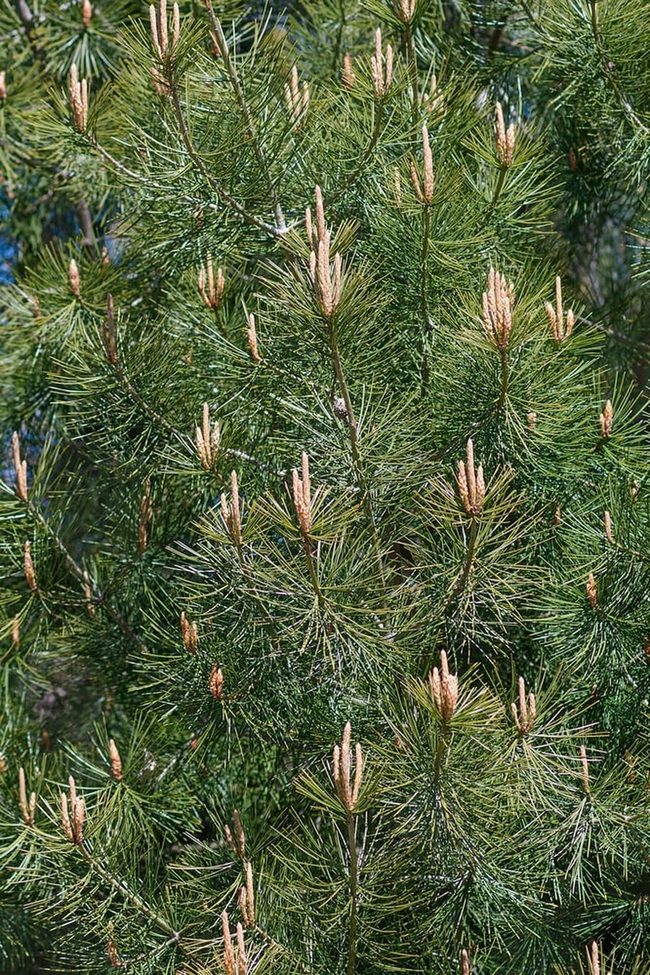
Single-leaf pinyon pines catch attention with their unusual needle arrangement; each branch holds just one leaf rather than clusters like other pines do, and this distinctive feature makes them stand out immediately in any landscape.
Growing only 15 to 50 feet tall and 15 to 20 feet wide, these trees remain relatively compact, and their egg-shaped to round cones add another layer of visual interest to their overall form.
You'll find them naturally in Southwestern North America within growing zones six through eight, where they've adapted to harsh desert conditions.
Getting these trees to thrive in a garden setting proves quite challenging, so they rarely show up in typical landscaping projects.
If you happen to spot one growing wild, you can appreciate both its rarity and the way it differs so clearly from standard pine varieties.
Reddish-Brown Pine Reaches Skyward
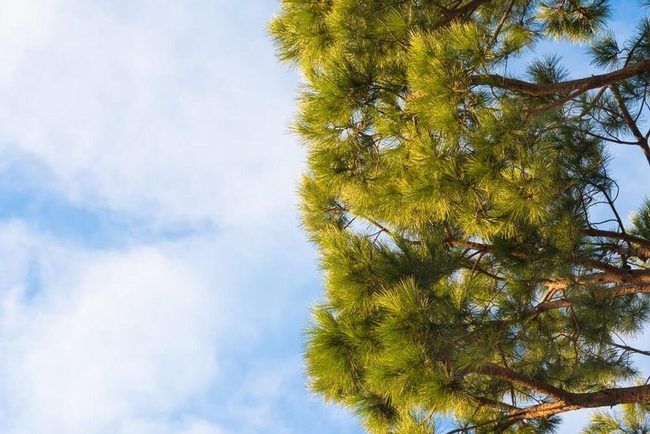
Soaring upward with a striking silhouette, the Loblolly Pine commands attention by reaching 50 to 80 feet tall and spreading as wide as 35 feet.
Its reddish-brown bark creates a bold contrast against the yellow-green needles that grow in clusters of three, making the tree visually distinctive even from a distance.
As this pine matures, the lower branches naturally shed and fall away, leaving behind a graceful high crown that defines its mature shape.
Growing wild from New Jersey down through Florida and stretching westward to Texas, this pine flourishes in wet, swampy ground where other trees struggle with soggy soil.
If you live in USDA zones 6 through 9, this hardy tree adapts well to your climate and brings strong vertical interest to any landscape where you plant it.
Towering Green Giant With Russet Bark
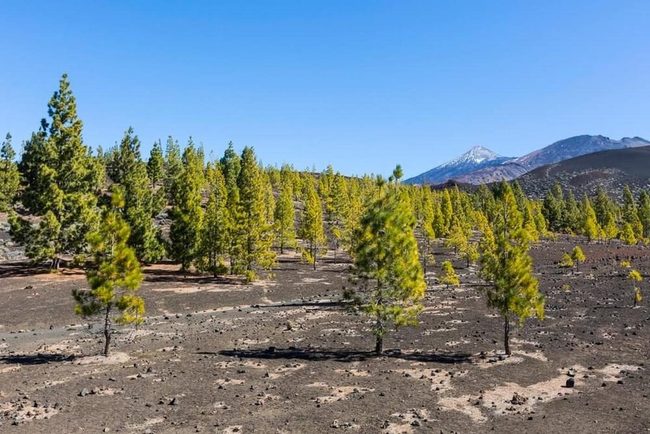
Canary Island Pine trees command attention with their straight, towering form that can reach 50 to 80 feet high and spread 20 to 30 feet across, making them an striking presence in any landscape.
Bright green needles extending up to 12 inches long complement the distinctive reddish-brown bark with its light grooves that runs along the trunk.
Large seed cones develop to about 9 inches long and add another layer of visual interest to the tree's structure.
You'll find that the timber is actually quite valuable, which speaks to the tree's quality, and it doesn't become invasive in American forests, so you can enjoy it without environmental concerns.
Purple Bark Japanese Pine Tree
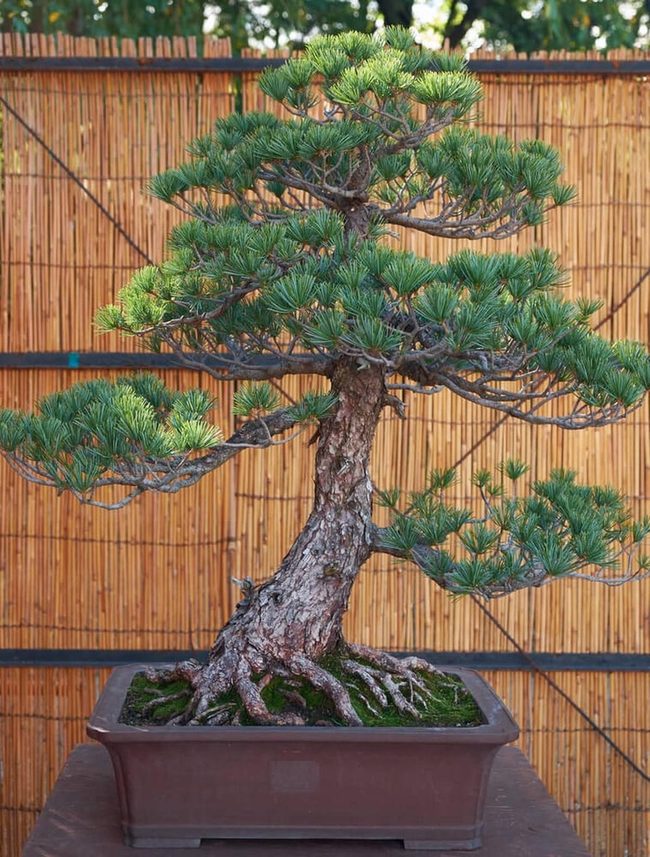
Japanese White Pine makes a stunning choice for your landscape with its striking purple bark and blue-green needle clusters that measure just 1 to 2 inches long and grow in groups of five.
I value this tree reaches heights between 20 and 50 feet while spreading 25 to 50 feet wide, offering substantial presence in any garden space.
Its impressive trunk can expand to around 3.3 feet across, making it a real showstopper in your yard.
What sets it apart from the Eastern White Pine is its shorter needles and different seed cones, giving you a distinct look for your landscaping plans.
Beyond landscape use, people love cultivating this species as Bonsai because of its appealing form and structure.
It thrives in USDA zones 6 through 9, so you can enjoy it in many different climates.
Towering Black Bark Tree
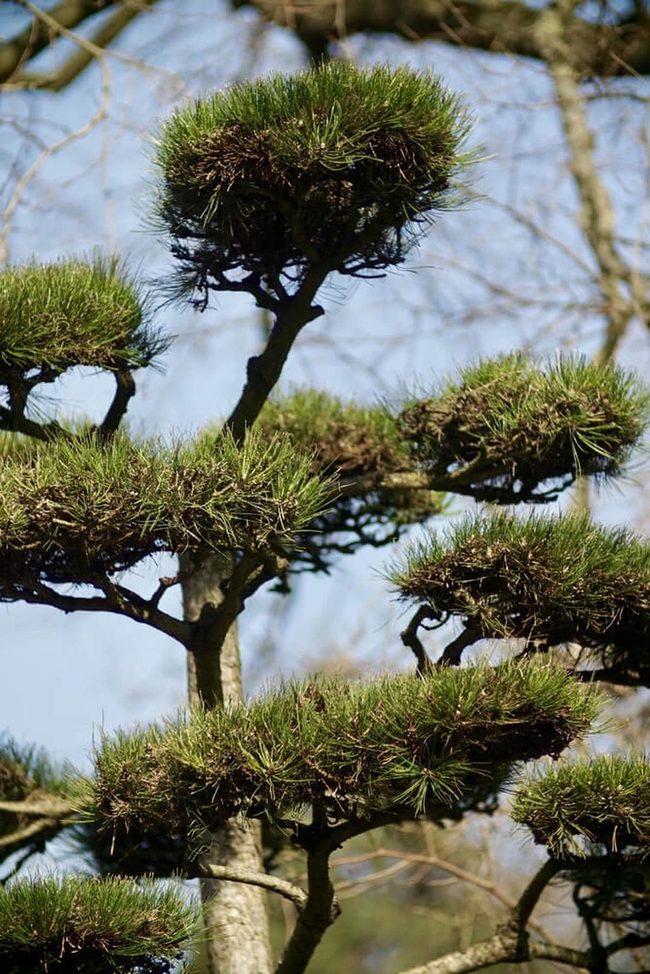
Standing 20 to 60 feet tall with branches stretching up to 20 feet wide, this tree commands attention in any landscape, and its trunk can grow as thick as 6.5 feet when fully mature.
Over time, the bark darkens to an almost black color, which adds striking visual character to your outdoor space.
Originally from Japan and Korea, this tree has established itself in certain parts of the United States as well.
Paired leaves that measure between 2.4 to 4.7 inches long give the tree an appealing appearance throughout the growing season.
Many people appreciate using it for landscaping purposes, though we recommend choosing a native pine species when you have the option since they perform better in your region.
It grows well in USDA zones 5 through 8, so check your location before planting one in your yard.
Austrian Pine’S Textured Gray Bark
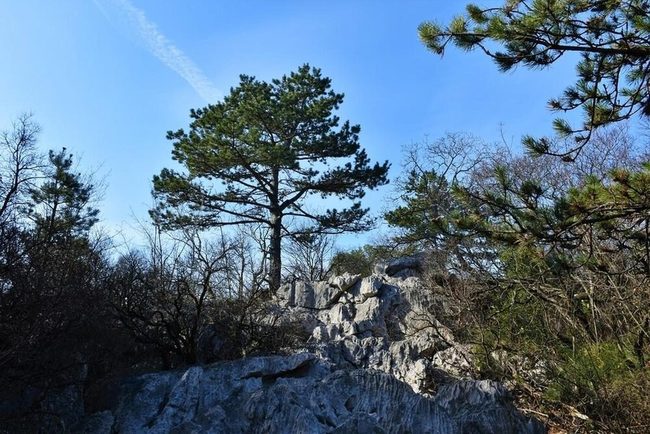
Towering between 40 and 100 feet, the Austrian Pine dominates landscapes with its striking presence and deep-grooved bark that ranges from gray to brown, offering rich texture to any setting.
Long needle-like leaves grow in pairs and stretch up to seven and a half inches, displaying shades from pale to dark green that shift with the seasons.
You'll find this tree thrives in USDA zones 5 through 8, making it well-suited for many areas across North America where you need a hardy evergreen.
Although it originated in Europe rather than here in the United States, the species has proven itself incredibly adaptable to regional conditions.
It has spread widely throughout North American landscapes without becoming an invasive problem, which speaks to how well it integrates into local ecosystems.
Several subspecies exist within this species, each performing differently depending on their specific environment and local climate patterns.
Towering Red Pine Straight Trunk
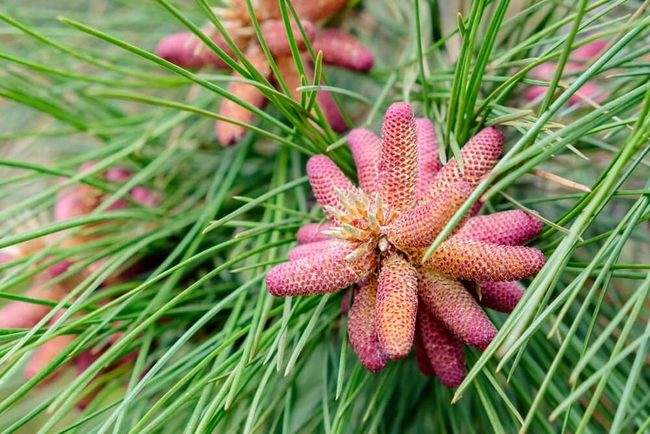
Rising 50 to 80 feet into the air, the Red Pine commands attention with its striking reddish-brown bark marked by deep grooves and a perfectly straight trunk that stands out in any landscape.
Its narrow crown reaches upward and displays deep yellow-green needles arranged in pairs along each branch.
When you look closer, you can watch the egg-shaped seed cones that round out as they open and release their seeds.
This hardy tree adapts well to many different soil types and moisture conditions, and it self-pollinates without needing help from other trees.
You can grow Red Pines across zones 3 to 7, which spans from Canada down through Pennsylvania and extends westward to Minnesota.
The real appeal comes from how true it stays to its original form without much genetic drift happening over generations.
Red-Brown Bark With Deep Grooves
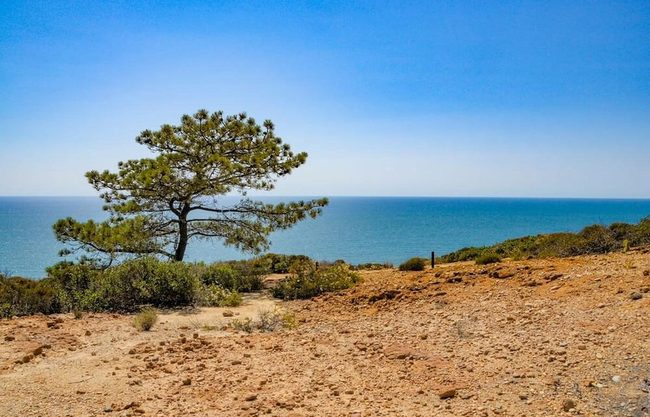
You'll find something truly exceptional in the Torrey Pine, the rarest pine tree in the United States, with only about 4,500 remaining in its natural habitat.
Growing up to 6 to 11 inches long, the needles appear in bunches of five and add a soft texture to the tree's overall shape.
Strong coastal winds have shaped the trunk into a crooked form, and the tree develops a rounded crown that the useful detail is right away.
Mature cones require three years to fully develop, making them an interesting feature to observe over time.
You'll only encounter this species in two locations: coastal San Diego County and Santa Rosa Island, where it thrives in zones 8 to 10.
Gray Bark Pine With Fire-Adapted Cones
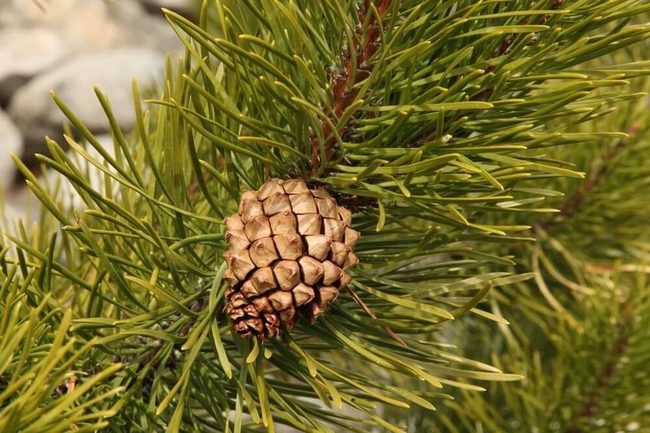
Spruce pine trees stand out with their distinctive branching structure, featuring heavy limbs and gray bark that can stretch 15 to 60 feet tall and spread 15 to 25 feet across, while their trunks grow either straight or at unusual angles for dramatic visual character.
Dark green needle-like leaves emerge in pairs and range from 1 to 4 inches in length, adding texture and depth to the tree's overall appearance.
You'll commonly encounter these trees in Florida and Alabama, where they flourish in sandy and acidic soil even when planted in partial shade conditions.
This design succeeds because how their egg-shaped seed cones require fire to open and release their seeds, a remarkable adaptation that sets them apart from many other evergreen varieties.
Growing this tree works well if your landscape has the right soil composition and light exposure that the species prefers.
Towering Green Needle Sculpture
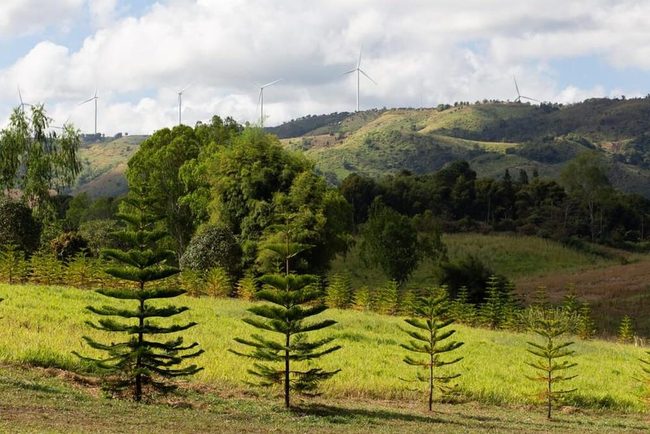
Norfolk Island Pine shoots upward dramatically, reaching 60 to 100 feet when planted outdoors, though indoors it behaves much more modestly at around 5 feet tall and 4 feet wide.
Bright green needles only half an inch long cover the branches in soft layers, and seed cones develop to over four inches long and add sculptural interest you won't find on typical houseplants.
Its trunk stands perfectly straight and wraps in dark gray bark that gives the whole plant a grounded, architectural quality.
What sets this apart is how well it works as a young houseplant inside your home or as part of a landscape design in warmer regions where temperatures stay above freezing.
You can enjoy its impressive form whether you're keeping it indoors in a container or planting it outside in a frost-free climate.
Red-Brown Bark Pine With Edible Nuts
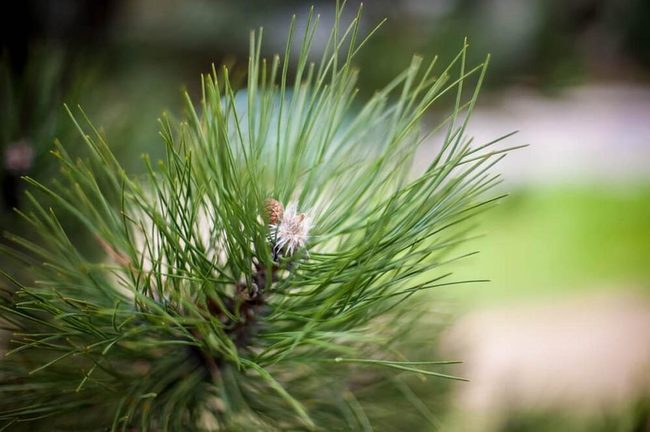
Pinyon Pine trees catch attention with their distinctive red-brown bark marked by shallow grooves that give them a rough, textured appearance.
Blue-green needle clusters of one to three grow along the branches and add soft color to the tree's form.
You can feel the egg-shaped cones that gradually become rounder and more open as they mature.
Beyond looks, we appreciate this tree for the delicious nuts it produces, making it both beautiful and useful.
Pinyon Pines grow to moderate sizes between 15 to 30 feet in both height and width, fitting nicely into most landscapes.
These hardy trees thrive in zones 5 to 8 and prefer well-draining soil, so they do well across the southwestern and central United States where they often grow alongside junipers.
You can plant one in different soil types and still watch it flourish, making it a reliable choice for many yards and gardens.
Gray Pine’S Drought Resilience
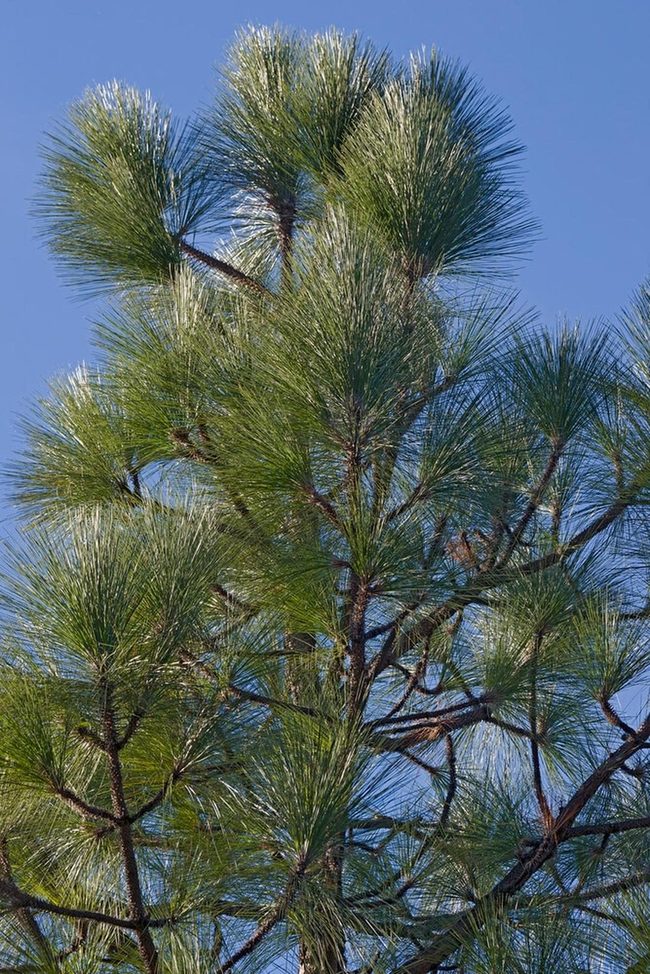
Standing tall and resilient in California's foothills, the gray pine reaches impressive heights between 20 and 83 feet and spreads 20 to 40 feet wide when fully mature.
Its dark brown or black grooved bark creates a striking visual across the crown, which forms either a cone shape or an irregular silhouette depending on growing conditions.
Muted blue-green leaves stretch up to 12½ inches long and add soft color to the branches year-round.
Egg-shaped or cylindrical seed cones develop as the tree matures and flowers.
You'll find this tree thrives in full sun or partial shade and handles hot, dry conditions exceptionally well since it needs minimal water once established.
Its low water requirements make it a practical choice for your landscape if you live in USDA zones 8 to 10.
The gray pine adapts readily to various soil types and environmental challenges common to warmer regions.
Gnarled Gray Bark Mountain Pine
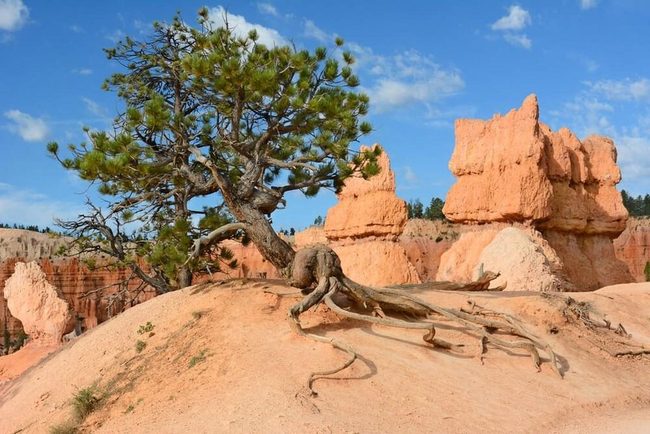
Bristlecone pines stand out immediately with their twisted trunks and uneven silhouettes, featuring striking gray to reddish-brown bark that catches your attention right away.
Blue-green leaves grow in clusters of five and stretch about one to one and a half inches long, giving the tree its distinctive look.
When ripe, the egg-shaped cones develop a prickly texture and reach between 2.4 and 4.3 inches in length.
You'll find these hardy trees thriving along the treeline in cold, dry regions throughout the Rocky Mountains, from Colorado down to Northern New Mexico.
Most mature specimens grow between 8 and 30 feet tall and spread out 10 to 15 feet wide, making them substantial landscape additions.
Yellow-Green Pine Clusters
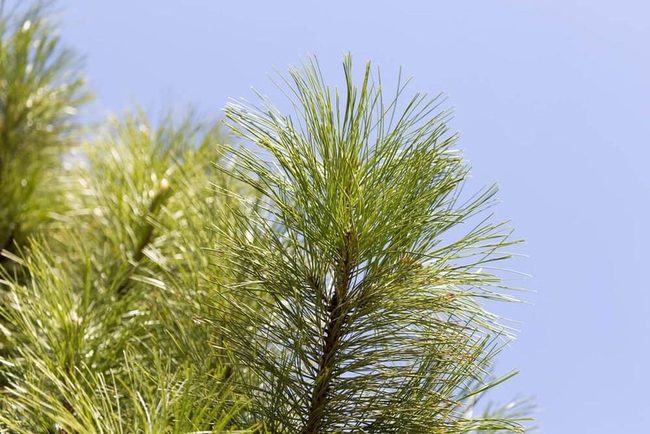
Pitch pine grows throughout eastern North America, reaching heights of 30 to 100 feet with spreads of 20 to 50 feet, and this arrangement feels balanced because its distinctive appearance with yellow-green leaves that grow in clusters of three to five and measure two to four inches long.
You may notice the trunk can be either straight or crooked, crowned with a round or irregular top that gives the tree character.
Egg-shaped seed cones grow tightly clustered along the branches, adding another layer of visual interest to the canopy.
When it comes to growing conditions, pitch pine adapts well to sandy and acidic soils that other trees find difficult, so you don't need nutrient-rich earth to make it thrive.
Twisted Trunks, Straight Giants
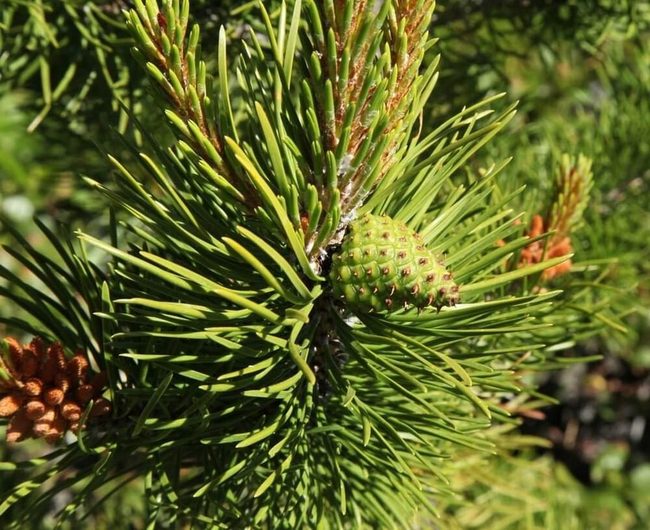
Lodgepole Pine reveals an interesting contradiction in its name; while "lodgepole" implies a tall, straight trunk, "contorta" actually means twisted, and the tree itself demonstrates this duality across different environments.
Coastal specimens grow short and gnarled due to harsh winds, whereas inland trees develop into tall, straight giants that can reach over 160 feet high.
You can read the bark displays deep grooves running along its surface, and clusters of yellow-green needles grow alongside distinctive egg-shaped cones.
This resilient species adapts to almost any setting, thriving equally well in windswept areas and waterlogged swamps.
Lodgepole Pine populations span from Southern Alaska south through California and Colorado, with individual trees varying dramatically in height from around 10 feet to towering over 160 feet tall.
Heaviest Pine Cones On Earth
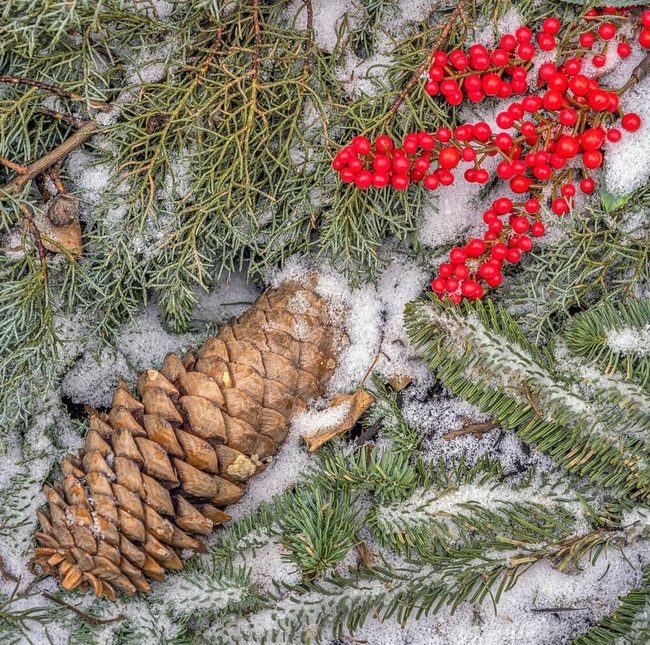
Coulter Pine trees capture attention immediately with their massive seed cones, which weigh between 4.4 and 11 pounds and hold the distinction of being the heaviest in the world, making them highly prized by local wildlife seeking food sources.
Growing to impressive heights of 30 to 75 feet with spreads of 20 to 30 feet wide in USDA zones 8 to 10, these pines command respect in any landscape.
The clearest detail is the striking bark features a gray-brown color with deep grooves running along trunks that can grow either straight or with interesting twists.
Native to coastal mountains stretching from California down into Mexico, the Coulter Pine faces near-threatened status in its original habitat.
Landscapers and homeowners appreciate this species for its remarkable hardiness and impressive drought tolerance, which means less maintenance work for you.
Peeling Bark Lacebark Pine
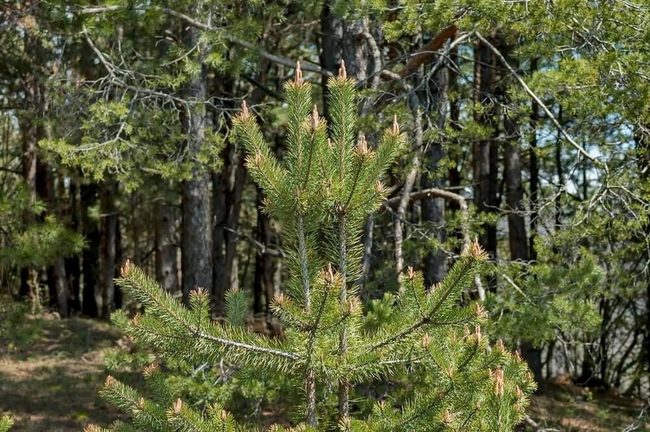
Lacebark pines stand out immediately thanks to their striking bark that naturally peels away in thin patches across the trunk and branches, creating that distinctive lacy appearance that makes them instantly recognizable.
You can tell the tree displays needles arranged in clusters of three, each measuring between two and four inches long and staying quite stiff rather than drooping.
Small seed cones develop individually along the branches, adding another layer of visual interest to the overall structure.
Growing slowly and steadily, this pine won't overwhelm your space or spread aggressively since it cannot self-fertilize like some other species.
Native to Asia, these trees perform best in USDA zones 4 through 7 where cooler temperatures suit them far better than hot climates do.
Towering Silver-Green Cones
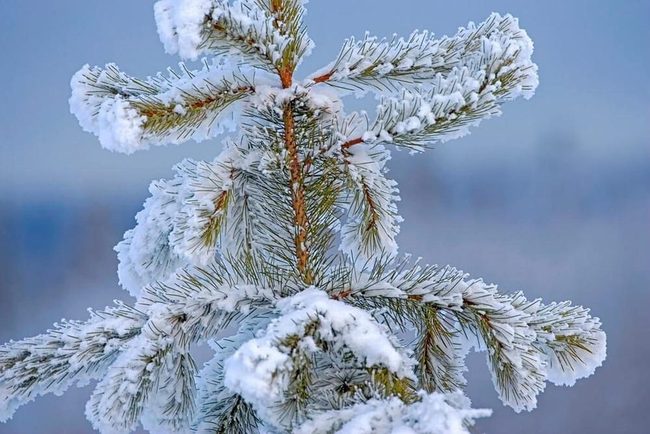
Western White Pines tower between 60 and 150 feet tall with branches that stretch 20 to 30 feet wide, making them one of the most striking trees you'll encounter in mountain forests.
Soft silvery-green needles grow in bundles of five along a thick trunk covered in grey, scaly bark that adds to its commanding presence.
Long cones hang in clusters and can reach up to 10 inches, dangling from the branches like natural ornaments.
You'll find these trees doing well in zones 4 through 8 across the western United States mountains, where they've grown for generations.
Since a fungus arrived from Europe in the early 1900s, the population has declined significantly and the species became far less common than it once was.
Many of these pines that survived the disease remain important parts of their ecosystems today.
Michael Harris
Senior Content Editor
Expertise
Home Décor Content Creation, Interior Design Journalism, Editorial Oversight, Digital Media Strategy, Team Leadership and Mentorship
Education
University of Queensland, Brisbane, Australia
Queensland University of Technology (QUT), Brisbane, Australia
Michael Harris is the senior content editor at Archi Refresh, where he turns home design trends into engaging, easy-to-follow articles. With a journalism degree from the University of Queensland and a digital communication certification from QUT, he knows how to craft content that informs and inspires.
With over 10 years of experience in lifestyle and design media, Michael has shaped editorial strategies, mentored writers, and helped readers refresh their spaces with practical tips. His work blends storytelling with expert advice, making home decor more accessible to everyone.
Outside of work, Michael enjoys DIY projects, exploring Brisbane’s art scene, and teaching digital literacy workshops.