
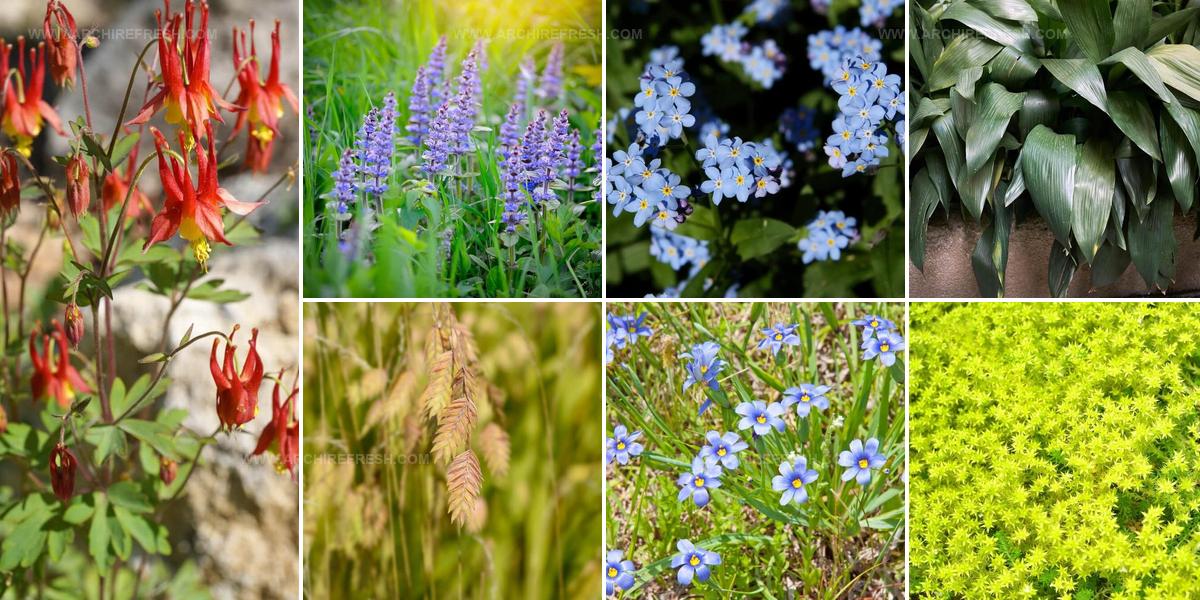
20 Shade-Loving Plants For Under Oak Trees That Thrive
Growing beautiful plants for under oak trees presents a unique gardening challenge that many homeowners face in their shaded yards.
Oak canopies create distinct conditions with filtered sunlight, acidic soil, and competing root systems that require specific solutions.
Selecting compatible species becomes essential when dealing with such demanding environments.
Most gardeners struggle to find varieties that flourish beneath massive branches while coexisting peacefully with established roots.
The good news is that numerous shade-loving options naturally adapt to life under these majestic giants.
Understanding what works in such spaces helps create lush, thriving landscapes where barren ground once existed.
With proper knowledge and plant selection, you can transform that challenging area into a gorgeous garden sanctuary.
Oakleaf Hydrangea White Summer Blooms
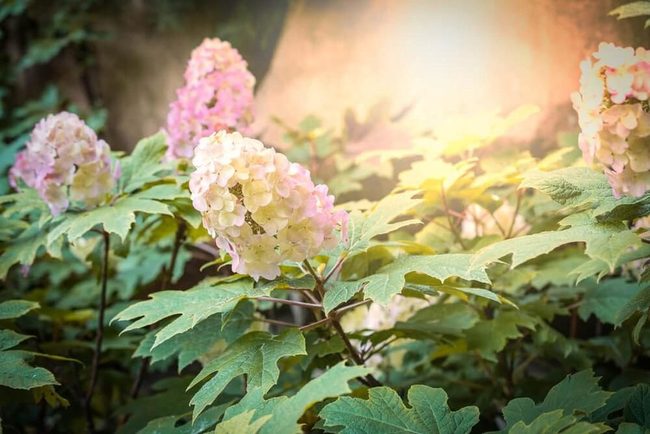
Oakleaf hydrangea stands out with its large, striking leaves that echo the shape of oak trees overhead, making shaded areas feel connected and natural.
Summer brings clusters of white blossoms that brighten dark corners of your garden and add visual interest to spaces where sunlight barely reaches.
If you want to grow this lovely shrub beneath oak trees, you may enjoy how its appearance harmonizes with the surroundings and creates a balanced look.
Getting the most from your oakleaf hydrangea means wrapping the plant when harsh winters arrive, and this simple step protects next year's blooms from frost damage.
We suggest learning about its seasonal growth patterns so you can care for it properly throughout the year.
Once established, this shrub rewards you with reliable blooms and handsome foliage that thrive in shaded spots where other plants struggle.
Shade-Loving Azaleas Under Oak Trees
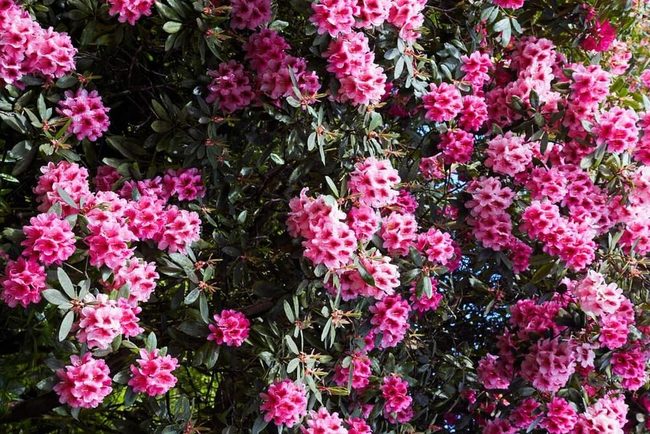
Azaleas burst across shaded gardens in an explosion of color that catches everyone's attention, especially when planted beneath oak trees where their blooms become the main show.
You'll find these plants thrive in shadowy spots where most flowers struggle, and their shallow roots sit comfortably alongside oak roots without fighting for nutrients or water.
Different species and varieties offer you endless options in hue and form, so you can pick colors that match your garden's personality.
One thing to keep in mind is that azaleas start slowly but grow into thirsty plants once they mature, needing more water than hardier neighbors like irises or columbines.
We recommend placing them near the tree's drip line where they catch natural rainfall without you having to work around the oak's root system.
Growth takes patience, but the payoff is worth the wait since mature azaleas reward you with years of reliable blooms in those tricky shaded zones.
Drought-Tough Succulent Leaves
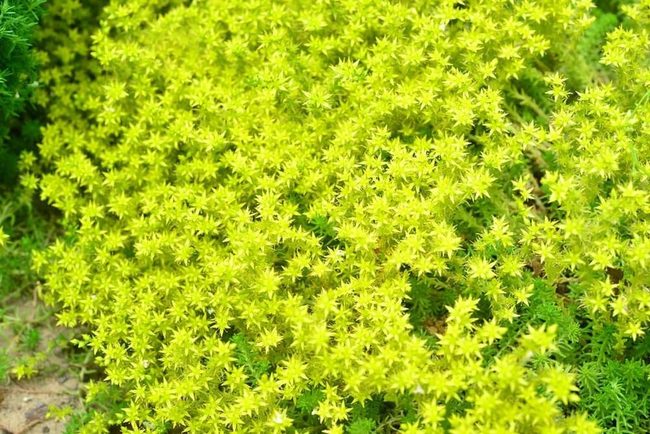
Stonecrop displays thick, succulent leaves that survive harsh droughts and rocky soil conditions, making it one of nature's toughest garden performers.
Over 300 varieties exist, so picking the right species for your space really matters and sets up your success from the start.
If you have shaded spots under oak trees, woodland types like moss stonecrop or "Hopewell" handle those dim conditions well and adapt to colder winters when plants naturally search for more light.
Propagating stonecrop is refreshingly simple; just snap off a piece and it grows into a whole new plant.
Understanding your local climate and shade levels helps you select varieties that will thrive rather than struggle.
We recommend matching the species to your specific growing conditions, whether that means picking drought-tolerant kinds for dry areas or shade-adapted types for under trees.
This way, your stonecrop stays healthy and keeps coming back year after year without much fussing around.
Periwinkle Purple Blooms Shade Garden
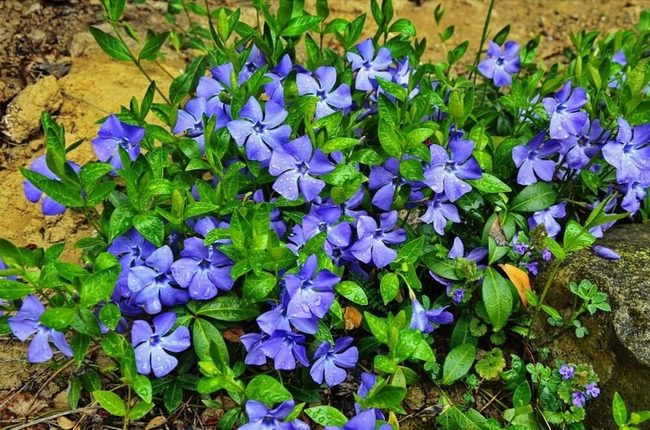
Periwinkle stands out with its lush green leaves and cheerful blooms that brighten shady spots beneath oak trees, making it hard to miss in any garden setting.
Once you plant it, I enjoy how this resilient plant thrives even when rainfall is scarce, so you won't need to fuss over constant watering.
One thing to keep in mind is that periwinkles spread rapidly after they establish themselves and can outcompete other nearby plants in your garden bed.
Before adding periwinkle to your space, it's worth researching local regulations to make sure you're not introducing an invasive species to your area.
When you choose this plant for your outdoor space, you get both beauty and low-maintenance gardening, and you can maintain balance with the native plants already growing around you.
Scarlet Blooms Under Oaks
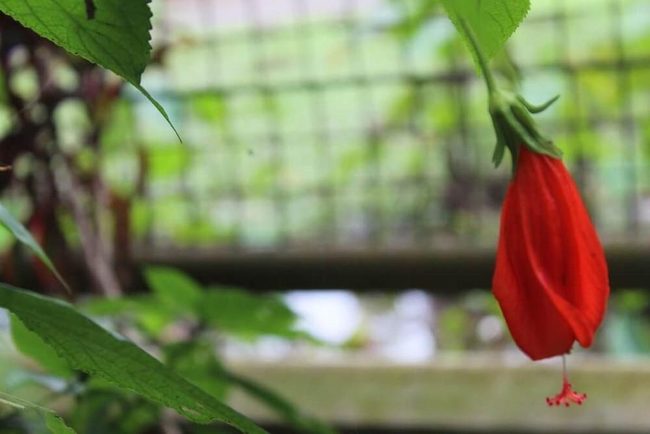
Turk's cap produces small, vibrant flowers that bloom during hot summer days and catch attention with their bold colors against large green leaves.
Butterflies and hummingbirds visit these blossoms regularly, bringing dynamic life and movement throughout your garden space.
Growing naturally beneath oak trees, this native plant adapts well to dappled light and shade where many other flowers struggle.
You'll find that it blends seamlessly into existing landscapes while requiring minimal effort to maintain.
Many people overlook this underrated treasure, yet it flourishes in conditions that most plants find challenging.
If you have oak trees on your property, Turk's cap becomes an excellent choice for filling shaded areas with color and wildlife activity.
Pink Blooms, Zero Effort
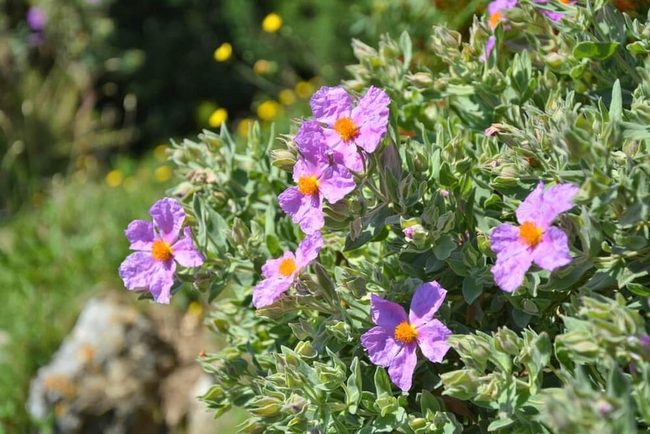
Rock rose stands out in any garden with its cheerful pink blooms that look just like tiny hibiscus flowers, making it one of the most eye-catching plants you can choose.
What's remarkable about this plant is how tough it really is; it survives in rocky terrain where most other plants simply can't make it.
If you have an oak tree in your yard, rock rose does wonderfully in that shaded spot and handles drought without much fuss at all.
Summer becomes much more colorful when these flowers burst open across your garden beds.
Whether you're a beginner gardener or someone who wants low-maintenance options, this resilient beauty delivers flowers without demanding much attention.
You can enjoy a thriving display of pink blooms all season long without spending hours on upkeep.
Vigorous Ground Cover For Shaded Gardens
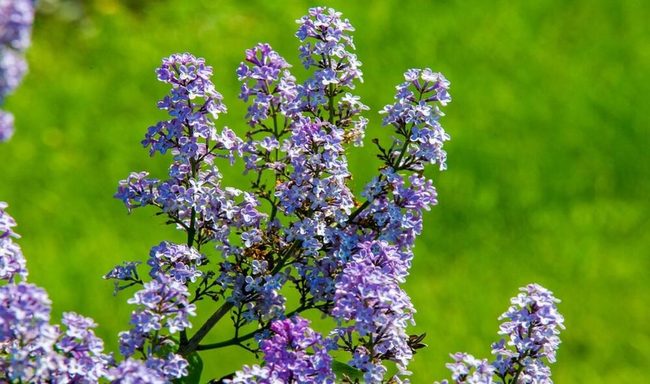
Bugleweed dazzles shaded spots with its lush foliage and lovely flowers, making it a standout choice for areas under sprawling oak trees where you need color and life.
Growing bugleweed in your garden does come with one consideration though; it spreads with real enthusiasm across the space.
Keeping an eye on this vigorous grower helps you manage its expansion and prevent it from taking over areas where you'd prefer other plants to thrive.
Many gardeners find the balance between enjoying its beauty and controlling its spread quite manageable with regular checks.
The payoff is worth the light maintenance, as bugleweed transforms shaded corners that might otherwise sit bare and uninviting into spots filled with greenery and blooms throughout the season.
Blue-Eyed Grass Spring Bloomers
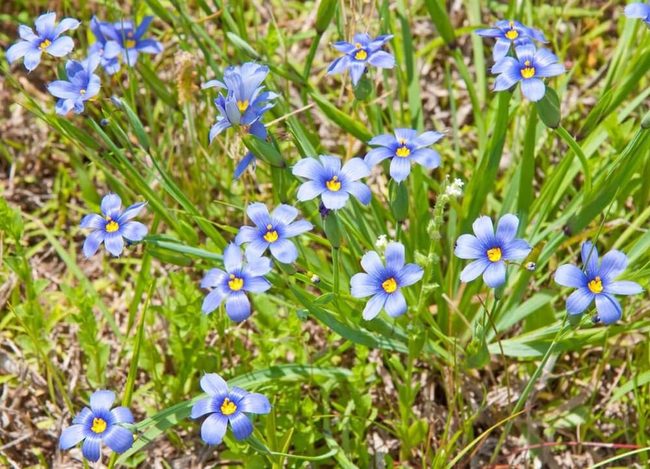
Blue-eyed grass isn't actually a grass at all, despite what its name suggests, and this delightful plant belongs to the iris family with its thin leaves and small flowers that bloom early in spring.
Native to North America, you'll find several species available, though they share much in common with one another.
Western blue-eyed grass stands out as a particularly tough option for your garden, handling both dry spells and shady spots under oak trees without complaint.
If you prefer something with more colorful blooms, Bermuda blue-eyed grass offers a wonderful choice and you can find it at most local nurseries, though it does appreciate a bit more water to really do well.
Both varieties give you nice options depending on what your garden conditions are like and what look you're going for.
Purple Flower Clusters Year-Round
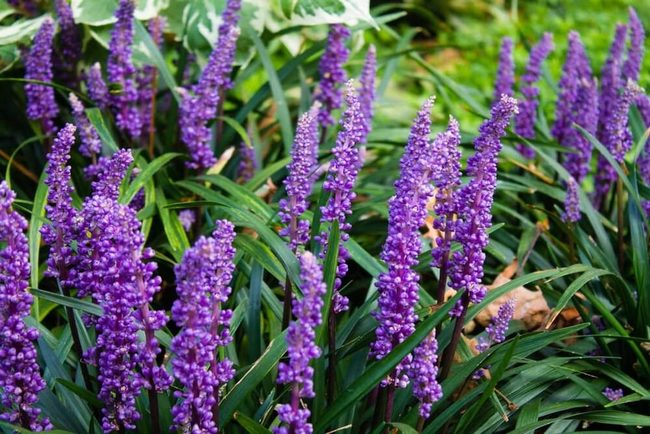
Monkey grass delivers an eye-catching display when those deep purple flower clusters burst forth each spring, offering a striking pop of color that commands attention in any garden.
The charm comes from how its lush foliage mimics grass while actually being related to the cast iron plant, giving you an interesting conversation starter about its hardy nature.
You'll find it works beautifully for edging borders and thrives particularly well under oak trees where light foot traffic won't bother it much.
Once established, monkey grass (Liriope muscari) becomes remarkably low-maintenance and handles dry conditions without fussing.
Getting it through that first year requires a bit of extra attention to help develop strong roots, but the payoff is worth it.
After that initial establishment period, this resilient plant continues flourishing in your landscape with minimal effort on your part.
Lush Green Ferns, Safely Placed
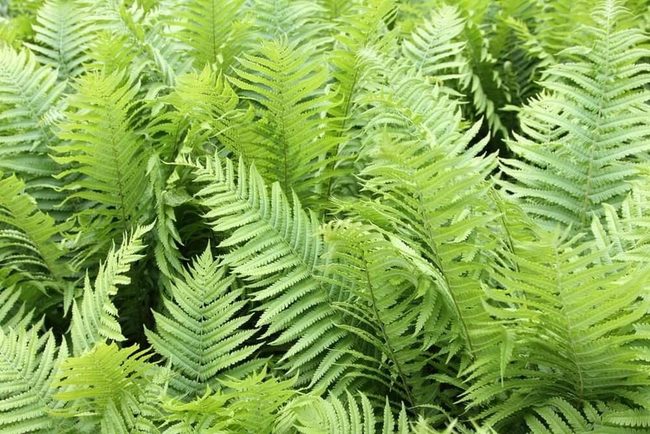
Bracken ferns bring lush, tropical vibes to any garden space and can grow almost anywhere, thriving in climates ranging from Alaska's cold winters to Florida's heat.
You'll find these hardy plants remarkably adaptable, though they do best when planted in partial shade, which helps them grow well without spreading out of control.
Before you add bracken to your garden, it's worth knowing that these ferns are toxic to small children and pets, so placement matters quite a bit and you should think through your specific situation first.
Despite the safety concerns, bracken ferns add genuine character and interest to a landscape when you position them thoughtfully in areas away from where kids and animals spend time.
I recommend evaluating your space and household before deciding if bracken fits into your garden plans.
The payoff is worth it if you have the right conditions, as these ferns deliver that lush, natural look many people love without needing much fuss once established.
Blue Flowers Beneath Oak Trees
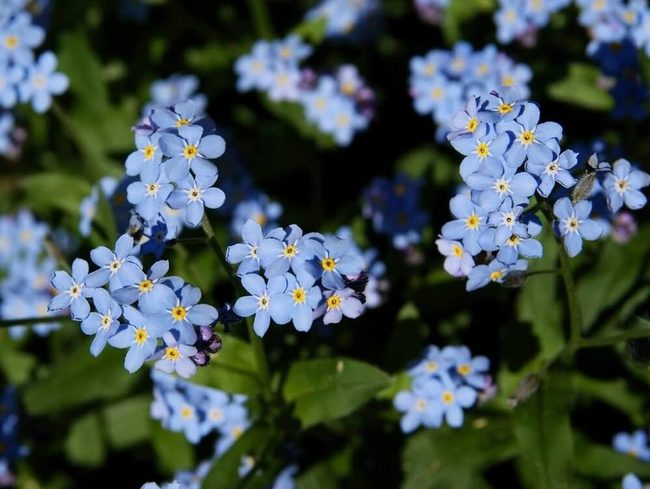
Forget-me-nots produce delicate flowers that stand out beautifully against their lush green foliage, and this contrast makes them a striking addition to any garden space.
You'll find these plants quite adaptable to different climates, and they thrive especially well when planted beneath oak trees in the right location.
In warmer regions, they prefer afternoon shade, while northern gardens benefit from giving them a bit more sunlight throughout the day.
Positioning them near your tree's drip line works wonderfully as a groundcover solution that brings color to shaded areas without crowding out nearby plants.
One thing to keep in mind is that forget-me-nots can spread quite quickly once they settle into conditions they like, so you may need to manage their growth occasionally to keep them within your desired boundaries.
With proper care and the right spot, these blooms will reward you by naturally spreading their charm throughout your garden.
Heart-Shaped Leaves Beneath Oak Trees
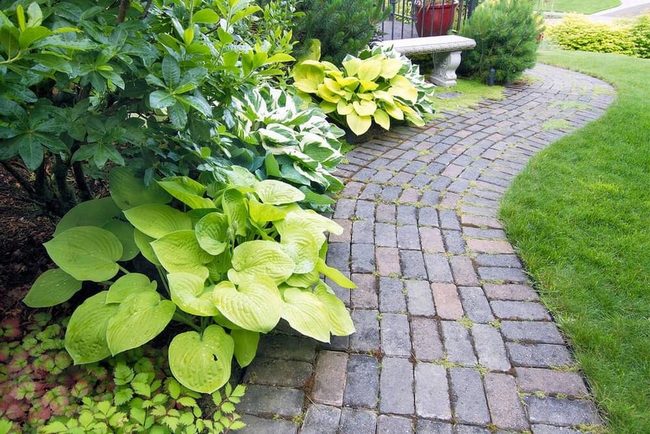
Hostas, also known as plantain lilies, display striking heart-shaped leaves that spread across the ground like a living carpet beneath oak trees, and their delicate blooms emerge during warm months to add another layer of interest to shaded spaces.
Native to the woodlands of Japan and eastern Asia, these plants evolved to flourish in dappled light and perform beautifully in similar conditions throughout your garden.
When you position hostas under larger oaks, they benefit from natural protection against harsh sun exposure and enjoy cozy winters as fallen leaves blanket their roots and keep them insulated from the cold.
Oak trees and hostas form a natural partnership that works well together, with the larger trees offering shelter while the smaller plants fill in the understory with their distinctive foliage and seasonal flowers.
Growing these hardy plants in shaded woodland settings also helps reduce pest pressure, since snails tend to avoid areas where conditions are less favorable for their activity.
Shade-Loving Ground Cover Spreads Wide
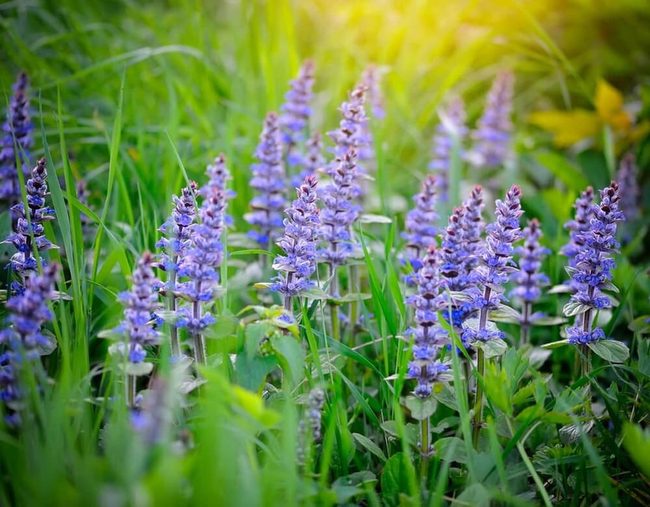
Creeping sage spreads horizontally across your garden in wide patches that stretch up to fifteen feet without growing tall, reaching just about a foot off the ground and creating an impressive low-growing carpet of green.
This plant thrives in the shade under oak trees and handles dry conditions with remarkable ease, making it perfect for rocky terrain where other plants struggle to survive.
Native to California, creeping sage adapts well to tricky spots and challenging environments that would defeat most garden plants.
You'll find it remarkably resilient and able to flourish in spaces where greenery seems impossible to grow.
Its horizontal spreading pattern fills gaps beautifully and adds genuine charm to your landscape without requiring fussy care.
When you're hunting for something that actually works in difficult areas, creeping sage steps up as a real solution.
Red And Yellow Hummingbird Magnets
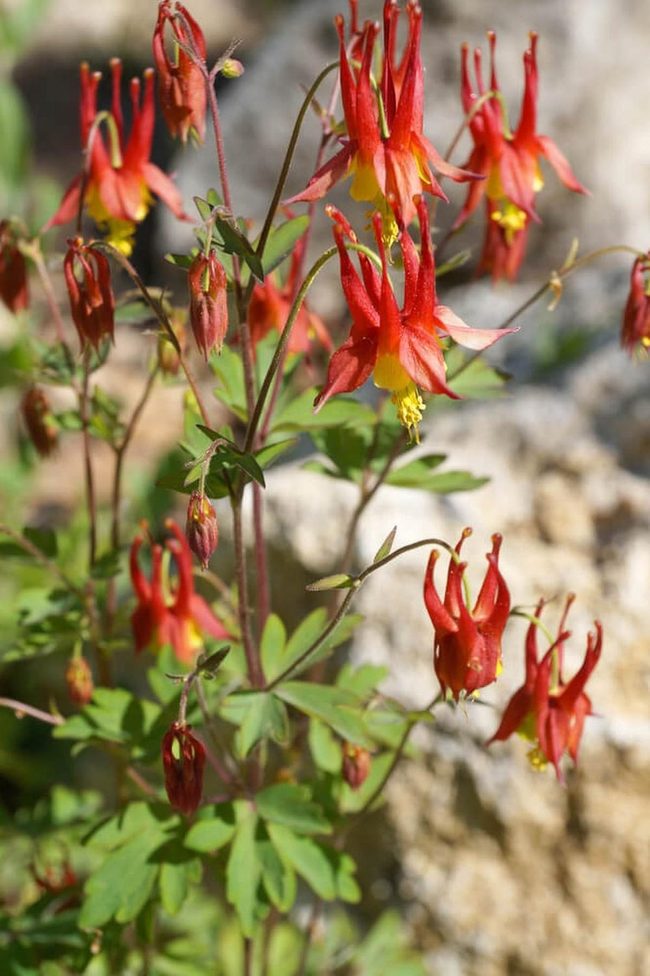
Columbine, especially Aquilegia canadensis, grabs your attention with its striking red and yellow flowers that bloom in early spring and act as magnets for hummingbirds and butterflies.
Even after the blooms drop, the delicate foliage keeps your garden looking soft and graceful throughout the season.
Native columbines thrive under oak trees because they naturally handle shade well and perform better than non-native varieties in the challenging conditions that oak root systems create.
If you're working with a shady garden space, these plants adapt easily and bounce back from stress without much fuss.
You'll find them low-maintenance once established, and they spread gently without taking over your whole garden.
Their combination of striking blooms and reliable green growth makes them worth planting if you have trees casting shadows across your beds.
Baby-Blue Iris Conquers Shade
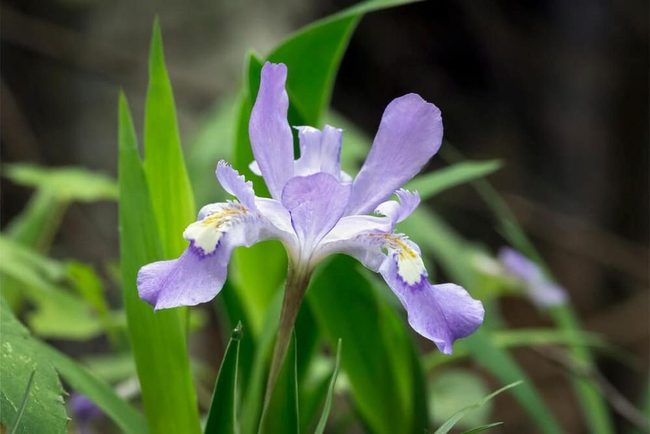
Crested iris delivers striking baby-blue and lavender blooms that brighten dark corners under oak trees in spring, making it a standout choice for shady garden spots.
This native woodland plant handles dry shade beautifully and spreads at a gentle pace without overtaking your entire space.
Other varieties struggle where crested iris thrives, flourishing in conditions that seem almost impossible for typical flowers.
Since it comes from eastern woodlands, it settles comfortably into its surroundings and doesn't compete fiercely for nutrients.
You can value how this plant maintains balance in tough growing conditions, offering reliable spring color while staying manageable in size.
It's one of those reliable options that performs well when you need something hardy and attractive for those challenging shaded areas.
Purple-Green Foliage Shifting Seasons
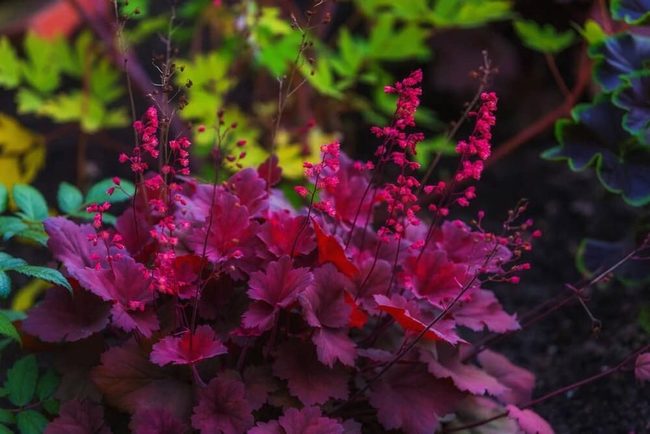
Coral bells grab your attention first with their striking foliage that shifts through vibrant greens and deep purples throughout the year, making these plants pop in any garden setting.
Long, delicate stems hold tiny flowers that dangle above the leaves and add a playful charm to your space.
You can sense the leaves change with each season, so there's always something fresh to look at in your garden.
Dividing them as they grow is simple, and you can easily multiply your collection or share extra plants with people you care about.
Growing more coral bells means you can also enjoy this beauty in different areas of your yard.
Yellow And Pink Oak Shade Bloomers
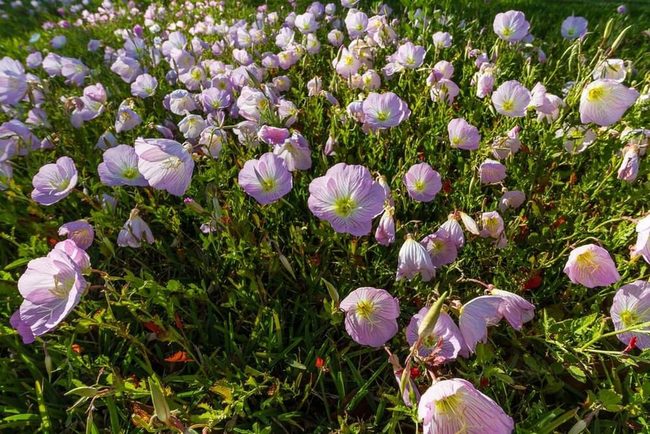
Evening primrose flowers paint garden spaces with bursts of yellow and pink blooms that seem to glow under oak tree canopies, and with over one hundred species available, you can enjoy continuous color from March straight through September.
Native to Texas, these hardy plants thrive in the dry soil beneath oak shade where many other flowers struggle to survive.
Berlandier's sundrops and common evening primrose are two excellent options that bring layers of color to your garden while handling tough growing conditions with ease.
What makes evening primrose particularly rewarding is how it self-seeds across your garden beds, gradually building a natural carpet of flowers without requiring replanting each season.
Managing the spread is simple and lets you control how much color fills your space beneath those majestic oaks.
If you want reliable blooms that handle shade and poor soil, evening primrose delivers year after year with minimal fuss.
Lime-Green Shifting To Copper Bronze
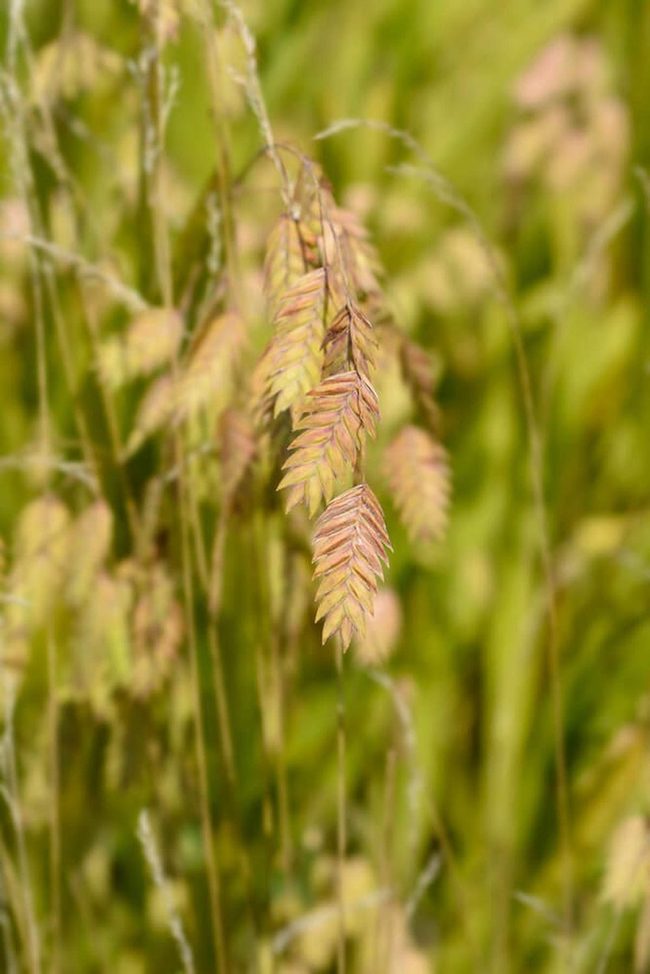
Inland sea oats deserve serious consideration if you want to transform shaded spots under oak trees with plants that actually deliver visual interest.
What makes them stand out is how their tall, bamboo-like clumps sway and move, adding real texture to otherwise dull corners of your yard.
During early summer, these plants produce flowers that shift from bright lime-green to warm coppery brown as weeks pass, and that slow color change keeps your garden looking fresh from one month to the next.
Since you're working with heavy shade under oaks, many standard grasses simply won't cooperate with you, but inland sea oats handle those conditions without complaint.
They grow in thick, graceful bunches that feel natural in woodland settings and require far less maintenance than traditional turf.
Purple Berries Under Oak Shade
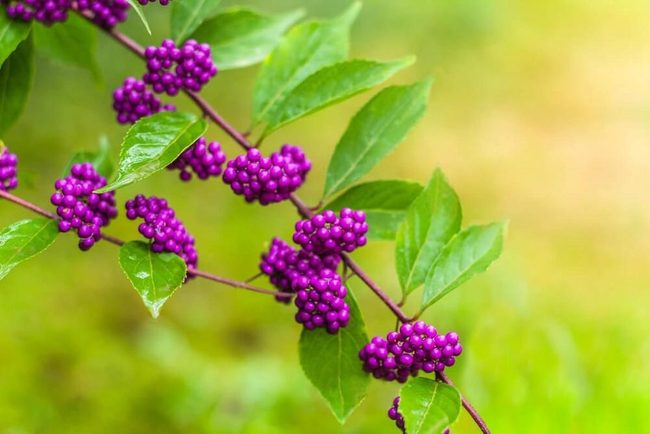
American beautyberry displays eye-catching purple berries and vibrant green leaves that shine beneath oak trees, making it a standout choice for shaded gardens across the southeastern United States.
When you plant this native shrub near larger oaks, it grows well in the dappled light and actually protects those sensitive tree roots from damage during installation.
Starting with a smaller plant helps both the beautyberry and oak establish themselves without competition for space.
Once your beautyberry settles into its spot with regular watering during those first months, it becomes quite hardy and handles dry periods without fussing.
Unbeatable Green For Impossible Shade
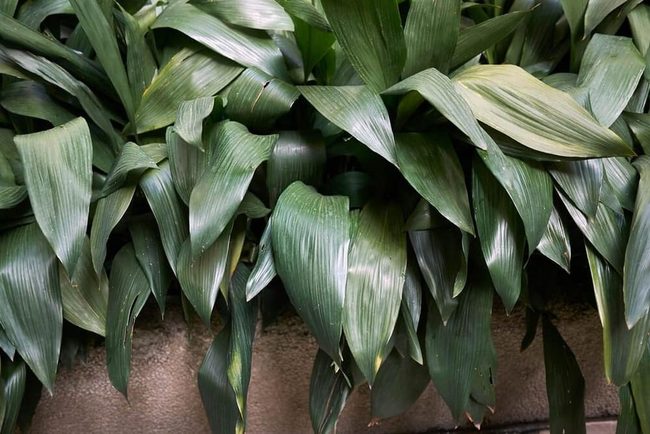
Cast iron plants command attention with their bold, lush green leaves that thrive in spots where most plants simply give up, making them stand out as one of nature's most resilient gardeners' allies.
We love them because they handle the darkest corners beneath oak trees and other dense shade without demanding much attention or fussing.
If you struggle to keep plants alive, this hardy species won't hold it against you since it tolerates drought and neglect better than almost anything else you could plant.
Pests avoid this tough plant naturally, so you get beautiful foliage without spraying chemicals or monitoring for damage constantly.
Adding one to your shaded areas means you can finally enjoy lush greenery in spots that seemed impossible before.
Low-maintenance plants like this one solve the problem of bare, boring corners in yards and gardens.
You'll find that cast iron plants fit perfectly into any outdoor space where you want greenery without the stress.
Michael Harris
Senior Content Editor
Expertise
Home Décor Content Creation, Interior Design Journalism, Editorial Oversight, Digital Media Strategy, Team Leadership and Mentorship
Education
University of Queensland, Brisbane, Australia
Queensland University of Technology (QUT), Brisbane, Australia
Michael Harris is the senior content editor at Archi Refresh, where he turns home design trends into engaging, easy-to-follow articles. With a journalism degree from the University of Queensland and a digital communication certification from QUT, he knows how to craft content that informs and inspires.
With over 10 years of experience in lifestyle and design media, Michael has shaped editorial strategies, mentored writers, and helped readers refresh their spaces with practical tips. His work blends storytelling with expert advice, making home decor more accessible to everyone.
Outside of work, Michael enjoys DIY projects, exploring Brisbane’s art scene, and teaching digital literacy workshops.