
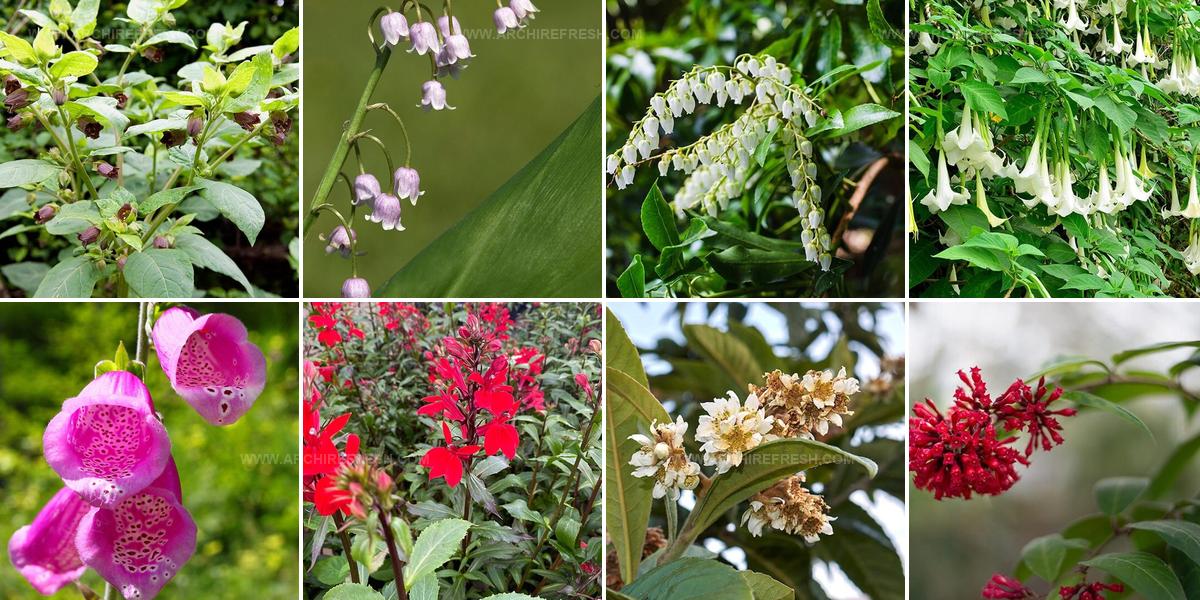
27 Poisonous Flower Ideas For Gardens That Demand Caution
Poisonous flowers might seem dangerous at first, but many gardeners deliberately include them in outdoor spaces for their stunning beauty and practical benefits.
These plants often produce the most spectacular blooms while naturally deterring pests and wildlife from damaging precious landscapes.
Understanding which species contain toxins helps homeowners make informed decisions about what grows near play areas versus ornamental borders.
Many common garden favorites actually fall into the toxic category, though they've been grown safely for generations with proper awareness and handling.
The key lies in knowing which parts pose risks and how to position plants strategically throughout outdoor spaces.
With sensible precautions, even families with children and pets can enjoy the dramatic appeal of potentially harmful botanical specimens.
Learning about safe integration methods empowers gardeners to expand their plant palette while maintaining a secure environment for everyone who enjoys the space.
Golden Vine Spring Blooms
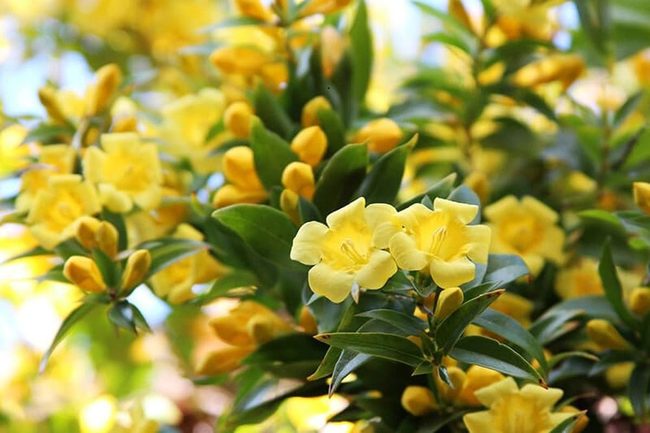
Carolina yellow jasmine displays stunning golden blooms that immediately catch the eye and bring cheerful color to any outdoor space.
You'll want to plant it in a sunny spot with soil that drains well and has plenty of nutrients, and it grows happily in zones 7 to 10.
Watering moderately keeps the plant looking full and healthy throughout its February to April blooming season.
Keep in mind that all parts of this plant are toxic if someone eats them, and touching it can irritate your skin.
Despite these concerns, it works beautifully on patios as groundcover that adds both beauty and an open, airy feel to your garden design.
We recommend placing it where you can enjoy its flowers without accidentally brushing against it regularly.
Just let people know about the toxicity before they visit so everyone stays safe.
With proper placement and care, this jasmine becomes a wonderful addition to your outdoor area.
Purple Passionflower Vine Blooms
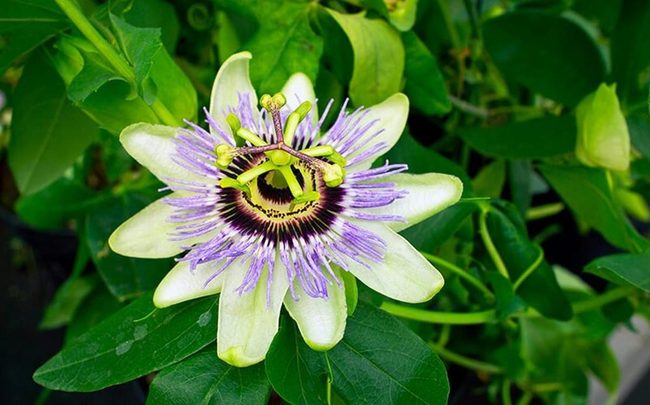
Purple passionflower grabs attention immediately with its striking blooms and unusual characteristics.
Growing well in zones 5 to 9, this plant does best when placed in full sun or partial shade and adapts nicely to average soil as long as it drains properly.
You'll find that moderate watering keeps it happy, and it handles dry spells without much fussing.
While you can safely eat the maypop fruit it produces, the flowers themselves are toxic if ingested, so keep that in mind if you have curious kids or pets around.
Native to America's heartland, this flower brings something unexpected and distinctive to your garden space.
Its unique look and easy-going nature make it worth considering for almost any yard setup.
Purple Orange Red Yellow White Lantana
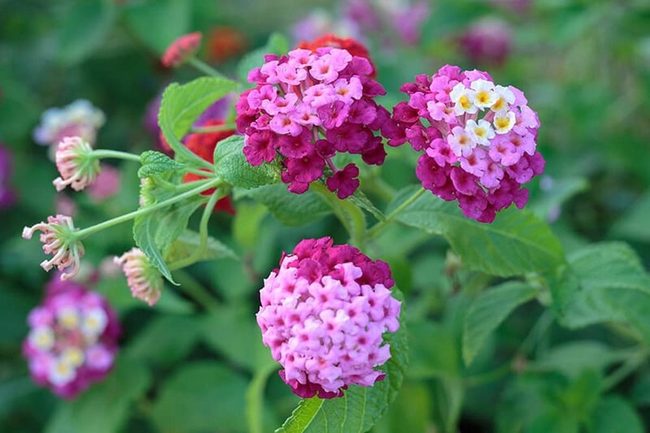
Caríaquillo, commonly called Lantana Camara, hails from South America's tropical regions and brings explosive color to any garden space with its clustered flowers that bloom in purple, orange, red, yellow, and white all at once.
This plant thrives in full sun and produces blooms from July straight through until the first frost arrives in your area.
We recommend planting it in zones 10 to 11 where temperatures stay warm enough for it to flourish.
You'll want average soil that drains well so the roots don't sit in water and cause problems.
One important thing to keep in mind is that this plant is toxic to both humans and animals, so placement matters if you have kids or pets around your home.
With its constant stream of colorful flowers throughout the warm months, it becomes one of those plants that just keeps delivering without much fuss.
Tropical Berries And Tubular Flowers
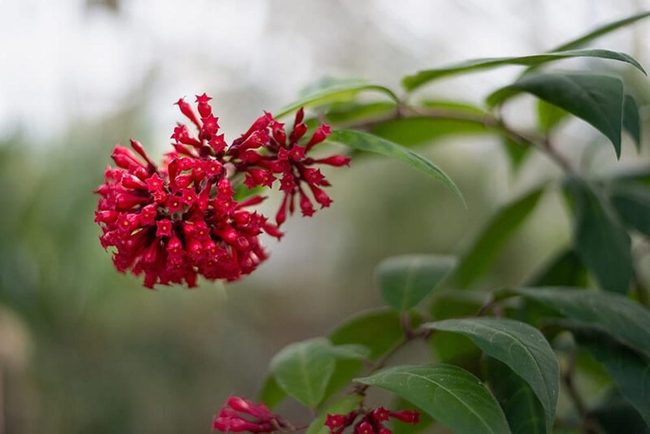
Cestreau élégant bursts with glossy berries and bright tubular flowers that transport your garden straight to the tropics with their striking appearance.
Be aware that both the berries and flowers are toxic if eaten, so keep them away from children and pets.
This woody shrub adapts well to full sun or partial shade and doesn't demand much from your soil as long as it drains well and you let it dry out between waterings.
From May through September, you'll get months of colorful blooms that keep the plant looking lively and fresh.
If you enjoy hands-on gardening, this plant's climbing habit gives you plenty of opportunities to prune and shape it into whatever form you prefer throughout the season.
Ruffled Petals, Toxic Beauty
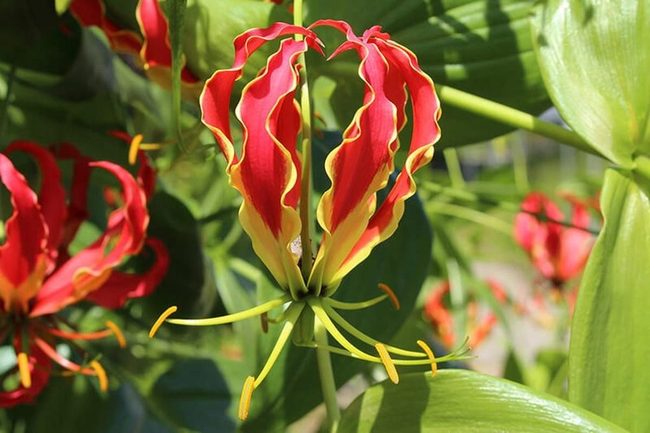
Gloriosa lilies catch attention with their dramatic ruffled petals that arch upward and brilliant green stamens that curve down in striking contrast.
You can grow these plants in zones 8 to 10 where they flourish in full sun or partial shade, and they need soil that drains well and contains plenty of nutrients.
During summer months from July through September, they burst into bloom and add bold color to your garden beds.
Keep in mind that every part of this flower carries toxins, so handle it carefully around children and pets in your home.
Water needs stay moderate and reasonable, which means maintaining this plant doesn't demand much effort even with its poisonous nature.
Despite the danger they pose, these flowers represent passion and beauty in garden design.
Their unusual appearance and manageable care routine make them worth considering for your landscape.
Purple Heather Blooms July Through September
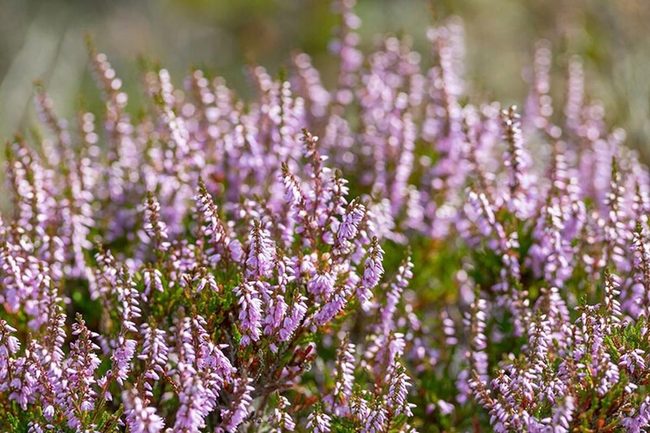
Scotch heather bursts with vibrant purple blooms from July through September, making it one of the most eye-catching additions to any garden space.
Growing this plant successfully means giving it acidic, gravelly soil with good drainage and positioning it where it gets full sun or some afternoon shade.
Since hardy varieties thrive in zones 4 to 6, you might want to check if your region fits before planting.
One thing many people don't realize is that this flower has shallow roots, so it needs space away from other plants to stay healthy and happy.
White Star Flowers Pure Garden
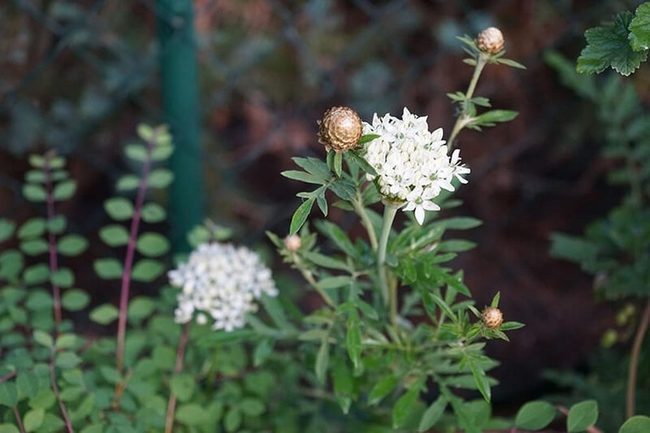
Star of Bethlehem stands out in any garden with its striking white star-shaped flowers that bring a sense of purity and grace to your outdoor space.
Beyond its visual appeal, this plant carries meaningful symbolism and represents forgiveness, innocence, honesty, and hope.
You'll find it easy to care for since it needs only moderate watering and grows well in average soil as long as the drainage is good.
Positioning it in full sun or partial shade will help it flourish best, and you can look forward to its blooms appearing between June and July each year.
One practical advantage is that this plant stays put wherever you decide to plant it and won't spread aggressively throughout your landscape like some other varieties do.
Tall Purple Spikes Command Gardens
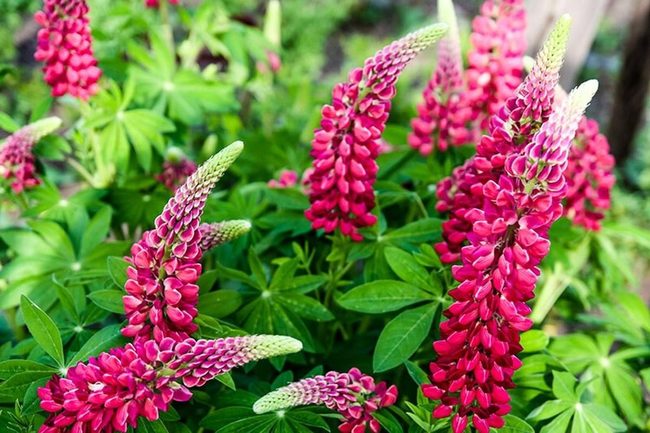
Lupines produce towering spikes of vivid blooms that dominate your garden from May through July with their sheer height and color intensity.
You can grow them as short-lived perennials or annuals, and they thrive in cool climates where many other plants struggle.
These flowers excel in cut arrangements, bringing that same dramatic presence into your home and adding beauty to any room you choose.
What makes them less suitable for certain gardeners is that they're toxic if ingested, so families with curious pets or young children need to know this risk upfront.
For the best results, give them slightly acidic soil that drains well and remains fertile, plant them in full sun, and stick to growing zones 4 through 8 where conditions support their needs.
Tall Purple Flowers, Poisonous Beauty
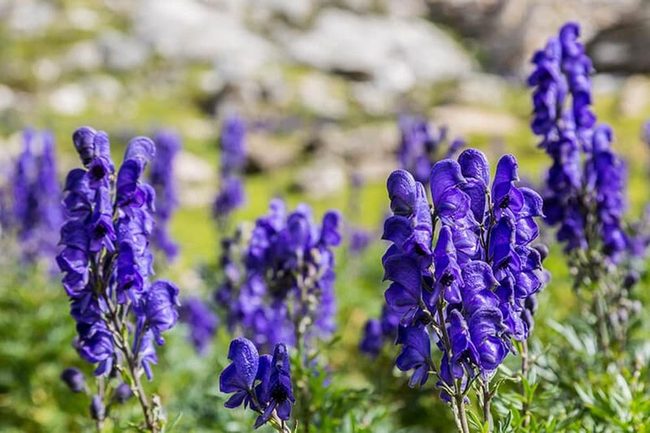
Dumbledore's Delight commands attention in any garden with its striking tall purple flowers that reach upward and dominate the space.
You'll want to position this plant in full sun or partial shade where it thrives in moist soil with solid drainage, and it blooms beautifully from July through August in growing zones 3 to 7.
Safety matters here since every part of the plant is toxic if touched or eaten, so keeping it away from pathways where you or children might brush against it is smart.
When you do need to handle this flower, always pull on gloves before touching and cover any open cuts on your skin for extra protection.
With these precautions in place, you can enjoy this stunning addition to your landscape without worry.
We recommend planting it in a spot where you can admire it from a distance and control access to it.
Late Summer Saffron Blooms
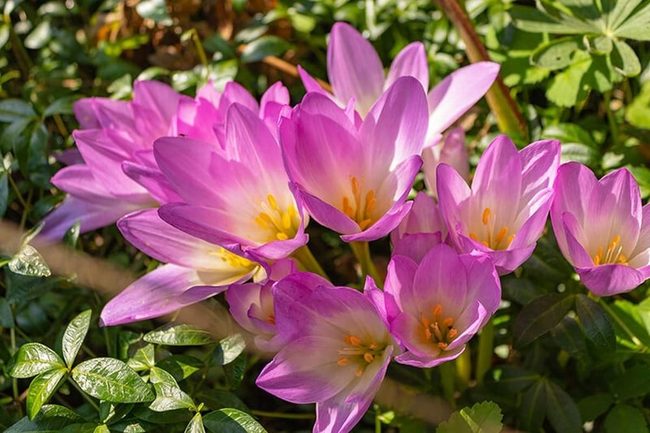
Meadow Saffron brings color to your garden from August through September, with blooms that stand out during those quieter late summer and early fall months.
You can grow these flowers in zones 4 to 8 as long as you provide well-draining, rich soil and position them in full sun or partial shade.
Many gardeners treasure these plants for the good memories they represent.
If you have pets, keep in mind that dogs and cats can get seriously ill from nibbling on them, so handle and plant them with care in areas your animals cannot reach.
While humans rarely face problems unless they eat the plant directly, the toxicity risk makes it important to place them thoughtfully.
These crocus-like flowers work beautifully along pathways or near patios where you can enjoy their beauty without constant pet contact.
We recommend wearing gloves when handling them and washing your hands afterward.
Umbrella Leaves Hide Secret Flowers
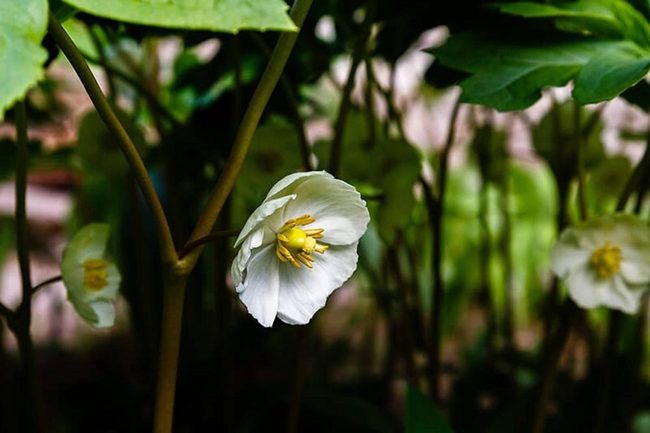
Mayapple stands out with its dramatic umbrella-like leaves that unfold in shady spots and conceal bright white flowers beneath them, creating a sense of intrigue as the plant blooms in April while guarding its secrets.
The detail that stands out is the foliage dominates the garden bed, and we appreciate how this wildflower prefers average soil with good drainage and thrives in low-light areas where many plants struggle.
Growing beneath the canopy of leaves, small white flowers add a delicate surprise once you look closer, and the plant rewards your attention with mystery and charm.
One thing to keep in mind is that while the ripe fruit may seem tempting, both the roots and leaves pack toxins that can harm you, your family, and your pets.
Summer brings dormancy after the spring show fades, so the plant retreats underground until next season rolls around.
White Bells Shift Soft Pink
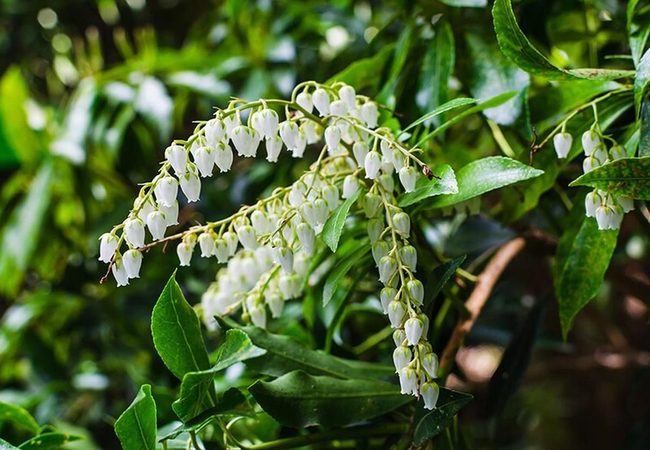
Drooping chains of white bell-shaped flowers hang from Mountain Fire branches in spring, making this evergreen shrub one of the garden's most eye-catching displays, and you can trace the blooms shift to soft pink tones as April progresses.
This Pieris japonica thrives in zones 5 through 8 and grows best when planted in soil that's fertile, well-draining, and slightly acidic.
We recommend placing it where it gets full sun or afternoon shade, as both conditions work equally well for healthy growth.
Water it moderately throughout the season, avoiding soggy ground that can harm the roots.
If you want to boost the visual interest around your Mountain Fire, consider planting it alongside rhododendrons, azaleas, and other acid-loving shrubs that complement its elegant form.
These companion plants share similar growing needs, so they'll thrive in the same spot without competing for resources.
Blue Spikes Red Stamens Garden
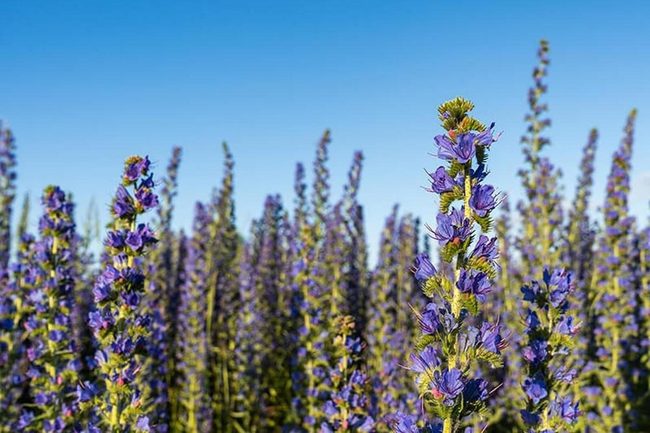
Viper's bugloss stands out in any garden with its tall spikes topped by striking blue petals and bold red stamens that catch the light beautifully.
You'll find this plant loves full sun and does best in well-draining, average soil, blooming steadily from May straight through September.
Whether you see it as a wildflower or a weed depends on your perspective, and both views have merit.
It grows well in zones 4 through 8 and prefers dry to medium moisture levels to stay healthy.
One thing to keep in mind is that horses can develop problems from eating large amounts of it over time, though humans can get quite sick from even small quantities if they ingest it.
So if you have pets or plan to grow this in a space where children play, it's worth thinking twice about adding it to your garden design.
White Cascade Mystery Garden
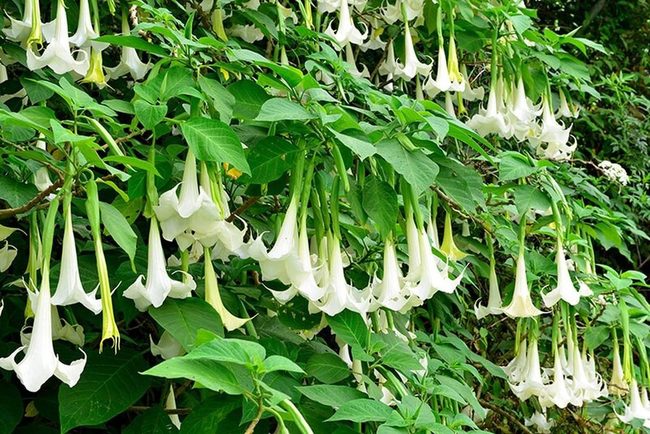
Foot-long white flowers cascade from the Angel Trumpet and immediately capture attention with their dramatic presence in any garden setting.
Night brings a sweet fragrance that fills the air around you, though the plant does contain alkaloids that can trigger headaches if you spend too much time near it without breaks.
This broadleaf evergreen tree needs rich, well-draining soil and plenty of direct sunlight to grow strong and healthy.
If you live in growing zones 8 to 10, you'll find this plant produces seasonal blooms that thrive in your climate quite easily.
Beyond its physical beauty, the Angel Trumpet carries symbolic meaning tied to insanity and concealment, so it adds an intriguing and mysterious quality to your outdoor landscape.
Tall Purple Larkspur Blooms
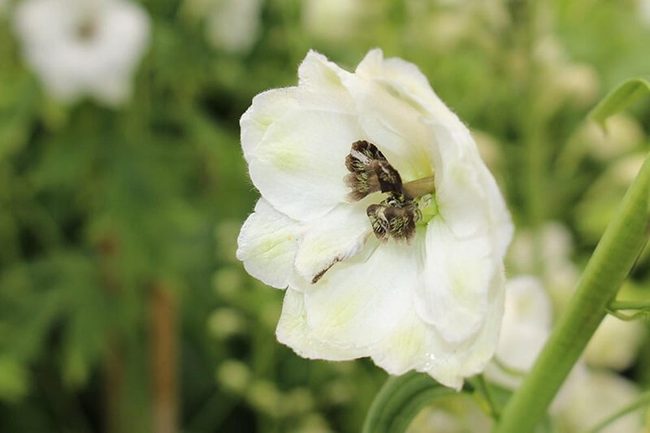
Larkspur flowers from the belladonna group put on quite a show with their eye-catching blooms that appear between May and July, making them a standout choice for garden spaces.
You'll want to plant these beauties where they get full sun, since that's what helps them grow their best.
They do well in warm, humid summers and need soil that drains properly and has plenty of nutrients to thrive.
Keeping them looking their best takes some work on your part; you'll need to stake them for support and deadheading spent flowers regularly.
While the maintenance demands a bit of dedication from you, the payoff is definitely worth it since those vibrant blooms add a distinctive and bold touch to your garden that's hard to ignore.
Tall Purple Spires, Toxic Beauty
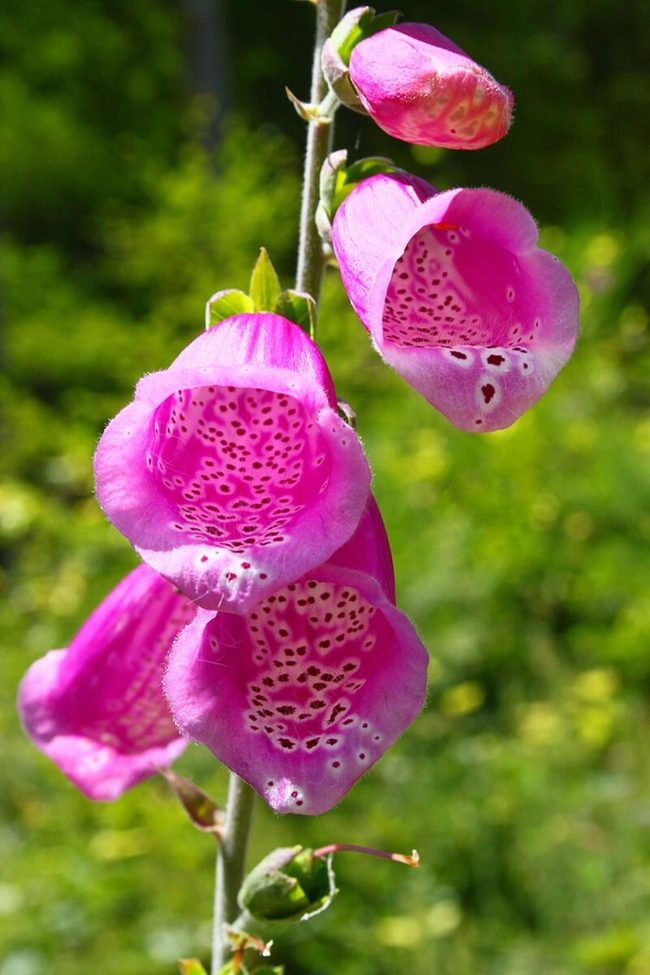
Witches' Bells, or Digitalis Purpurea Excelsior Group, reach about four feet tall and produce commanding columns of blooms that immediately grab attention in any garden space.
These flowers thrive in zones 4 to 8 and bloom from June through July when given full sun or partial shade conditions.
You'll need to provide medium water and acidic soil with good drainage to keep them healthy and happy.
Keep in mind that these plants can be dangerous if your dogs or cats nibble on them, so placement matters if you have curious pets around.
With proper care, they self-seed year after year and continue to fill your landscape with their striking presence.
Medium watering and the right soil setup make all the difference in how well they perform for you.
Orange Butterfly Bush Blooms
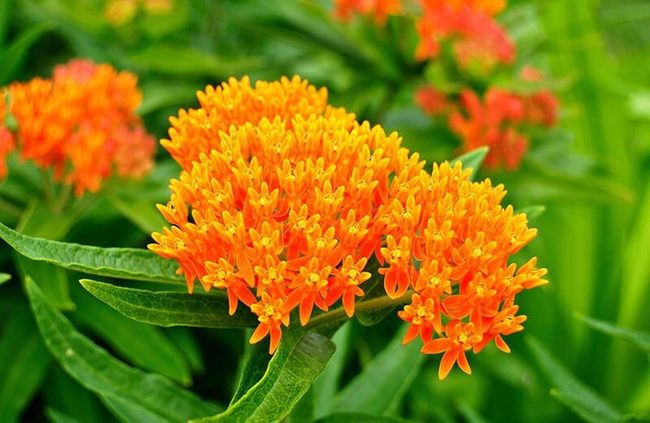
Butterfly flower bushes explode with brilliant orange blooms that draw butterflies straight to your garden, and this eye-catching display runs strong from June through August when you need summer color the most.
Once established, the bushes handle dry to medium moisture levels without complaint and even bounce back from drought stress.
You'll want to plant them in full sun and soil that drains well, since soggy conditions cause problems.
Fair warning though: these flowers are poisonous, so keep them away from pets and young children.
Here's the tricky part; you have to wait two years before the blooms show up for the first time, which tests your patience but rewards you with years of butterflies and color afterward.
Pink Spring Shrub For Hedges
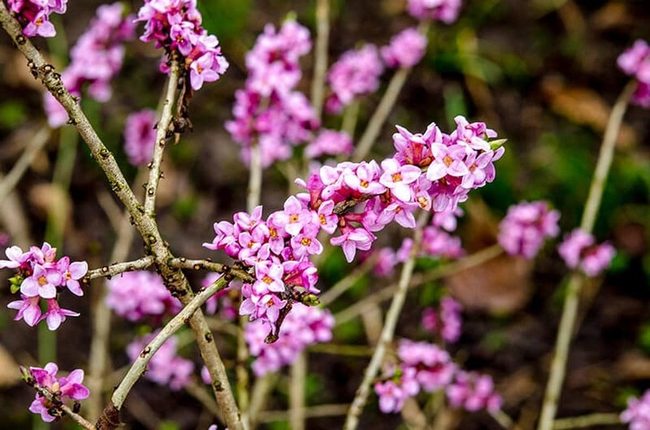
Daphne mezereum stands out in spring with its lovely pink flowers that appear during March and April, making it one of nature's most eye-catching shrubs.
Beyond its showy blooms, this plant works wonderfully as an informal hedge and adapts well to different garden settings.
You'll want to plant it in zones 4 to 7 where it grows best in spots with full sun or partial shade.
It needs medium water and prefers slightly alkaline soil that drains well so roots stay healthy.
One thing to know is that birds can safely eat its fruits, but the rest of the plant poses risks to humans and can irritate your skin with direct contact.
Keep this in mind when choosing where to place it in your yard or garden space.
Red Tubular Flowers For Rain Gardens
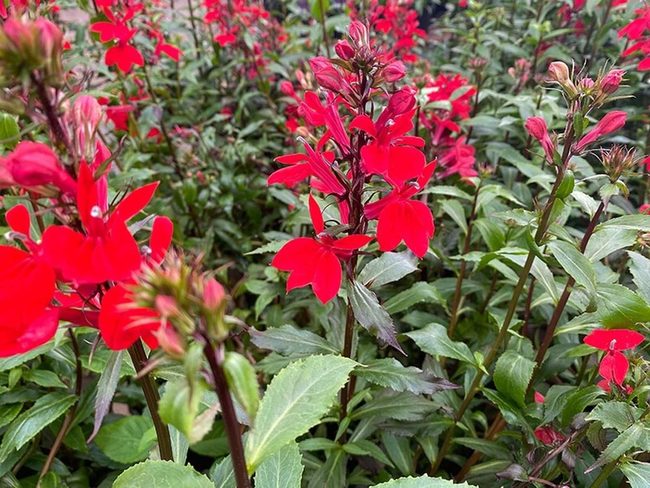
Scarlet sage, scientifically known as Lobelia Cardinalis Queen Victoria, produces tubular red flowers that bloom from July through September and create a striking visual display in rain gardens while drawing birds and butterflies to your outdoor space.
You'll want to plant it in rich, water-retentive soil where it can thrive in full sun or partial shade conditions.
Growing this plant works well across zones 4 to 9, so it adapts nicely to many different climates around the country.
One important thing to know is that scarlet sage contains toxins and needs to stay away from pets and young children who might accidentally ingest the flowers or leaves.
Keep this plant in a spot where only adults can access it safely and monitor any curious animals in your household.
With proper placement and soil conditions, you can enjoy its long blooming season without worry.
Winter Gold Blooms, Low Maintenance
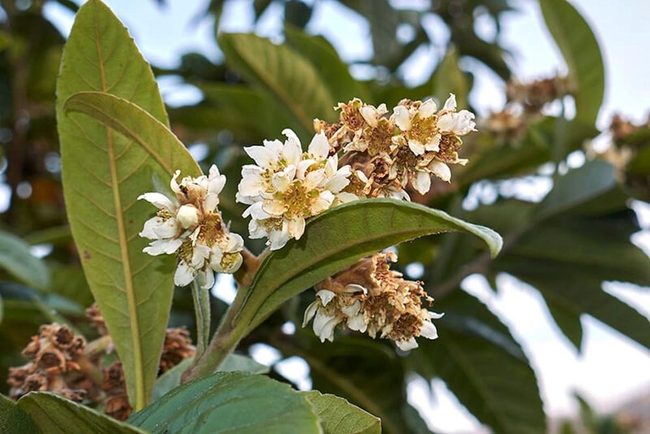
Loquat trees burst into pale golden blooms when winter arrives, giving your garden unexpected color during the chilly season when most plants have gone dormant.
If you live in zones 8 to 10, you'll find this plant grows wonderfully in rich, loamy soil that drains well and receives full sun or afternoon shade.
Watering needs stay moderate, so you don't have to fuss over it constantly.
One thing people worry about with plants is toxicity, and here the good news is that only the seeds pose any risk, making it far safer than many other common garden plants.
Those of you living in colder climates can still enjoy a loquat by keeping it in a large container and bringing it inside during the harshest months.
With its reliable performance and minimal care requirements, this tree makes a solid choice whether you're a seasoned gardener or just starting out.
White Laurel Evergreen Blooms
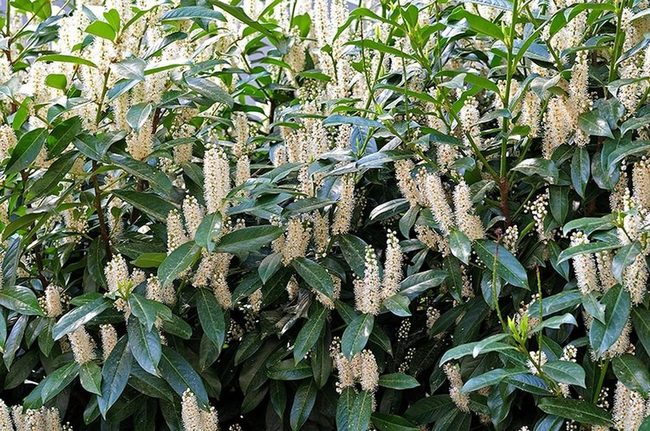
Versailles laurel stands out in any garden space with its delicate white flowers that bloom from April to May and fill the air with a strong, pleasant scent.
Even as fall arrives and other plants lose their color, the evergreen leaves stay lush and green throughout the year, keeping your garden looking fresh and alive.
You'll want to plant this shrub in fertile soil that drains well and water it at medium levels to help it flourish.
It grows best in zones 6 to 8 and does wonderfully in full sun or partial shade, so you have flexibility with placement.
Beyond its beauty, this flower carries meaning too; it symbolizes achievement and good fortune, making it a nice choice for anyone wanting to add layers of significance to their landscape.
One thing to know is that this plant is toxic, so keep it away from pets and small children who might chew on the leaves or flowers.
Lavender Blooms Prevent Soil Erosion
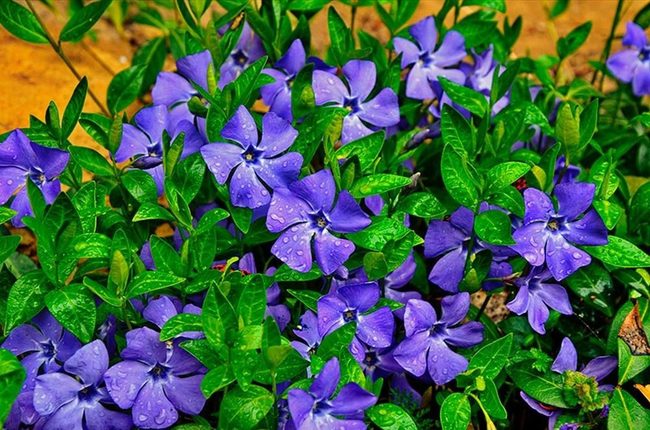
Periwinkle produces lovely blooms from May to June that make it a popular choice for groundcover in gardens across zones 4 to 8, and these flowers help prevent soil erosion while boosting your landscape's visual appeal.
You'll find that this plant adapts well to average soils with good drainage and grows happily in full sun or partial shade, which gives you flexibility in where to plant it.
One important thing to know is that ingestion can harm dogs, cats, and horses, so you'll want to keep it away from pets that might nibble on it.
On the bright side, the plant doesn't irritate skin when you touch it, so you can handle and maintain it without worry.
Watering needs are moderate since periwinkle tolerates dry conditions quite well, meaning you won't need to fuss over it constantly.
Once established in your garden, this plant becomes fairly low-maintenance and keeps looking good season after season.
Blue Purple Flowers Yellow Centers
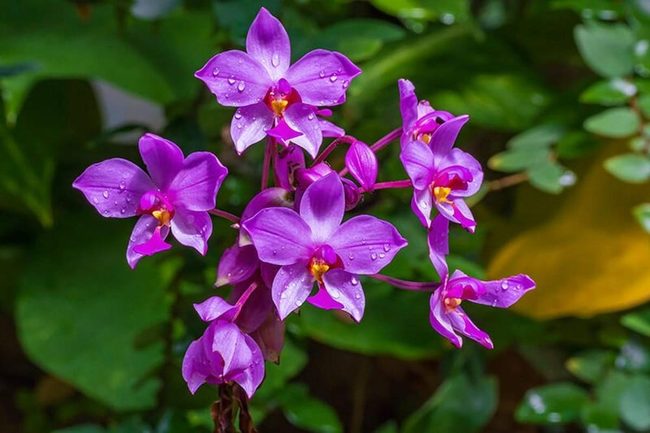
Brazilian nightshade stands out with its brilliant blue and purple flowers that showcase bold yellow stamens in the center, making it one of the most eye-catching vines you can grow in your garden.
If you're thinking about adding this plant to your landscape, know that it does well in full sun or partial shade and prefers soil that's rich and drains nicely, with watering needs that stay moderate once established and the plant can handle periods without much rainfall.
One thing to keep in mind is that while Brazilian nightshade is toxic if someone eats it, you won't have any problems simply touching or handling the plant as contact alone is completely safe.
Before you plant it in your garden, check whether it grows invasively in your area since it can spread aggressively in certain regions like Hawaii and parts of Florida, so you may need to manage it closely if you live in one of those spots.
Bright Yellow Flowers Stop Traffic
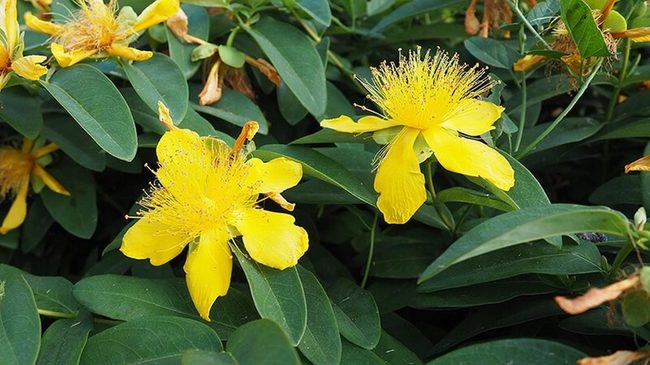
St. John's Wort displays brilliant yellow flowers that immediately catch attention and bring cheerfulness to any garden during the summer months from July through August.
This low-growing shrub handles sandy soil especially well and adapts comfortably to most soil types as long as drainage works properly.
It flourishes in full sun or partial shade and grows successfully in zones 5 through 9, making it suitable for many climates.
Watering this plant requires only moderate attention, so even novice gardeners can manage it without difficulty.
Beyond its visual appeal, the plant holds historical significance tied to spiritual protection and ancient midsummer celebrations.
Its spreading growth habit also serves a practical purpose by controlling erosion on slopes and bare ground.
Purple Death Blooms Deadly
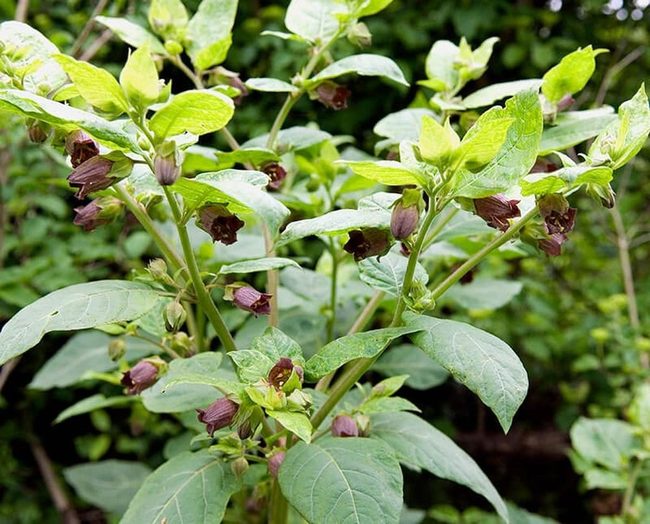
Deadly nightshade, known as belladonna, stands as one of the world's most hazardous plants and deserves serious respect.
Soft purple flowers cloak an extremely toxic interior, since every single part of this plant contains dangerous poison and even just ten berries can kill an adult human.
It grows in zones 5 to 9 and adapts to full sun or partial shade in average, well-draining soil quite readily.
Between June and September, delicate blooms appear on the plant's stems.
Despite its ability to flourish in many gardens, belladonna absolutely should not be grown at home due to its severe toxicity.
If you encounter this plant in the wild, keep your distance and never touch it.
We strongly advise against bringing seeds or cuttings into your yard, no matter how interesting the flowers might seem.
Double Blooms Winter To Spring
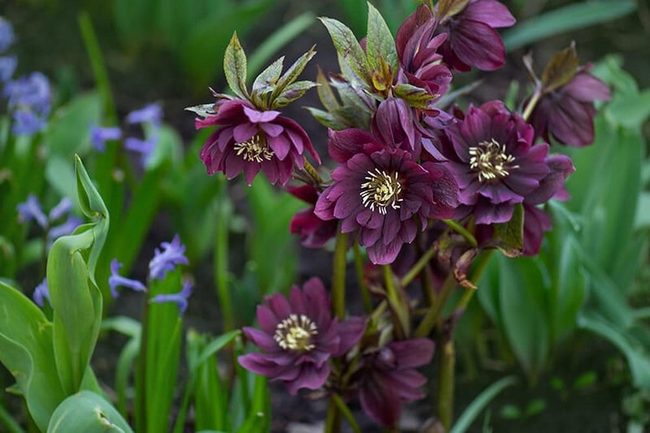
Hellebore stands out in gardens with its large double blooms that grace the landscape from late winter through mid-spring, and it grows well in zones 5 to 9 when planted in fertile, alkaline soil with good drainage and partial to full shade.
We should know that this flower carries deep meaning; it represents serenity and peace; though it does come with an important caution since it's poisonous to both humans and pets.
One real benefit of growing hellebore is that rabbits and deer typically leave it alone, which helps protect your garden from common browsing animals.
Watering needs stay moderate, so you won't have to fuss over this plant constantly to keep it healthy and thriving.
Pink Bell Flowers Shade Garden
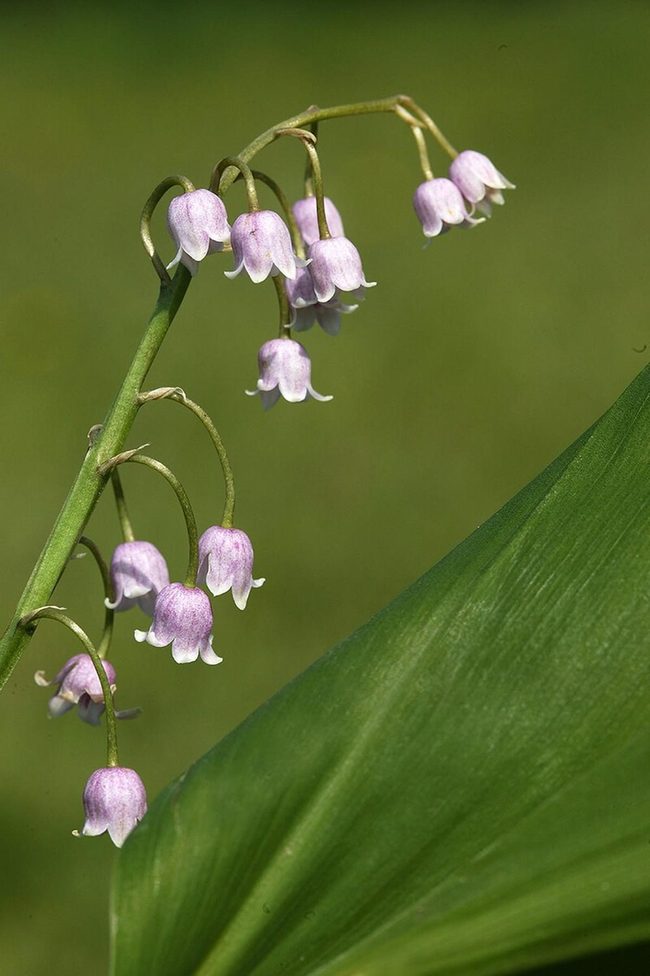
Lily of the Valley produces delicate pink bell-shaped blooms that stand out in shaded garden spots and bring springtime beauty from April through May.
You'll want to plant this flower in fertile soil that drains well and keep it moderately watered for best results.
Growing zones 2 through 7 work for this plant, which means you can cultivate it in most climates across different regions.
One important thing to know is that every part of this plant contains toxins that can make people and pets very sick if eaten, so you need to choose your planting location with care.
Since it handles shade well and produces those charming pink blooms, many gardeners love adding it to their landscapes despite the safety considerations.
Make sure you place it where children and animals won't accidentally brush against it or nibble on it.
Olivia Martinez
Founder & Principal Designer
Expertise
Sustainable Interior Design, Residential and Commercial Space Planning, Historic Preservation and Adaptive Reuse, Custom Furniture Design, Project Management
Education
Parsons School of Design, New York, NY
LEED Accredited Professional (LEED AP)
Olivia Martinez is the founder of Archi Refresh, where she brings style and sustainability together. With a degree from Parsons School of Design and a LEED certification, she’s all about creating beautiful, eco-friendly spaces.
With over eight years in the industry, Olivia has designed everything from cozy homes to commercial spaces, always putting function and sustainability first. She loves working with local artisans and has been featured in design publications for her fresh take on green living.
When she’s not designing, Olivia enjoys exploring historic architecture, painting, and spending time with her rescue dogs, Luna and Max.