
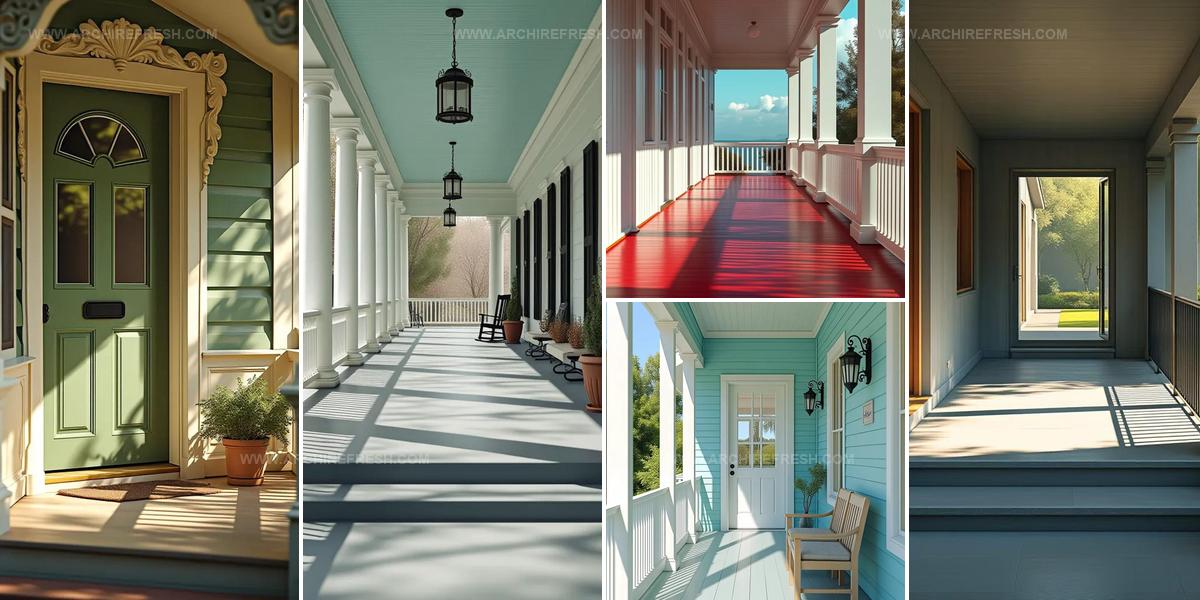
8 Fresh Ideas for Porch Painting Tips That Work
Homeowners often overlook the impact that proper porch painting techniques can have on curb appeal and longevity.
A well-maintained entrance area welcomes visitors while protecting wood and surfaces from weather damage throughout every season.
Many people assume a fresh coat means simply grabbing a brush and getting to work, but successful results require preparation and knowledge.
Smart choices about primers, finishes, and application methods make the difference between a project that lasts years versus one needing frequent touch-ups.
Common mistakes like skipping surface prep or painting in humid conditions lead to peeling and frustration down the road.
Understanding which products work best for different materials saves time, money, and effort in both short and long term.
Learning proven techniques empowers homeowners to tackle this rewarding project with confidence and achieve professional-looking results.
Crosshatch Brush Strokes Even Coverage
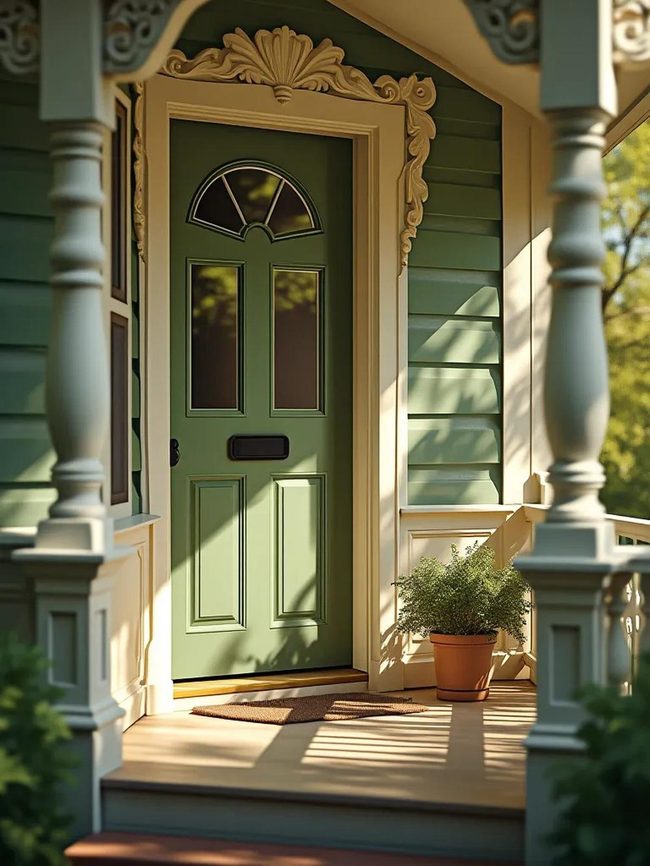
Even paint coverage across your porch starts with overlapping your brush strokes slightly, much like how different instruments blend together in a song.
Using a crosshatch pattern helps you achieve the smoothest, most balanced results from one end of your surface to the other.
It's worthwhile to pause occasionally and view your work from various angles and distances, the same way you might listen to music on different speakers to hear how it all sounds.
This habit of stepping back prevents you from missing uneven patches or thin spots that might only be visible from certain viewpoints.
When you apply paint with these techniques in mind, the whole porch takes on a finished, polished appearance rather than a patchy or amateurish one.
We recommend checking your progress under different lighting conditions as well, since shadows and light-filled spots can sometimes hide areas that need a second coat.
Taking these simple steps makes a real difference in how professional and put-together your porch looks once the paint dries.
Porch Paint Maintenance Through Seasons
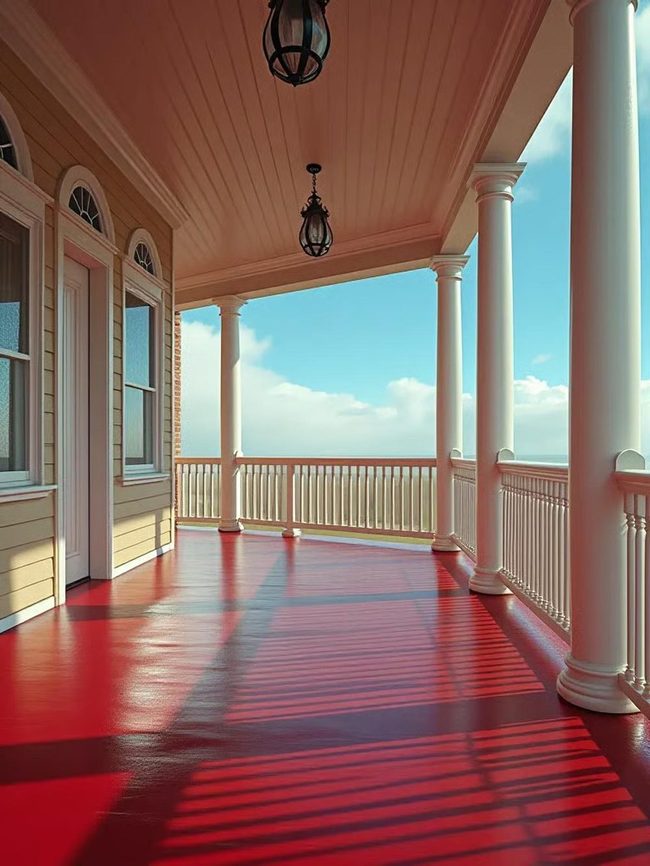
Now that you've finished painting your porch and it looks fantastic, the real work of keeping it that way begins.
Weather will test your paint job constantly, so protecting it from sun, rain, and temperature swings matters more than you might think.
Clean your porch regularly with mild soap and water to stop dirt and grime from building up and dulling the finish.
Inspect the painted surfaces every few months and touch up any chips or scratches before they grow into bigger problems.
If you see areas where the paint is peeling or cracking, address those spots right away rather than letting them spread.
We recommend applying a fresh coat every few years depending on your climate and how much foot traffic the porch gets.
Keeping gutters clear and making sure water drains away from the porch prevents moisture damage that can ruin your paint work.
Small maintenance habits now will keep your porch looking color-driven and well-maintained for years to come.
Smooth Porch Paint Technique
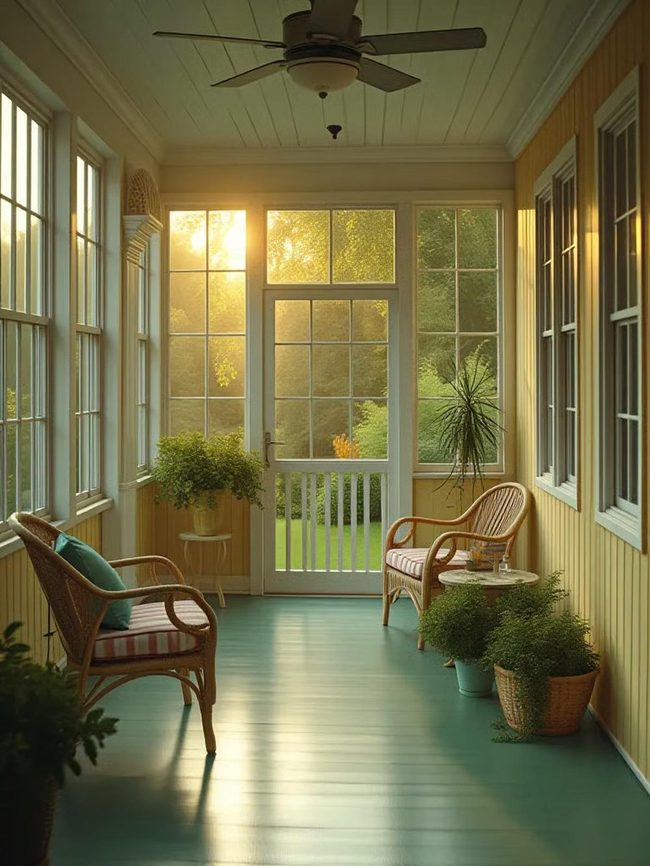
Before you grab a brush and start painting your porch like you're jamming out on drums, it helps to understand a few key techniques that will get you results as smooth as your favorite vinyl record.
Begin by prepping your surface properly since any bumps or rough spots will show through your paint job.
Use long, even strokes in one direction and avoid overworking the paint once it's down on the wood.
Loading your brush with the right amount of paint matters, too much creates drips and runs, while too little leaves visible brush marks.
We recommend working from top to bottom so any drips naturally flow downward and stay away from finished areas.
Taking your time with in all section beats rushing through the whole porch and having to fix mistakes later.
Light sanding between coats helps the next layer stick better and keeps your finish looking professional.
By following these straightforward methods, you'll end up with a porch that looks freshly painted instead of hastily slapped together.
Porch Surface Repair Before Decorating

Before you move forward with any decorating plans, it's worth taking time to address any damage your porch has picked up over the seasons.
Look thoughtfully at the surface and check for cracks, holes, or boards that have come loose, as these issues will show through even the best decorative efforts.
Small problems respond well to wood filler or patching compound, which you can apply directly into the damaged spots.
Once the filler dries, sand down those areas until they feel smooth to the touch and blend seamlessly with the surrounding wood.
Getting this foundation right means your porch will look polished and well-maintained when you add furnishings and decor on top.
Taking an afternoon to handle these repairs now saves you from having to redo your work later.
Exterior Grade Paint For Porches
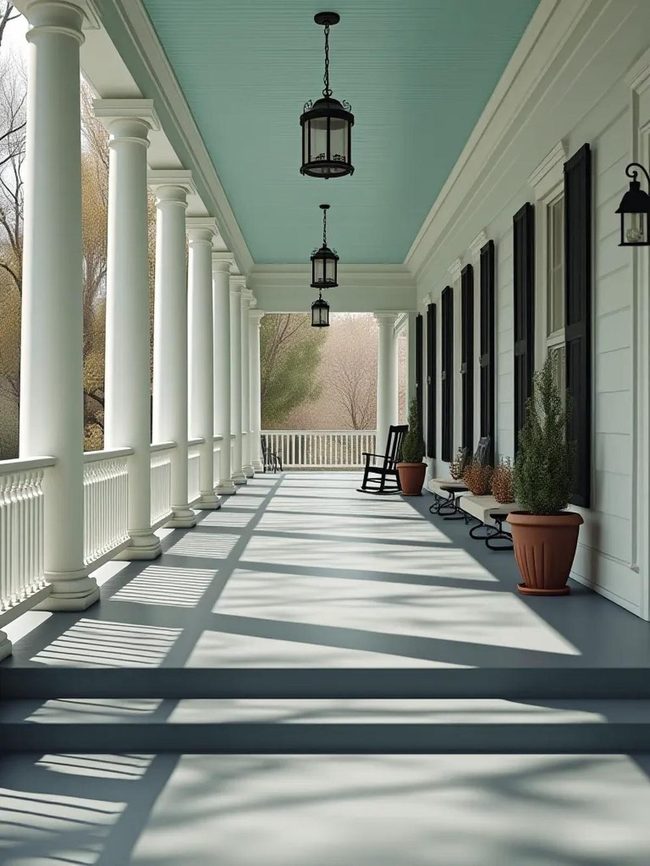
When you're ready to paint your porch, picking the right materials matters more than you might think.
Quality paint and proper tools make all the difference between a finish that lasts years and one that chips away in months.
We recommend starting with exterior-grade paint designed specifically for porches since these handle foot traffic and weather changes better than standard indoor varieties.
Good brushes and rollers cost a bit more upfront, but they apply paint smoothly and evenly, which saves you time and frustration.
Skipping on materials is like trying to record a rock song on a toy instrument, the results just won't satisfy you.
Spend time reading paint labels and talking to hardware store staff about what works best for your climate and porch type.
Once you have quality supplies on hand, the actual painting process becomes easier and the results look noticeably better.
Getting this part right sets you up for success from the very first brushstroke.
Professional Paint Brush Essential Tools
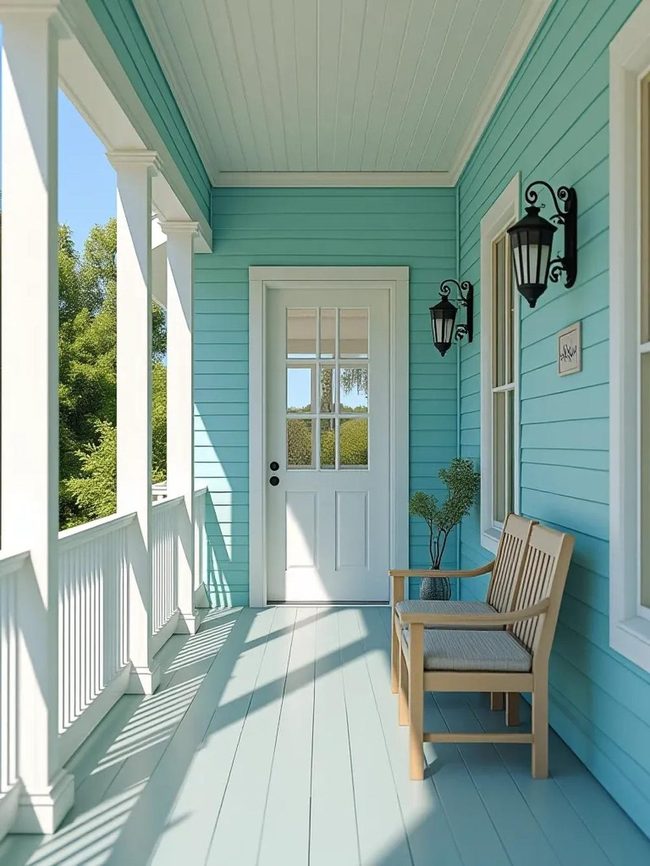
Getting the right tools in your hands makes all the difference when you're ready to paint, and quality really does matter for the results you want.
High-quality brushes or rollers give you smooth application and keep you from ending up with a patchy, uneven finish that nobody wants to see.
A paint tray with a grid is super helpful because it lets you load just the right amount of paint onto your brush or roller without wasting any.
An extension pole saves you from awkward stretching when you need to reach ceiling areas or high wall spots, making the whole job feel less exhausting and more manageable.
Cheap tools might seem like a budget win at first, but they'll slow you down and frustrate you with poor coverage and inconsistent results.
We recommend spending a bit more upfront on decent brushes, rollers, and poles because you may actually use less paint and finish faster.
You are able to feel the difference in your hands as soon as you start applying paint to the walls.
Good equipment takes the stress out of painting and helps you get professional-looking coverage without the professional price tag.
Painted Porch Regular Maintenance Guide
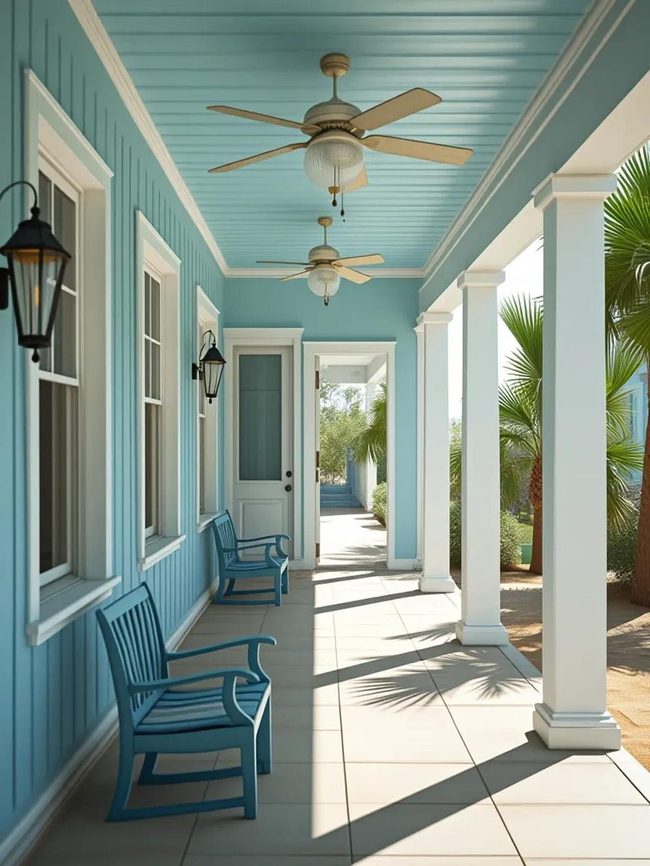
Keep your painted porch looking fresh by staying on top of maintenance, much like you would care for something you treasure.
Sweeping regularly removes dirt and dust so the surface stays clean and polished between deeper cleanings.
When you wash the porch with mild soap and water, you're refreshing the entire look and preventing buildup that can dull the finish.
Address any chips or scratches right away before they spread and become more noticeable, as early fixes keep damage from becoming obvious.
Every few years, apply a new protective sealant to shield the paint from weather and wear.
We all know that maintaining your paint investment extends its life and keeps it looking as good as the day you finished.
Small regular efforts now mean you won't need a complete repaint down the road.
These simple steps ensure your porch stays beautiful and protected for a long time.
Porch Preparation Before Paint Application
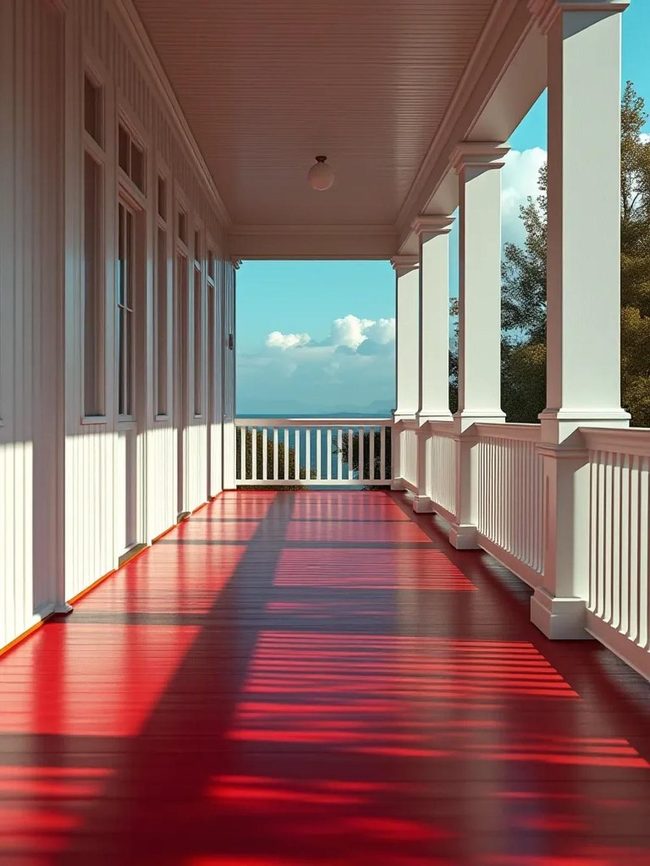
Before you start painting your porch, getting everything ready matters just as much as the actual brushwork, even though prep work might seem boring compared to the fun part.
Just like a musician does a soundcheck before a big show, you need to clear away furniture, sweep up dust and debris, and protect anything nearby that shouldn't get paint on it.
Weather plays a huge role in how well your paint job turns out, so check the forecast and pick a dry day when temperatures stay moderate.
If your porch has old paint that's peeling or chipping, sand it down and scrape away loose bits so the new paint sticks properly.
Dirt and grime sitting on the surface will prevent paint from adhering well, so wash your porch thoroughly and let it dry completely.
Gathering all your supplies ahead of time means you won't waste energy running back inside for things you forgot.
Once your space is clean, dry, and organized, you're ready to move forward with confidence and do a job you may be happy with for years to come.
Olivia Martinez
Founder & Principal Designer
Expertise
Sustainable Interior Design, Residential and Commercial Space Planning, Historic Preservation and Adaptive Reuse, Custom Furniture Design, Project Management
Education
Parsons School of Design, New York, NY
LEED Accredited Professional (LEED AP)
Olivia Martinez is the founder of Archi Refresh, where she brings style and sustainability together. With a degree from Parsons School of Design and a LEED certification, she’s all about creating beautiful, eco-friendly spaces.
With over eight years in the industry, Olivia has designed everything from cozy homes to commercial spaces, always putting function and sustainability first. She loves working with local artisans and has been featured in design publications for her fresh take on green living.
When she’s not designing, Olivia enjoys exploring historic architecture, painting, and spending time with her rescue dogs, Luna and Max.