
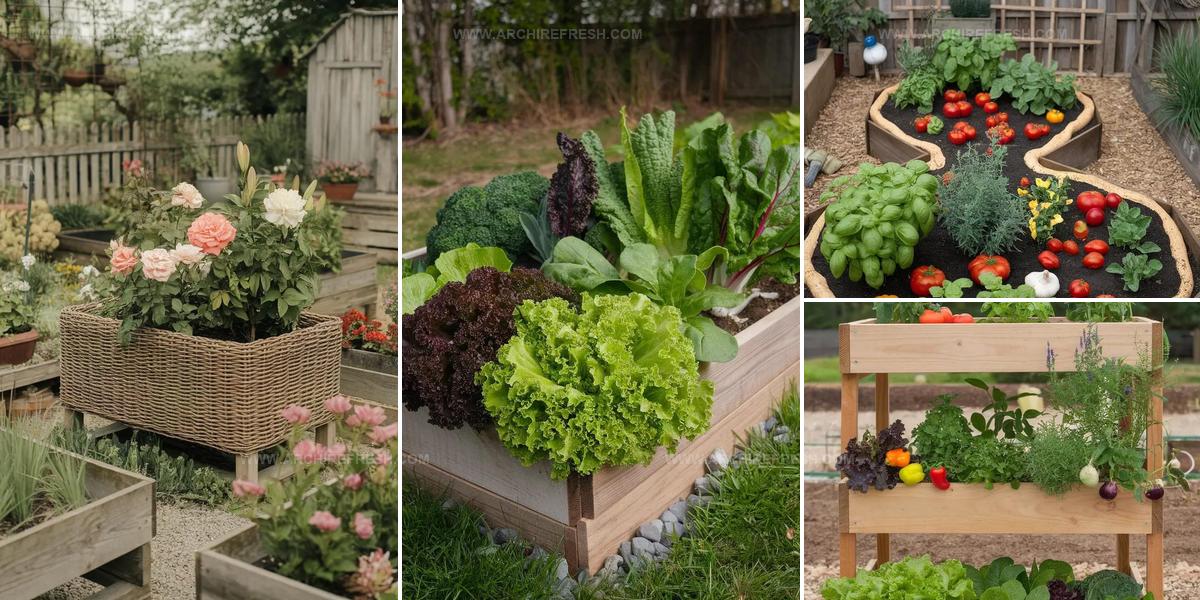
15 Creative Raised Garden Bed Ideas for Backyard Spaces
Practical raised garden bed ideas for backyard spaces can completely change how you approach growing plants at home.
A raised garden bed offers better soil control, easier access, and improved drainage compared to traditional ground-level planting.
Whether you have a small patio or a sprawling lawn, elevated beds adapt to almost any space and skill level.
The benefits extend beyond convenience since these structures also help keep pests away and reduce strain on your back and knees.
Building one doesn't require extensive carpentry skills or expensive materials either.
Many homeowners find that raised beds produce healthier vegetables, herbs, and flowers with less effort than conventional gardening methods.
By the end of this guide, you'll feel confident about designing a functional and attractive raised bed that fits perfectly in the outdoor area around your home.
Industrial Steel Patio Beds
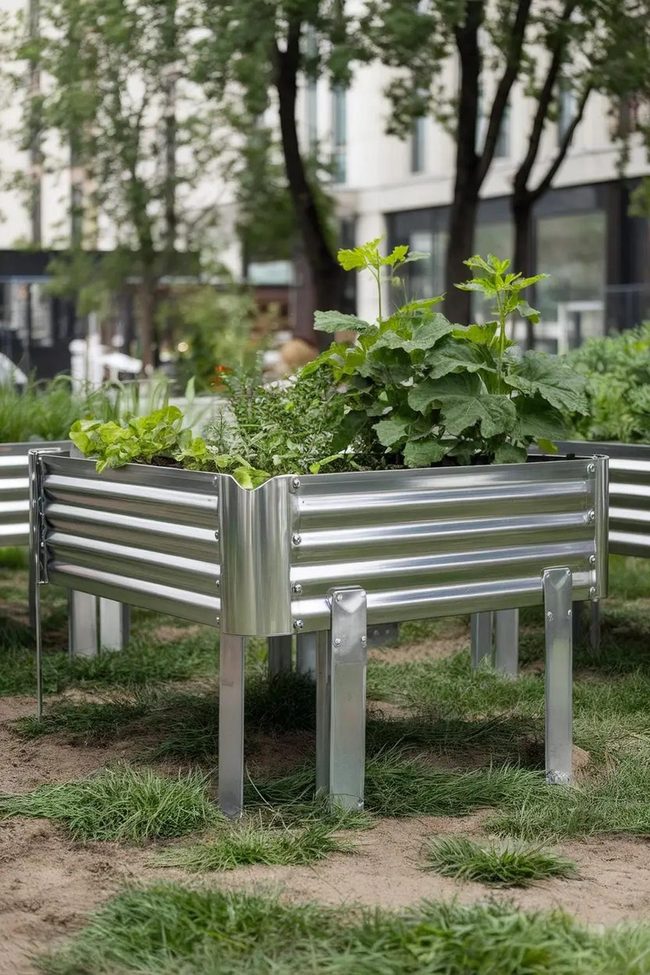
Steel raised beds bring a striking industrial look to your garden with their clean, modern lines that stand out in any outdoor space.
You get both durability and style with these beds since they resist weathering and rust, which means they'll hold up for years and serve as a smart investment for anyone serious about gardening.
These beds work well whether your garden sits in an urban setting or spreads across rural land.
Growing leafy greens, root vegetables, and flowers all happens easily in steel raised beds because you have complete control over soil quality and drainage.
They're especially helpful if your yard has poor or compacted soil, as the raised structure lets you skip digging into problem ground and start fresh instead.
Cascading Patio Levels
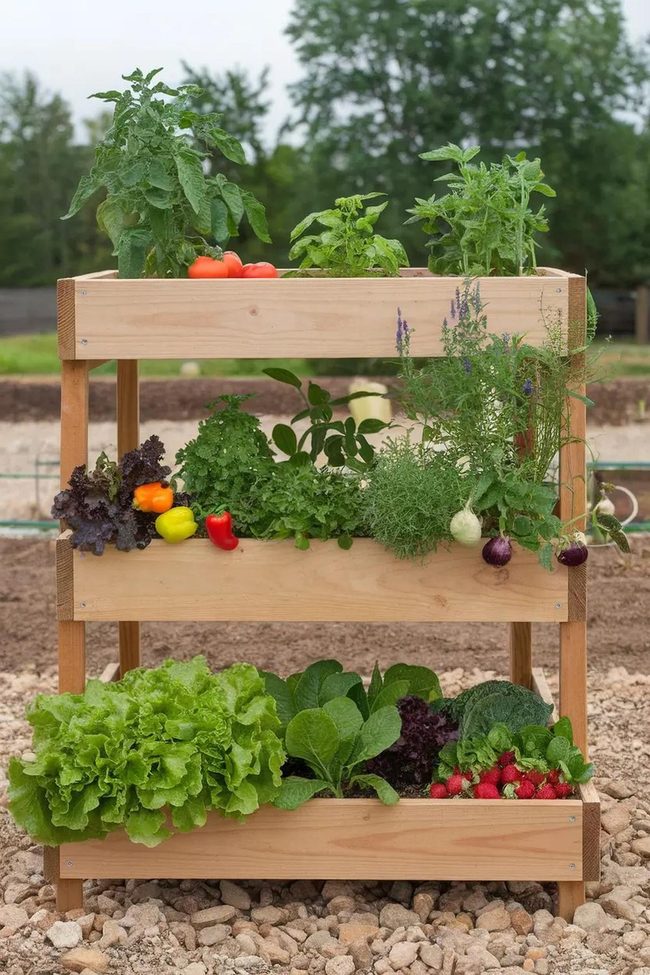
Tiered raised beds transform sloped or uneven yards into cascading layers of lush greenery that immediately grab your attention and work wonders for plant growth.
You can position taller crops like tomatoes, corn, or sunflowers on the top tier to soak up maximum sunlight, arrange medium-height plants such as peppers, herbs, or bush beans in the middle section, and plant shorter varieties like lettuce, strawberries, or radishes at the bottom level.
Water naturally flows downward through the layers and reaches all your plants efficiently, while sunlight reaches everything you grow.
This stacked design brings an organized, layered look to your outside space and solves drainage problems that often plague uneven ground.
Your garden gains both function and visual interest from the simple act of building upward rather than spreading outward.
Symmetrical Vegetable Beds
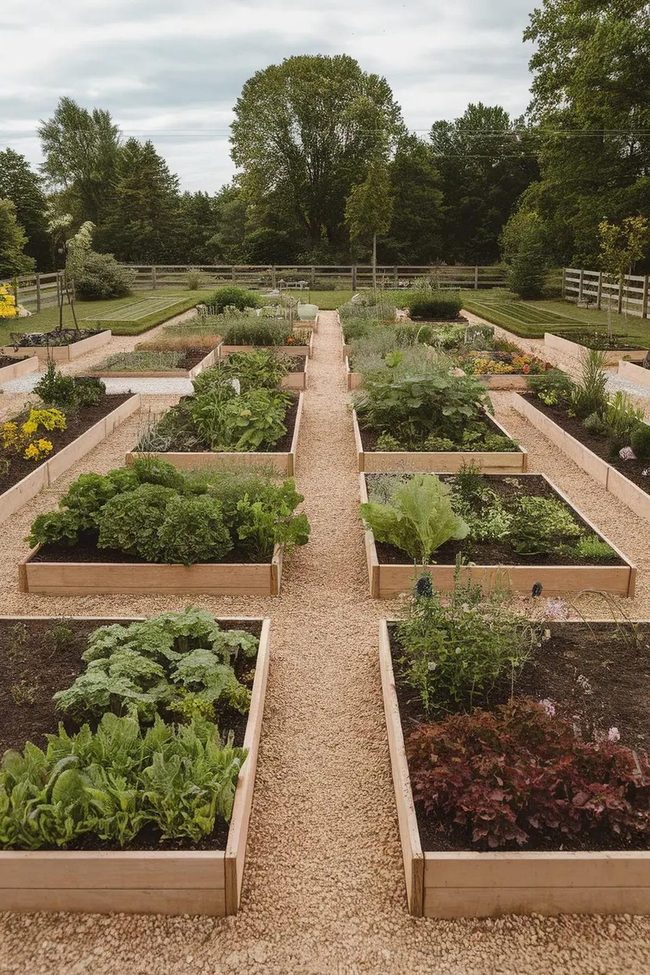
Your formal raised garden with perfectly arranged beds in geometric shapes becomes an immediate showstopper in any yard, and the symmetrical layout gives your garden space a polished, refined quality that draws admiration.
By organizing your beds in straight lines or neat patterns, you can mix practicality with beauty and have both fresh vegetables and an impressive landscape feature at once.
Raised garden kits make the design simple to put together, whether you want to go with classic rectangles or try more complex designs that suit your style.
What's really nice about in this setup, is that it serves double duty, your garden produces herbs and vegetables while looking like a designed garden room.
You'll find the beds naturally become the main attraction in your landscape, anchoring the entire space with structure and purpose.
Gardens laid out this way appeal to anyone who enjoys order and wants their food-growing area to look as good as it tastes.
Even if you're not a experienced gardener, the organized format makes it easier to maintain your plants throughout the season.
This type of garden brings together form and function in a way that benefits both your home's appearance and your kitchen.
Colorful Petals You Can Eat
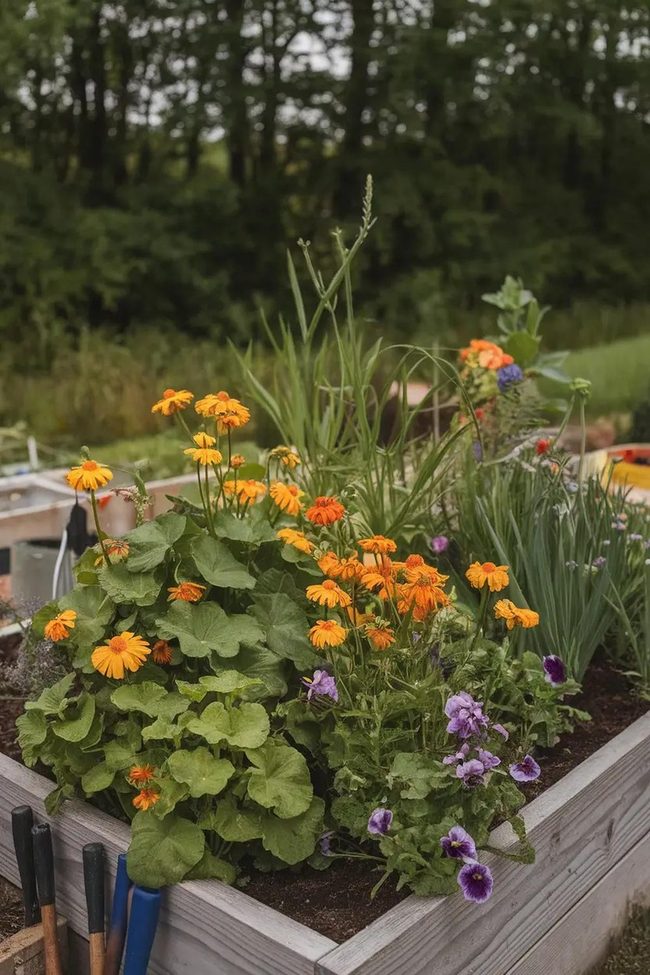
Growing edible flowers like nasturtiums, calendula, and violets updates your garden into a place where light-filled petals do double duty, they look visually engaging and taste delicious on your plate.
You can scatter these colorful blooms across salads, sprinkle them into desserts, or float them in drinks to add both flavor and visual interest to what you're serving.
Beyond the kitchen, these plants pull their weight in your garden by drawing in pollinators and helpful insects that keep everything healthier and more balanced.
Setting up a raised bed dedicated to these special blooms means you get a garden section that serves both your eye and your stomach at the same time.
They grow with minimal fuss once established, and you'll find yourself reaching for fresh petals whenever you want to add something special to a meal.
Turns your patio space into a working garden that's as delicious as it is beautiful.
Purple Flowers Pest Control Terrace
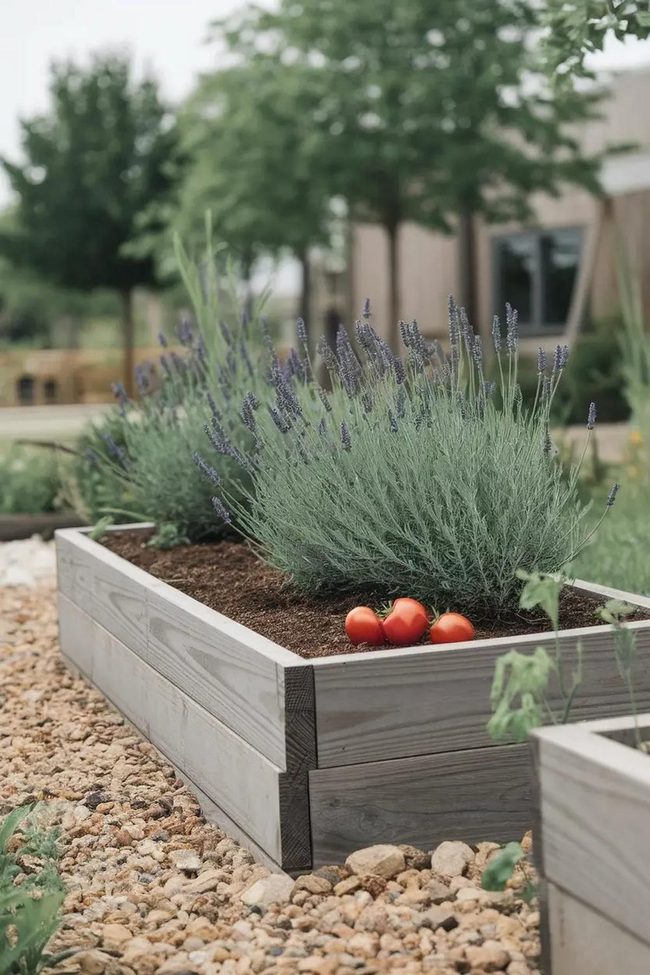
Pair lavender with vegetables like tomatoes or peppers in a raised bed and you can get a garden that looks absolutely notable with those clear purple flowers popping against the green foliage.
Beyond the visual appeal, lavender's floral scent does serious work by repelling pests such as aphids, moths, and mosquitoes while simultaneously drawing in bees and butterflies that your vegetables need for pollination.
We can see the appeal in how how low-maintenance it really is and how well it handles drought conditions, so you don't need to fuss over it constantly or worry when water gets tight.
Once your lavender thrives, you can harvest the blooms and dry them for sachets, steep them into essential oils, or use them in homemade crafts and projects.
Mixed Outdoor Bed With Earthy Pest Defense
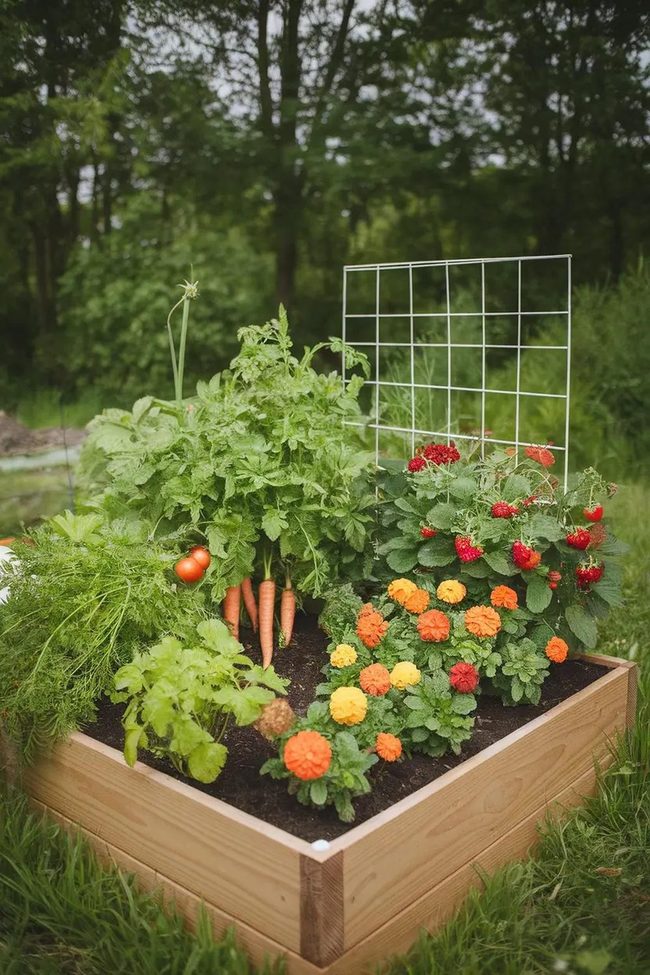
Growing different plants together in your raised bed can turn it into a thriving space where everything flourishes naturally and pests stay away on their own.
When you pair tomatoes with carrots or strawberries with marigolds, you use your space more efficiently and watch your soil get healthier without extra effort.
Marigolds happen to repel nematodes and other bugs that damage plants, and tomatoes plus carrots actually help in all other grow better.
We love design solution because you can grow a nice variety of foods and flowers while keeping the whole system balanced and friendly to the environment.
Since plants support in all other this way, you won't need to spray chemicals or use harsh treatments on your garden.
It's a smarter, gentler method that works with nature rather than against it, and many gardeners find it makes their beds more productive season after season.
Fresh Leafy Green Harvest
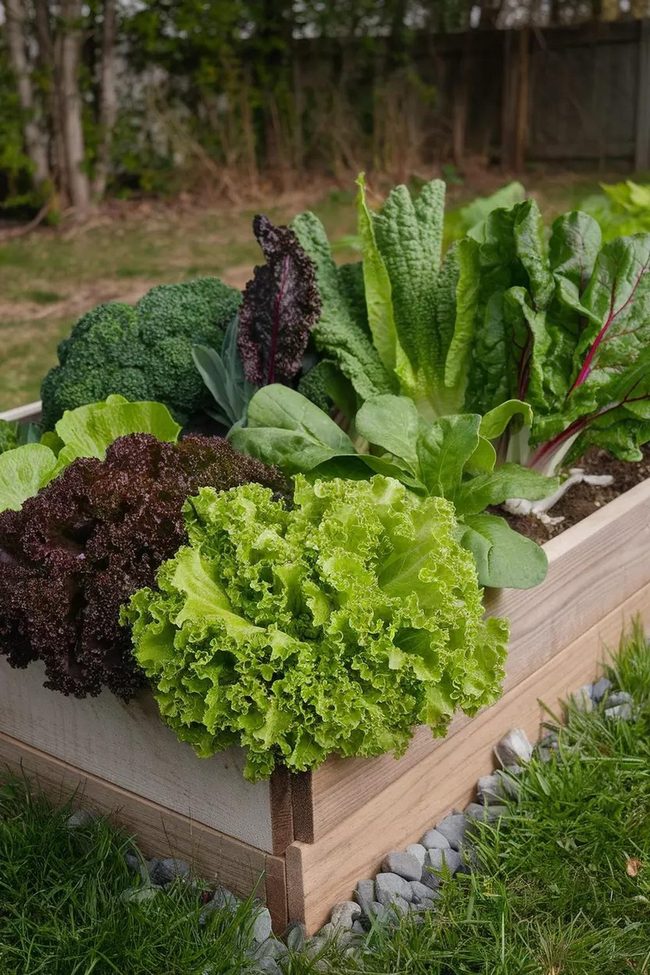
Plant lettuce, kale, spinach, and Swiss chard in a garden bed and you can have fresh salad greens ready to pick whenever you need them, with the leafy vegetables growing in rich, textured clusters that make your backyard look lively and full of color.
Harvesting leaves at different stages means you can keep enjoying fresh produce all season long without running out.
Beyond the gorgeous appearance, these greens pack serious nutrition into every leaf, loaded with vitamins and minerals that support your health and wellbeing.
Growing your own salad mix at home cuts down on trips to the store and keeps money in your pocket instead of spending it on packaged greens.
You also skip all the plastic waste from store-bought salads and feel good knowing exactly where your food comes from and how it was grown.
This simple garden project pays off in three ways at once: better health for you, less spending on groceries, and a smaller environmental footprint that makes a real difference.
Vegetables, Herbs, Flowers Together
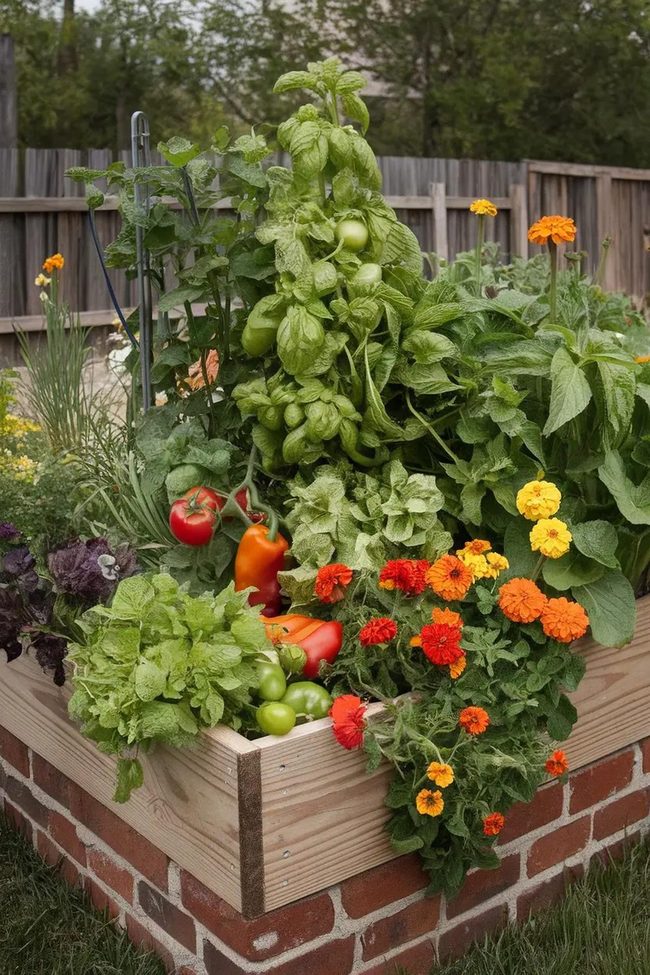
Mixed polyculture beds offer a natural way to garden by planting vegetables, herbs, and flowers all together in one space.
When you combine different plants this way, you're actually copying how nature organizes itself, and this boosts both the soil and the variety of life in your garden.
Pests become less of a problem because certain plants naturally push away unwanted insects while pulling in helpful ones like bees and butterflies.
You are able to harvest fresh vegetables and herbs alongside beautiful blooms, all without needing to spray chemicals to manage bugs.
Design solution works because it lets nature do most of the heavy lifting for you.
Your garden becomes both productive and colorful at the same time.
If you want to garden in a way that feels sustainable and works with nature rather than against it, this method delivers real results.
Tiny Hands Growing Tomatoes
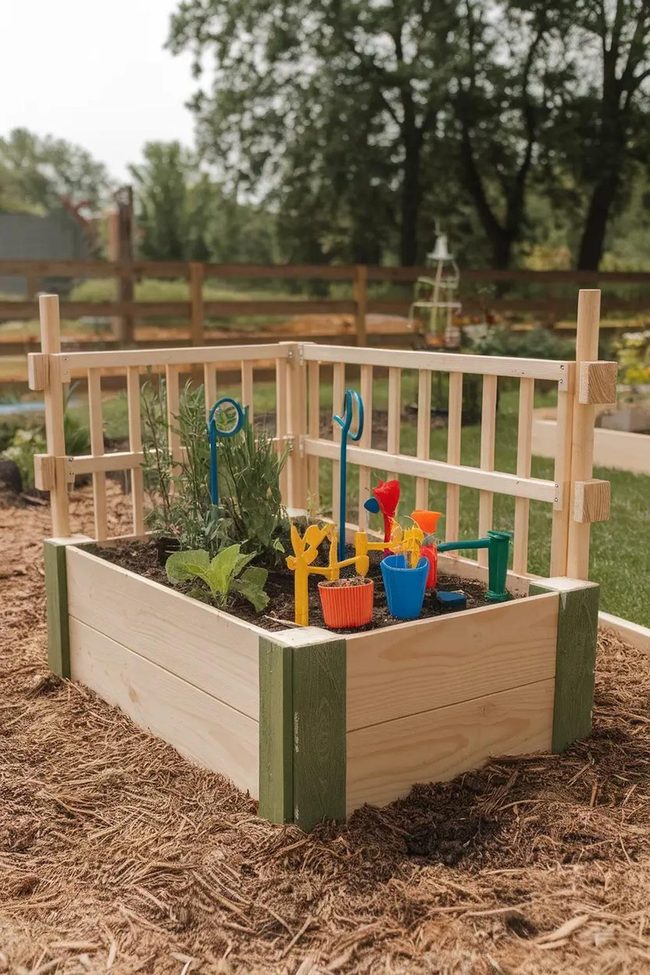
Building a raised garden bed specifically for kids puts you in the perfect position to spark their curiosity about growing food and caring for plants.
Fast-growing crops like radishes, cherry tomatoes, strawberries, and sunflowers keep young gardeners motivated since they see results quickly and can harvest what they've grown.
Colorful plant markers, fun stepping stones, and miniature garden tools scattered throughout the space make the whole experience feel like an adventure designed just for them.
Beyond the fun factor, this special garden teaches kids real lessons about responsibility and patience as they water, weed, and watch their plants develop.
When children can pick their own strawberries or bite into a tomato they grew, they connect with nature in a way that sticks with them for years.
You are able to recognize their confidence grows alongside the plants, and they start understanding where their food comes from.
Over time, this little gardening spot becomes a place where kids develop a genuine love for the outdoors and learn that nature requires care and attention.
Fresh Herbs At Your Window
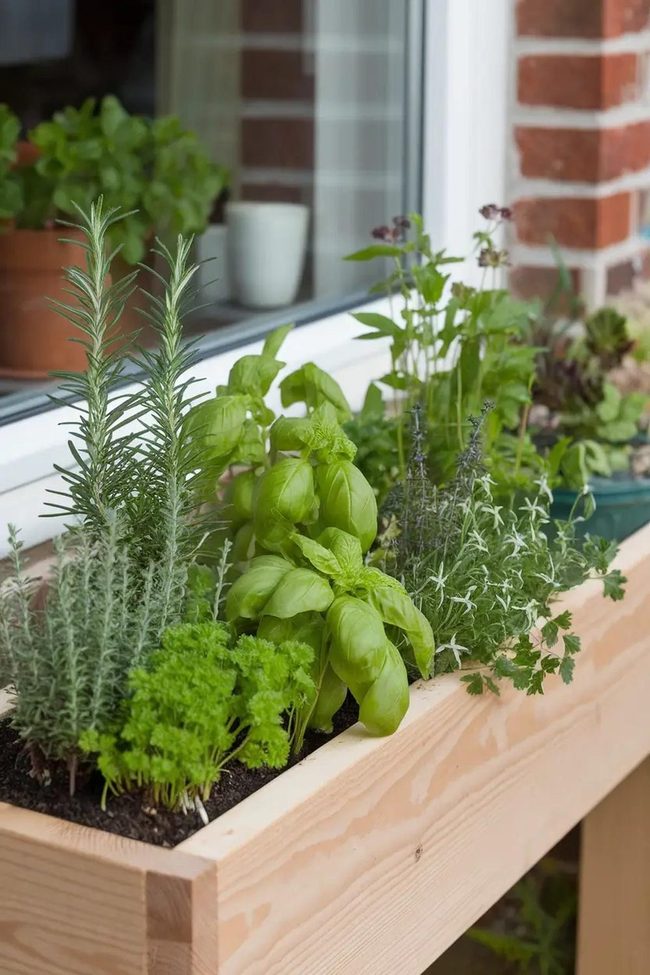
The window box herb garden positioned right outside your kitchen window your cooking routine by putting fresh rosemary, basil, thyme, and parsley within arm's reach.
You can snip fragrant herbs straight from the box to garnish your dishes without stepping outside, and the lively in tone green plants add a refreshing visual element to your home.
The design works wonderfully for apartments and small houses where garden space is limited, and it lets you grow herbs even in tight quarters.
Window boxes are also easy to maintain and look attractive while doing their job.
If you're trying to squeeze more gardening into a small area, this solution delivers both function and beauty in one compact package.
Wicker Raised Beds For Yards
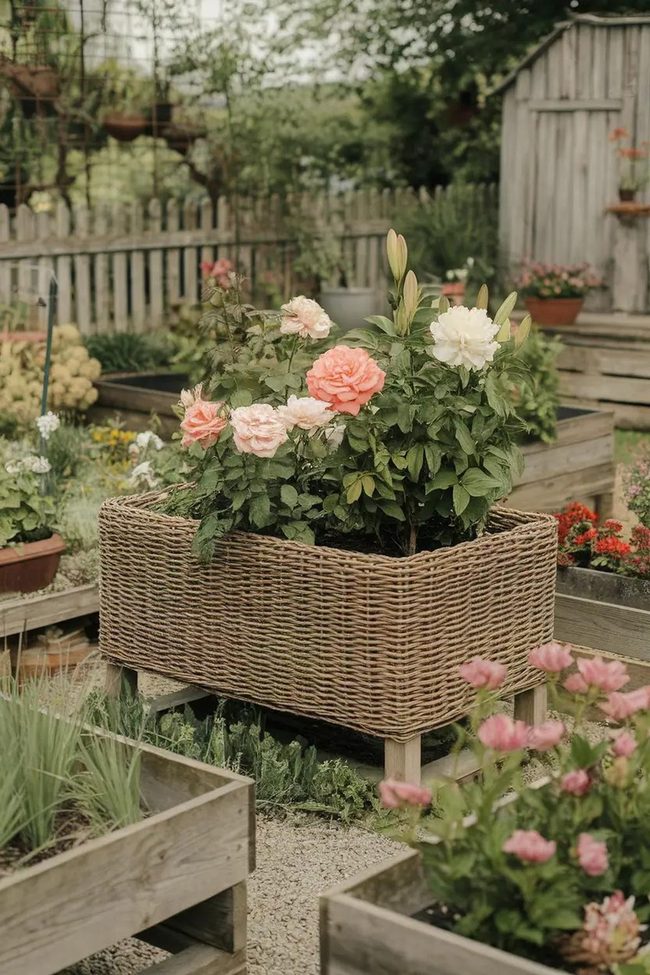
Wicker raised beds catch the eye with their rustic charm and natural texture, making them an excellent choice if you want to add character to your garden space.
You can fill these frames with vegetables, flowers, or herbs, and they blend seamlessly into any garden layout without looking out of place.
Beyond their appealing appearance, wicker beds are surprisingly lightweight and easy to move around, so rearranging your garden layout whenever you feel like it becomes simple.
Whether you're growing colorful blooms, fragrant herbs, or fresh vegetables, these beds deliver both function and style in one piece.
Many gardeners love how these frames give their yard spaces a cottage-like feeling that seems to belong in a simpler time.
If you enjoy changing things up or want flexibility in your garden design, wicker beds offer exactly what you need while keeping maintenance straightforward.
Upcycled Oak Landscape Beds
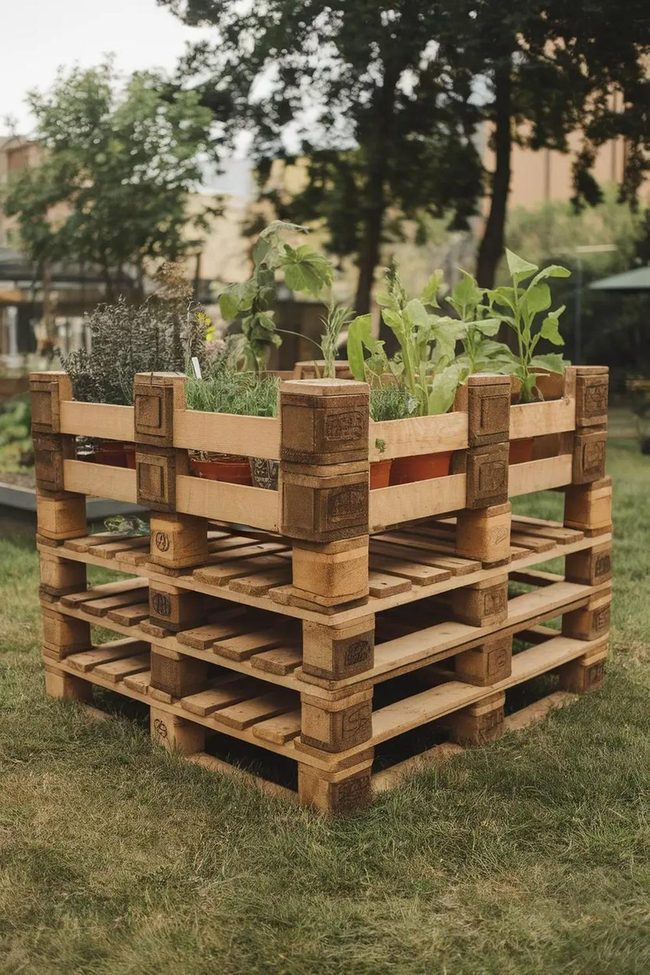
Building raised beds from reclaimed wood, old bricks, pallets, and vintage items like bathtubs or metal troughs brings instant personality to your garden while keeping waste out of landfills.
You can watch your vegetables grow in containers that tell a story, and the mismatched, eclectic look adds genuine character to your open-air space.
Since recycled materials cost far less than new supplies, gardeners working with limited budgets can add something beautiful and functional without overspending.
Your beds adapt easily to whatever shape or size works best for your garden layout and personal style.
Beyond the savings, composition means old items get a second life instead of being discarded, which feels good and looks great.
Mixing different materials, weathered wood next to salvaged bricks or converted metal troughs, adds a rustic, lived-in atmosphere that modern raised beds simply cannot match.
Vertical Green Climbing Beds
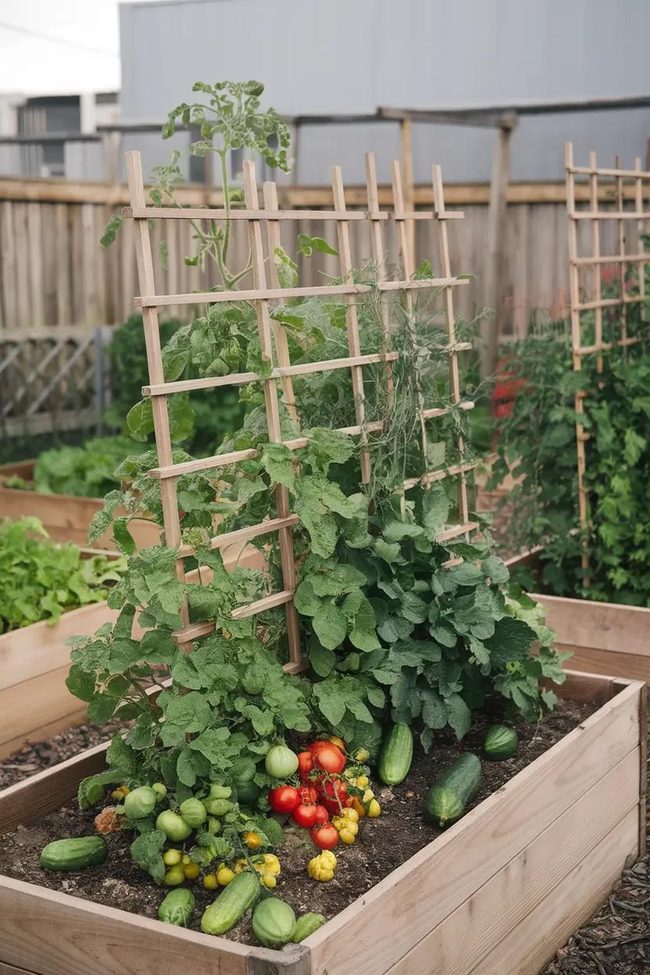
Trellised raised beds let you grow upward instead of spreading out, and this vertical approach refreshes small garden spaces into thriving growing areas that look beautiful too.
Beans, cucumbers, peas, and climbing flowers all do well on trellises, and they reach toward the sun while leaving your ground space open for other crops.
Beyond the looks, trellises keep plant leaves lifted away from damp soil, which means fewer pest problems and less disease to worry about.
Better air flow moves through the foliage when plants grow vertically, and healthier plants naturally follow.
If you have limited space, I've found that going up rather than out really changes what's possible in a small garden bed.
Your raised beds become both productive and pleasant to look at when you add this simple structure, and you won't regret the extra dimension it brings to your growing area.
Fresh Herbs And Tomatoes Growing
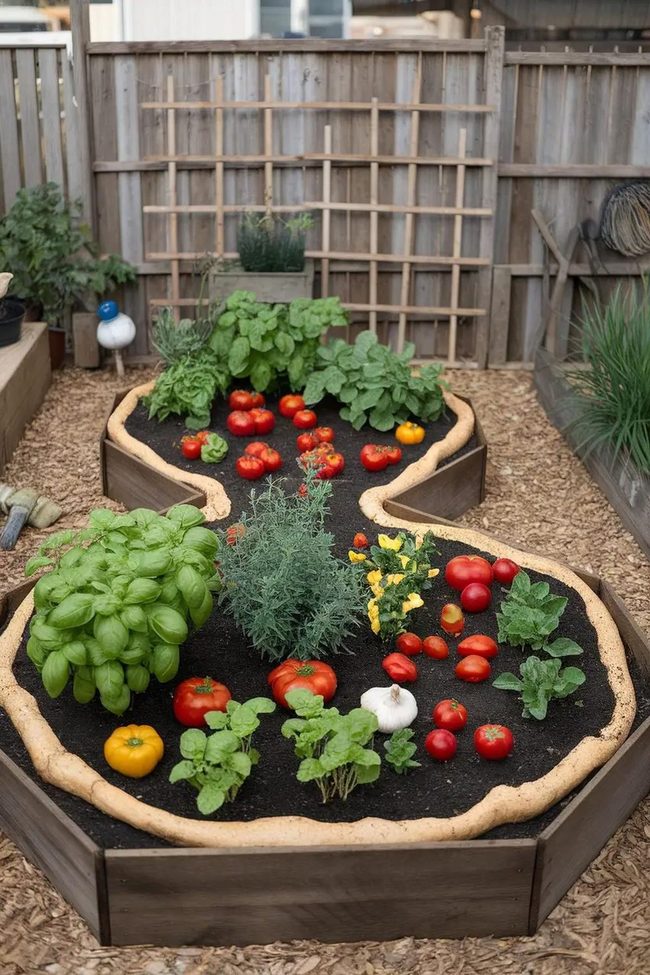
If you're passionate about Italian cooking, consider building a raised bed garden that celebrates your love of pizza by planting all the essential ingredients in one spot, basil, oregano, tomatoes, peppers, and garlic grow beautifully together and give you everything needed for authentic homemade pizza.
Walking outside to pick ripe tomatoes for sauce or snipping fresh basil for topping takes your cooking to a whole new level and brings genuine Italian flavors straight to your kitchen.
Kids often become excited about gardening when they see these plants transform into actual food they can help prepare, making it an engaging way to teach them where meals come from.
Beyond the useful for everyday living benefits, this garden setup adds character and personality to your exterior space with a clear purpose and theme.
You can find that having these ingredients steps away from your door changes how you approach cooking and opens up new possibilities for trying recipes you've wanted to make.
Growing your own pizza garden connects you to the food on your plate in a way that store-bought ingredients simply cannot match.
Fresh Herb Tea Bed
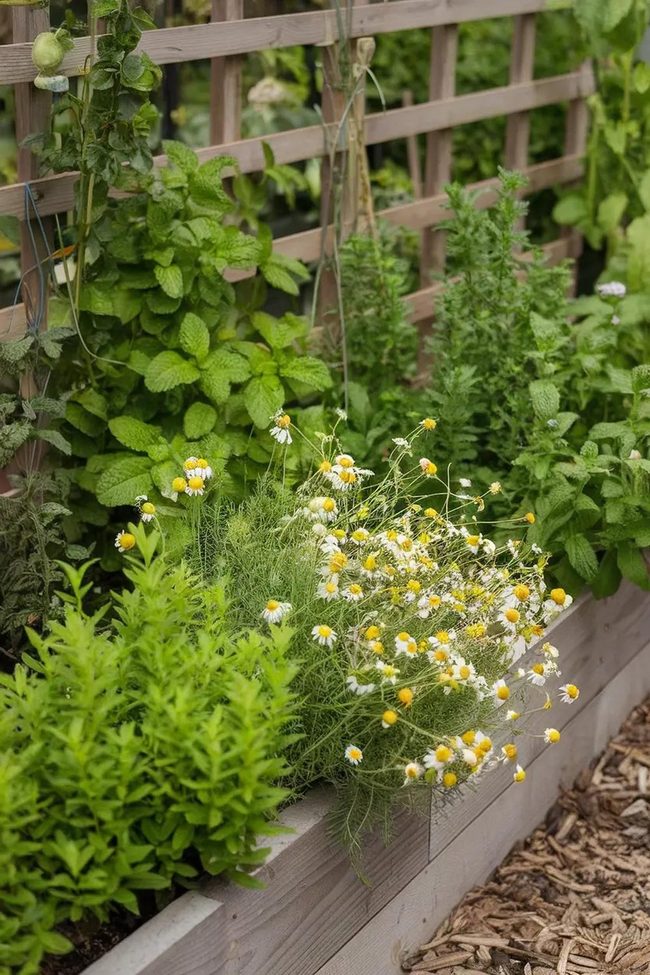
Growing your own herbal tea garden in a raised bed gives you an easy way to brew fresh blends whenever you want, and chamomile, lemon balm, mint, and stevia thrive with minimal fuss even if you're just starting out with gardening.
In all herb offers its own flavor and health benefits, so you can mix and match to suit your taste and needs.
Fresh brewed tea from your garden makes a soothing ritual on any day, and you can also dry the leaves to keep them ready for the cold months ahead.
Try pairing mint with lemon balm for a digestive tea or blend chamomile with stevia for something naturally sweet and calming.
Beyond the cup, these herbs release wonderful scents throughout your space and bring a peaceful feeling to where you spend time outdoors.
Michael Harris
Senior Content Editor
Expertise
Home Décor Content Creation, Interior Design Journalism, Editorial Oversight, Digital Media Strategy, Team Leadership and Mentorship
Education
University of Queensland, Brisbane, Australia
Queensland University of Technology (QUT), Brisbane, Australia
Michael Harris is the senior content editor at Archi Refresh, where he turns home design trends into engaging, easy-to-follow articles. With a journalism degree from the University of Queensland and a digital communication certification from QUT, he knows how to craft content that informs and inspires.
With over 10 years of experience in lifestyle and design media, Michael has shaped editorial strategies, mentored writers, and helped readers refresh their spaces with practical tips. His work blends storytelling with expert advice, making home decor more accessible to everyone.
Outside of work, Michael enjoys DIY projects, exploring Brisbane’s art scene, and teaching digital literacy workshops.