
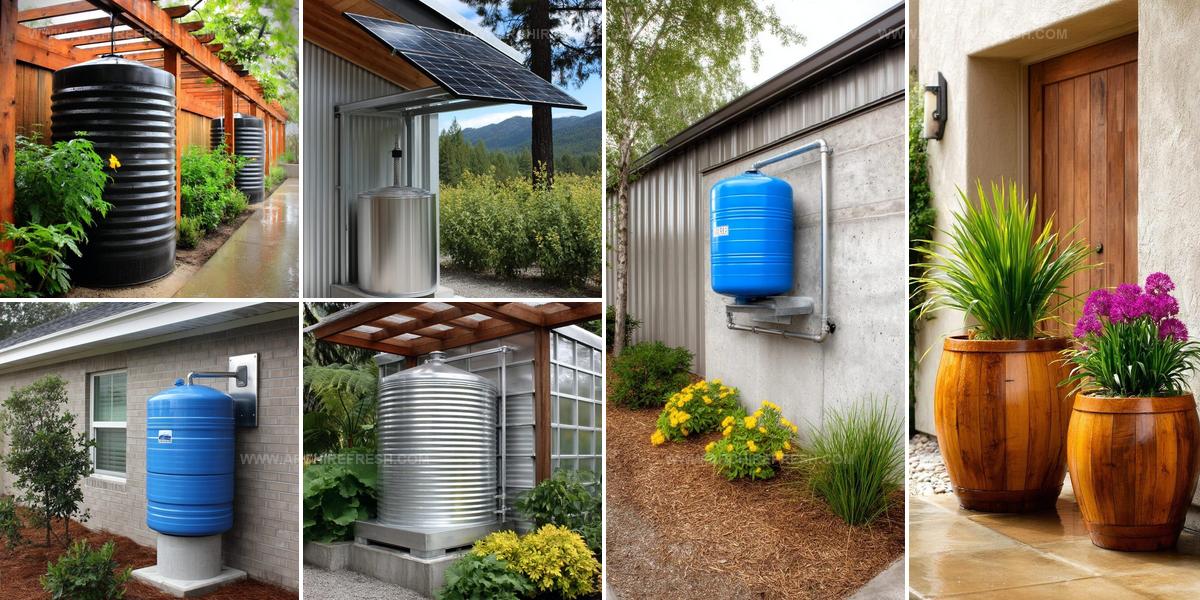
9 Rainwater Collection System Ideas That Actually Work
Rainwater collection system ideas offer homeowners practical ways to conserve water while reducing monthly utility expenses.
Smart approaches to capturing and storing precipitation can help you become more self-sufficient and environmentally responsible.
Modern solutions range from simple barrel setups to sophisticated underground storage networks that serve multiple household needs.
The benefits extend beyond cost savings, as collected water proves ideal for gardens, lawns, and various outdoor applications.
Regional climate patterns and local regulations influence which methods work best for different properties and situations.
Effective designs balance initial investment with long-term sustainability goals that align with personal values.
Terracotta Rain Barrels With Planter Tops
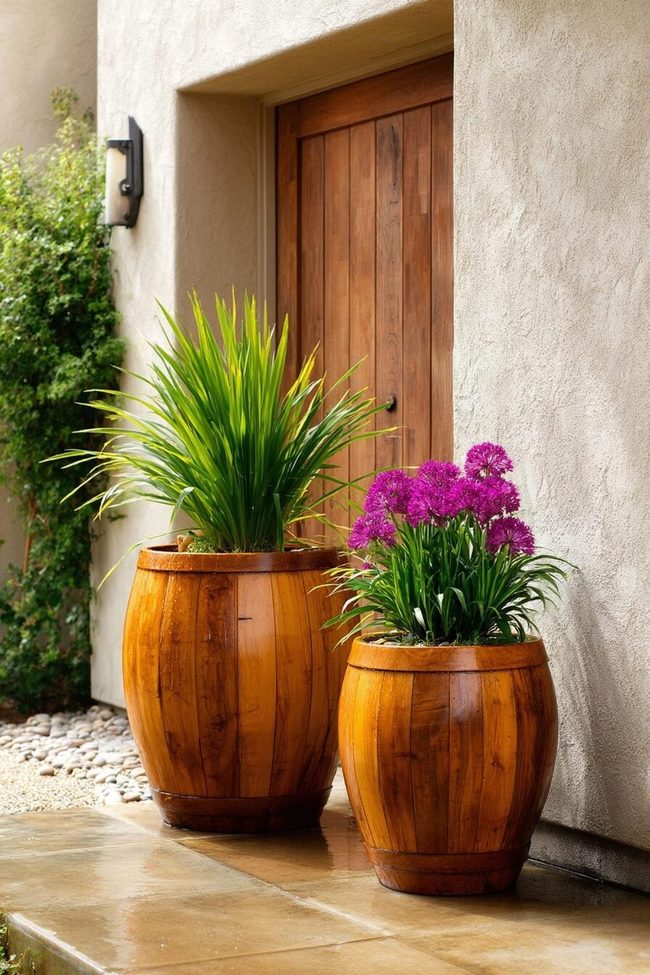
Modern decorative rain barrels with integrated planters turn water collection into a garden feature that neighbors will actually admire, and they come in terracotta, stone-look, and contemporary metallic finishes that blend with any home style from rustic farmhouse to modern designs.
Forget those ugly plastic drums that scream eyesore in your beautifully landscaped yard because these dual-purpose systems capture roof runoff while providing a platform for growing cascading flowers, herbs, or small vegetables on top.
Positioning one near a downspout and connecting the diverter takes minimal effort, and you are able to enjoy both water savings and an elevated garden look right away.
Some models feature adjustable overflow systems that can be linked together, so you can expand your storage capacity as needed without sacrificing style.
Natural water pressure from the barrel's height gives you enough force to water your garden without pumps or extra energy costs.
An occasional cleaning and winter draining in colder climates keeps these systems working perfectly for years, and most decorative barrels hold between 50-80 gallons.
A 1,000 square foot roof can collect roughly 600 gallons from just one inch of rainfall, which means you are able to typically recoup your $150 to $500 investment within two seasons through reduced water bills.
Stackable Water Barrels Grow Together
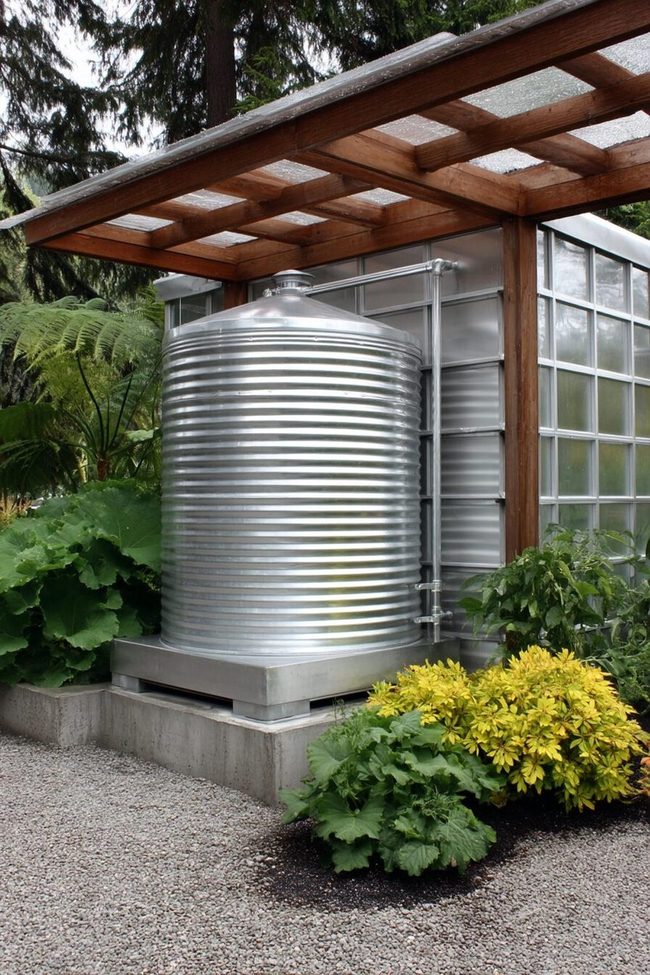
Modular rainwater collection systems come with sleek design options and decorative panels that let you blend them seamlessly with your home's exterior or make a bold environmental statement, depending on what matters most to you.
These systems work like sophisticated building blocks with standardized components that snap together, so you can start small today and expand whenever you're ready.
A basic starter kit gives you one collection barrel with filtration, overflow protection, and spigot accessories that most people can install themselves without calling in professionals.
Once you're ready to grow, you simply connect additional barrels horizontally or vertically using standardized coupling systems that keep water pressure flowing smoothly throughout the entire network.
More advanced setups include smart hubs that automatically direct water between different barrels based on how full they are, what you plan to use the water for, or quality needs.
You can also add specialized modules like integrated pumps, advanced filtration units, or ultraviolet purification chambers to your existing system without replacing anything you already have.
I find it satisfying that in the composition, keeps you flexible since you're never locked into one configuration and can adjust your setup seasonally or as your landscape changes.
Starting costs run around $200 for entry-level systems, with expansion pieces ranging from $75 to $350 each, so you can spread the investment across months or years while benefiting from water conservation right away.
Flexible Water Options Under Decks
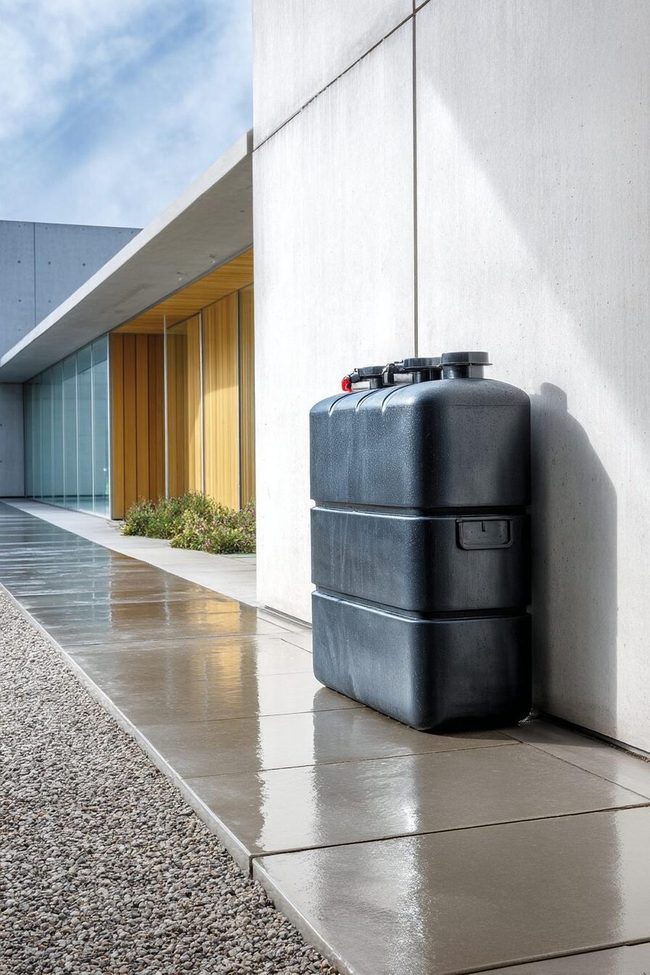
Rain pillows offer massive water storage capacity that bends to fit wherever you have space, sliding under decks, tucking along narrow side yards, or filling other corners that traditional tanks can't reach, holding hundreds or thousands of gallons in areas you probably didn't know could work for storage.
When you're not using them, these flexible bladder-style containers collapse nearly flat, which makes them perfect for seasonal needs or homes where you'd rather keep storage out of sight.
Modern materials keep them tough despite their flexible design, with multiple layers that stand up to punctures, sun damage, and harsh weather.
Setting one up involves clearing the ground of sharp objects and connecting it to your gutter system with standard pipes, and many models have built-in filters that catch debris before water enters the storage area.
Controlled outlet fittings let you release water however you need it, whether that's into a garden hose or directly into a drip irrigation system.
Some versions come with clear level windows or sensors that link to your phone, so you can check how much water you have without walking over to look.
You are able to spend roughly $1 to $2 per gallon of storage, which puts rain pillows among the cheapest options out there when you do the math per gallon.
Green Roof Water Filtration System
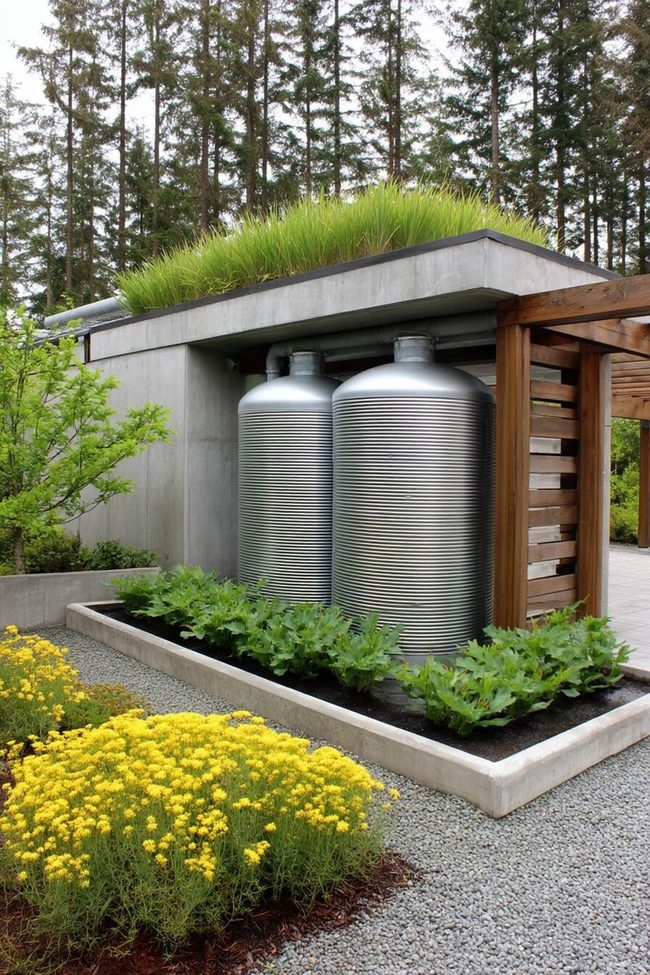
Living roof systems combine rainwater collection with green space creation and home insulation in one striking overhead garden that alters your existing roof into a vegetated surface.
Plants and soil naturally filter rainfall as it passes through roots and growing medium, then direct clean water into storage systems while removing pollutants and improving water quality before collection even begins.
Heavy storms become manageable since these systems dramatically reduce runoff speed and prevent erosion around your foundation, making drainage far more efficient during intense weather.
Beyond water benefits, the plant layer provides extra insulation that can lower heating and cooling costs by up to 25% while protecting your roof from UV damage and extending its lifespan considerably.
Local air quality improves as plants absorb carbon dioxide and release oxygen, and the vegetation also creates habitat for beneficial insects and birds that strengthen your garden's ecosystem.
Installation starts with a structural assessment to confirm your roof can handle the added weight, followed by layering a waterproofing membrane, drainage components, growing medium, and select plant species suited to your climate.
Seasonal maintenance involves occasional weeding, plant trimming, and system inspections similar to ground-level gardening but with greater environmental returns on your effort.
Costs run between $15 to $30 per square foot for professional installation, and many municipalities offer rebates or incentives because they recognize the stormwater management advantages these systems provide.
Copper Chains Guide Cascading Water
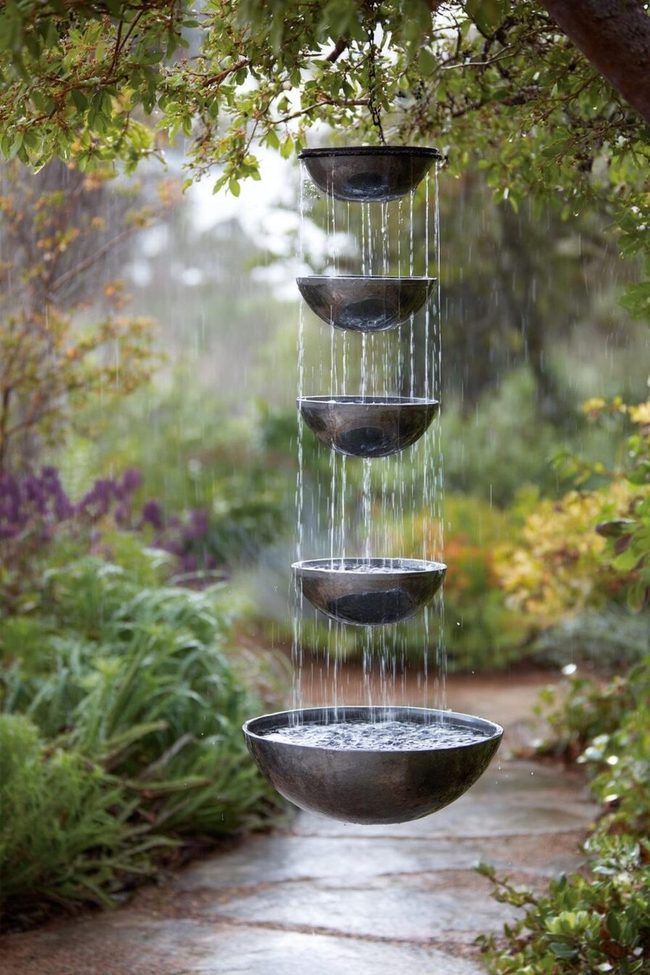
Rain chains transform the ordinary journey of water from your roof into a striking visual and auditory experience that captures attention every time it rains.
Instead of hiding water flow inside traditional closed downspouts, these decorative chains or cup systems let you watch water cascade visibly downward in mesmerizing patterns.
Copper, brass, or stainless steel elements produce gentle tinkling sounds as water moves down them, adding a soothing audio layer that standard gutters never offer.
Setting one up is simple, you just remove your existing downspout and hang the rain chain from your gutter outlet, positioning it above a collection basin below.
Copper versions grow even more beautiful over time as they develop a natural patina, making them among the few rainwater components that improve with age.
Collection basins come in many forms like ceramic pots, stone bowls, or custom rock gardens that showcase the flowing water and become part of your outdoor design.
Rain chains actually outperform closed downspouts during moderate rainfall since they resist clogging from leaves and debris that plague traditional systems.
You can expect to spend anywhere from $50 for basic chains up to $300 or more for elaborate designer versions, with collection basins running another $100-500 depending on what materials and style you choose.
If you appreciate art and design, rain chains offer one of the best ways to enter rainwater harvesting while turning a functional necessity into a standout landscape feature.
Solar Panels Power Rainwater Collection
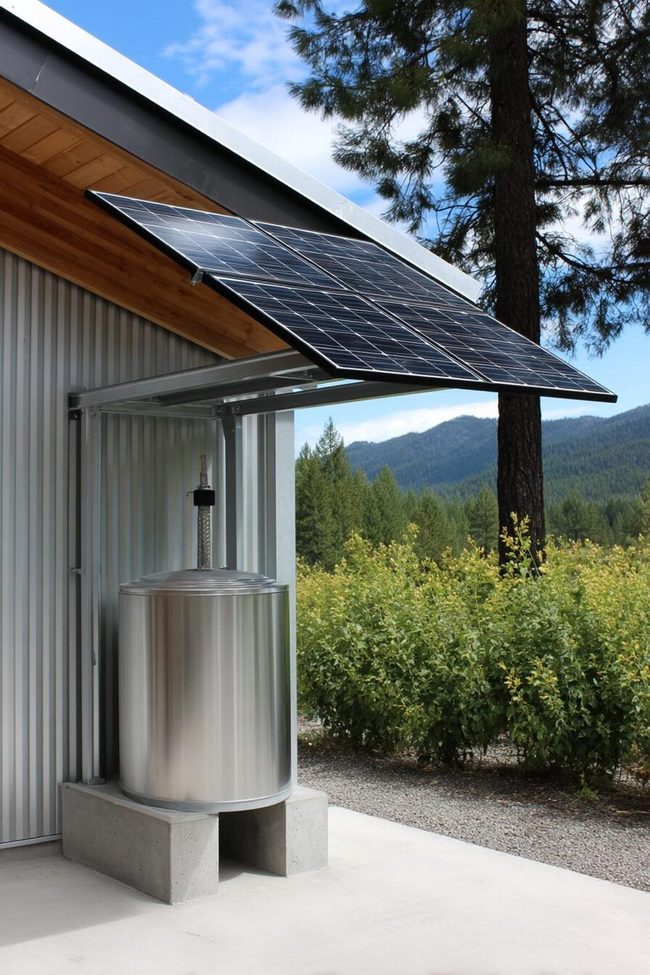
Hybrid solar-powered rainwater systems combine renewable energy with water conservation into one integrated sustainability solution that works hard for your home.
Solar panels power collection pumps, filtration systems, UV purifiers, and distribution networks so your system runs efficiently without adding to your electricity bill.
Battery storage captures excess solar energy during sunny days and keeps everything running smoothly at night or when clouds roll in.
Automated controls adjust how the system operates based on available sunlight, water levels, and how much water your household needs, which means you get the best performance possible.
Integrated sensors detect how hard the rain is falling and shift collection methods accordingly, capturing every drop during light showers while protecting against overflow when storms hit hard.
During emergencies like severe weather that knocks out municipal services, these hybrid systems keep both electricity and water flowing to your home when you need them most.
Installation requires coordination between solar specialists and water system experts, though many companies now offer unified services that handle the entire job.
You can invest between $8,000 and $20,000 depending on system size and features, but the combined savings from water and electricity make it worthwhile over time.
Rainwater harvesting gives you real control over an essential resource and puts it to work for your home, garden, and future sustainability goals.
If you're committed to maximum self-sufficiency and resilience, these hybrid systems represent the best technology available for residential properties right now.
Sky Water Purification System
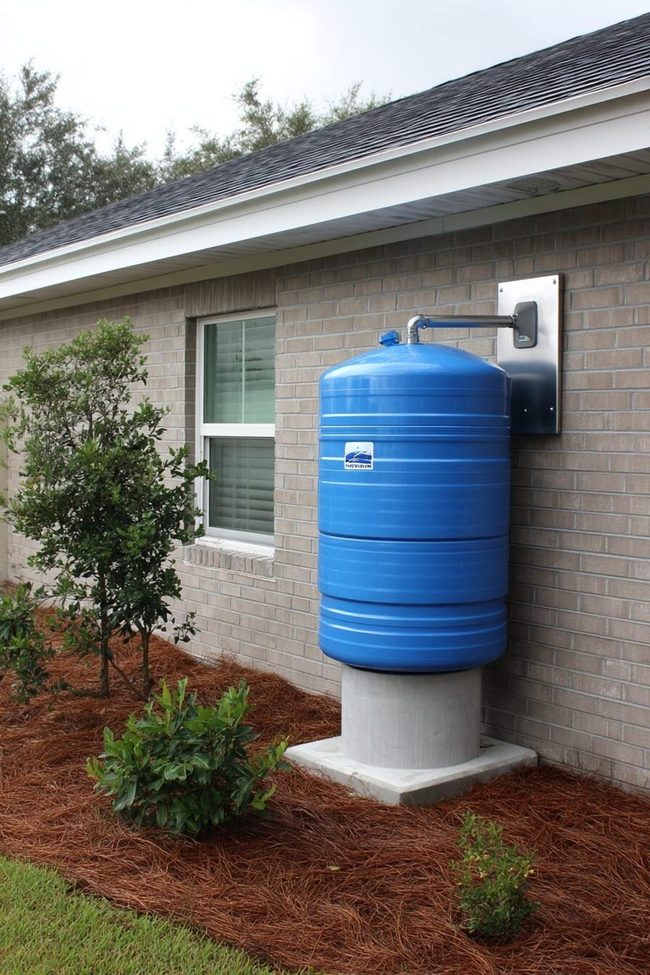
Modern rainwater-to-potable systems transform water collected from your roof into drinking water that surpasses what comes from municipal sources, using multi-stage filtration, UV sterilization, and mineral balancing to remove contaminants down to the molecular level.
Pre-filtration at your collection point removes large debris first, and sedimentation tanks allow microscopic particles to settle out before the water moves through activated carbon filters, ceramic filters, and reverse osmosis components that handle the heavy lifting.
UV sterilization chambers eliminate bacteria, viruses, and other biological threats, ensuring nothing harmful reaches your glass.
After sterilization, the system adds back minerals or balances pH levels since pure rainwater lacks the minerals found in groundwater and needs optimization for safe consumption.
Real-time monitoring systems track your water quality continuously and shut down automatically if anything falls outside safety parameters, so you know exactly what you're drinking.
Professional installation is necessary and requires coordination with local building authorities to meet health codes for potable water systems in your area.
Basic systems start around $3,000, while comprehensive whole-house solutions run $10,000 or more, though the long-term savings and health benefits make this investment worthwhile for your home.
As concerns grow about municipal water quality across many regions, these systems give you both independence from stressed public infrastructure and confidence in what flows from your taps.
Fences That Capture Rainfall Water
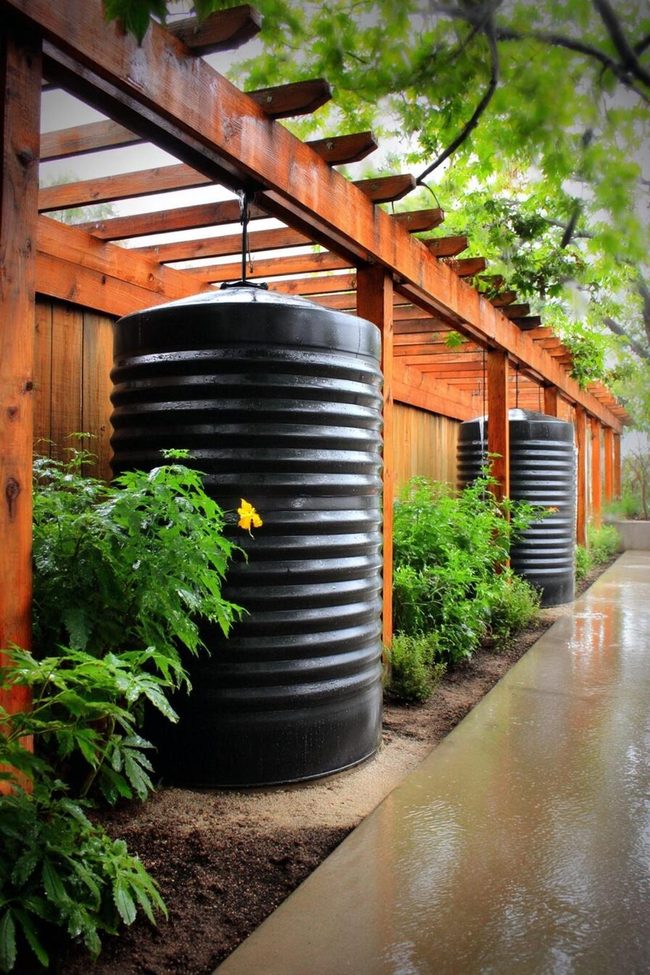
Guttering systems built right into your fence line can transform a simple property boundary into a hardworking water collection machine that operates around the clock.
Most fence harvesting setups feature channels along the top rail that funnel rainfall horizontally toward collection points spaced throughout the fence, and longer fence sections become especially productive since a single storm can deliver dozens or hundreds of gallons from a surface you already own.
Water gathered from fences tends to be cleaner than roof runoff because fences collect far less debris and bird droppings than roofing materials do.
You can route this collected water directly to garden beds through underground piping or into storage barrels and cisterns positioned at strategic points.
Privacy fences work particularly well for harvesting because their height and solid construction allow them to collect roughly 0.5 gallons per square foot during a 1-inch rainfall.
Retrofit kits fit onto existing fences while new systems come with integrated collection channels built into the panels themselves, and both options include debris screens at the downflow areas.
Many people add decorative touches like copper scuppers or rain chains at the collection points, turning what is essentially user-friendly infrastructure into something that looks beautiful in your landscape.
Installation happens quickly for most homeowners, either over a weekend if you do it yourself or in a single day with professional help, and costs generally run between $6 and $12 per linear foot depending on your material choices and system complexity.
Zero-Electricity Water Pressure System
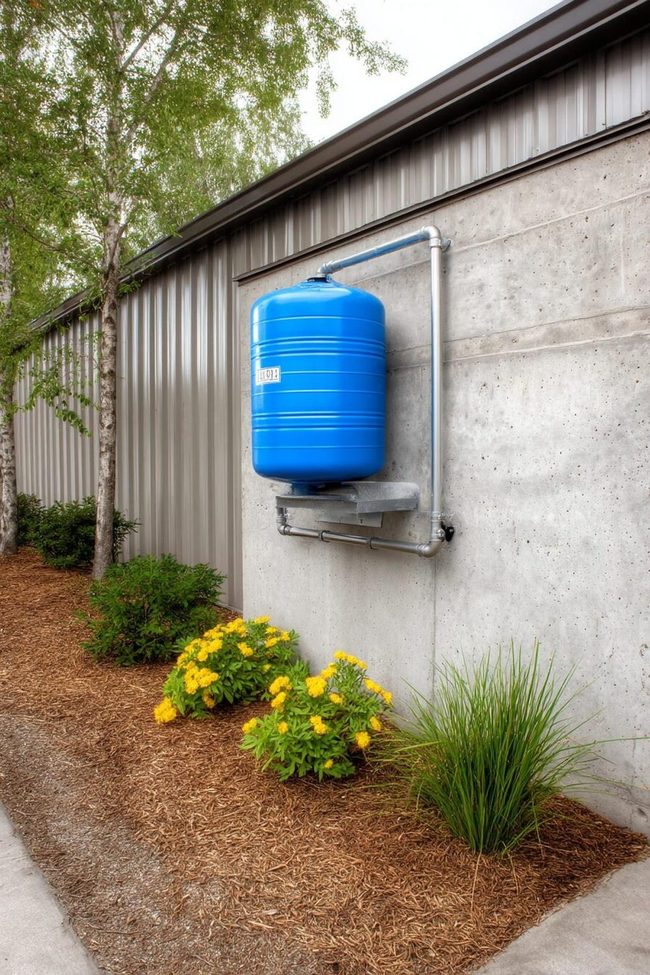
Water flows naturally downhill, and you can harness this simple force to build a self-sustaining distribution system that needs no electricity while delivering water wherever and whenever you need it.
Elevated storage tanks or barrels form natural water pressure, with in all foot of height generating roughly 0.433 PSI that pushes water through your garden beds, irrigation lines, or household systems without any pumps.
Slopes and raised platforms work beautifully for this purpose, letting gravity do all the work of moving water to lower areas on your property.
Tiered gardens benefit especially well from the way it's arranged, where collection happens at the highest point and water naturally flows downward through a series of containers at different levels.
Control valves, float switches, and pressure regulators help keep the flow steady even as water levels in your tanks rise and fall throughout the day.
Homes built on sloped land can take real advantage of gravity systems, using the land's natural shape to form enough pressure for drip irrigation and even some indoor uses.
Installation requires proper height differences, the right pipe sizes to keep water moving freely, and strategically placed valves to direct water to different garden zones.
Costs range from a few hundred dollars for simple raised barrel setups to several thousand for larger systems with multiple distribution points throughout your property, and these systems keep running through power outages while costing almost nothing to operate and barely needing any maintenance.
Michael Harris
Senior Content Editor
Expertise
Home Décor Content Creation, Interior Design Journalism, Editorial Oversight, Digital Media Strategy, Team Leadership and Mentorship
Education
University of Queensland, Brisbane, Australia
Queensland University of Technology (QUT), Brisbane, Australia
Michael Harris is the senior content editor at Archi Refresh, where he turns home design trends into engaging, easy-to-follow articles. With a journalism degree from the University of Queensland and a digital communication certification from QUT, he knows how to craft content that informs and inspires.
With over 10 years of experience in lifestyle and design media, Michael has shaped editorial strategies, mentored writers, and helped readers refresh their spaces with practical tips. His work blends storytelling with expert advice, making home decor more accessible to everyone.
Outside of work, Michael enjoys DIY projects, exploring Brisbane’s art scene, and teaching digital literacy workshops.