
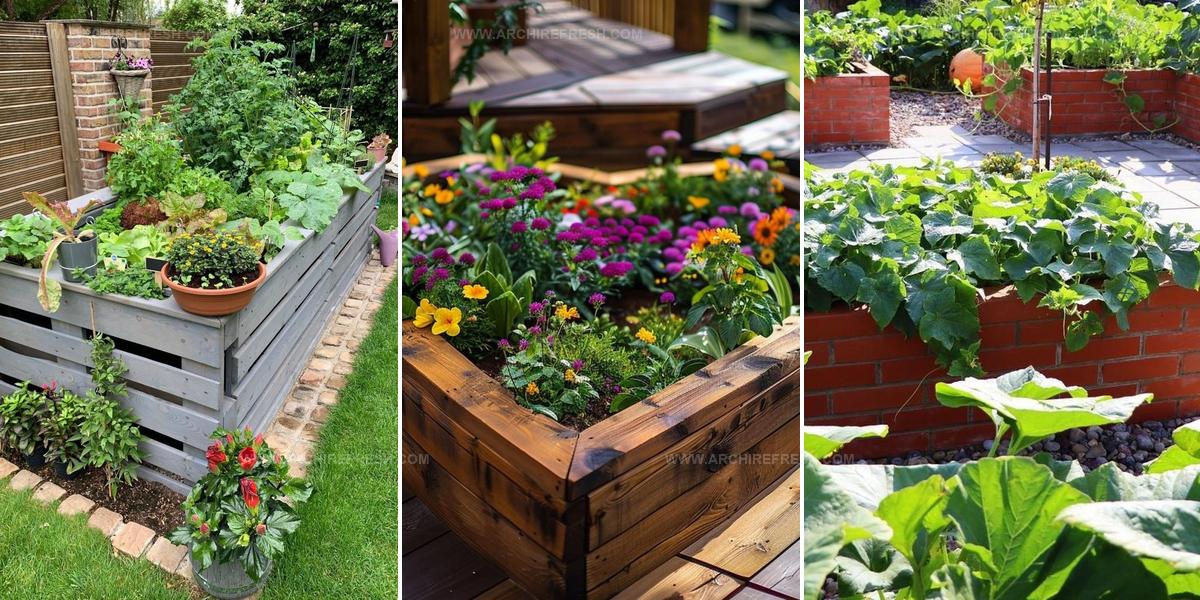
20 Raised Garden Bed Ideas That Boost Your Harvest
Raised garden beds offer a practical solution for growing vegetables, flowers, and herbs in spaces where traditional ground planting proves challenging.
Gardeners of all skill levels find that elevated planting areas provide better soil control and easier maintenance throughout the growing season.
The benefits extend beyond convenience, as these structures can reduce back strain and create visual interest in outdoor spaces.
Proper drainage and soil quality become much simpler to manage when plants grow above ground level.
Different materials and designs suit various budgets and aesthetic preferences for any yard or patio.
Accessibility improves dramatically for those with mobility concerns who still want to enjoy gardening activities.
When planning an elevated growing space, you can achieve both functionality and beauty that enhances the entire landscape.
Heart-Shaped Garden Beds In Bloom
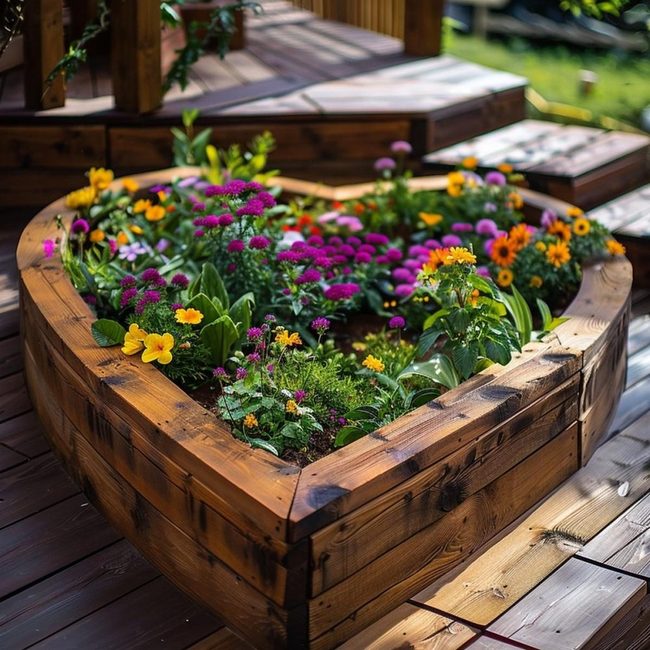
Heart-shaped raised garden beds bring a playful and romantic charm to your outdoor space, and they stand out immediately with their distinctive silhouette against the surrounding landscape.
You can fill these creative structures with your favorite flowers or herbs, and the unusual shape naturally draws attention as people move through your garden.
Planting in a heart shape transforms an ordinary vegetable or flower garden into something that feels special and unique to you.
The design works well whether you're a gardening enthusiast or just looking to add character to your yard.
Building one is straightforward, and it requires the same materials as any raised bed project.
Your guests will notice the thoughtfulness behind this romantic landscape choice.
It's an easy way to make your outdoor area feel more like your own personal retreat.
Desert Jewels In Raised Beds
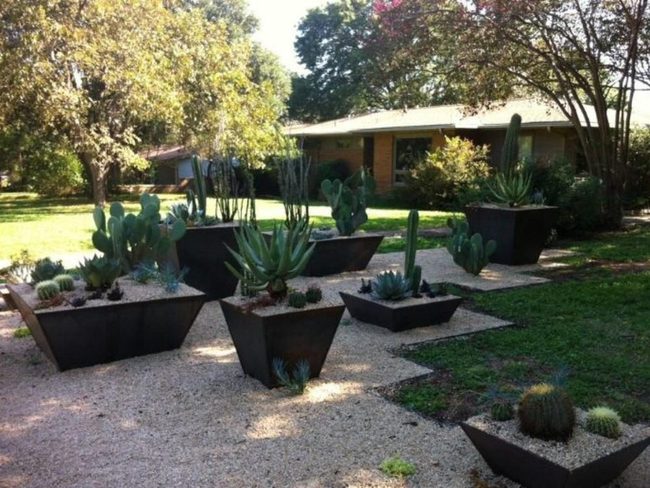
Raised beds filled with succulents bring an eye-catching desert landscape right into your garden space, and they're surprisingly simple to maintain once established.
You get the best of both worlds when you combine these hardy plants with a structured bed design because succulents thrive in the controlled environment while the arrangement itself becomes a living work of art.
Growing succulents in a raised bed means you control the soil quality and drainage, which keeps your plants healthy and happy throughout the seasons.
Instead of scattering plants randomly around your yard, you can group them by color, size, and texture within the bed to make them stand out even more.
Visitors often stop to admire how the different shapes and shades of green, blue, and purple play against each other in one contained space.
Elevated Wood Garden Beds
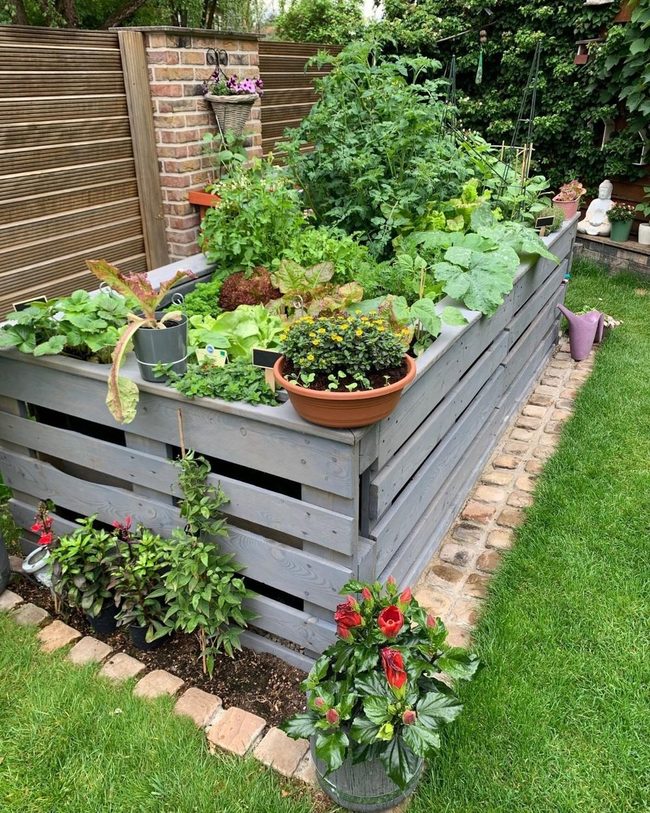
Floating raised garden beds make plants noticeably safer from pests and diseases while they hang suspended above the ground, and this setup also gives your garden a distinctly modern look that stands out.
Wood frames work well in almost any outdoor space and deliver both style and usefulness at the same time.
You get the benefit of keeping harmful insects away from your vegetables and flowers while enjoying a garden design that feels fresh and contemporary.
I like how these beds let you grow food or ornamental plants without worrying as much about ground-level damage.
Building one isn't overly complicated, and the elevated design means you can reach your plants more easily without bending down as far.
If pests have been giving you trouble in your garden, this solution addresses the problem directly while also upgrading how your space looks.
Whether you're growing herbs, vegetables, or flowers, a floating bed brings both protection and visual appeal to your outdoor area.
Stacked Beds On Sloping Terrain
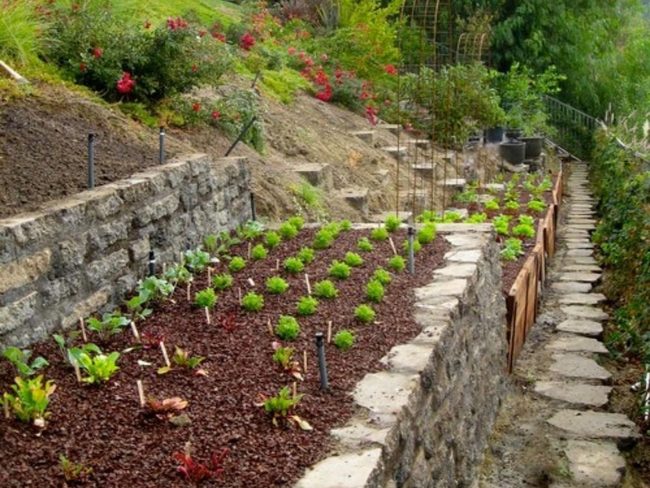
When you build raised garden beds on a sloping yard, you get a practical solution that handles drainage and soil placement with ease, and the different levels create a layered look that transforms an awkward landscape into something functional and visually interesting.
Stacked beds work well because they follow the natural slope of your land and prevent soil from washing away while giving you distinct zones for growing different plants.
You can arrange them at varying heights, and this staggered approach adds real dimension to your outdoor space.
Each level serves a purpose, holding soil securely while making the slope work in your favor instead of against it.
Many people don't realize how much a sloped yard can become an advantage when you think about garden design this way.
Rather than fighting with flat ground, you build on the angle and end up with a garden that looks intentional and dynamic.
Elevated Beds, Superior Harvests
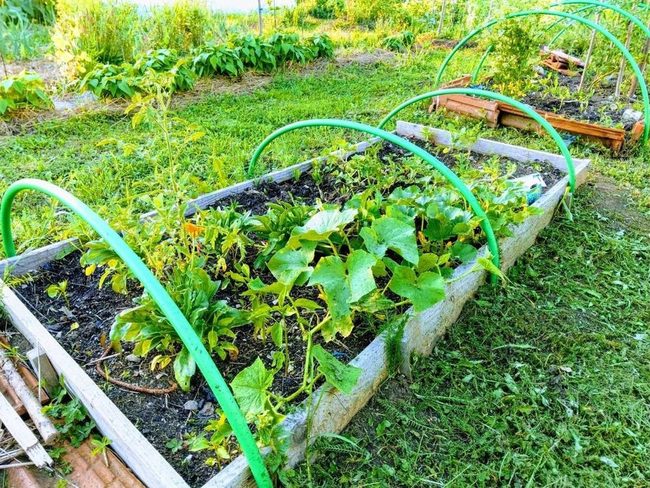
Raised garden beds stand out in any yard and offer real benefits beyond their looks, since they keep weeds from spreading and pests from reaching your plants.
Building your garden above ground means you have total control over your soil quality, which leads to healthier and stronger plants overall.
You can read your vegetables and flowers perform better when they're not fighting weeds or dealing with ground-level problems.
The separation between your garden and the surrounding soil acts as a natural barrier that makes maintenance simpler.
Soil in raised beds warms up faster in spring, so you can plant earlier in the season.
Your plants get better drainage too, which prevents root rot and other moisture-related issues.
This simple change in how you garden makes a real difference in what you can grow and how well it thrives.
Industrial Metal Raised Beds
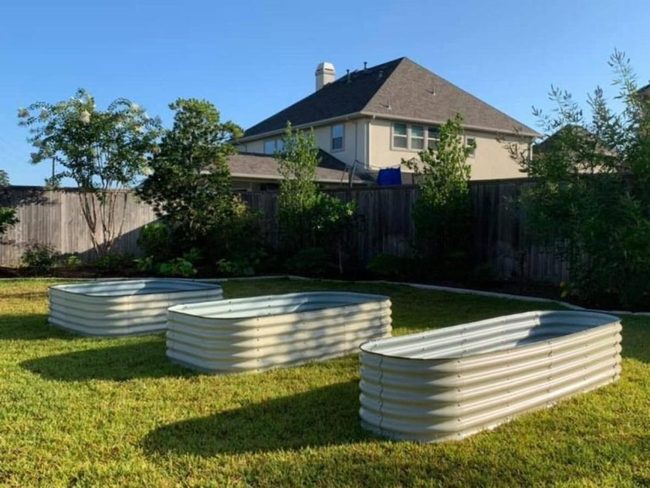
Metal troughs sitting in your yard make a bold statement with their industrial look and sturdy construction.
You get reliable durability from these containers since they resist rust and weather well over time.
Below the soil line, the deep structure gives roots plenty of room to spread and develop into strong plants.
Good drainage is key here, so make sure water can flow freely through the bottom and away from sitting soil.
These raised beds need minimal upkeep once you set them up properly, which means less work for you during the growing season.
Style meets function in this simple design, and your garden gets both a modern edge and practical growing space all at once.
Double-Layered Brick Garden Beds
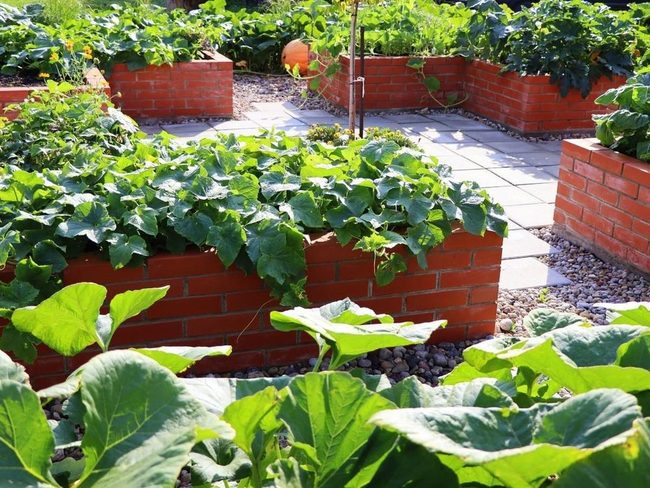
Bricks and cobblestones make excellent choices for raised garden beds because they're durable and have a timeless quality that never goes out of style.
When you stack them in double layers, you gain extra structural support while making your garden look more polished and traditional.
You can arrange them to match your home's exterior or blend with your landscape design.
Double-layered stacking not only strengthens the bed but also adds visual interest through texture and dimension.
Many gardeners appreciate how bricks weather naturally over time, developing character that makes the garden feel more established.
Whether you're building your first raised bed or expanding an existing garden, these materials offer both reliability and a classic appearance that enhances any outdoor space.
Stone And Metal Garden Beds
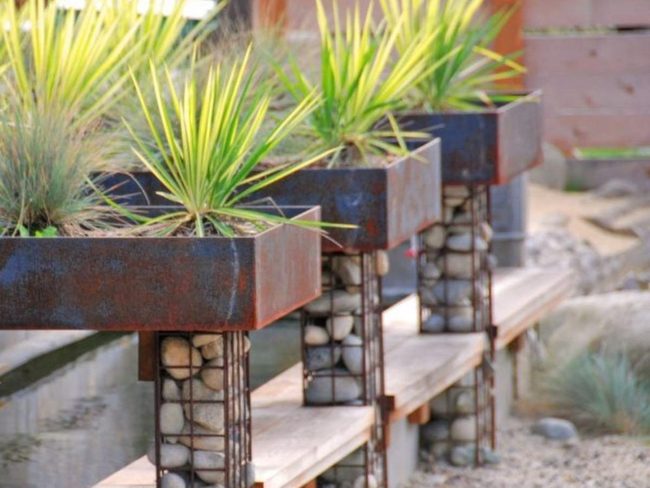
Raised garden beds built with stone or metal materials stand out immediately in any landscape, giving your outdoor space a bold architectural presence that catches attention right away.
Beyond their striking appearance, these sturdy structures offer real practical benefits; they improve drainage, make gardening easier on your back, and help you control soil quality for healthier plants.
This feels balanced because this approach solves multiple problems at once, since you get both a beautiful landscape feature and a highly functional growing space.
Stone and metal aren't just pretty choices either; they last for years and handle weather changes without falling apart like wood sometimes does.
When you combine good design with actual usefulness, your garden becomes something you'll enjoy visiting season after season.
The raised beds also let you grow vegetables and flowers in a cleaner, more organized way while adding visual interest to your yard.
Full Yard Green Abundance System
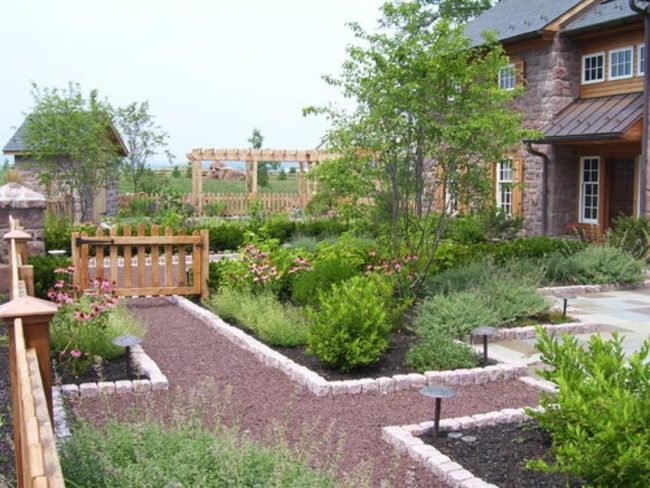
Full yard raised bed system makes the most of your available space and turns your entire outdoor area into a productive garden.
You get clear pathways running between the beds so moving around feels natural and nothing blocks your view of the plants growing all around you.
Rows of raised beds filled with green growth give your yard a fuller, more abundant feeling.
Walking through the space becomes a pleasant experience since every step brings you closer to different plants and garden sections.
Your outdoor area shifts into something you'll want to spend time in and explore.
Even small yards feel more purposeful when you use every bit of ground this way.
Elevated Garden Beds Reshape Backyard
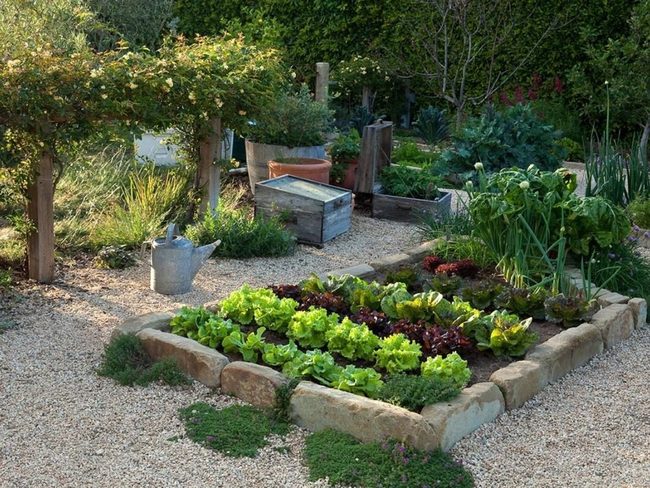
Raised garden beds bring height and dimension to your backyard space, making the whole area feel more dynamic and layered.
If you place them throughout your outdoor zone, you get easy access to plants without bending down so far, and this setup works well for herbs, flowers, or vegetables depending on what you want to grow.
You can arrange them in patterns or rows to match your style, and they look neat and organized no matter where you position them.
Growing your own plants in these beds gives you a personal outdoor retreat where you can relax and enjoy something you've created yourself.
The whole space becomes more interesting to look at and more functional for your gardening needs.
Building raised beds doesn't take professional skills either, so most people can set them up on their own.
Tiered Garden Beds, Maximum Yield
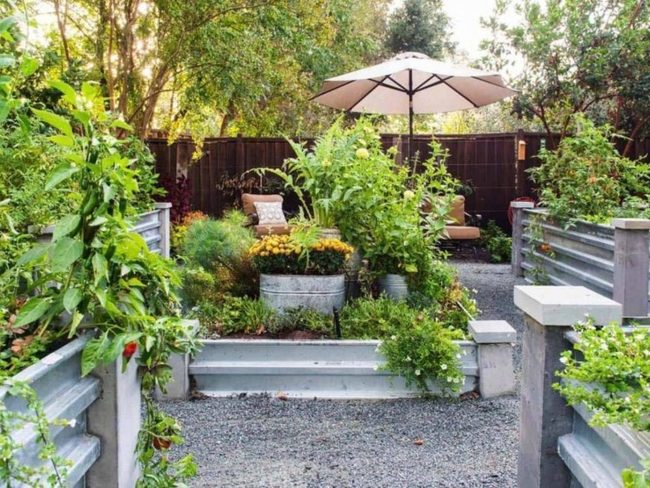
Raised garden beds in different sizes and heights give your backyard a striking, organized look that works whether you have a sprawling yard or a compact space.
You can grow more plants by stacking beds at various levels, and this arrangement naturally draws attention through its geometric patterns and layered appearance.
Taller beds reduce bending and digging, which makes gardening easier on your back and knees.
Smaller beds fit snugly into tight corners or along pathways without taking over your entire outdoor area.
You get room to experiment with different plants in each section and try new gardening techniques without committing to a massive garden.
Mixing bed sizes also breaks up the space in a way that feels more dynamic than a single large plot would.
Elevated Plants, Modern Air
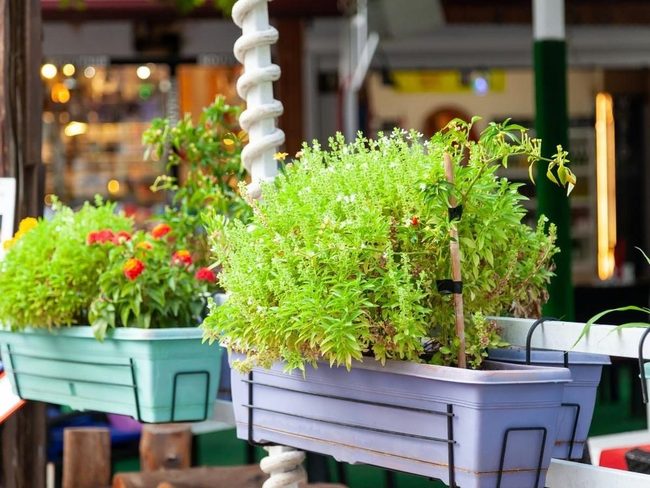
Floating container garden offers a fresh take on how you can grow plants in raised beds, and the way these containers seem to hover above ground gives your space an open, breathable quality while letting you fit more plants into your area.
You get the practical benefit of easier access when tending to your herbs or vegetables, and the modern look works well whether you have a small patio or a larger yard.
Floating containers let light pass underneath, which helps air circulate around your plants and keeps them healthier overall.
If you want something that looks different from standard garden beds while still being functional, this style hits both marks nicely.
It's a smart way to blend style with smart gardening.
Raised Beds With Clear Plant Protection
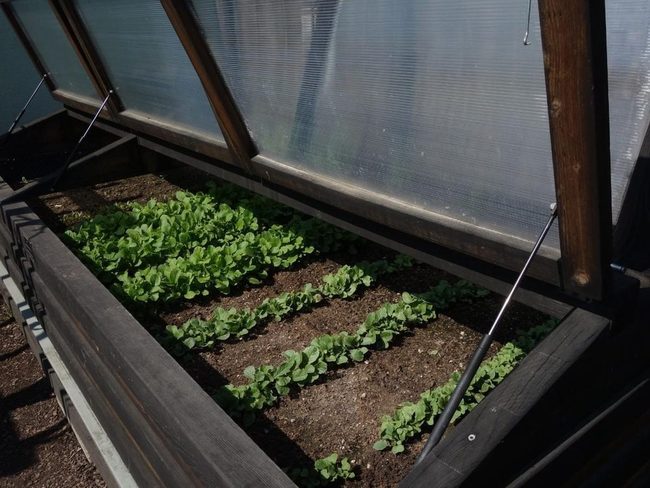
Raised beds covered with translucent materials make an excellent choice for delicate plants that require protection from the elements while still receiving plenty of sunlight.
You can watch your sensitive crops thrive in a controlled space that shields them from wind and harsh weather.
Built higher than ground level, these beds also keep soil warmer and allow you better access for tending to your plants throughout the season.
Drainage improves naturally in raised beds, and you won't struggle with waterlogged roots anymore.
Placing a translucent cover overhead gives you the dual benefit of shielding delicate foliage while maintaining the bright conditions these plants prefer.
Your most finicky vegetables and herbs will perform better in this setup because the environment stays stable and secure.
This approach works particularly well if you live in an area with unpredictable weather or strong sun exposure.
Elevated Brick Garden Beds
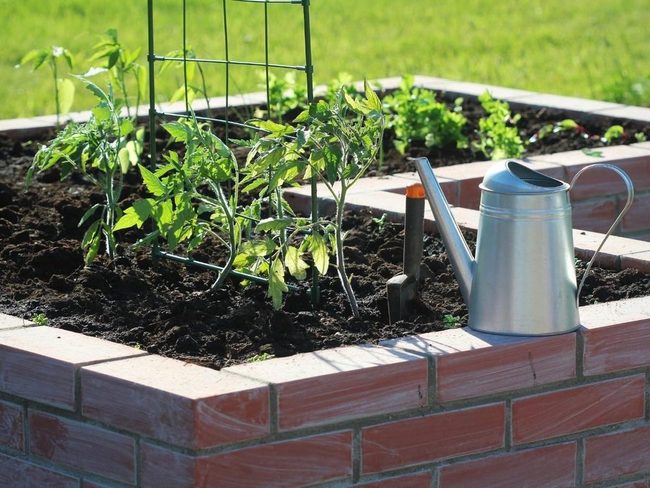
Raised brick garden beds sit at a noticeable height that transforms how you interact with your plants, and they reduce the physical strain on your back during planting and weeding.
Built from durable brick, these structures bring a timeless, traditional quality to any outdoor area.
You'll find that this setup makes gardening more accessible and enjoyable, since you can tend to your plants without constant bending.
Because the elevated design is both functional and attractive, it works well in nearly any landscape style.
The solid brick construction ensures your beds will last through many seasons of use.
Beyond the practical benefits, these raised beds help organize your garden space and make planting arrangements feel intentional and neat.
Whether you have a small patio or a sprawling backyard, adding elevated brick beds gives you better control over soil quality and plant spacing.
Layered Vegetable Garden Height
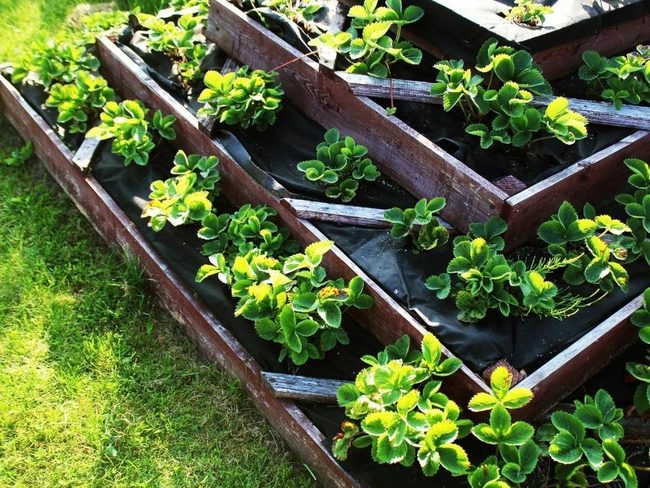
Multi-level raised garden bed lets you plant vegetables and flowers at various heights, so you can grow different species side by side and harvest continuously throughout the season.
This look works because how it adds real dimension and depth to your outdoor space right away.
You gain flexibility since taller plants can go in back while shorter ones sit in front, and everyone gets the sunlight they need.
Growing multiple plants at different stages means you'll always have something ready to pick when you want it.
This type of garden bed works well for both beginners and experienced gardeners who want to maximize their growing space.
Warm Wood Garden Beds
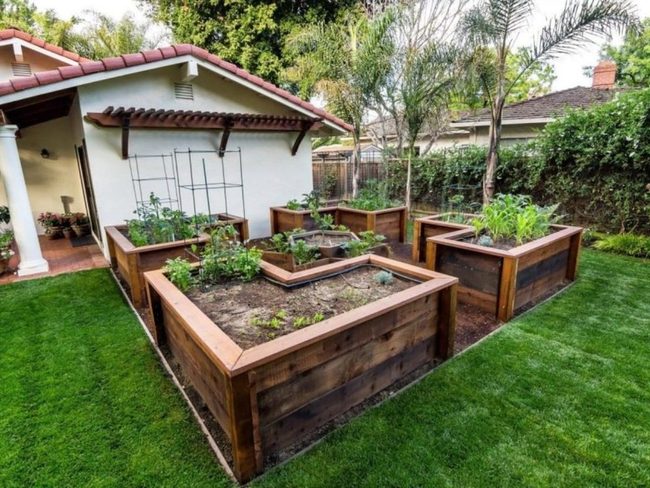
Wooden raised beds stand out as one of the most striking garden features because they instantly add warmth and character to any outdoor space while making gardening more accessible since you won't have to bend down as much to plant or maintain your flowers and vegetables.
Whether your garden leans toward a rustic farmhouse feel or a clean contemporary look, these beds fit right in and complement the style naturally.
You can place them in various spots around your yard and they work equally well along a fence line or as a centerpiece in an open garden area.
Beyond their good looks, they offer real benefits for both you and your plants since the contained space helps with soil drainage and keeps weeds under better control.
This design works because straightforward it is to build or purchase one that suits your space, making this option accessible for gardeners at any skill level.
Divided Garden Zones For Thriving Plants
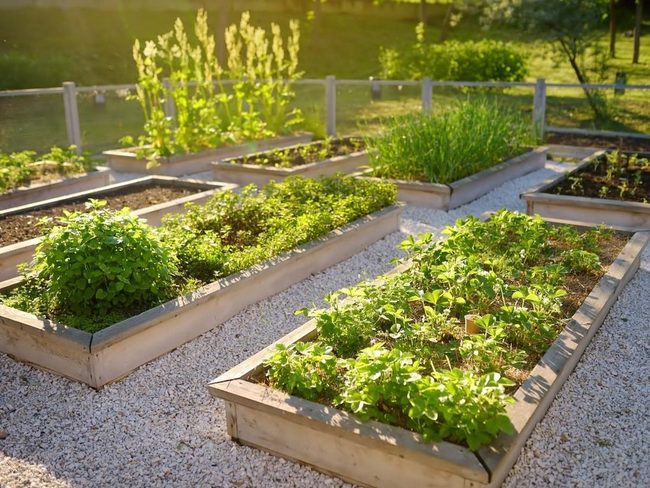
Organized garden sections let you grow different crops side by side while keeping everything neat and purposeful.
When you divide your space into smaller areas, you make room for plants that need different soil types and conditions to thrive.
This setup means each plant gets what it needs to succeed.
You'll find that growing varieties together in their own zones becomes much easier to manage.
Visitors love seeing how organized the garden looks when plants are grouped this way.
Plants in each section stay healthier because their specific soil needs are met.
Managing water, nutrients, and care becomes simpler when everything has its own dedicated area.
Your harvest tends to be better and more reliable when you work with this kind of structured approach.
Organized Vegetable Beds For Abundant Harvest
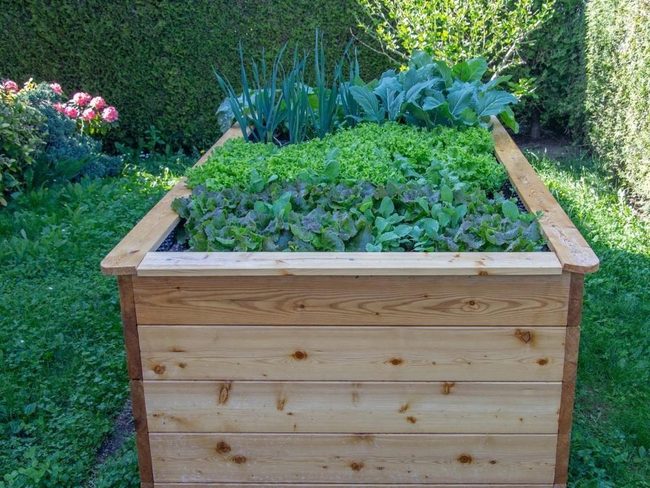
Within your larger garden space, you can design smaller contained areas that each focus on particular plants or purposes, and this approach gives you better control over what grows where.
Raised beds filled with soil let you grow vegetables in these separate zones, which makes it easier to watch your plants develop and keep them healthy throughout the season.
When you organize your garden this way,
Each raised bed section works as its own little growing area, so you spend less time fighting with overgrown plants or dealing with poor soil conditions.
Many gardeners love this setup because it combines function with appearance and lets them concentrate on the vegetables they actually want to eat.
Building raised beds takes some initial effort, but once they're in place, you'll find that maintaining them becomes much simpler than tending to a traditional garden.
Stacked Wooden Crates Vertical Garden
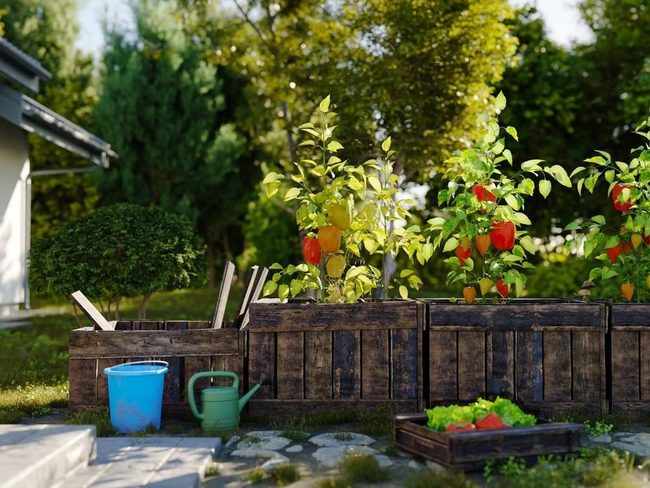
Wooden crates stacked and arranged in your garden space deliver an instant rustic charm that's hard to ignore, and the natural grain of the wood brings warmth and character to any outdoor area.
You can move these crates around whenever you want, shifting your plants to follow the sun or to reorganize your garden layout without any heavy lifting.
Building with reclaimed or repurposed crates means you're giving old materials new life while keeping costs down and reducing waste.
Stacking them in different heights and arrangements opens up creative possibilities for how you display your flowers, herbs, or vegetables.
Whether you're growing herbs for cooking or colorful blooms to brighten your porch, these crate gardens work well in tight spaces like patios or balconies.
Spiral Herb Garden Layers
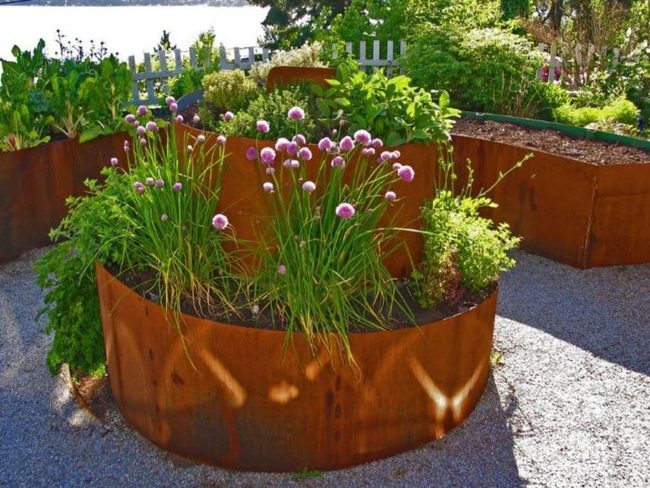
Spiral raised garden bed stands out as one of the most eye-catching garden features you can install.
Its circular shape doesn't just look great; it also gives you way more space to plant things without taking up much room, which makes it perfect if you're working with a smaller yard.
You can grow herbs, flowers, or succulents in this design, and they'll thrive while adding both practical benefits and natural beauty to your outdoor space.
Each level catches light differently as the day goes on, making the whole bed feel alive and interesting.
Since you're already gaining extra planting area, you might as well fill it with things you'll actually use or admire regularly.
Olivia Martinez
Founder & Principal Designer
Expertise
Sustainable Interior Design, Residential and Commercial Space Planning, Historic Preservation and Adaptive Reuse, Custom Furniture Design, Project Management
Education
Parsons School of Design, New York, NY
LEED Accredited Professional (LEED AP)
Olivia Martinez is the founder of Archi Refresh, where she brings style and sustainability together. With a degree from Parsons School of Design and a LEED certification, she’s all about creating beautiful, eco-friendly spaces.
With over eight years in the industry, Olivia has designed everything from cozy homes to commercial spaces, always putting function and sustainability first. She loves working with local artisans and has been featured in design publications for her fresh take on green living.
When she’s not designing, Olivia enjoys exploring historic architecture, painting, and spending time with her rescue dogs, Luna and Max.