
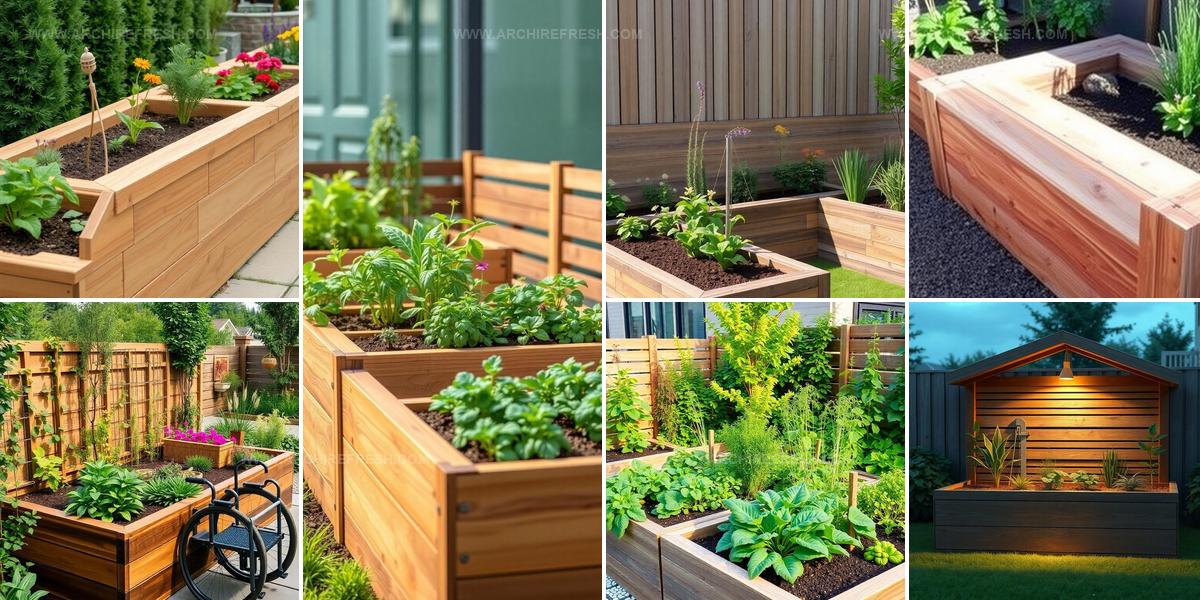
18 Raised Garden Bed Plans That Work for Any Yard

Raised garden bed plans help you organize a productive growing space without the guesswork many beginners face.
Building elevated plots offers better soil control, easier access, and protection from common pests.
The right design makes planting, weeding, and harvesting far more comfortable than traditional ground-level methods.
Simple blueprints can fit any yard size, from compact patios to sprawling backyards.
Choosing materials that last ensures seasons of reliable use without constant repairs.
A well-constructed bed improves drainage while keeping roots warm during cooler months.
Follow proven layouts and watch fresh vegetables flourish in ways that make every gardening effort worthwhile.
Vertical Landscape Bed With Trellis
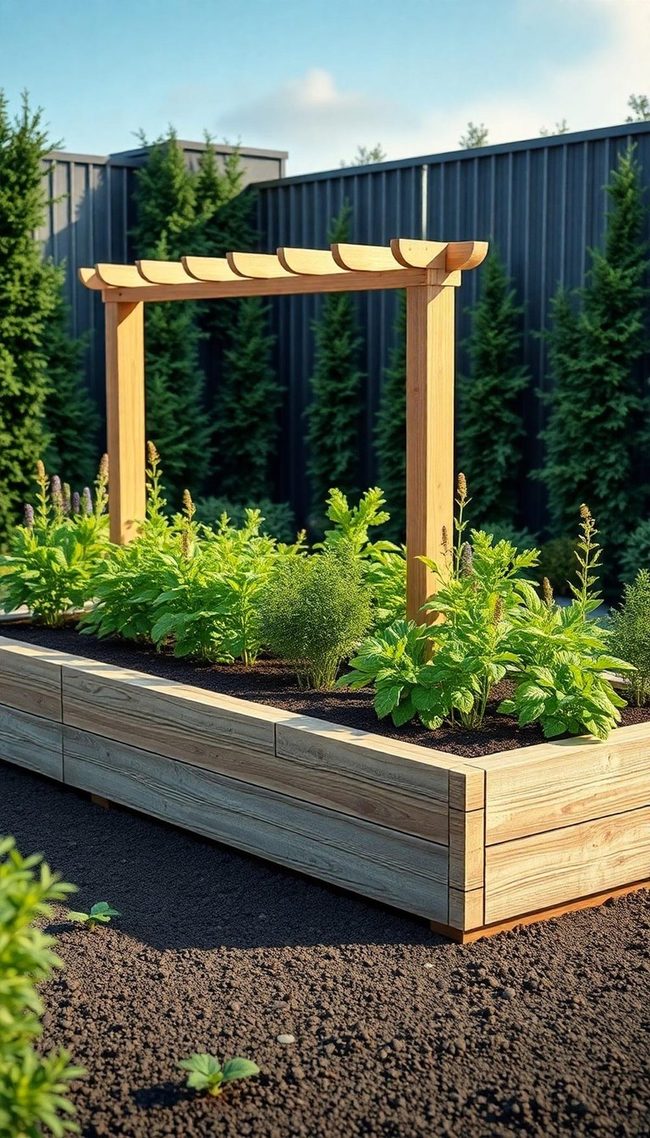
If you grow vining plants such as tomatoes and cucumbers, building a raised bed with a trellis attached saves you both space and effort while producing more food in a smaller area.
We can help you design a raised garden bed that includes a sturdy trellis structure built right in, and the overall layout lets your plants climb upward instead of spreading across your garden.
Going vertical with your vegetables means this room can have easier access to ripe fruit and better air circulation around the plants.
You won't have to bend down as much to harvest, and the plants stay healthier because moisture dries faster on leaves that get more airflow.
A trellis system works well for beginners since it keeps your growing area organized and makes weeding much simpler.
You can position the raised bed where it gets full sun, then orient your trellis to support the vines as they grow taller throughout the season.
Most gardeners find that this method doubles their yield compared to letting plants sprawl on the ground.
Raised Patio Bed With Integrated Seating
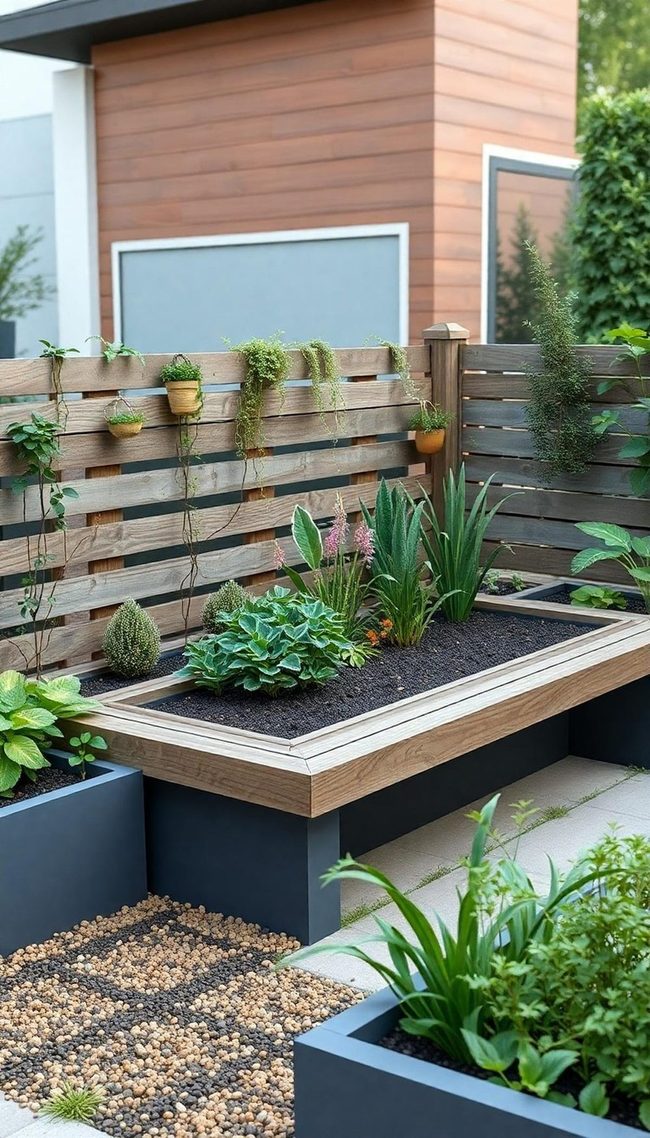
Building a raised garden bed with a built-in bench gives you both a place to grow plants and a comfortable spot to sit back and relax in your garden.
You get the visual appeal of lush greenery all around while also having a well suited to daily routines seating area that doesn't take up much extra room.
We love this design because it solves two problems at once, you need somewhere to cultivate flowers or vegetables and somewhere to unwind outdoors.
Plant your favorite blooms or herbs right at arm's reach from where you sit, and it becomes easier to have fresh options whenever you want them.
One of the best parts is how the plants naturally frame your seating space and make the whole setup feel more private and enclosed.
Since you're building it yourself, you can customize the height and size to match your space and needs.
This kind of structure fits nicely into most yard layouts and doesn't require tons of maintenance or complicated construction skills.
It's a straightforward project that pays off by giving you a beautiful garden feature and a peaceful retreat all in one spot.
Waist-High Maple Landscape Bed
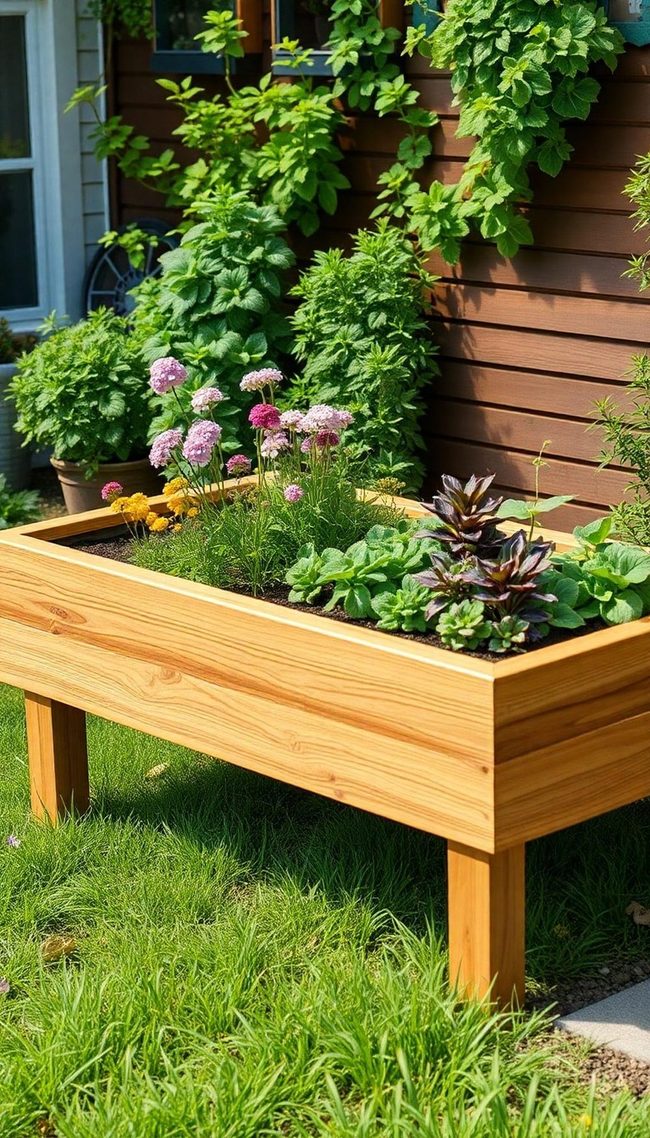
If you have trouble bending down or simply lack yard space, a raised garden bed on legs can solve your gardening challenges.
Here's how you can build one: the elevated design lifts your plants waist-high, so you won't need to crouch or strain your back while weeding and harvesting.
Because the bed sits on legs rather than the ground, it works great for small patios, decks, or balconies where space matters most.
You can fill it with quality soil and grow vegetables, herbs, or flowers right at a comfortable height.
Building one yourself is straightforward and doesn't require special skills or expensive materials.
We recommend starting with sturdy wood boards and four legs made from pressure-treated lumber or metal.
Once assembled, the composition lets you maintain your garden without the physical demands of traditional ground-level beds.
The whole project takes just a weekend, and you will have a functional garden that adapts to your needs.
Wooden Raised Bed Cold Frame
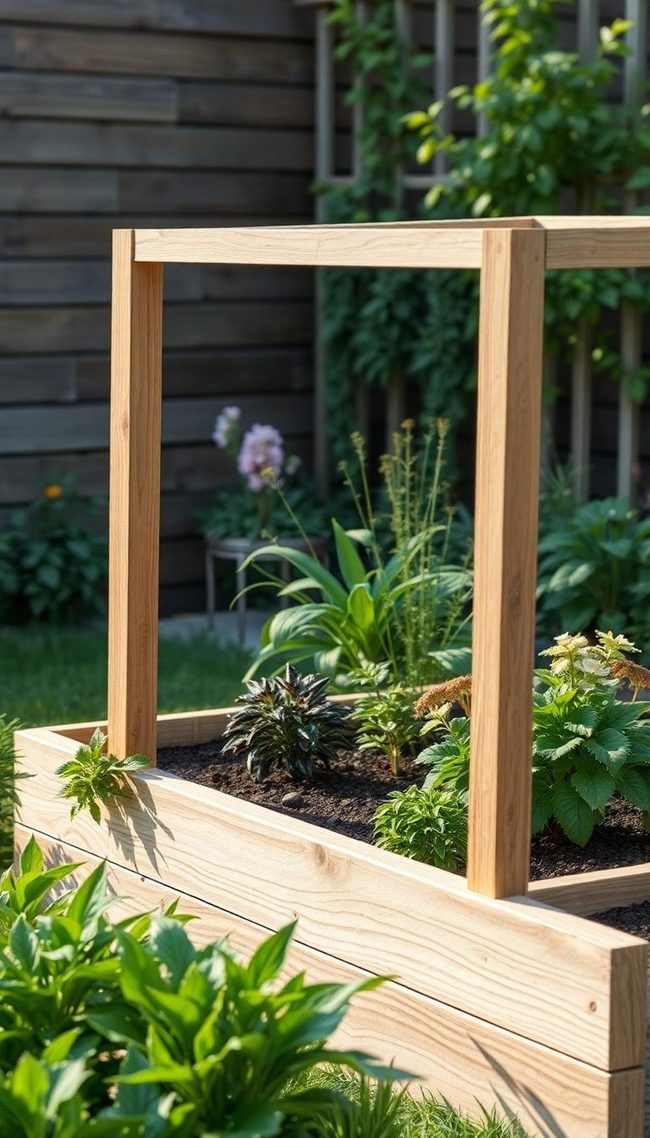
Stacking wooden boards into a raised bed and topping it with a transparent cold frame creates one of the most useful garden setups you can build for year-round growing.
Frost-sensitive plants like lettuce, spinach, and herbs thrive under this protective covering while the rest of your garden lies dormant, and you can simply harvest fresh greens even in cold months.
Building one takes basic carpentry skills and some clear plastic or glass panels that let sunlight through while trapping heat around your plants.
You can adjust the cover during warm days to prevent overheating and seal it tight when temperatures drop at night.
Early spring and late fall become prime growing seasons when you have the design protecting your crops from sudden freezes and harsh winds.
We recommend starting with a simple wooden frame that sits about two feet tall, which gives plants plenty of room to develop without creating a heavy structure to manage.
Drainage holes and proper soil preparation matter just as much as the cover itself, so don't skip those steps when assembling your bed.
Once you have it built, you can recognize how much longer your growing season stretches and how many tender plants make it through weather that would normally kill them off.
Flowing Water Yard Bed Oasis
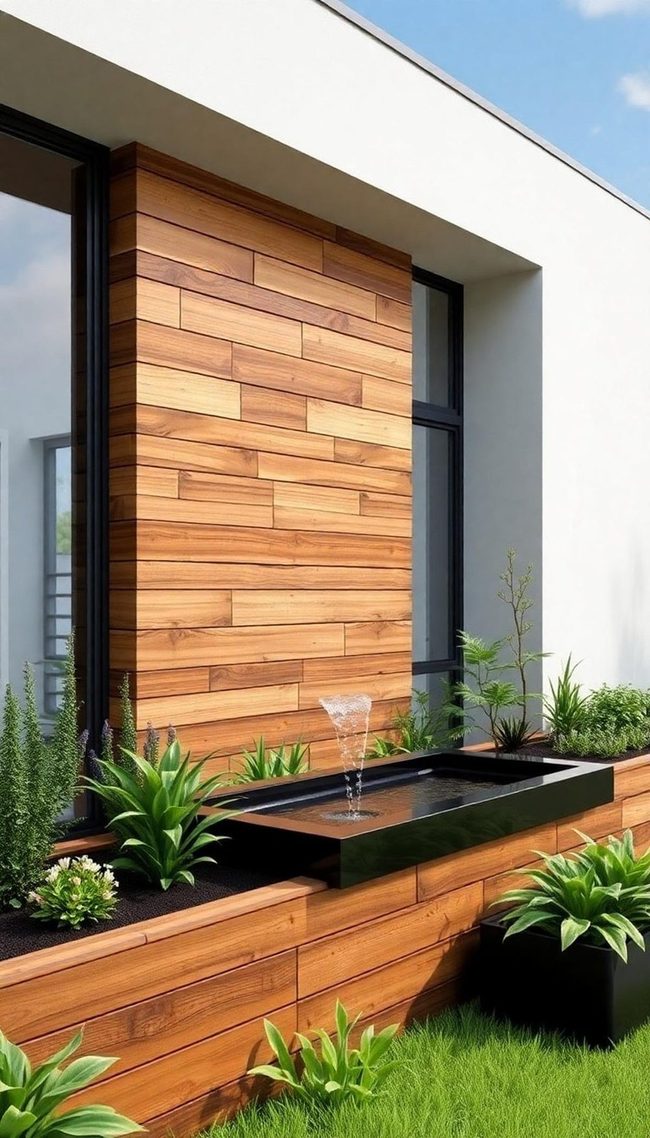
If you want to bring calm and peace to your open-air area, adding a water feature into a raised garden bed gives you a beautiful way to do it.
Water moving and flowing draws attention right away and makes your space feel alive and dynamic.
We can guide you through building a garden bed that has water integrated into it so you get the best of both worlds.
Sound from running water helps mask noise from the street or neighbors and makes your garden feel like its own quiet world.
Plants thrive around moving water because they get gentle moisture and better air circulation.
You can combine flowers and greenery with the water element so everything grows together naturally.
Building this kind of setup takes some planning, but the result is a backyard space that feels peaceful and refreshing all season long.
Stacked Garden Beds Maximum Yield
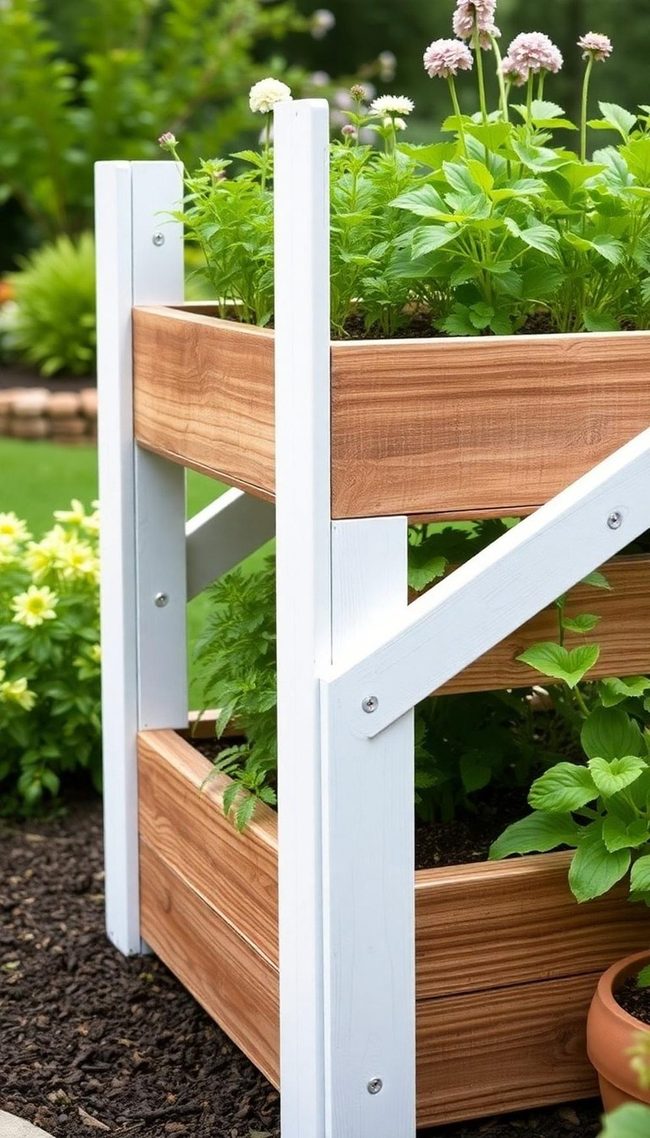
If you have limited space but want to grow lots of plants, a tiered raised garden bed is an excellent solution that lets you make the most of what you have.
Building a multi-level garden bed takes some planning, and in the way it's arranged, works well because it gives you room for different plant types without taking up much ground space.
You can stack the beds at different heights, which means taller plants go in back and shorter ones sit in front.
Water naturally flows down from one level to the next, which helps keep your plants hydrated without extra work.
More surface area means you can plant more vegetables, herbs, or flowers than a flat bed would allow.
Most people find that the staggered design looks neat and organized in any yard.
Setting up this kind of bed lets you grow what you want even when square footage is tight, and it makes daily care much easier since everything is at a good working height.
Corner Alfresco Bed In Wood
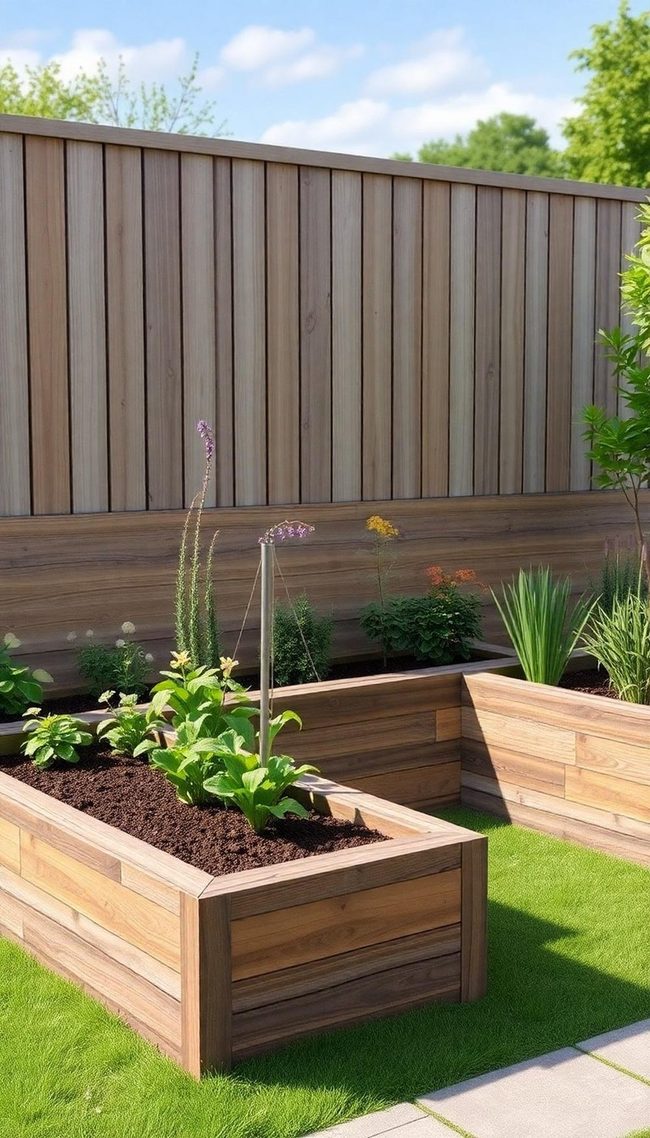
L-shaped raised garden bed turns an awkward corner of your yard into a productive growing space that actually makes sense for your layout.
Building one yourself gives you the freedom to size it exactly how you want it and fit it perfectly into that corner spot where nothing else seems to work.
You get more planting area without eating up the center of your yard, and the shape naturally guides foot traffic in better directions.
Step-by-step instructions can walk you through the whole process, from gathering materials to securing the frame so it stays sturdy for years.
Most people find that a raised bed like this fills dead zones and makes the whole garden feel more organized and purposeful.
The L-shape also gives you room to grow more kinds of plants and reach everything easily without stretching across a wide bed.
We think this type of bed works especially well if you want to maximize space but keep things looking neat and in your garden area.
Accessible Raised Yard Beds
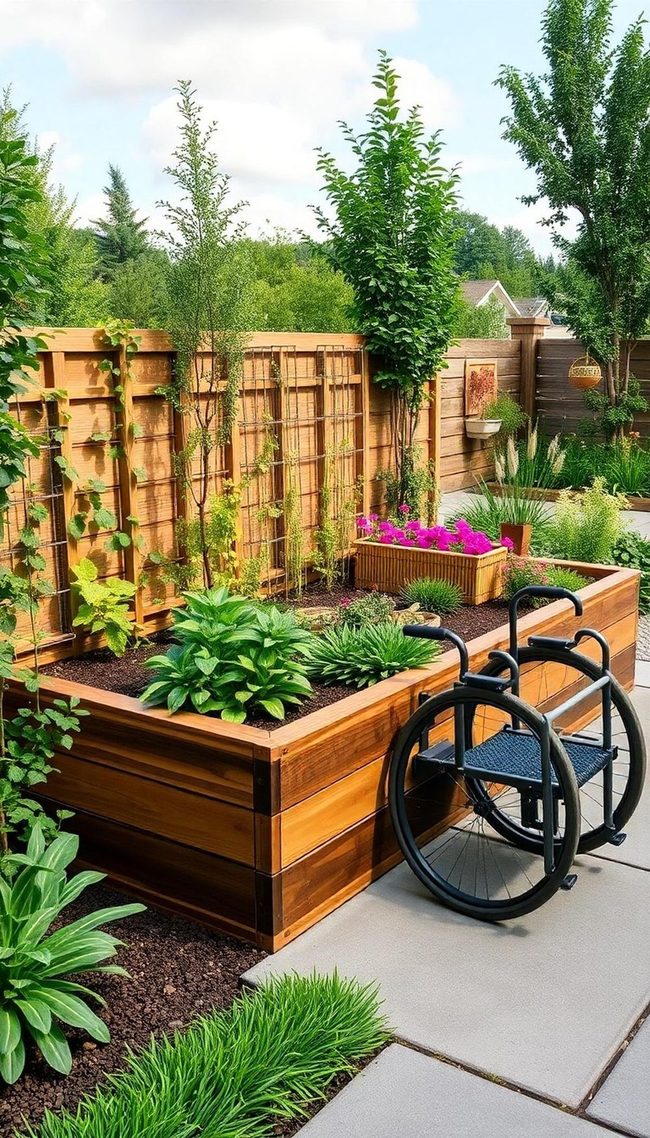
If you use a wheelchair or have limited mobility, a raised garden bed built at the right height can make gardening something you actually enjoy doing.
Most wheelchair-accessible beds work best when they're about 24 to 30 inches off the ground, so you can reach plants without stretching or straining your arms.
Paths around the beds should be smooth and wide enough for your chair to roll through easily, and we recommend avoiding gravel or uneven surfaces that cause problems.
Removing the front edge or leaving one side open lets you wheel right up to the plants and work without barriers in your way.
Soil depth matters too, and I like to suggest at least 12 inches so roots have space to grow while you don't have to dig too deep.
The room naturally supports want to think about what plants work best in your space and how often you can water them without it becoming hard work.
Building these beds with sturdy materials keeps them stable and safe for years to come.
Visitors and family can garden alongside you when everything is set up this way, and that's really the best part of growing things together.
Glowing Plants Transform Evening Patio Settings
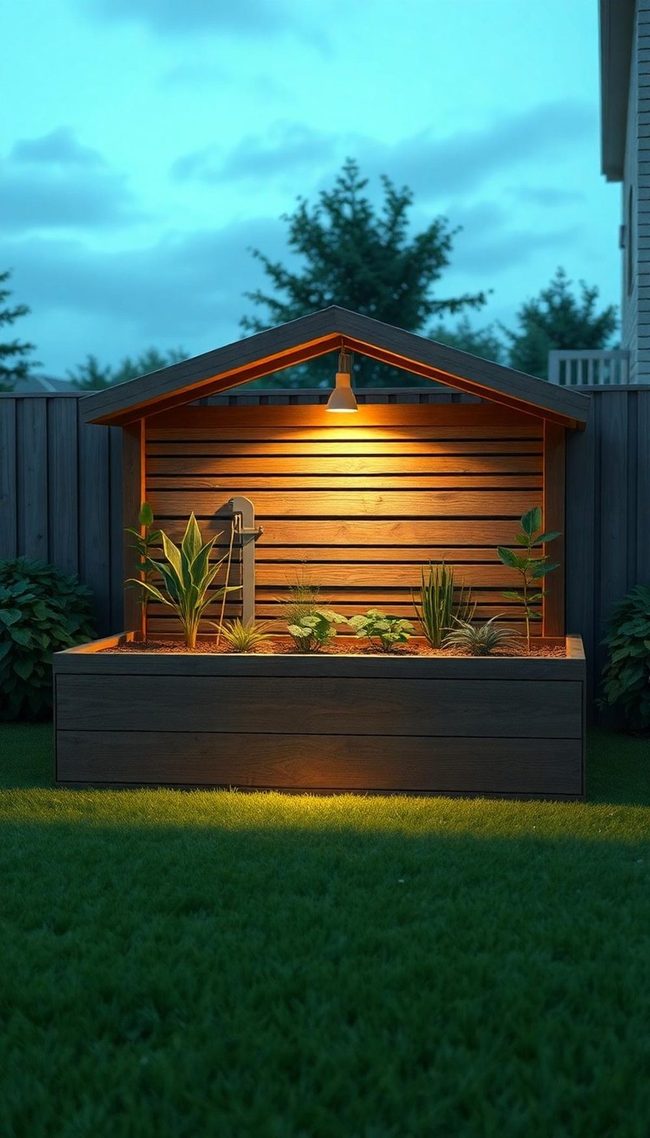
Lighting in a raised garden bed completely changes how your outside space looks once the sun goes down, and adding this feature is easier than you might think.
When you install lights around or inside your raised bed, your plants become visible art displays that glow softly against the evening sky.
We suggest positioning lights to shine upward through the foliage so shadows dance across nearby surfaces and shape depth.
You can choose warm-toned bulbs that make the whole area feel welcoming without being harsh or overly radiant.
String lights draped along the bed's edges add a gentle glow, while spotlights tucked below plant levels highlight interesting shapes and textures.
Installing these lights takes just basic tools and a bit of planning, and most setups can be done in an afternoon.
Once everything is in place, your garden becomes a natural retreat that draws people outside even after dark.
Evening gatherings in the garden suddenly feel special, and you can find yourself spending more time enjoying the space you've shaped.
Weathered Pallet Patio Bed
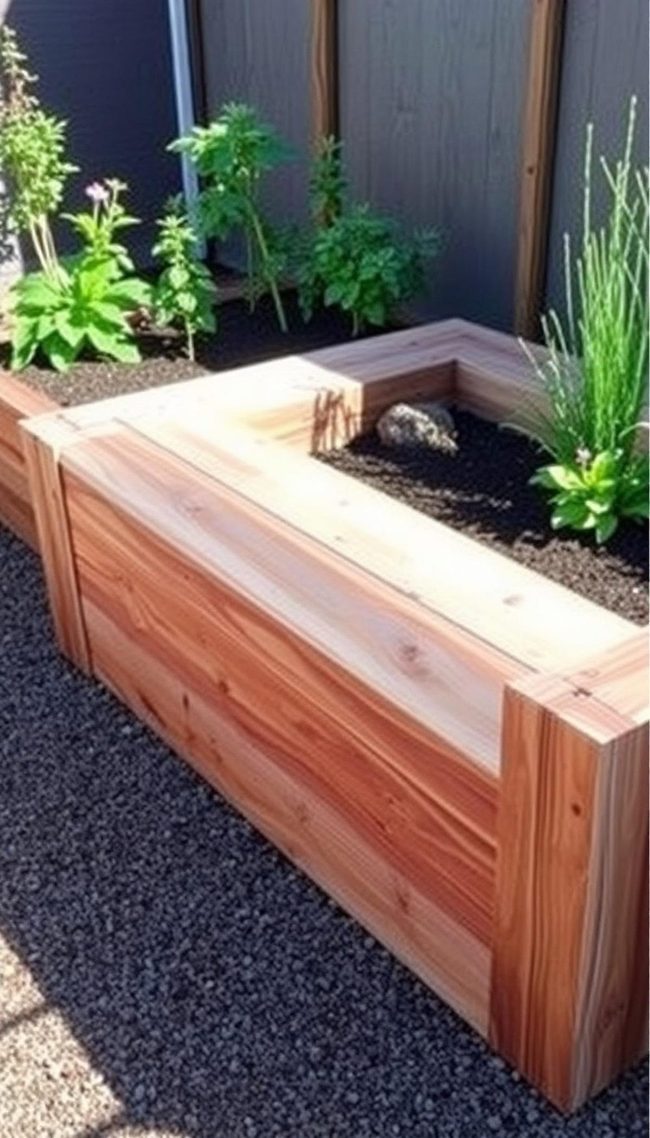
Building a garden bed from old pallets gives you a budget-friendly way to grow plants while reusing materials that might otherwise end up in the trash.
You can stack and secure a few pallets together to form raised planting boxes that work well for vegetables, herbs, or flowers.
Line the inside with landscape fabric to hold soil in place and prevent weeds from spreading up through the gaps.
Fill it with quality soil and compost, then plant whatever grows well in your climate and matches what you want to eat or display.
Wood pallets develop a weathered look over time that blends nicely into most garden spaces without needing fancy finishes.
If you want the bed to last longer, you can treat the wood with a natural sealant to protect it from rot and insects.
Through the design, costs far less than buying premade raised beds and lets you customize the size and shape to fit your yard perfectly.
Drip Lines For Effortless Plant Watering
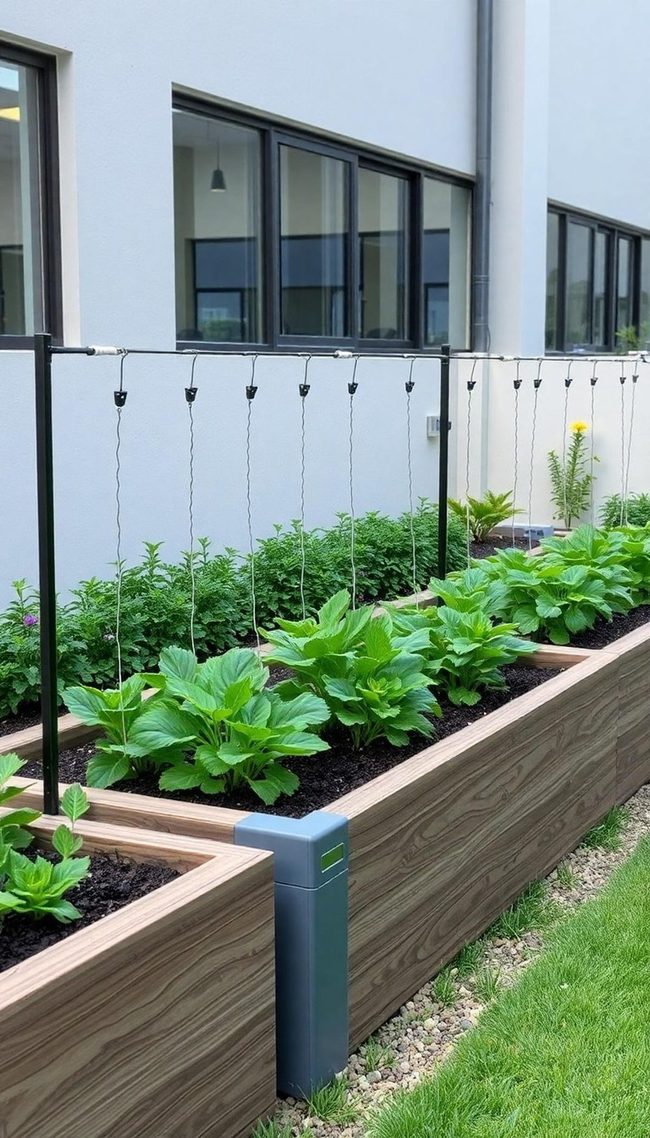
Installing a drip irrigation system in the raised garden bed saves you time and keeps the plants consistently watered without daily trips outside with a hose.
We recommend starting with a soaker hose or drip line that runs along the base of the plants, and this method delivers water directly to the roots where it's needed most.
You can set up a timer on the system so water flows on a schedule that matches the plants' needs and the own routine.
Laying out the tubing in rows or patterns before you attach it helps you visualize coverage and avoid dry spots in the bed.
Most setups need a main supply line connected to the exterior faucet and smaller branches that reach each plant.
Once everything is in place, mulch over the hoses to hide them and protect them from sun damage.
Your plants will thrive with consistent moisture, and you may have more free time to enjoy the garden instead of spending it on maintenance.
Wooden Raised Bed Herb Yard
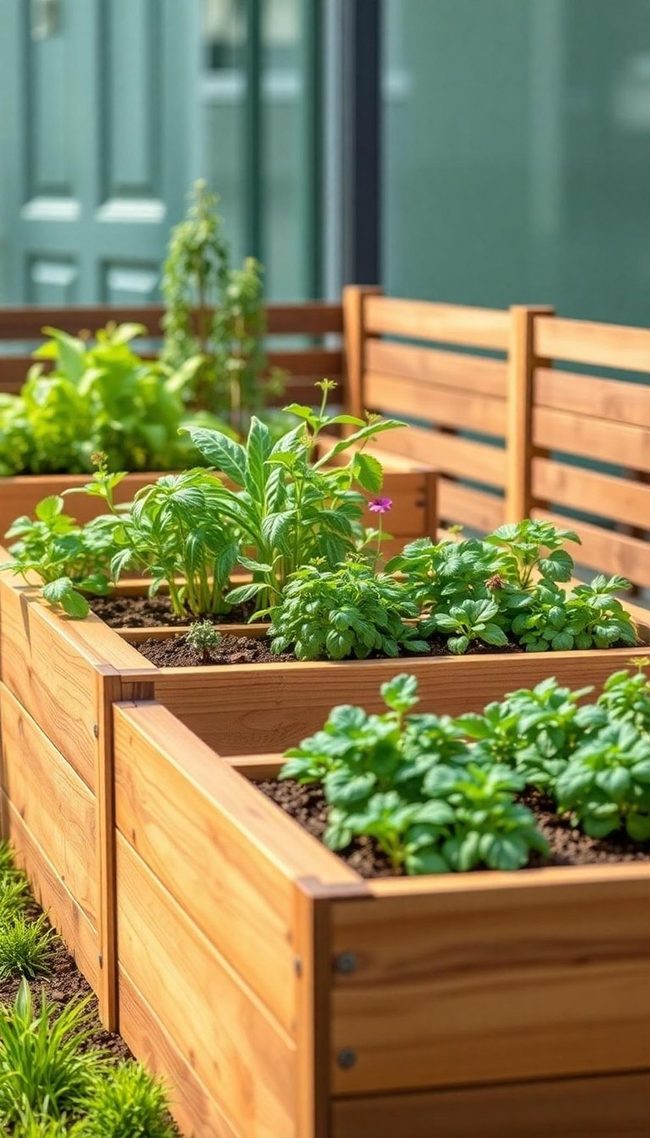
If you enjoy cooking with fresh ingredients, a raised herb garden bed offers an easy way to grow what you need right outside your kitchen door.
Building one gives you a dedicated space where herbs thrive while looking good at the same time.
Start by choosing a sunny spot in your yard, since most herbs need at least six hours of direct light throughout day.
Wood or composite materials work well for the frame and last for years with minimal upkeep.
Fill it with quality soil mixed with compost so your herbs have the nutrients to flourish.
Arrange your plants by their water needs and growth habits, placing taller varieties toward the back and smaller ones in front.
The space can want to space them properly so air flows around throughout plant and prevents disease.
Herbs like basil, rosemary, and thyme are reliable choices that reward you with aromatic leaves for salads, soups, and other dishes.
Stacked Stone Patio Beds
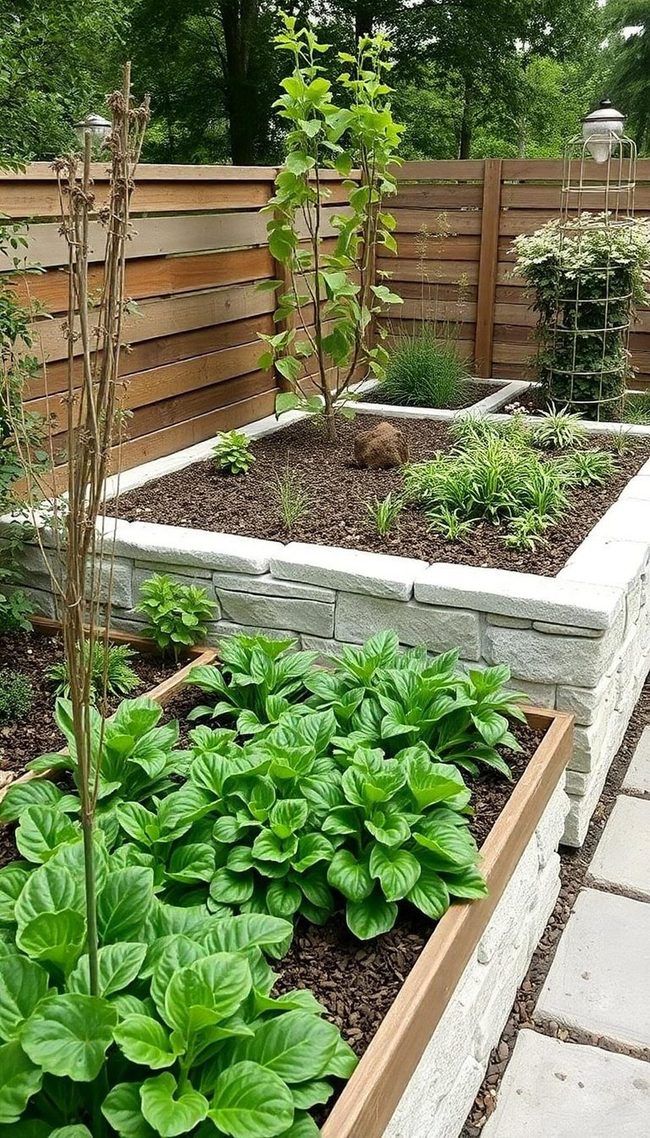
Building a raised garden bed from stone gives you a natural outside feature that looks like it belongs right in your yard, and the process is straightforward enough for most people to handle.
Stacked stones form the walls of your bed and provide good drainage for plants while keeping soil contained in one area.
The layout makes it possible to want to select stones that fit together reasonably well, though they don't need to be perfectly matched or uniform in size.
Starting with a level foundation matters because it keeps your walls from tilting or shifting as seasons change and soil settles inside.
Filling the bed with quality soil and planting your vegetables or flowers comes next, and you can adjust the height based on what grows best in your region.
Stone beds last for years without needing replacement like wood does, so this is a worthwhile investment in your garden space.
The natural texture of the stones blends nicely with grass and existing landscaping around your yard.
You end up with a space-saving growing area that looks like part of your landscape rather than something added on top of it.
Raised Beds With Built-In Compost
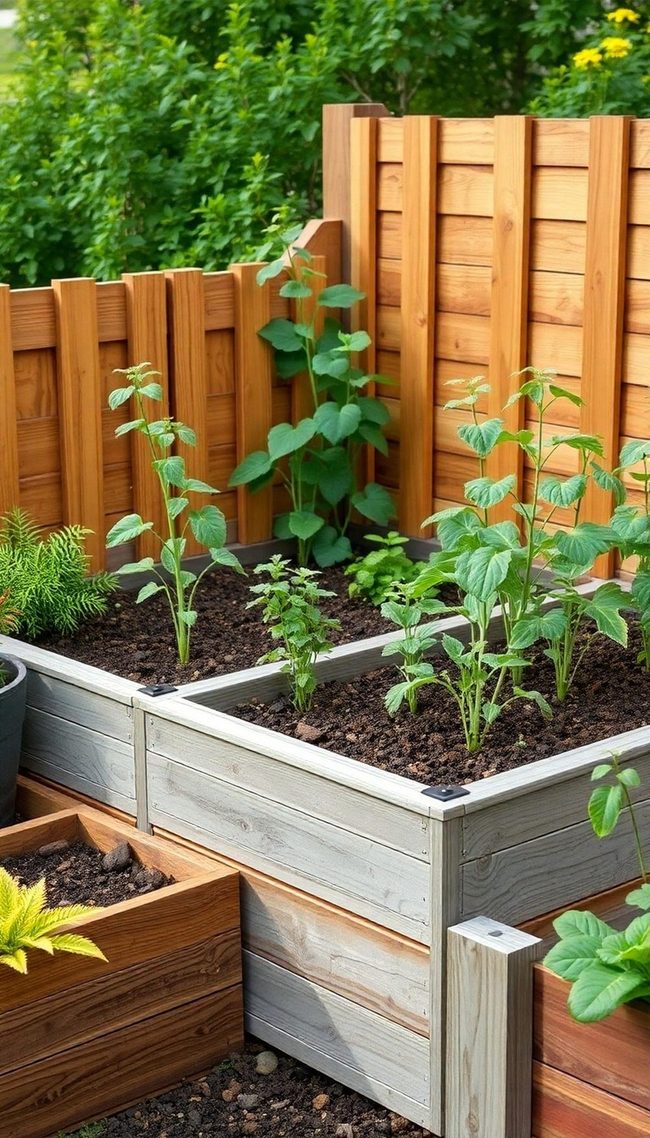
If you want to garden in a way that helps the planet, combining a raised bed with a compost bin gives you a smart, self-sufficient system right in your yard
You can build tall planting boxes that sit above ground, which makes digging and weeding easier on your back and keeps soil rich and healthy
Next to your beds, add a bin where kitchen scraps and yard waste break down into dark, crumbly compost over time
Means you're closing the loop, what would normally go to the landfill becomes food for your plants instead.
Elevated Flower Bed Bursting With Color
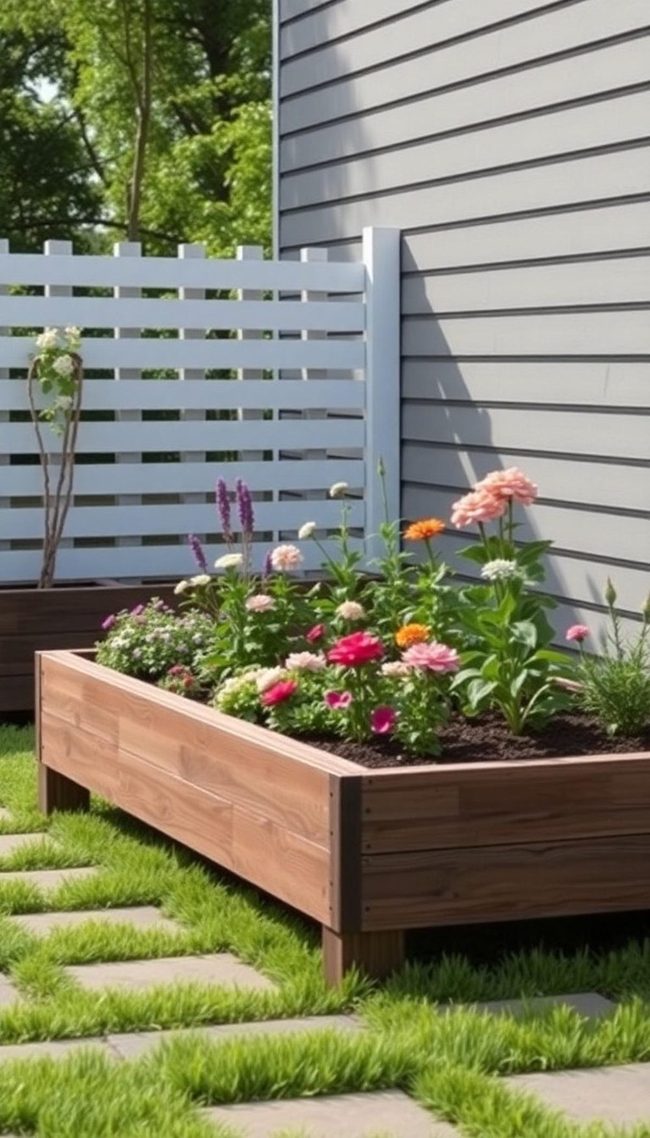
If you love growing flowers, a raised garden bed offers a striking way to display your blooms while keeping them organized and easy to reach.
You can build one using wood, composite materials, or metal, and it sits high enough that you won't need to bend down as much when tending your plants.
Filling it with quality soil and planting your favorite flowers in rows or clusters makes the whole space pop with color.
Pollinators like bees and butterflies naturally gravitate toward these concentrated flower displays, which means more blooms throughout the season.
Beyond the visual appeal, raised beds give you better control over soil quality and drainage compared to planting directly in the ground.
We also appreciate how they help keep weeds at bay and make seasonal maintenance feel less like a chore.
Whether you choose a small bed for herbs and perennials or go bigger with annuals and mixed plantings, this simple structure reworks even modest yards into something that feels fuller and more measured.
Your garden bed becomes both functional and beautiful, giving you fresh cut flowers to enjoy inside while adding life and movement to your garden area.
Cedar Oak Raised Terrace Beds
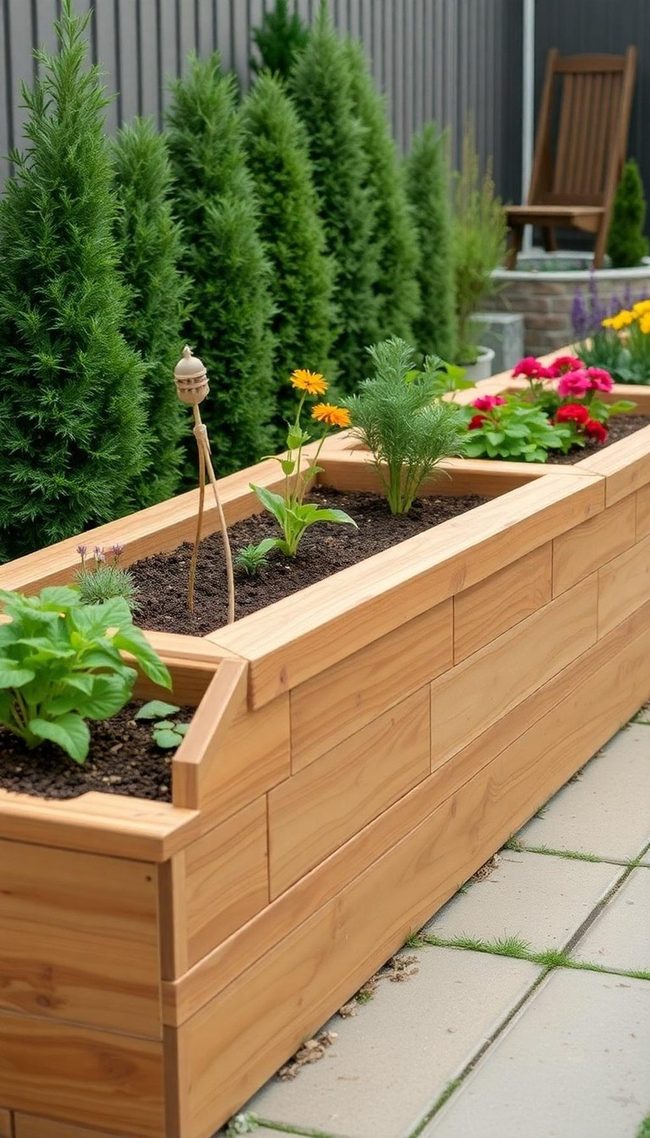
Cedar wood stands out as a top choice for raised garden beds because it resists rot and lasts for years without falling apart.
Building one yourself is easier than you might think, and the result looks great in any yard while serving its purpose well.
We recommend starting with a basic design that balances both function and appearance, so your garden bed works hard and looks good doing it.
You may find that cedar's natural color adds warmth to your patio space without needing paint or stain.
Once you understand the fundamentals of construction, you can adjust the size and depth to match your garden's needs.
Many people choose this option because cedar requires minimal maintenance compared to other materials.
Whether you're growing vegetables, herbs, or flowers, a cedar bed gives you a sturdy foundation that will serve you well for many seasons.
Cascading Levels Garden Centerpiece
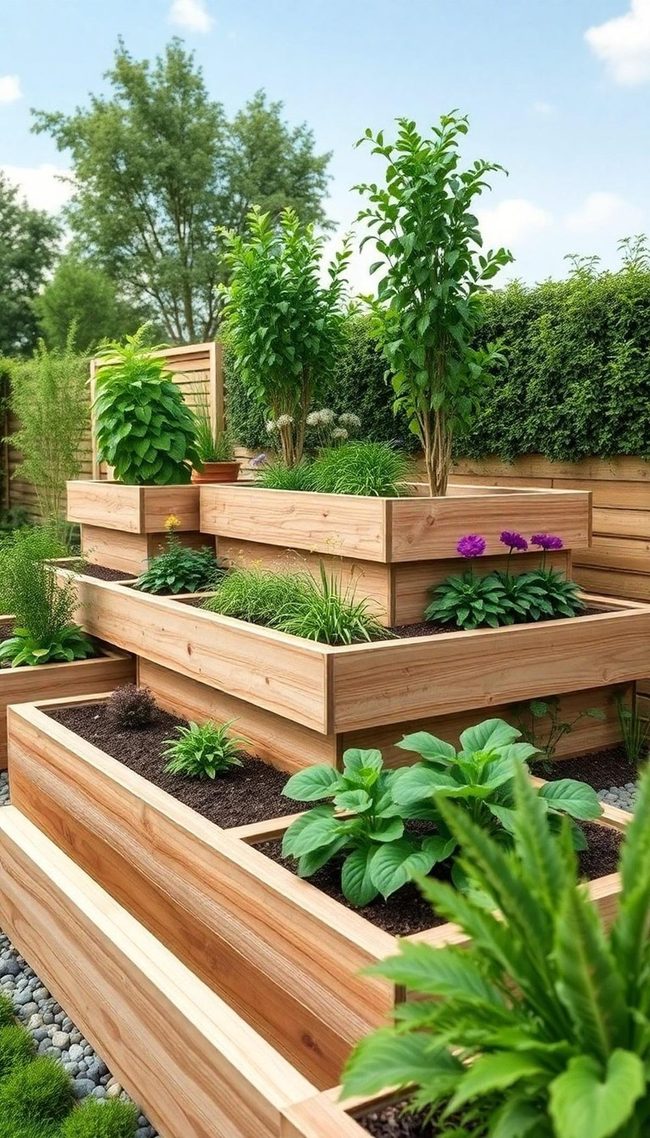
If you want a garden feature that stops people in their tracks, a multi-tiered raised bed with cascading levels delivers exactly that kind of impact.
Building one of these structures gives your garden an architectural quality that goes far beyond a flat planting space.
Every level steps down gracefully, creating dimension and depth that immediately catch attention when someone walks into your yard.
You can plant trailing flowers and vines on the upper tiers so they spill over the edges, adding movement and life to the design.
The stacked arrangement also makes gardening easier since you can racross plants without bending as far, and it improves drainage for healthier soil and root systems.
Beyond the look, these beds let you grow multiple plant varieties in one compact area and add interesting shadows throughout the day as sunlight hits the different levels.
Building one requires some basic materials and carpentry skills, but the payoff is a garden centerpiece that genuinely alters how your garden space feels and functions for both you and anyone who visits.
Raised Beds Fresh Vegetable Harvests
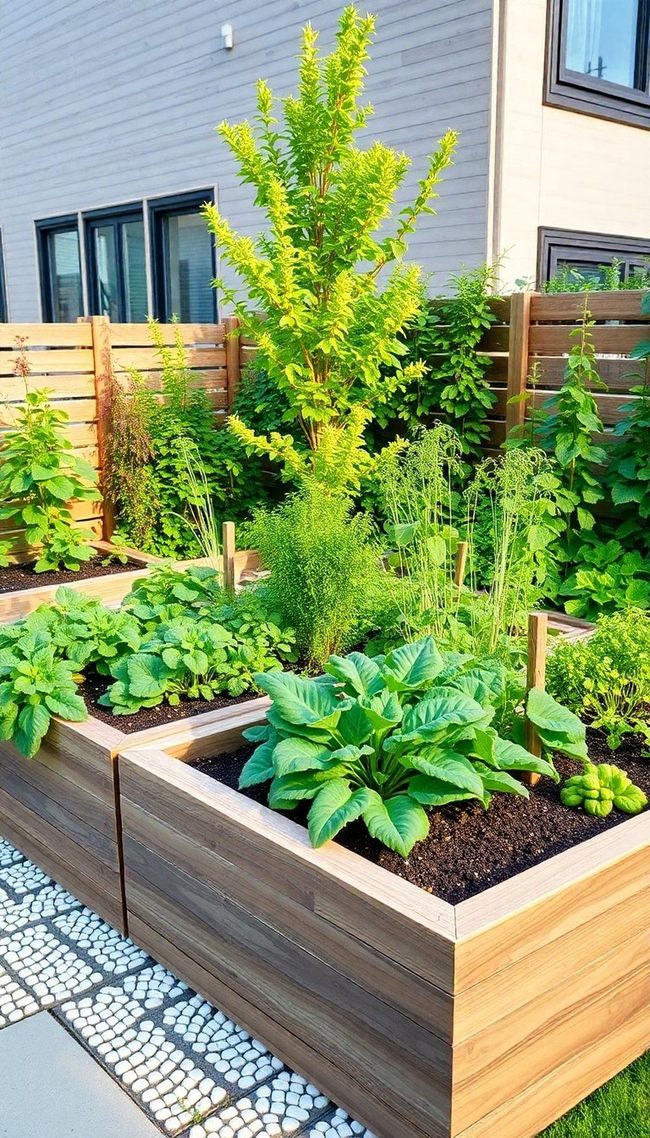
Building a raised vegetable garden bed gives you a direct path to growing your own fresh produce, and the rewards go far beyond what this room can find at any store.
A well-designed bed lets you grow more vegetables in less space and keeps weeds and pests easier to manage throughout the growing season.
You can start with basic materials like wood and soil, then arrange your plants in rows or sections based on what grows best together.
Taller vegetables like tomatoes and peppers go in the back or north side so they don't shade smaller plants, while leafy greens and herbs fit nicely in front where they get plenty of sun.
Spacing matters too, giving across plant room to spread prevents overcrowding and lets air flow around the leaves.
Water flows better through raised beds than ground soil, which means less disease and healthier plants overall.
We recommend starting with easy crops like lettuce, zucchini, and beans if you're new to gardening.
Once you get the hang of it, you can plant in waves a few weeks apart and keep harvesting fresh vegetables all through the warm months.
Michael Harris
Senior Content Editor
Expertise
Home Décor Content Creation, Interior Design Journalism, Editorial Oversight, Digital Media Strategy, Team Leadership and Mentorship
Education
University of Queensland, Brisbane, Australia
Queensland University of Technology (QUT), Brisbane, Australia
Michael Harris is the senior content editor at Archi Refresh, where he turns home design trends into engaging, easy-to-follow articles. With a journalism degree from the University of Queensland and a digital communication certification from QUT, he knows how to craft content that informs and inspires.
With over 10 years of experience in lifestyle and design media, Michael has shaped editorial strategies, mentored writers, and helped readers refresh their spaces with practical tips. His work blends storytelling with expert advice, making home decor more accessible to everyone.
Outside of work, Michael enjoys DIY projects, exploring Brisbane’s art scene, and teaching digital literacy workshops.