
25 Rock Garden Landscaping Ideas That Transform Any Yard
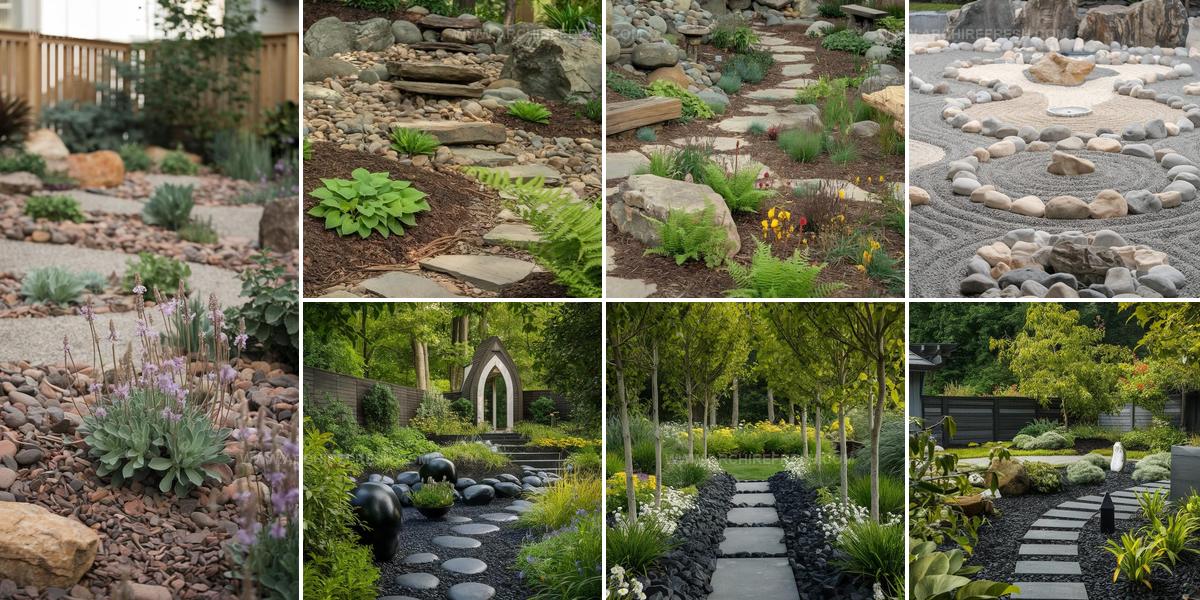
Rock garden landscaping ideas blend natural beauty with low-maintenance design in ways that work for nearly any outdoor space.
Stones of different sizes can anchor plants while creating visual interest throughout the seasons.
Homeowners often find this approach solves problems with slopes, poor soil, or areas where grass refuses to grow.
Alpine plants thrive among rocks where traditional gardens struggle to survive.
The contrast between hard stone surfaces and soft foliage produces dramatic effects that catch the eye from every angle.
Building with rocks means less watering, fewer chemicals, and more time enjoying the results instead of laboring over upkeep.
Browse the collection below and find inspiration that matches what you envision for transforming that challenging patch into something remarkable.
Decorative Gravel Miniature Landscape
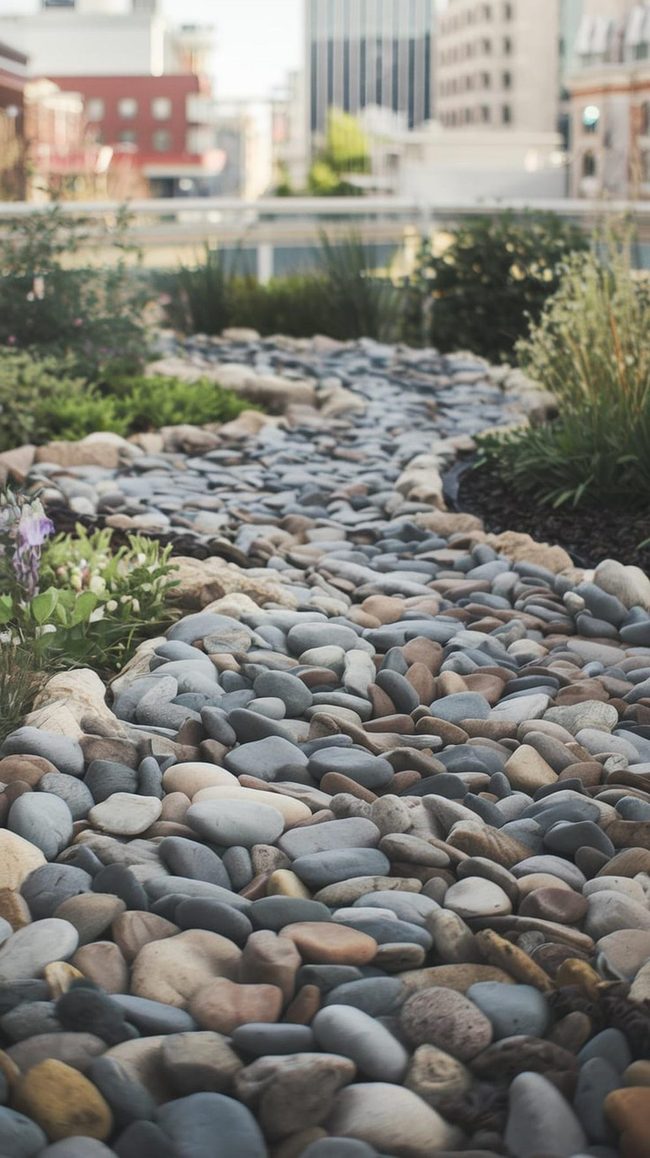
When space is tight, don't overlook how a compact rock yard can still draw attention in your yard or on a patio.
We love using containers or tucked corners to build these small landscapes because they pack visual punch despite their size.
Start with decorative gravel as your base and scatter small boulders throughout to establish natural-looking formations.
Hardy plants like sedums and succulents work wonderfully since they thrive in rocky soil and need minimal care.
You can arrange the stones in patterns or group them together for dimension.
Adding moss between rocks brings an earthy texture that makes everything feel more authentic.
Even just a few square feet becomes a peaceful spot you will find yourself drawn back to again and again.
Raked Gravel And Stone Stillness
Gravel raked in precise patterns paired with strategically placed boulders and moss creates an outdoor space that feels deeply calm and meditative.
You can sit on a simple bench or walk along a stone path through your yard and find yourself slowing down, just like people have done in temple terraces for centuries.
Minimal decoration is key here, we're talking about letting empty space and natural materials speak for themselves.
A quiet corner becomes your personal retreat where stress seems to fade away.
Stone pathways guide visitors through the design and encourage them to pause and breathe.
By keeping things simple and uncluttered, you build an atmosphere of peace that works naturally into your everyday life.
Most people don't realize how powerful emptiness can be when it's arranged with intention.
Your yard into a sanctuary that asks nothing of you except to sit still.
Water Cascading Through Stone
Rocks and water work beautifully together in outdoor spaces, and combining them gives you something special to enjoy.
A small waterfall or bubbling fountain surrounded by natural stone creates movement and sound that transform any backyard.
You might add a koi pond framed with rocks to bring life and interest to your yard.
Stone and water complement across other in ways that appeal to multiple senses at once.
The gentle sound of flowing water paired with the solid presence of rocks makes the space feel calm and peaceful.
When you blend these elements together, your outdoor area becomes a retreat from daily stress.
It doesn't take much to achieve this balance in your own garden or yard.
Even a modest water feature with some strategically placed stones can shift the entire feeling of your space.
Stone Steps Through Green Slopes
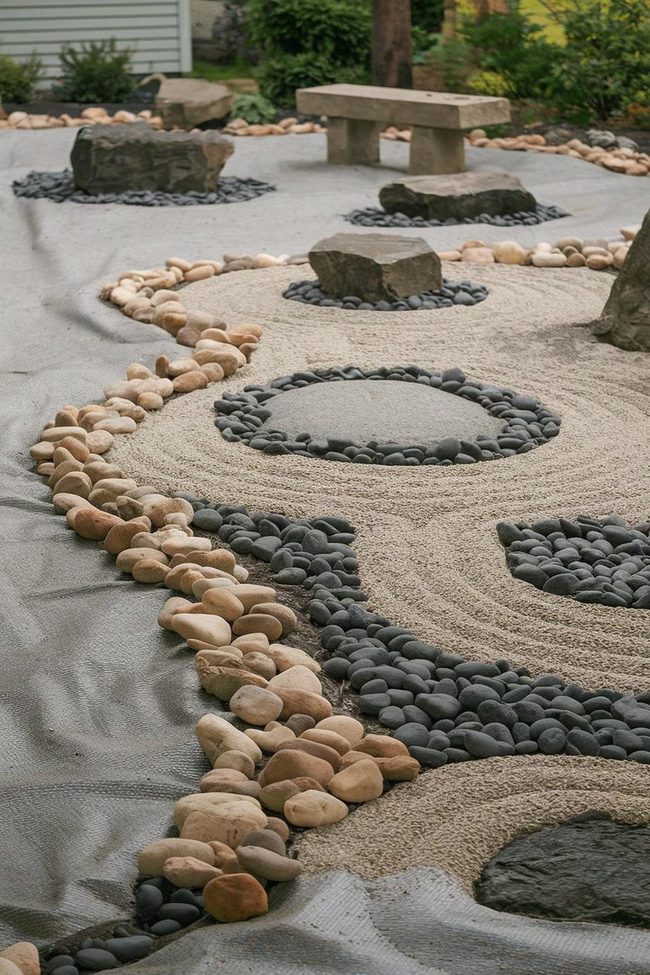
When your property sits on a slope, you can turn that challenging terrain into something beautiful by building a terraced rock yard with natural stone walls.
Stacked stone retaining structures cut horizontally across the hillside and hold soil in place on across level.
Multiple planting beds rise up the slope in steps, giving your landscape real dimension and depth that you see from different angles.
Beyond the good looks, these terraces do efficient work, they stop water from washing away your topsoil and prevent the ground from sliding during heavy rain.
Native plants and low-growing flowers thrive in these raised beds because drainage improves significantly.
Stone choices matter here, so selecting rocks that match your region's natural color palette makes everything blend seamlessly with your surroundings.
You can soften the hard edges of the stone with trailing plants that spill down the walls.
Building terraces takes effort upfront, but the payoff is a yard that handles water well and looks far more interesting than a flat slope would.
Palms Among Stone
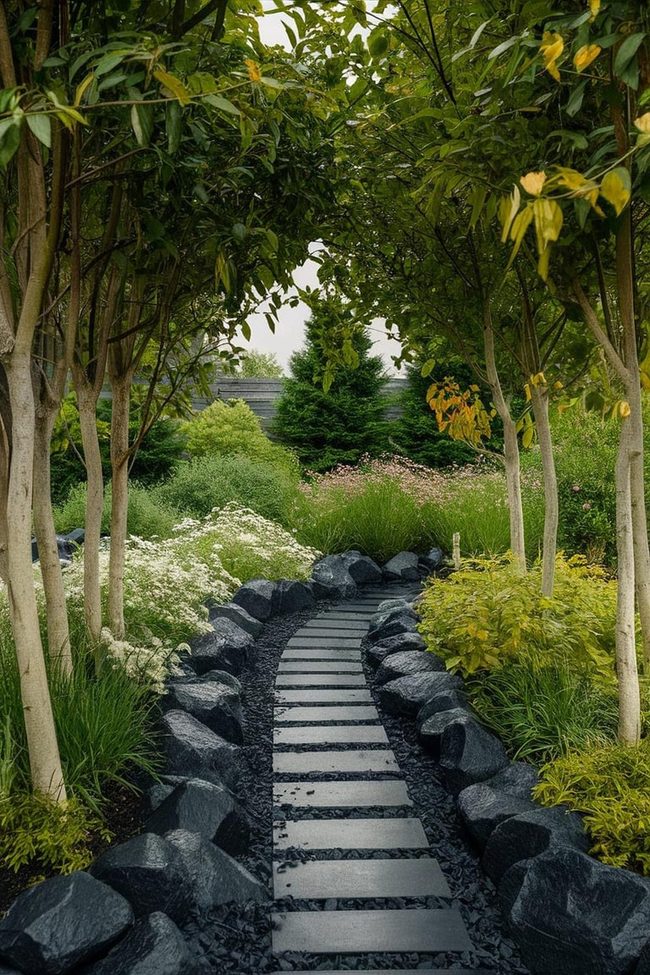
Large smooth rocks paired with palms and ferns form the backbone of a tropical rock patio, and you can arrange them to mimic natural landscapes you'd find in humid climates.
Water features like a small waterfall or misting system elevate the design from simple greenery to something that feels alive and dynamic.
Moisture-loving plants thrive when you incorporate these systems, and they'll grow fuller and more lush over time.
Pendant Fixture filtering through layered fronds creates appealing shadows across the stone surfaces below.
We suggest positioning your largest rocks as anchors, then building smaller elements around them for visual balance.
Stone pathways winding through the space let you move through the patio without disturbing plant roots.
Mist rising from the system catches morning pale and adds movement that makes the space feel fresh and energized.
You end up with a backyard retreat that holds its own against resort-style spaces without requiring constant maintenance to keep everything looking healthy and full of color.
Gravel Spirals And Stone Circles
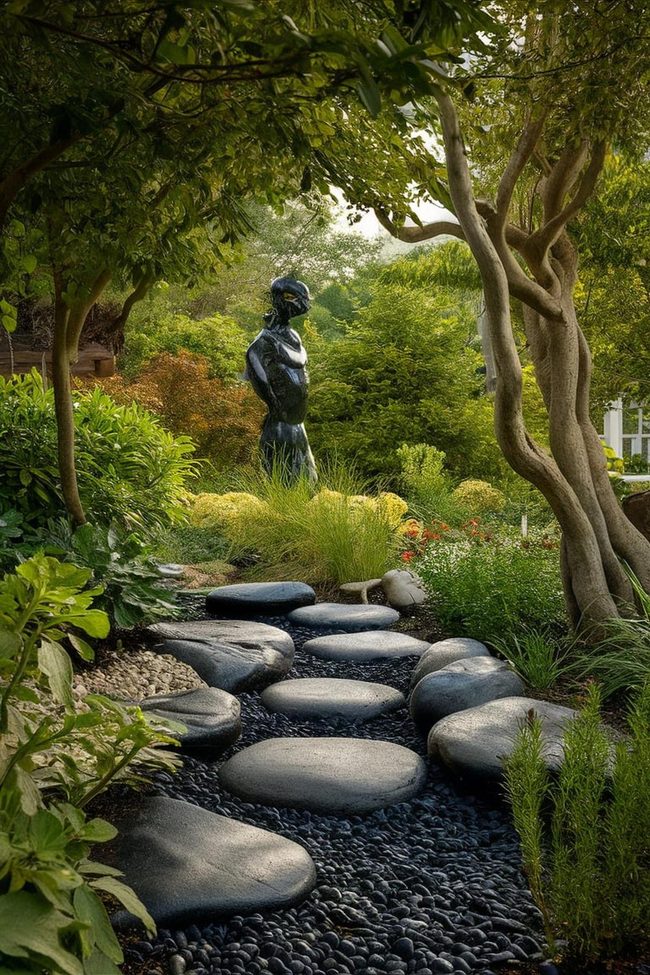
Large stones arranged in bold geometric shapes like circles, spirals, and chevrons bring an instant modern edge to any garden space, and you can build these patterns by combining gravel with bigger rocks to form clean lines and distinct designs.
Swirling spirals draw the eye across your landscape and make even small yards feel more and organized.
Chevron patterns add a sense of movement and direction that guides people through your outdoor area.
Circles work well as standalone features or as the base for planting beds and seating zones.
Mixing different sizes of rocks helps define across pattern and prevents the design from looking flat or one-dimensional.
You don't need special skills to arrange these shapes, just a bit of planning and some straight edges to keep everything aligned.
Simple geometry paired with natural materials gives your garden a contemporary feel without looking too formal or stiff.
Cacti Blooms Over Stone
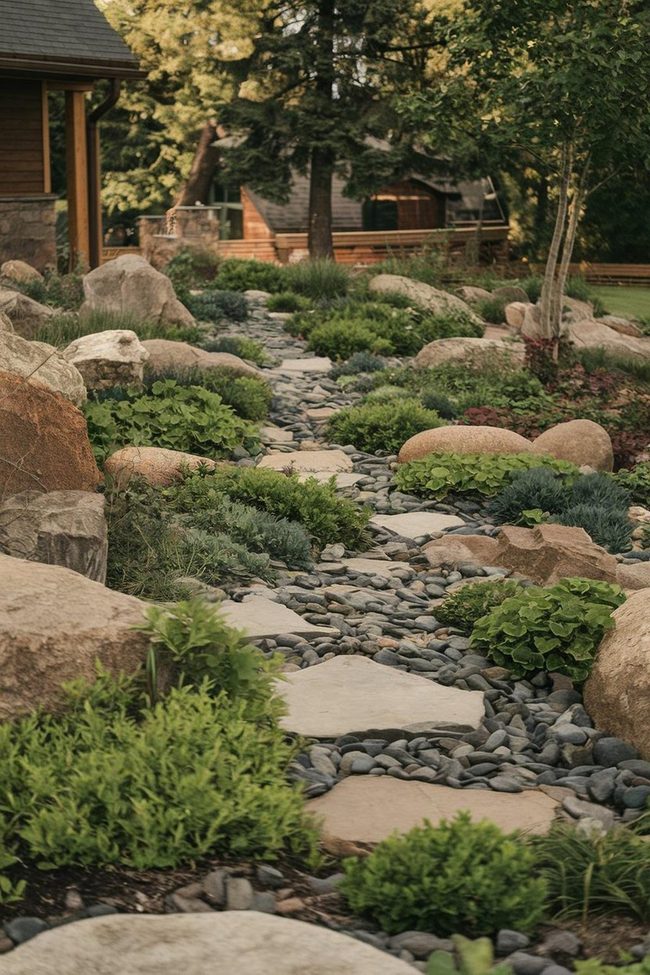
Mix cacti with pale-filled flowering perennials and watch how the colorful blooms stand out beautifully against neutral-toned rocks and gravel.
When you layer desert plants of different heights, the landscape gains depth and movement that keeps your eye moving across the space.
Low-growing perennials weave between tall cacti and interesting patterns, while the flowers bring warmth to an otherwise earthy palette.
Stone mulch and decorative rocks do double duty by helping with drainage and letting those flower colors pop even more.
You can refresh the blooms seasonally to change up the look without replanting everything.
Most desert plants are hardy and low-maintenance, so you spend more time enjoying your space and less time fussing with upkeep.
Scattered throughout beds or arranged in clusters, these combinations turn dry landscapes into something that feels alive and worth looking at.
Moss Softness Over Stone
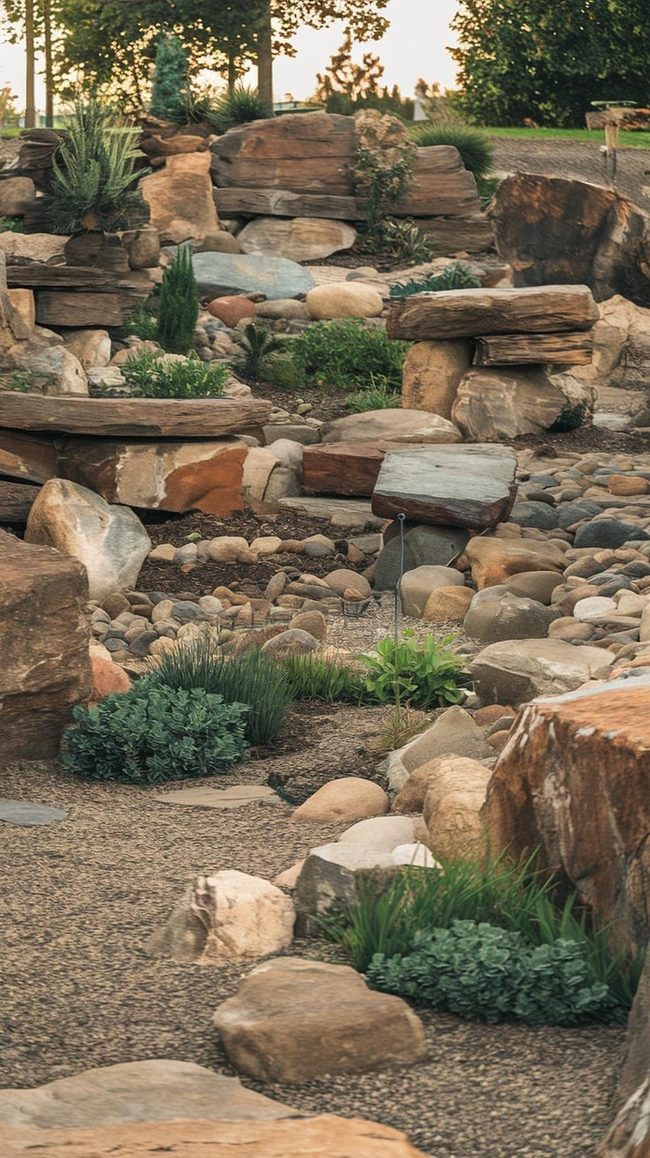
Moss spreading across rocks in shaded spots brings an earthy, weathered beauty to your garden that feels like it's been there for centuries.
You can plant moss around your rocks and simply let it develop over time without much fussing.
Once it takes hold, the combination offers a calm, grounded feeling that balances out harder landscape elements.
Rock and moss pairings work especially well near seating areas or garden pathways where you can stop and appreciate the interplay of textures up close.
If you have shaded corners that seem difficult to plant, this pairing fills those spots nicely and gives them purpose.
One thing I appreciate about this approach is how low-maintenance it becomes once established, and it honestly looks like nature did the work all on its own.
Miniature Stone Landscape With Figurines
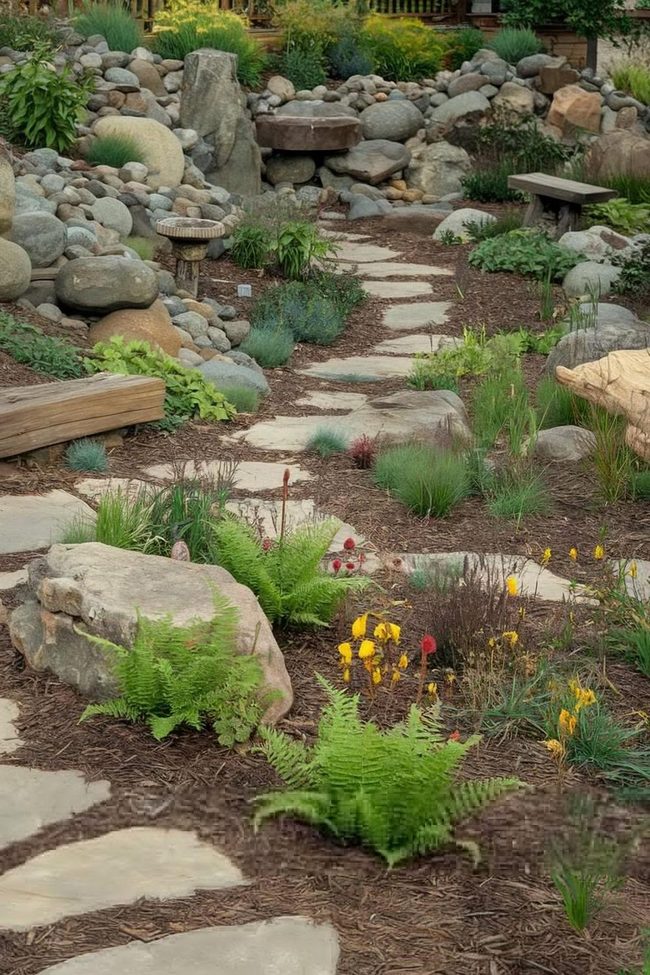
When you add small figurines and miniature wooden bridges throughout your rock terrace, you immediately get that storybook quality that makes people smile.
Creeping plants spread across and around the stones, filling in gaps and softening the hard edges.
You don't need much space to pull this off, since rock terraces work well in corners or small beds.
Positioning figurines at different heights keeps the eye moving and makes the scene feel more interesting.
Wooden bridges, even simple ones, add character and invite exploration of the miniature landscape.
The combination of stone, plant life, and small decorative pieces gives you a compact terrace that tells its own little story.
You could find this works especially well near a seating area where you can enjoy the whimsical visual cues up close.
Smooth Pebbles River Landscape
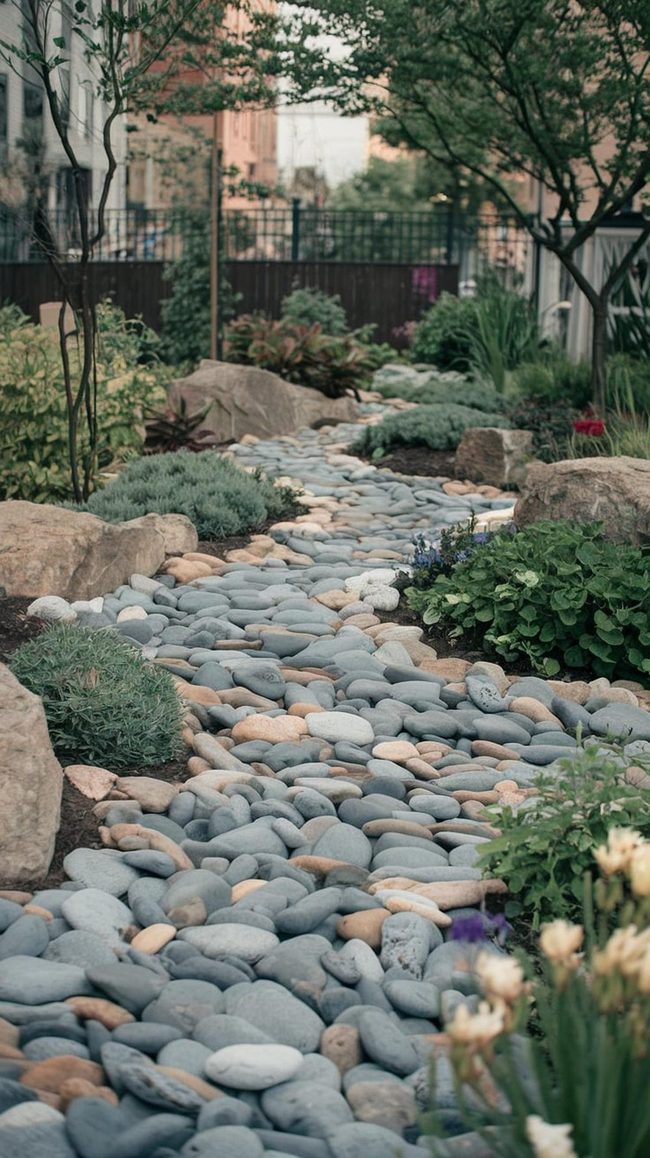
That dry riverbed constructed from smooth pebbles serves as both a striking landscape feature and a well suited to daily routines solution for managing water runoff in your yard, making it especially useful if you deal with soggy spots after heavy rain.
You can line the pebble bed with drought-resistant plants and place larger boulders throughout to give the whole setup an authentic, natural appearance.
Such a design works well in modern landscapes and traditional terraces alike.
We recommend using plants that thrive in dry conditions so you won't need constant watering.
Boulders of varying sizes add dimension and prevent the pebbles from washing away during storms.
Large rocks can anchor the edges while smaller stones fill the center, creating depth across the space.
Your yard gains visual interest while handling drainage problems at the same time.
Feathered Grasses Against Stone
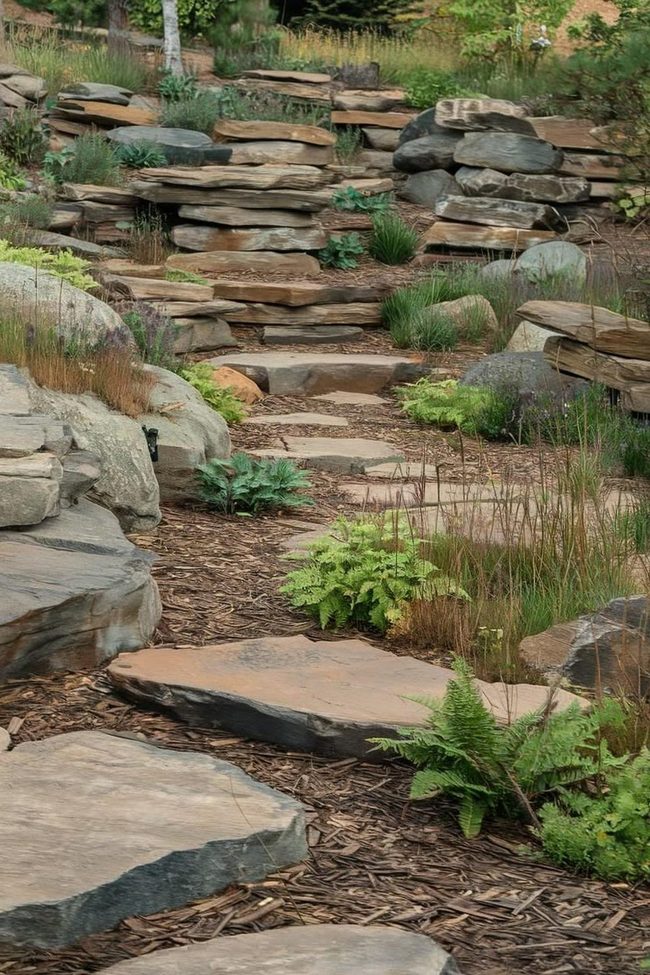
Ornamental grasses moving gently between stones bring a natural, flowing energy to your patio space, and tall varieties like feather reed grass work wonderfully against solid rocks to build interesting visual contrasts.
You can watch how these grasses sway in the breeze and shape a sense of motion that makes the patio feel alive.
Stones provide a strong, stable foundation that makes the grasses stand out even more when you look at the patio.
Layering different heights and textures between the rocks and plants keeps your eye moving across the whole design.
Maintenance becomes easier too since ornamental grasses and rocks need less care than traditional flower beds.
Setting up this kind of patio means you get a space that looks good year-round and requires minimal effort to keep looking fresh.
Mountain Stone Dwarf Plants
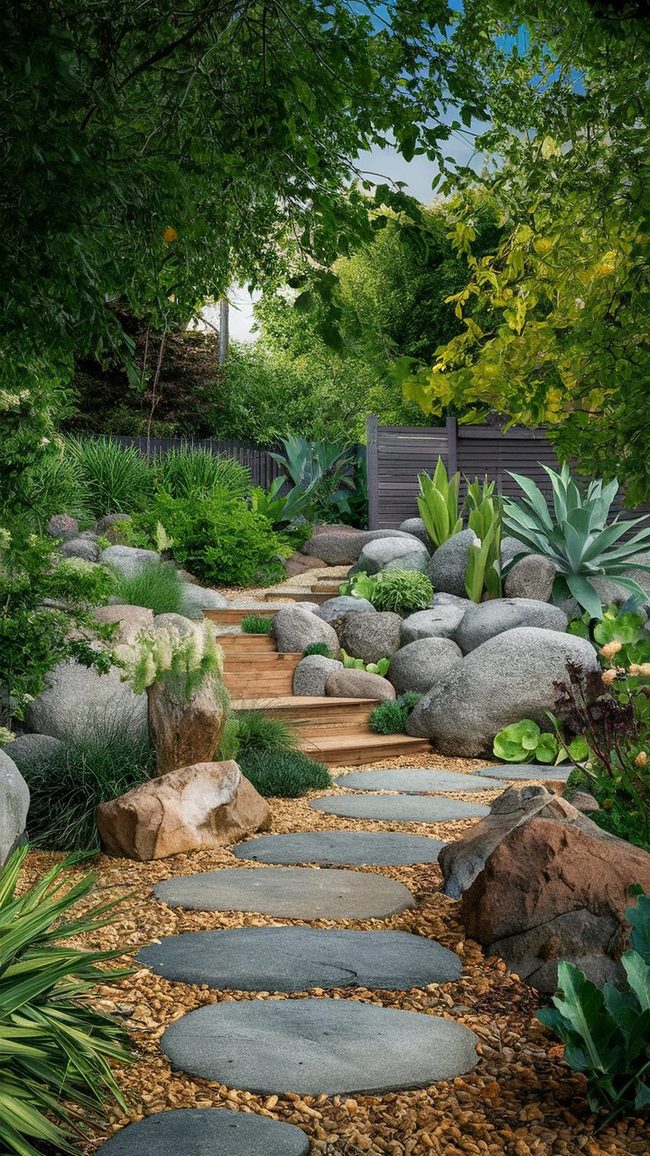
Building an alpine rock outdoor lets you capture the raw power of mountain terrain right in your yard, and combining dwarf conifers with hardy succulents and strategically placed boulders recreates that genuine high-altitude feel.
Most visitors immediately be aware of how these rocky arrangements resemble actual alpine landscapes, drawing attention through their striking elevation changes and stark beauty.
Dwarf conifers provide vertical interest and structure, while hardy succulents fill gaps with interesting shapes and colors that shift through the seasons.
Small boulders scattered throughout the space anchor the design and add authentic texture that makes the whole outdoor feel grounded.
Getting your soil composition right matters most because these plants need excellent drainage and rocky conditions to stay healthy.
You won't need constant watering or fussy maintenance since alpine plants are built to survive harsh mountain conditions.
Mix coarse sand, small gravel, and rocky soil together to give roots the perfect home for growth.
If you have a slope or raised bed in your yard, that spot works particularly well for this style since water naturally drains away and plants get better air circulation.
Stones Circle Fire Warmth
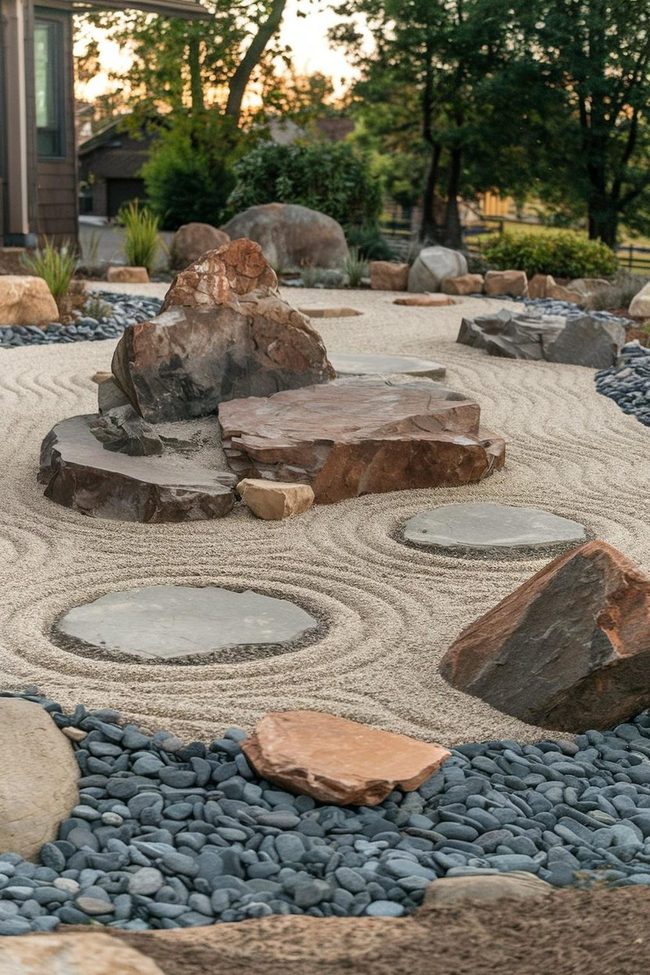
Your fire pit surrounded by rocks and plants makes a wonderful spot for sitting outside and enjoying warm evenings with others.
Big stones work well as natural seating that won't get damaged by heat, and you can arrange them in a circle around the flames.
Heat-resistant plants like yucca and ornamental grasses planted nearby add green touches without worrying about wilting from the warmth.
The tall grasses sway gently in the breeze and movement around your seating area.
These plants need little care once they're established and handle dry conditions well.
Rocks in different sizes scattered throughout the space give it texture and keep the whole area looking balanced.
You get both function and beauty since the stones serve as places to sit while the plants frame everything nicely.
This setup works for relaxing evenings or gathering with people you enjoy.
Raked Gravel Stone Landscape
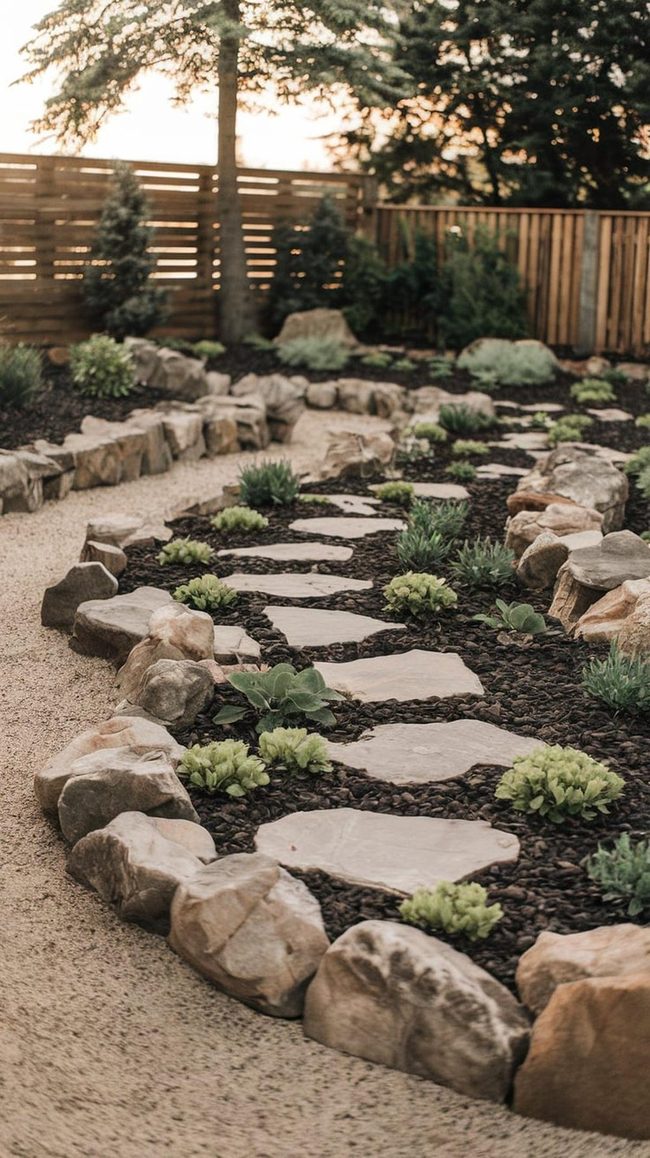
The Japanese rock garden draws your attention with its bold arrangement of large, weathered stones set against mindfully raked gravel patterns that seem to flow like water across the space.
Dwarf pines and low-growing plants fill in around these stone formations and add layers of green without overwhelming the design.
You can place a small stone lantern among the rocks to deepen the Japanese feel and give the garden an authentic touch.
Raking the gravel regularly becomes part of the meditative experience, and visitors often find themselves slowing down to appreciate the quiet simplicity.
Smooth boulders positioned at different heights form visual interest while keeping the overall look calm and uncluttered.
Minimal maintenance is one of the big bonuses because you're not constantly weeding or watering dense plantings.
Balancing stone, sand, and green elements gives the space a sense of harmony that feels both modern and ancient at the same time.
Poolside Pantry Bar Station
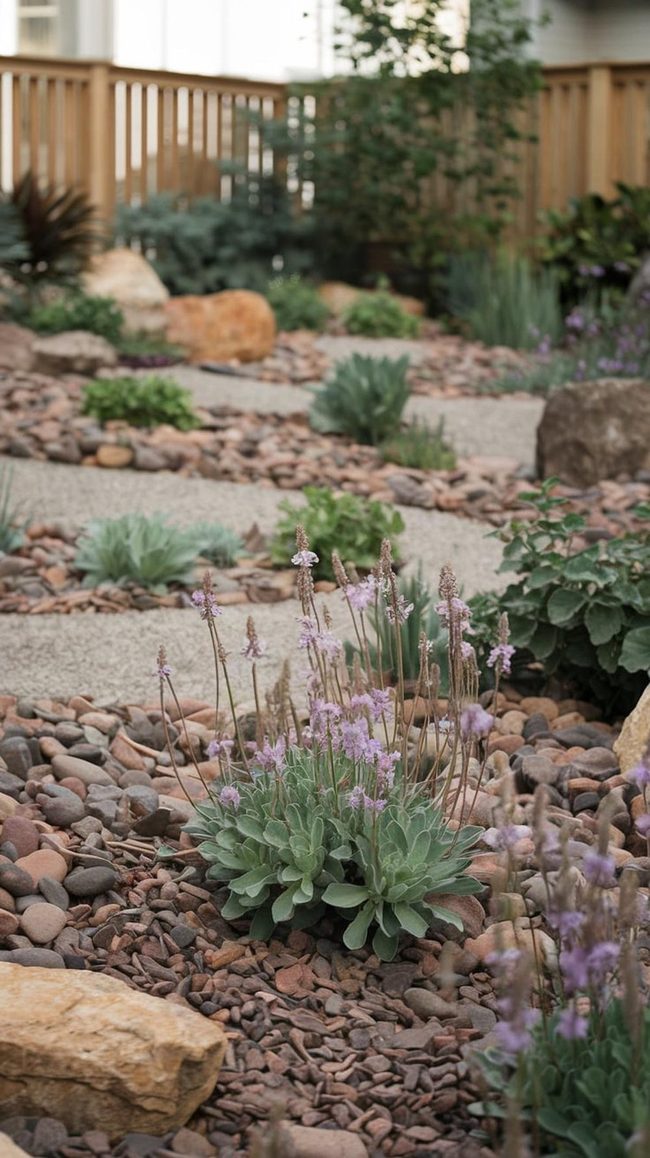
Rock borders offer a wonderful alternative to typical patio edging and work beautifully for marking pathways through your outdoor space.
Natural stones or polished pebbles introduce a charming boundary that feels right at home in any patio setting.
You are able to find that these rocky edges guide visitors along your paths while adding texture and dimension to the landscape.
Unlike conventional plastic or metal edging, stone borders blend seamlessly with plants and soil around them.
You can mix different sizes and colors of stones to match your existing plantscape or introduce contrast if you prefer.
Installing rock borders takes minimal effort and gives your pathways a grounded, natural appearance that lasts for years without needing replacement.
Flowing Fabric Pergola Shade
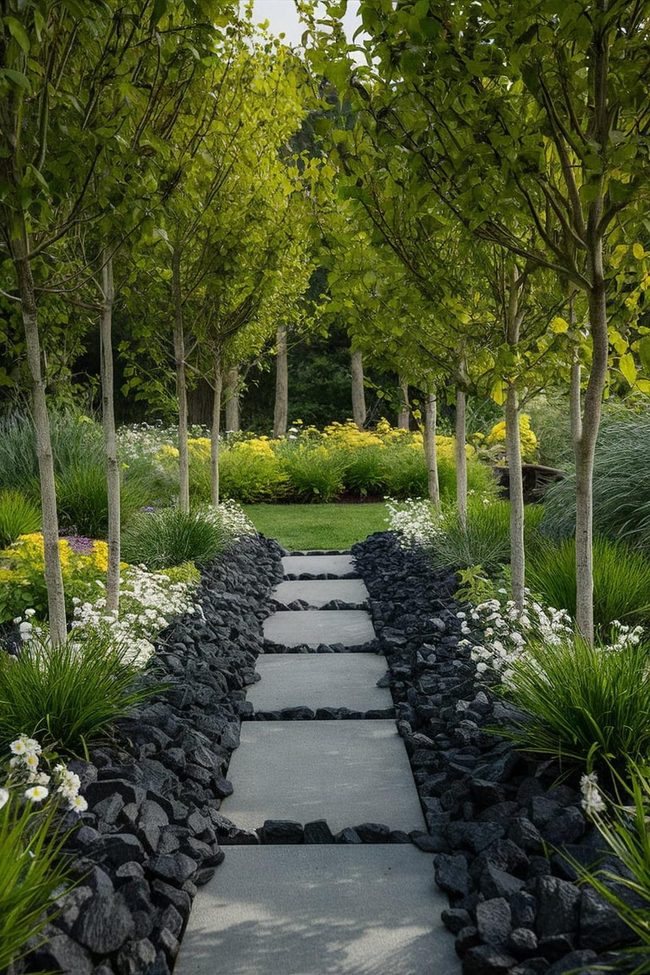
Rock patios thrive in cold climates when you stick with evergreen plants and hardy ground covers that stay green no matter what the season brings, and pairing these with frost-resistant stones means your space won't look bare and dreary during the winter months.
Placing low-growing conifers throughout gives you height variation without taking up much space, while creeping junipers and sedums fill in the gaps and handle freezing temperatures like champions.
Rocks themselves become part of the show during winter since plants pull back, so selecting stones in different sizes and colors adds interest when snow isn't covering everything.
You can also tuck in some winter berries or branches with colorful bark to break up the greenery and keep things from feeling monotonous.
Hardy ornamental grasses dried and standing upright bring movement and texture that catches pale differently as the season changes.
Once spring arrives and everything wakes up, your bones stay strong because the evergreens and stones already add structure and balance that works all year long.
Lavender And Echinacea Butterfly Haven
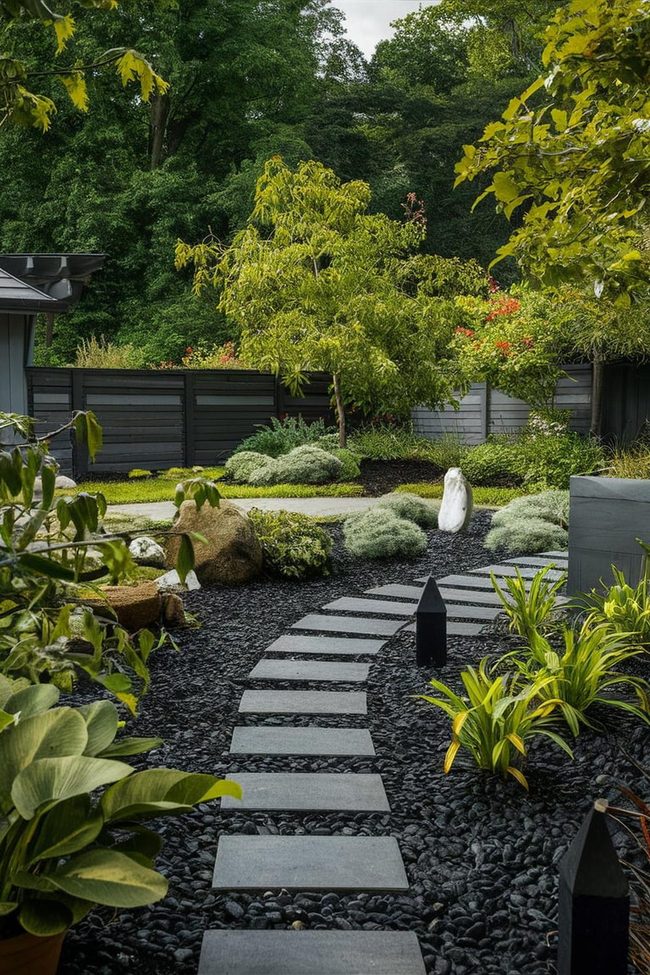
Butterflies and bees will flock to your rock terrace when you plant nectar-rich flowers like lavender and echinacea among the stones.
Both pollinators love these blooms and return again and again throughout the growing season.
We recommend spacing the plants so they're visible and easy for insects to access from all angles.
Lavender offers purple spikes that stand out against gray rocks, while echinacea brings pink or purple petals that catch the airy.
Rock terraces work well for these plants because the drainage keeps roots healthy and prevents rot.
You are able to watch the terrace come alive as colorful wings flutter from bloom to bloom on warm days.
It's simple to maintain once established and requires minimal watering once the plants settle in.
Over time, your space becomes a thriving habitat that supports local pollinators and brings natural movement and energy to your yard.
Poolside Sunken Seating Oasis
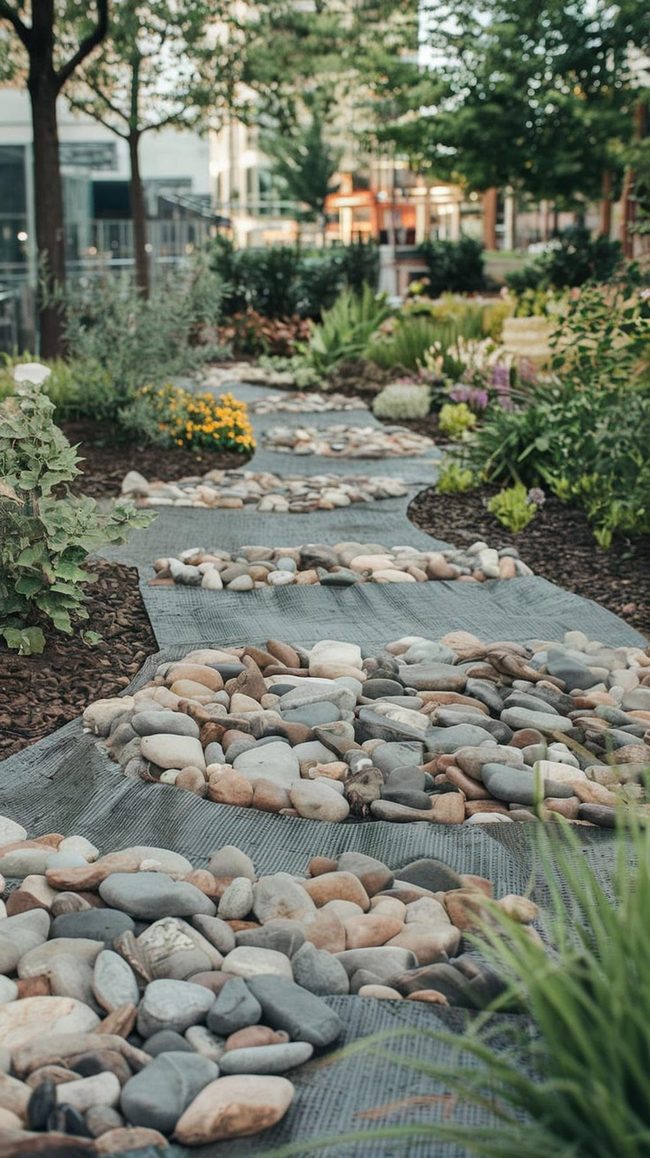
Positioning one large boulder as your patio's main statement piece makes an immediate impression, especially when you aim a spotwhimsical on it after dark for a dramatic nighttime effect.
You can place it where people's eyes naturally travel when they first enter the space, and the rock's size and shape will dominate the landscape on their own.
Night whimsicaling alters the boulder into something truly eye-catching and adds depth to your yard area.
If you want your company to be aware of the stone right away, clearing the surrounding space helps it stand out even more.
Pairing it with low-growing plants nearby creates nice contrast without competing for attention.
Rocks of unusual shapes or interesting textures work best for this purpose, so spend time finding one with real character.
This simple approach uses minimal effort and material while delivering maximum visual presence in any patio layout.
Stone Steps Through Green
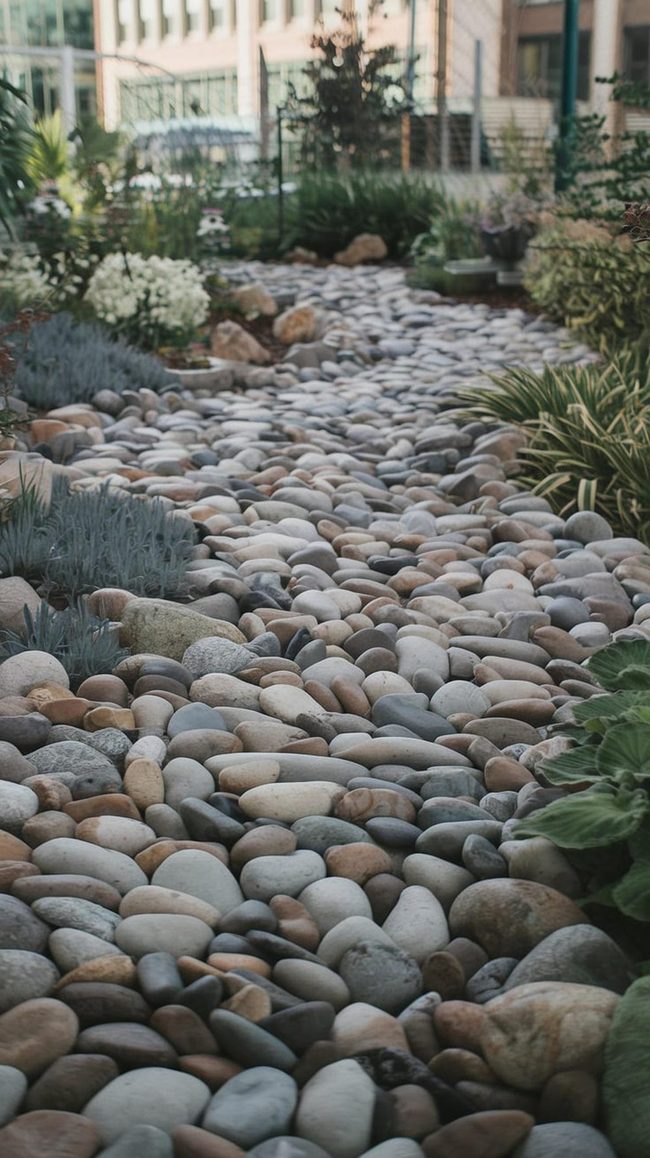
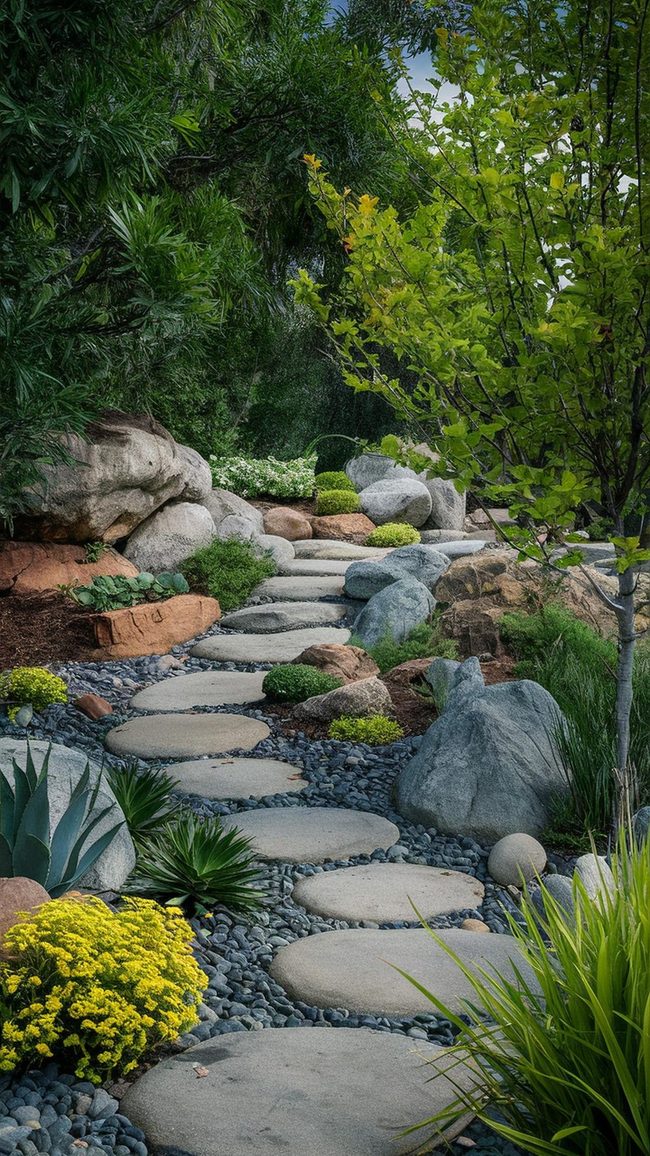
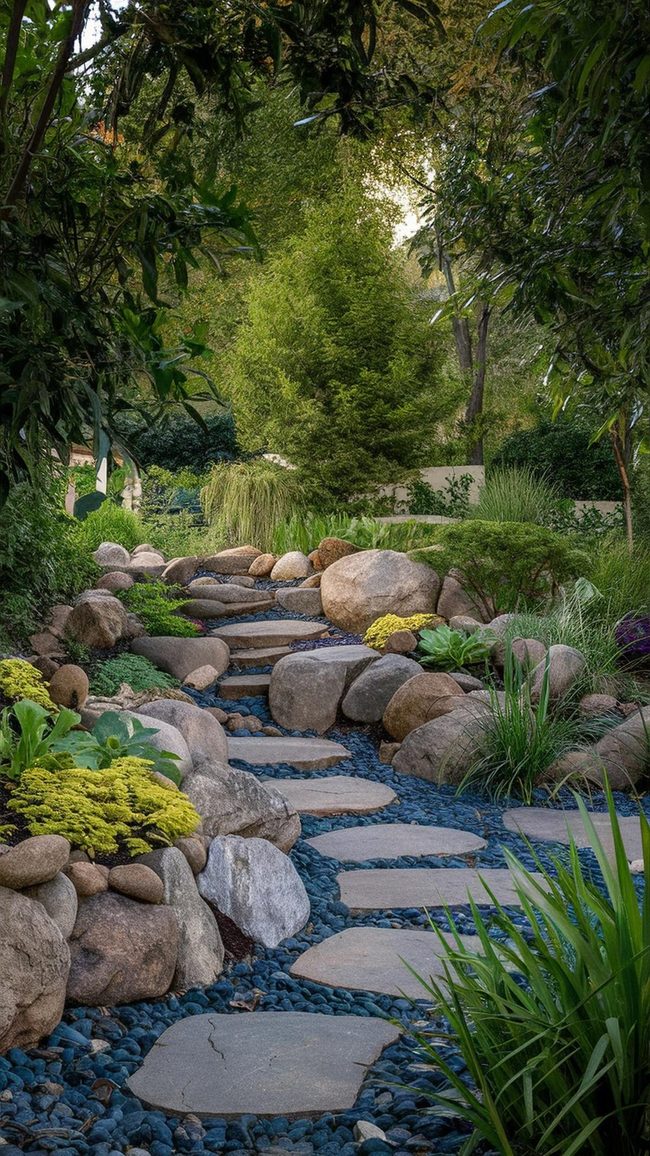
Natural rock steps built into a sloped yard can turn an ordinary pathway into something truly special, and arranging flat stones as your staircase gives the whole space instant personality.
Plant creeping ground cover on both sides of the rocks, and you could start to see a storybook quality emerge from what might have been just another steep section of your property.
Ground cover plants spill softly over the stone edges and fill in gaps between steps, making the whole thing feel less like a construction project and more like part of the landscape.
You can choose plants that spread easily and handle foot traffic, so they won't get damaged as people walk by.
Stone naturally weathers over time and gains moss and character, so your staircase becomes more interesting as seasons pass.
Ground covers require minimal care once established, which means less work for you down the road.
Building rock steps this way gives sloped yards real purpose and turns them into destinations rather than obstacles.
Wildflowers Against Stone
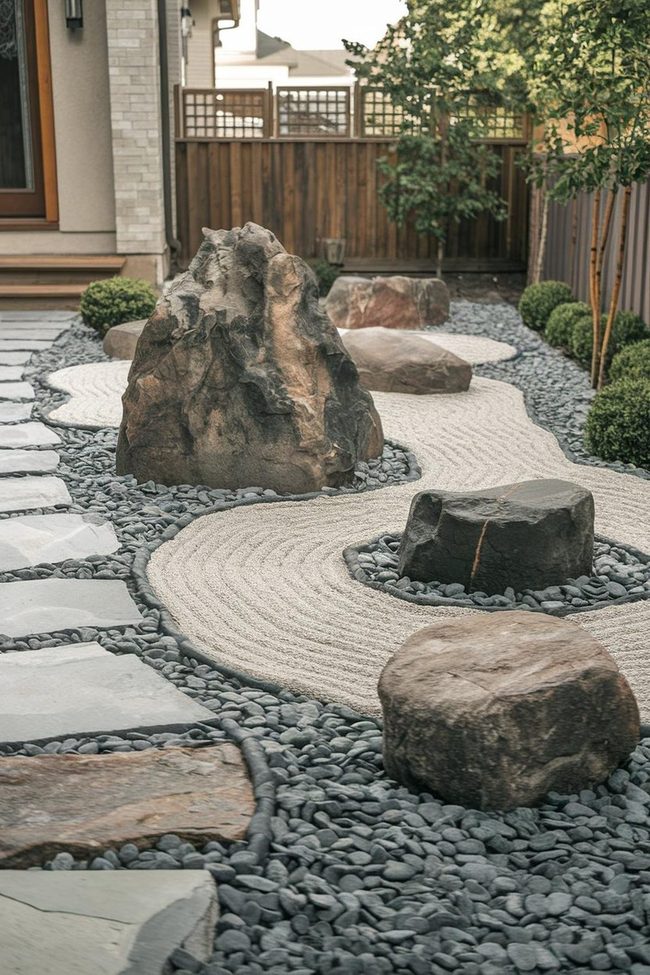
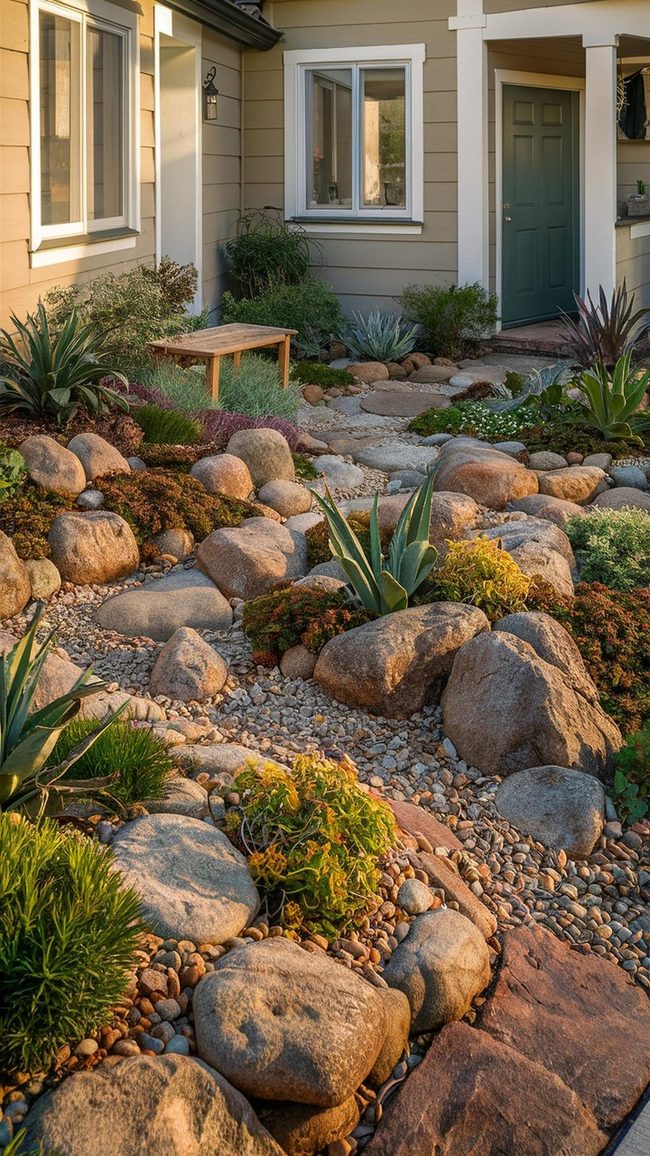
Rock outdoors filled with wildflowers give you a dramatic play of rough surfaces and understated petals that's hard to miss, and this combination makes for a landscape that really stands out.
Stones of varying sizes anchor the space while wildflowers in bold colors pop against the neutral tones of the rocks themselves.
You can scatter seeds across the rocky areas in spring and watch nature do most of the work for you.
Many wildflower varieties thrive in poor soil and need less water than traditional outdoors, which means less time spent watering and more time enjoying the space.
Layering different bloom heights creates visual interest throughout the seasons, so something is always flowering.
Stone pathways winding through your outdoor add both function and charm without overwhelming the natural feel.
Getting one started is simple, just clear a patch of land, add some rocks, and let the wildflowers take over from there.
Backyard Lazy River Float
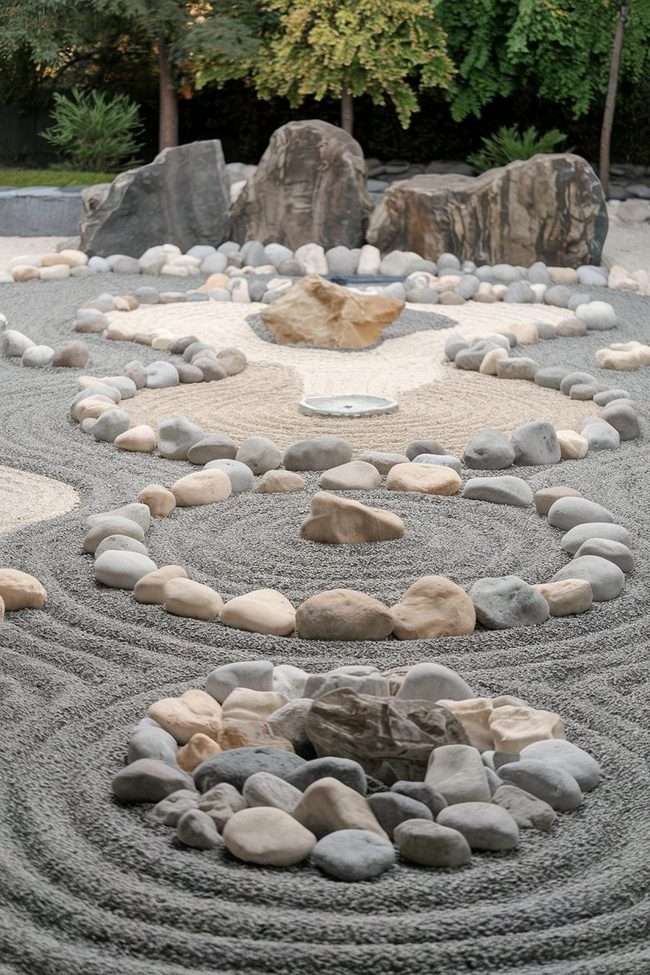
Driftwood and rocks work beautifully together when you want to build a coastal rock patio that feels like the beach itself.
Large pieces of weathered maple scattered among smooth and jagged stones bring that authentic seaside feeling right to your outdoor space.
We recommend mixing different sizes and textures of rocks with the driftwood to keep things interesting and natural-looking.
You can arrange everything to flow like a shoreline, with taller driftwood pieces creating height and smaller stones filling in around them.
Sand or gravel spread between the rocks adds another layer of beach authenticity and makes the whole patio feel grounded.
Airy-colored stones paired with gray driftwood look especially good together and remind you of waves and weathered timber.
This combination needs very little maintenance once it's set up, so you get a relaxing coastal vibe without much fuss.
Black Lava Rock Succulent Bed
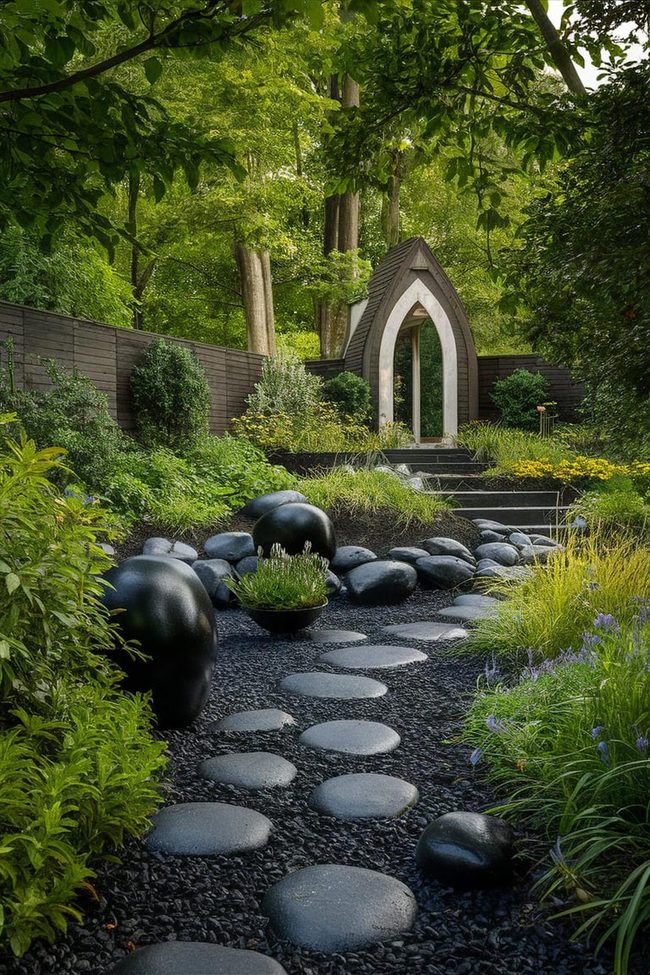
Lava rocks bring dramatic dark tones and rough surfaces to your outdoor space, making them stand out against green plants and low-maintenance succulents in ways that most other landscaping materials simply cannot match.
Black varieties build bold contrast with flowering plants, while red lava rocks warm up yard beds and pair beautifully with silver-leafed succulents.
You can arrange them in clusters around plant bases to add visual interest without requiring much upkeep.
Mixing different sizes of lava rocks prevents your yard from looking flat or one-dimensional.
They also work well in pathways or as borders between yard sections since they won't deteriorate like mulch does over time.
Pairing lava rocks with drought-tolerant plants means you spend less time watering and more time enjoying your landscape design.
Herbs Growing Through Stone
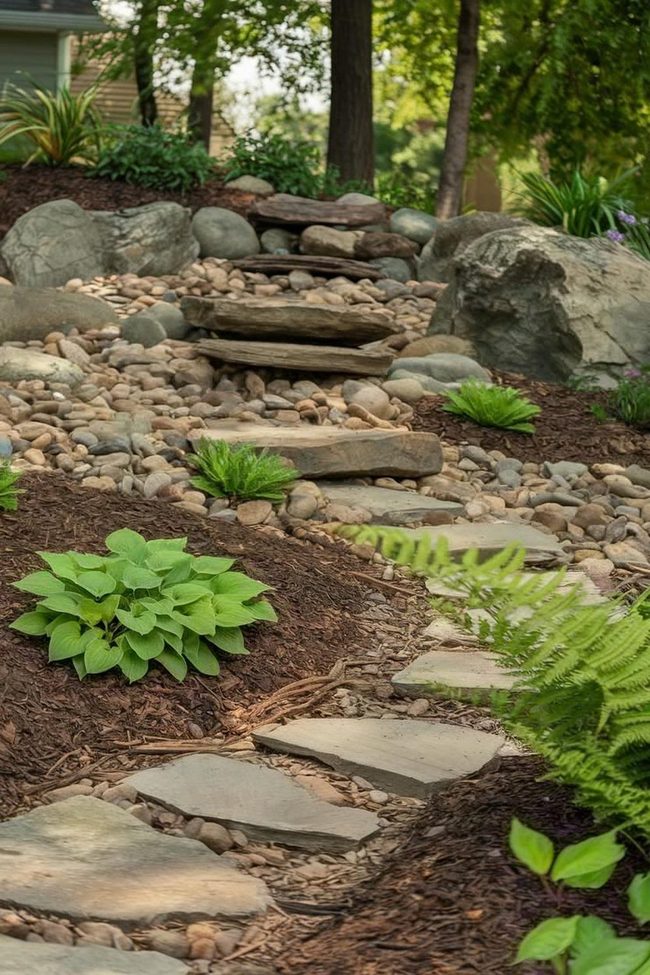
You can blend usefulness with natural beauty by scattering herbs such as thyme, oregano, and rosemary throughout your rock terrace, and these tough little plants do wonderfully in rocky soil while giving you fresh seasonings right at your fingertips for cooking.
Growing edible plants among stones looks striking because the green foliage contrasts sharply against the gray and tan rocks.
Your terrace becomes a living pantry that rewards you with harvests throughout the seasons.
Stone pathways between plantings let you easily reach your herbs for snipping what you need.
Hardy Mediterranean herbs handle dry conditions well and need minimal fussing once they settle in.
This setup means fewer trips to the grocery store and fresher flavors in your meals.
Houseguests often find it refreshing when they discover edible plants tucked into a landscape design.
Colorful Succulents Among Desert Stones
Planting succulents among large stones makes a rock garden that stands out and needs very little water, making it both beautiful and functional for your yard.
You can choose from so many varieties with different colors and shapes, and they look wonderful when mixed with the rough texture of rocks around them.
Succulents come in shades of purple, pink, orange, and green, so you have lots of options to play with and build the look you want.
Every type of succulent brings its own personality to the space, from tall ones to spreading varieties that fill in gaps nicely.
When you arrange them with bigger stones, the contrast between the plants' smooth, rounded forms and the hard, jagged rocks becomes really noticeable.
Gardens like these work well in sunny spots where other plants might struggle, and they handle heat and drought naturally.
If you want a landscape that looks interesting and doesn't demand much from you, this pairing gives you both in one straightforward setup.
Mosaic Waterline Tiles Pop
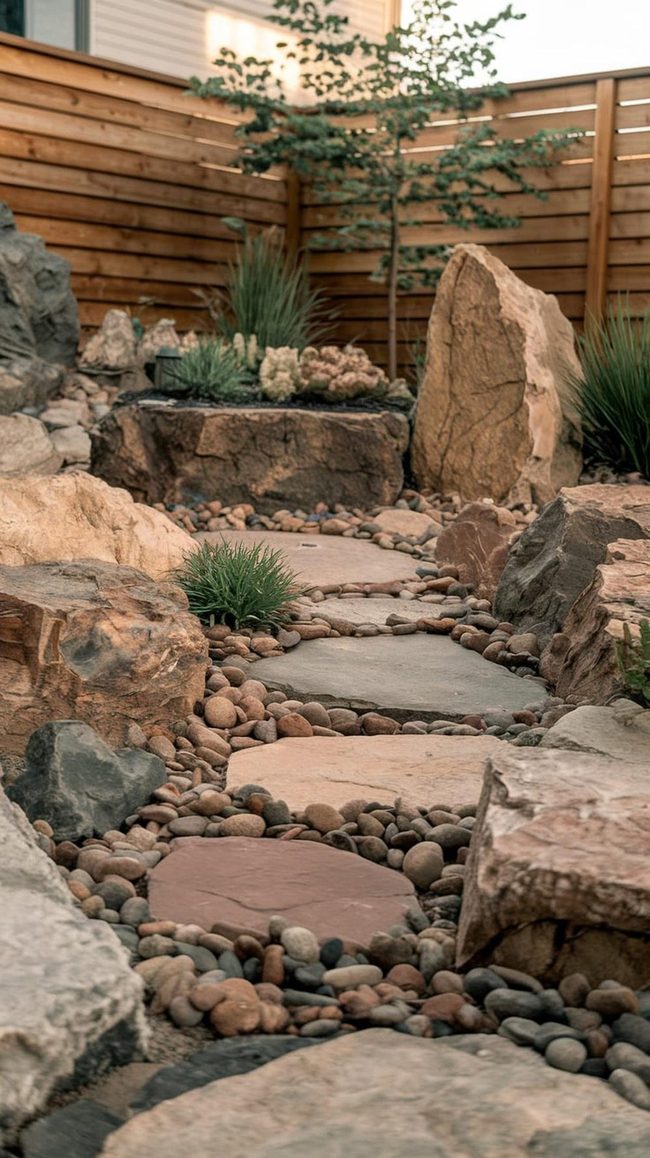
Arrange sand-colored rocks and drought-resistant plants like agaves and cacti across your space to bring that arid desert landscape indoors, and scattered driftwood pieces will add a natural, weathered quality to the display.
Large boulders become statement pieces that dominate the visual landscape, while smaller stones fill gaps and build depth throughout your arrangement.
Cacti with their dramatic spines and unique shapes command attention right away when you first look at the scene.
Agaves contribute interesting texture and sculptural forms that complement the rocky terrain perfectly.
Driftwood adds organic lines and a sense of movement that keeps the composition from feeling static.
Low-maintenance plants make this setup ideal if you want something beautiful but don't have time for constant watering.
Your space will reflect the quiet beauty and rugged character of desert environments.
Michael Harris
Senior Content Editor
Expertise
Home Décor Content Creation, Interior Design Journalism, Editorial Oversight, Digital Media Strategy, Team Leadership and Mentorship
Education
University of Queensland, Brisbane, Australia
Queensland University of Technology (QUT), Brisbane, Australia
Michael Harris is the senior content editor at Archi Refresh, where he turns home design trends into engaging, easy-to-follow articles. With a journalism degree from the University of Queensland and a digital communication certification from QUT, he knows how to craft content that informs and inspires.
With over 10 years of experience in lifestyle and design media, Michael has shaped editorial strategies, mentored writers, and helped readers refresh their spaces with practical tips. His work blends storytelling with expert advice, making home decor more accessible to everyone.
Outside of work, Michael enjoys DIY projects, exploring Brisbane’s art scene, and teaching digital literacy workshops.