
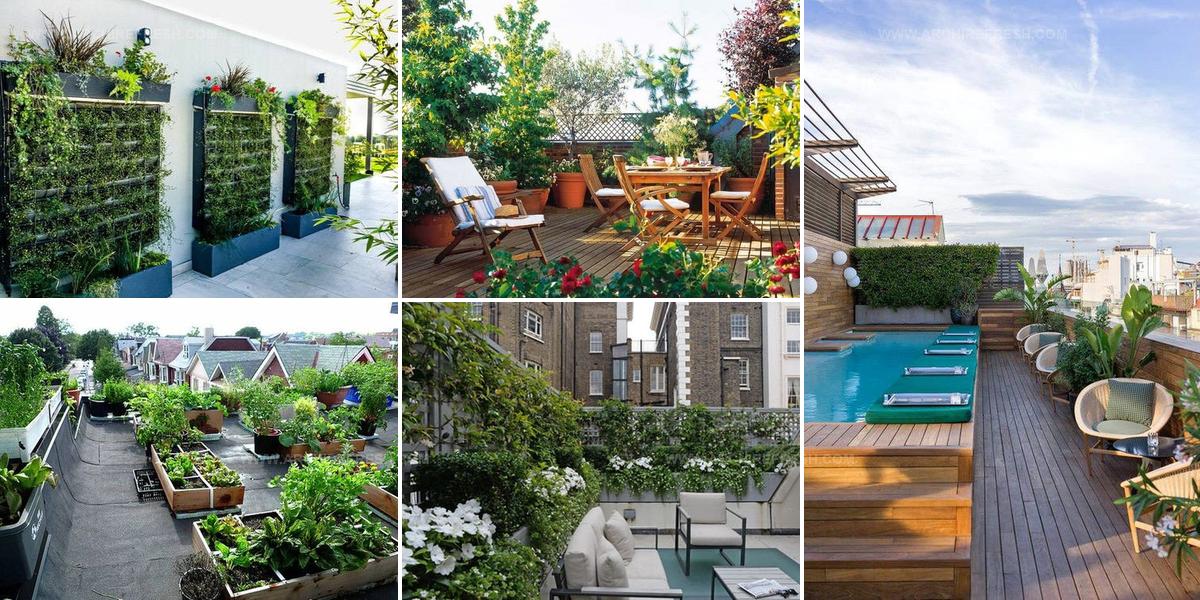
15 Rooftop Garden Design Ideas That Create Urban Oasis Spaces
Rooftop garden design opens up valuable outdoor space that many urban dwellers overlook in their daily lives.
Growing plants above ground level brings nature closer when traditional yards remain out of reach for apartment and condo residents.
Successful gardens in elevated locations require careful attention to weight limits, drainage systems, and wind exposure that differ from conventional planting areas.
Container selections, soil depth, and plant varieties all play crucial roles in establishing thriving greenery several stories high.
Weather conditions become more intense at higher elevations, so choosing hardy specimens ensures long-term success without constant replacement costs.
Smart layouts balance aesthetic appeal with practical maintenance access, making upkeep manageable rather than overwhelming.
Rooftop Bar And Gathering Kitchen
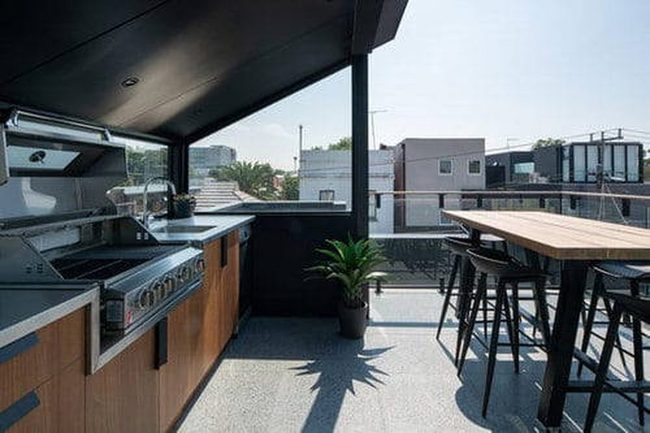
Rooftop sitting areas come alive when you combine comfortable seating with thoughtful design, and the real transformation happens when you add an outdoor kitchen or barbecue zone that makes entertaining effortless and draws people together naturally.
Plants scattered throughout your space bring life to hard surfaces and soften the overall look, while a small bar or cooking station becomes the heart of weekend gatherings where people naturally want to spend time.
Modular seating lets you adjust arrangements based on who visits and how many people show up, so your space works for intimate dinners or larger group hangouts.
Weather-resistant materials keep everything looking good season after season without constant maintenance.
Strategic lighting transforms your rooftop once the sun sets, letting you enjoy the space well into the evening and making those outdoor moments feel special and relaxed.
Rooftop Garden Lights Safety
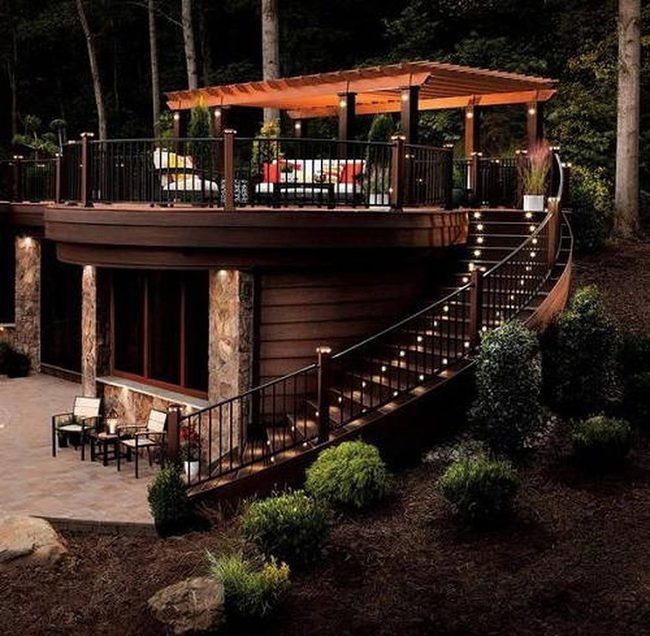
Rooftop garden lights completely transform evening outdoor spaces with strategic illumination that expands how your space feels and keeps people safe, and you'll find that thoughtfully placed fixtures around stairwells and entryways prevent accidents while adding atmospheric depth to the area.
Landscape lights tucked among your plants cast interesting shadows across garden surfaces and change the mood as the sun sets.
Low-voltage LED options work well for energy efficiency and last a long time, and solar-powered pathway markers guide movement across your rooftop zones without needing complex electrical work.
Dimmable fixtures let you shift the mood from an intimate dinner setting to a lively gathering by simply adjusting brightness levels.
Waterproof electrical equipment holds up through rain and changing seasons, so your investment stays functional year after year.
Where you position your lights matters most when planning your garden setup, and getting this right means you get both beauty and safety working together in your outdoor room.
Rooftop Garden Flooring Materials Guide
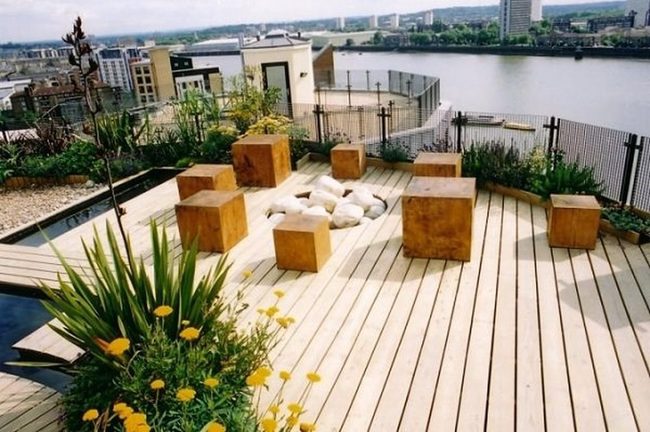
Concrete pavers and stone surfaces form the visual foundation of your rooftop garden, delivering durability and classic style that stands up to harsh weather and creates texture underfoot.
Wooden decking brings warmth and natural appeal to elevated spaces, offering that relaxed feeling where you actually want to spend time.
Modern designs often benefit from tiles because they work well in minimalist settings and make cleanup simple.
Rubber flooring deserves consideration if you want safety and comfort built into your garden sanctuary.
Gravel and other budget-friendly materials can suit different garden styles while handling water drainage effectively.
What matters most is matching your choice to your budget, your local climate, and the overall theme you're going for in your space.
Each option has strengths, so we recommend walking through what matters most to you before deciding.
Glass Walls Expand Tiny Rooftops
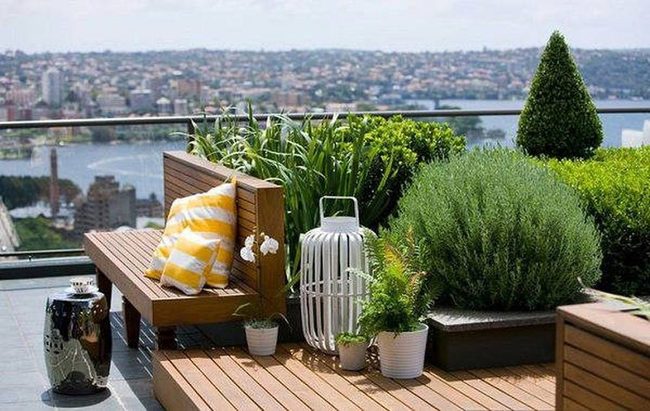
Rooftop gardens transform limited spaces into expansive outdoor rooms by swapping solid walls for glass barriers that let you see straight through to city views and landscape horizons, and this transparent approach makes even small areas feel dramatically larger and more open.
Minimalist design keeps visual clutter to a minimum, so fewer items mean more breathing room and a stronger sense of space around you.
Lightweight furniture and compact planters nestle into corners and edges without hogging valuable square footage, while vertical gardening lets plants climb walls and stack upward in multiple layers instead of spreading across the ground.
Light-colored surfaces bounce brightness around, and reflective materials amplify this effect so your rooftop feels naturally brighter and airier.
Plants with different heights and textures add depth and interest without crowding the garden, and you can position them strategically to frame views and guide your eye toward the best sightlines.
Green Rooftops Over Gray Concrete
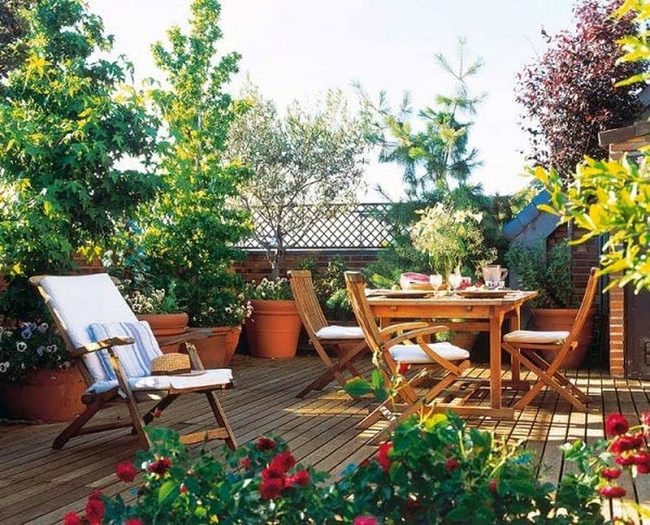
Tall rooftop gardens turn bare concrete expanses into lush green spaces by using strategic plant selections that make the most of unused urban areas.
Large trees and substantial shrubs transform empty rooftops into verdant retreats and offer real presence in the landscape.
Bamboos and ornamental grasses build elegant vertical layers without demanding much upkeep, and they add textural variety to compact outdoor zones.
Native grasses work alongside taller woody plants to keep the space interesting and layered.
Beyond looks, these plant choices also block views of neighboring buildings and give you natural privacy barriers that feel like genuine separation from the surrounding city.
Selecting hardy species matters because rooftops expose plants to intense wind and direct sun, so picking varieties that handle these conditions keeps your garden thriving.
Lightweight containers and proper soil mixes support healthy root systems for the bigger plant varieties you want to grow up there.
Indigo Neutrals Frame Living Rooftop
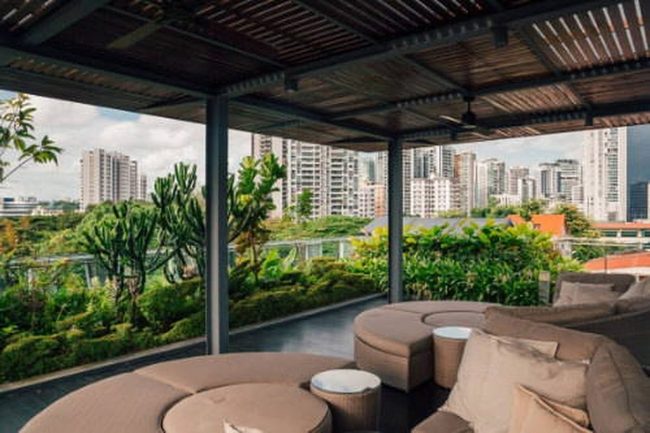
Choosing the right colors for your rooftop garden makes plants look their absolute best and keeps everything feeling balanced and calm.
Limiting yourself to just three colors maximum gives you that clean, polished look without overwhelming the space.
Pairing one strong accent color with neutral tones creates something truly elegant up there.
Whites, grays, beiges, and indigo shades work perfectly as background colors because they let your greenery shine and become the real star of the show.
When you choose your colors strategically, you avoid visual mess and actually make smaller spaces feel bigger and more organized.
Neutral backgrounds step back and let plants take center stage, so your garden feels intentional and peaceful.
Balancing color, texture, and plant choices together gives you that satisfying outdoor space you'll want to spend time in.
Climbing Roses Hide Rooftop Views
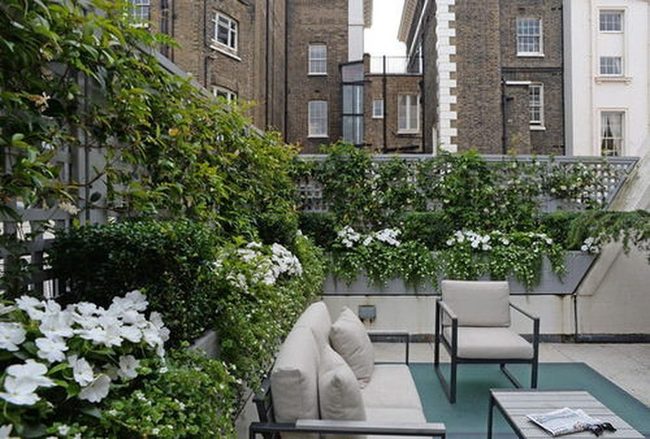
Privacy screens bring instant character to rooftop gardens, and climbing roses weave beautiful green barriers across exposed spaces while clematis vines offer lush natural coverage for open terraces.
Dense ivy plants quickly spread across structures to block neighboring views, and bamboo screens provide instant visual separation along with design appeal.
Green walls transform bland areas into intimate outdoor retreats where you can relax away from prying eyes.
Strategic plant placement helps shield your personal garden sanctuary, especially when you combine wooden frames with climbing plants to build vertical green boundaries.
Your rooftop becomes a peaceful escape instead of an exposed spot.
Mix and match these options based on your space and style preferences.
Tropical Rooftop Pool Escape
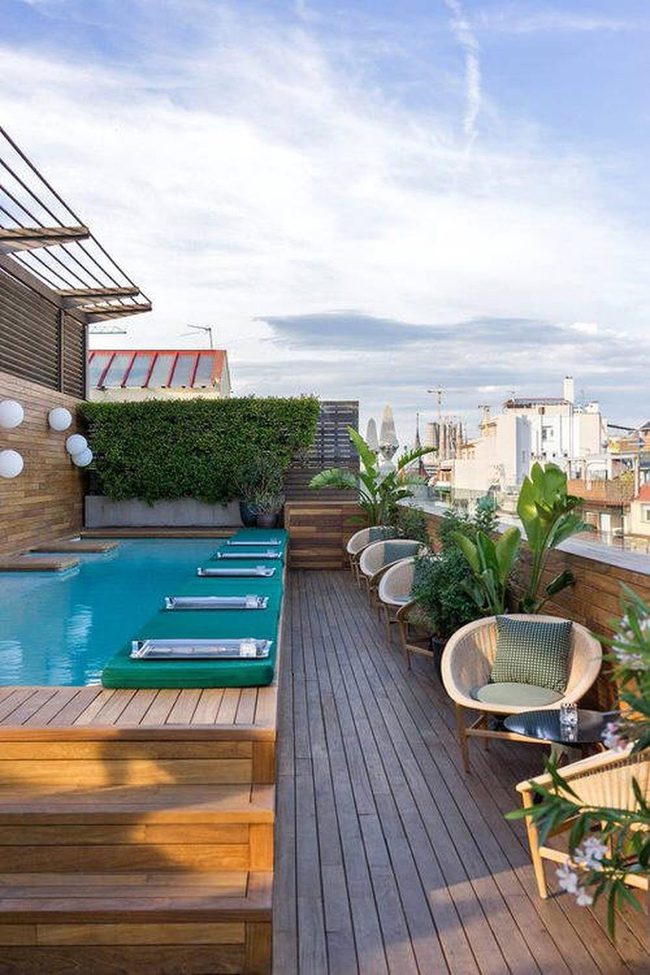
Compact rooftop pools deliver luxury and refreshation to urban spaces, with water features serving as both cooling visual elements and sensible design choices for smaller areas.
Lush tropical plants positioned around pool edges create natural boundaries while you enjoy green perspectives from the water, and smart landscaping decisions help transform modest outdoor zones into personal retreats.
Lightweight pool designs fit perfectly on smaller surfaces when you plan strategically, since many rooftop areas can support these refreshing water features without structural concerns.
Container gardens filled with vegetation enhance the pool surroundings and maximize limited square footage through compact tropical selections.
Simple planning and vegetation choices bring nature close to your pool experience, and the combination of water and plants changes how you use these tight urban spaces.
Urban Rooftop Vegetable Gardens
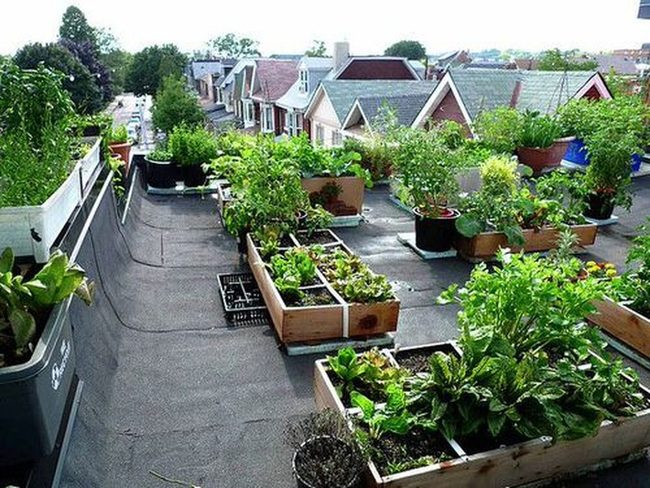
Rooftop homesteading transforms those empty urban spaces above your head into productive gardens that yield fresh vegetables and herbs right where you live.
Small garden plots and compact containers turn unused rooftop areas into thriving green zones that maximize every inch of available space.
Vertical gardening techniques let you stack multiple crops on top of each other, so you grow way more food in tight city environments than traditional ground gardens allow.
Raised beds work especially well at height and make tending your plants easier without bending down constantly.
Simple drip irrigation systems keep everything watered without needing complicated plumbing or constant manual work.
Success depends on understanding how much sunlight hits your roof throughout the day and where the wind blows strongest, since these factors shift how well your plants perform.
Lightweight soil mixes and smart plant choices ensure your urban garden stays healthy and productive, delivering homegrown meals that taste far better than store-bought options.
Vertical Blooms Small Spaces
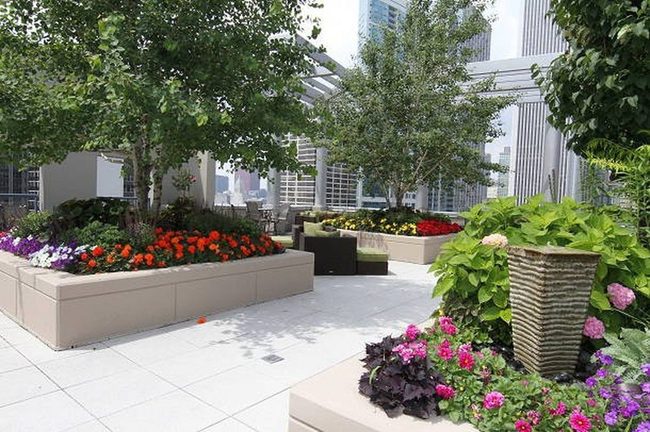
Rooftop gardens burst with color when you blend warm and cool tones together, and this balance creates real harmony even in tight spaces.
Layering plants at different heights and mixing trees, shrubs, foliage, and annuals gives depth to your small square footage.
Placing colorful blooms against green leafy backgrounds makes flowers stand out far more than they would alone.
You can guide people's eyes through your garden zones with smart color combinations that feel natural and flowing.
Mediterranean and tropical plants thrive in urban rooftop settings, so choosing the right varieties matters for success.
Strategic plant placement transforms a modest terrace into something lush and green without needing much room.
Varying your textures and keeping heights different across the space maximizes what you have to work with.
Lightweight Rooftop Dining Setup
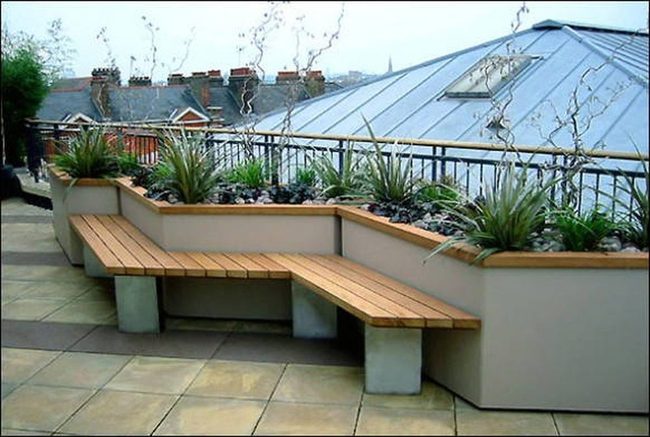
Rooftop gardens need furniture that transforms an elevated space into a genuine outdoor room, and lightweight chairs and tables prove essential when you're working with height and wind exposure.
Comfortable seating arrangements define how you'll actually use the space and set the mood right away, whether you're relaxing alone or gathering with others.
Modular pieces give you flexibility to shift things around for different activities, so a setup that works for dining can become a lounge area when you need it.
Weather-resistant materials matter because your investment sits exposed to sun and rain, and durability keeps everything looking good season after season.
Small dining sets fit nicely into compact rooftop spaces and create intimate spots where you can enjoy meals surrounded by greenery.
Neutral colors blend naturally with plants around you and let the garden's green tones remain the star of the scene.
Green Walls Transform Rooftop Spaces
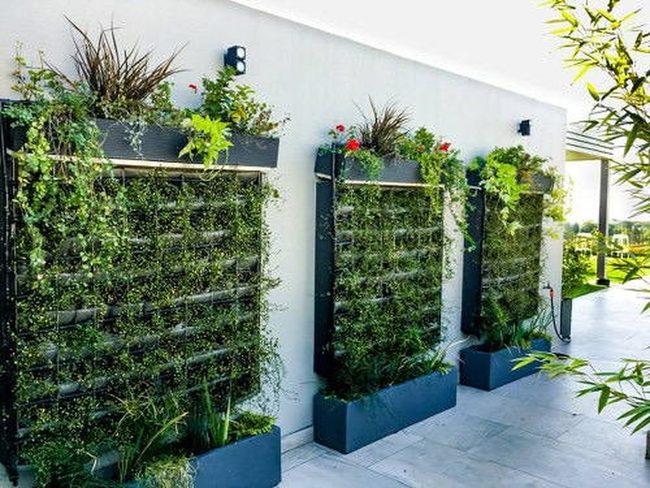
Vertical gardening turns rooftop spaces into lush green landscapes by stacking planters on walls and railings while training climbing plants to grow upward.
Green walls pack a visual punch and open up surprising amounts of room for growing things you might not have space for otherwise.
Hanging containers break up the flat monotony of terraces and stack layers of greenery at different heights.
Climbing vines like jasmine, ivy, and morning glories blanket bare surfaces with thick, textured foliage that feels alive.
Metal trellises hold lightweight vines steady and add a sleek backbone to your design without taking up ground space.
Compact herb gardens fit perfectly into vertical setups, so you can snip fresh basil or mint whenever you need it.
Cascading plants spill over edges and soften the harsh lines that come with urban rooftops and hard architectural features.
Rooftop Focal Points Water Fountains
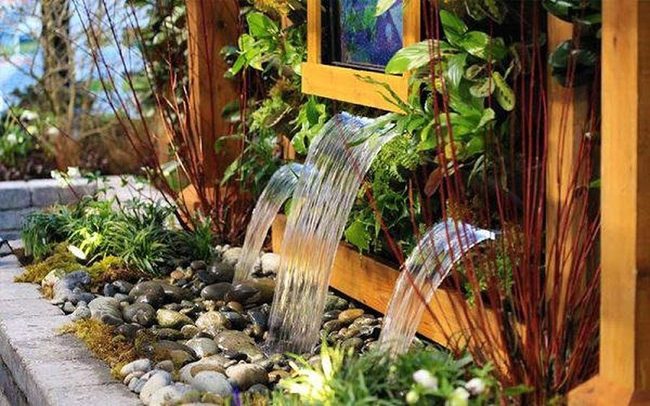
Placing a striking water feature or sculptural statue in your rooftop garden immediately captures attention and transforms the space into something special.
Fountains bring soothing sounds to the area while also serving as a centerpiece that draws the eye naturally.
Tall architectural plants or unique sculptures break up the visual monotony and give your rooftop real personality and character.
Container plant arrangements positioned strategically work just as well as focal points if you have limited space to work with.
Vertical elements like these add dimension to compact areas and prevent the landscape from feeling flat or boring.
These distinctive touches turn an ordinary elevated garden into a personal retreat where you actually want to spend time.
Strategic positioning of even one or two key pieces can completely shift how the entire garden feels and looks.
Layered Green Heights Above City
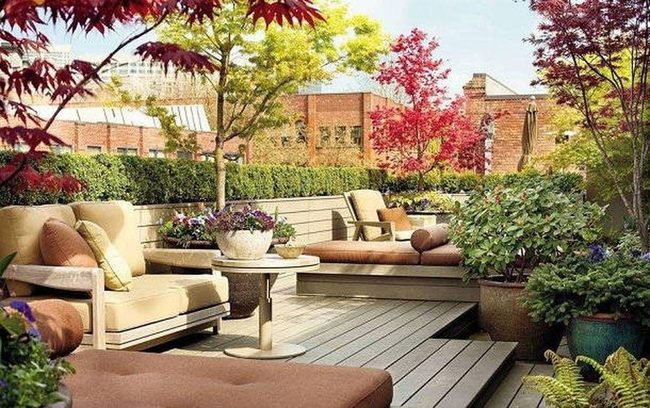
Rooftop gardens transform limited urban spaces into layered green landscapes by mixing plants of different heights and textures that prevent dull, repetitive designs and add visual interest across the elevated area.
Container variety plays a central role here because different sizes provide the contrast you need while also letting various plants flourish in their own space.
Strategic sizing creates depth as you move through the space, making even compact areas feel more dynamic and thoughtful.
Choosing the right containers directly affects how well your plants survive and how sustainable your garden becomes over time.
Plant selection matters greatly too because you want each species to get the sunlight it needs and thrive in that compact setting.
Mixing heights and textures across your rooftop keeps the whole garden from looking flat or boring and strengthens the overall appeal of your space.
Elevated Wooden Frames Urban Rooftop
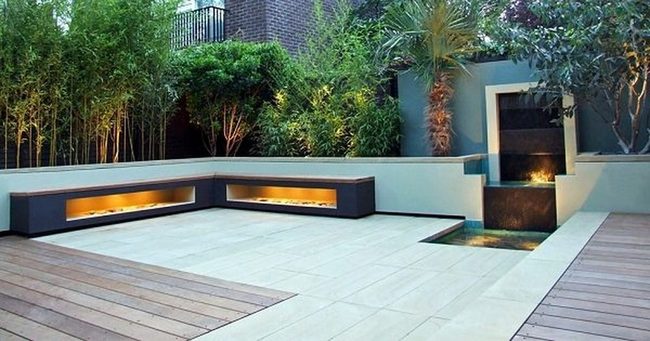
Raised beds with wooden or metal frames transform rooftop gardens by giving you smart growing spaces that make the most of limited urban areas, and concrete structures work well for taller plants like shrubs and small trees that you might want to include.
Positioning these beds near roof walls helps you organize your plants and maximize every growing zone available on top of your building.
Protecting your roof matters just as much as growing your plants, so waterproofing membranes sit underneath to shield surfaces from root damage and keep your investment safe.
Slightly elevated designs prevent roots from pushing down into delicate roofing materials and causing expensive problems down the line.
You'll find that combining good structure with proper planning gives you a space where plants thrive and your roof stays protected.
Olivia Martinez
Founder & Principal Designer
Expertise
Sustainable Interior Design, Residential and Commercial Space Planning, Historic Preservation and Adaptive Reuse, Custom Furniture Design, Project Management
Education
Parsons School of Design, New York, NY
LEED Accredited Professional (LEED AP)
Olivia Martinez is the founder of Archi Refresh, where she brings style and sustainability together. With a degree from Parsons School of Design and a LEED certification, she’s all about creating beautiful, eco-friendly spaces.
With over eight years in the industry, Olivia has designed everything from cozy homes to commercial spaces, always putting function and sustainability first. She loves working with local artisans and has been featured in design publications for her fresh take on green living.
When she’s not designing, Olivia enjoys exploring historic architecture, painting, and spending time with her rescue dogs, Luna and Max.