
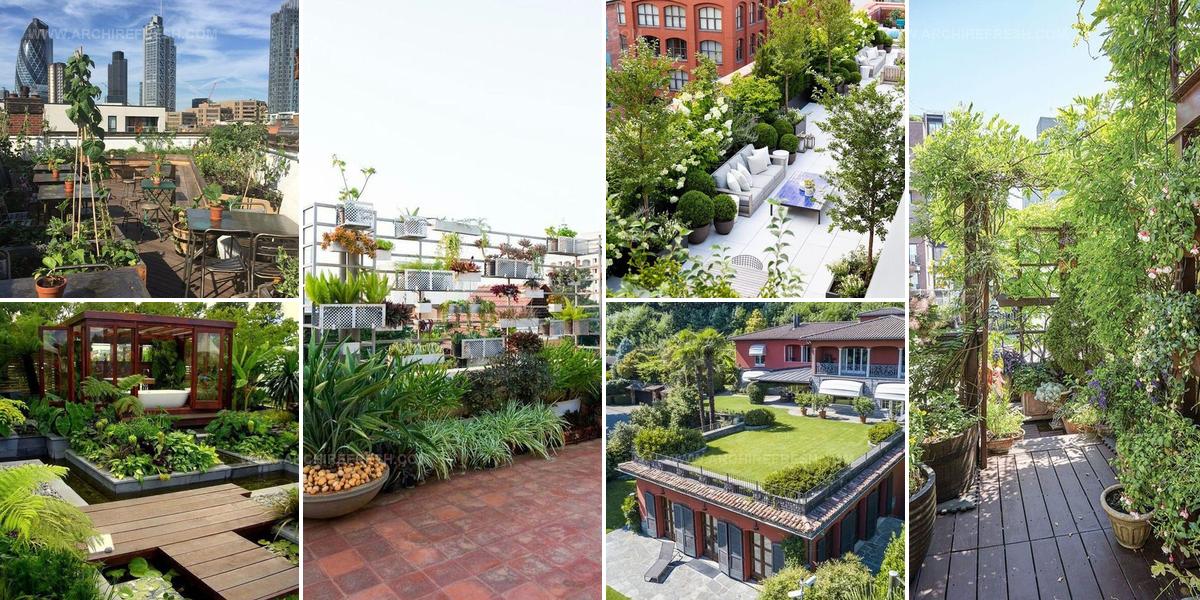
69 Simple Rooftop Garden Ideas That Actually Work
Rooftop gardens offer city dwellers an incredible chance to reconnect with nature while maximizing unused space above ground level.
Converting a bare concrete surface into lush greenery brings environmental benefits and personal sanctuary rolled into one accessible location.
Whether living in a cramped apartment or managing commercial property, vertical growing spaces provide fresh air, reduced energy costs, and beautiful surroundings that make urban life more enjoyable.
Container plantings, raised beds, and vertical structures can flourish even in challenging conditions with proper planning and maintenance.
Privacy screens made from climbing plants create secluded retreats where relaxation comes naturally despite surrounding buildings.
Sustainability becomes achievable through composting systems, rainwater collection, and pollinator-friendly plantings that support local ecosystems.
Solar Panels Above Urban Gardens
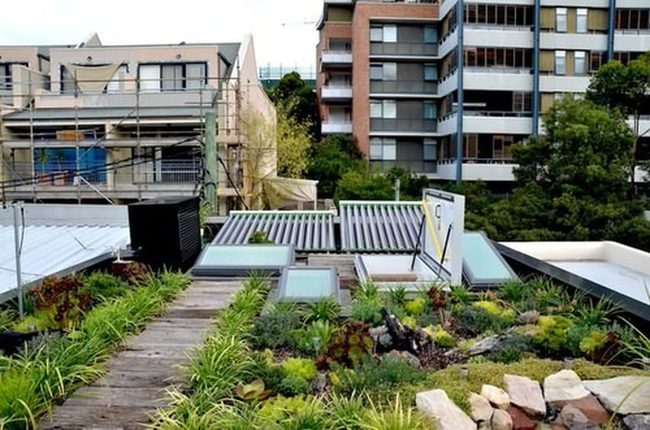
Rooftop gardens paired with solar panels showcase a striking fusion of green technology and urban farming that transforms empty roof spaces into productive ecosystems.
Solar panels mounted overhead function as both a protective canopy and an energy generator, shielding plants from harsh elements while producing clean electricity for your home.
By positioning panels strategically, sunlight still reaches your vegetables, herbs, and flowers below while the system continues to generate power efficiently.
Gardens tucked between photovoltaic equipment make smart use of space that would otherwise sit unused, turning it into a practical environmental solution that reduces what your building absorbs from heat.
High-performance solar technology keeps temperatures stable for plant growth and converts sunlight into renewable energy you can use daily.
This dual-purpose setup tackles two big challenges at once: it shrinks your carbon footprint and boosts your food production in the middle of the city.
Green Rooftop Layered With Height
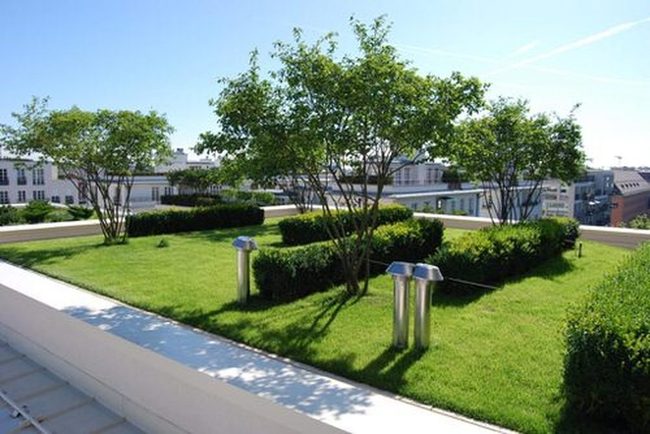
Mowed grassy fields combined with tall plants turn urban rooftops into dynamic green spaces where structured lawn care meets wild botanical beauty.
Manicured grass serves as a clean, smooth foundation that lets diverse plant heights and textures shine without competing for attention.
Strategic placement of tall grasses and plants transforms bare rooftop spaces into layered landscapes that draw the eye across the entire garden.
Natural elements add depth and movement to these elevated environments, making the space feel alive and full of dimension.
When you choose plants thoughtfully, you also attract local wildlife while creating subtle screening from neighboring buildings and bustling city views.
Trimmed grass keeps things polished and refined, while wilder grasses introduce an organic, energetic quality that balances the manicured areas.
Tall botanical features break up flat surfaces and give your rooftop the kind of architectural interest that flat lawns alone cannot provide.
Fresh Vegetables Above City Streets
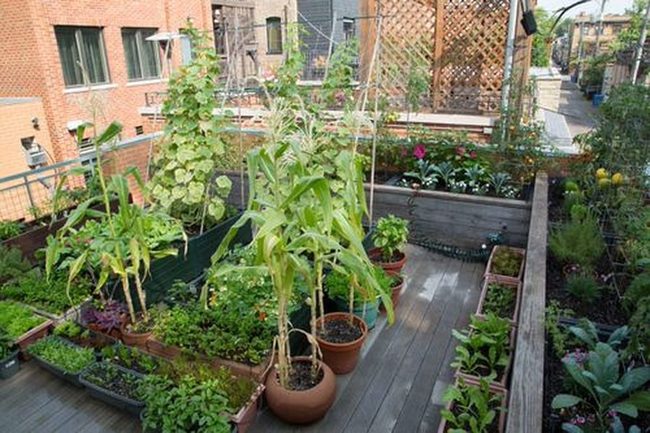
Rooftop gardens pack your urban space with growing vegetables, herbs, and fruits that you can harvest just steps from your kitchen door, and nothing beats the flavor of basil, tomatoes, and greens picked at their peak.
You can transform a bare rooftop into a productive landscape by using compact planters and vertical growing methods that squeeze maximum potential from every square inch.
Wind and shallow soil present real challenges on rooftops, so smart container choices and thoughtful plant positioning help you work around these obstacles.
Sunlight matters greatly for success, and choosing plants suited to your roof's light conditions makes all the difference.
Growing your own food builds a real connection to nature right above the city streets and brings sustainable living into your daily routine.
Container gardens let you control soil quality and plant density without permanent structural changes.
Whether you're growing staples or specialty crops, rooftop gardening gives city dwellers a practical way to enjoy fresh produce and green spaces.
Concrete Planters Meet Urban Water
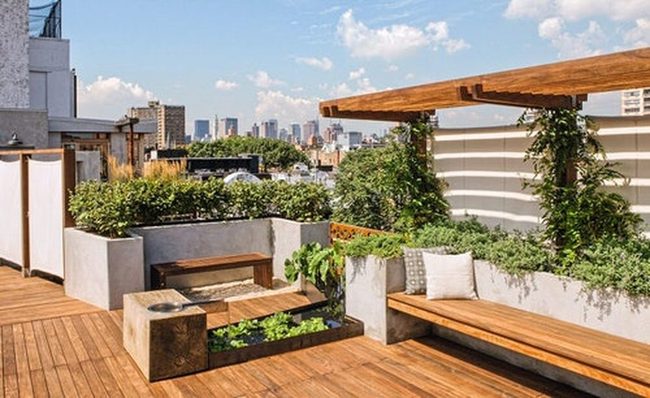
Raised cement beds paired with flowing water features form a striking contrast that transforms rooftop spaces into peaceful garden sanctuaries right in the heart of the city.
Smooth cement surfaces next to cascading water create natural harmony between structure and movement, and the visual interplay between hard lines and liquid flow catches attention immediately.
Strong cement containers provide sturdy foundations for lush plants to spread and grow freely, and local species thrive within these structured boundaries while drawing in birds and butterflies.
Strategic placement of these elements turns cramped urban outdoor areas into serene retreats without wasting space or requiring excessive upkeep.
Minimal maintenance means your garden stays enjoyable year after year, so you can spend time relaxing rather than constantly working on upkeep.
Tiered Green Urban Rooftop
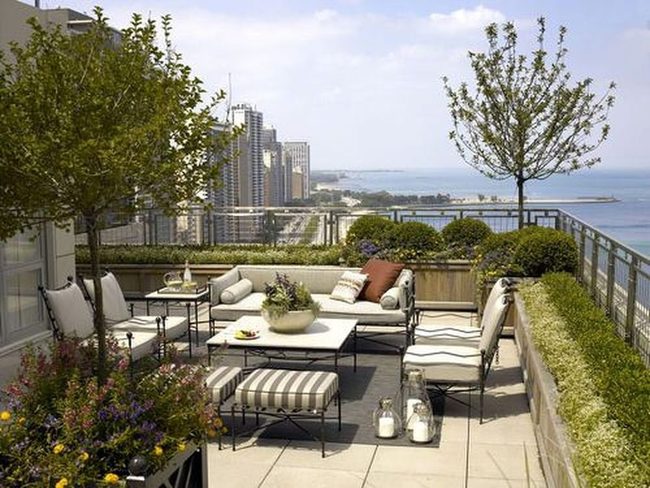
Architectural terrace gardens blend modern design with lush greenery for urban dwellers seeking an elevated outdoor sanctuary, and the structured landscapes with sleek planters frame your space while complementing your building's silhouette.
Strategic levels showcase diverse plants from cascading succulents to colorful perennials, making it easy to display your collection across different heights.
Stone pathways weave between positioned containers and add visual rhythm while deepening the sense of space throughout your garden.
Minimalist elements like geometric pots and clean lines define the sophisticated feel you want, and metal accents combined with neutral tones enhance that contemporary atmosphere.
Vertical gardening techniques help you maximize limited rooftop areas through intelligent plant placement, so even small spaces become functional and beautiful.
These green spaces transform concrete environments into personal urban retreats where you can relax and connect with nature away from the bustling city below.
Tall Cacti Frame Urban Rooftop Gardens
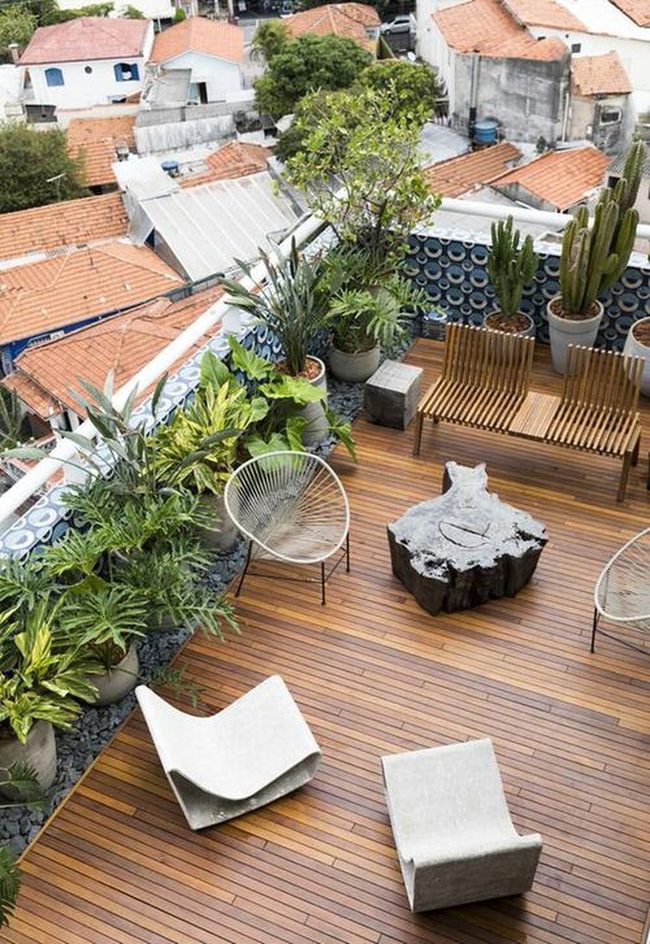
Tall cacti with their bold shapes and dramatic silhouettes stand as the strongest visual element in rooftop gardens, anchoring the entire design and drawing immediate attention upward.
Around these architectural plants, smaller ornamental species provide delicate textures and soften the harder lines, creating layers of interest that make the space feel less bare and more inviting.
By stacking plants at different heights and densities, you build visual depth throughout the rooftop while also screening unwanted views of neighboring buildings.
Green spaces on urban rooftops transform what would otherwise be empty concrete into lush personal retreats where you can escape the city noise and feel surrounded by nature.
Even limited square footage becomes an intimate sanctuary when you select plants strategically and arrange them to balance structure with the beauty of living growth.
Combining cacti and ornamental plants in this way balances the architectural strength of vertical forms with softer botanical elements, making compact areas feel larger and more expansive.
Garden Bathtub Surrounded By Blooms
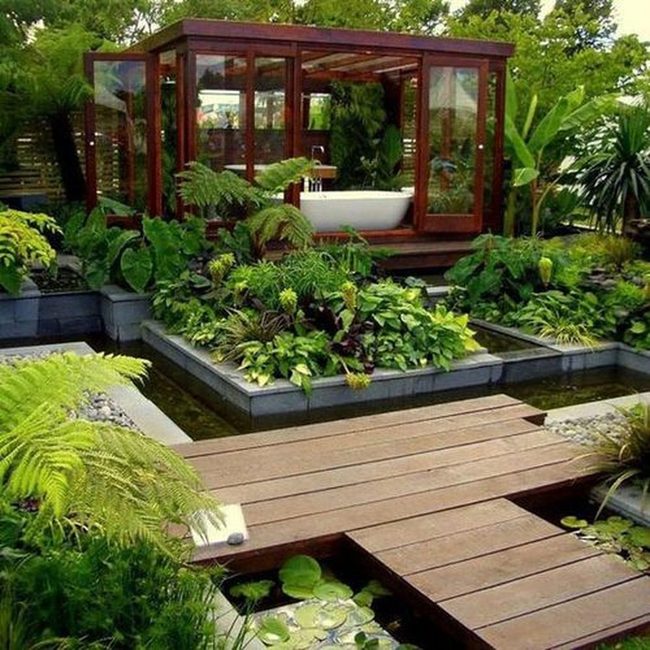
Bathtub nestled in a lush garden creates an outdoor oasis where you can soak while surrounded by blooming roses, fragrant herbs, and leafy shrubs that form natural walls around you.
Positioning the tub strategically among potted plants and climbing vines gives you privacy and fills your senses with the scent of greenery and flowers.
Soft trailing ivy and low-growing succulents frame the tub's edges and blend the hard surfaces into the garden landscape.
You'll want a comfortable chair or bench nearby for moments when you step out to read or sip a cool drink before settling back into the water.
Smart drainage systems and water-resistant surfaces underneath keep everything functioning smoothly and prevent damage from splashing.
Adding hanging baskets and potted succulents around the perimeter brings layers of texture and softens the overall look of the space.
Green Vines Hide Urban Balconies
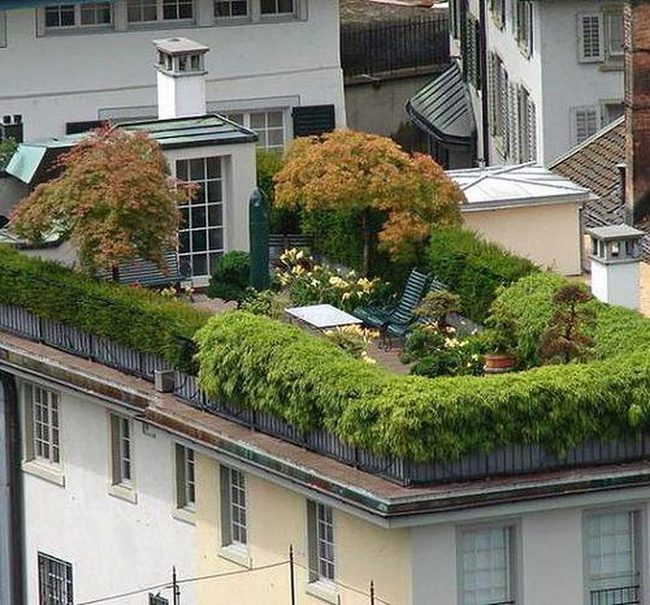
Green railings wrapped in bushy plants turn plain apartment decks into your own private garden retreats, and cascading vines draped over the railing edges blend hard metal lines with soft natural growth that fills the space with color and texture.
Dense foliage creates sheltered corners where you can sit surrounded by greenery, while strategic plant choices give you both privacy and a softer look around the edges of your outdoor area.
Urban gardeners can build these living walls quickly using small containers and tough plant varieties that don't need much fussing.
Climbing plants and trailing vines work well for covering harsh surfaces, and smart placement lets you pack in plenty of green without losing room to move around on your deck.
Compact botanical setups make the most of small outdoor spaces and keep maintenance simple.
Urban Greenery Above City Streets
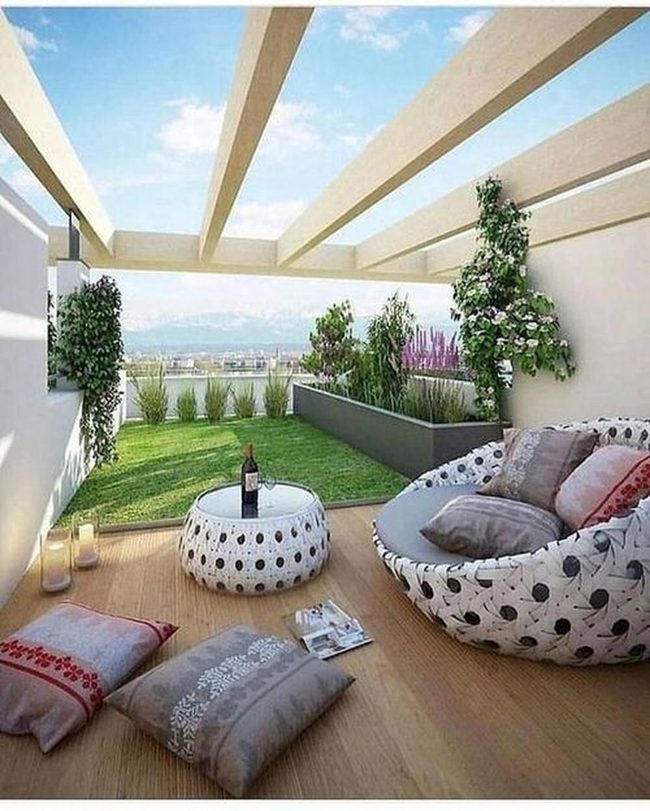
Modern rooftop gardens turn unused urban spaces into green retreats that bring nature right to your doorway, and sleek planters combined with strategic greenery completely transform how you can use your outdoor area.
Multi-level plant arrangements in smart containers maximize your limited square footage and add layers of visual interest to otherwise empty spaces.
Lightweight containers with built-in drainage help your plants thrive even in the challenging wind and heat of elevated settings.
Hardy succulents, ornamental grasses, and compact herbs all do well in these rooftop conditions and require less maintenance than many other plants.
You can also grow small vegetable gardens and use vertical planting techniques to expand what you can grow when space is tight.
Beyond the practical benefits, these gardens create peaceful places where you can escape the city noise and connect with the natural world above the busy streets below.
Green Hidden Rooftop Seating
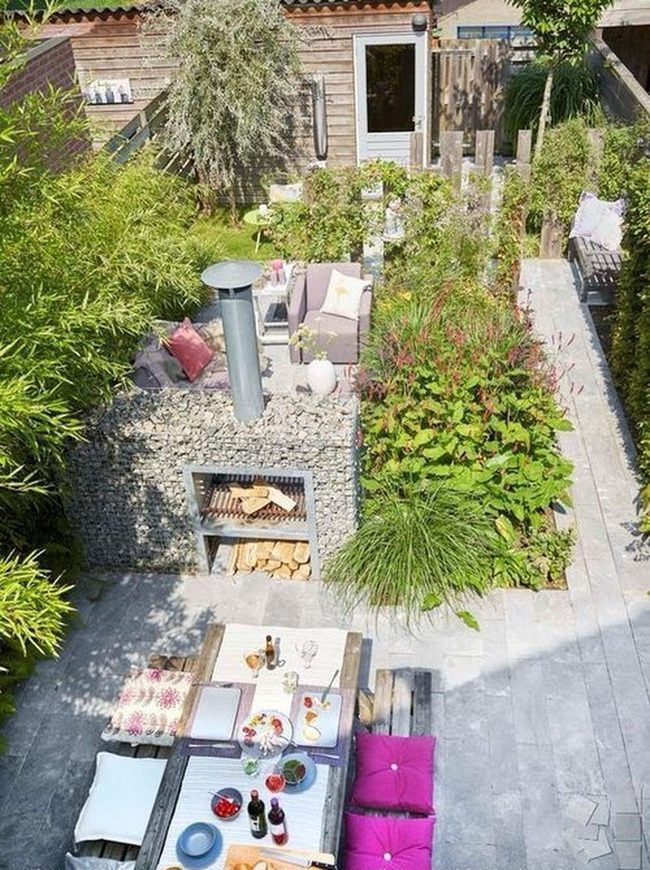
Hidden garden tucked above the bustling city streets offers weary urbanites a peaceful escape from the noise and chaos below, where lush greenery borders every seating area and plants strategically positioned around comfortable chairs block out views of surrounding buildings and create natural walls of privacy.
Soft cushions scattered throughout the space encourage you to slow down and relax during quiet afternoons or simple meals with people you care about.
Vegetation surrounds the entire zone, wrapping everything in a calm, natural atmosphere that feels worlds away from the urban landscape just beyond its edges.
As evening settles in, gentle lighting warms up the garden and makes the space feel even more welcoming for gatherings under the sky.
This elevated retreat demonstrates how ordinary rooftops can shift into personal sanctuaries designed specifically for leaving stress and daily pressures behind without ever needing to travel far from home.
Rooftop Blooms Urban Garden Escape
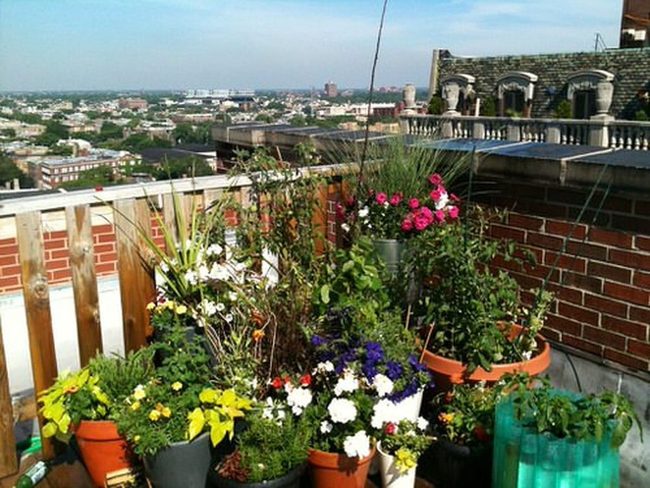
Rooftop floral corners transform compact urban spaces into lush sanctuaries with colorful blooms that breathe life into concrete landscapes through vibrant petals and rich greenery.
Strategic flower selections attract butterflies and bees while building visual depth across limited areas, and thoughtful plant arrangements maximize vertical space to provide sensory experiences beyond typical garden designs.
Comfortable seating nestled among the flowering plants offers peaceful moments of relaxation, with fragrant blossoms adding subtle aromatherapy to your outdoor environment.
Positioning flowers near sunlight zones helps plants thrive and grow abundantly, and you'll find that wind-resistant varieties guarantee longevity and continuous beauty in elevated garden settings.
Urban Rooftop Herb Garden
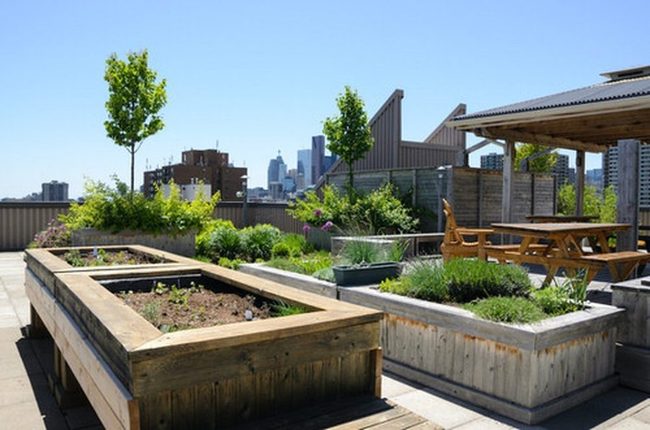
Raised wooden beds turn bare concrete rooftops and tight urban spaces into lush green gardens that overflow with fresh herbs and vegetables.
You get easy access to your plants without bending or straining your back, and the wood structures add genuine rustic warmth to otherwise gray landscapes.
Building these beds is straightforward enough that you can adjust the sizes and arrangements to fit your specific space, whether you're working with a small balcony or a larger rooftop area.
Drainage holes in the bottom and quality soil inside keep your herbs and vegetables healthy and productive all season long.
Living just steps from your kitchen and harvesting homegrown ingredients whenever you need them beats any store-bought option.
Limited square footage doesn't have to stop you from growing what you want to eat, and we've seen plenty of urban gardeners prove this works beautifully.
Simple wooden boxes prove that smart gardening solutions fit anywhere, even in the tightest city settings.
Vertical Herbs In Compact Containers
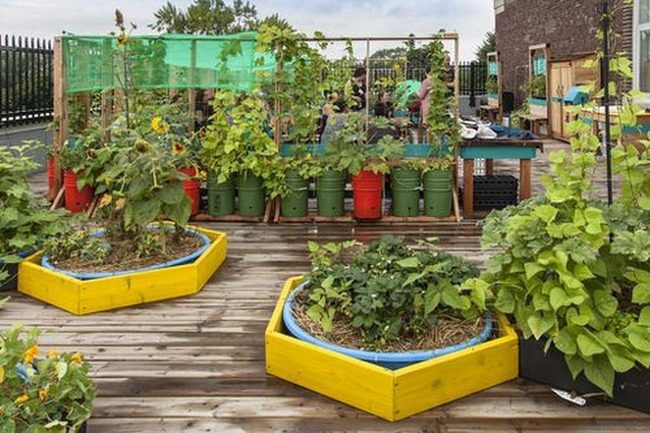
Raised herb beds and container gardens transform small outdoor spaces into productive growing zones where you can stack multiple edible plants vertically and maximize every inch available.
Sturdy wooden boxes and ceramic pots sit ready to hold herbs and vegetables that thrive in elevated spaces, and metal containers add modern appeal while ceramic options bring elegant charm to your rooftop or balcony.
Mediterranean herbs like rosemary and thyme flourish alongside compact tomato varieties and leafy greens, all growing happily in strategic arrangements you can customize for your space.
By using clever vertical planting techniques, you gain access to kitchen-fresh ingredients right outside your door without needing much ground area.
Urban gardeners and apartment dwellers especially benefit from this approach since containers let you grow what you need in confined spots.
I find this setup works well because you control the soil quality and water drainage easily.
Rooftop Flowers High Above City

Rooftop gardens burst with color when you arrange flowers and plants across raised beds, turning bare concrete spaces into lush green sanctuaries high above the city streets.
Strategic flower combinations do more than look beautiful; they attract bees and butterflies while delivering stunning visual displays that change with the seasons.
Compact planters and raised beds maximize your limited rooftop space and allow you to layer different plants and textures together.
Native plant selections work well in these conditions because they thrive in high-rise environments and need far less maintenance than other options.
Resilient perennials keep blooming year after year, while seasonal flowers add fresh bursts of color whenever you want them.
Smart design choices mean your rooftop becomes a real sanctuary where city dwellers can connect with nature without leaving home.
Urban Rooftop Garden Oasis
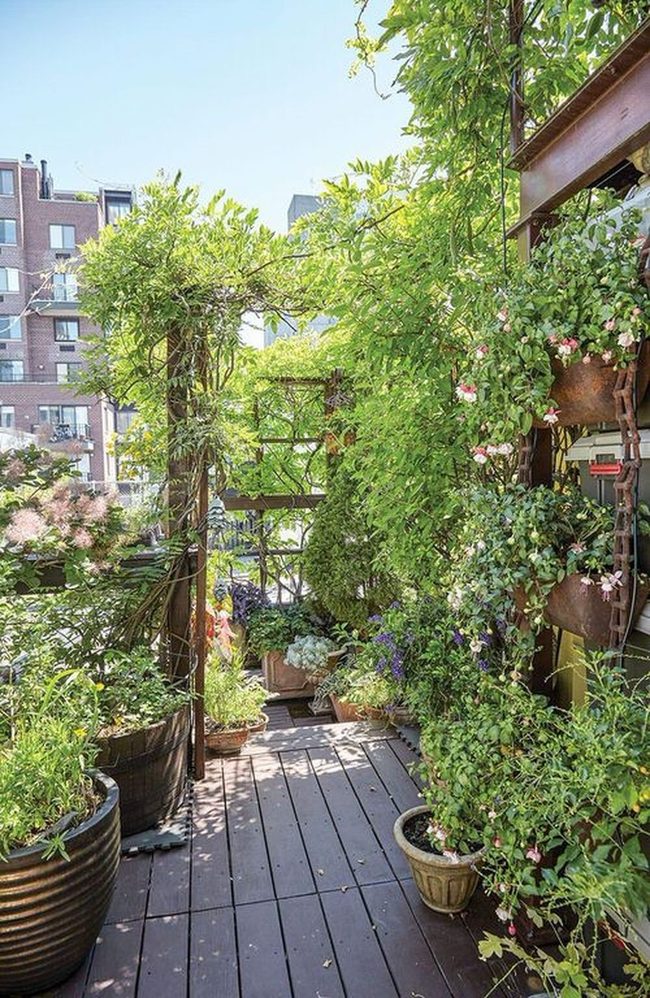
Lush green landscapes sprawl across once-bare rooftops and transform urban concrete jungles into thriving botanical havens that rival nature's own design.
You can mix herbs, vegetables, and flowering plants to build multi-functional outdoor rooms that serve both practical and aesthetic purposes.
Strategic container placements and vertical gardening techniques turn even small spaces into peaceful retreats high above the city streets.
Comfortable seating nestled among your thriving plant collections gives you a perfect spot to unwind and soak in the surroundings.
Evening lighting stretches your garden enjoyment into the night and adds warmth to the space after sunset.
Herb gardens interwoven with decorative flowers engage your senses and bring the fresh scents and textures of nature to urban living.
These rooftop sanctuaries offer a much-needed escape from the hustle and bustle of metropolitan life, giving you a quiet sanctuary where green meets skyline.
Fresh Vegetables In Lightweight Rooftop Pots
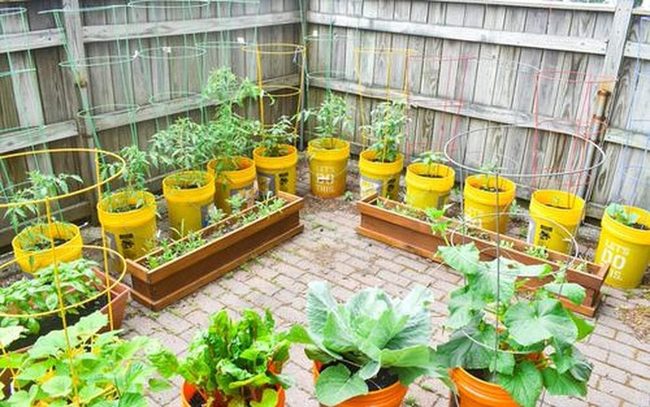
Container vegetable gardens turn rooftop spaces into productive zones where you can grow tomatoes, herbs, and peppers without needing heavy infrastructure, and lightweight pots make it simple to adjust plants based on sunlight and weather conditions.
Compact vegetable varieties do well in sunny rooftop environments as long as you provide proper drainage and nutrient-rich soil for them to thrive.
A beautiful part of this design is how easy it becomes to move planters around, protecting delicate plants during storms and optimizing their sun exposure throughout the day.
Urban dwellers benefit from harvesting fresh produce just steps away from the kitchen, which cuts down on food transportation and connects you directly to what you eat.
Strategic pot placement lets you maximize even the smallest spaces, turning concrete areas that would otherwise sit empty into functioning gardens.
Rooftop Green Beds Transform Bare Concrete
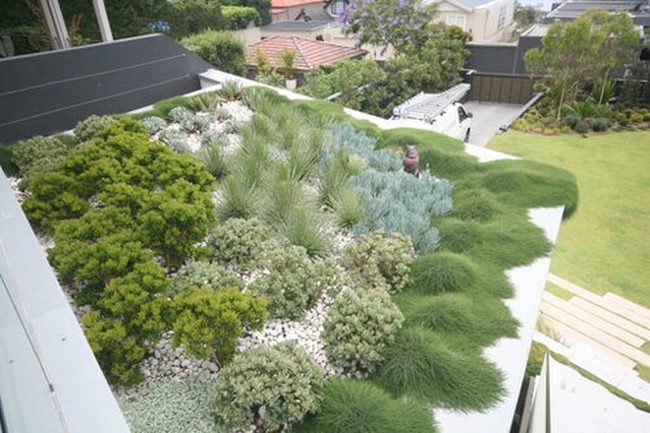
Rooftop terraces come alive when you cover them with dedicated groundcover beds that transform bare concrete into lush green spaces filled with rich textures and colors.
Small spreading plants work fast to fill empty areas and prevent soil erosion while adding natural insulation to your building's structure.
Hardy varieties like sedum, thyme, and moss handle harsh winds and shallow soil depth without needing much water, which makes them perfect for challenging rooftop conditions.
Mixing different groundcover species across your space gives you both visual interest and real ecological benefits that make a difference.
Whether you're working with a sprawling terrace or a compact space, groundcovers adapt well and require minimal maintenance once established.
Elevated Urban Herb Garden
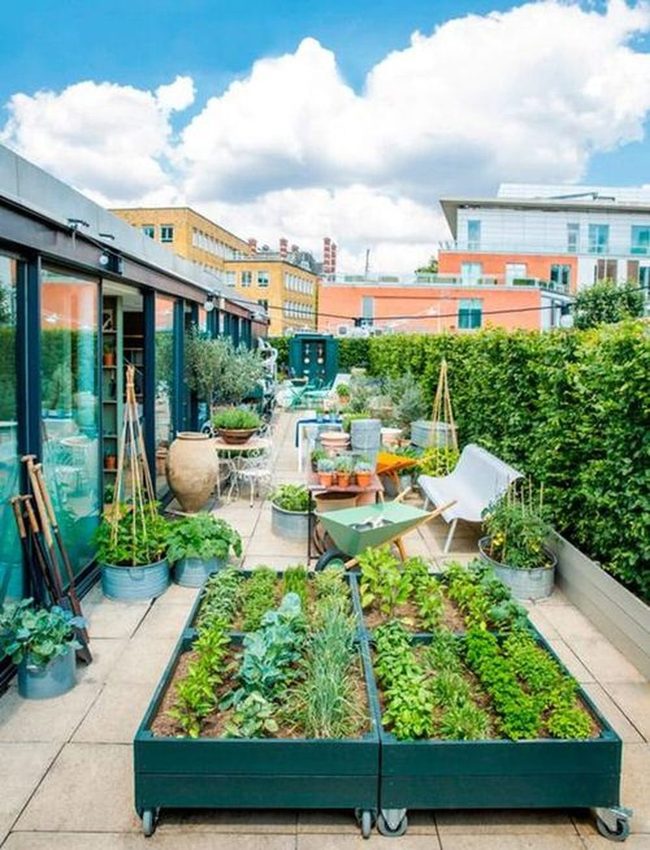
Raised herb beds positioned at eye level create an instant green sanctuary that floats above the bustling city streets, turning your small urban space into a lush garden retreat where aromatic basil, thyme, and rosemary flourish in elevated containers.
Tall privacy walls made from dense shrubs wrap around your growing area and block out neighboring views while keeping your outdoor sanctuary intimate and secluded.
Wooden or metal raised beds blend seamlessly with modern landscape designs and bring both functionality and style to rooftops and patios.
Fresh culinary herbs sit within arm's reach, so you can snip what you need for cooking without stepping foot outside your growing zone.
Strategic planting and compact gardening techniques maximize every inch of your small footprint and make the space feel larger than it actually is.
This design succeeds because how it combines privacy, productivity, and beauty all in one simple solution.
Tall Blooms Above Spreading Green Carpet
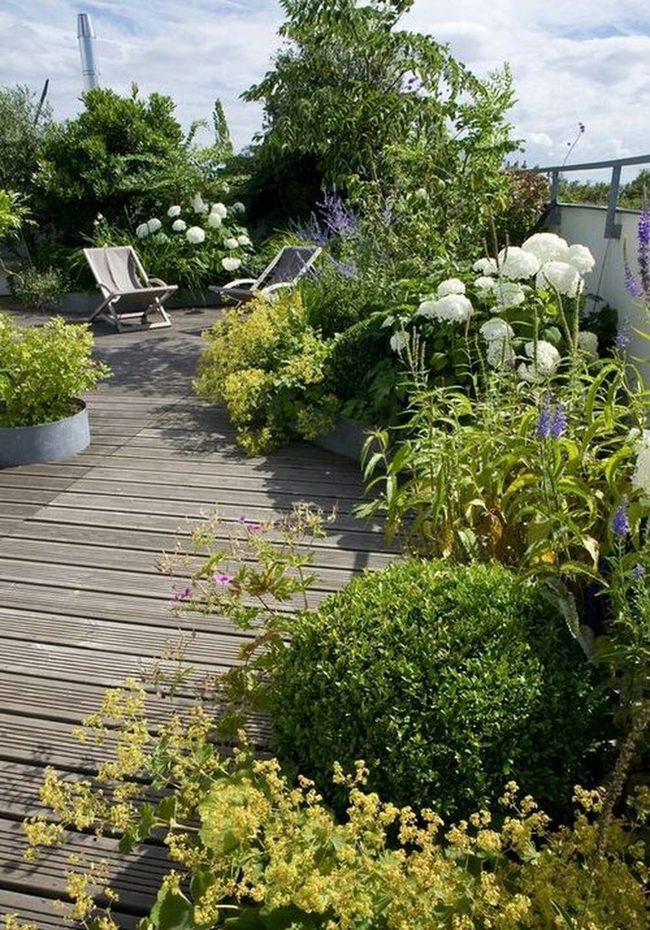
Bold blooms that rise dramatically above dense ground cover layers create striking visual contrast and draw the eye across your rooftop garden, while the intricate textures woven throughout the landscape add depth and interest that you can sense from every angle.
Large flower beds paired with spreading ground covers work hand-in-hand to maximize how deep your garden feels and support the insects and pollinators you want thriving there.
Resilient low-growing plants do double duty by protecting the soil from erosion and stabilizing it in elevated spaces while also forming natural pathways between your taller flowering specimens.
Green carpets of these hardy ground covers surrounding your colorful blossoms attract the beneficial insects that keep your garden ecosystem healthy and balanced.
When you choose complementary plant species that complement each other, you set yourself up for continuous visual interest throughout the seasons and solid ecological health.
Elevated Palms Above The City
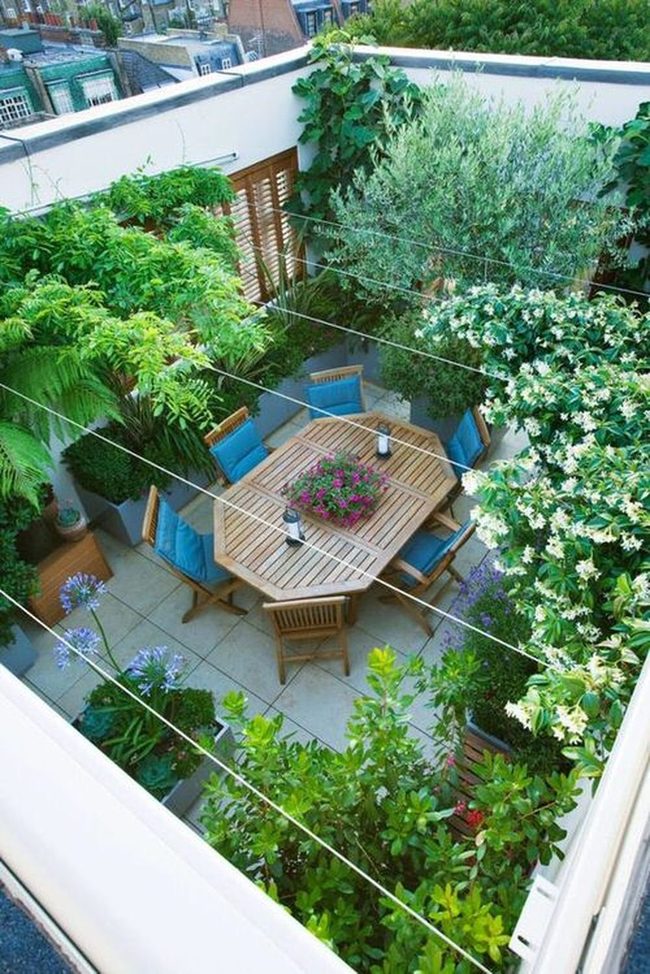
Rooftop tropical jungle design brings wild paradise high above urban landscapes, with large tropical plants like palms and ferns creating dramatic canopy layers that transform concrete surfaces into lush living sanctuaries.
Dense greenery blends seamlessly with architectural spaces, and green screens provide natural privacy while your rooftop becomes a botanical environment far removed from the city below.
Exotic foliage generates an instant tropical atmosphere with minimal maintenance requirements, so you don't need complex landscaping knowledge to achieve this look.
Strategic plant selections invite wildlife and reduce urban heat island effects while strategic container choices maximize growing potential in those small elevated spaces we often overlook.
Dense layers of greenery blend architectural spaces with luxurious botanical environments, making your rooftop feel like a hidden getaway rather than just another building feature.
Green Rooftop Dining Escape
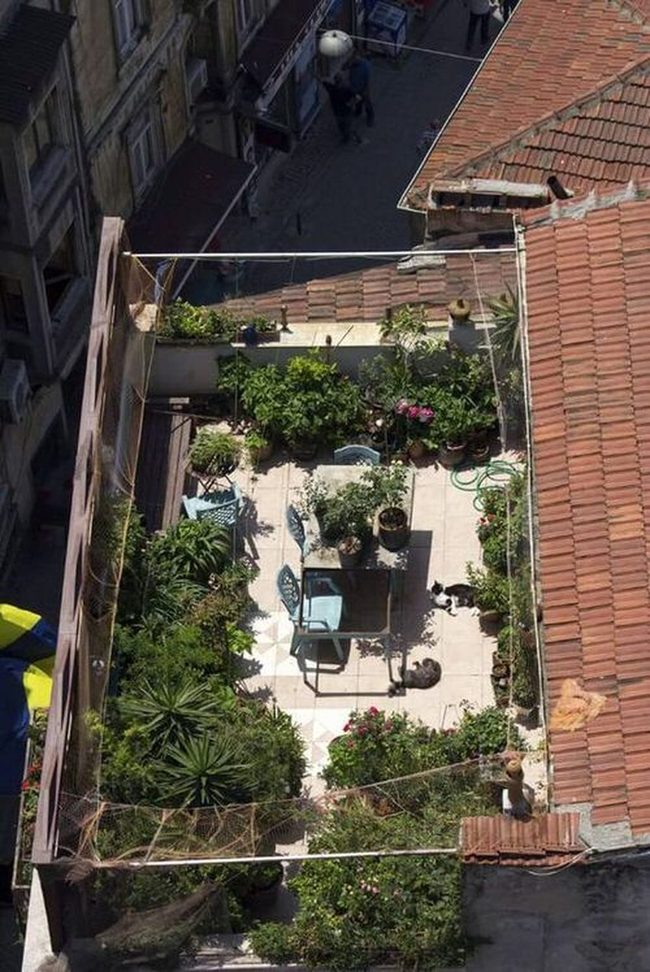
Rooftop dining spaces bring nature directly into your urban environment and transform bare concrete into living gardens where you can eat surrounded by greenery.
Climbing vines and cascading plants wrap around your seating areas, and fragrant herbs release their scent as you move through the space, making meals feel like a retreat far from city streets.
Plants positioned strategically around your dining zones provide natural privacy barriers and add rich sensory experiences without blocking movement or sightlines across the rooftop.
Comfortable chairs and tables nestled among the greenery become stages for unhurried meals and peaceful moments with others.
Mediterranean-style principles guide the design by balancing practical furniture placement with natural elements, and this balance turns ordinary rooftop spaces into extraordinary dining sanctuaries.
Vertical Stakes Urban Harvest
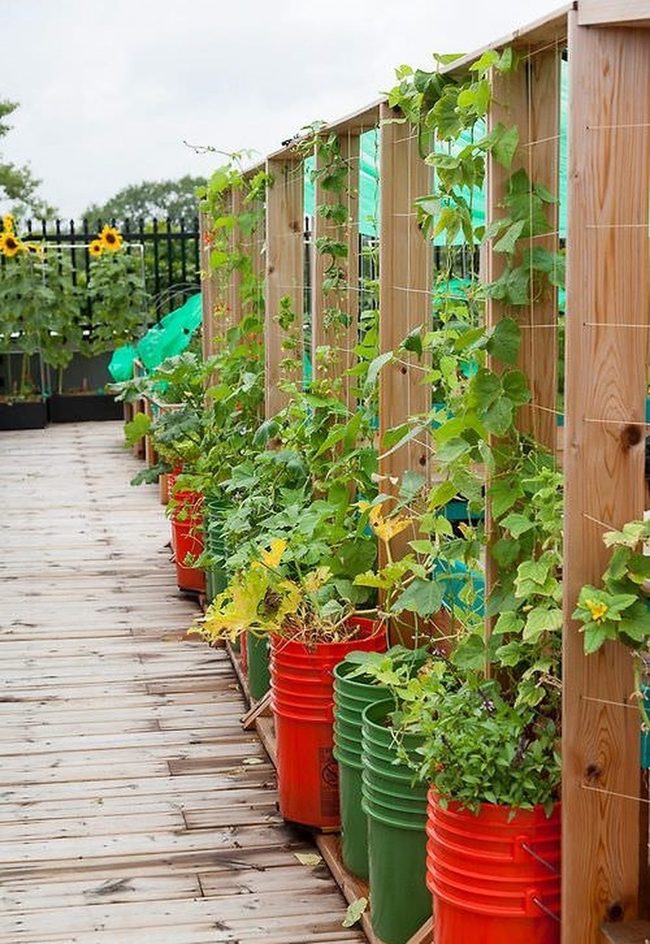
Rooftop vegetable gardens with climbing plants create remarkable vertical gardens that transform small urban spaces into productive green areas, and stakes serve as the essential structural backbone that makes this possible.
Metal or wooden stakes support climbing vegetables like tomatoes and cucumbers as they grow upward, which prevents plants from sprawling across your limited rooftop space.
Strong stakes enable these plants to reach impressive heights without consuming much ground area, so you get more food from fewer square feet.
When you place stakes properly, they improve plant health significantly and boost your overall harvest potential.
Climbing vegetables thrive when given the right vertical infrastructure, and home gardeners who use this approach appreciate how much fresher produce they can grow.
Stakes essentially unlock smart solutions for anyone craving fresh vegetables in compact urban spaces.
Green Rooftop Retreat From City
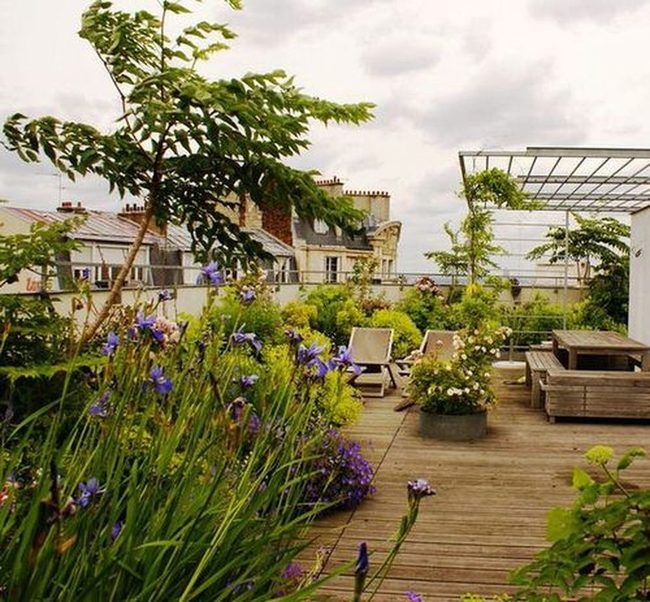
Lush green plants layered at varying heights wrap around your rooftop space and create natural walls that block out surrounding buildings and street noise, while comfortable seating positioned to catch the best garden views invites you to sink in and breathe deeply away from city chaos.
Mixed plantings in containers soften the hard rooftop surfaces and introduce calming green tones throughout the area.
Strategically placed greenery provides shade and privacy, and the different plant heights add visual interest and depth without feeling crowded.
Whether you're reading a book or simply sitting quietly, the thoughtful arrangement of comfortable chairs encourages complete relaxation and helps melt away daily stress.
Green Rooftop Privacy Screen
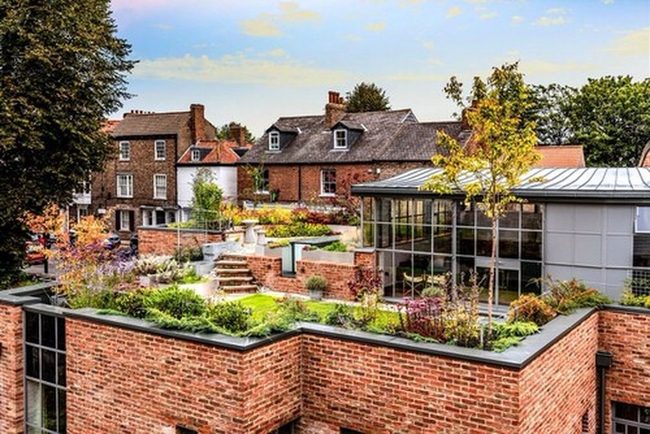
Lush bushes positioned along your rooftop railing create a striking green shield that blocks out city views and muffles the sounds of urban life below.
Dense foliage absorbs street noise and deflects harsh winds, making your outdoor space feel like a secluded sanctuary removed from the busy streets around you.
Compact shrubs work well in these tight spaces and form natural screens that transform ordinary rooftops into verdant retreats you'll actually want to spend time in.
Evergreen plants keep your garden looking fresh and interesting throughout all seasons without demanding much attention.
Selecting drought-resistant varieties means your green barrier thrives on minimal water and care, so you can enjoy privacy without the stress of constant maintenance.
Tall Shrubs Shield Urban Rooftops

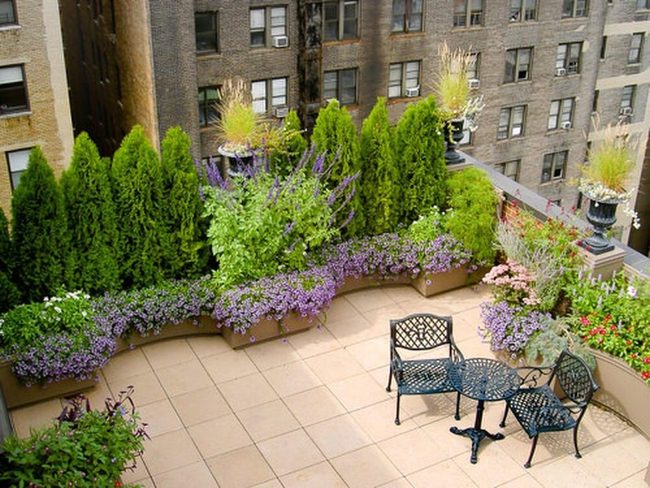
NYC deck garden with tall bushes embraces urban green living by using strategic plant selection to transform concrete spaces into natural retreats, and placing these shrubs right at the edges immediately shields city views and noise while building intimate outdoor environments.
Tall varieties act as privacy screens that turn sterile rooftop areas into lush personal sanctuaries, and their dense foliage absorbs urban sounds while creating microclimates that reduce surrounding heat.
You'll find that resilient plant species thrive even in challenging rooftop conditions where intense sunlight and wind exposure would normally struggle, and native bushes attract local pollinators and support ecological balance across the city.
Strategic greenery adds visual depth and softens the hard architectural lines that define urban landscapes, while vertical plant arrangements maximize your limited rooftop square footage and deliver both aesthetic and environmental benefits at the same time.
Overflowing Blue Hydrangeas On High
Raised hydrangea beds bring instant drama to rooftop spaces with flower clusters that spill over wooden frames and stop you in your tracks.
Lifting these delicate blooms closer to eye level makes them hard to miss, and you gain valuable growing space at the same time.
Solid structural supports keep plants healthy while protecting the soil from washing away, which matters more on rooftops where weather hits harder.
Hydrangeas respond beautifully to elevated growing conditions, rewarding you with rich blue, pink, and white blossoms that stand out against city views.
Getting the soil and drainage right takes some thought, but these plants adapt well once you set them up properly in those challenging rooftop spots.
Placing beds where they catch good sunlight helps you build a peaceful green retreat high above street level, and the combination of height and blooms transforms an ordinary rooftop into somewhere truly special.
Metal Frame Vertical Garden Systems
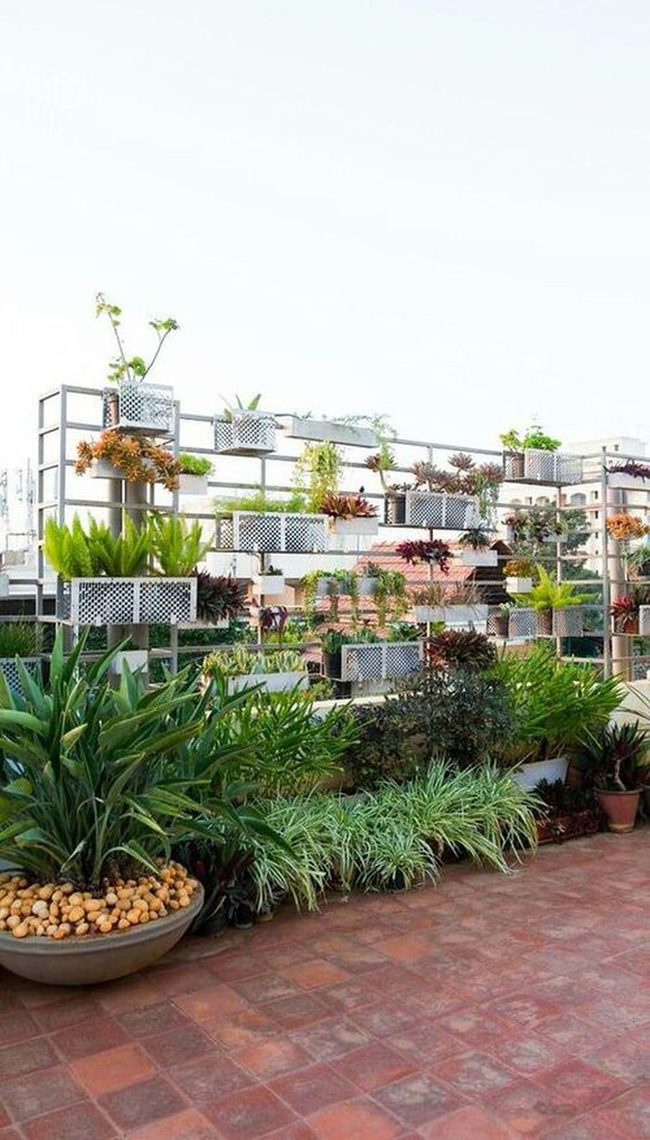
Vertical gardens mounted on metal stands turn bare rooftops into lush, eye-catching green spaces that wow from every angle.
Metal frames hold multiple plant species in arrangements that pack tons of greenery into small areas, and the sturdy construction keeps everything stable while water drains properly below.
You can mix trailing vines, compact succulents, and other plants together based on what appeals to you and what grows well in your conditions.
Installation stays simple because the lightweight materials don't require heavy equipment or complicated setup, and you can easily move things around if you want to try a new layout.
Since these gardens use a modular design, you can add more sections later or swap out plants as your interests shift over time.
Metal stands do double duty by providing the support your plants need and adding their own visual interest to the rooftop landscape.
Geometric Green Blocks Urban
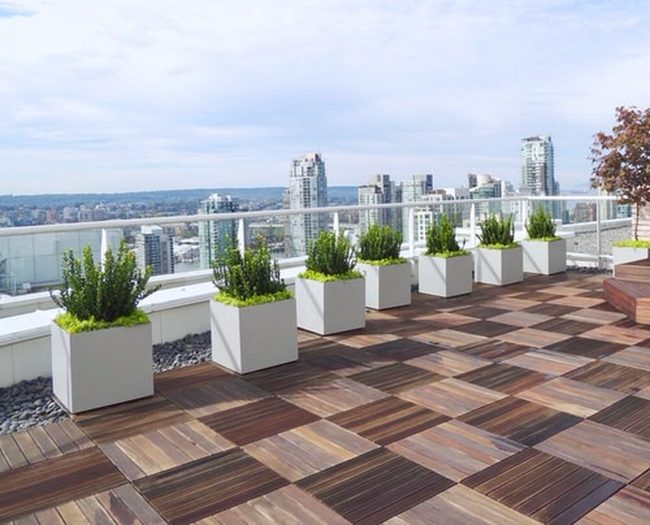
Cube planter gardens turn rooftop edges and small spaces into striking green displays that stand out like modern art installations against the urban landscape.
Geometric containers stacked and arranged strategically give you depth and dimension even when square footage is limited, and lightweight materials like fiberglass or recycled plastics mean you can shift them around whenever you want.
Picking containers that match your building's style and color scheme keeps everything connected to your surroundings.
You have space to mix and match different plants across the modular cubes, experimenting with herbs, succulents, and flowers until you find combinations you love.
For city dwellers stuck between concrete, these elevated gardens offer real escape and a chance to grow something green right where you live.
Maintenance stays simple since most cube setups are straightforward to water and tend, and rearranging them takes minimal effort whenever you feel like trying a new look.
Tropical Rooftop Urban Oasis
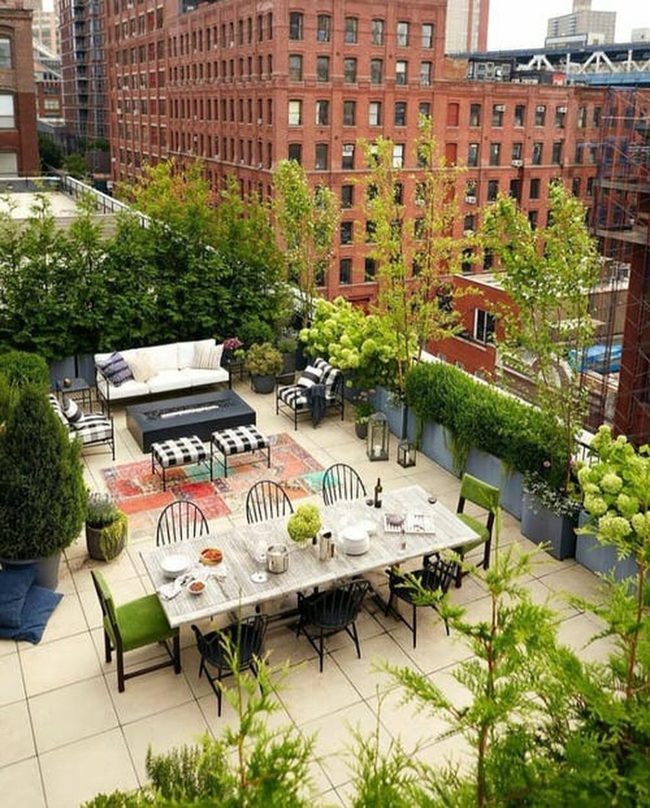
Lush palms, broad-leafed ferns, and exotic flowers transform bare concrete rooftops into green sanctuaries that lift you away from city streets below.
Placing plants at different heights adds architectural interest and breaks up the hard edges of urban environments.
Dense plantings spread across your space provide natural shade and privacy while softening the visual harshness of the rooftop.
Container gardens make it possible to grow tropical plants even when square footage is limited, and you can position them strategically to create depth and flow across compact areas.
Comfortable seating tucked among the greenery gives you a spot to relax and connect with nature without leaving home.
Strategic plant placement maximizes every inch of available space and works around whatever rooftop layout you have to work with.
Being surrounded by foliage and flowers creates a sensory escape from metropolitan noise and bustle.
Rooftop Raised Beds Green Architecture
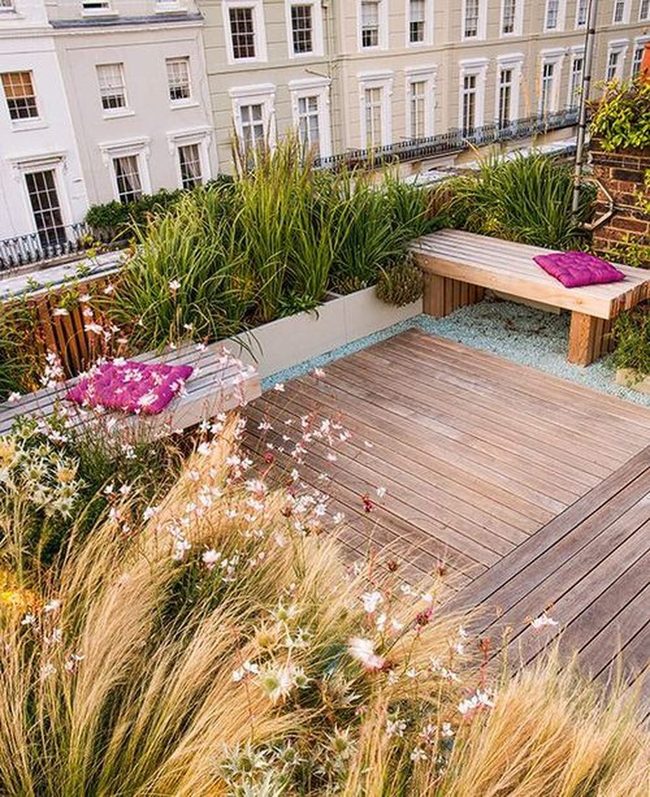
Raised beds filled with grasses and shrubs give urban gardens an eye-catching presence that brings green life into tight spaces and makes them feel more open.
When you choose plants strategically, rooftop areas shift into lush havens that catch attention from every angle.
Drought-resistant species keep your garden looking fresh without demanding water constantly, and layering ornamental grasses alongside compact shrubs lets you pack more texture and interest into limited area.
Positioning plants thoughtfully means each one stands out beautifully against the city skyline.
Going vertical with your plantings makes compact urban spots feel bigger and more dynamic than they actually are.
These rooftop raised beds become your own peaceful green retreat where you connect with nature right in the middle of the city.
Concrete To Jungle Rooftop
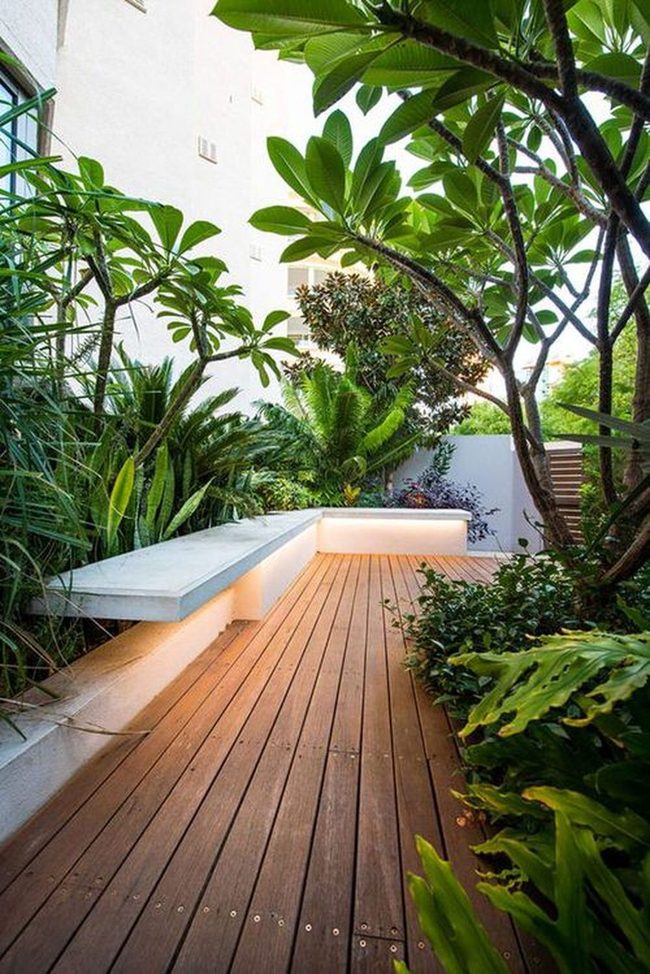
Rooftop tropical gardens transform bare concrete into lush urban sanctuaries where dense layers of green plants stretch skyward to form natural walls that shield you from city noise and the buildings around you, while exotic blooms inject vivid color and energy throughout the space and potted plants at different heights build visual drama across your elevated retreat.
Tropical foliage mimics jungle environments to offer cool shade during hot summer days, and you can position plants strategically to carve out intimate nooks perfect for unwinding or hosting small gatherings.
Green palms and dense vegetation soften the harsh edges of city landscapes and turn sterile rooftops into living, breathing spaces that feel worlds away from the urban hustle below.
Beyond their beauty, these plants deliver real functional benefits for city dwellers by improving air quality and providing a genuine escape from concrete surroundings.
Rooftop Herbs In Stacked Clay
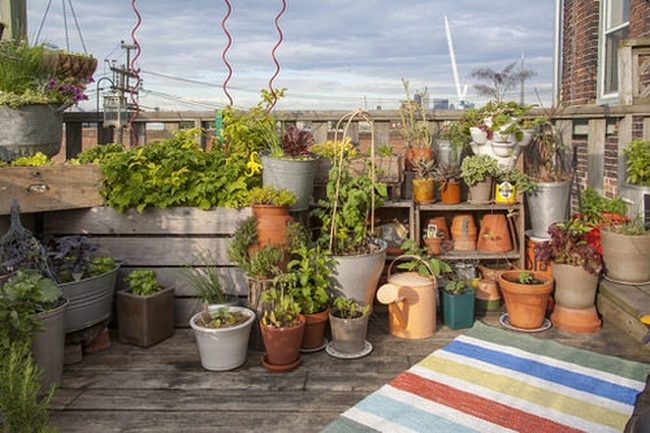
Stacked clay pots and pallet boxes turn even the tiniest rooftop into a lush garden that bursts with color and life, making urban gardening possible for anyone with limited space.
You can transform recycled wooden pallets into rustic raised beds without much effort or expense, and they look wonderfully authentic sitting on a concrete rooftop.
Clay pots drain water naturally, which keeps your herbs and vegetables healthy and prevents root rot that ruins plants in regular containers.
Basil, mint, and rosemary do especially well in these portable setups since they love good drainage and air circulation.
Tomatoes, peppers, and lettuce grow just as beautifully in this system and reward you with fresh harvests all season long.
City dwellers appreciate how compact these arrangements are because you can move things around whenever you want and adjust plants based on sun exposure.
Urban Rooftop Vegetable Gardens
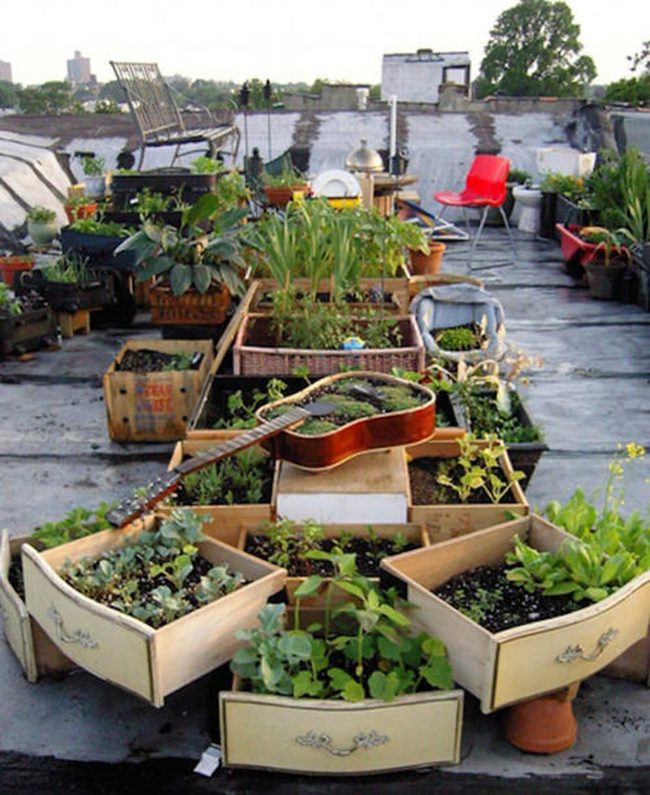
Rooftop gardens bursting with fresh basil, tomatoes, and peppers prove that you don't need much space to grow your own food in the city.
Smart container choices transform small urban areas into green spaces where plants thrive in unexpected places.
Old objects get a second life through simple modifications that turn them into beautiful homes for your vegetables and herbs.
Container selections matter when you're working with limited square footage, and the right choices make all the difference.
Personal innovation drives these resourceful installations forward, with each gardener finding their own way to maximize what they have.
Forgotten items become productive growing environments with minimal effort and maximum results.
Elevated Green Retreat Above City
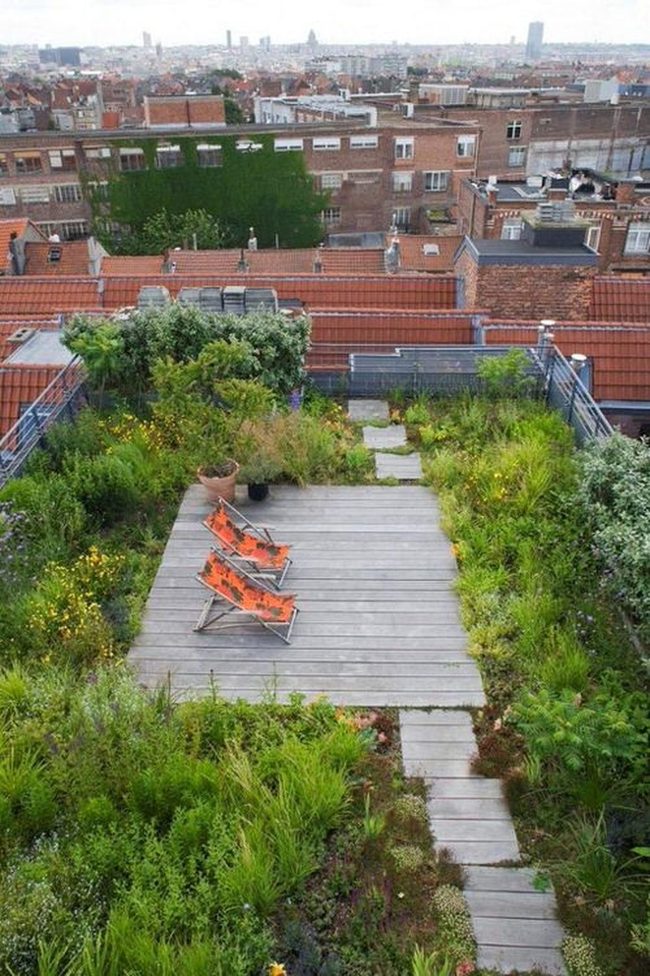
Rooftop gardens transform ordinary apartment terraces into lush green sanctuaries that rise above the chaos of city streets, and these elevated spaces deliver peaceful retreats where you can unwind from daily stress.
Plants like lavender and ferns thrive in these high-altitude zones and naturally calm your mind as you spend time among the greenery.
You can arrange comfortable seating throughout your rooftop to encourage relaxation, and the plants themselves become living walls that frame your quiet moments.
Vertical gardening lets you build dense green spaces even when your rooftop footprint is small, so you maximize every bit of available room.
Strategic lighting installations glow softly in the evenings and complement your plant selections to extend your outdoor time after sunset.
Compact layouts work well for urban dwellers who want a serene escape without needing sprawling ground space.
Green Rooftop Couch Views
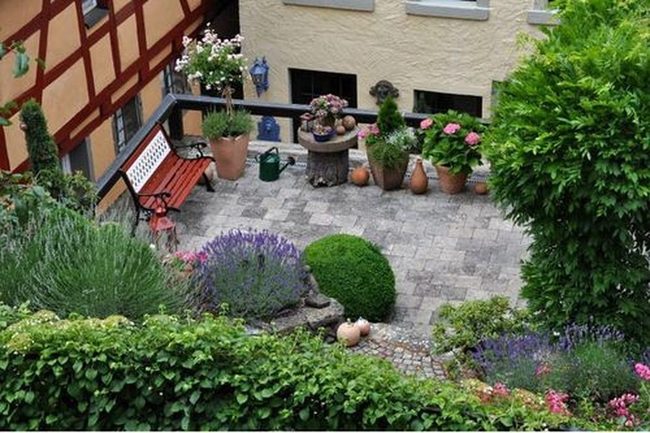
Rooftop gardens blend city living with peaceful green retreats by surrounding comfortable couches with lush plants and panoramic views that rise above the urban noise below.
Plants cascade around plush seating areas, and contemporary design merges with natural elements to transform unused spaces into personal sanctuaries where you can read or simply sit in quiet moments.
Strategic positioning lets you enjoy sweeping vistas while nestled among verdant foliage, and comfortable furniture combined with diverse plant textures and colors turns these areas into relaxing environments.
Integrating thoughtful landscaping with well-placed seating arrangements gives urban dwellers unexpected oases right in the middle of their busy neighborhoods.
You don't need much space to create this effect, and the mix of greenery with modern furnishings works well together.
What makes these spaces special is how they blend relaxation with views and nature without feeling cramped or overdone.
Green Rooftop Urban Oasis
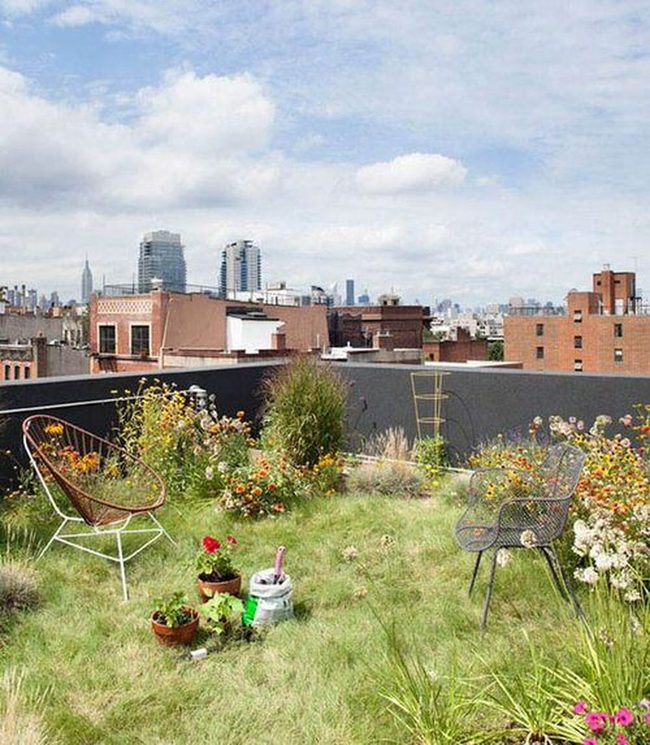
Rooftop grassy field offers urban dwellers an escape from the noise and chaos of city streets by creating a verdant sanctuary high above the bustle below.
Green lawns spread across concrete surfaces and deliver unexpected softness to otherwise harsh metropolitan environments, while dense grass carpets provide natural insulation against summer heat and give you peaceful zones for unwinding.
Planters positioned around the lawn add texture and visual richness to the landscape, and compact seating arrangements nestled among the green blades make it easy for you to relax and connect with nature.
Carefully selected grass varieties thrive in these elevated spaces because they're bred to withstand wind and intense sun exposure.
Beyond the immediate comfort and beauty, this green retreat supports sustainable design principles and reduces building temperature while improving air quality for the entire structure.
Green Rooftop Lounge Garden
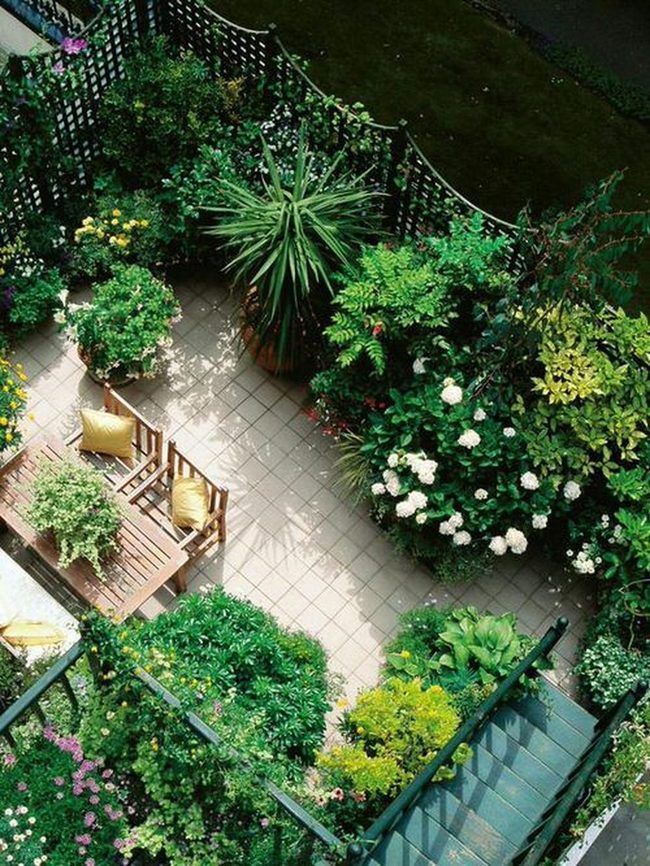
Rooftop green lounge rises above the city streets with lush plants and greenery that transform concrete surroundings into your own personal paradise, and when you step onto this kind of space, you're surrounded by nature even while staying in the urban landscape.
Vertical gardens and strategically placed potted plants stretch across the rooftop to maximize every bit of available space and build visual depth that keeps your eye moving through the area.
Different plant heights and soft textures combine to turn the rooftop into a private sanctuary, and you can relax here while still enjoying the views of the city around you.
Comfortable seating areas nestle among the greenery and encourage you to unwind while connecting with nature overhead.
Minimalist design keeps the space feeling open and uncluttered rather than overwhelming, so it's easy to move around and settle in.
Cascading Green Roof Layers
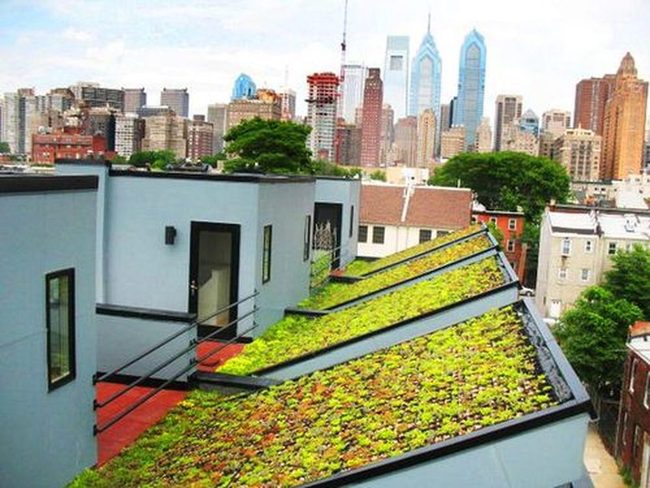
Sloping green roofs transform building exteriors with cascading layers of vegetation that flow down angled surfaces in visually striking ways.
Homeowners can select from a range of plants, from hardy succulents to ornamental grasses, and customize the aesthetic to match their preferences and local climate.
Beyond their dramatic appearance, these rooftop gardens work as natural insulators and help reduce the urban heat island effect that plagues many cities.
Water management happens naturally through smart plant placement, so rainfall drains efficiently without complex systems.
You gain eco-friendly benefits while your home stays cooler during warmer months and warmer when temperatures drop.
Modern architecture meets sustainable landscaping when you add greenery to sloped roof surfaces.
These designs make sense for anyone looking to maximize unused space and bring environmental benefits to their property.
Giant Green Rooftop Statements
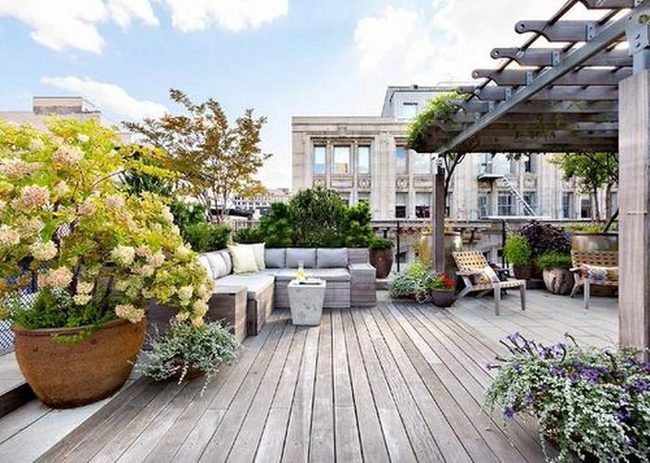
Life-sized flowering plants turn rooftop gardens into dramatic green sanctuaries where urban dwellers can transform bare roof spaces into botanical installations that reach skyward.
Massive plant structures become living art pieces that anchor unexpected landscape designs and soften harsh architectural lines while blurring boundaries between built environments and natural landscapes.
You might consider towering sunflowers, giant cordyline, or exotic tropical species to achieve this scale and presence.
These large-scale botanical features provide visual drama and make passersby pause to appreciate nature's magnificent proportions.
Green installations work by bringing the natural world into spaces that feel purely constructed and industrial.
When you choose plants with height and presence, they stop being background elements and become statements on their own.
This approach transforms how people experience rooftop spaces and shifts their relationship with urban gardening altogether.
Vining Canopies Above The City
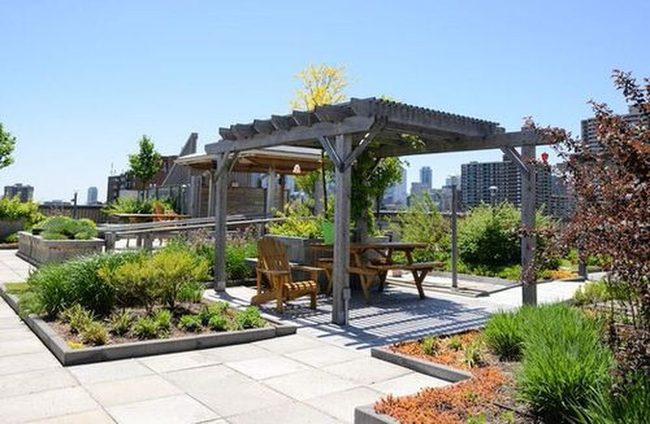
Rooftop pergola gardens transform bare city spaces into lush green retreats by combining wooden or metal structures with climbing plants like jasmine, wisteria, and clematis that weave through the slats and create living canopies overhead.
You can soften the harsh architectural lines of urban buildings while blocking intense sunlight, and the trailing vines add privacy and visual interest at the same time.
Strategic placement of these structures helps you maximize limited rooftop space by using vertical growing techniques rather than spreading plants across the ground.
Metal or wooden beams support the greenery and form intimate garden rooms high above street level, giving you a natural sanctuary away from the noise and chaos below.
Lightweight containers make it easy to add plants without putting too much weight on your roof, and smart plant selections mean your green escape can thrive even in an urban environment.
Elevated Urban Garden Escape
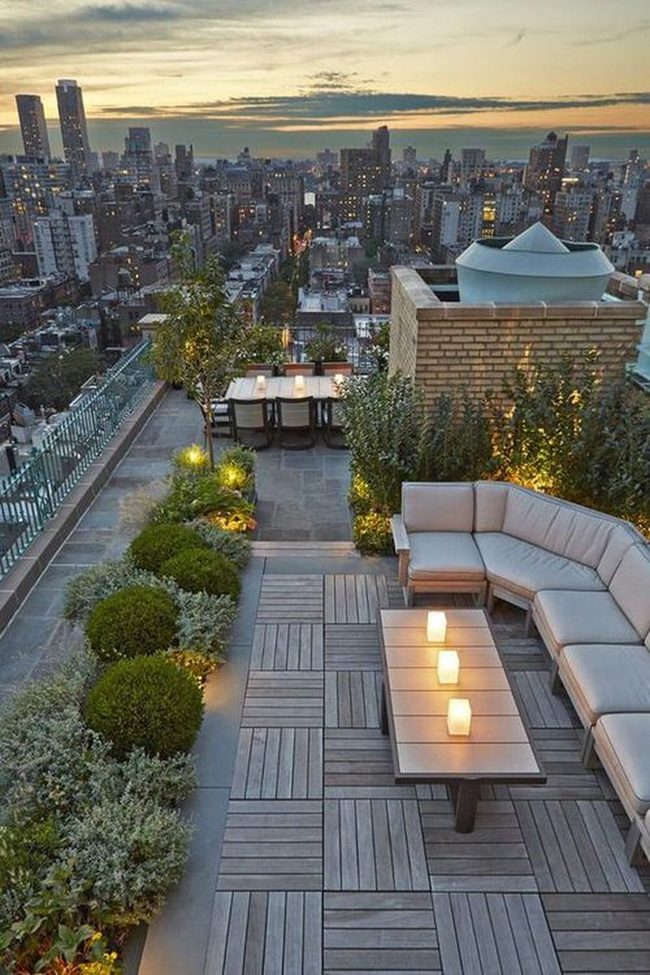
Rooftop green parks turn barren concrete spaces into thriving natural havens that sit high above the city, offering you a direct escape from the chaos below.
Potted plants, vertical gardens, and compact seating arrangements transform these elevated areas into intimate outdoor sanctuaries where you can truly disconnect from daily stress.
Strategic plant selections including shrubs, flowers, and small trees make excellent use of limited rooftop space and bring nature right to your doorstep.
Comfortable seating spots tucked throughout the garden give you quiet places to relax and think, all while the city hums somewhere below you.
Clever landscaping choices shield you from neighboring buildings and create privacy without blocking those breathtaking views of the urban landscape around you.
Urban gardeners have discovered that these green spaces nourish both body and soul in ways that ordinary rooftops simply cannot.
Dense Green Rooftop Garden
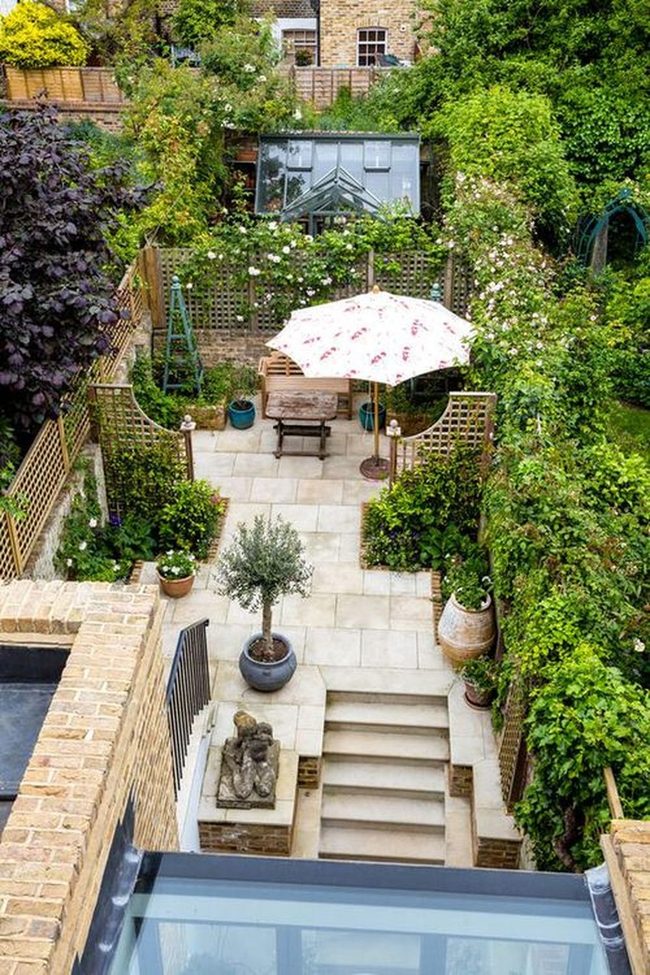
Lush rooftop gardens packed with dense greenery transform bare urban spaces into stunning living landscapes that soften the hard lines of buildings and architecture around you.
By layering plants of different heights and textures, you build natural depth and visual interest that makes the space feel more alive.
Green walls and cascading foliage create peaceful retreats high above the noise and concrete of city streets, offering private sanctuary zones where you can unwind after hectic days.
Strategic plant placement does practical work too; it blocks wind, reduces urban heat, and provides natural insulation that benefits both you and the environment.
These multipurpose spaces connect city dwellers with nature in ways that matter, giving you a quiet place to relax and breathe among lush vegetation.
Beyond the beauty, rooftop gardens help you reclaim unused areas and turn them into functional extensions of your home.
Rooftop Vegetables Transform Urban Spaces
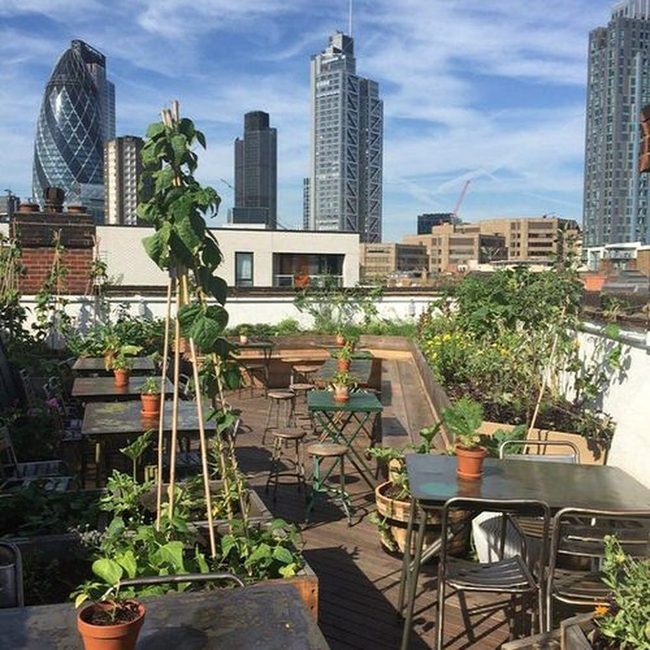
Rooftop vegetable gardens completely change how people approach urban farming by turning small city spaces into thriving green sanctuaries where tomatoes, lettuce, and herbs grow right above concrete landscapes.
Strategic layout makes all the difference because positioning plants to catch sunlight and manage wind conditions keeps your crops healthy and productive.
You can harvest nutritious foods just steps from your kitchen when you grow vegetables overhead, and this means fresher ingredients and lower transportation costs compared to store-bought produce.
Personal gardens on rooftops also boost building insulation and help cool the surrounding urban environment, so you're getting environmental benefits alongside your food supply.
Growing your own vegetables becomes an eco-friendly strategy for city dwellers who want fresh, local ingredients without relying on distant farms.
Compact designs allow you to maximize every bit of available space and connect with sustainable food practices in a meaningful way.
Green Vertical Planters Define Urban Rooftop
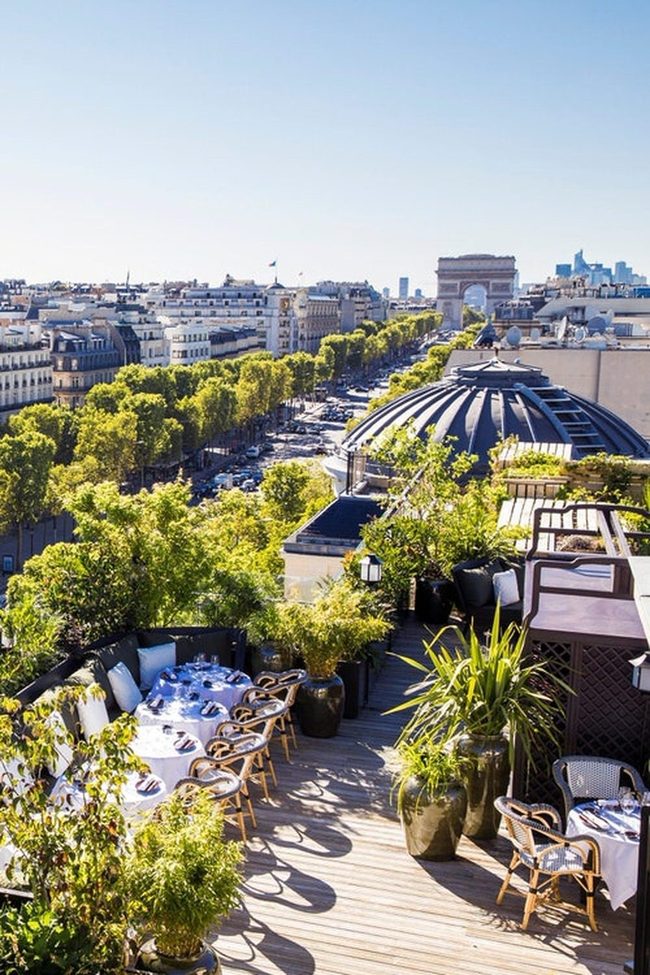
Tall green planters rising across your rooftop create stunning natural boundaries that instantly transform a bare urban space into a lush, private dining sanctuary.
These living screens do more than look beautiful; they block out city noise and shield your entertaining area from neighboring views while maintaining an open, airy feel without heavy fencing.
Strategic placement of these vertical elements divides the space into intimate zones where you can enjoy meals without walls closing you in.
Plants like bamboo and columnar trees work well for this kind of screening and add sophistication to the setting.
By stacking planters at different heights around your seating areas, you maximize every inch of rooftop square footage and build genuine depth into your outdoor room.
Urban Rooftop Native Gardens
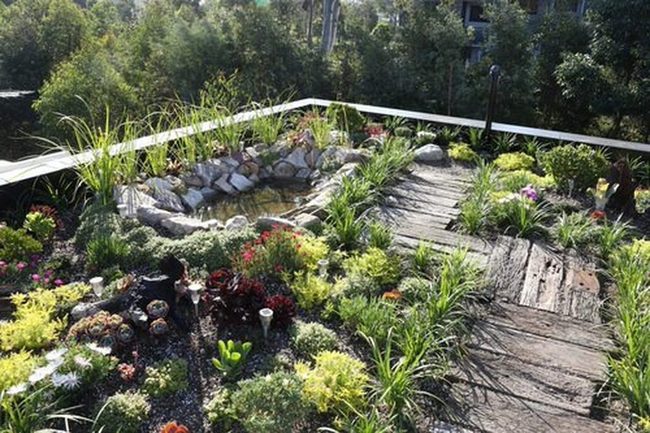
Rooftop gardens transform barren urban spaces into thriving natural havens that make concrete jungles feel alive and connected to nature.
Native plants like sedums, grasses, and wildflowers blanket these elevated landscapes and work hard to absorb heat while filtering the polluted air around your city.
You can install these gardens using lightweight soil blends and modular techniques that don't require special expertise or complicated construction methods.
Smart drainage systems run underneath to keep your building protected from water damage and support local ecosystems at the same time.
When you choose drought-resistant plants suited for high-altitude conditions, maintenance becomes manageable and your garden thrives without constant attention.
Beyond the obvious beauty, these green roofs reduce how much energy your building needs and provide safe homes for bees and other pollinators that cities desperately need.
Cities like California and New York have embraced this movement and inspired green architecture trends around the world.
Urban Metal Garden Oasis
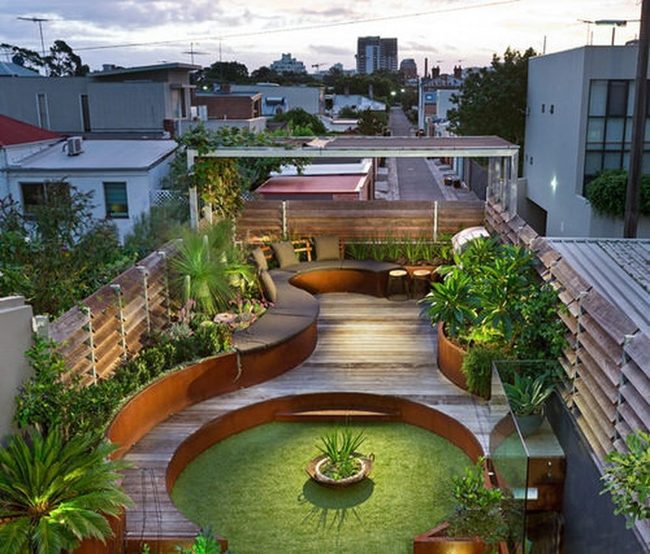
Modern rooftop gardens turn bare city spaces into peaceful outdoor retreats with clean lines and thoughtful plant placement.
Metal and glass structures blend smoothly with succulents and ornamental grasses, and the contrast between natural textures and hard architectural elements keeps the space visually interesting.
Geometric planters in neutral tones reinforce the contemporary look and make the most of limited square footage.
Simple furniture pieces define separate zones for relaxing and sitting quietly.
You'll find that these minimalist rooftops offer urban dwellers a quiet sanctuary well above the noise and bustle of the streets below.
The beauty of this approach lies in how every element serves both form and function.
Strategic greenery and open layouts give the space breathing room.
What emerges is a personal outdoor area that feels both modern and naturally grounded.
Red Umbrellas Over Urban Garden
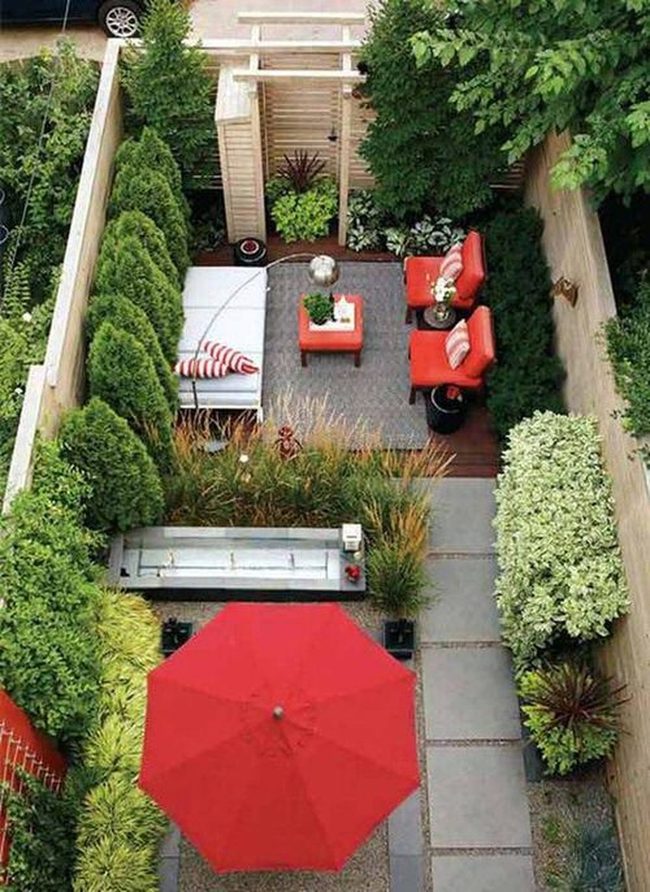
Bold red umbrellas stand out immediately against the urban landscape, providing shade while making a striking statement that demands attention on any rooftop deck.
Surrounding this centerpiece, lush green foliage spills from containers and cascades down in layers that soften the hard concrete beneath your feet.
Potted herbs, succulents, and trailing plants fill the space with varying heights and textures, turning a flat rooftop into a garden with real dimension.
Garden designers work within tight rooftop constraints by positioning each plant strategically so nothing feels crowded or wasted.
Cool breezes move naturally through the arranged greenery, and you can tell the way the space feels calmer than the busy city below.
Container selection matters just as much as plant choice, and we recommend mixing sizes to break up visual monotony and guide your eye throughout the garden.
Even a small urban deck transforms into a peaceful retreat when you combine bold color with thoughtful plant arrangement.
Pallet Wood Meets Circular Green Beds
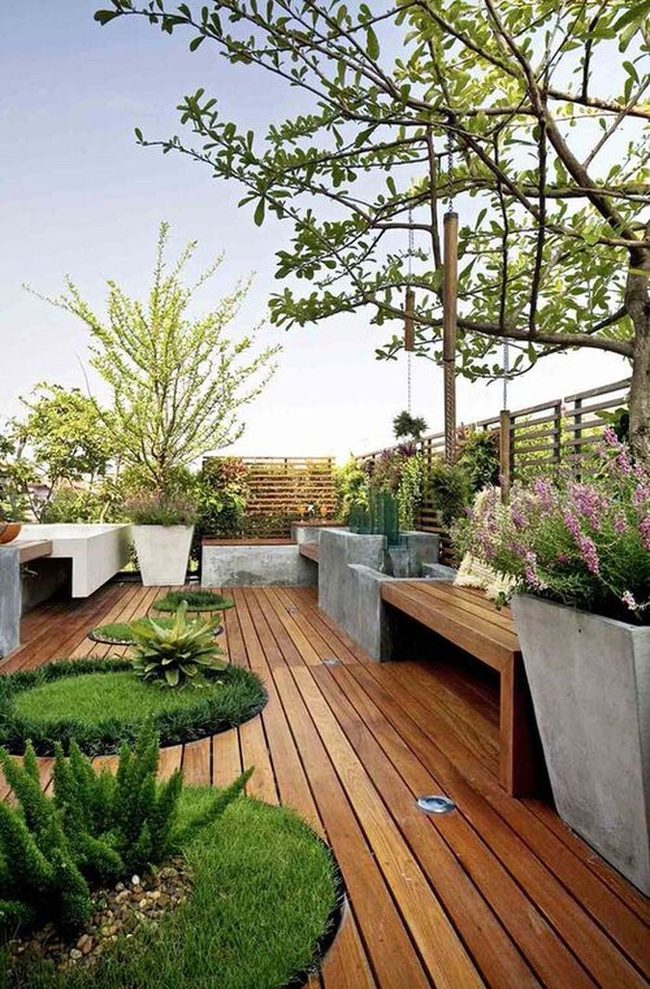
Wooden pallets transformed into sturdy flooring bring striking visual interest to small outdoor spaces, and when paired with circular green beds, they create dynamic centerpieces that naturally draw your eye across rooftop landscapes.
Strategic plant selections turn these compact zones into personal green retreats where you can relax and unwind.
Recycled pallet materials offer you a budget-friendly solution that minimizes waste while maximizing what your small space can become.
Natural curves from the circular beds add movement to otherwise flat rooftop surfaces.
Simple wooden pallets work as functional flooring that breathes life into spaces you thought couldn't hold a garden.
Choosing the right plants makes all the difference in transforming your compact urban area into a lush sanctuary.
Rooftop Flowers Above The City
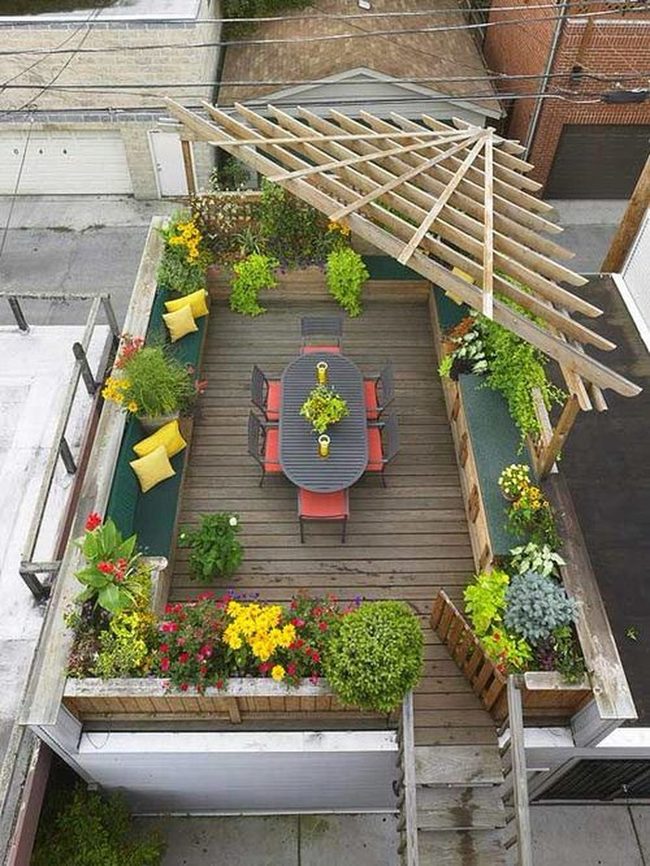
Rooftop gardens blooming with flowers and climbing vines transform plain concrete spaces into lush outdoor rooms where you can dine high above the city streets.
Green walls of potted herbs and compact plants wrap around intimate seating areas, and panoramic views stretch out beyond your dining zone to complete the sense of escape.
Vertical gardening techniques make smart use of limited rooftop square footage, so even small spaces feel abundant with life and color.
Comfortable seating nestled among blossoming plants invites you to slow down and enjoy meals in a peaceful setting, away from the noise below.
Lightweight containers hold everything in place without straining your roof structure, and strategic plant choices keep maintenance simple.
Living walls of greenery frame your dining area with natural beauty that shifts and grows throughout the seasons.
You get a personal oasis suspended above street level where fresh air, flowers, and good food come together effortlessly.
Climbing Plants Wrap Wooden Beams
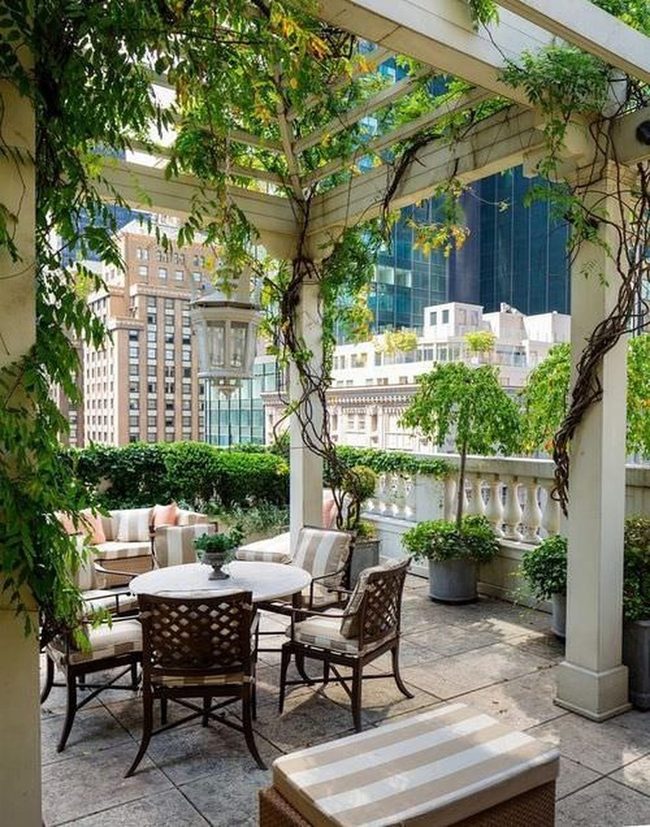
Vining pergolas turn ordinary porches into lush garden rooms where climbing plants wrap around wooden beams to form natural shade and stunning greenery overhead.
Wooden structures become living walls filled with cascading foliage and colorful blooms that add texture and movement to your outdoor space.
You can choose seasonal plants like jasmine, wisteria, or clematis to enhance your area with their trailing branches and natural beauty.
Placement near seating spots lets you relax while surrounded by gentle plant movements that sway in the breeze.
Beyond the visual appeal, these structures block harsh sunlight and keep your porch cooler during warm months.
Pergola designs range from rustic wooden frames to modern metal structures, so you can pick a style that fits your home's look.
Whether you prefer a traditional or contemporary design, a vining pergola brings both function and natural beauty to your outdoor living areas.
Rooftop Jungle Above The City
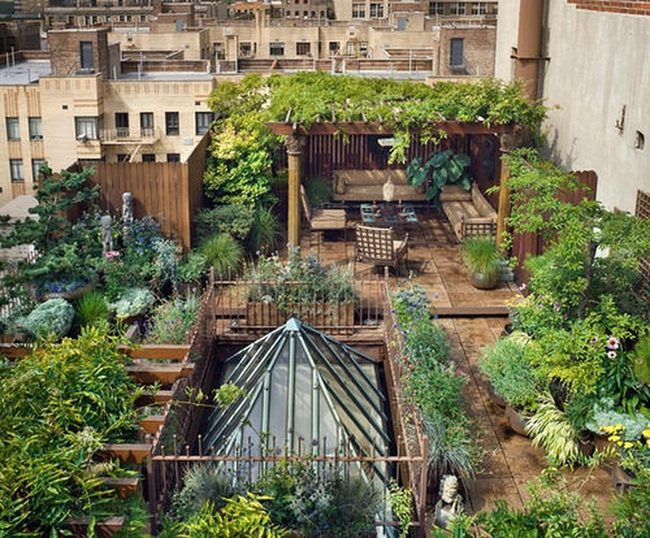
Towering palm trees and bright flowers burst across rooftop spaces and transport you straight into a lush tropical world that sits high above the busy city below.
Climbing vines spread across walls and overhead structures, offering natural screens that give you privacy while adding height and dimension to the garden layout.
Surrounding dense plants muffle street noise and help small seating spots feel like hidden retreats where you can relax completely.
Stacking plants at different heights mimics how rainforests grow, and this layering makes the space feel richer and more interesting to look at.
Large pots and containers give you the flexibility to rearrange and shift plants around based on what works best for your space.
Getting drainage right matters quite a bit when you're building a garden up on a rooftop or elevated area.
Warm-loving plants thrive in these sunny, open spots where they get plenty of heat and light throughout the day.
Urban Vegetable Beds Elevated
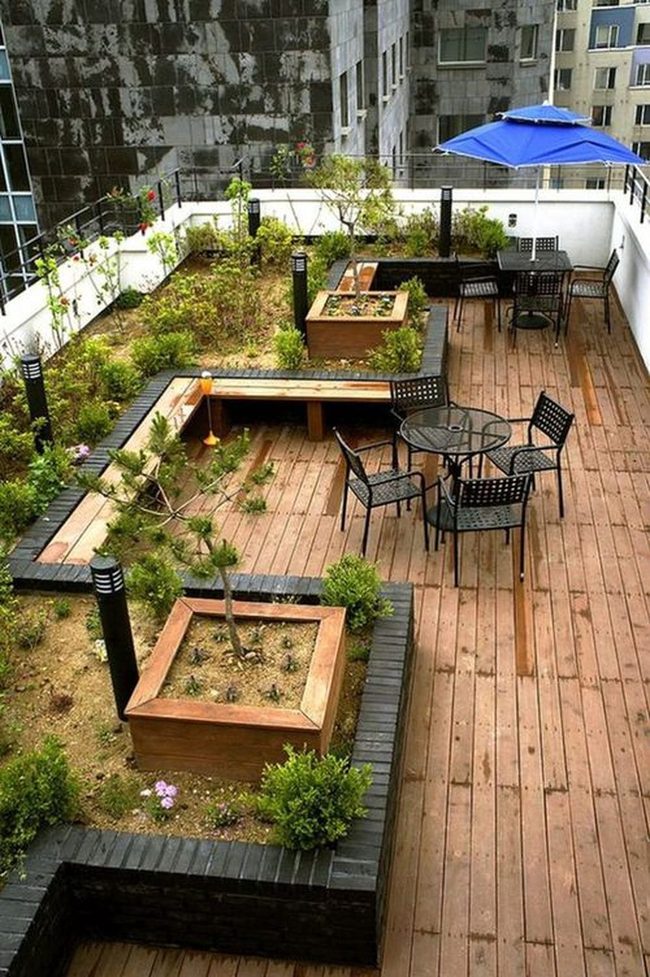
Raised bed terrace gardens turn cramped urban spaces into thriving green zones packed with vegetables, herbs, and flowers that you can harvest right outside your door.
Small outdoor areas benefit enormously when you position these elevated platforms strategically, and they solve multiple problems at once for city dwellers who want fresh produce and beautiful plants.
With raised beds, you gain complete control over your soil quality and drainage while keeping everything at a comfortable height for planting and picking.
Lightweight materials and modular designs make it easy to set up these systems on rooftops or patios, and you can adjust the layout whenever your needs change.
Bland concrete surfaces transform into lush, productive landscapes that look great and actually feed your household.
Whether you're growing on a small balcony or a larger terrace, these compact growing systems adapt to your space and deliver real results.
Urban Rooftop Stone Garden
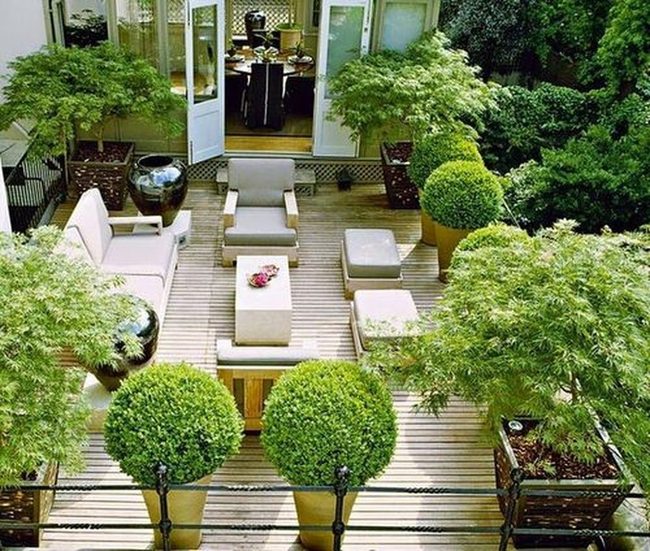
Rooftop zen gardens transform bare concrete into peaceful urban sanctuaries where you can escape the chaos below, and strategically placed rocks, stones, and minimalist plants define these tranquil spaces with clean lines and purposeful simplicity.
Bamboo and compact trees rise up to block out city noise and create natural screens for privacy, while smooth pebble pathways wind through the garden and guide you toward quiet spots meant for reflection and mental rest.
Simple architectural elements blend naturally with green plantings, and muted colors paired with subtle textures throughout the space encourage you to slow down and reset your mind.
Brownstone Rooftop Garden Escape
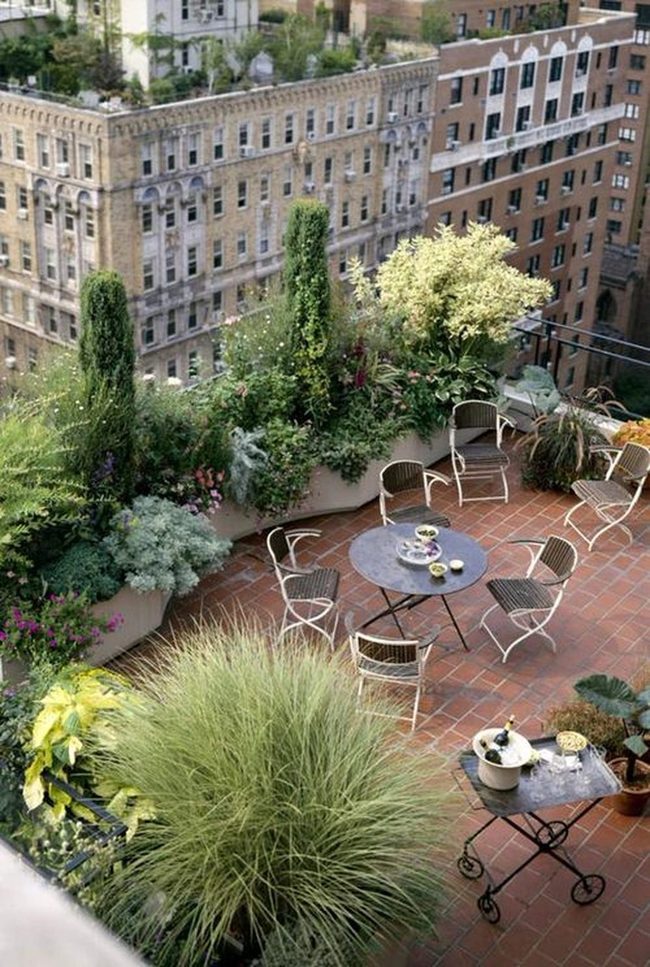
Roof deck garden with brownstone flooring and bordering bushes gives city dwellers an intimate sanctuary high above the busy streets below.
Warm brownstone tiles ground the space with earthy character and connect you directly to natural textures underfoot.
Surrounding green bushes form soft garden walls that shield your personal retreat from neighboring windows and prying eyes.
Leafy green borders provide peaceful screening while adding dimension to the rooftop landscape.
Strategic plant placement transforms a basic deck into an elevated green haven that feels separate from the urban environment.
Comfortable seating nestled among the greenery lets you enjoy moments of quiet reflection or relaxed time with others.
You can build this peaceful escape with quality materials and thoughtful landscaping that suits your space and style.
Simple design elements combine to produce a tranquil outdoor room that feels worlds away from city noise and activity.
Tropical Rooftop Above The City
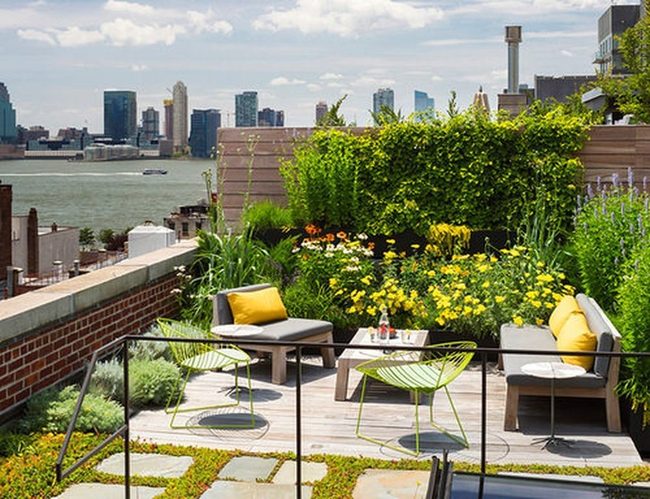
Rooftop sitting area rises above the city streets with towering palm trees and lush flowering plants that immediately catch the eye and transform concrete into a thriving green sanctuary.
Exotic foliage in vibrant colors surrounds you from every angle, and potted tropical specimens layer the space with visual depth against the hard urban landscape.
Comfortable seating tucked among the verdant growth invites you to settle in for quiet moments, while panoramic views stretch out beyond the leafy canopy.
Generous greenery blocks out city sounds and creates an intimate retreat where you can escape the chaos below.
Natural beauty and comfortable furniture combine to make this rooftop your personal urban paradise.
Each time you step outside, strategic design choices draw you directly toward the plants and rest areas.
Lush Urban Rooftop Gardens
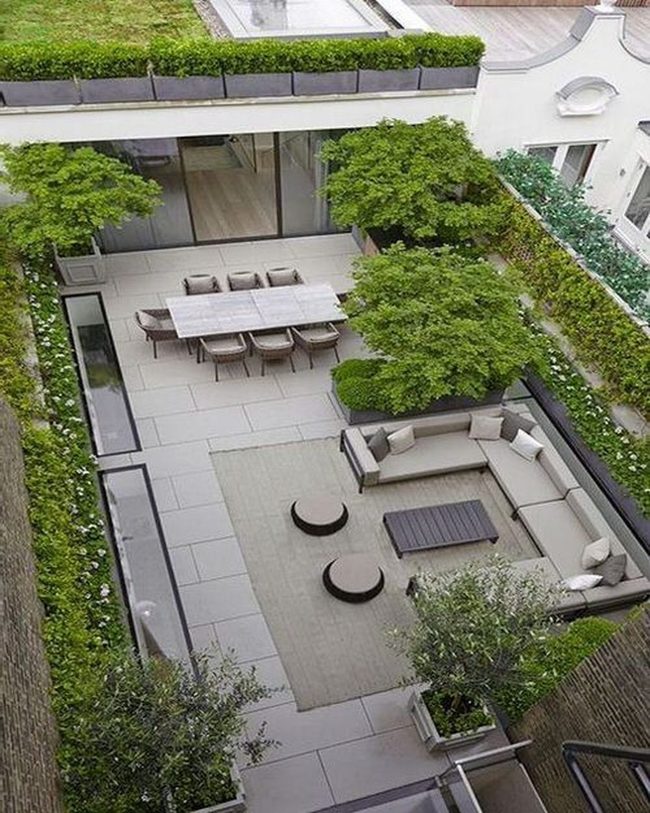
Green roofs transform cramped urban backyards into lush, elevated landscapes that bring nature right to your doorstep in the middle of the city.
You can maximize your limited rooftop space by selecting plants strategically and using lightweight soil systems that won't strain your structure.
Beyond beauty, these gardens actually reduce the heat that cities absorb, improve how your building stays insulated, and handle rainwater better than traditional roofs.
Living above the noise and bustle of urban streets, you get a peaceful spot to relax while barely impacting the environment around you.
Layering different plants thoughtfully helps everything thrive even in the tough conditions that come with being high up and exposed.
Lightweight growing mediums let you grow a variety of plants without worrying about whether your roof can handle the weight.
Working with design principles ensures you build a beautiful green space that bridges the gap between city living and the natural world we all need.
Fresh Herbs, Zero Effort Gardening
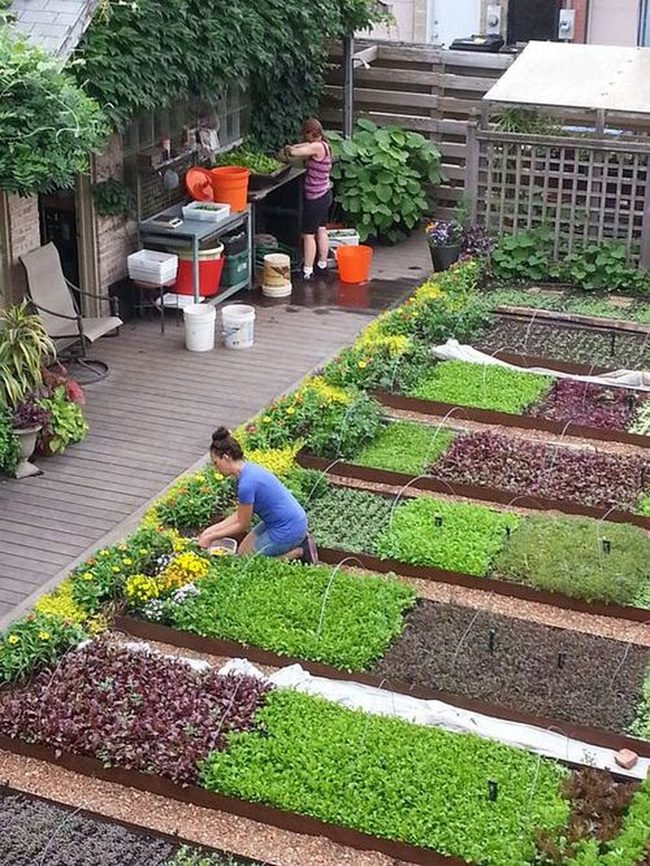
Herb gardens turn empty rooftop spaces into productive green zones where you can grow fresh basil, mint, and rosemary without much fuss.
Small containers do amazing work on urban balconies and narrow terraces, bringing edible plants close to your kitchen door for instant harvesting.
Sunny spots are all these herbs need to thrive, and they don't require any complicated care or special gardening knowledge.
Lightweight soil mixes and drainage-friendly pots keep plants healthy even if you're new to gardening, and the setup works just as well on tiny patios as it does on sprawling decks.
You can swap out different herbs with the seasons and experiment with Mediterranean or Asian varieties to find what you love growing most.
The most appealing part is how little space and effort it demands while giving you real flavor in return.
City Rooftop Green Railings
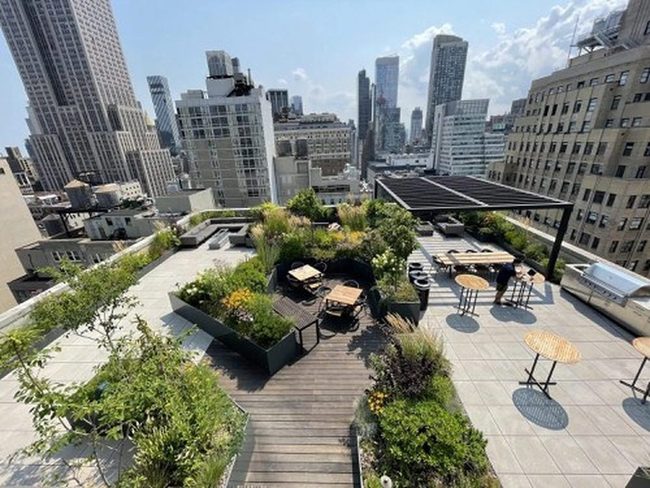
Sweeping metropolitan views stretch across your rooftop garden, and plants cascade over sturdy railings to create natural boundaries between seating zones and landscaped areas that immediately catch your attention.
Diverse greenery transforms concrete surroundings into peaceful retreats high above street noise, and lush vegetation provides visual interest while supporting local ecosystem health.
Comfortable furniture sits ready for relaxation, and strategic plant selections work alongside your design choices to promote balance in the urban environment.
Potted plants and compact garden beds ensure you can adapt your landscaping easily without heavy maintenance demands, and their placement connects you with natural surroundings in unexpected elevated spaces.
Limited rooftop square footage becomes more functional through multi-purpose design elements and smart layout decisions.
Concrete Terrace Blooming Overhead
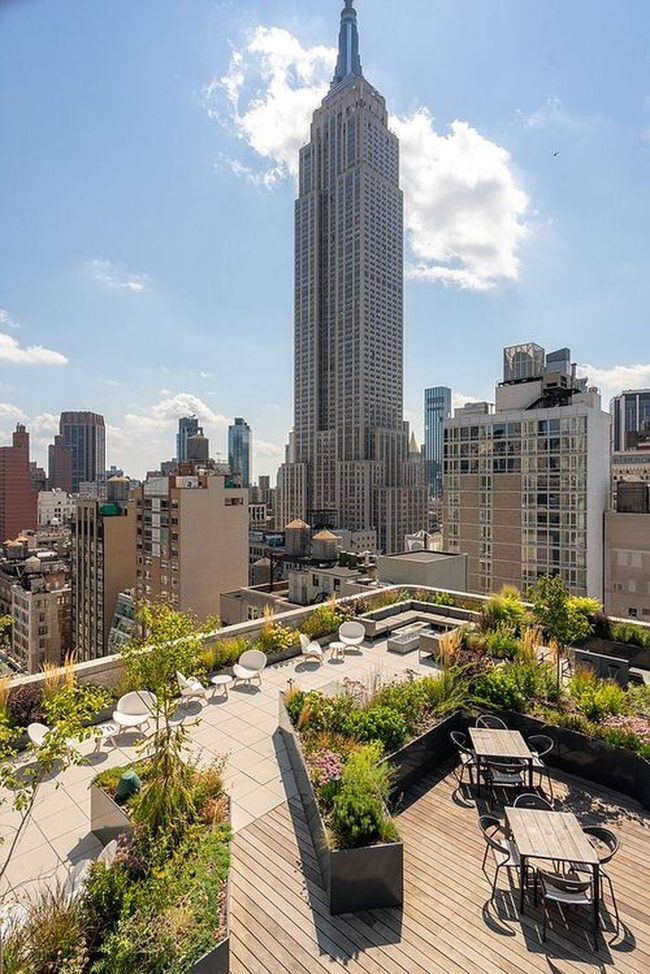
Rooftop garden filled with overflowing containers of bright flowers and fragrant herbs transforms your concrete terrace into a lush escape from city life, and lightweight ceramic and metal planters give these small spaces both style and function.
Positioning your containers strategically catches the most sunlight while keeping tender plants safe from strong winds, and this setup lets you grow vegetables, herbs, and flowering plants all in one spot.
Vertical gardening techniques help you pack more greenery into tight areas, so you're not limited by square footage.
Growing these plants draws butterflies and bees to your space while giving you a peaceful outdoor retreat that feels worlds away from the busy streets below.
Stacked Greenery On Compact Levels
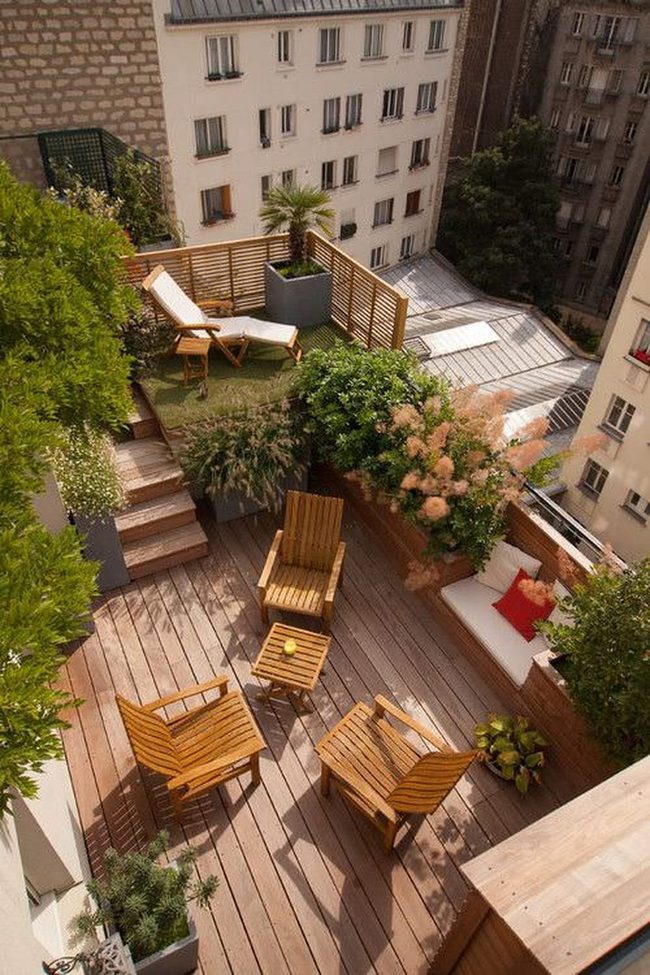
Two-storey terrace gardens showcase dramatic vertical landscaping that transforms city living by stacking multiple levels of seamless greenery across compact spaces, and climbing plants combined with strategic planter arrangements connect different zones while allowing vegetation to flow naturally between stories.
Residents can expand their green footprint without eating up ground-level area, and the vertical gardening techniques work particularly well for rooftop or balcony spaces that would otherwise stay bare.
Plants positioned at various heights add visual interest throughout the garden and provide natural screening between levels.
Structural planters integrated cleverly into the architecture create multi-dimensional retreats that feel surprisingly spacious despite their small footprint.
Modern metropolitan living benefits greatly from these innovative layouts because they turn restricted outdoor areas into lush sanctuaries.
Grass-Covered Rooftops Above City
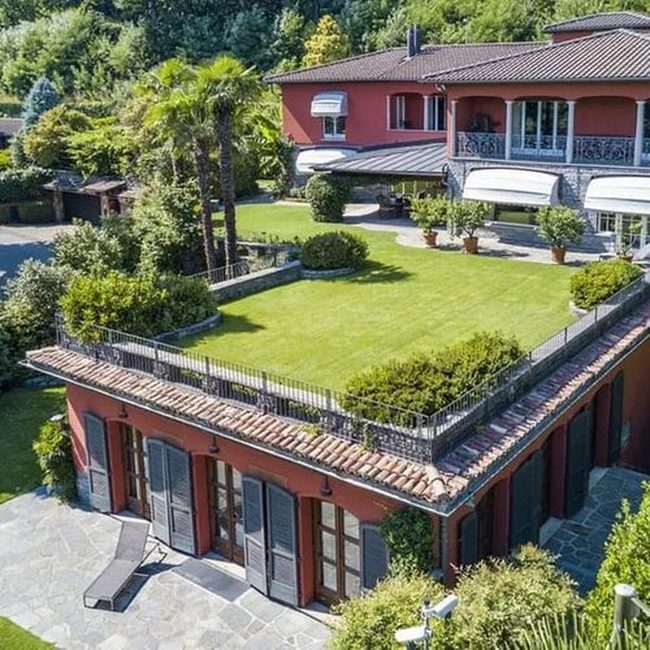
Lush grassy rooftops stretch across urban buildings with the unmistakable charm of countryside meadows, and they deliver peaceful outdoor retreats high above bustling city streets where you can escape the concrete below.
Lightweight soil mixtures support healthy grass growth without putting strain on building structures, making it possible to establish these gardens without major construction concerns.
Wildlife finds sanctuary in these elevated spaces, and native grasses thrive in compact rooftop environments when you select plants suited to your specific location.
Beyond the beauty, green roof designs improve environmental conditions around your building while creating relaxing personal landscapes just steps away from your daily routine.
Urban dwellers gain instant connections to nature through these planted zones, transforming small spaces into serene green havens that do wonders for both community well-being and your own comfort.
Green Heights Above The City
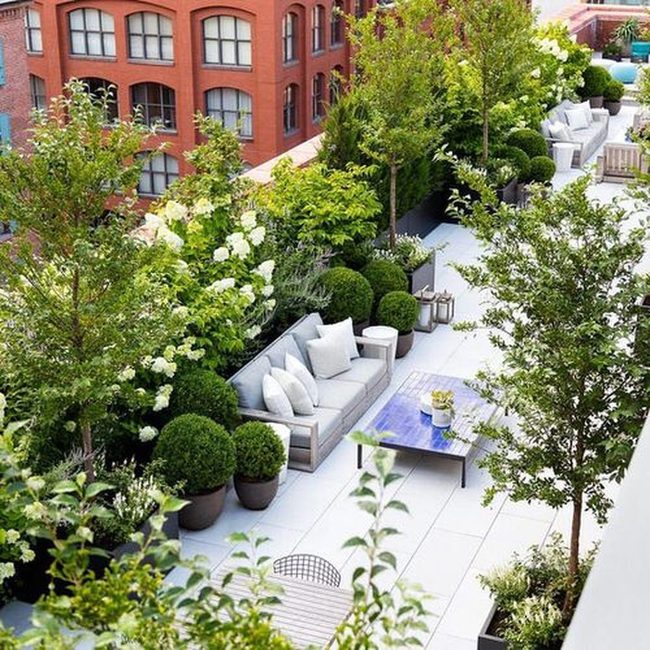
Rooftop gardens with towering shrubs and comfortable seating rise above the cityscape and transform bland spaces into elevated sanctuaries where you can truly relax.
Tall green barriers surround your seating area and block out noise and wind while keeping prying eyes away, so you get genuine privacy high above the streets.
Strategically placed plants soften the hard edges of concrete and metal around you, and deep green foliage brings natural warmth to cold urban architecture.
Nestling into cushioned seating among lush vegetation gives you a quiet place to escape the hustle below, and you can unwind without distractions or interruptions.
Beyond the dense leafy screens, panoramic views open up and let you drink in expansive skylines and distant horizons from your private perch.
Green Leaf Morning Coffee Corner
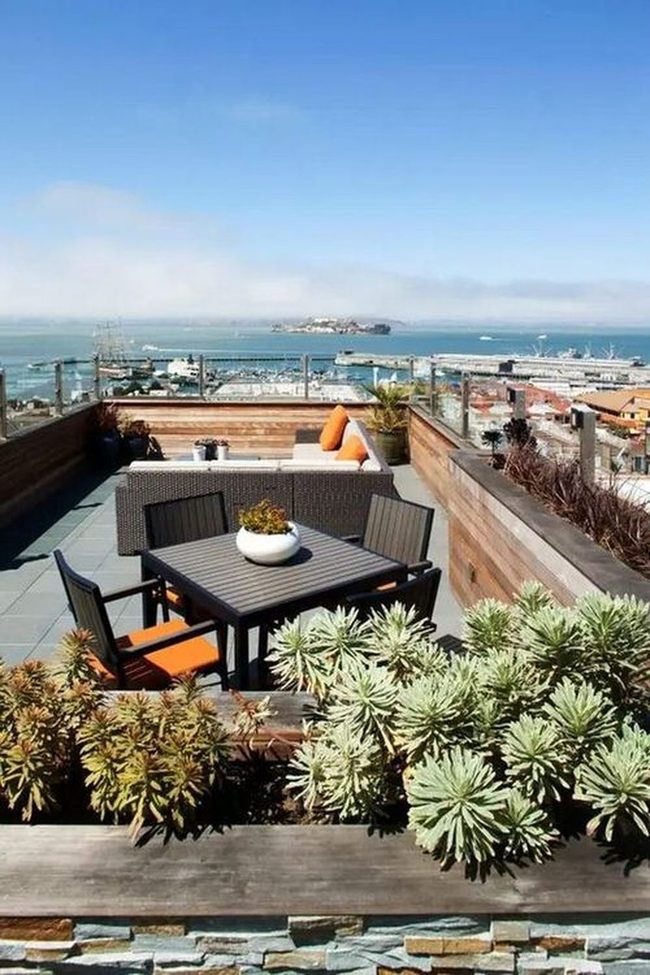
Positioned beside a striking euphorbia bush, your deck-top breakfast spot becomes a peaceful morning sanctuary where natural elegance and comfort blend together.
Soft morning sunlight filters through green leaves and bathes this charming corner in an intimate glow perfect for coffee and quiet reflection.
Surrounding blooms add vibrant color and sensory pleasure to your breakfast ritual, and the euphorbia itself demands little upkeep while serving as a stunning backdrop.
Strategic furniture placement maximizes the area and helps connect you with nature in a meaningful way.
Plants positioned throughout the space enhance the sense of tranquility and privacy that makes this corner feel like your own personal retreat.
Morning moments spent here become a welcome escape from daily pressures and stress.
Vertical Garden Dining Oasis
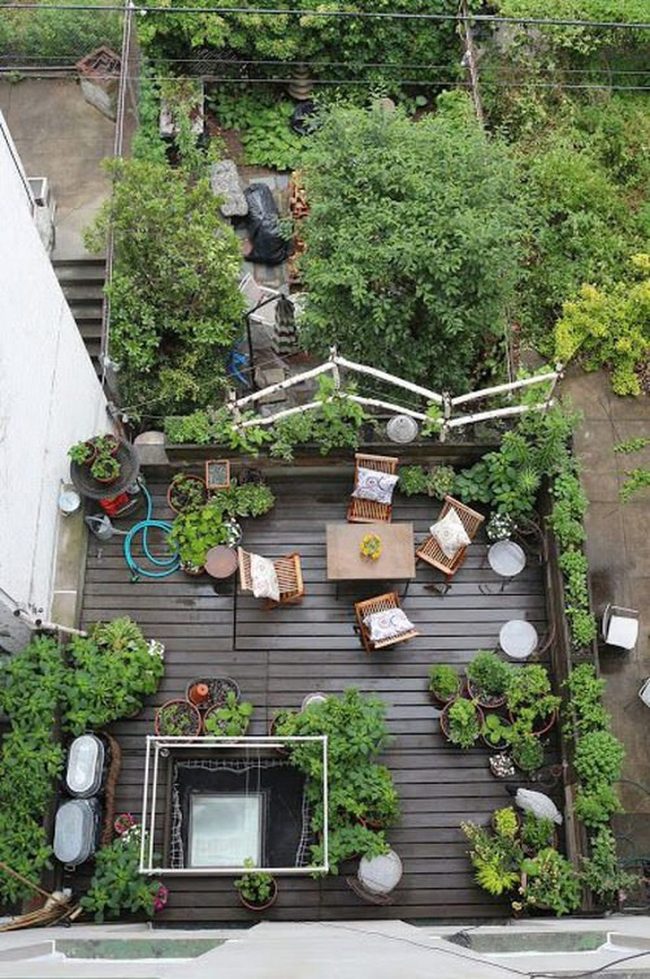
Rooftop or balcony where hanging pots overflow with leafy vines and trailing plants that cascade down in dramatic layers, instantly transforming bare walls into living backdrops.
Below this greenery, strategic vertical planters climb upward and maximize every inch of your limited space, while comfortable seating nestles right into the foliage so you feel surrounded by nature when you dine.
Fresh herbs and vegetables grow alongside purely decorative plants, so you get both beauty and ingredients within arm's reach.
Green spaces wrap around your eating area to create an intimate outdoor experience that blurs the line between a dining room and a real garden.
When you sit down to eat, cool breezes mix with plant aromas and turn an ordinary meal into something special.
Terracotta Blooms Climb Skyward
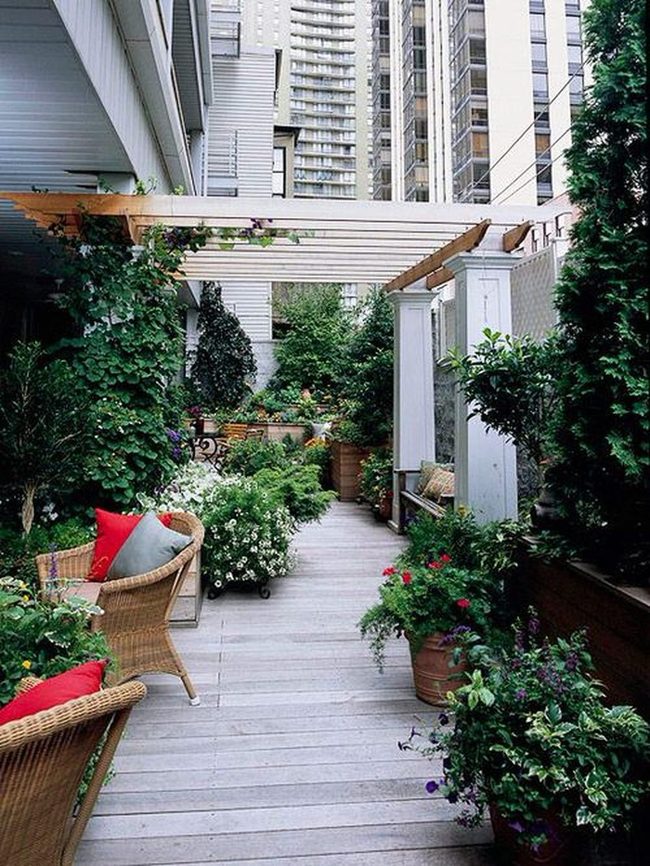
Potted flowers and climbing vines transform rooftops into green sanctuaries where nature thrives among urban buildings, and the combination of colorful blooms in terracotta containers and lush greenery creates spaces that feel like personal gardens rather than bare concrete.
Flowers ranging from soft lavenders to bold geraniums sit in strategic spots and bring visual interest while filling the air with natural fragrance and movement.
Climbing roses and jasmine weave through sturdy pergola frames to form living walls and natural shade structures that soften the hard edges of rooftop architecture.
Vertical plants dress up harsh architectural lines and make the most of smaller rooftop areas where traditional landscaping might not work.
Vines grow upward through the pergola framework and develop into natural canopies that shield you from direct sun while maintaining an open, airy feel.
Dense Green Canopy Reclaims Concrete
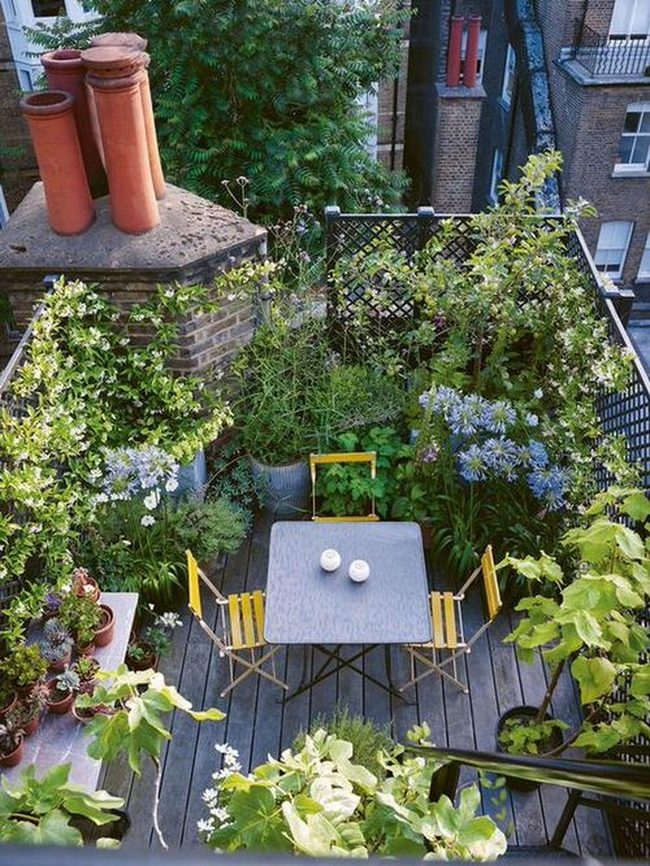
Fooftob urban forest transforms barren city rooftops into dense green landscapes that rival natural wilderness, with thick tree clusters and layered vegetation mimicking forest floors and creating verdant retreats across concrete surfaces.
I find it useful how green canopies soften harsh architectural lines while filtering city air, and the strategic plant arrangements include multiple zones that provide habitat for urban wildlife and insects.
Native plants thrive in these spaces, and botanical diversity supports local ecological balance while reducing urban heat island effects.
Pathways wind between plant groupings throughout the rooftop, encouraging you to explore and find peaceful moments among the greenery.
Green rooftop designs connect city residents with natural environments through vertical gardening strategies that bring wilderness right to where you live and work.
Green Rooftop City Escape
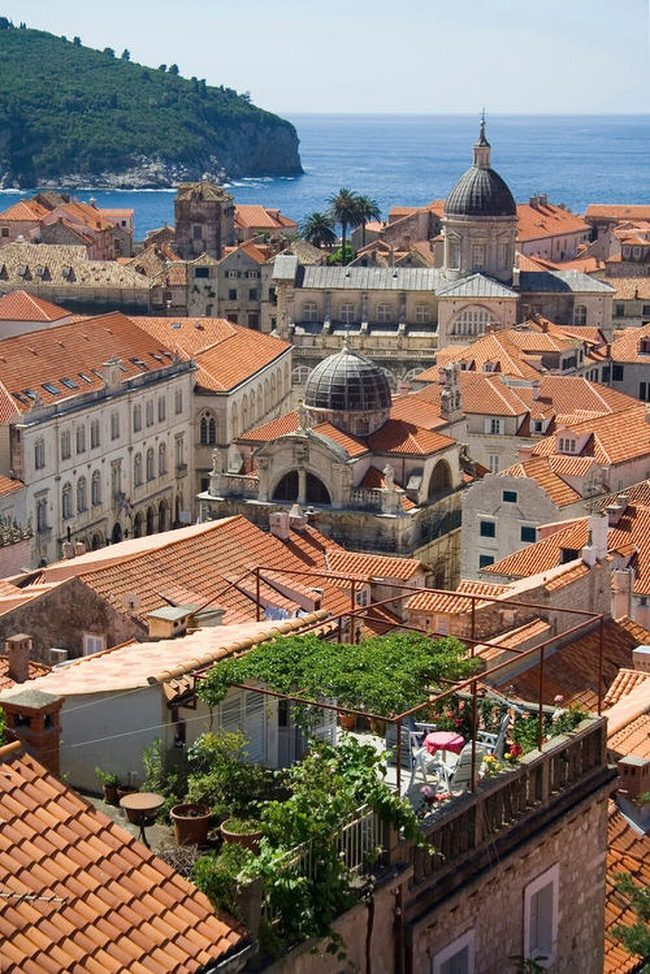
High above the noise of bustling city streets, a rooftop garden rises as a striking green escape that turns concrete and steel into a peaceful retreat.
You can maximize your limited space with thoughtful plant choices; herbs, succulents, and compact trees all flourish in elevated settings and bring life to otherwise empty rooftops.
Comfortable seating tucked between lush greenery gives you an intimate spot to unwind, while smart landscaping divides your space into different zones so you can read, dine, or sit quietly whenever you need a break from daily stress.
Strategic placement of vegetation means your garden looks beautiful and functions well, giving you multiple ways to use your outdoor area.
Vertical Green Balcony Paradise
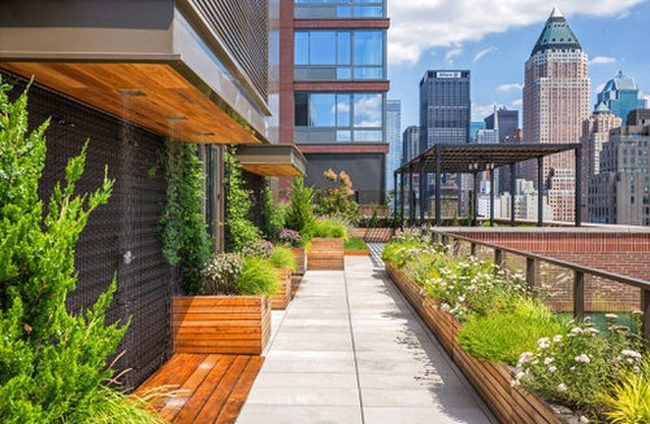
Lush greenery bursting from containers and climbing up vertical trellises transforms even the tiniest city balcony into a personal plant sanctuary.
You can turn a small terrace into a mini oasis by selecting lightweight plants like succulents, herbs, and trailing vines that thrive in compact spaces and don't strain structural limits.
Strategic spacing and clever container placement maximize every inch of your outdoor area, letting you pack in flowers, herbs, and cascading foliage without feeling cramped.
These little green escapes offer real stress relief and a sense of calm when you're surrounded by busy urban life.
Apartment dwellers who invest in porch gardens gain fresh air and natural beauty right outside their doors.
Growing your own herbs and watching flowers bloom on your balcony connects you to nature in meaningful ways.
Cascading Blooms Carpet Urban Terraces
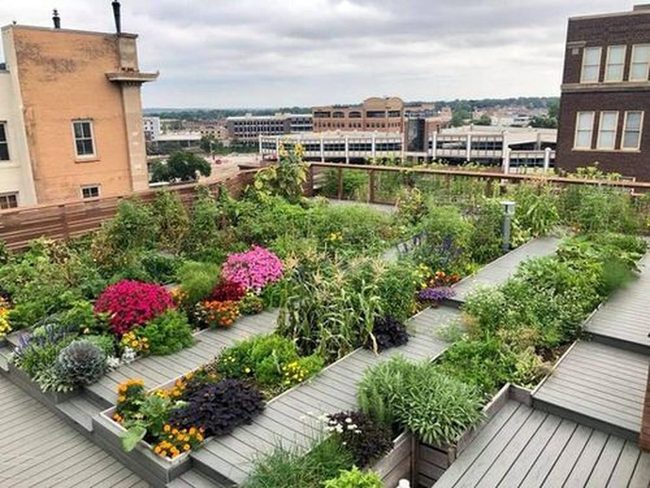
Flowing valleys of flowers and sprawling groundcovers inject bold botanical drama into city outdoor spaces, and this feels natural because cascading blooms mix with low-spreading plants to build rich texture across your terrace surface.
Planting flowers and groundcovers together shifts dull concrete areas into lush green retreats that feel like private sanctuaries.
Dense green carpets layered with colorful flowers offer natural insulation while bringing in pollinators your garden needs.
Small arrangements work well for rooftop spaces since they pack garden experiences into compact spots without eating up much room.
Native perennials need less upkeep than other plants, and we find that smart planting methods reduce the work involved even further.
You get a small terrace that functions like a verdant haven, full of life and greenery in the heart of the city.
Michael Harris
Senior Content Editor
Expertise
Home Décor Content Creation, Interior Design Journalism, Editorial Oversight, Digital Media Strategy, Team Leadership and Mentorship
Education
University of Queensland, Brisbane, Australia
Queensland University of Technology (QUT), Brisbane, Australia
Michael Harris is the senior content editor at Archi Refresh, where he turns home design trends into engaging, easy-to-follow articles. With a journalism degree from the University of Queensland and a digital communication certification from QUT, he knows how to craft content that informs and inspires.
With over 10 years of experience in lifestyle and design media, Michael has shaped editorial strategies, mentored writers, and helped readers refresh their spaces with practical tips. His work blends storytelling with expert advice, making home decor more accessible to everyone.
Outside of work, Michael enjoys DIY projects, exploring Brisbane’s art scene, and teaching digital literacy workshops.