
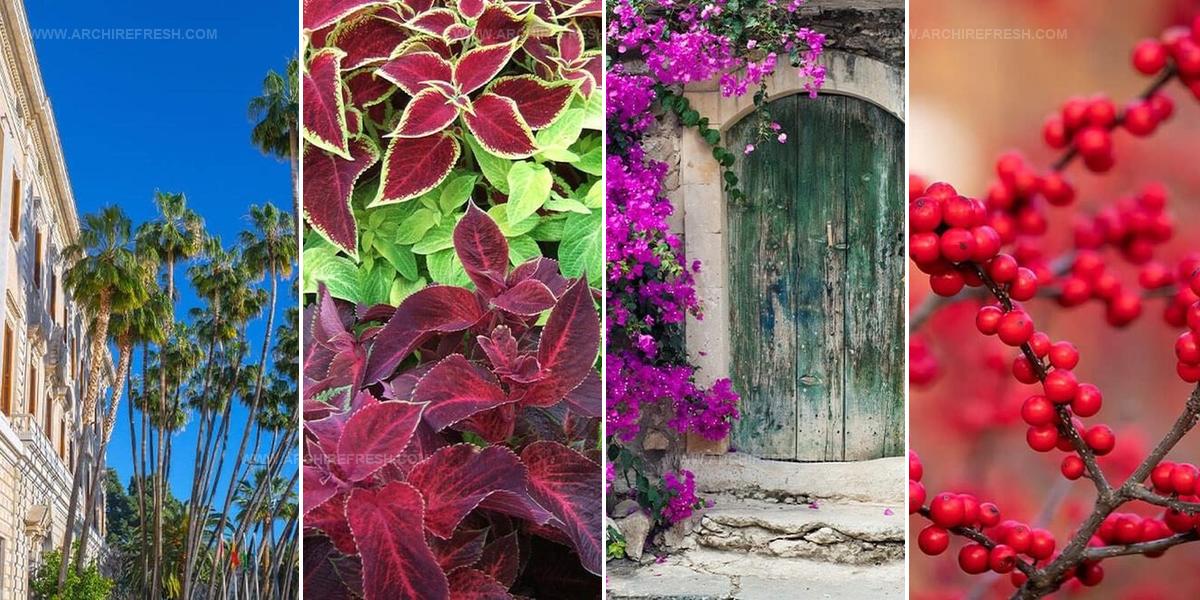
21 Salt Tolerant Plants For Beach Landscaping That Thrive
Living near the ocean brings spectacular views, but finding vegetation that survives constant exposure to salty air and soil requires careful selection of salt tolerant plants for beach landscaping.
Coastal gardens face unique challenges because traditional flowers and shrubs often wither when sodium levels rise in the environment around them.
Native species adapted to maritime conditions flourish where others fail, making them essential choices for seaside properties.
Understanding which varieties handle these harsh elements helps homeowners develop resilient outdoor spaces that remain beautiful year-round.
Beach landscapes need flora with waxy leaves, deep roots, or natural resistance to mineral buildup in the ground.
Selecting appropriate species means less maintenance, fewer replacements, and gardens that actually thrive despite challenging conditions.
Armed with the right knowledge, you can build a stunning coastal retreat that withstands whatever nature delivers.
Cream-Edged Ivy For Shaded Spaces
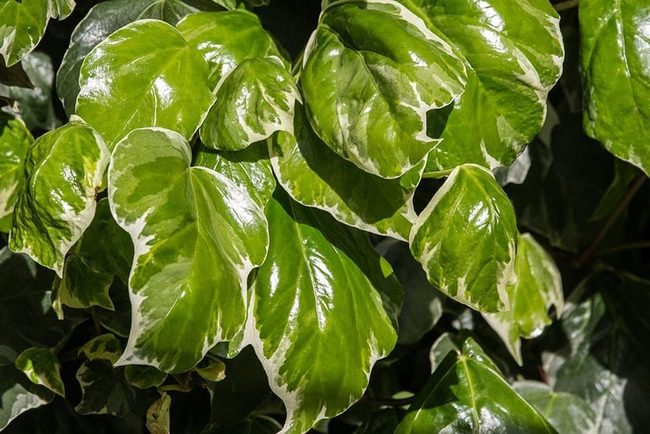
Algerian ivy impresses with its striking trident-shaped leaves that often display creamy white edges, bringing visual interest to any space you want to decorate.
This hardy vine solves real gardening problems because it grows well in low-light areas where many other plants struggle, and it even handles salt in the soil without complaint.
You can train it to climb up walls and trellises for a dramatic effect, or spread it across the ground as living coverage that softens bare spots.
Since this plant adapts to tough conditions and doesn't demand constant attention, gardening becomes far less stressful for anyone looking to add greenery indoors or outdoors.
Whether you tuck it into a shaded corner or give it a structure to climb, the Algerian ivy rewards you with lush growth and natural beauty.
I notice the detail in how this versatile plant makes decorating with greenery simple and rewarding, even for spaces that seem impossible to fill with vegetation.
Red Seed Clusters Shrub
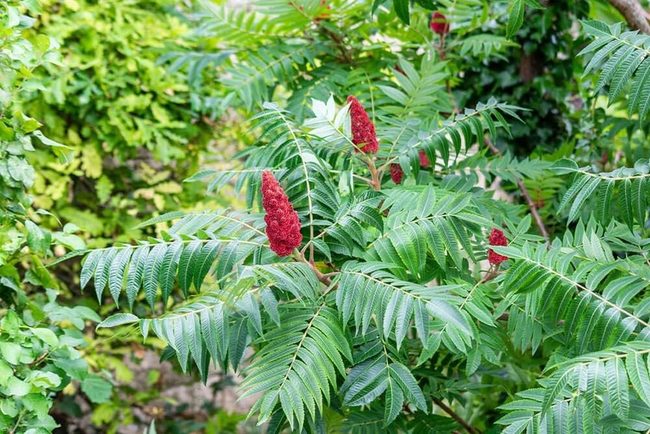
Staghorn sumac makes a striking addition to gardens with its bright red seed clusters crowning each branch tip, and these cone-shaped formations grab attention from across your yard while feeding birds and wildlife throughout the seasons.
Most people overlook this large shrub despite its fuzzy stems and distinctive branching pattern that bring real character to any landscape.
You might wonder why staghorn sumac remains such an underused choice for home gardens when it delivers so much visual interest and ecological value with minimal fuss.
Its size works well in spacious yards where you want a plant that stands out without demanding constant care.
Wildlife appreciates the nutritious seeds, so adding one means you're supporting local ecosystems while enjoying a beautiful plant.
Its unpopularity seems puzzling when you look at everything this plant brings to the table.
Peeling Bark Cedar Windbreak Hedge
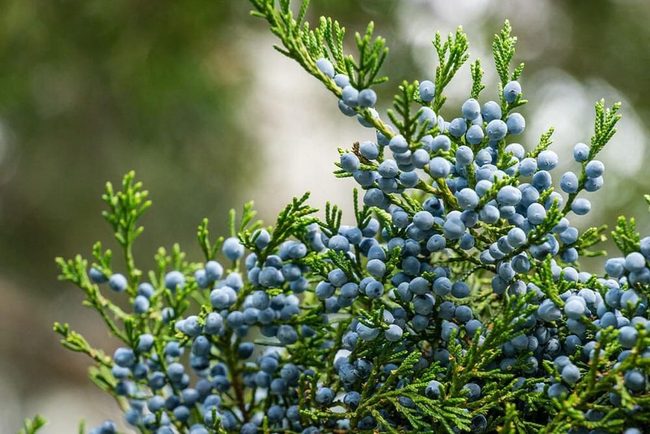
Eastern red cedar trees display striking upright, oval-shaped canopies that serve as an excellent backdrop for your garden design, and their bark peels in long strips of light brown, revealing texture and character as the trunk expands over time.
Cones add another layer of visual interest to these evergreen specimens.
When you plant them as a hedge, you gain both privacy and wind protection for your outdoor space.
Beyond their appearance, these trees deliver real function to your landscape.
The part I enjoy is how they manage to be both beautiful and practical at once.
Growing eastern red cedars means you get a green touch that enhances your surroundings while also doing the hard work of shielding your yard from harsh conditions.
Your garden becomes more dynamic and protected when you choose these reliable trees.
Light Blue Berries Low Spreading Juniper
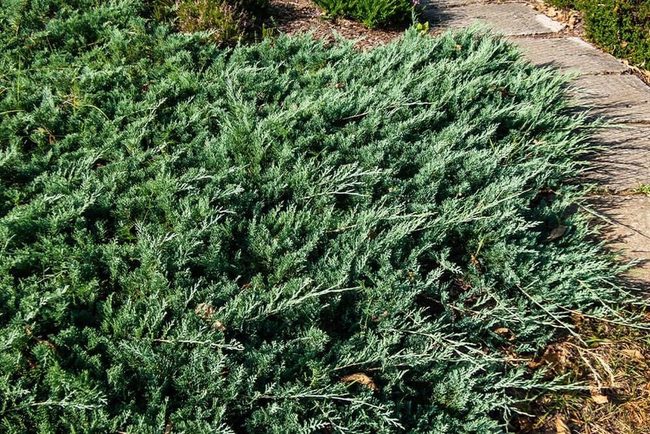
Creeping juniper plants produce small round fruits in light blue tones that stand out against their dense mat of bluish-green leaves, making them visually striking additions to your coastal garden.
You'll find that these plants stay under one foot tall but spread widely across the ground when conditions are right, offering excellent coverage for your landscape.
Near the beach, they thrive without much fuss and keep your outdoor space lush and green throughout all seasons.
Their low-growing nature makes them perfect for filling in bare spots, and they handle the salty air that other plants struggle with.
If you want something that looks good year-round without demanding constant attention, creeping juniper delivers exactly that.
These plants are a smart choice for anyone looking to establish a strong ground cover in a coastal setting.
Purple Blooms And Orange Rose Hips
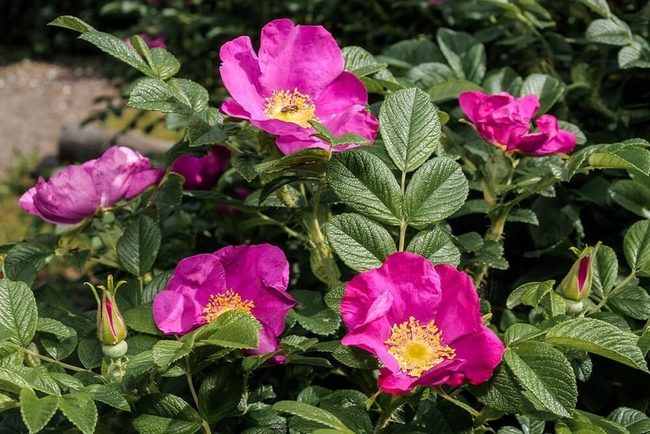
Rugosa rose commands attention along the shoreline with its bold purple flowers crowned by golden centers and followed by striking reddish-orange rose hips that stand out against the coastal landscape.
This hardy plant earns its reputation as a beach survivor because it flourishes in salty soil where most other species cannot tolerate the harsh conditions.
Its bright fruits led people to call it beach plum, and they add warmth and visual interest to any seaside garden you're planning.
Beyond its eye-catching appearance, rugosa rose also spreads generously across the terrain, forming large colonies that fill spaces naturally and without much fuss from you.
Wandering through coastal regions gives you a real sense of how well this plant adapts to its environment, thriving where salt spray and sandy soil are the norm.
The lovely thing about this look is that it combines toughness with genuine beauty, so you get both functionality and charm in one hardworking plant.
Explosive Red Climbing Blooms
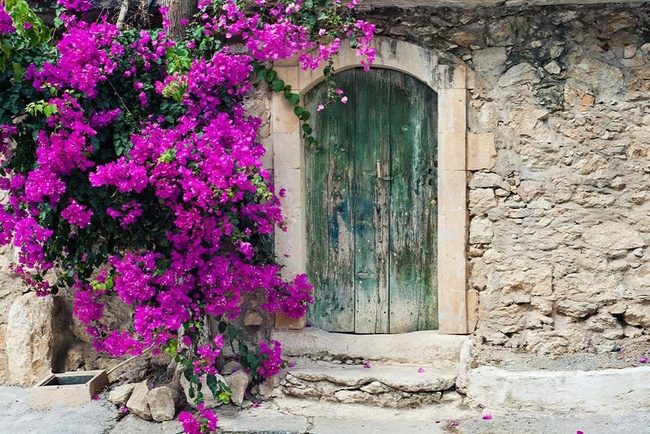
Bougainvillea explodes across fences and walls with brilliant red, pink, and purple flowers that immediately grab your attention and transform any garden space.
Its climbing vine nature creates depth and layers in your outdoor area, making it work well for adding dimension to your landscape.
While this plant isn't the most salt-tolerant option available, it can manage some salty conditions and may do quite well in coastal regions.
You can count on year-round blooms that deliver consistent color and brightness to your surroundings.
It's a straightforward addition that rewards you with impressive flowering displays without demanding too much from you in return.
Spiky Yucca Architectural Garden Statement
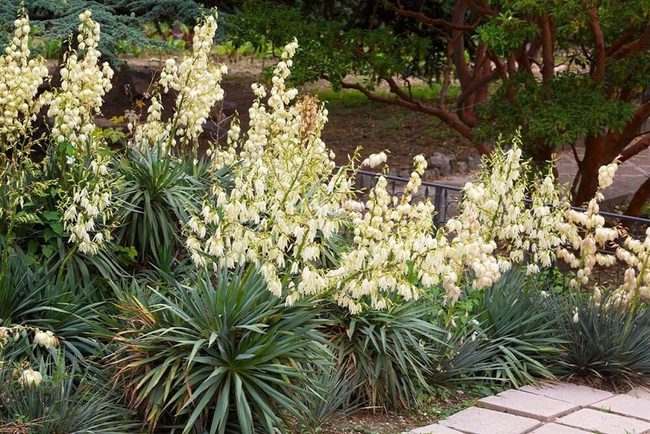
Yucca plants grab your attention right away with their bold, spiky leaves that form a dramatic ball shape spreading about three feet across, and what makes them even more impressive is their surprising hardiness in cold climates where they flourish in zones 4 through 10.
You might assume these plants belong only in scorching deserts, yet they adapt beautifully to many different environments and handle salty soil conditions without complaint.
Gardeners love yuccas for much more than just their toughness and ability to withstand neglect.
It's really their striking looks that drive most people to grow them in gardens and landscapes.
Once established, these plants need minimal care while still commanding attention in your garden space.
Blue Desert Spikes Coastal Garden
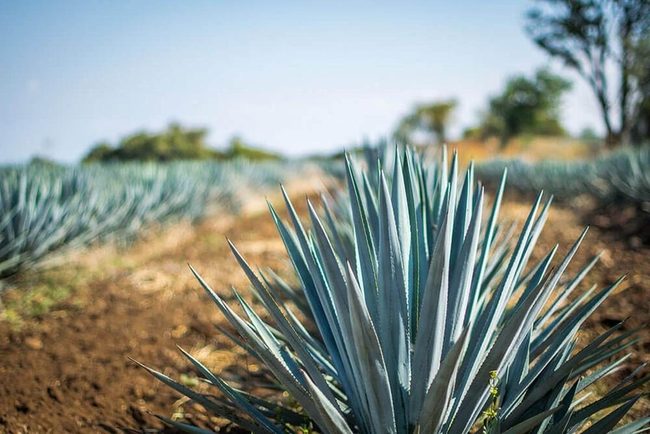
Agave plants stand out in beach gardens with their dramatic long, pointed leaves that display a striking blue color much like aloe vera, making them impossible to overlook.
You'll find these hardy species thrive in hot weather and tolerate salty air exceptionally well, which means they're ideal for coastal landscapes where other plants struggle.
Native to Mexico, agave brings an authentic desert aesthetic to any outdoor space you're designing.
What adds another dimension of interest is knowing that agave serves as the key ingredient in tequila, giving these beautiful plants a bit of cultural and culinary significance.
They handle tough growing conditions without fussing, so you can enjoy their visual appeal without constant maintenance.
Whether you're building a low-maintenance coastal garden or want to add architectural interest to your landscape, agave delivers both form and function.
Red Berries Winter Coastal Garden
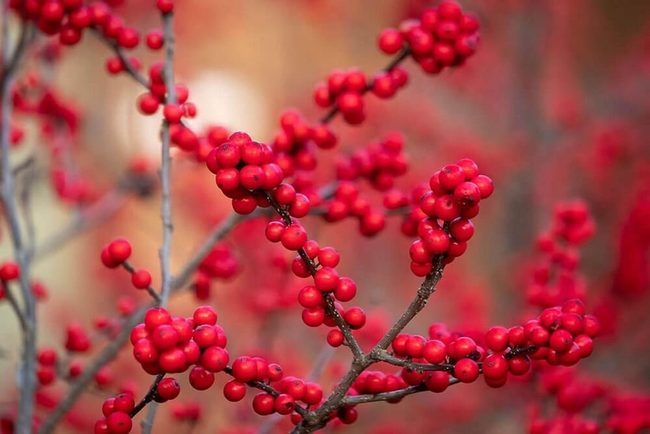
Winterberry shrubs explode with brilliant red berries that command attention throughout the cold season, and these striking fruits remain one of the most eye-catching features you can add to a coastal garden.
What makes them especially useful for seaside homes is their ability to handle salty soil without complaint, so they're an excellent match for beach properties where standard plants often struggle.
Growing these shrubs successfully requires both male and female plants on your property, which means you'll need to plan your planting accordingly to get those gorgeous berries you're after.
If you live near the shore, adding plants with winter interest means your landscape doesn't fade into dull grays and browns when summer ends, and you'll have color and life in your yard no matter the season.
Most people focus on making their outdoor spaces beautiful during warmer months, but incorporating shrubs like winterberry changes that approach and keeps your surroundings looking fresh year-round.
Sprawling White Oak Canopy
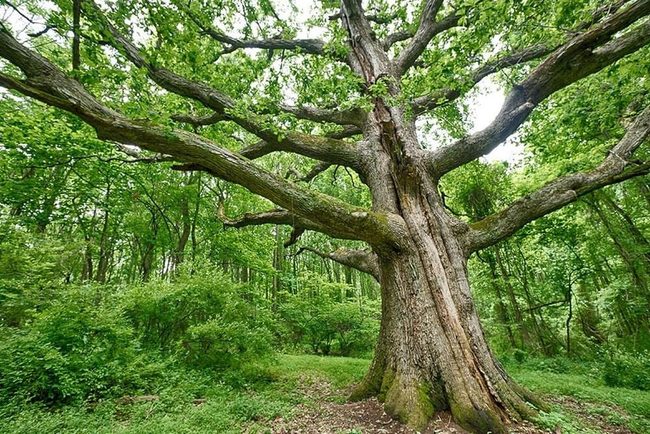
White oaks stand out as some of the tallest trees you can grow, with branches that spread wide across the sky to create generous pools of shade below.
Their impressive size makes them a stunning choice if you want a tree that truly dominates your landscape.
What sets them apart is how well they handle salty air, so they work beautifully near coastal areas or in any location where salt exposure might be a concern.
After spending time at the beach, settling under these branches feels like a natural way to cool off and relax.
When you add one of these trees to your yard, you get both natural beauty and practical shelter from the sun throughout the day.
Salt-Tolerant Pin Oak For Streets
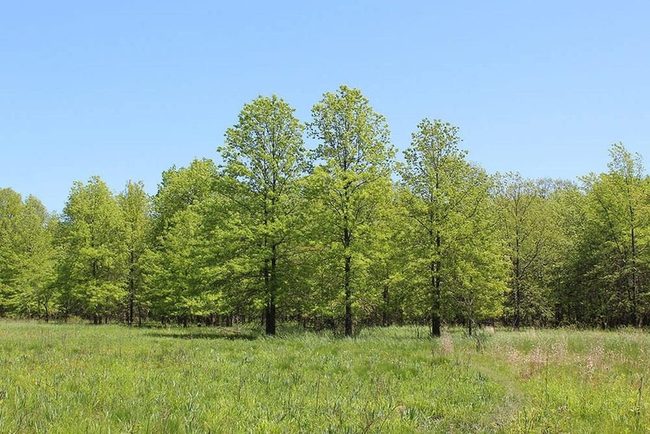
Pin oak trees are excellent for streets, parks, and coastal areas because they grow well in many different environments and tolerate salt exposure without problems.
Soil conditions matter quite a bit when it comes to keeping these trees healthy, especially since alkaline soil can trigger chlorosis and turn the leaves a lime-green color that looks unusual.
While this discoloration might concern you at first, it doesn't actually damage the tree's well-being or longevity.
Most people still choose pin oaks for their landscaping plans because the trees remain beautiful and flexible enough to adapt to various growing conditions.
You get a hardy tree that handles challenging spots where other species might struggle.
Even with minor leaf color issues, these trees deliver solid performance year after year.
Their ability to thrive in tough spots makes them a reliable pick for anyone planning landscape work.
Golden Perennials For Everywhere
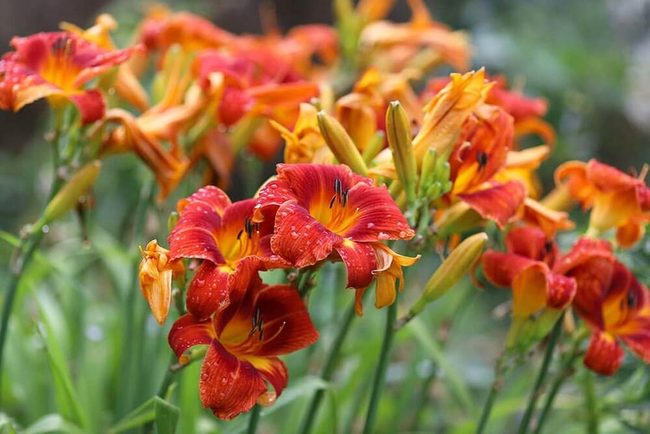
Daylilies grab attention as beloved flowering plants that thrive in nearly any environment, from standard garden beds to challenging salty beach areas, making them a top choice for gardeners everywhere.
You can choose from dozens of cultivated varieties, each displaying its own distinct blooming patterns and sizes.
Colors range widely across the spectrum, so picking the right daylilies for your space becomes an enjoyable decision.
These hardy perennials adapt well to different soil and weather conditions without demanding much fuss.
Their charm remains popular in landscaping because they deliver consistent beauty year after year.
Whether you're new to gardening or have been planting for decades, daylilies offer reliable growth and visual appeal that never goes out of style.
They fit into various garden designs and work well alongside other plants you might already have growing.
I've always appreciated how these flowers handle tough spots where other plants struggle to survive.
Crosshatch Palmetto Trunk Geometry
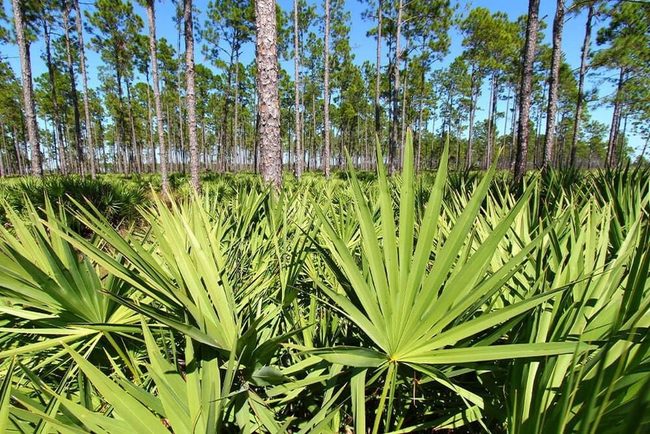
Palmetto trees stand out in beach landscapes because of their massive fan-shaped fronds that spread wide and catch light beautifully, and when you prune away the spent leaves close to the trunk, you expose a striking crosshatch pattern that runs all the way from the base up through the canopy.
These trees, scientifically called Sabal palmetto, reach heights around 50 feet, which makes them more manageable than Mexican fan palms if space matters in your yard.
Maintaining your palmetto with regular pruning keeps it looking sharp and lets the architecture of the tree shine through.
You'll find that this work pays off because the tree becomes a natural centerpiece in your outdoor area.
If you're thinking about adding one to your property, just know it's worth the effort to keep up with basic care.
Purple Pink Yellow Leaf Explosion
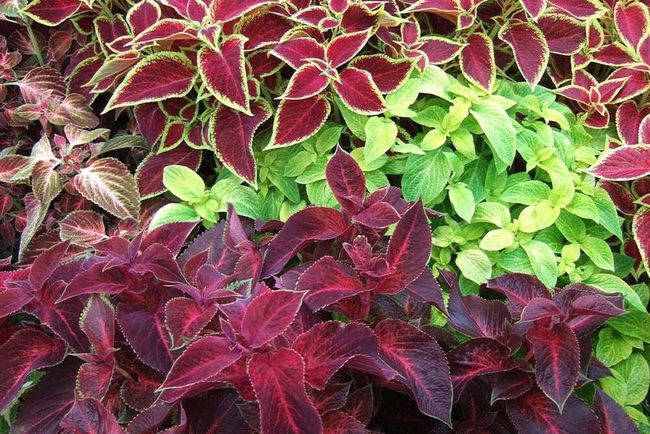
Coleus plants burst onto the scene with their striking foliage that ranges from deep purples and reds to bright yellows and pinks, making them hard to miss in any garden setting.
You'll find countless color combinations and leaf patterns available, so picking varieties that match your style is easy and fun.
Beach gardens particularly benefit from coleus because these plants handle salt spray well, which means you can use them confidently near the ocean.
In most areas across the U.S., you'll need to treat coleus as an annual since it thrives only in hardiness zones ten and eleven, though the seasonal show is absolutely worth it.
Whether you're filling a border, a container, or a shady spot that needs brightness, coleus delivers excitement and visual interest without much fuss.
Compact Blooms For Coastal Gardens
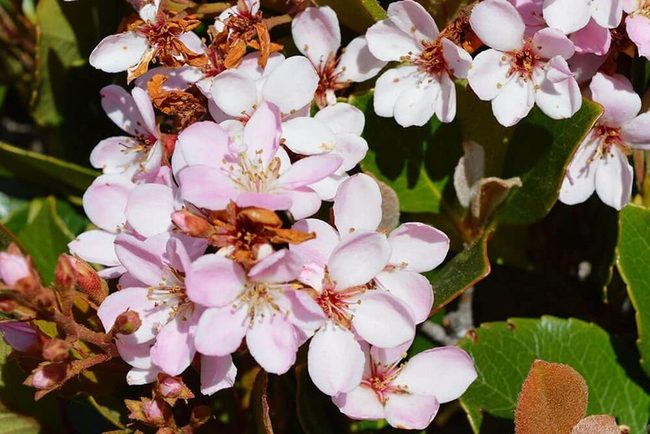
Dwarf Indian hawthorns grab your attention right away with their compact size, typically growing just five to six feet in both height and width, which gives them a shrub-like shape that fits nicely into smaller spaces.
I admire these plants produce beautiful blooms in soft, gentle colors that rival the flowers on their taller relatives.
What really sets them apart is how tough they are in challenging conditions and their ability to thrive in salty environments where most other plants simply can't survive.
This resilience makes them excellent choices if you live near coastal areas or places with soil that many gardeners find difficult to work with.
Beyond their hardiness, dwarf Indian hawthorns offer you a low-maintenance option that doesn't demand much fussing once established.
Towering Palms Frame Coastal Horizons

Standing tall against the horizon with oversized fan-shaped leaves that command attention, the Mexican fan palm brings drama to any beach setting.
The first thing to notice is this tree thrives near the ocean and shrugs off salty air as if it's nothing, reaching heights over 70 feet when given the right conditions.
People connect palm trees with seaside getaways and relaxation, which is why they're so popular in coastal areas.
Beyond their stunning height and leafy presence, these palms add a sense of escape to the landscapes around them.
If you're designing a beach space, this tree delivers both shade and character without requiring fussy maintenance.
Their popularity speaks to how much these trees enhance the feeling of being near the water.
Whether standing alone or grouped together, Mexican fan palms give any seaside location an authentic tropical mood.
Crimson Climbing Vine For Coastal Gardens
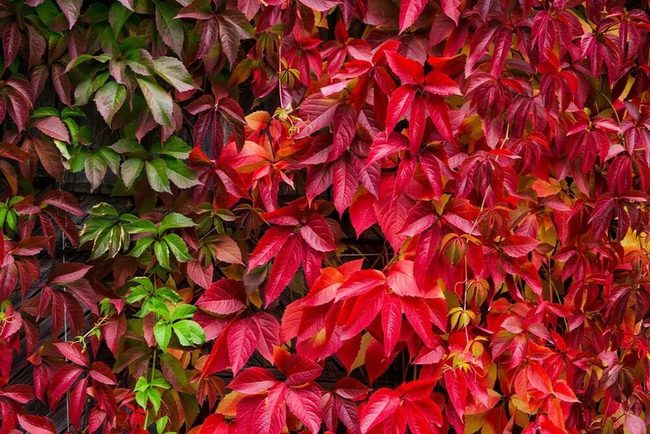
Virginia creeper is a climbing vine that bursts with color, especially when its leaves shift to a striking red during fall months, making it one of the most visually dramatic plants you can add to your garden.
The foliage transforms throughout the year, staying a lush green during warmer seasons before that seasonal shift arrives.
Each leaf is made up of five distinct leaflets, which gives the plant its characteristic appearance and texture.
The appeal comes from that it thrives in salty conditions, so you can grow it in challenging spots where other plants struggle.
Beyond just looking great, Virginia creeper is native to the area, which means it actively supports your local ecosystem and helps wildlife flourish.
If you care about both how your garden looks and its environmental impact, this plant delivers on both fronts.
Growing Virginia creeper brightens up your outdoor space while also nurturing nature around you, making it an excellent choice for anyone who wants beauty with purpose.
Cream And Green Ivy Climbing
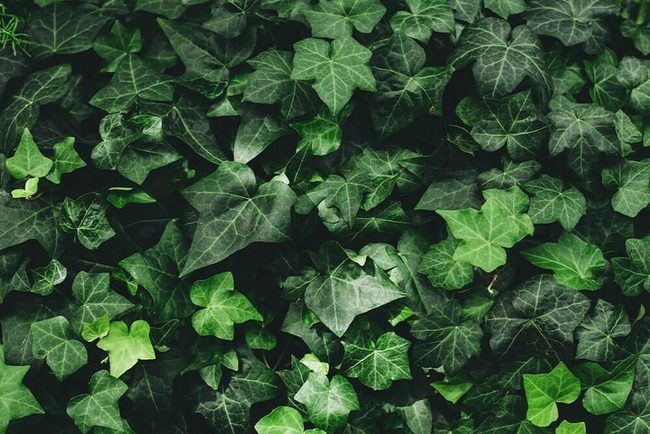
English ivy grows upward along walls and structures with remarkable ease, and you can also train it to spread across the ground if you prefer that look instead.
Different varieties offer distinct visual qualities; some display leaves with cream or white patterns mixed into green, while others have deep, shiny green foliage shaped like tridents that add an unusual touch to your garden.
You can tell this works because its ability to handle salty conditions, so it performs well in different settings and climates.
Whether you go with a variegated type or a solid green one, each option brings its own character to your outdoor area and works in most garden designs you might have in mind.
The upward growth habit means you can soften hard surfaces like fences and trellises, and the ground-covering option lets you fill in bare spots under trees or along pathways.
Red Oak Shade And Coastal Strength
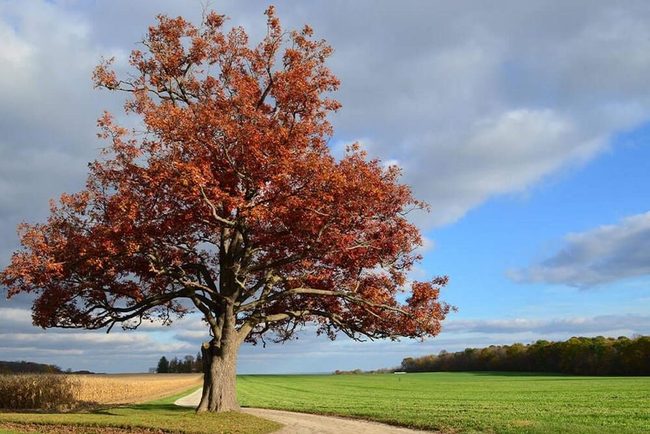
Red oak trees stand tall with large leaves and plenty of acorns, creating beautiful groves that offer shade and make a stunning sight during summer months.
You'll find these trees commonly in eastern forests, but they also do well near the ocean because they can handle salt air, so planting one at the beach brings nature's beauty to coastal settings too.
Spending time under their wide branches feels refreshing on hot days.
Whether you're looking to add them to a woodland area or along the coast, this tree improves any landscape in meaningful ways.
Salt-Tolerant Succulents For Coastal Gardens
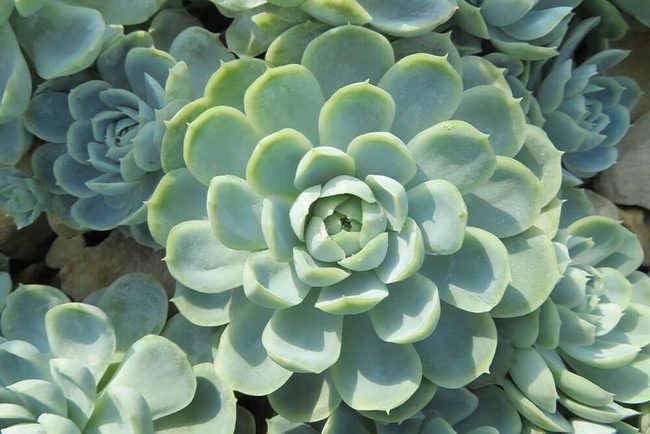
Echeveria succulents stand out as remarkable plants that handle salty beach conditions and intense heat where most others wilt, making them visually striking choices for seaside gardens and hot climates.
Many people don't realize these plants can tolerate high salt levels that would damage typical garden varieties.
However, cold weather becomes their main obstacle since they struggle outdoors in most U.S.regions colder than hardiness zone 9.
If you live in a chilly area, moving echeveria indoors during winter or wrapping plants with protective covering lets them survive the harsh season and come back strong.
Bringing these hardy succulents into your garden adds unique beauty and character that ordinary plants simply can't match.
Whether you keep them outside year-round or give them seasonal shelter, echeveria proves itself as a dependable option for gardeners seeking something different and resilient.
Blue Berry Coastal Shrub
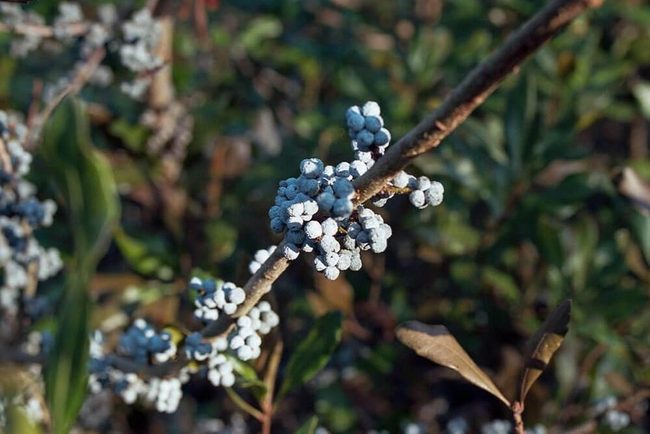
Bayberry shrubs grow wild across North America and do particularly well in coastal gardens where their dense, dark green foliage stays attractive year-round.
Small rounded fruits appear in clusters along the stems after the plant finishes blooming, and these light blue berries offer more ornamental appeal than you might expect from their modest size.
You'll find this medium-sized shrub is hardy enough to handle beachside conditions and adds visual interest even when the plant isn't flowering.
If you're looking to landscape a coastal property, this plant handles salt spray and sandy soil without complaint.
Garden designers often recommend bayberry for its low-maintenance nature and the quiet beauty it brings to a space.
It's one of those plants that works hard without demanding much attention from you.
Olivia Martinez
Founder & Principal Designer
Expertise
Sustainable Interior Design, Residential and Commercial Space Planning, Historic Preservation and Adaptive Reuse, Custom Furniture Design, Project Management
Education
Parsons School of Design, New York, NY
LEED Accredited Professional (LEED AP)
Olivia Martinez is the founder of Archi Refresh, where she brings style and sustainability together. With a degree from Parsons School of Design and a LEED certification, she’s all about creating beautiful, eco-friendly spaces.
With over eight years in the industry, Olivia has designed everything from cozy homes to commercial spaces, always putting function and sustainability first. She loves working with local artisans and has been featured in design publications for her fresh take on green living.
When she’s not designing, Olivia enjoys exploring historic architecture, painting, and spending time with her rescue dogs, Luna and Max.