
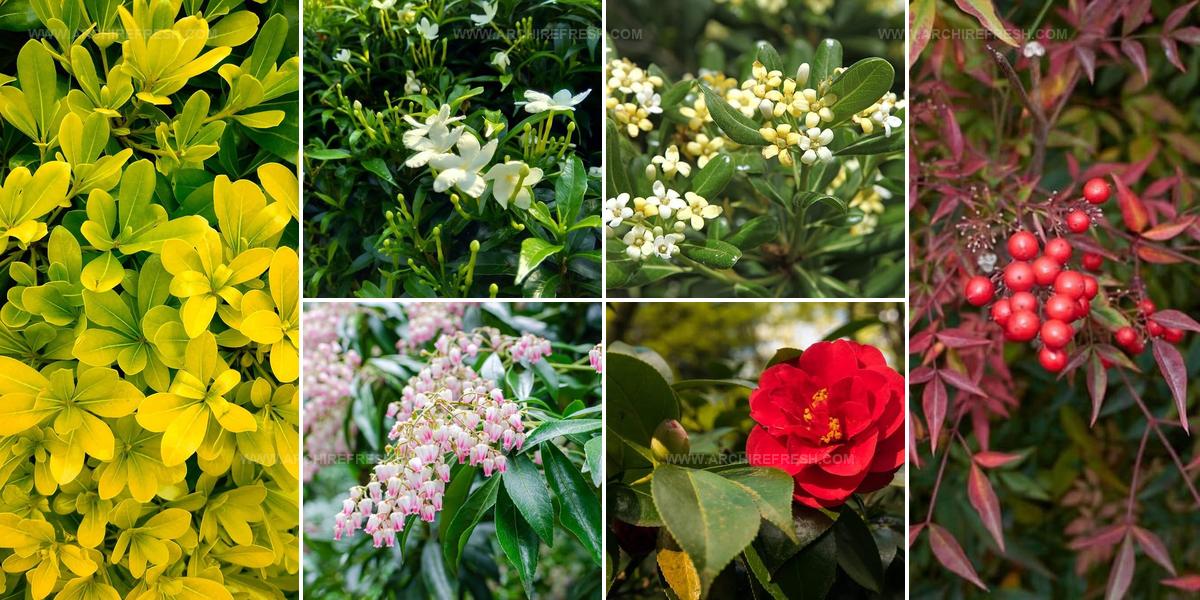
23 Shade Tolerant Evergreen Shrub Ideas That Thrive Year-Round
Plants that flourish without full sun offer solutions for challenging garden spots where darkness prevails.
A shade tolerant evergreen shrub maintains beauty throughout all seasons while adapting to low-light conditions that would cause other varieties to struggle.
Homeowners often face frustration when attempting to landscape beneath tall trees or alongside north-facing walls where sunlight barely reaches the ground.
Dense foliage remains lush and green year-round, providing structure and privacy even during winter months when deciduous alternatives stand bare.
Some options feature glossy leaves while others produce fragrant blooms despite limited light exposure.
The right selection depends on climate zone, soil moisture levels, and available space within shadowy borders or woodland settings.
With proper choices, even the darkest corners of a landscape can become attractive focal points that require minimal maintenance.
White Gardenia Fragrant Elegance
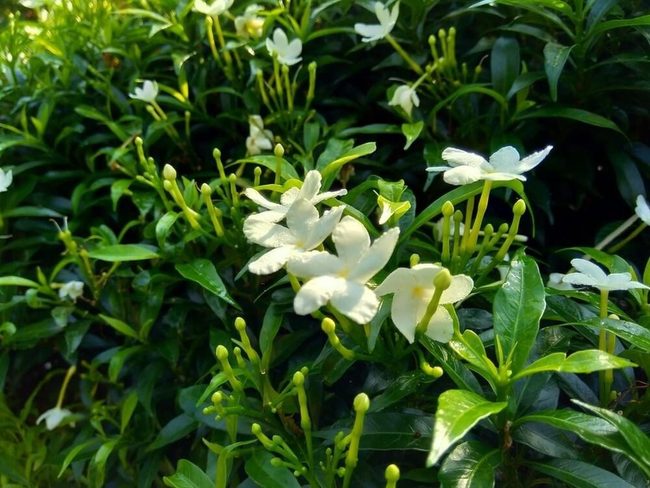
Cape Jasmine, also known as Gardenia jasminoides, displays gorgeous white flowers that make their way into wedding bouquets and catch attention right away.
Glossy dark green leaves cover this evergreen shrub and provide a rich backdrop for the blooms throughout the growing season.
You can pick up on the plant produces wonderfully fragrant flowers that drift through your garden and make the whole space feel more special.
It grows to about 2 feet tall and 3 feet wide, so you have nice flexibility when deciding where to put it in your yard.
Pruning in spring keeps the shape tidy and encourages fuller growth as the season moves forward.
If you live in USDA zones 8-11, this plant adapts well to your climate and thrives whether you grow it in a pot or plant it straight into the ground.
Dark Green Needles, Crimson Winter Berries
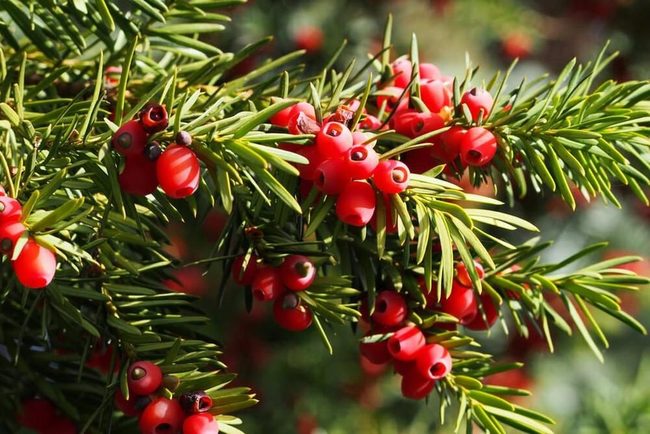
Canada Yew stands out as a stunning evergreen that displays dark green needle-like foliage with distinctive pale undersides and transforms to reddish tones when winter arrives, offering year-round visual interest in your landscape.
This spreading conifer grows up to 6 feet tall and extends 12 feet wide, making it a substantial presence in any garden space.
Early fall brings bright red berry-like fruits that add another dimension to the plant's appearance and appeal.
Since Canada Yew adapts well to moist soil and doesn't demand much attention once established, you'll find it refreshingly low-maintenance compared to other ornamental plants.
Beyond its good looks, this hardy species thrives in USDA zones 2-6 and serves a practical purpose by stabilizing soil near water features like ponds and preventing erosion.
Purple Leaves Turning Creamy Pink
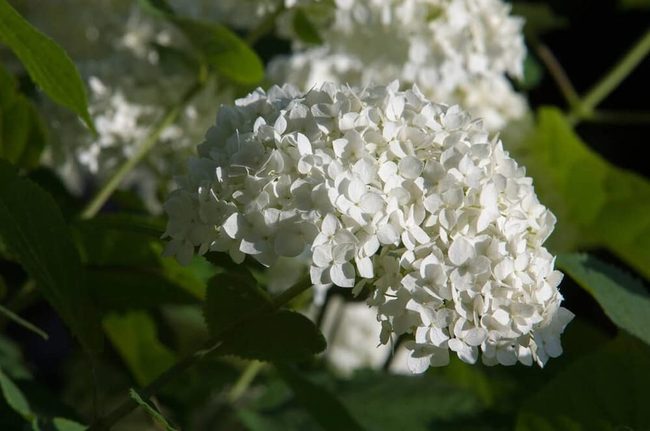
Mapleleaf Viburnum stops you in your tracks when fall arrives, as its leaves transform from deep purple into creamy pink shades that command attention.
You'll find this shrub grows up to 6 feet tall and spreads about 4 feet wide, so regular trimming keeps it looking neat and polished.
In spring, fragrant white flowers cover the branches and then give way to blue-ish berries that birds love to eat when autumn rolls around.
Since it's native to eastern North America, the plant adapts beautifully to partial or full shade without much fussing.
Deer usually skip right past this plant, which makes it an excellent option if wildlife browsing has been a problem in your yard.
Dark Green Herb Shrub Attracts Pollinators
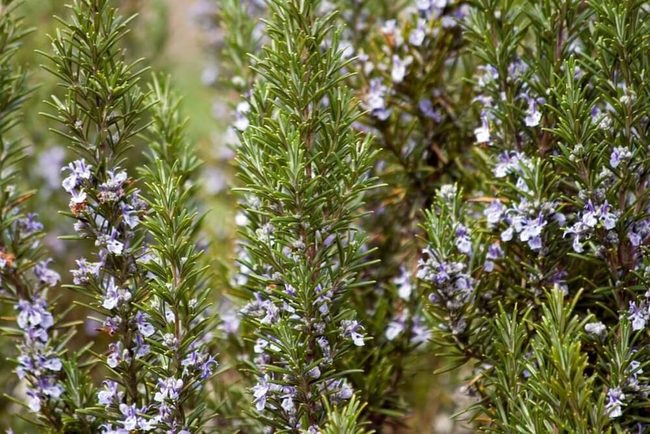
Rosemary grows as a hardy evergreen shrub that brings striking visual interest to your garden with its small, dark green leaves paired underneath with lighter foliage, and it produces delicate flowers in shades of purple, blue, or white that draw pollinators like bees and butterflies to your outdoor space.
Beyond its beautiful appearance, this plant rewards you with a delightful aroma perfect for cooking and kitchen use.
You'll find rosemary thrives in partial shade and adapts well across USDA zones 8-9, making it a forgiving choice for many gardeners.
Since this shrub can reach up to 6 feet tall and 4 feet wide, occasional trimming keeps it at a size that works for your landscape.
What makes rosemary especially appealing is how it adds unique texture and depth to garden beds with minimal fuss.
Green And White Evergreen Groundcover
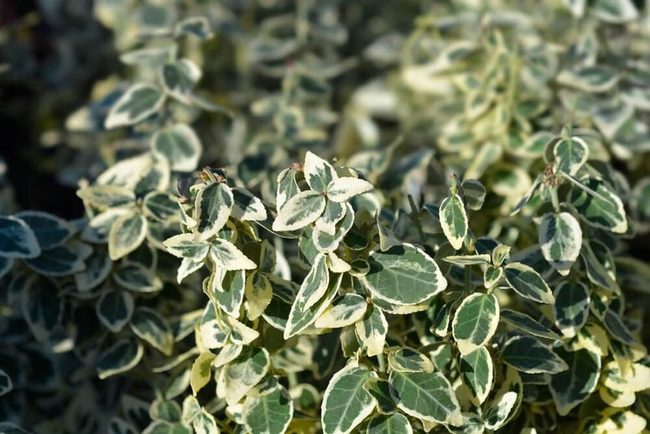
Wintercreeper, scientifically called Euonymus fortunei, displays eye-catching green leaves bordered with crisp white that stand out in any garden setting.
This fast-growing evergreen shrub performs well in shady areas where many plants struggle and grows to a neat 12 to 24 inches tall.
Many gardeners love it because the Euonymus family contains over 130 species, giving you plenty of options to explore.
Before you plant wintercreeper, it's worth checking whether it's invasive in your specific region since some areas have restrictions on it.
We recommend this shrub particularly if your garden lacks sunlight and you want something that looks fresh and green all year round.
Its ability to thrive in low-light spots makes it a smart choice for filling in those darker corners of your landscape.
The foliage remains attractive through every season, so you get consistent beauty without much fuss.
Bright Yellow-Green Shade Shrub
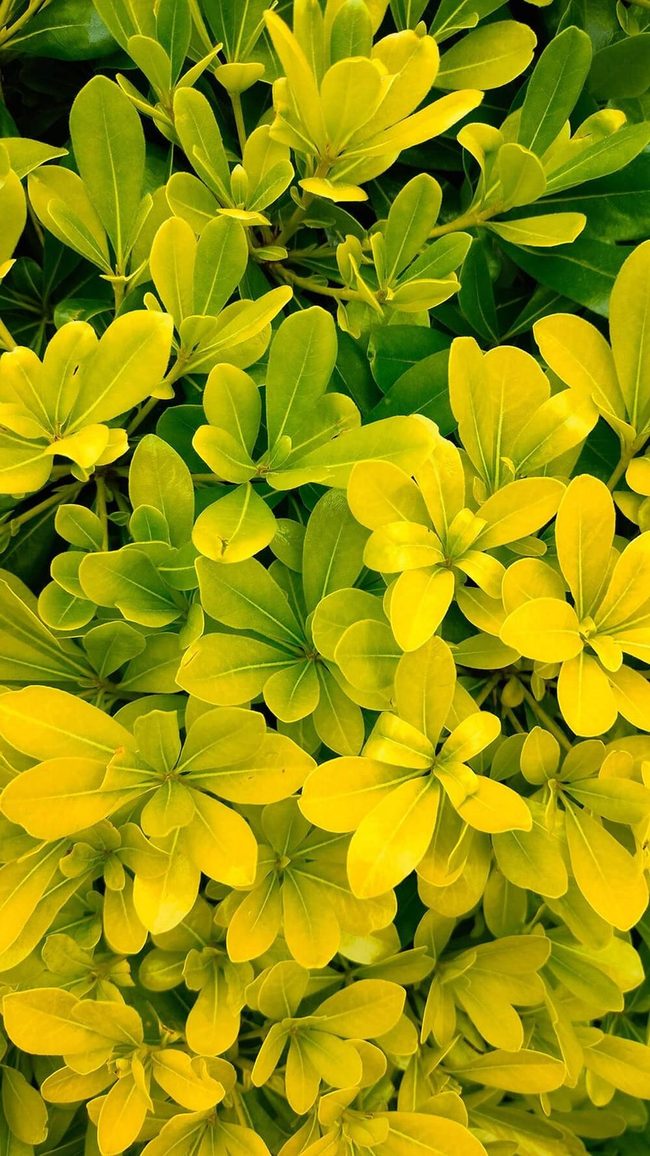
Yellow Anise, known scientifically as Illicium parviflorum, stands out with its striking bright yellowish-green new foliage that gradually shifts to olive green as leaves mature, and this shrub performs beautifully in full shade conditions.
I can spot it grows quite tall, often reaching beyond 20 feet, so regular pruning helps keep its shape under control.
Native to the southeastern United States, this plant adapts well across USDA zones 6 through 10, making it a reliable choice for many gardens.
One nice bonus is that crushing the leaves releases a pleasant licorice scent throughout your garden space.
Deer tend to avoid it too, which means fewer headaches when protecting your landscaping from unwanted browsing.
Seasonal Color Shift Red Berries
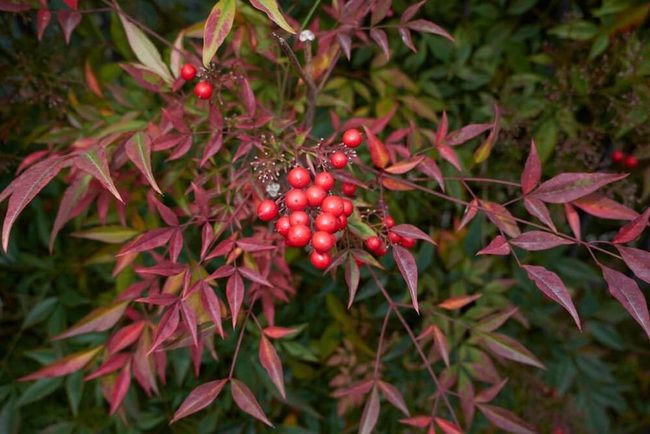
Heavenly Bamboo catches attention right away with leaves that transition from deep green to shades of yellow and red as seasons pass.
White flower clusters grow along sturdy cane-like stems and mature into glossy red berries that persist through winter months.
You'll appreciate that this shrub performs well in full shade and handles drought conditions with ease, potentially reaching 8 feet tall and 4 feet wide across USDA zones 6 to 10.
One thing worth knowing is that it spreads readily through reseeding, so you need to monitor its growth in your garden space.
Be mindful too that the plant can be toxic to pets and young children, which matters if your household includes either.
Despite these considerations, the seasonal color show and winter berries make it an appealing choice when you're willing to manage it thoughtfully and keep an eye on its spread.
Small-Leaved Japanese Holly Shrub
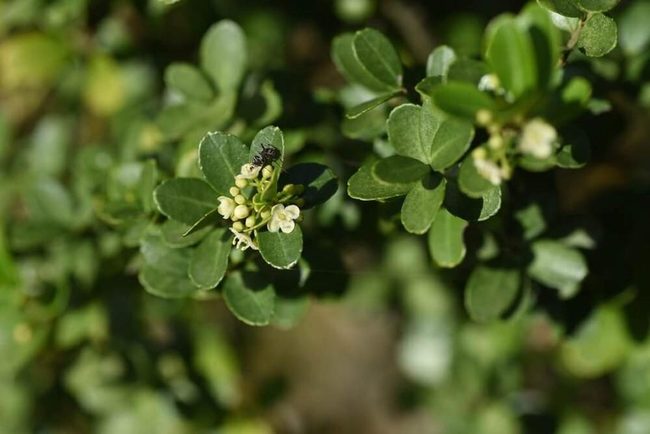
Japanese Holly catches your eye immediately with its delicate small leaves and charming white flower clusters that bring wonderful texture to any garden space.
Since this shrub does well in partial or dappled shade, you can tuck it into areas where other plants might struggle to survive.
You'll find pruning quite rewarding because the plant responds beautifully to shaping and works nicely for topiaries or low hedges if that's what you're after.
Growth varies depending on the variety you choose, with standard forms reaching up to 10 feet while dwarf selections stay around 3 feet tall.
Living in USDA zones 5-8 gives you the best results, and we appreciate how well this plant tolerates dry soil once it gets established.
If you're looking for a shrub that handles different light conditions and doesn't demand constant moisture, Japanese Holly proves to be a reliable choice for most gardens.
Pink Flower Clusters With Winter Berries
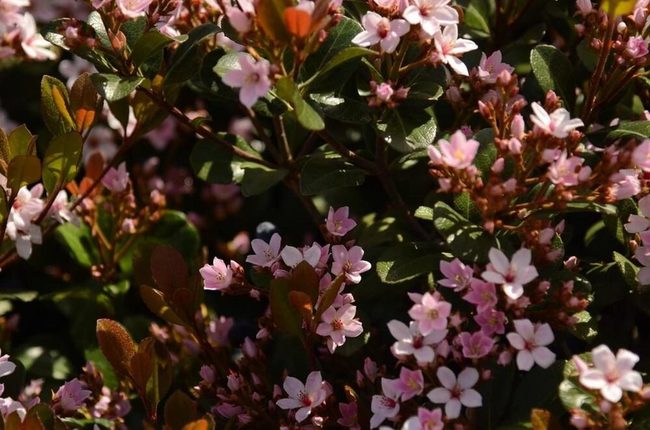
Indian Hawthorn shrubs produce clusters of fragrant flowers in shades of pink or white that bloom reliably each year and stand out as the most eye-catching feature of this plant.
Small blue berries emerge in early winter and draw birds and other wildlife into your garden space.
You can shape this shrub to fit your needs through pruning after the flowers fade, and it typically grows to about 4 feet in both height and width.
Native to southern China, this plant offers a naturally rounded form that adds structure and balance to any landscape design.
It performs best in partial or dappled shade and grows well in USDA zones 8-11, making it a good match for many regions.
Plant multiple shrubs close together and they create natural-looking low hedges for your property boundaries or garden areas.
Striking Needle Leaves And Towering Blooms
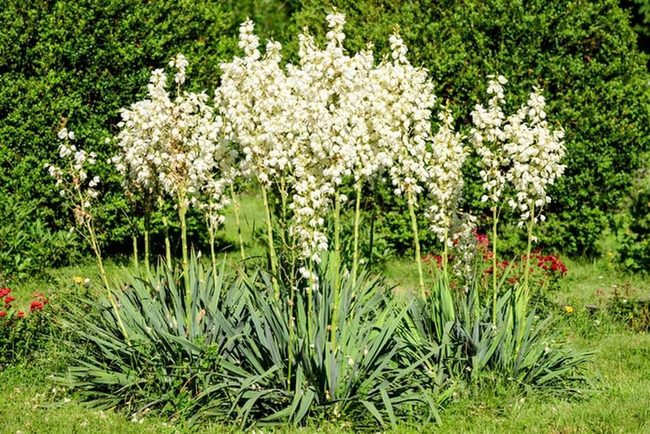
Adams Needle commands attention with its dramatically long, sharp leaves that stand out in any garden space, and the plant itself grows to about 3 feet tall and wide across USDA zones 4-10.
When it blooms, a towering flower spike reaches up to 15 feet high and displays delicate white bell-shaped flowers that really catch the eye.
Some varieties come with bold yellow stripes running through the leaves, which adds even more visual interest to your landscaping.
Since this plant shrugs off deer and drought without complaint, you can place it almost anywhere and it will thrive.
Even in full shade where blooms might not show up, the foliage remains beautiful and striking all year long.
This means you get reliable garden appeal whether the plant flowers or not, making it a smart choice for low-maintenance landscapes.
Deep Bronze Leaves Spring White Flowers
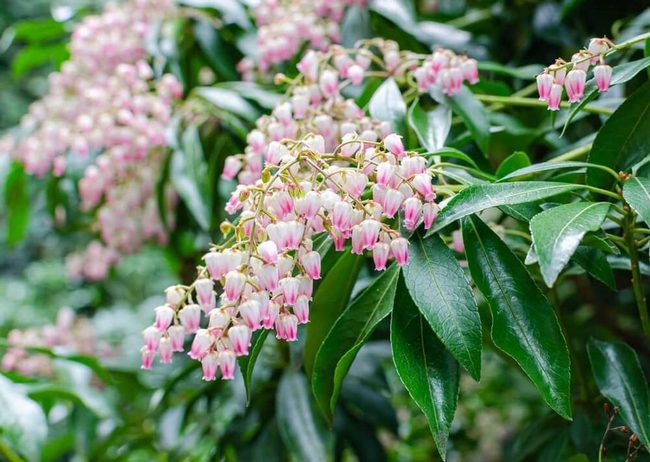
Japanese Pieris stands out in any garden with its striking deep bronze or purple leaves that stay colorful throughout the year, and in spring the plant bursts forth with fragrant white blooms that fill your space with their sweet scent.
This slow-growing shrub eventually reaches about 15 feet tall and spreads up to 8 feet wide, so you can plan your garden layout accordingly.
It handles partial to full shade quite well and grows successfully in USDA zones 5 through 8, which means most gardeners can find a spot for it.
Since deer tend to leave this plant alone, it works beautifully as a hedge when you plant multiple specimens close together.
For best results, keep the soil consistently moist and you'll see this shrub thrive and reward your care with years of beauty and fragrance.
Winter Pink And Red Camellia Blooms
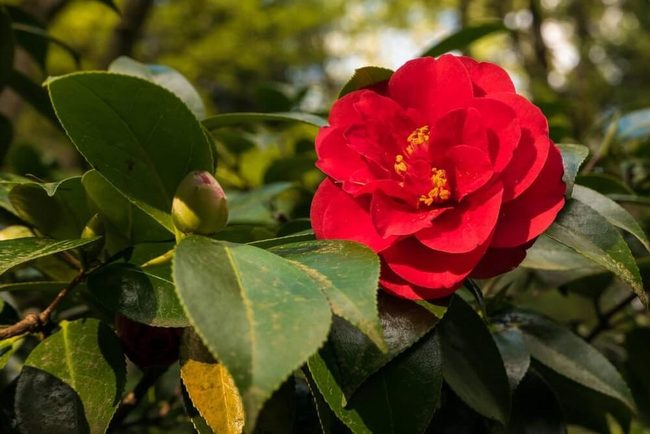
Japanese Camellia blooms with rose-like flowers in shades of pink and red that light up your garden all winter long, and these showy blossoms make this evergreen shrub a standout choice for anyone wanting color when most plants go dormant.
It grows best in shady areas and brings bees and birds to your space from October through March, which extends your garden's appeal during the colder months.
Growth happens slowly, so you won't need to worry about constant pruning, though the plant can eventually reach heights of 15 feet with an equally wide spread.
Between blooming seasons, the glossy green foliage offers year-round texture and interest in your landscape.
If you live in USDA zones 7 through 9, this shrub will thrive in your climate, but keeping an eye out for pests helps ensure it stays healthy and vigorous.
Evergreen Cone Shape Year-Round
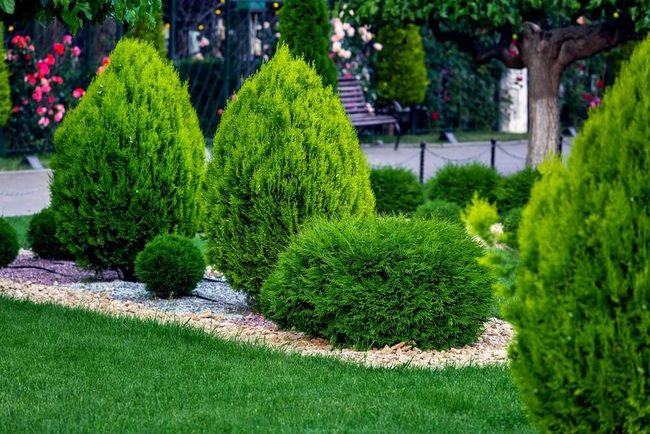
Arborvitae stands out in any garden with its striking cone shape and thick, layered foliage that adds wonderful texture to your landscape design.
When you brush against the scale-like leaves, they release a distinctive scent that many people find pleasant and memorable.
This North American native grows well in partial shade and can eventually reach up to 15 feet tall, making it a substantial presence in your outdoor space.
What makes arborvitae especially practical is how it handles tough conditions; it tolerates drought and resists deer damage, so you don't need to worry about constant maintenance.
It adapts across USDA zones 2 through 8, which means most gardeners can grow it successfully in their region.
Beyond seasonal changes, this plant keeps its color and structure all year long, giving your garden consistent appeal even during winter months when other plants fade away.
Glossy Rounded Shrub Yellow Tones
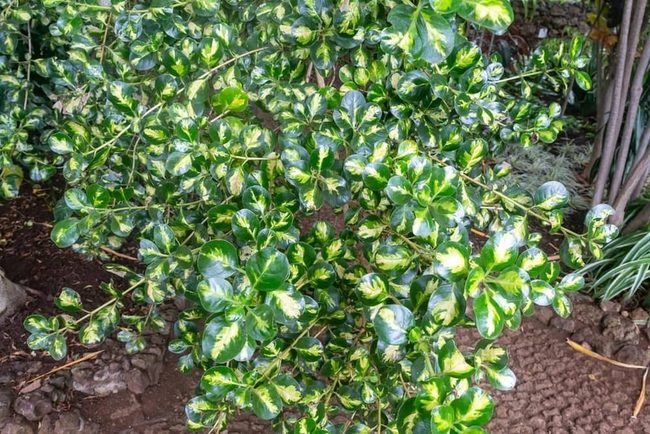
Mirror Bush stands out with its dense, glossy leaves that form neat, rounded shapes and bring real visual appeal to your garden space.
You can grow this shrub in partial shade or full sun, and it will reach up to 6 feet tall with an equally wide spread that fills in nicely.
Variegated varieties offer something extra special, displaying yellow, orange, or red tones alongside the green foliage if you want more color variety.
It handles drought well once established and resists most pests and diseases, which makes it a smart pick for coastal gardens where salt spray can be tough on plants.
If you live in USDA zones 9 through 11, you'll find this shrub thrives year-round and stays looking good without much fuss.
Since it's low-maintenance and stands up to harsh conditions, it works wonderfully whether you're a beginner or someone who wants reliable plants that don't demand constant attention.
Dense Green Boxwood Hedge Foundation
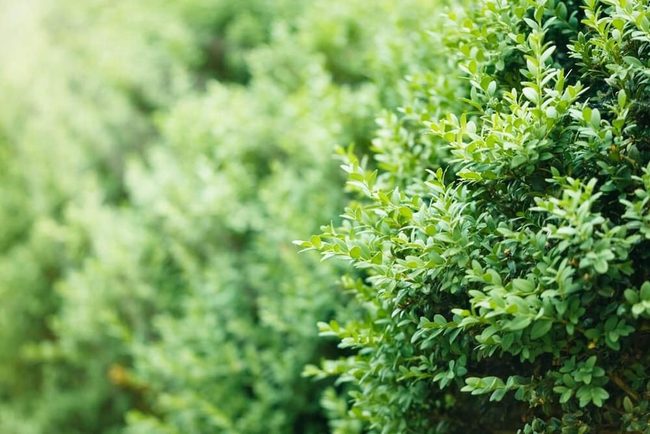
Common boxwood stands as one of the oldest garden plants in history, with roots stretching back thousands of years to ancient times, and it remains a favorite for good reason.
The practical detail is right away its dense, full growth covered in bright green oval-shaped leaves that give any landscape an immediate sense of structure and presence.
Small greenish-yellow flowers bloom in spring, though they play a subtle supporting role rather than stealing the show.
Beyond its good looks, this shrub demands very little from you once established and thrives in partial to dappled shade where many other plants struggle.
Deer and rabbits leave it alone, which solves a major problem for gardeners in zones 5 through 9.
Pruning keeps it manageable since the plant naturally wants to grow quite tall; up to 30 feet high and 15 feet wide; making it perfect for creating strong hedges or shaped designs that last for years.
Glossy Green Leaves With Scarlet Berries
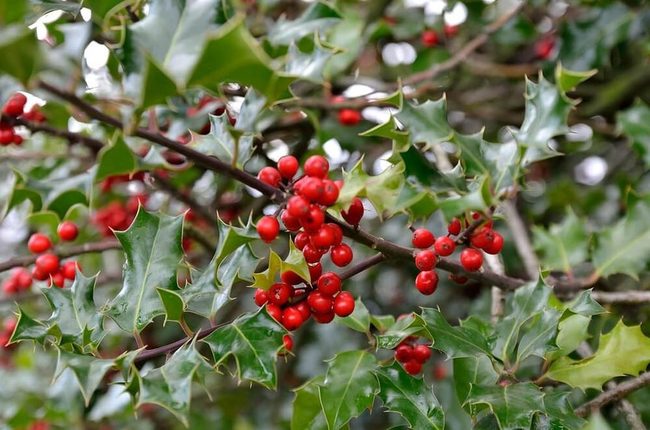
European Holly makes a striking holiday symbol with its glossy leaves edged in sharp spines and bright red berries that catch the eye.
You'll find this large evergreen shrub can reach up to 60 feet tall and grows well in partial or dappled shade, making it a great choice for your landscape.
Fragrant white flowers bloom on the plant and draw bees to your garden while setting the stage for those signature red berries to develop.
If you live in USDA zones 6-8, this plant thrives nicely in your climate.
Regular pruning keeps the growth under control and helps you shape it into compact hedges that give you privacy along your property lines.
Just be aware that in certain states like California, Alaska, and Oregon, Holly can spread beyond where you want it and become invasive, so you may want to check local guidelines before planting.
Pink And Purple Flowering Privacy Hedge
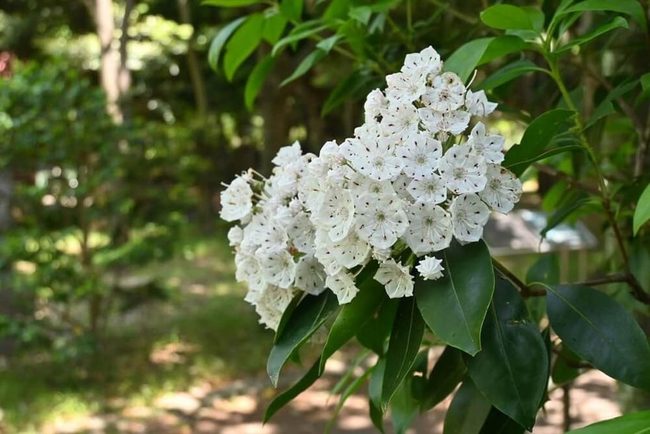
Mountain laurel brings stunning pink, purple, or white blooms that brighten any garden space throughout the seasons and can stretch up to 15 feet tall, making it an excellent choice for creating privacy hedges in your yard.
This North American native adapts well to shady areas and handles different light conditions without fussing, so you don't need perfect sunny spots to grow it successfully.
Since it belongs to the blueberry family, mountain laurel settles comfortably into USDA zones 4 through 9 and thrives in those regions with minimal trouble.
One important thing to keep in mind is that this plant contains toxins harmful to cats and dogs, so you'll want to position it away from areas where your pets spend time.
We recommend checking your specific zone before planting and choosing a location that works for both your garden design and your household's safety.
White Spring Blossoms With Green Variegation
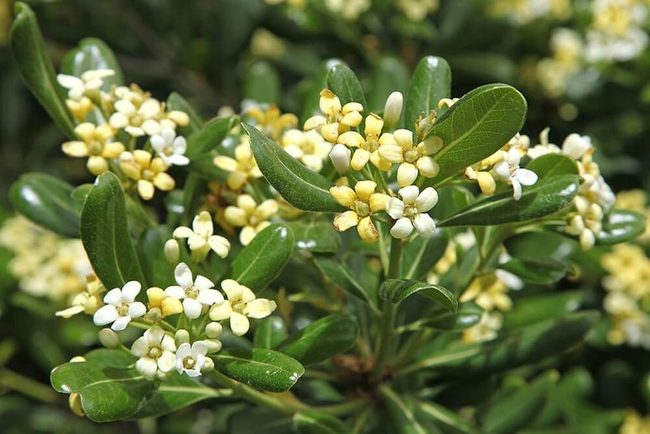
Mock Orange, scientifically known as Pittosporum tobira, produces striking white flowers that emerge during spring months and release a sweet fragrance reminiscent of orange blossoms throughout your garden space.
This shrub reaches about 4 feet in both height and width, making it a manageable size for most landscapes, and it adapts well to partial shade conditions.
Beyond its blooms, the variegated foliage adds visual interest with splashes of color mixed in among the deep green leaves.
You'll appreciate that this plant handles drought well once established and grows successfully in USDA zones 8-11, though it's worth noting that deer tend to browse on it regularly.
When deciding where to plant your Mock Orange, consider placing it where deer traffic is lighter or where you can protect it if needed.
Its combination of seasonal flowers, fragrant appeal, and attractive foliage makes it a worthwhile addition to many gardens.
Colorful Spring Blooms, Crimson Winter Leaves
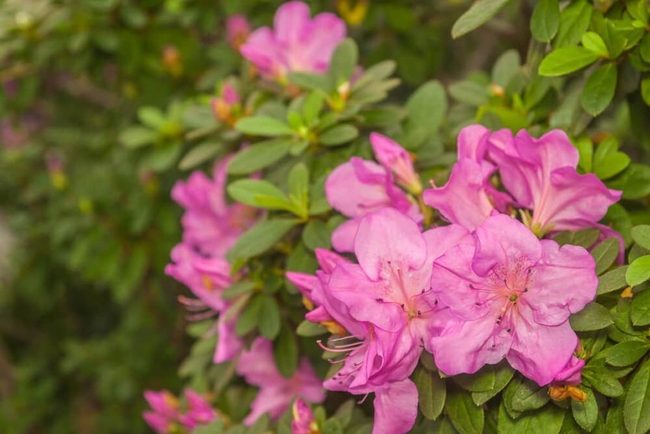
Evergreen Azalea fills your garden with a spectacular burst of colorful blooms that draw bees and hummingbirds right to your space.
During mid to late spring, the plant displays vivid flowers alongside its oval-shaped leaves, which later shift to a striking deep red as winter arrives.
You'll find this broadleaf shrub performs best when planted in partial shade and grows well across USDA zones 6-9, typically reaching about 4 feet in both height and width.
When you arrange multiple plants together in groups, the overall look of your garden becomes much more appealing.
Light pruning after the flowers fade helps you maintain a nice shape if you want to keep things tidy.
We recommend this shrub if you're looking to add seasonal interest and wildlife activity to your outdoor space without demanding too much fuss.
Red Fall Foliage Dense Shrub
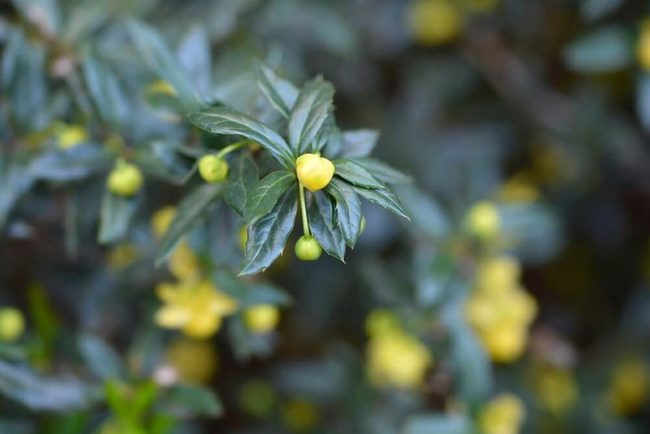
Wintergreen Barberry transforms your landscape with blazing red foliage in fall that stops people in their tracks, and then spring brings bright yellow flowers followed by blueish berries that birds and bees flock to for food.
It is easy to enjoy how this sturdy shrub handles tough growing conditions since it thrives in drought, shade, and poor soil while resisting deer damage completely.
Growing up to 10 feet tall and 8 feet wide, the dense thorny stems pack together so tightly that it serves as an excellent wind barrier and natural screen for your property.
Its hardiness means you can plant it almost anywhere and expect strong results without fussy care or constant maintenance.
Crimson Clusters, Green Glossy Leaves
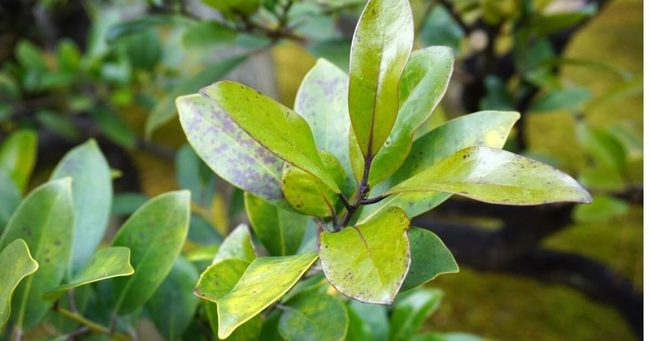
If you want to add striking color to a shaded spot in your garden, the Isu Tree delivers with its bright red flower clusters that pop beautifully against glossy green leaves each spring.
This Japanese shrub comes from the witch hazel family and originally earned respect for its durable wood.
Growing to about 10 feet tall and 8 feet wide in USDA zones 7-9, it makes a solid choice for larger spaces.
What makes it really practical is how little fussing it needs since it handles pests and diseases well while tolerating dry conditions.
You won't spend much time on upkeep once it's established in your landscape.
The combination of that springtime color show and low-maintenance nature means you get a plant that looks good without demanding much from you.
Whether you're new to gardening or have years of experience, this shrub rewards you with reliable performance season after season.
Green Foliage Yellow Spots Red Berries
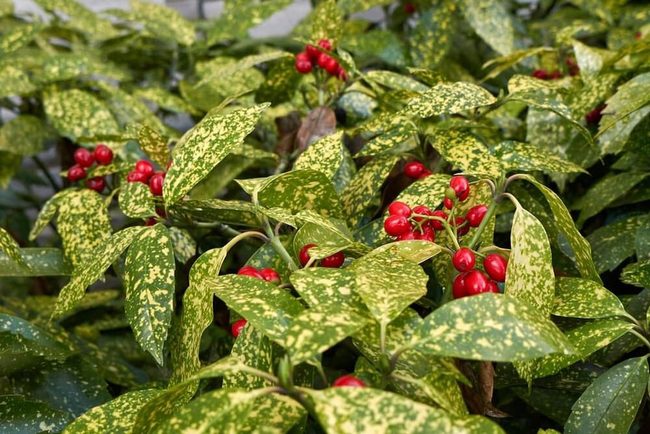
Spotted Laurel stands out in shadowy corners with its deep green foliage splashed in bright yellow spots, and come winter, it puts on another show by producing striking red berries that catch the light.
Growing tall enough to reach 10 feet with a spread of 6 feet, this Japanese shrub adapts well whether you plant it directly in garden beds or keep it contained in large pots.
What makes it particularly useful for North Carolina gardeners is how tough it proves to be, handling poor soil and challenging air quality without complaint.
Since it grows happily in partial or full shade, you don't need a sunny spot to make it thrive.
It fits perfectly in USDA zones 7 through 9, so if you live in this region, you have reliable year-round greenery at your fingertips.
Pink Clusters, Glossy Green Leaves
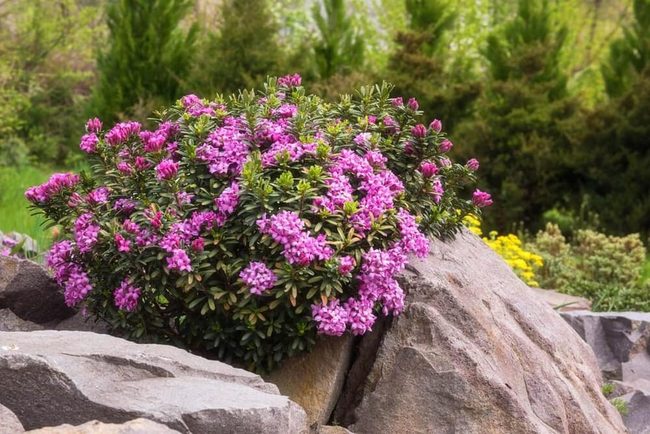
Winter Daphne produces clusters of fragrant flowers in shades of pink, purple, or white that bloom against glossy deep green foliage, attracting bees, butterflies, and moths to your garden throughout the season.
It is easy to value how the dense branching habit reaches about 6 feet tall and fits perfectly into rocky garden spots or between landscape features.
Even when the flowers fade, the evergreen leaves maintain their rich color and keep the shrub looking good all year round in USDA zones 7-9.
One important thing to know is that this plant contains toxins if ingested and can cause skin irritation, so wearing gloves while pruning keeps you safe from any contact issues.
Its ability to thrive in partial shade makes it a flexible choice for gardens where full sun isn't available.
Gardeners appreciate how Winter Daphne offers visual interest beyond just blooming season since the foliage provides consistent structure to the landscape.
Olivia Martinez
Founder & Principal Designer
Expertise
Sustainable Interior Design, Residential and Commercial Space Planning, Historic Preservation and Adaptive Reuse, Custom Furniture Design, Project Management
Education
Parsons School of Design, New York, NY
LEED Accredited Professional (LEED AP)
Olivia Martinez is the founder of Archi Refresh, where she brings style and sustainability together. With a degree from Parsons School of Design and a LEED certification, she’s all about creating beautiful, eco-friendly spaces.
With over eight years in the industry, Olivia has designed everything from cozy homes to commercial spaces, always putting function and sustainability first. She loves working with local artisans and has been featured in design publications for her fresh take on green living.
When she’s not designing, Olivia enjoys exploring historic architecture, painting, and spending time with her rescue dogs, Luna and Max.