
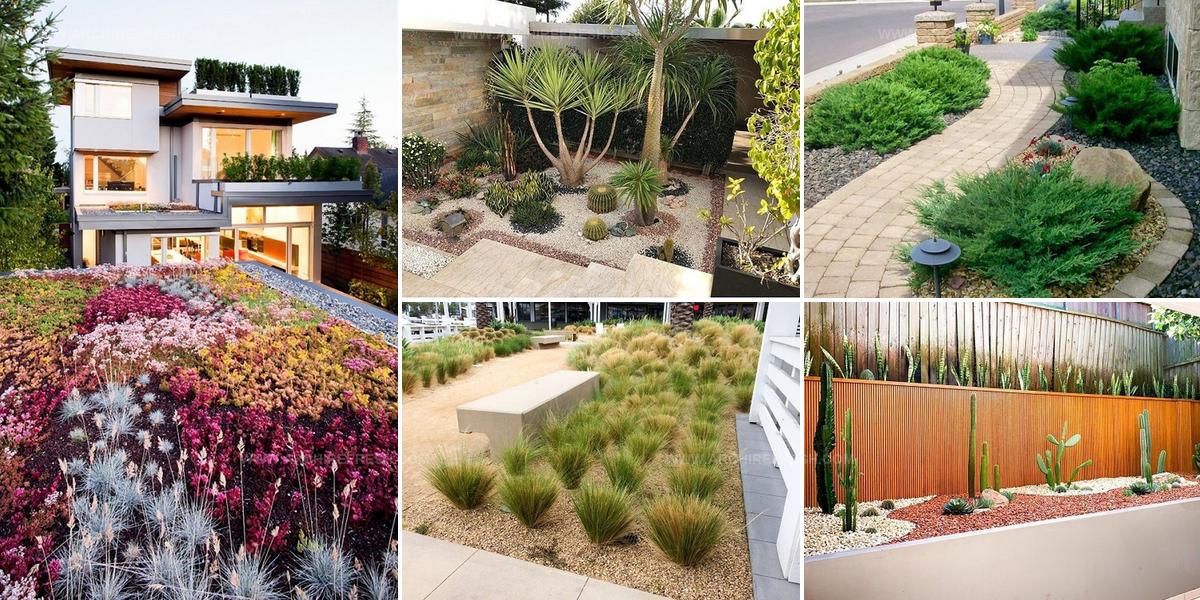
30 Simple Side Yard Desert Landscaping Ideas That Work
Desert plants thrive in side yard spaces where many homeowners struggle with awkward dimensions and harsh conditions.
Converting a narrow strip into a low-maintenance oasis solves common problems while adding beauty and function to underused areas of a property.
Native succulents, ornamental grasses, and drought-resistant shrubs offer practical solutions that require minimal water and upkeep.
A well-designed arid garden complements architectural styles while providing privacy screening or pathway access between different zones.
Gravel pathways, decorative rocks, and strategic plant placement can turn even the most challenging narrow corridor into an attractive landscape feature.
Side yard transformations work particularly well in regions with water restrictions or where traditional lawns prove impractical.
Shade Tree With Desert Layers
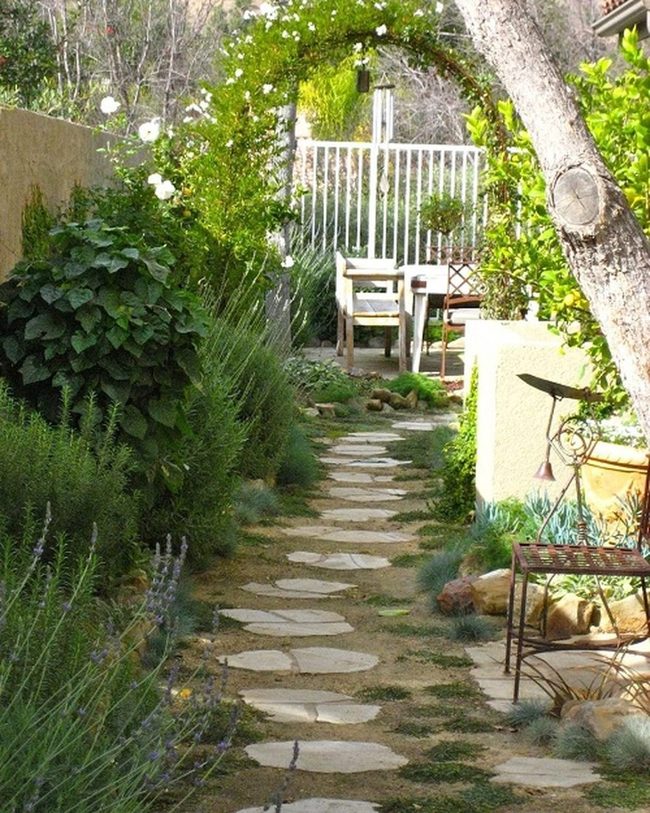
Tall tree standing in your side yard catches everyone's attention right away, offering thick shade that breaks up the intense desert sun and makes the space feel cooler and more comfortable.
Around that tree's base, you can arrange shrubs at different heights to build up layers of texture and visual interest that keep your eyes moving through the garden.
Stone pathways that weave between these plants let you and your family move through the space easily while discovering different corners of your landscape.
Native desert plants like mesquite and sage work well in dry conditions and need very little water once established, so your garden stays beautiful without constant watering.
Strategic placement of trees and shrubs transforms even narrow side yards into passages that feel like hidden retreats rather than leftover spaces.
When you choose low-water plants suited to desert life, they thrive naturally and handle the climate without extra fuss.
Gray Stone Desert Cactus Path
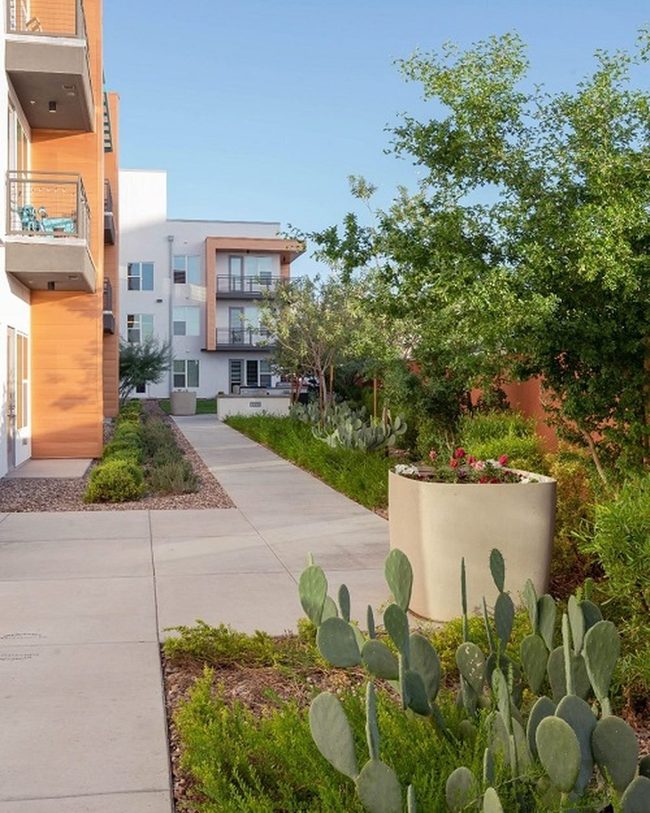
Stone pathways winding through spiky green cacti sculptures bring desert elegance to corner spaces, and rough gray rocks contrast beautifully against deep green succulent textures to catch the eye immediately.
Barbary fig cacti anchor the whole design with their dramatic shapes while needing very little water to thrive.
Pathway edges define the space and let each cactus stand out on its own, and this arrangement guides visitors through a wild yet purposeful southwestern scene.
Desert plants naturally form a walkway that feels both natural and designed with care.
You can transform side yards into botanical displays by positioning stones strategically throughout the space.
Landscape designers love this approach because it combines low-maintenance beauty with regional authenticity and doesn't require constant upkeep or seasonal changes.
Green Spheres Low Maintenance Desert
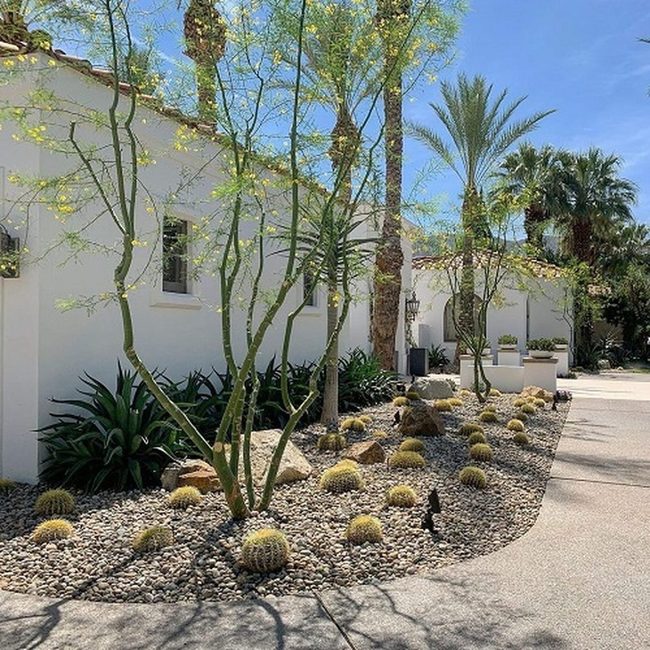
Barrel cacti standing tall in gravel beds create dramatic desert scenes that demand minimal upkeep, and their rounded spiky forms make bold architectural statements without requiring constant attention.
Desert landscapes truly glow when you nestle these prickly green spheres among pale stones, with the lush globe shapes providing striking contrast against light rocky backgrounds.
Sparse gravel paths winding between plants offer perfect water drainage while keeping maintenance low, and strategic placement lets each cactus shine as a sculptural centerpiece in your outdoor space.
Southwestern gardens thrive with these robust plants since they handle harsh sun and limited moisture with ease.
You get resilient greenery that transforms side yards into arid retreats without the fuss of demanding species.
Water simply drains away from the roots, preventing the rot that kills other plants in wet climates.
Homeowners love how little effort these cacti require once established.
Rocks, Succulents, Desert Blooms
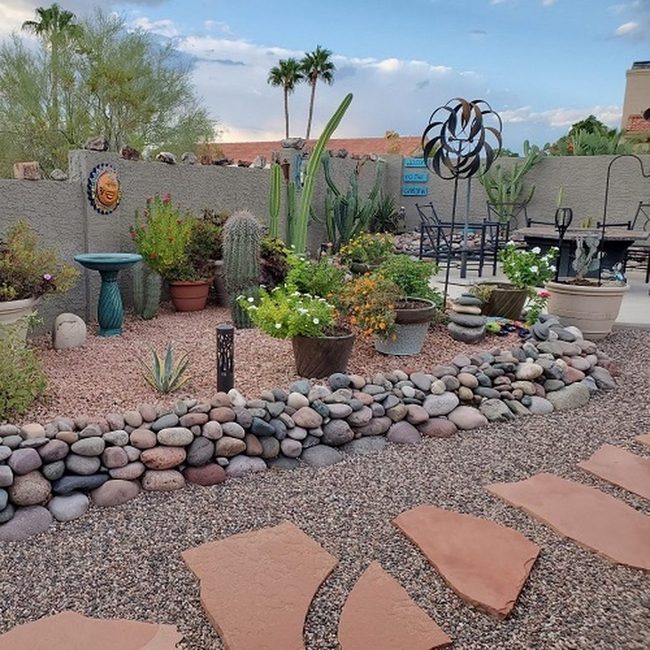
Desert landscaping for side yards brings together striking rock formations and vibrant blooming plants to turn narrow outdoor spaces into something spectacular.
Rugged stones and delicate desert flowers create that dramatic contrast that makes the whole area pop visually.
Gravel paths weave between succulents and native plants, and strategically placed rocks of different sizes add texture while breaking up the plantings so nothing feels dull or repetitive.
Drought-resistant cacti stand tall throughout the design, offering unique shapes and keeping the space green year-round without much fuss.
Desert marigolds and purple verbena add those bursts of color that draw the eye and remind you of the natural southwestern landscape.
Because these plants thrive in dry conditions, you'll spend less time watering and maintaining the space, which works well if you have a busy schedule.
Sculptural Cacti And Agave Landscape
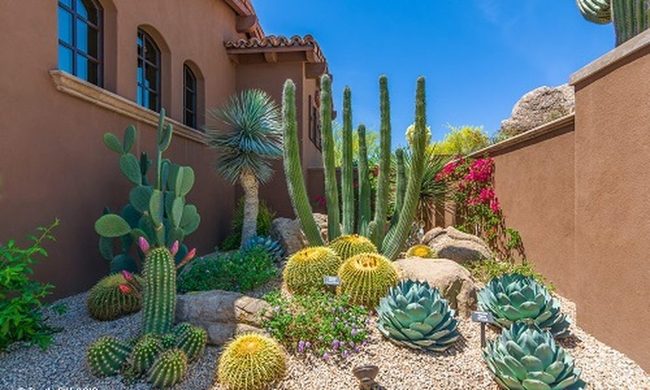
Cacti and agaves form a striking desert landscape with bold sculptural shapes and minimal maintenance needs, and barrel cacti paired with Parry's agave deliver dynamic compositions through their contrasting forms and varying heights.
You can populate side yards with these resilient plants to showcase extraordinary textures and architectural interest while letting spiky green and blue tones blend across rocky terrain.
Native desert specialists handle extreme temperatures without fuss and add dramatic visual appeal to any space.
Large specimens work as anchors for smaller companion plants, helping you design a balanced water-wise garden that celebrates southwestern environments.
Strategic placement lets you build this kind of garden with just basic care, and full sun exposure combined with minimal irrigation means these desert gems thrive effortlessly without demanding your constant attention.
Desert Stone Pathways Through Zones
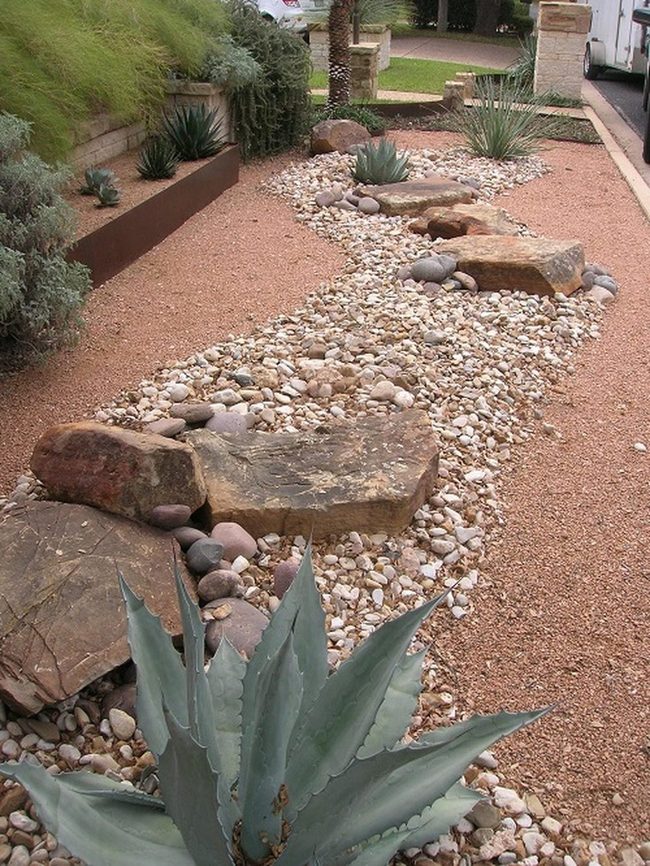
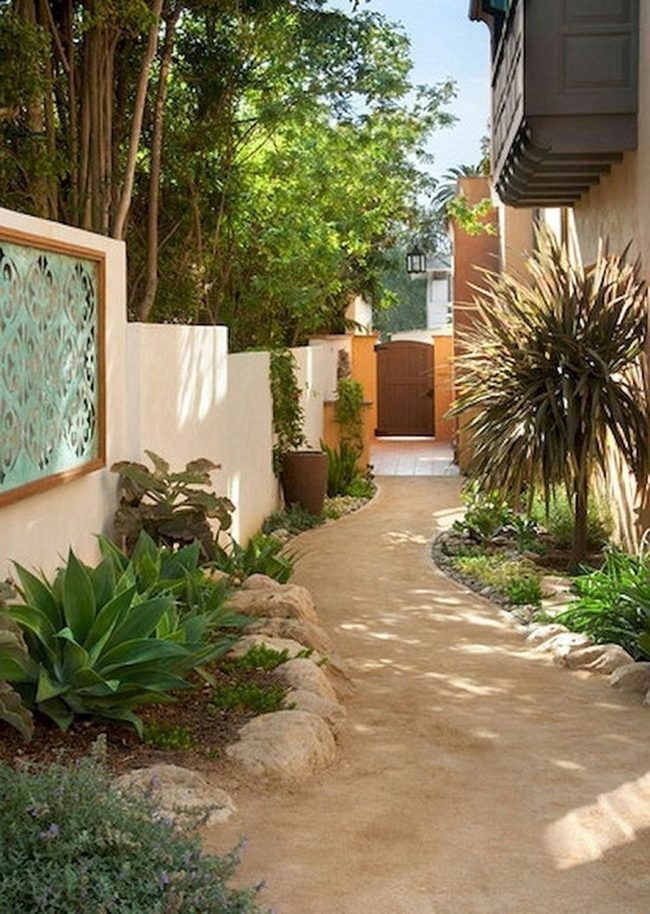
Winding sand and stone pathways transform your side yard into a desert landscape that draws people through different garden zones with natural beauty and rugged charm.
You can use boulders, gravel, and smooth stones arranged in flowing trails that echo the organic character of arid environments and guide visitors from one area to the next.
Placing rocks strategically helps define your garden spaces while keeping everything feeling natural and unforced.
When you walk along these paths, the soft crunching sound beneath your feet adds another layer of experience beyond just what you see.
Earthy tones and varying textures work together to make exploration feel rewarding and connected to the surrounding landscape.
Simple materials like sand and stone do the heavy lifting in desert gardening, requiring less fuss than other approaches and letting the landscape's authentic character shine through.
These meandering routes turn an ordinary outdoor space into something that feels intentional and complete.
Green Cacti Against Layered Stone
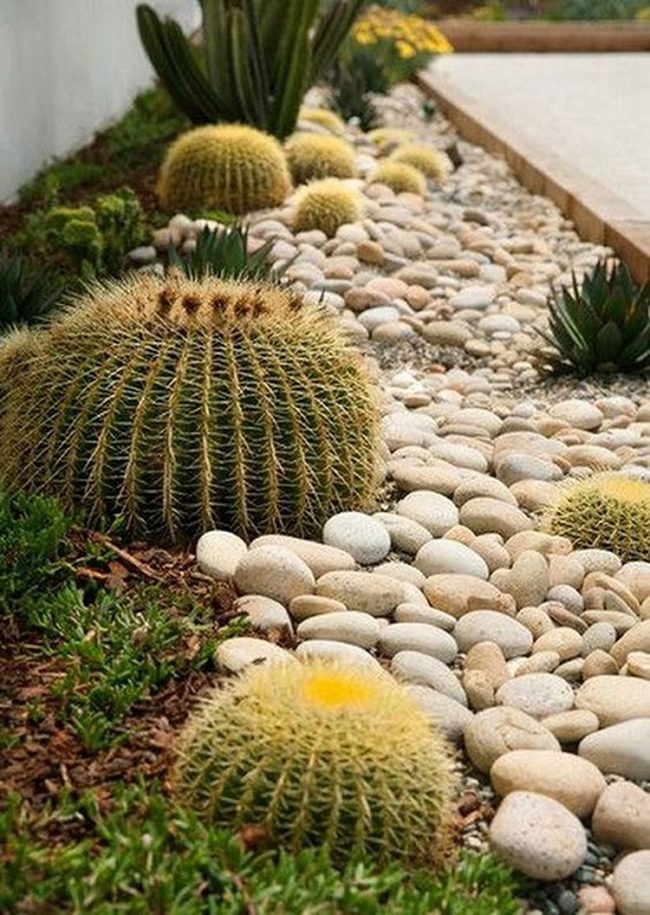
Barrel cacti planted in stone flowerbeds deliver an immediate sense of sculptural drama to desert landscapes, and the layered stones create striking textural contrast that makes the plant's rich green silhouette pop.
You can highlight the cactus's bold geometric shape and resilient nature by placing stones strategically around it, while varied stone sizes and neutral tones allow the plant's vibrant presence to remain the star of the show.
This minimalist design approach gives desert gardens instant visual interest without requiring much effort to maintain, which makes it perfect if you want a striking outdoor space without constant upkeep.
Natural stone backgrounds emphasize the cactus's architectural lines beautifully, and the combination of plant and stone together transforms even modest side yards into sophisticated desert retreats.
The low-maintenance nature of both elements means you can enjoy a polished look year-round without spending weekends on gardening tasks.
Oversized Ceramic Pots Desert Garden
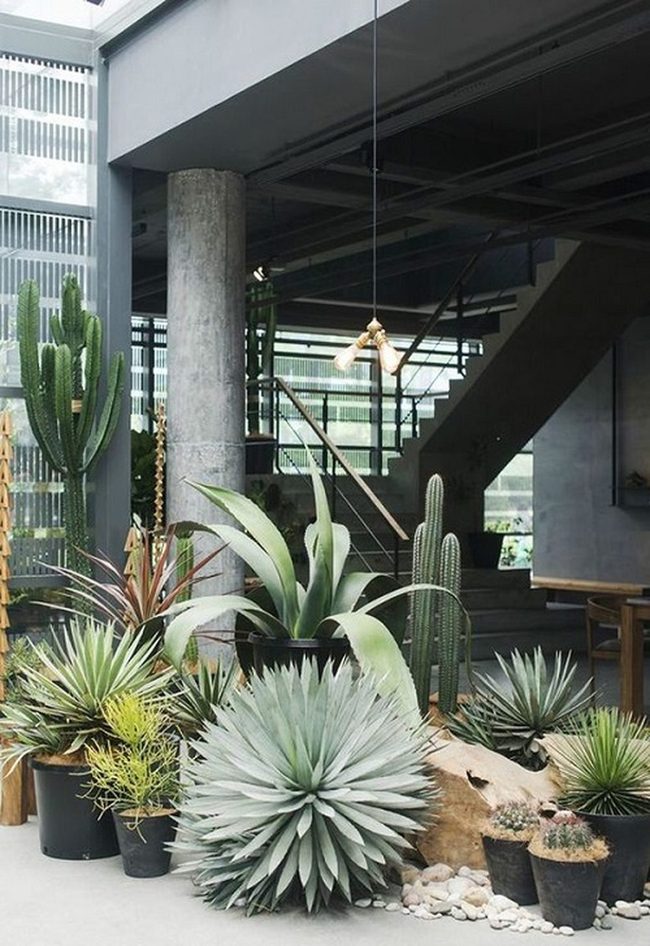
Oversized ceramic pots overflowing with architectural succulents turn neglected side yards into desert gardens that stop you in your tracks, and their sculptural forms with green rosettes and blue-gray leaves create rich visual textures against fences and hardscape that would otherwise feel bare.
Positioning these containers near walkways or along property lines transforms ordinary spaces into botanical scenes that look like they belong in a design magazine.
The reason this works so well is that you can rearrange everything whenever you want, shifting containers around based on what speaks to you seasonally or whenever inspiration hits.
Succulents handle intense heat and blazing sun without complaint, and they drink very little water, which means your landscape practically maintains itself.
Grouping containers in varying sizes and shapes across your space builds depth and visual interest without any fussy upkeep.
Colorful Flower Beds Year-Round
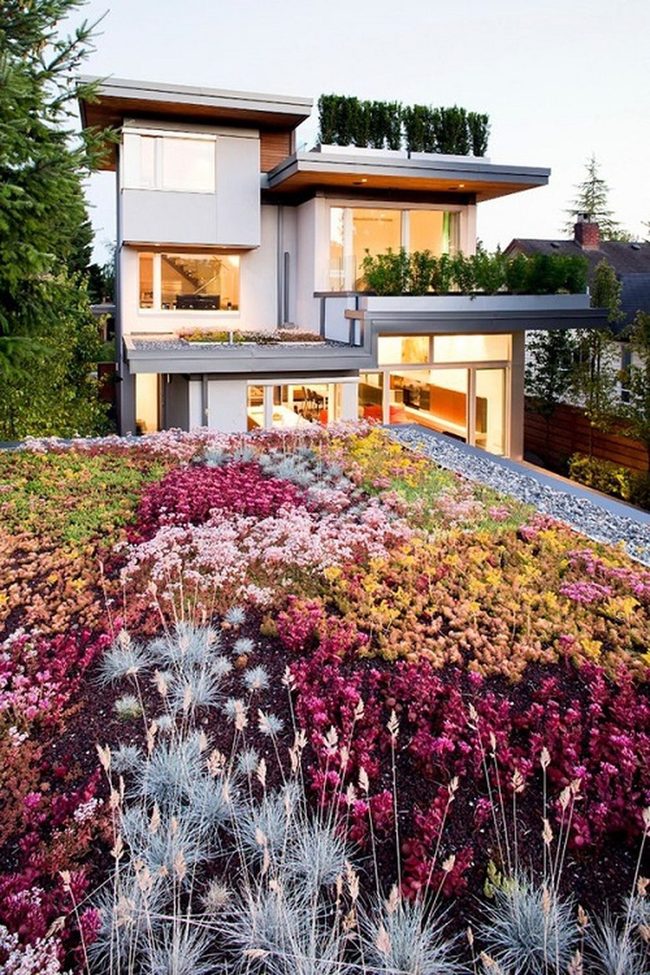
Flower beds bursting with color transform side yards into spectacular botanical displays that stop people in their tracks, and mixing perennials with annuals keeps blooms going strong from spring through fall.
Desert plants like lantana, verbena, and salvia thrive in dry conditions and need far less water than typical garden plants.
Layering shorter plants in front of taller ones builds natural depth across your beds and makes the whole space feel fuller and more interesting.
Pairing complementary colors draws the eye from one section to another and creates a sense of movement that makes your yard more dynamic.
The detail that stands out is butterflies and bees flock to these spaces, which means your garden becomes alive with activity and helps support local wildlife.
Keeping these beds looking good doesn't demand much work; some light pruning and occasional watering keep everything healthy and vibrant throughout the growing season.
Gravel Beds With Hardy Succulents And Stone
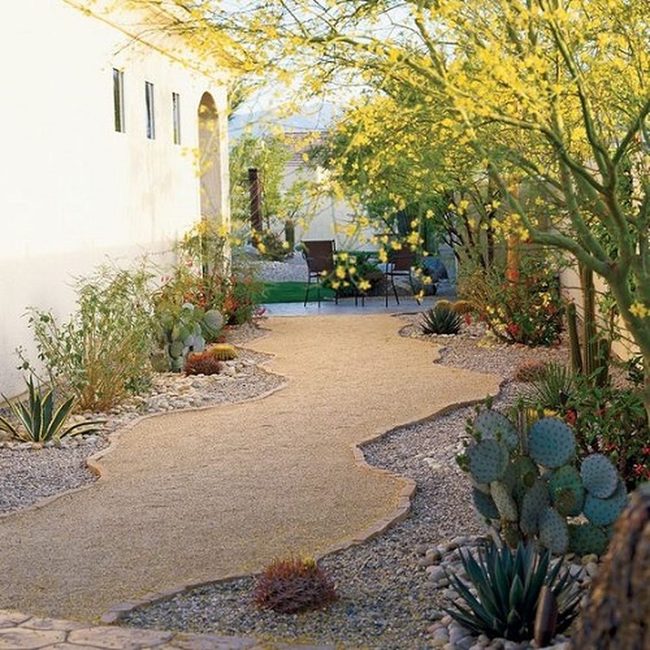
Sand pathways and gravel flower beds bring a beautiful minimalist desert charm that appeals to landscapers seeking simplicity and style.
Smooth walkways wind through carefully positioned gravel beds that showcase hardy succulents and decorative stones, while stone borders define each garden section and guide visitors naturally through the space.
Native desert plants peek through the arranged stones and add quiet life to the dry landscape, and hardy varieties thrive in strategic spots to bring green touches against neutral ground tones.
Rocks and sand work together to create natural drainage, which keeps maintenance simple and water usage low.
It's a practical design that meets aesthetic appeal, making it a sustainable solution for side yards or challenging terrain.
Water-wise gardeners benefit from how this setup transforms difficult spaces into peaceful outdoor retreats without demanding much care or resources.
Brown Gravel Pathways Through Desert Plants
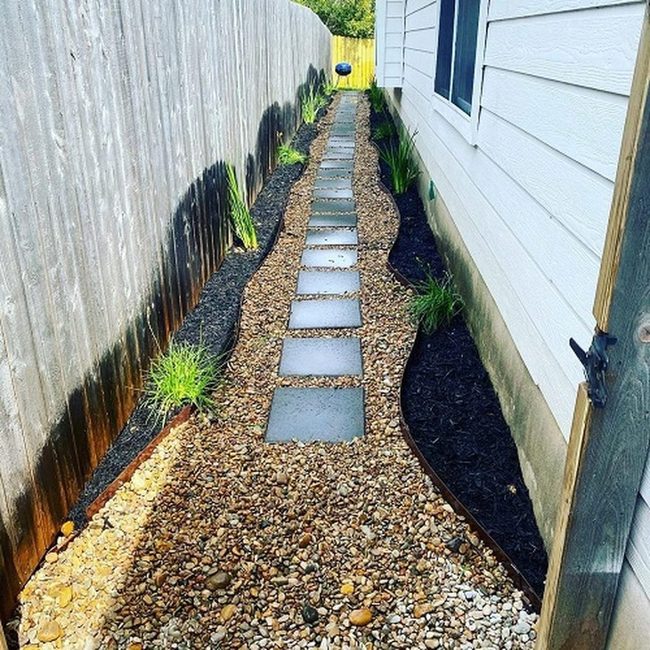
Gravel pathways lined with plants spark garden appeal through natural, low-maintenance design that brings desert landscapes to life with strategic stone and greenery arrangements.
Brown gravel creates warm, rustic foundations for winding garden routes, and drought-resistant species thrive alongside rocky paths to ensure year-round visual interest.
Strategic plant selections add rich color and texture against neutral stone backgrounds, so you can discover beautiful garden journeys through well-placed botanical companions.
Wandering walkways encourage exploration and connection with outdoor spaces, and strategic landscaping transforms side yards into personal desert oases where visitors can experience natural beauty up close.
Spiky Succulents In Gravel
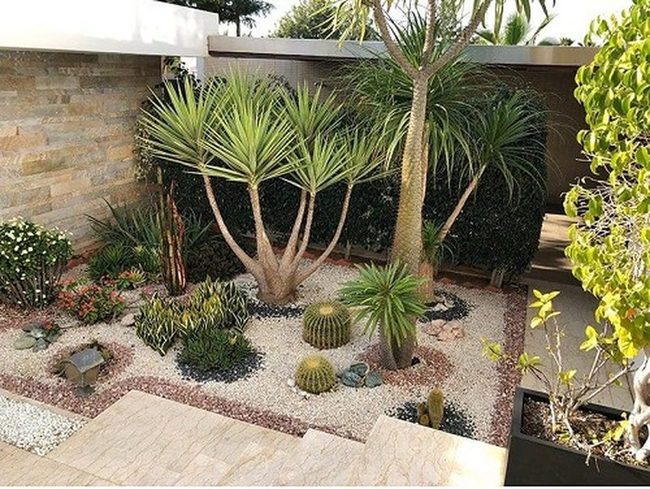
Sculptural desert corner gardens thrive in harsh dry climates and deliver striking visual drama through smooth gravel pathways that wind between dramatic cacti silhouettes and need minimal effort to maintain.
Strategic rock placements anchor Spanish daggers and barrel cacti into powerful positions while natural stone elements complement the spiky succulent shapes and establish a harmonious southwestern aesthetic.
You get hardy desert plants that require almost zero water and deliver remarkable visual texture without complicated design requirements.
Compact spaces and side yard areas transform into extraordinary landscape statements with intelligent plant selections.
Neutral earth tones blend seamlessly with surrounding landscape features and keep everything grounded.
Buddha Meditation Garden With Succulents
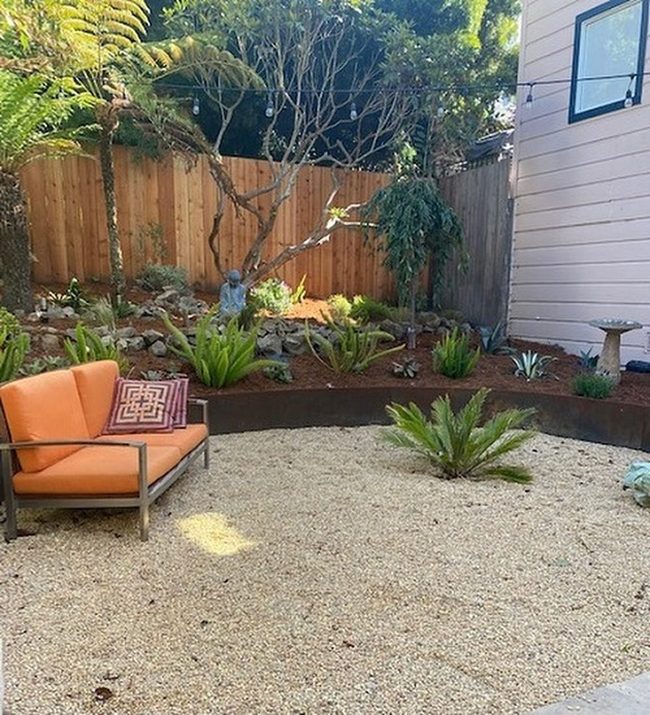
Tropical garden oasis where a Buddha figurine sits peacefully among lush palms and succulents, anchoring the space with spiritual energy against neutral stone backgrounds and creating a serene focal point.
Desert-adapted plants bring verdant greenery to the landscape while rocks and gravel pathways weave between different zones, and this combination minimizes water usage and provides natural drainage.
Soft gravel textures complement the sculptural forms of the plants, and walking through these calm pathways connects you to different areas of the garden.
Low-maintenance greenery keeps the space beautiful throughout the seasons without demanding constant attention, so you get consistent results year-round.
Meditation blends naturally into this design, and the peaceful energy encourages relaxation as you move through the garden.
Everything works in harmony to help you connect with the desert environment around you, and the balance between lush growth and minimal water needs creates something special.
Desert Stone And Spiky Green Symphony
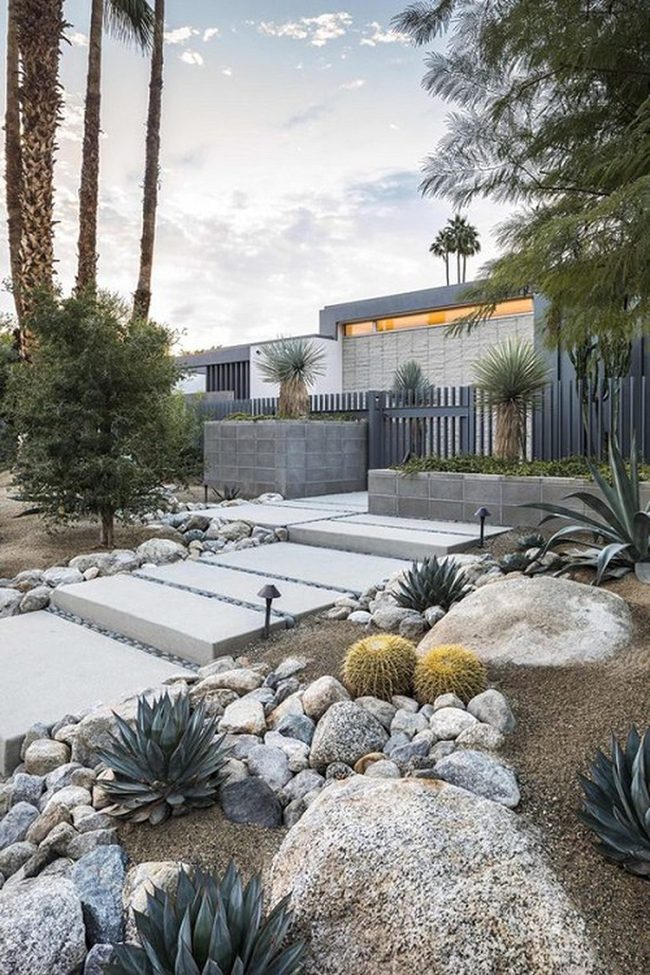
Desert rock gardens showcase sculptural charm through strategic boulder placement, barrel cacti clusters, and dramatic agave silhouettes that command attention across your yard.
Massive stones anchor the landscape and guide your eye naturally through the space while serving as stunning design anchors.
Large rocks create visual breaks between spiky green plants and mimic natural desert terrain patterns without demanding much effort on your part.
Barrel cacti add rounded texture that contrasts beautifully against angular stone surfaces, and agave plants contribute striking architectural shapes that complement the rough boulder textures.
Silver-green plant tones blend seamlessly with gray stone colors for a cohesive southwestern look.
Architectural Succulents In Stone
Agave and dracaena plants make side yards come alive with their bold shapes and dramatic silhouettes that stand out against any background.
These hardy succulents catch light beautifully and add rich green tones to narrow spaces where other plants struggle to thrive.
Large stones positioned around the plants serve as natural borders and help the soil hold onto moisture longer, which means less watering for you.
Native desert plants like these need very little water and almost no maintenance, making them perfect if you want a landscape that doesn't demand constant attention.
Stone edging around your beds keeps weeds from taking over while adding interesting texture and visual interest throughout the garden.
You can turn even a compact side yard into a striking desert scene by choosing the right drought-tolerant species that work well together.
Rock and succulent combinations give you a southwestern look that feels both simple and well-designed without requiring much effort to maintain season after season.
Desert Boulders With Overhead Lights
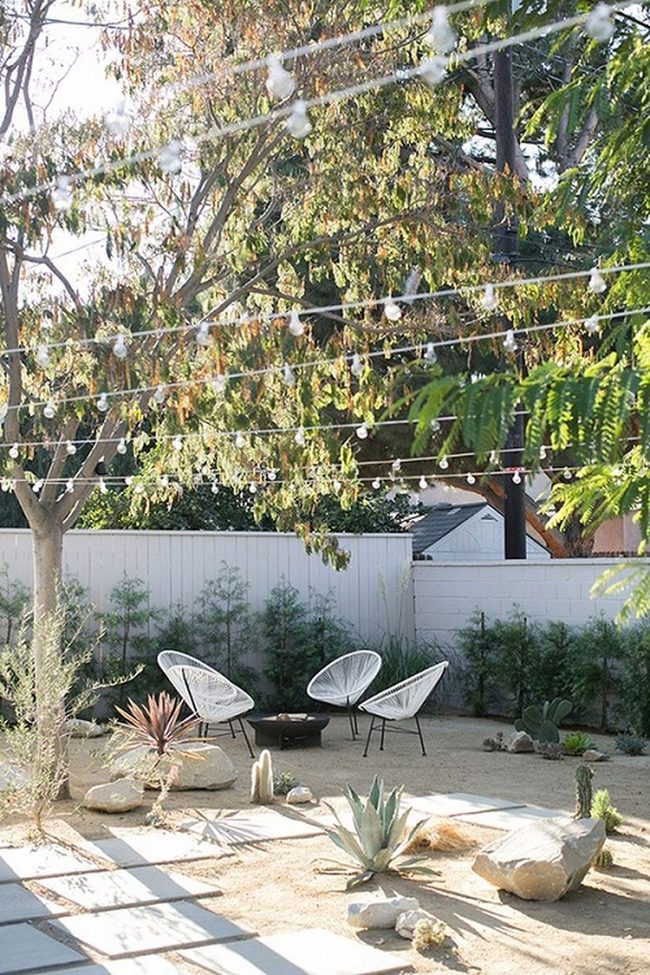
Side yard desert landscape becomes an amazing relaxation spot when you combine large boulders, sturdy chairs, and string lights into one cohesive design.
Those massive rock formations immediately draw attention with their raw, earthy presence and sculptural appeal, while you position comfortable seating right beside them to create a natural sanctuary that feels both adventurous and grounded.
String lights strung between the boulders shine warmly overhead once evening arrives, casting gentle glows across all those rugged stone surfaces and turning an ordinary side yard into something dramatic.
Placing the chairs strategically near the rocks lets you settle in for quiet moments of reflection or peaceful breaks from your day.
Desert design like this works best when you balance comfort with that wild, untamed feeling of the landscape.
Purple And Green Succulent Rosettes
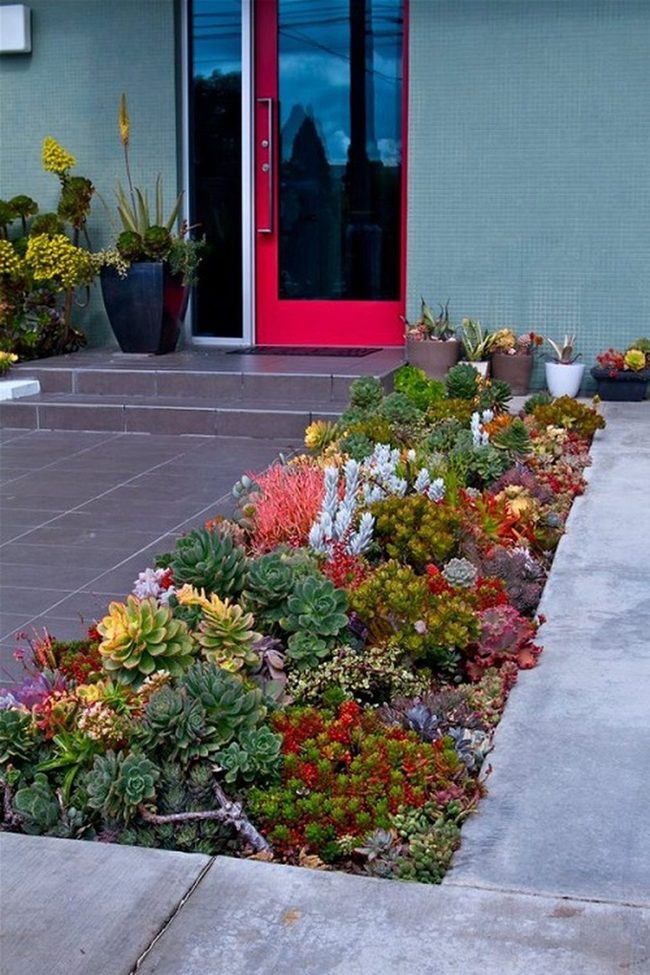
Succulent flower beds create a striking desert aesthetic with their colorful rosettes and trailing varieties that pack incredible visual interest into small garden spaces, and when you place them strategically along side yards, even bland landscapes transform into eye-catching displays that demand attention.
These resilient plants offer amazing color variety and texture contrast, with compact forms mixing alongside sprawling types to build dynamic appeal throughout your garden.
The useful detail is year-round green and purple tones that really stand out against rocky or sandy backgrounds, giving your space constant visual interest no matter the season.
What makes succulents so great is that they need very little maintenance while still delivering that high-impact look many gardeners want.
Selecting the right plants for your space ensures you get a low-stress garden solution that looks wonderful with minimal effort on your part.
Since these plants are so forgiving, you can experiment with different arrangements and color combinations without worrying about keeping them alive through difficult conditions.
Drought-Resistant Desert Sculptures In Stone
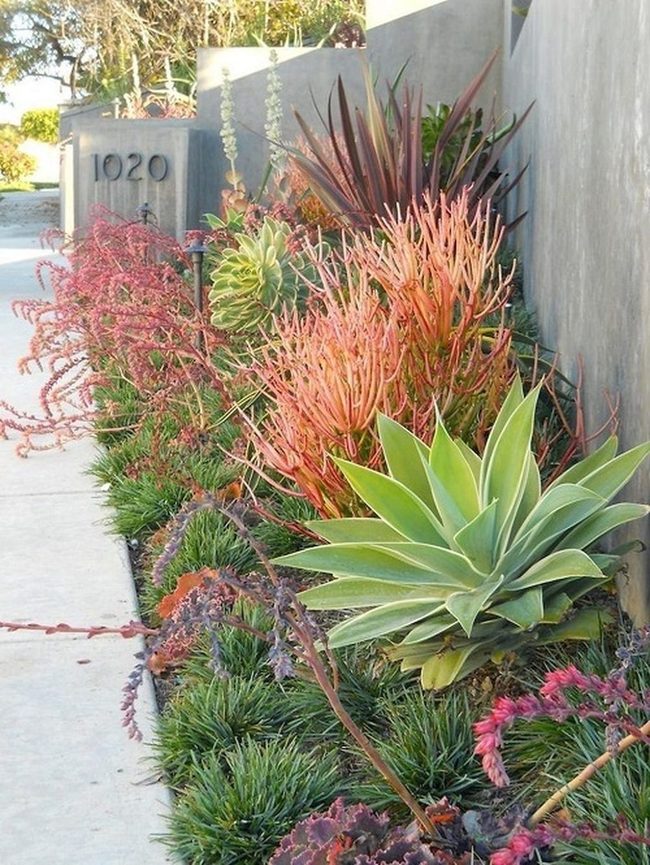
Succulents and cacti transform side yards into striking desert landscapes where robust agaves and dancing kangaroo paws form living sculptures that catch sunlight while saving water.
Carefully arranged plants pack intense colors and dramatic silhouettes into compact spaces, and strategic placement lets each specimen showcase its unique texture and shape without overwhelming the design.
Green and blue tones mingle with rust and silver, creating natural artistry that requires almost no care.
California natives like dudleya and barrel cactus provide structural interest and regional authenticity.
When you choose drought-resistant selections, you spend more time enjoying the landscape and less time watering.
Stones and gravel complete the design and add natural transitions between plants while complementing their sculptural forms.
Oversize Ceramic Succulents Desert Statement
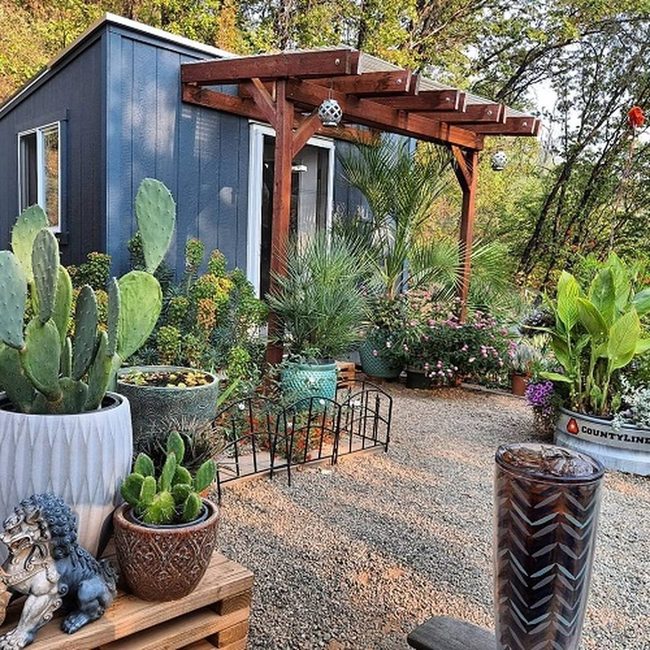
Oversized planters bursting with succulents create instant drama along your side yard and demand barely any maintenance at all.
Desert gardens thrive with these sculptural containers as bold statements, and you can mix rosettes, spiky forms, and trailing varieties in rich greens and silvery tones within a single display for incredible visual range.
Large ceramic or concrete vessels work perfectly for these water-wise plants that love intense sunlight and hot conditions.
Varying heights and textures across your planting scheme builds compelling interest without fuss.
Rock mulch scattered around the planter bases strengthens the southwestern look and keeps soil moisture locked in where roots can access it.
Desert landscape principles flow naturally through succulent arrangements like these and turn ordinary yards into stunning outdoor spaces that feel both bold and effortless.
Cacti And Succulents Desert Garden
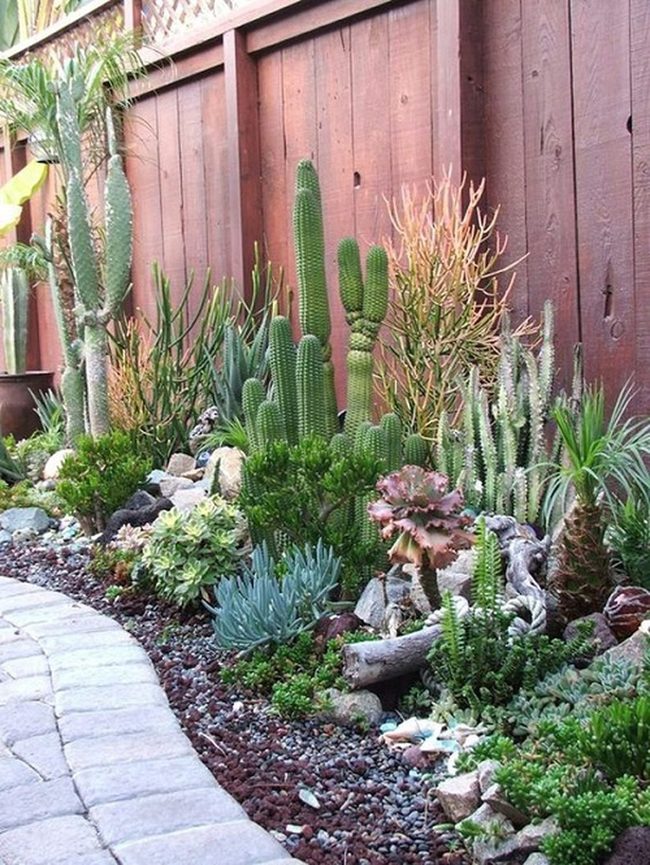
Desert flower beds deliver bold landscape statements with virtually no upkeep, and clustering cacti and succulents together gives you stunning arrangements that thrive in harsh sunlight and need minimal water.
When you space these plants strategically, their incredible textures and shapes get room to shine across your side yard.
Southwestern gardens flourish with these hardy desert plants that bring natural beauty without demanding constant care, and the mix of dramatic green and gray tones across different cactus varieties and succulent species keeps things interesting.
Rock borders help you define garden zones and enhance the arid landscape design.
Sun-loving specimens handle these conditions beautifully and transform side yards into gorgeous desert-inspired landscapes that your neighbors can't help but notice.
Each plant gets enough room to grow and spread comfortably when you plan spacing thoughtfully, so everything develops at its own pace without crowding or competition for resources.
Purple Lavender Desert Garden
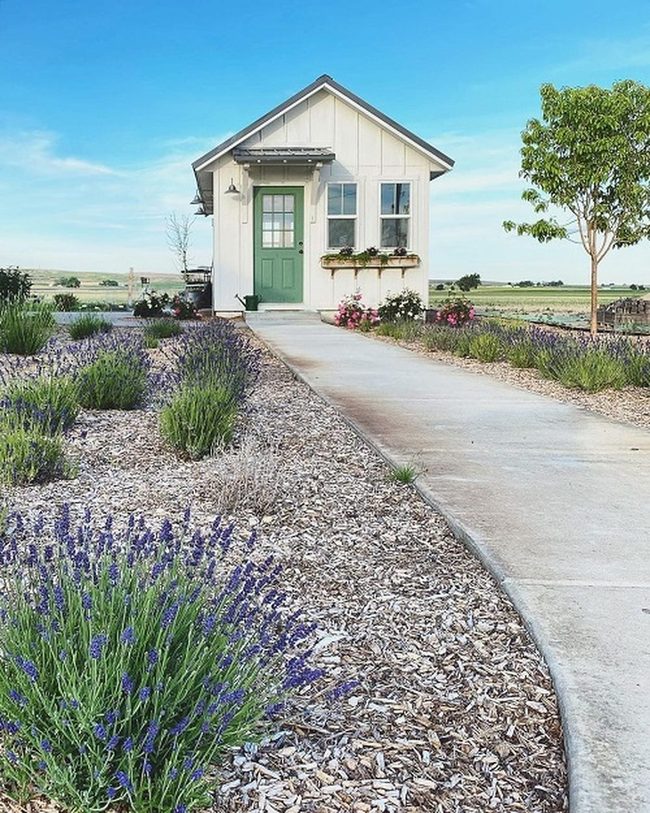
Sunlight bouncing off pale stones highlights the soft purple hues of lavender in a way that stops you in your tracks, and when you pair delicate purple stems rising from smooth gravel pathways with the natural movement of pollinators buzzing around fragrant blossoms, your side yard becomes a living garden that engages all your senses.
Gravel serves double duty by providing excellent drainage while keeping weeds at bay and reducing your water needs, so you get a landscape that looks beautiful year-round without demanding much from you.
Rocks and lavender plants work side by side to build a peaceful outdoor retreat that blends Mediterranean charm with low-maintenance desert design, making it perfect for anyone who wants an attractive space without constant upkeep.
Desert gardeners especially love how this style thrives in hot, dry conditions and still delivers visual appeal in every season.
Round Cacti Dramatic Desert Sculpture
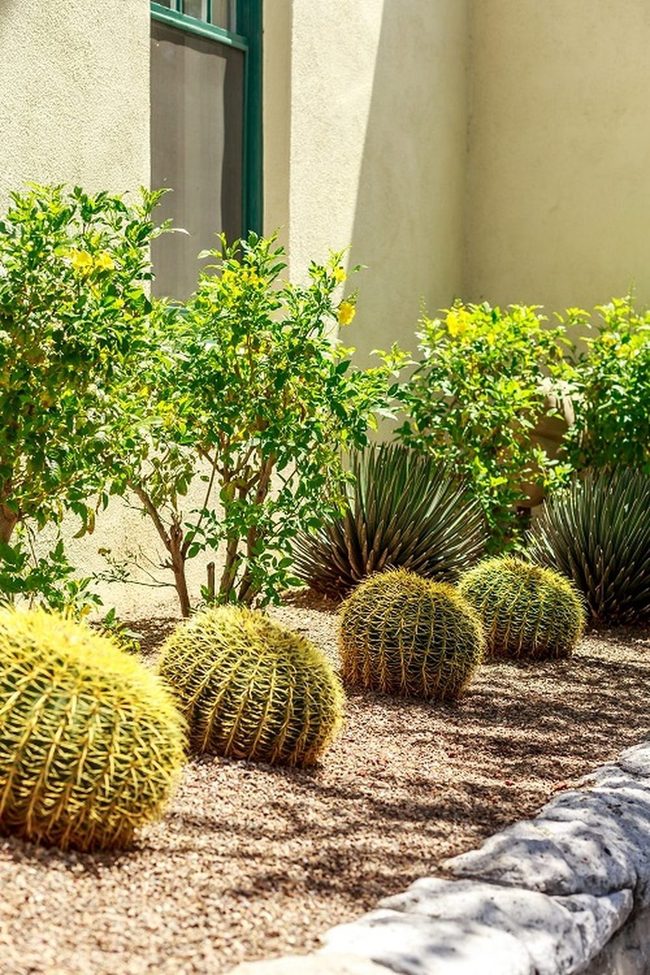
Barrel cacti bring dramatic sculptural shapes to your side yard with their distinctive round forms that pop against the landscape and demand almost no upkeep.
Sun-drenched spaces showcase these prickly plants beautifully, and their unique silhouettes and hardy nature mean you can rely on them even in tough conditions.
Mixing green and blue-gray specimens together adds visual depth without requiring advanced gardening knowledge, and the chunky barrel shapes contrast wonderfully with slender companion succulents planted nearby.
Strategic placement of these groupings lets you design stunning xeriscape environments that celebrate southwestern charm, while rock mulch spread underneath rounds out the natural desert aesthetic.
You can craft striking landscapes by arranging these resilient desert performers to work with your space, and hardy plants that survive extreme temperatures still deliver that dramatic, elegant look you're after.
Green Agave Blooms Desert Oasis
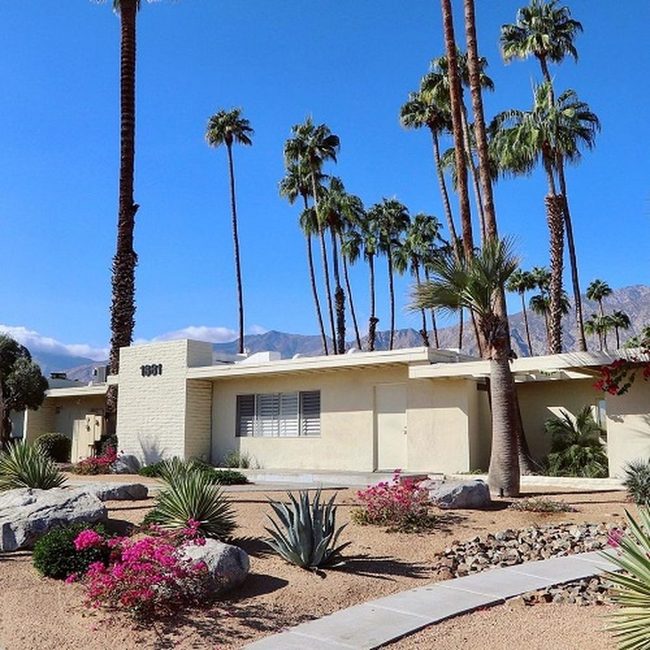
Desert gardens bring a lush tropical feel to side yards without requiring endless maintenance, as succulents, flowers, and palm trees thrive in sun-soaked spaces and need very little water.
Pale green agave leaves stand out beautifully next to bright desert blooms and graceful palm trunks, creating a striking visual display.
Cool rock pathways wind through the plantings and guide you naturally from one area to another across this green sanctuary.
Smooth stones add wonderful texture against the soft shapes of plants, giving depth and dimension to your outdoor space.
Desert plants are tough and resilient, so you can arrange them strategically to get maximum visual interest while keeping water needs low.
Placing each species thoughtfully ensures they get the right amount of sun and good drainage for healthy growth.
The greens and blues from different plant types blend together and bring a calm, welcoming mood that turns an ordinary side yard into your own peaceful desert retreat.
Giant Agaves Frame Desert Corners
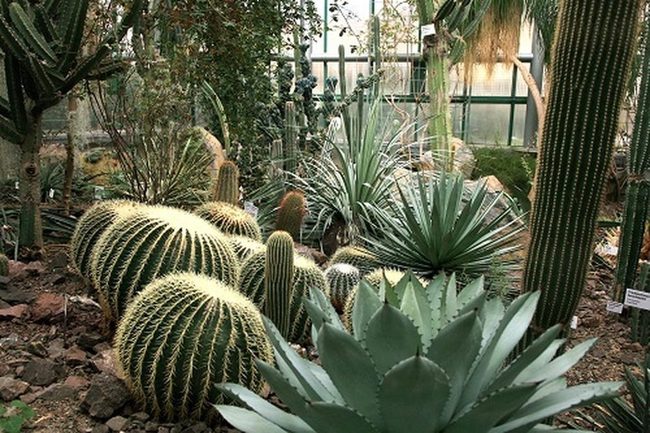
Large agaves and cacti arranged in a corner of your yard deliver stunning visual drama while needing very little water, and these massive green sculptures anchor the space with bold silhouettes and wonderfully rugged textures that capture the essence of desert landscapes.
Native southwestern plants populate the area and thrive in hot, dry environments without demanding constant maintenance or complex care routines.
Strategic placement of these plants throughout the side yard creates visual depth as their contrasting sizes and shapes work across the space.
Varied plant heights and geometric forms guide your eye movement naturally through the landscape.
Bold architectural shapes from these plants bring that striking desert character right into your outdoor area.
Arranging these elements thoughtfully transforms an ordinary side space into an extraordinary garden scene.
You'll find that this approach gives you an effortless way to achieve real beauty without spending hours on upkeep.
Sculptural Desert Green Giants
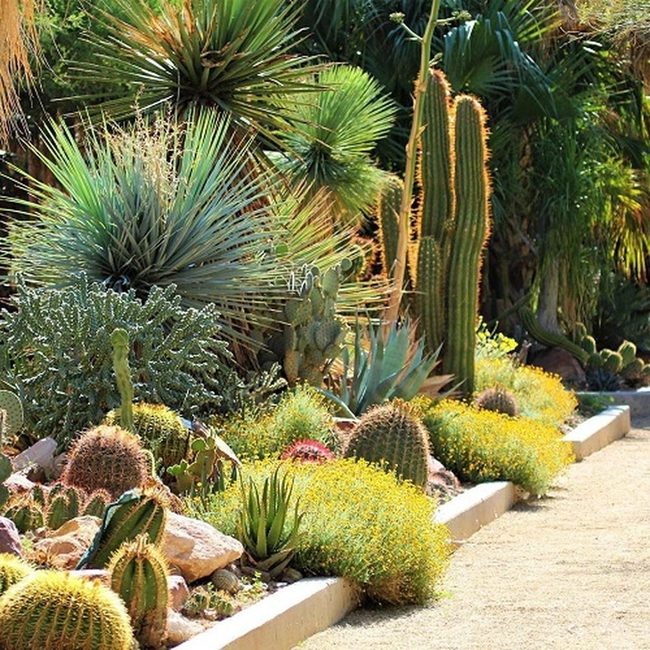
Tall cacti and succulents stand out as desert garden showstoppers, their sculptural silhouettes rising dramatically against bare ground to give your side yard instant visual interest without demanding constant attention.
Sunlight intensifies their striking green and blue-gray tones, making each plant look like a living artwork that changes throughout the day.
Slim saguaros and chunky barrel cacti mix beautifully together and establish dynamic landscape depth that keeps your eye moving across the space.
Spiky structures provide textural contrast against smoother elements like gravel or stone pathways, and this variety prevents your garden from feeling flat or one-dimensional.
Strategic placement lets you design a low-maintenance scene that feels both natural and well-thought-out, since these desert champions thrive on neglect.
Homeowners love how these hardy plants transform bland spaces into xeriscapes with minimal effort and zero fuss.
Pale Green Grass Dancing With Gravel
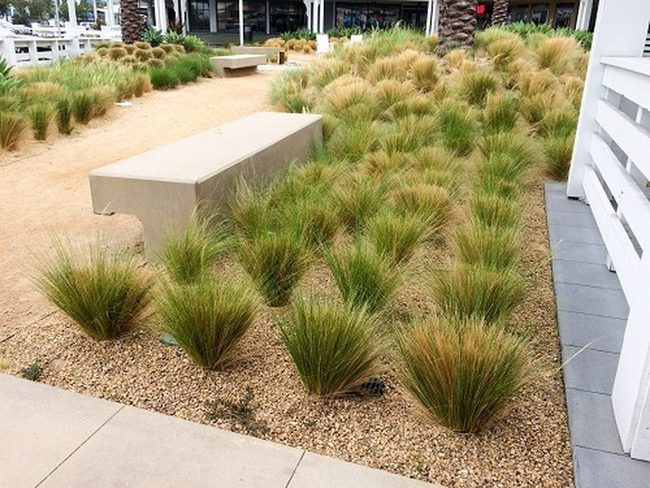
Mexican feathergrass moves with grace across desert landscapes, its pale green strands shimmering as light dances across the delicate blades whenever wind passes through.
Against a bed of stark gravel, you get a stunning contrast that makes the grass feel alive and dynamic.
Gravel works as a neutral background that lets those wispy strands stand out and catch sunlight in a way that feels natural and unhurried.
Beyond looks, this pairing makes practical sense since both elements thrive in arid climates and need very little water to stay healthy.
Placing the grass strategically among the stone breaks up flat terrain and introduces a gentle rhythm that guides the eye through your space.
Positioning matters because the wind-driven sway of the blades becomes your landscaping's main source of motion and interest.
Your side yard transforms into something with real presence and sophistication when you combine these elements, and the whole setup stays low-maintenance year-round.
Vertical Snake Plants Meet Spiky Cacti
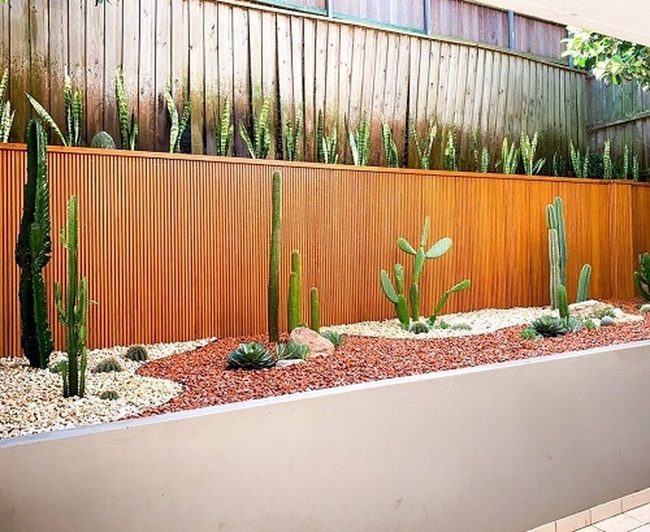
Snake plants and cacti form the backbone of a desert landscape that demands almost nothing from you while delivering serious style, and those tall, architectural snake plant leaves shoot upward next to the rounded, compact shapes of cacti to create a conversation between two complementary forms.
Gravel pathways wind through the space, adding texture and interest while keeping the need for water way down compared to traditional grass lawns.
Both plants laugh in the face of heat and drought; they survive where other greenery simply gives up; so you get a garden that stays lush even during brutal summers.
Soft blue-green snake plant foliage plays off the spiky cactus forms, and this contrast alone brings plenty of visual excitement to your outdoor space.
Stones placed throughout the beds anchor the design and make each plant feel like it belongs exactly where it sits.
Rock mulch does double duty by holding moisture in the soil and blocking weeds from taking over around these hardy plants.
Silvery Blue Agave Desert Sculpture
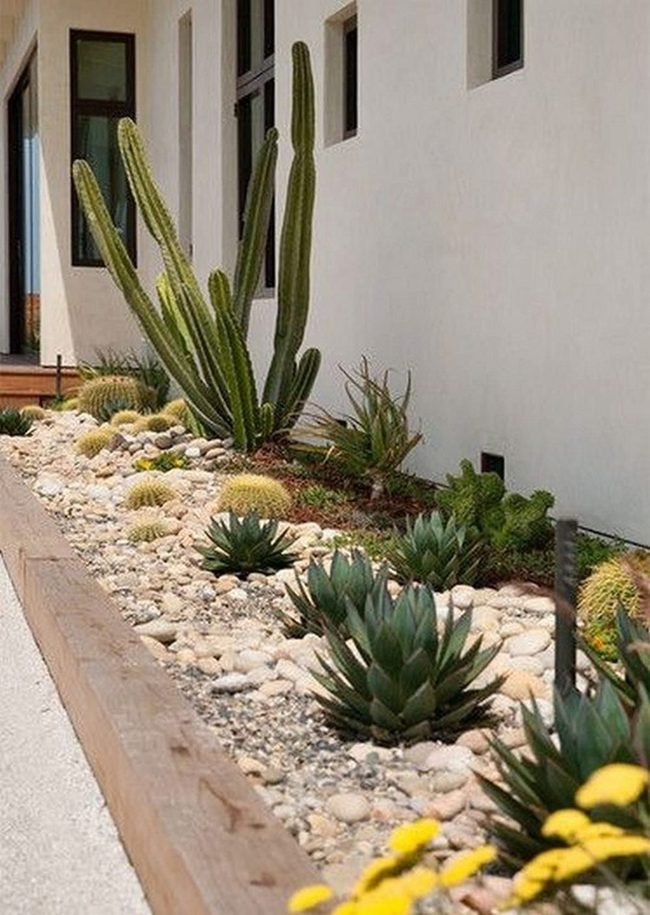
San Pedro cacti, agave, and aloe vera plants offer a sculptural and water-wise solution for side yards in desert regions.
You can trace how the silvery blue agave leaves stand out against the tall San Pedro cactus spines and the rounded shapes of aloe vera, giving you a dynamic mix of forms and textures.
Yellow blooms surprise you by popping up among the green and gray plants, bringing unexpected color to otherwise dry environments.
These succulents form an architectural landscape that handles intense heat with almost no maintenance needed, making them perfect for southwestern gardens.
Compact arrangements work well in tight side yard spaces, and positioning each plant carefully lets you see its unique structural qualities.
The combination of drought-resistant plants together creates a low-maintenance garden scene that looks good while needing very little from you.
Deep Green Junipers Desert Anchor
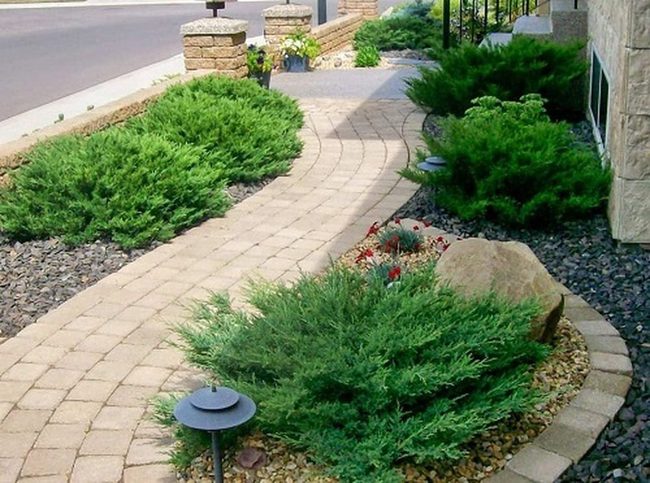
Savin junipers stand out as dramatic green anchors against rocky terrain, their deep coloring popping against pale desert landscapes and gravel beds that frame them with clean, modern style.
Strategic spacing between these plants breaks up monotonous backgrounds and keeps the eye moving across your side yard design.
Rocky ground surrounding the junipers enhances their rich green appearance and provides excellent drainage that these resilient plants need to thrive.
I appreciate the way compact growth habits keep everything neat and controlled, so there's no need for constant trimming or maintenance.
Landscape designers love working with these tough performers because they handle extreme temperatures without fading or losing their structured shape.
Desert conditions that would challenge other plants seem to energize savin junipers, and they deliver reliable color and form year after year in spaces where most greenery simply can't survive.
Vivid Plants Against Charcoal Stone
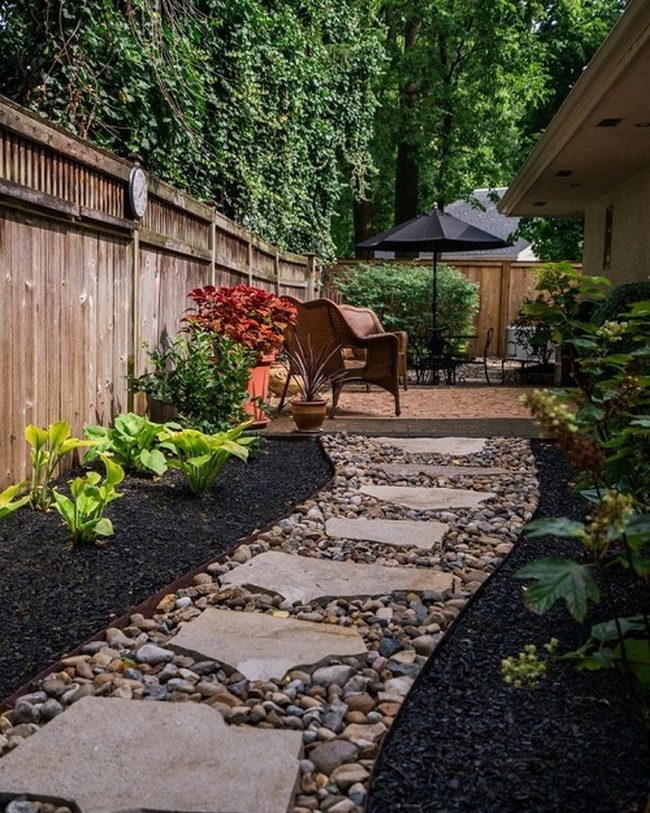
Bright plants bursting with green leaves and flowers stand out dramatically when you place them against dark charcoal gravel, and this contrast becomes the first thing your eyes land on in any garden space.
Bold plants with large leaves, like agave and succulents, add striking texture and color that really pops against the deep stone surface.
Stone pathways winding through plant clusters guide you naturally through the landscape and keep everything organized.
Desert plants and native southwestern species fit perfectly here because they need less water and still look beautiful among the rocks.
Adding drought-resistant plants to your design means you get both great looks and low maintenance in one solution.
Water-wise gardening doesn't have to feel boring or plain, and combining colorful vegetation with dark stone shows exactly how simple choices can make a real difference in how your outdoor space feels and looks.
Olivia Martinez
Founder & Principal Designer
Expertise
Sustainable Interior Design, Residential and Commercial Space Planning, Historic Preservation and Adaptive Reuse, Custom Furniture Design, Project Management
Education
Parsons School of Design, New York, NY
LEED Accredited Professional (LEED AP)
Olivia Martinez is the founder of Archi Refresh, where she brings style and sustainability together. With a degree from Parsons School of Design and a LEED certification, she’s all about creating beautiful, eco-friendly spaces.
With over eight years in the industry, Olivia has designed everything from cozy homes to commercial spaces, always putting function and sustainability first. She loves working with local artisans and has been featured in design publications for her fresh take on green living.
When she’s not designing, Olivia enjoys exploring historic architecture, painting, and spending time with her rescue dogs, Luna and Max.