
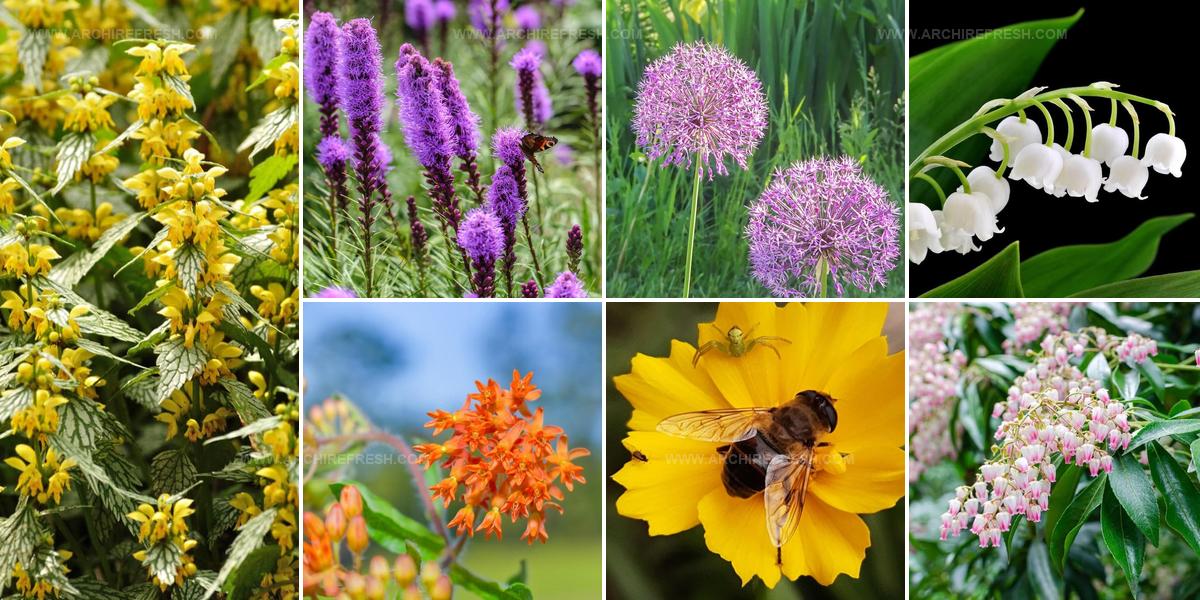
27 Fresh Ways to Use Small Flower Plant Ideas at Home
Small flower plant options can breathe fresh life into any living space without requiring acres of land or extensive gardening knowledge.
Compact blooms work beautifully on windowsills, balconies, patios, and even tucked into corners where sunlight reaches just enough.
These petite varieties deliver stunning color and fragrance while demanding minimal maintenance compared to sprawling garden beds.
Container gardening with miniature flowering specimens suits apartment dwellers and homeowners alike who crave natural beauty in manageable proportions.
The versatility of diminutive botanical choices means anyone can cultivate a personal garden regardless of available square footage.
Budget-friendly and beginner-friendly options abound, making floral cultivation accessible for novices and seasoned gardeners equally.
White Bell Clusters On Towering Evergreen
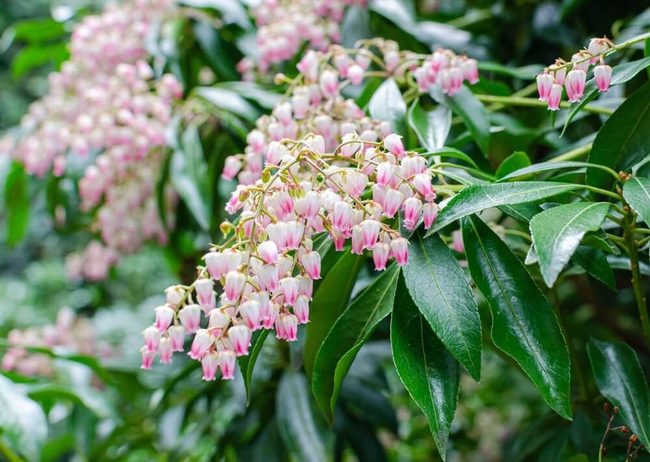
Japanese pieris proves that small flowers don't need to grow on small plants, and this shrub demonstrates that beautifully with its dramatic size and delicate blooms that hang in bell-shaped clusters across the branches in striking white arrangements.
As the plant grows into a large shrub or even a small tree, those tiny flowers multiply all over and create a visually stunning display that catches everyone's attention.
Broad evergreen leaves blanket the branches and enhance the overall appearance, making this plant stand out in any garden space you might have.
You'll find that discovering such unexpected combinations in nature can spark your interest in choosing plants that break the usual rules.
The contrast between the plant's substantial size and its dainty flowers offers something different from what most gardeners expect to find.
When you plant Japanese pieris in your garden, you're adding a conversation starter that defies typical gardening conventions.
Purple Bells, Effortless Beauty
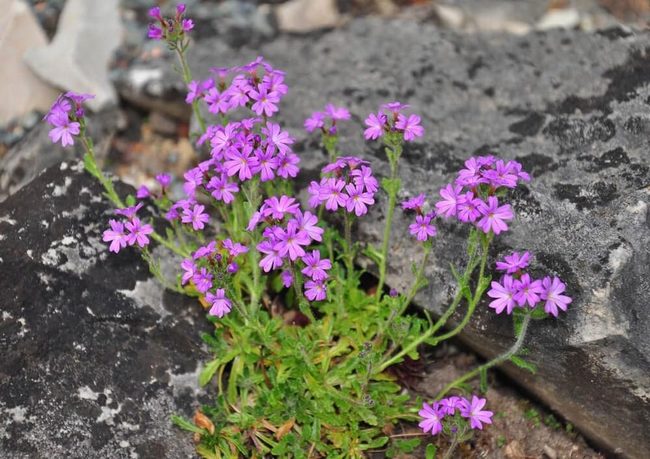
Fairy foxglove offers you delicate purple flowers that dangle just above the soil, giving your garden an eye-catching display with minimal effort.
You can plant it in full sun or partial shade since it adapts well to different light conditions, and this flexibility means you have freedom in where to position it around your space.
No complicated routines or special tricks are needed to keep this plant healthy and happy.
What makes it so appealing is how little you need to do to enjoy those charming blooms season after season.
Whether the tiny flowers become your favorite garden feature or simply add a pleasant touch, this low-maintenance choice works well for anyone.
Even gardeners who prefer not to fuss over their plants will see this one thrive without extra care.
It's one of those plants that rewards you with beauty and asks very little in return.
Purple Lavender Fields Forever
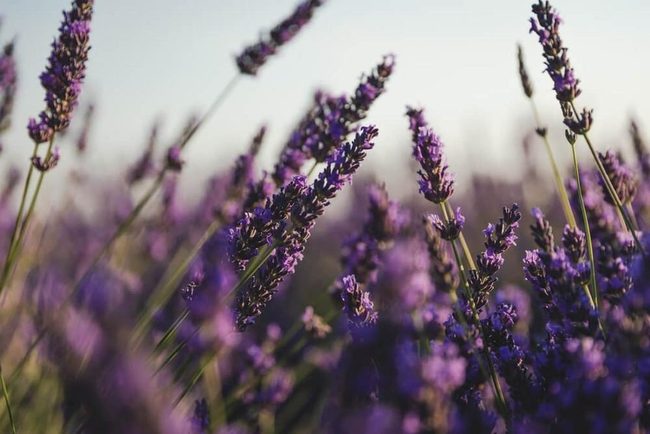
Endless rows of lavender stretching across the landscape create a breathtaking purple blanket that stops you in your tracks.
When you plant these flowers in groups, the massed color transforms any outdoor space into something remarkable.
Beyond the visual appeal, the sweet scent drifting through your garden adds a second dimension of pleasure that you can trace every time you step outside.
Most people become drawn to these plants because they deliver both beauty and fragrance at once.
Lavender stands out as an excellent choice for your garden since it combines striking appearance with that wonderful aroma.
If you want to enhance your outdoor experience without much fuss, these flowers do exactly that.
Purple Spheres On Thin Stems
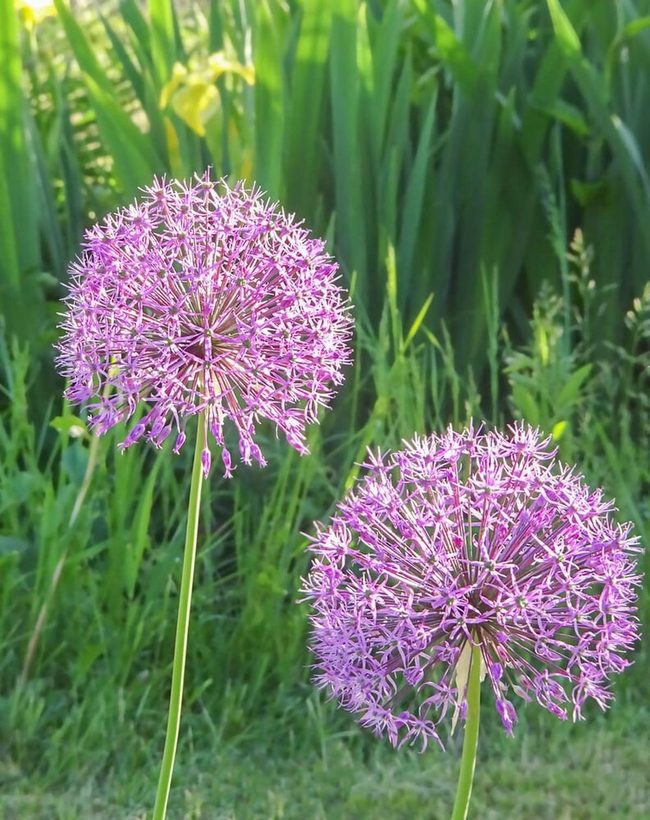
Giant allium gets its name in a confusing way because the flowers themselves aren't actually large; instead, you'll see hundreds of tiny purple star-shaped blooms packed tightly together into enormous spherical clusters that sit at the top of tall, thin stems.
What makes this plant so eye-catching in a garden is how those small individual flowers combine to form these massive round heads that really stand out against other plants around them.
When you add giant allium to your space, don't expect something underwhelming or delicate; this plant makes a bold, striking statement that demands attention.
Part of what makes giant allium so appealing is the fun contrast between what you might assume from its name and what you actually get when you see it in person.
Those spherical flower heads create an almost architectural quality in garden design, and they work well when you want something that looks different from typical flowering plants.
Tiny Purple Grape Clusters
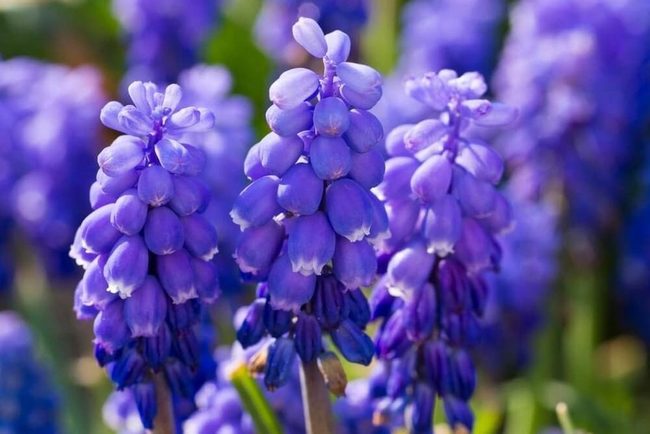
Grape hyacinths steal the show with their striking appearance, as each tiny flower clusters together in tight bunches that genuinely look like miniature grapes hanging from the stem tips.
You'll love how these unusual blooms bring real visual interest to your garden space.
Once you plant them in good conditions, they spread rapidly and fill your landscape with wonderful color throughout the growing season.
Watching them thrive in your yard is genuinely fascinating, and you might find yourself checking on them regularly just to see their progress.
Their delightful appearance makes them such a worthwhile addition to your outdoor areas.
If you want something that looks remarkable without demanding much fuss, grape hyacinths are worth considering for your garden plans.
Purple Stalks Over Giant Leaves
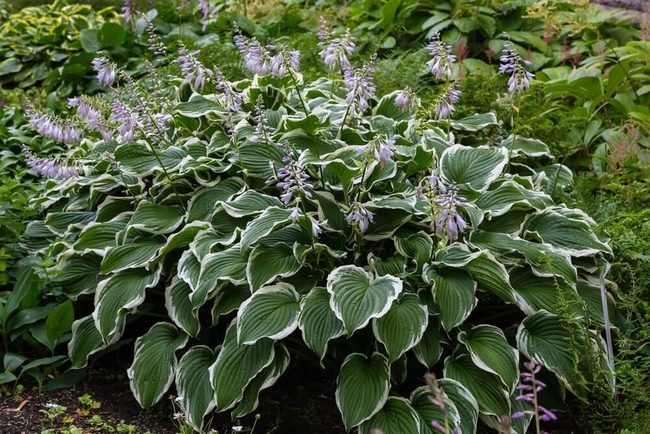
Hosta flowers might surprise you since these plants are famous for their large, dramatic leaves, but they also produce delicate blooms that add unexpected charm to garden spaces.
Tall stalks rise several feet upward and display pretty flowers at their tips, each one showing a light purple color and a tubular shape that draws attention.
What makes hostas so appealing is how they pair bold foliage with these gentle blossoms in one plant, and this combination keeps them popular among gardeners who want both leafy interest and delicate flowers.
You'll find that the contrast between the substantial leaves and the airy blooms gives hostas an appealing quality that works well in different garden settings.
Many plant lovers appreciate how hostas deliver two types of beauty at once without needing extra plants or accessories.
Whether you're planning a shade garden or filling in gaps between other perennials, hostas offer you a plant that delivers visual interest on multiple levels.
Tall Purple Flower Spikes
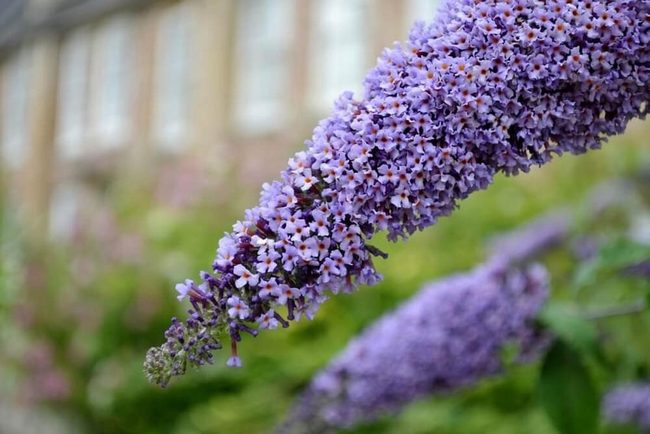
Butterfly bush flowers might be tiny on their own, but they group together into tall spikes that catch your attention from across the entire yard and look just as striking when you step closer to inspect them.
If you want to fill your garden with butterflies and other helpful pollinators, this plant delivers exactly what you're after.
Before you dig a hole and plant one, though, it's worth checking that you're selecting a non-invasive type for your area.
This simple step protects your garden from unwanted spreading.
Most gardeners find that a native or sterile variety works best in their landscape.
Doing this research up front means you get all the pollinator benefits without the headache of managing an aggressive grower later on.
Yellow And Pink Flower Clusters
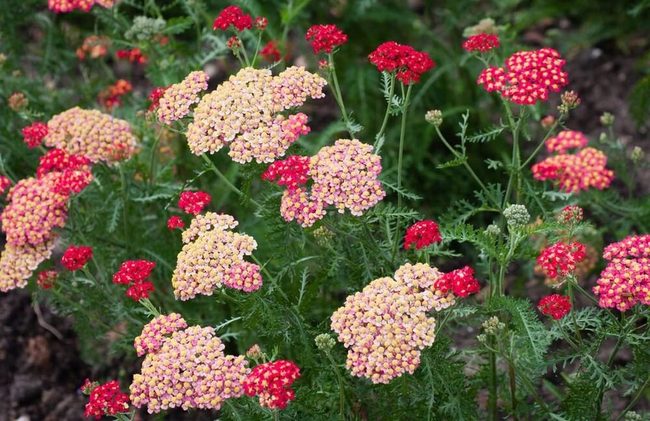
Yarrow plants burst across your garden with small flower clusters that pack a visual punch, displaying shades of yellow, orange, pink, or white that seem to glow in sunlight.
Growing to about three feet tall, these hardy plants thrive when you place them in full sun and basically ignore poor soil and drought conditions.
Heat doesn't bother this plant at all, and it actually seems to flourish when conditions get dry and tough.
If you want something that looks great without constant fussing, yarrow fits perfectly into any garden plan.
The low-maintenance nature of these plants means you can focus on enjoying your space rather than working yourself to exhaustion.
Whether you're new to gardening or have some experience, yarrow rewards you with reliable blooms and minimal effort.
Light Blue Garden Flowers Blooming
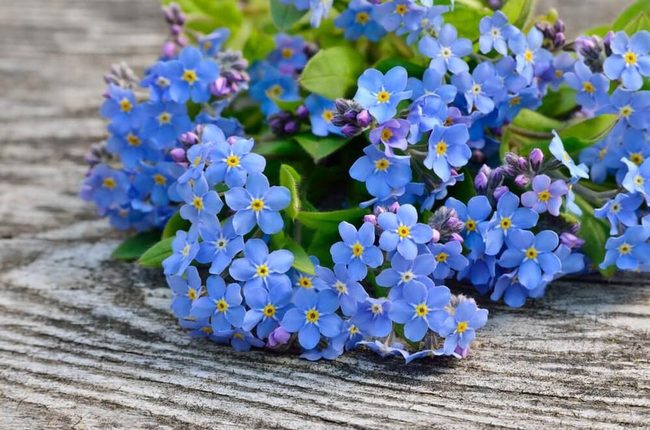
Forget-me-nots burst across gardens with their unmistakable light blue petals arranged in five delicate sections around a golden center, and this striking appearance makes them instantly recognizable to most people.
Beyond the classic blue variety, you'll discover numerous types of forget-me-nots that spread just as readily and offer different growth habits and color options to suit your planting needs.
Each variety brings its own charm to garden spaces, and they thrive in favorable growing conditions that most gardeners find easy to provide.
What makes these flowers so beloved is their straightforward beauty that wins hearts wherever they take root.
Their popularity among gardeners speaks to how adaptable and rewarding they are to grow.
Low maintenance and consistently lovely, forget-me-nots deliver simple elegance season after season without demanding much from you.
Autumn-Pink Sedum That Thrives
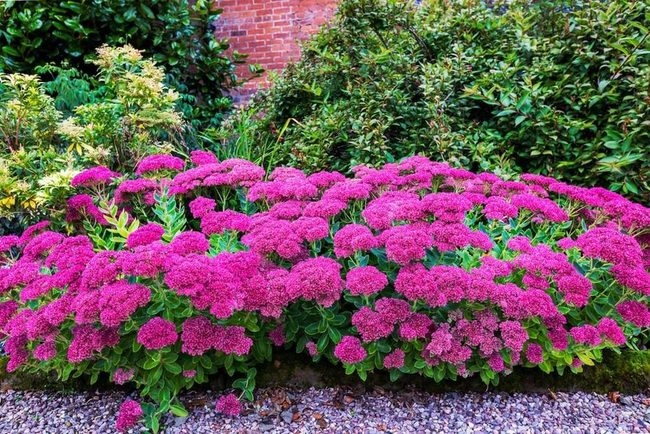
Spring blooms fade fast, but stonecrop sedum keeps your garden bursting with color straight through late summer and into fall, which makes it one of the best choices when you want lasting beauty.
This hardy plant produces clusters of tiny flowers that resemble miniature broccoli florets, and as the season shifts toward autumn, those blooms deepen into rich reddish-pink hues that can stop you in your tracks.
You'll appreciate that this plant requires minimal fussing once it's established in your garden bed.
Unlike many flowering plants that give up when temperatures climb, stonecrop sedum thrives during those hot months and delivers some of its most stunning color displays right when other gardens look tired and faded.
Growing stonecrop is straightforward even for beginners, and it adapts well to most soil conditions.
White Stars On Heart-Shaped Leaves
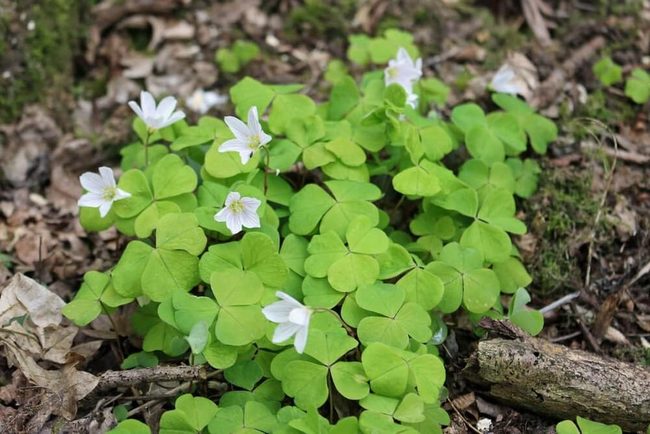
Wood-sorrel plants deliver striking visual charm to gardens with their three delicate heart-shaped leaflets that resemble shamrocks on each stem, and the white star-shaped flowers with pale yellow centers add another layer of beauty that draws attention.
Oxalis montana, the species we're talking about here, combines these appealing qualities in one small but mighty package.
If you want even more color and interest in your garden bed, several varieties offer multi-colored leaves that shift the overall look of your space.
Both the foliage and blossoms work well together to give your outdoor area a fresh, cheerful feel.
What makes these plants so great is how little space they need while still delivering visual interest and personality.
Whether you're filling a corner bed or adding a pop of greenery near pathways, wood-sorrel brings that delightful touch that makes gardens feel more alive and welcoming.
Lilac Spring Blooms Purple Fragrance
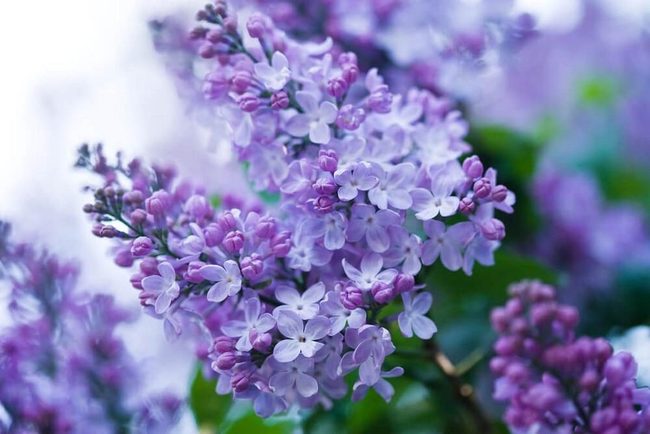
Lilac shrubs stop you in your tracks with their gorgeous blooms that burst across gardens in early to mid-spring, and many people mark their calendars each year for this spectacular show of color and joy.
Once you get close, you notice the flowers themselves are actually quite small, but they pack together into dense clusters that look absolutely stunning from any angle.
Beyond the visual appeal, these blossoms release a wonderful fragrance into the air that makes spending time outside even more enjoyable.
Adding lilacs to your garden space brings real excitement and personality to springtime, since their unusual charm and beauty make them stand out among other plants.
Garden lovers everywhere have made lilacs a classic favorite, and it's easy to see why when you experience both their looks and their scent together.
Purple Thyme Ground Cover Delight
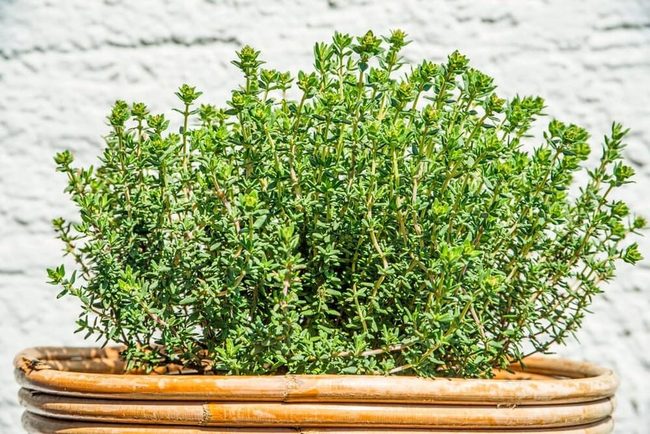
Thyme produces tiny purple flowers that bloom in clusters and scatter color throughout your garden with real charm, while the delightful scent of the plant fills the air around your home when it flourishes in the right spot.
Beyond its visual appeal, this herb spreads beautifully across your outdoor space and works wonderfully as a ground cover that requires minimal fuss.
Planting thyme among rocks or hardscape lets it spread naturally through those gaps and develops an attractive appearance over time.
You can harvest it for your kitchen and enjoy fresh flavor in your meals, making this one plant do double duty.
Its versatility makes it perfect for gardeners who want both function and beauty in one spot.
Whether you're looking to fill empty spaces in your garden beds or add something special to your hardscaping areas, thyme delivers on both counts.
Cheerful Yellow Daisy Ground Cover
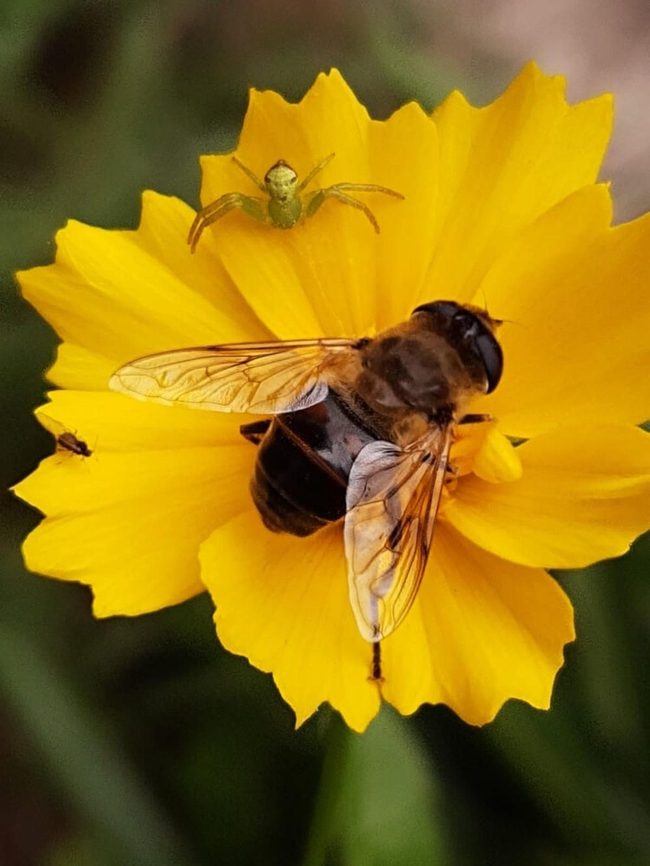
Summer brings a wonderful display of cheerful yellow and white daisy-like blooms on coreopsis plants, and these small tickseed flowers immediately catch your attention with their bright, happy colors that practically glow in any garden bed.
Even though the blooms don't last forever, this plant works beautifully as a ground cover and fills in spaces with gorgeous color throughout the season.
Growing these perennials is refreshingly simple, and they reward you with bursts of color without demanding much fuss or special care.
If you're looking for an easy way to brighten up your outdoor space, coreopsis delivers real charm and consistent blooms that make any area feel more alive and happy.
Delicate White Blooms, Airy Texture
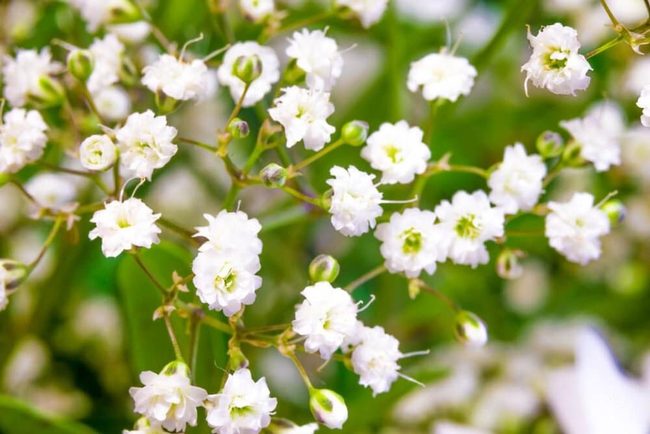
Baby's breath catches attention first because of its delicate white blooms that cluster along slender stems and bring an airy quality to any bouquet you arrange.
This plant, part of the Gypsophila family, offers various species that many people tend to overlook despite their widespread use in floral design.
Florists rely on these tiny flowers as supporting accents next to larger blossoms, and the pairing works well because the small blooms don't compete for attention.
You'll find baby's breath popular among flower lovers because it adapts to so many different arrangements and styles.
What makes it particularly useful is how the delicate texture fills gaps and softens the overall look of any arrangement.
Yellow Archangel Veined Foliage
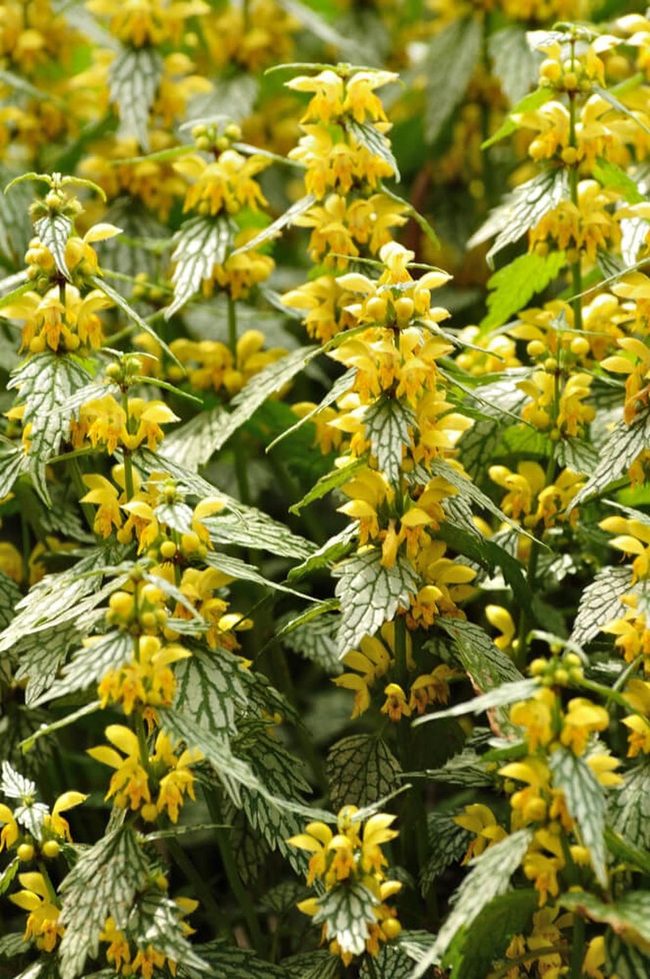
Yellow archangel plants bring bold color to gardens with their bright yellow flowers that pop against the foliage and stop you in your tracks.
What really sets this plant apart is its distinctive leaves; they're pointed and jagged with deep green veins running through lighter green patches that create striking visual contrast.
Even though the flowers are modest in size, they pack plenty of punch and command attention in any garden space.
You don't need much of this plant to make a real difference in how your garden looks.
The leaf pattern alone makes it worth growing, and when those cheerful blooms arrive, they're the cherry on top.
It's one of those plants that proves you don't need a lot of square footage to create something that really catches the eye.
Purple Spikes Garden Statement
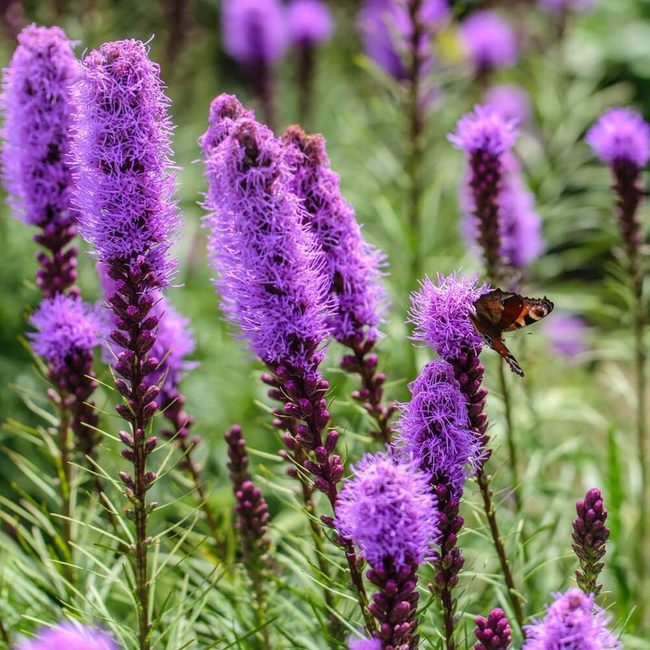
Liatris plants display striking tall flower spikes covered densely with small blooms in deep purple shades that make them stand out in any garden, though some varieties come in white and other colors too.
Once you know what to look for, spotting this plant becomes simple.
To help your liatris flourish, plant it in a sunny location where it gets at least six hours of direct sunlight daily.
This growing requirement is essential for keeping the plant healthy and strong.
You can watch it grow and flourish in whatever spot you choose for it.
Its unique appearance means it adds real visual interest to your landscape without needing much fuss.
Purple Carpet Spring Blooms
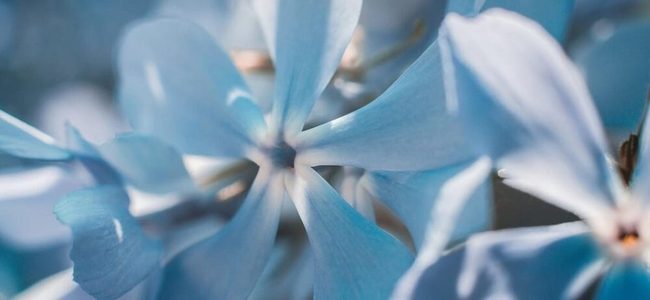
Creeping phlox delivers an explosion of color across your garden with its vibrant blooms in shades of purple, pink, or white that blanket the entire plant in spring's first wave of flowers.
This perennial groundcover spreads readily and blankets large areas with a colorful carpet that brightens up any outdoor space you have.
Because it blooms so early in the season, it brings joy and life to your garden when many other plants are still waking up from winter.
Year after year, the cheerful blossoms transform your garden into a lively display of color that you can count on.
The visual pull comes from how its low-growing form works well in rock gardens, along pathways, or spilling over raised beds.
Orange Star Clusters For Butterflies
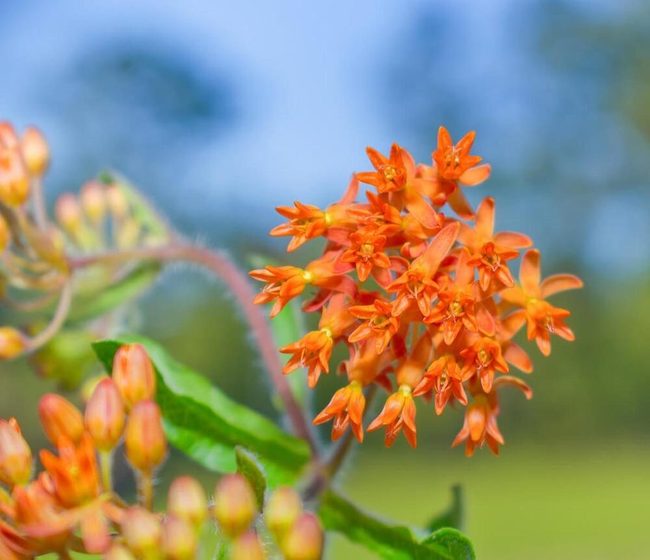
Bright orange flowers that draw butterflies naturally catch attention in any garden space, and butterfly weed stands out as a native choice for people across the United States since many butterfly bushes tend to become invasive.
Round clusters of star-shaped blooms rise up in bold displays and fill your garden beds with genuine color that works in different growing conditions.
When you select butterfly weed for your landscape, you're doing something good for local wildlife populations while getting to enjoy those gorgeous orange petals throughout the growing season.
This feels practical because this plant handles various soil types and sunlight levels without demanding much fussing from you.
Beyond the visual appeal, supporting native plants like this one helps keep your local ecosystem balanced and healthy.
It's one of those garden choices where you gain beauty and purpose at the same time, making your outdoor space feel more connected to the natural world around it.
Tall Phlox Vertical Garden Statement
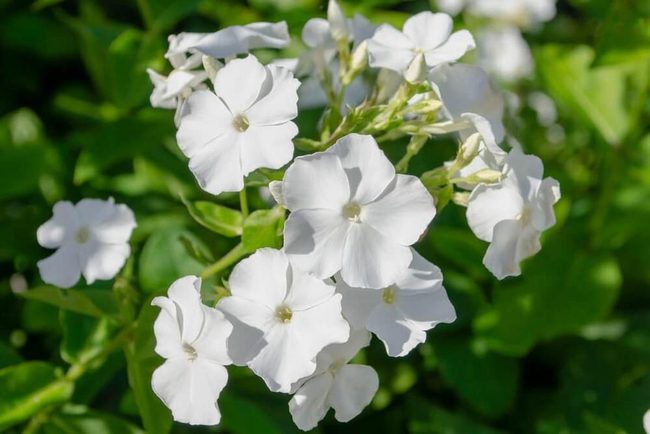
Upright phlox stands tall with small flowers that catch your eye in any garden, making it far more striking than its ground-hugging cousin creeping phlox since it grows vertically instead of spreading low across the soil.
Both types belong to the same plant family and share similar flower colors and shapes, but the upright variety offers a completely different presence in your landscape.
When you plant them together, they bloom at the same time and create a harmonious display of color throughout your garden beds.
This vertical growth habit means upright phlox naturally stands out among other perennials without competing for space at ground level.
You get height and dimension that draws attention far more than low-spreading plants can manage.
Adding upright phlox to your perennial borders gives your outdoor space an elegant touch that visitors notice right away.
Since both versions share the same bloom time, combining them in your garden design works well and keeps your beds looking balanced.
First Flowers Through Snow
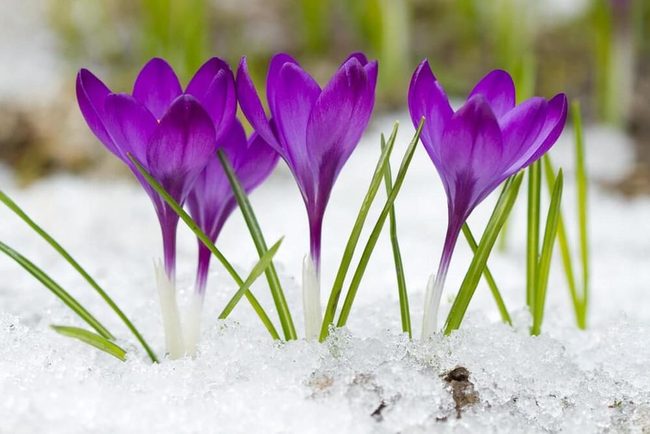
Crocuses grab attention as some of the first flowers to appear in your garden, with their small, cup-shaped blooms shining brightly when most other plants remain dormant and even pushing through light snow during late winter and early spring.
Creeping phlox also joins the early bloomer group, though crocuses tend to emerge first and steal the show with their bold appearance against the frost.
There's something special about spotting these brave flowers poking up through the cold ground and reminding us that warmer weather is coming soon.
You can notice the way their bright colors stand out against the bare landscape, bringing a real sense of hope to the season.
Early bloomers like these offer more than just beauty; they signal that life is returning to the garden after months of dormancy.
For anyone waiting for spring to arrive, these resilient plants deliver exactly what you need to stay optimistic during the colder months.
Sunny Yellow Wildflower Spreads Low
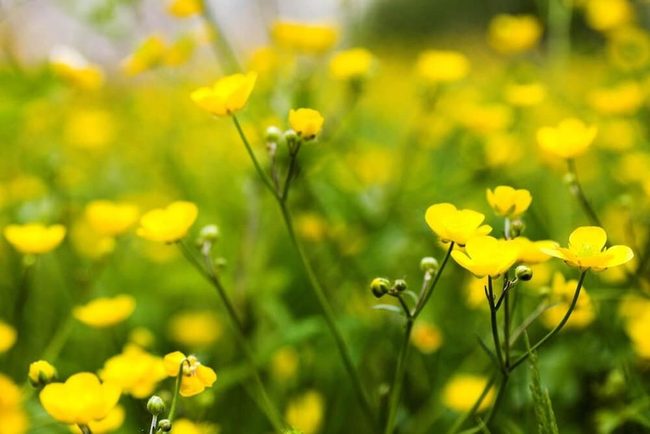
Creeping buttercup displays shiny, bright yellow flowers with round shapes and thin petals that measure about an inch wide or less, and these cheerful blooms instantly brighten any garden or field where you spot them.
Ranunculus repens, which is the scientific name for this common plant, spreads outward while staying just a few inches tall, making it easy to recognize once you know what to look for.
Many different plants go by the name buttercup, but this specific variety stands out because of its sunny appearance and low-growing habit.
When you notice creeping buttercup in your surroundings, whether intentionally planted or growing wild, it adds a genuine touch of nature's simple beauty to the landscape.
Learning to identify this plant helps you appreciate the small natural wonders that grow around you every day.
Lavender Petals Gleam On Emerald Foliage
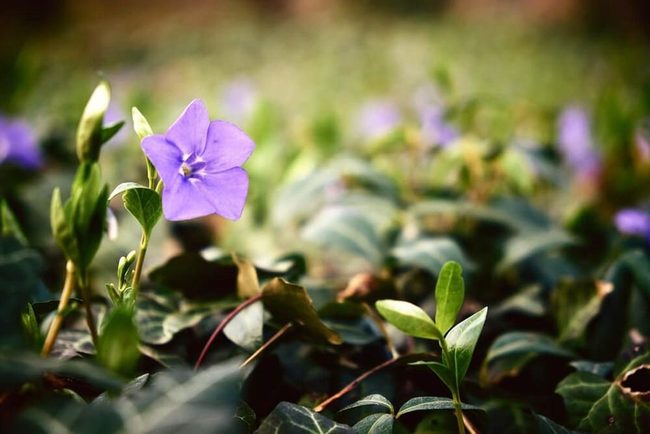
Myrtle blooms stand out immediately with their light purple color and five tiny petals that shine brightly among glossy evergreen leaves, making them one of the most visually striking flowers in any garden.
You might be surprised by how small these blossoms actually are when you see them up close next to other plants.
What makes them remarkable is the contrast between their delicate appearance and the vibrant foliage surrounding them.
Their petite size compared to many other flowers gives them a unique charm that feels both fragile and resilient at the same time.
When you place myrtle alongside other small blooms, you really notice just how compact these flowers can be.
I admire the way the combination of those light purple petals and the glossy green leaves creates a natural balance that draws attention without being overwhelming.
The beauty here comes from simplicity and proportion rather than sheer scale.
White Bell Flowers Green Carpet
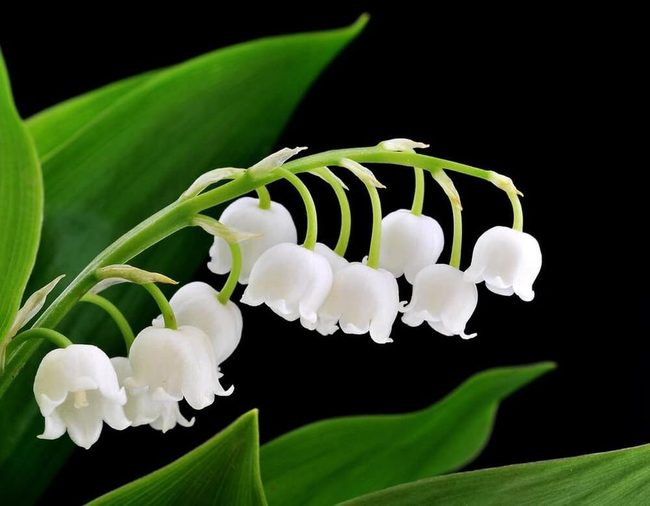
Lily of the valley plants steal the show in springtime with their delicate white flowers that hang like tiny bells from thin stems and feature gently ruffled edges along their rim.
You'll spot these charming blooms peeking through layers of lush green foliage that blankets the ground for most of the year.
The lovely thing about this look is how it manages to brighten your garden during its growth period and brings noticeable charm to any outdoor space.
The flowers appear early in the season and command attention right away with their sweet bell shape and dainty presentation.
Most of your garden will display rich green leaves as the main feature, which makes the white blossoms feel like a pleasant surprise when they finally arrive.
I find it helpful that this plant balances visual interest between its abundant foliage and its short but striking flowering window.
Coral Pink Bells For Shady Spaces
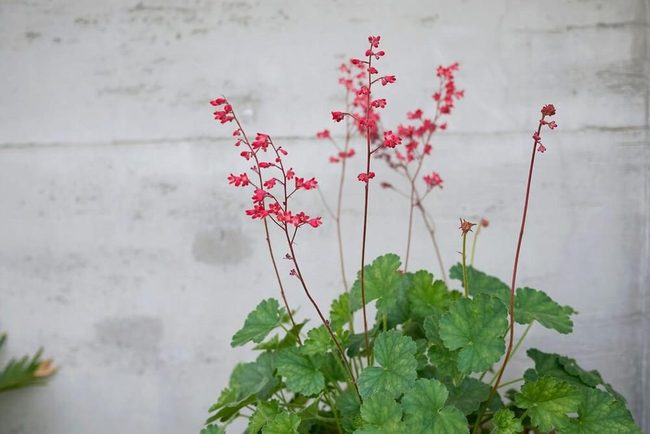
Coral bells burst with delicate bell-shaped blooms in shades of coral and pink that really stand out in garden beds and containers.
A big part of the charm is how compact these plants remain, so they fit perfectly into narrow spaces or small garden areas without taking over.
What makes them even better is their ability to handle shady corners and low-light zones where other plants won't cooperate.
Since they stay manageable in size, you can tuck them between other plants or use them as charming border accents.
They're forgiving in shadowy spots, which opens up more planting options around your home.
Adding coral bells to your garden means getting beauty and practicality rolled into one simple choice.
Multicolor Lantana Clusters Bloom Relentlessly
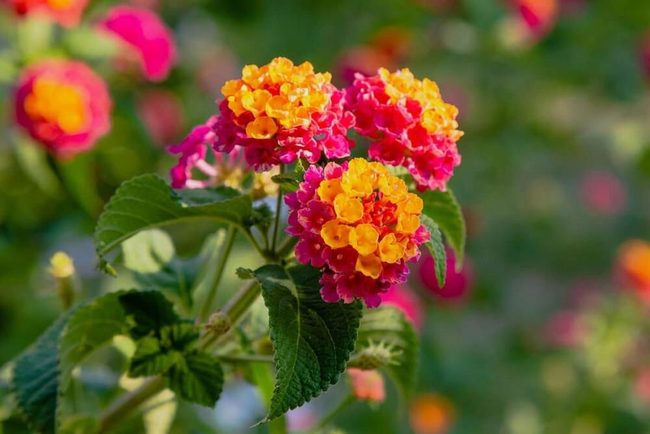
Lantana plants deliver an explosion of color that stops you in your tracks with clusters of tiny round flowers blooming simultaneously in shades of red, yellow, pink, purple, and white all at once.
Not many plants can match the sheer liveliness these flowers bring to your garden or patio space.
What makes them stand out is how each plant displays multiple colors together and the flowers keep coming throughout the growing season.
You can watch the rounded flower clusters have a unique charm that draws attention from across the yard.
If you want to add serious color impact without much fuss, lantana is hard to beat.
These plants work wonderfully in borders, containers, and sunny spots where they truly shine.
White Cascading Spiraea Blooms
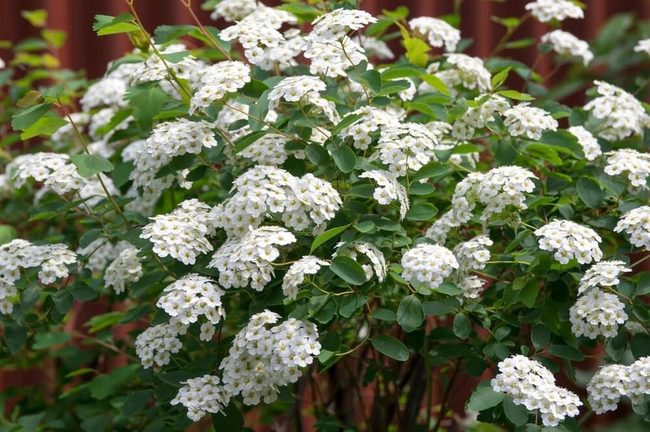
Reeve's spiraea shrub displays stunning long branches covered in pure white blooms that stand out in any garden setting, and this remarkable flowering makes it one of the most beautiful choices for your landscape.
Beyond its striking appearance, this shrub demands very little from you and grows happily in full sun or partial shade, so you have flexibility with placement.
It adapts to many different soil types without complaint, so you don't need perfect conditions to grow it successfully.
Once established, this spiraea requires minimal effort and rewards you with years of reliable performance.
Whether you have a sunny spot or an area that gets dappled light, this shrub fits into your garden plans easily.
Adding Reeve's spiraea to your landscape gives you both visual appeal and the peace of mind that comes with a hardy, low-maintenance plant.
Olivia Martinez
Founder & Principal Designer
Expertise
Sustainable Interior Design, Residential and Commercial Space Planning, Historic Preservation and Adaptive Reuse, Custom Furniture Design, Project Management
Education
Parsons School of Design, New York, NY
LEED Accredited Professional (LEED AP)
Olivia Martinez is the founder of Archi Refresh, where she brings style and sustainability together. With a degree from Parsons School of Design and a LEED certification, she’s all about creating beautiful, eco-friendly spaces.
With over eight years in the industry, Olivia has designed everything from cozy homes to commercial spaces, always putting function and sustainability first. She loves working with local artisans and has been featured in design publications for her fresh take on green living.
When she’s not designing, Olivia enjoys exploring historic architecture, painting, and spending time with her rescue dogs, Luna and Max.