
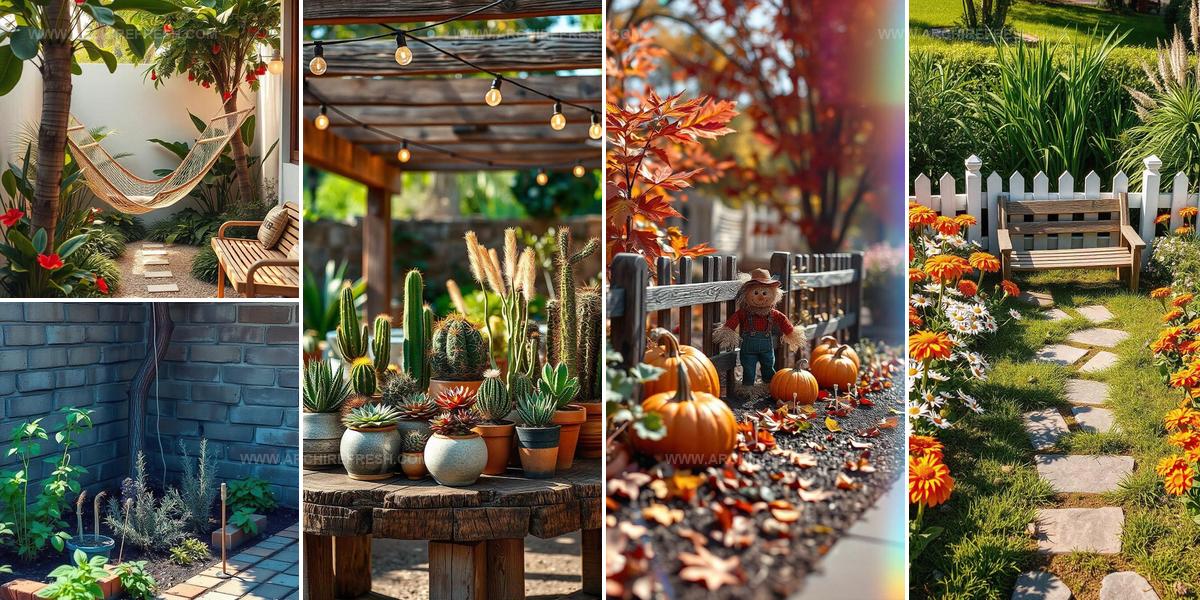
17 Simple Garden Designs for Small Spaces
Small garden designs can turn even the tiniest outdoor space into a beautiful retreat that feels both functional and inviting.
Limited square footage doesn't mean you have to compromise on style or the plants you love growing.
Smart planning helps maximize every inch while creating zones for relaxation, dining, or growing fresh herbs and flowers.
Compact layouts often feel more intimate and easier to maintain than sprawling yards that demand constant attention.
Vertical elements, clever containers, and strategic plant selection make a remarkable difference in how spacious an area appears.
The right approach transforms a modest plot into a charming oasis that reflects personal taste and lifestyle needs.
Water Feature Yard Sanctuary

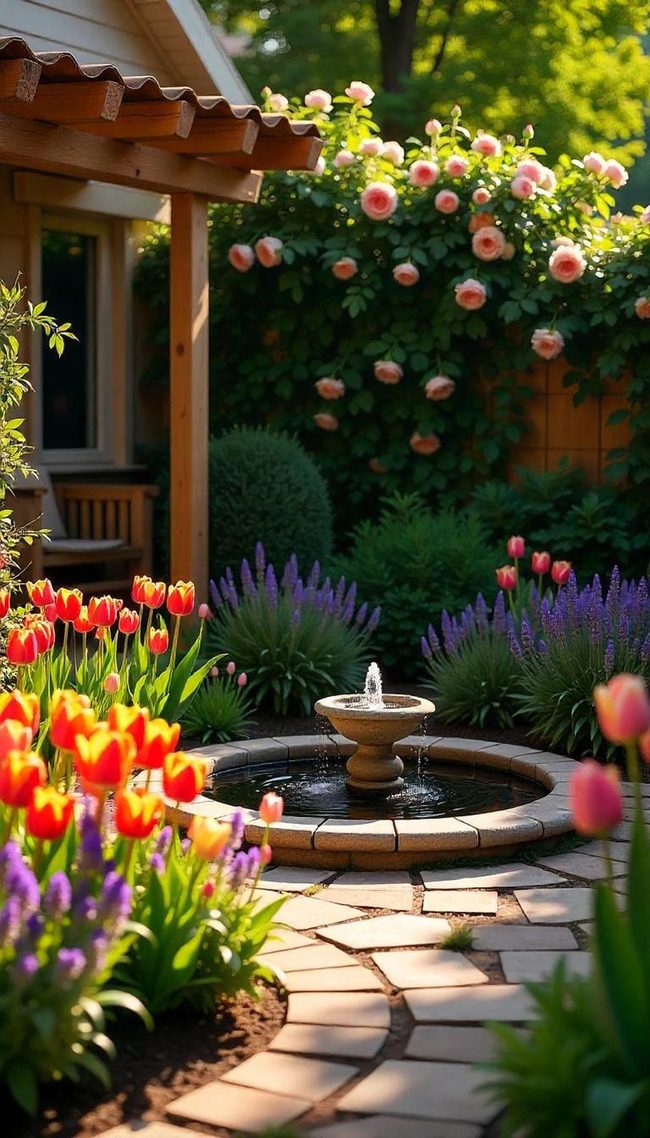
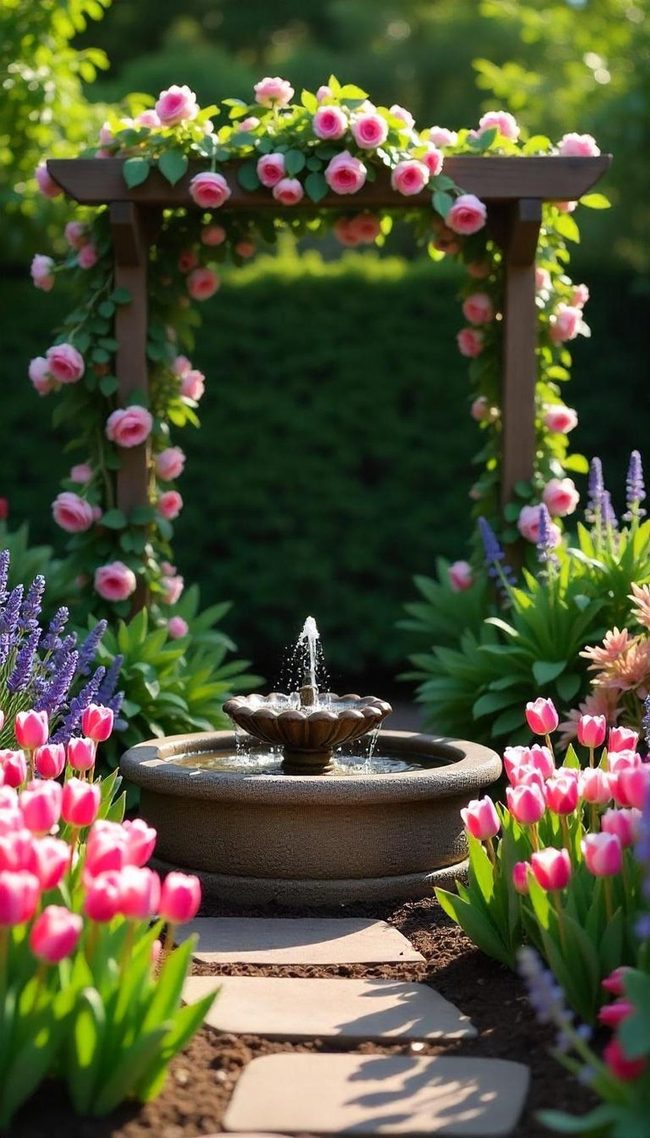
Each small fountain, pond, or birdbath alters your garden into a calm retreat where you can escape the stress of daily life.
Water features serve as natural centers of interest in garden spaces and draw birds and other wildlife closer to where you spend time.
Beyond their beauty, these additions mask unwanted street sounds with gentle water noise that makes your garden feel peaceful and separate from the busy world around it.
You don't need much space to add one of these elements since compact fountains and shallow basins work just as well in tight areas.
I've seen how water movement catches light throughout the day and shifts how your whole space feels at different times.
Installing a small birdbath requires minimal effort and maintenance while still delivering that soothing quality everyone wants in their garden.
Most people find that the simple presence of flowing or still water makes them want to spend more time gardens relaxing and unwinding.
Water Feature Japanese Landscape Escape
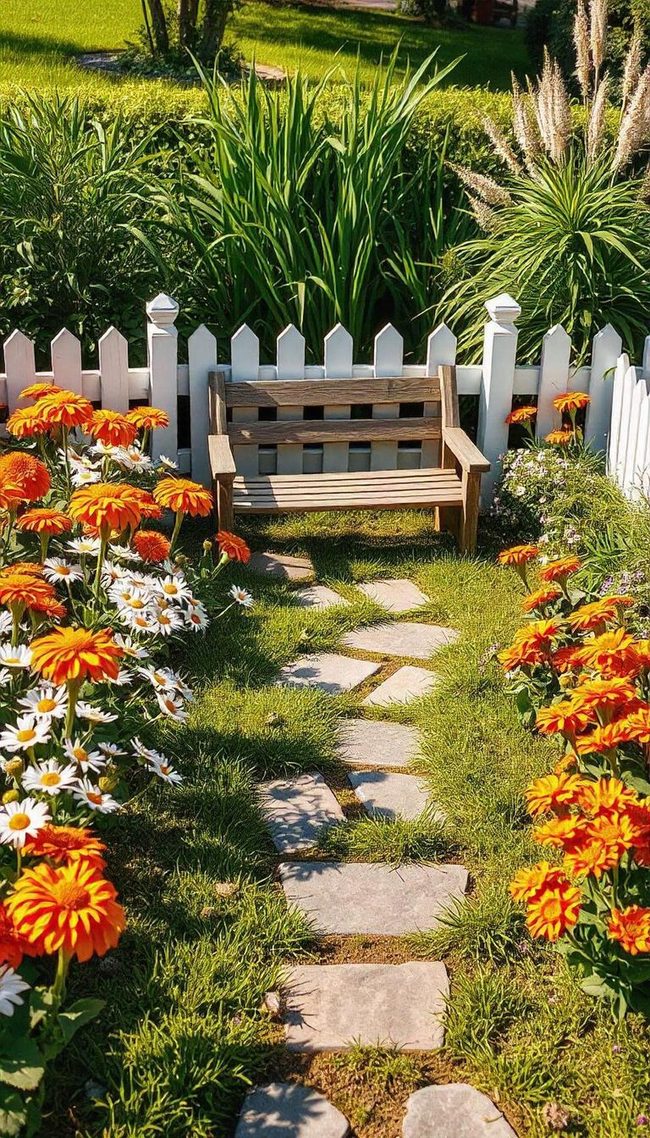
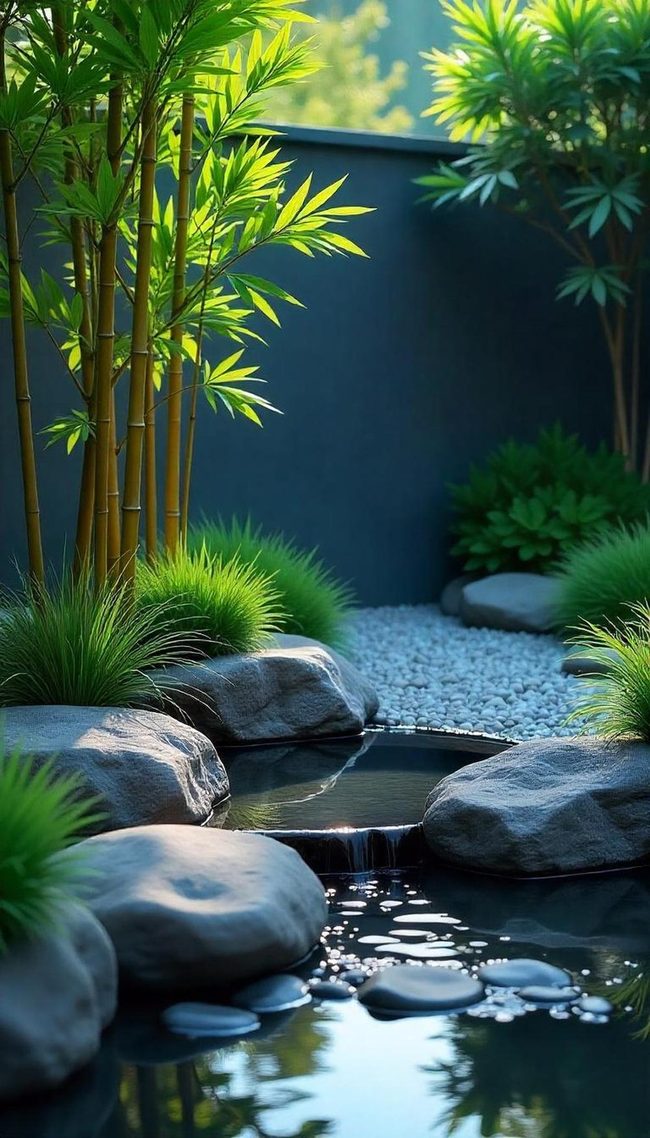
This small Japanese garden can transform your outside space into a peaceful retreat by using simple design elements arranged with care.
Start with a water feature like a small pond or fountain as your main focus, since moving water immediately captures attention and brings life to the space.
Rocks of different sizes scattered throughout anchor the design and add natural beauty without taking up much room.
Bamboo plants grow tall and bring about privacy while their delicate movement adds gentle motion to your garden.
Gravel pathways wind through the space and guide you where to look and walk, plus they require very little maintenance.
You might add a small wooden bridge or stone lantern to enhance the authentic feel and deepen that sense of calm.
Bamboo screens or simple wooden structures can define different areas and keep the space from feeling cluttered.
We suggest keeping plants minimal and letting empty space breathe, since this emptiness is just as important as what you actually plant in Japanese garden design.
Abundant Flowers Overflow Small Spaces
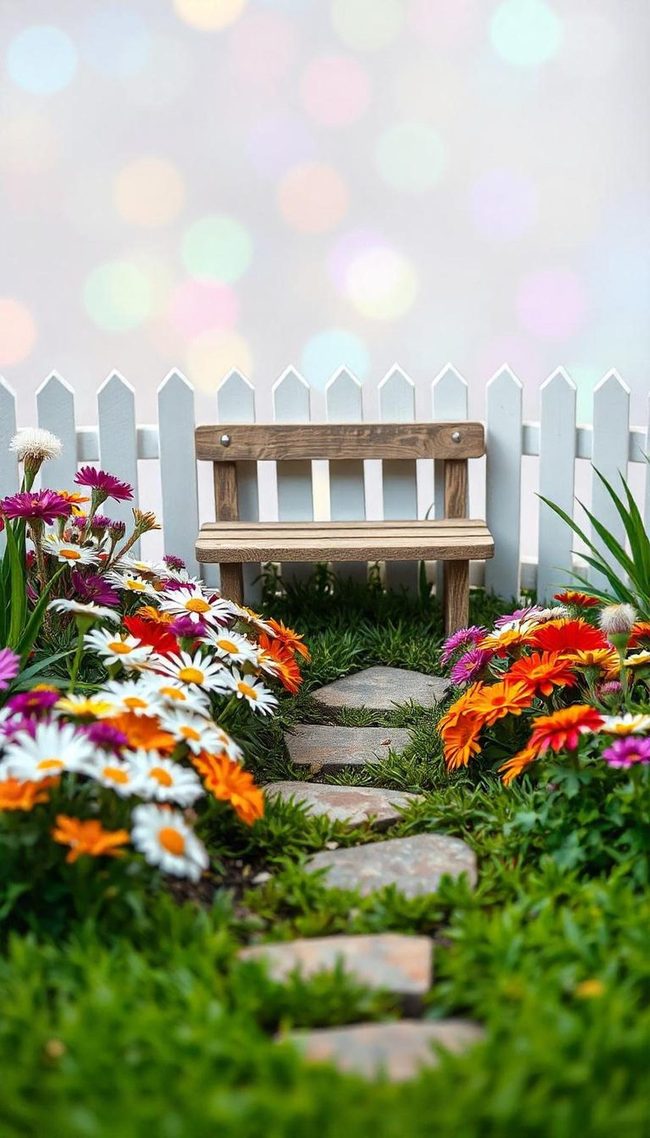
Cottage gardens overflow with flowers in every direction, creating that undeniable arrangement of color and life that stops people in their tracks when they walk through.
You can build this look in a small space by mixing many different flowers, shrubs, and vines together in a loose, natural way that feels anything but planned.
Adding rustic furniture pieces, birdhouses, and wooden trellises around your garden brings in that vintage charm and old-fashioned character.
Climbing vines on your trellises add layers and movement to the design.
Old benches or weathered chairs tucked among the flowers become perfect spots to sit and enjoy your creation.
The mix of casual plantings and nostalgic decorative items is really what makes a cottage garden feel like a storybook come to life.
You don't need a large area to pull this off either.
Terra Cotta Yard With Blooming Herbs
When you walk into a Mediterranean garden, the first thing that stops you short is the explosion of color from blooming shrubs and flowering plants scattered across the landscape.
Herbs and succulents sprawl across the space, their greens and golds catching the light in ways that feel instantly warm and comfortable.
Terra cotta pots sit everywhere, their rusty orange tones grounding the whole scene and adding that authentic coastal feel you're after.
A pergola stretches overhead, casting dappled shadows that make the space feel both open and sheltered at once.
A thoughtful part of this setup is how it relies on plants that actually love heat and dry conditions, so you don't need much fussle to keep things thriving.
Colorful tiles and weathered stonework bring in pattern and texture without overwhelming the space.
If you're drawn to the relaxed, sun-soaked atmosphere of Mediterranean towns and want that same energy in your own backyard, styling direction, gives you all the elements to get there without breaking the bank or your maintenance schedule.
Green Foliage Layers In Shade
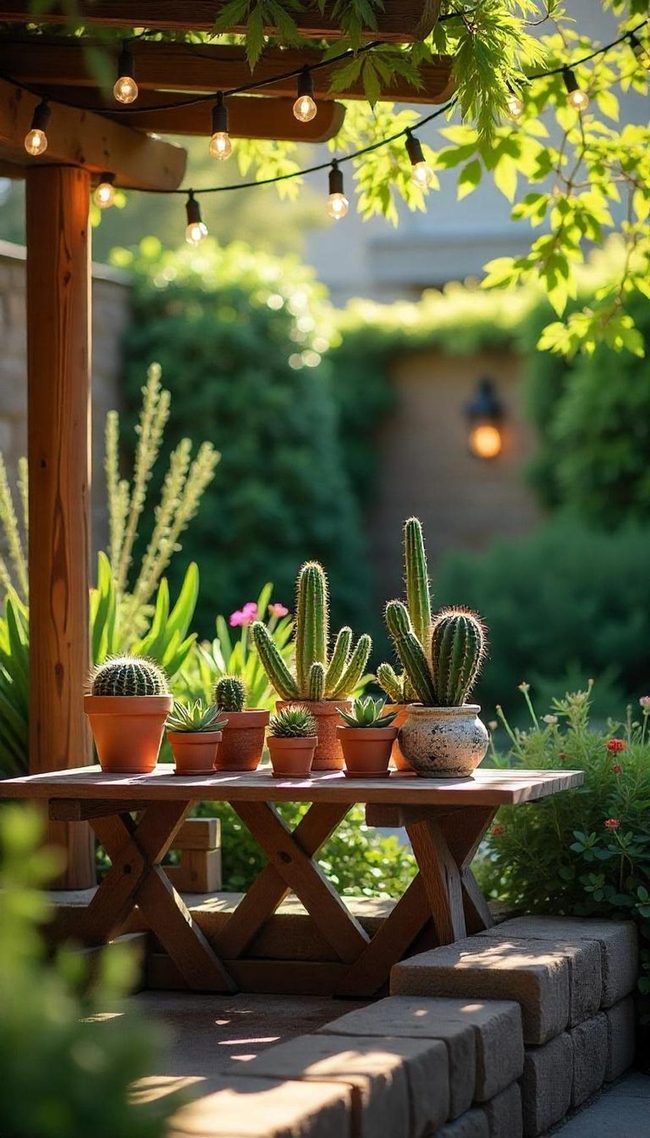
Hostas, ferns, and astilbe fill shade gardens with layers of green foliage and establish that lush oasis feeling you're probably looking for in a small patio space.
A bench or hammock tucked into the shadier corners gives you an actual place to sit and escape from the heat during warmer days.
Shade-loving plants thrive in spots where sunlight is limited, so you don't have to fight against your garden's natural conditions.
We recommend thinking about how these plants grow at different heights and how their leaf shapes vary, since that adds visual interest without needing much else.
Gardens that receive less direct sun tend to feel cooler and more peaceful than sunny areas.
You can add small touches like shade-tolerant ground covers or plants with interesting foliage colors to keep things from looking flat.
Limited sunlight actually becomes an advantage when you embrace what grows well there and build your space around those plants.
Starting with a shaded corner of your yard and adding a comfortable spot to sit makes the whole area feel more like a personal retreat.
Gray Stone Paths Through Simplicity
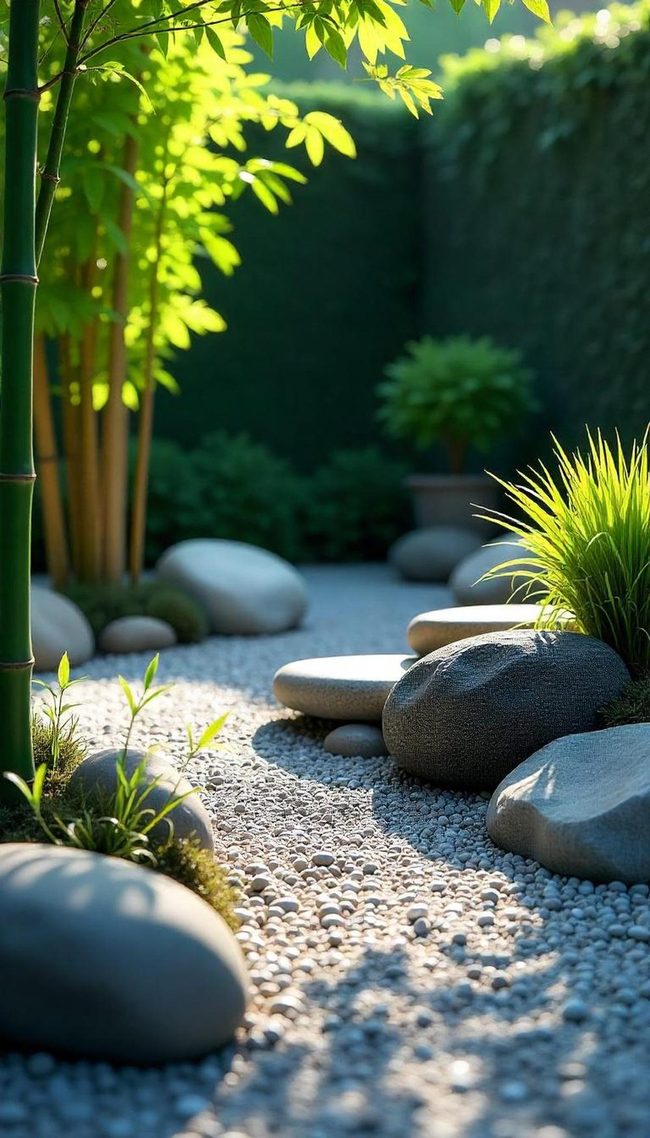
That zen garden thrives on simplicity and minimalism, combining rocks, sand, and gravel to establish a peaceful exterior retreat that soothes your mind and spirit.
Smooth stones and delicately raked gravel form the visual foundation of your space, drawing attention down to the ground plane and encouraging you to slow down as you move through the area.
Bonsai trees and low-growing plants add delicate greenery without overwhelming the clean lines you've worked to maintain.
Placing a meditation bench or stone lantern within your small garden gives you a dedicated spot to sit and reflect, and it anchors the whole design with a sense of purpose.
Rock arrangements become natural gathering points where your eye naturally settles, and they represent mountains or islands in the traditional zen style.
Water features like a small fountain or still pond introduce gentle sound and movement into an otherwise quiet sanctuary.
Stone pathways guide you through the space and connect different zones so everything feels intentional and balanced.
By keeping your plant selection minimal and your hardscape elements focused, you build an environment where tranquility naturally flows and your daily stress melts away.
Native Plants Attract Local Wildlife
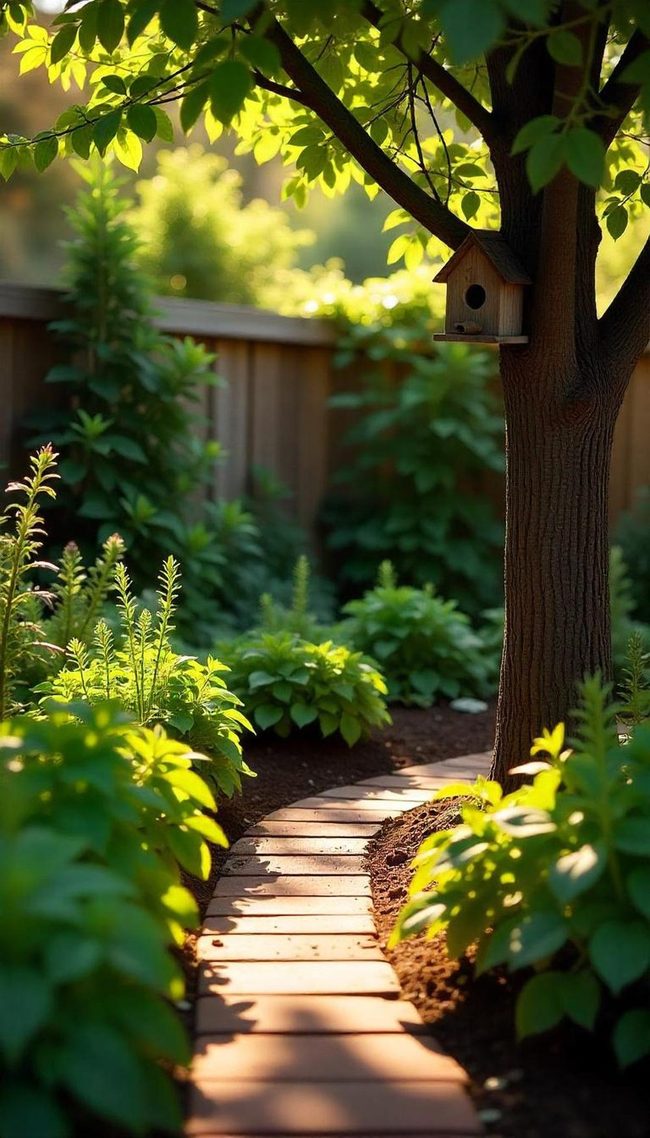
Every wildlife garden draws in an amazing variety of living creatures and refines your garden space into something truly alive with activity.
Native plants should form the foundation of your garden design and they'll supply the food and shelter that birds, butterflies, and bees need to survive and flourish.
Flowers, shrubs, and trees from your local region work best because they're already adapted to your climate and the wildlife in your area depends on them for nesting and sustenance.
You can boost the appeal of your garden by adding bird feeders and bird baths where creatures can drink and rest between feeding sessions.
Insect hotels serve as simple homes for beneficial bugs and give them safe spots to lay eggs and spend the winter months.
Setting up these features doesn't require much space, so even a small garden can support a thriving ecosystem.
When you combine plants with these extras, you're essentially building a safe haven where local wildlife can thrive year-round.
Your garden becomes a place where nature feels welcome and supported.
Geometric Matte Steel Yard Beds Structure
Raised beds arranged in bold geometric patterns or zigzag layouts instantly catch attention and transform even the smallest open-air spaces into organized garden areas.
You can build these beds from wood, metal, or stone, eachmaterial offering its own look and durability for your yard.
Filling them with nutrient-rich soil gives you a dedicated spot to grow vegetables, flowers, and herbs all in one place.
Raised beds work well for small gardens because they take up minimal room while maximizing what you can grow.
Metal beds provide a modern edge, while wooden frames offer a more traditional feel, and stone creates a timeless appeal.
You can also control the soil quality and drainage, which means healthier plants and better harvests throughout the seasons.
Whether you're new to gardening or experienced, these structured planting areas make it easier to maintain and reachyour plants without straining your back.
The organized appearance of raised beds alone adds structure and purpose to your open-air space.
Potted Flowers Transform Small Spaces
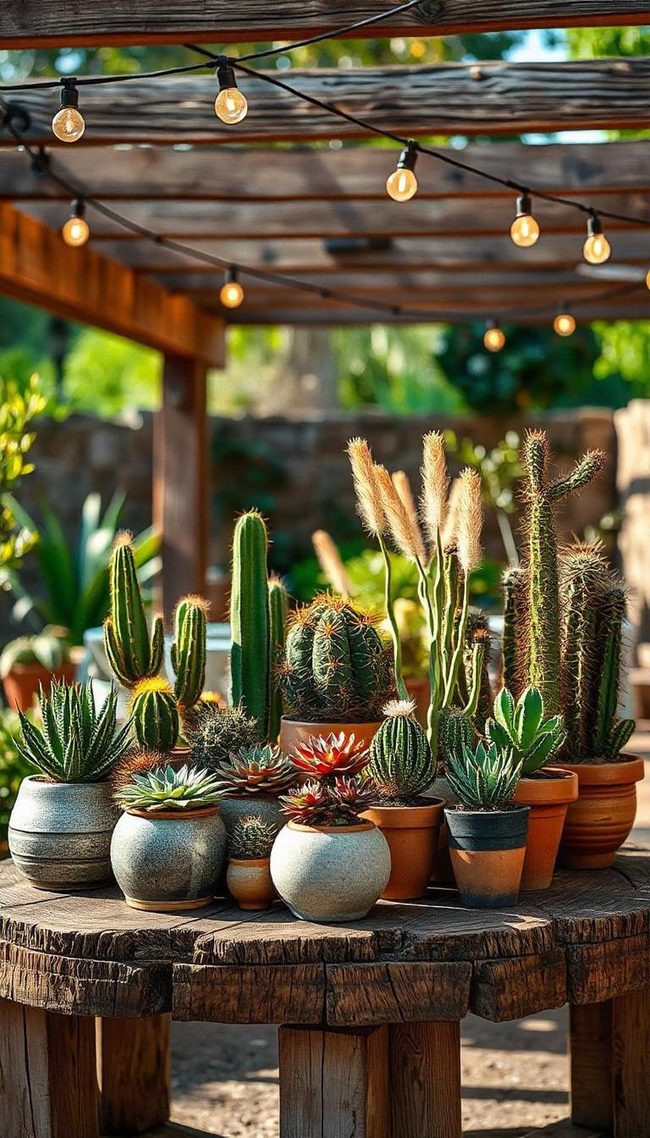
Luminous flowers bursting from pots in unexpected corners of your yard grab attention immediately and bring life to small spaces where traditional gardening just won't work.
You can mix tall containers next to short ones and pair terracotta with streamlined ceramic planters to build visual interest that keeps shifting as you move around your garden area.
Container gardening lets you grow nearly anything, from colorful blooms to fresh herbs to vegetables, all in pots that sit exactly where you want them.
Arranging these planted containers throughout your patio or deck adds splashes of color and interesting leaf textures that break up flat surfaces.
Different container shapes and sizes stack and cluster together in ways that standard garden beds simply cannot achieve.
Starting with container gardening means you don't need a huge yard or perfect soil conditions to grow what you want.
Stone And Succulent Low-Maintenance Landscape
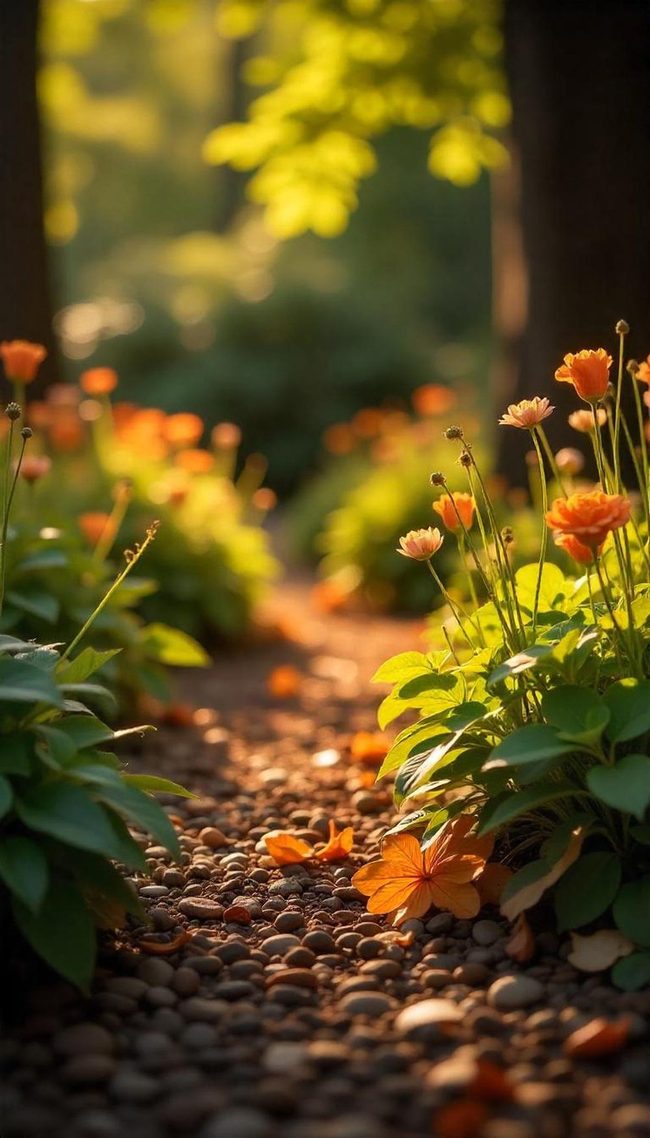
Rock gardens stand out as one of the most eye-catching ways to transform a small garden area without demanding constant upkeep, since they combine different sizes and shapes of stones with hardy plants that thrive on minimal water.
You can start building your rock garden by arranging rocks in various formations to mimic how nature spreads them across a landscape.
Small succulents and cacti fit perfectly into these rocky spaces and grow well with little attention.
Alpine plants add even more variety and pair nicely with the stone arrangement.
Once you set everything in place, the garden basically takes care of itself since these plants need very little watering or fussing.
You won't spend weekends weeding or maintaining complex plant schedules.
Low-maintenance doesn't mean boring either, as the mix of textures, colors, and plant shapes keeps your garden space looking interesting all year long.
Vertical Wall Yards For Tiny Spaces
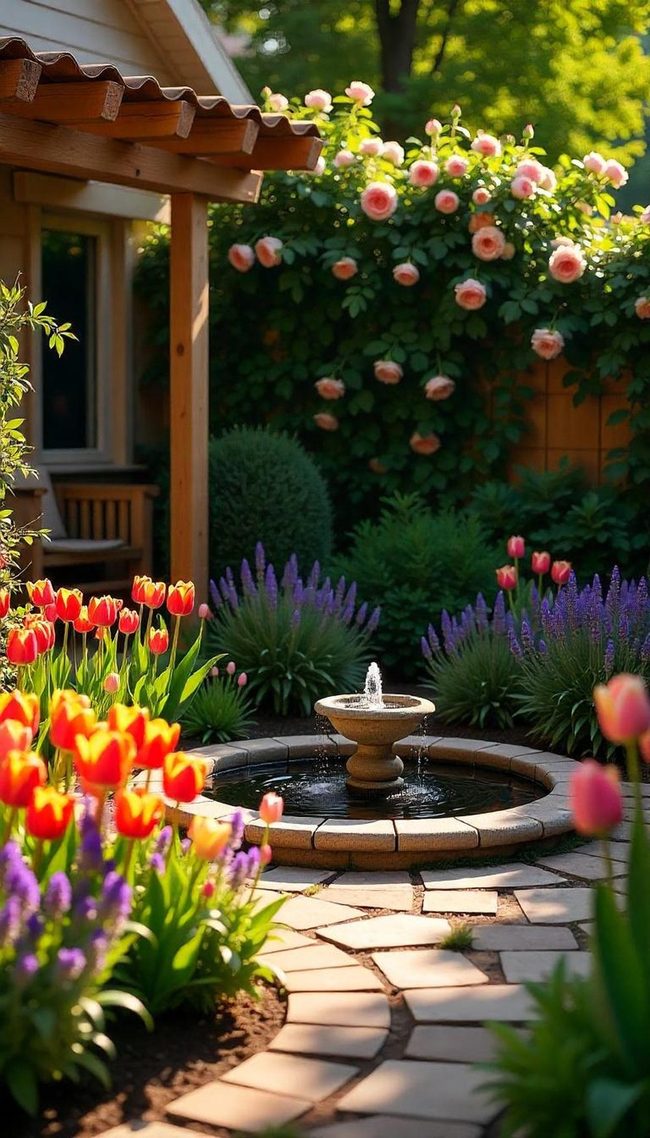
Growing plants upward on walls and trellises even the tiniest garden area into a green sanctuary that catches the eye.
You can install wall-mounted planters, hanging baskets, or sturdy trellises to build layers of greenery that add depth and dimension to your space.
Herbs work wonderfully in because you can harvest them right from your wall while enjoying their fresh scent.
Trailing plants like ivy or pothos cascade down naturally and soften hard surfaces.
Succulents need minimal care and pack a lot of visual punch with their interesting shapes and colors.
Beyond just looking good, vertical gardens solve real space problems by letting you grow more plants in less square footage.
This method keeps your garden area organized and lets every inch do double duty for both beauty and function.
Miniature Houses And Bridges In Landscape Outdoors
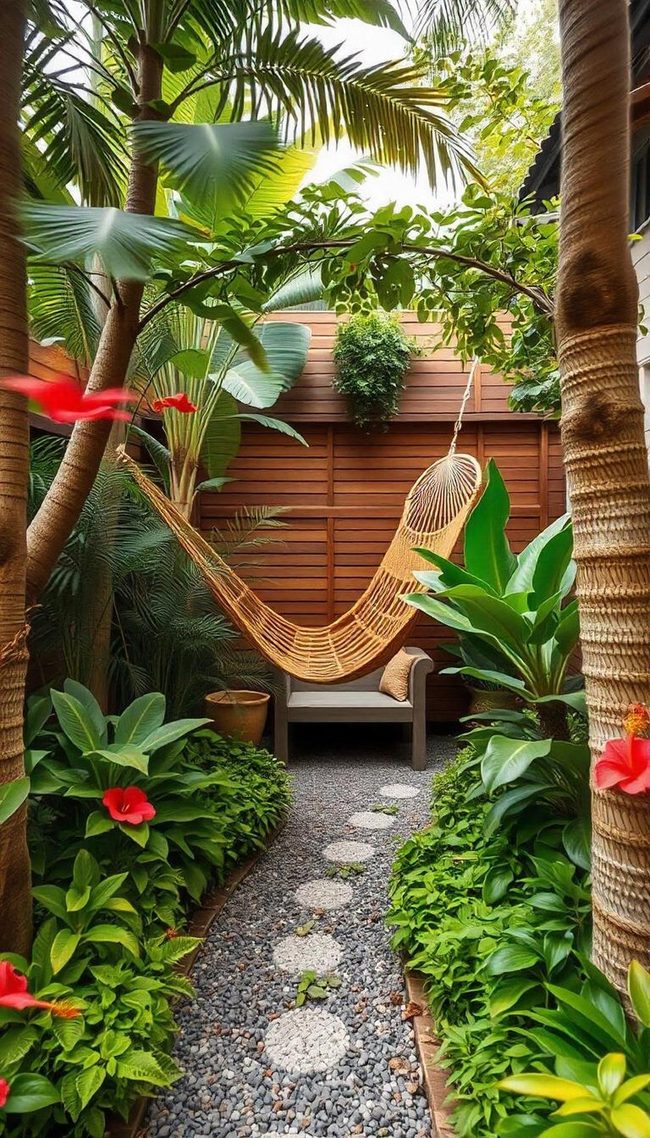
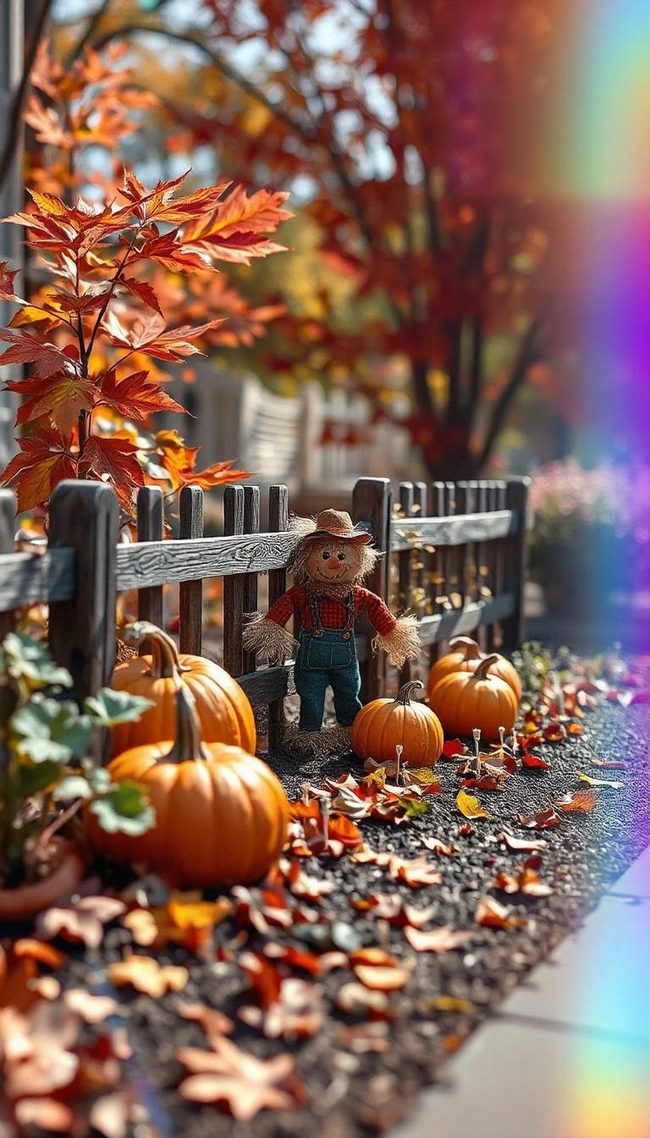
Tiny houses and bridges scattered throughout a miniature landscape form the most eye-catching feature of a fairy garden, and when you arrange them thoughtfully among small plants and flowers, the whole setup feels like its own little world.
Fairy lights strung around these structures bring warmth and sparkle to the space, especially in the evening hours.
Small figurines positioned near the houses or along pathways add personality and tell a story about who lives in this tiny realm.
You can scale everything down to fit a corner of your yard, a container on your patio, or even a tabletop space indoors.
Plants like moss, succulents, and delicate flowers fill in the landscape and make everything feel real and lived-in.
Starting simple with just a few key pieces helps you learn what works for your space.
As you develop your fairy garden over time, you may discover new ways to add layers and deepen the sense of wonder.
Your miniature world becomes a peaceful retreat that brings joy every time you look at it.
Colorful Succulents In Shallow Containers
Succulent gardens make a striking statement with their unusual shapes and rich color palette, offering something visually interesting in even the tiniest spaces.
You can mix different types of succulents together, some tall and spiky, others round and fleshy, to build layers of texture and contrast that catch the eye.
Shallow containers work wonderfully for planting these hardy specimens, and rock gardens give you another excellent option for displaying them.
We recommend finding a spot that gets plenty of sunlight, as succulents genuinely love clear conditions.
Watering becomes simple once you understand these plants store moisture in their leaves and need very little from you.
Most gardeners find success by watering rarely and letting the soil dry out between waterings.
What makes succulents especially appealing is how little effort they demand while delivering maximum visual appeal, making them perfect whether you have a sprawling landscape or just a small corner to work with.
Oversized Leaves And Orchid Blooms
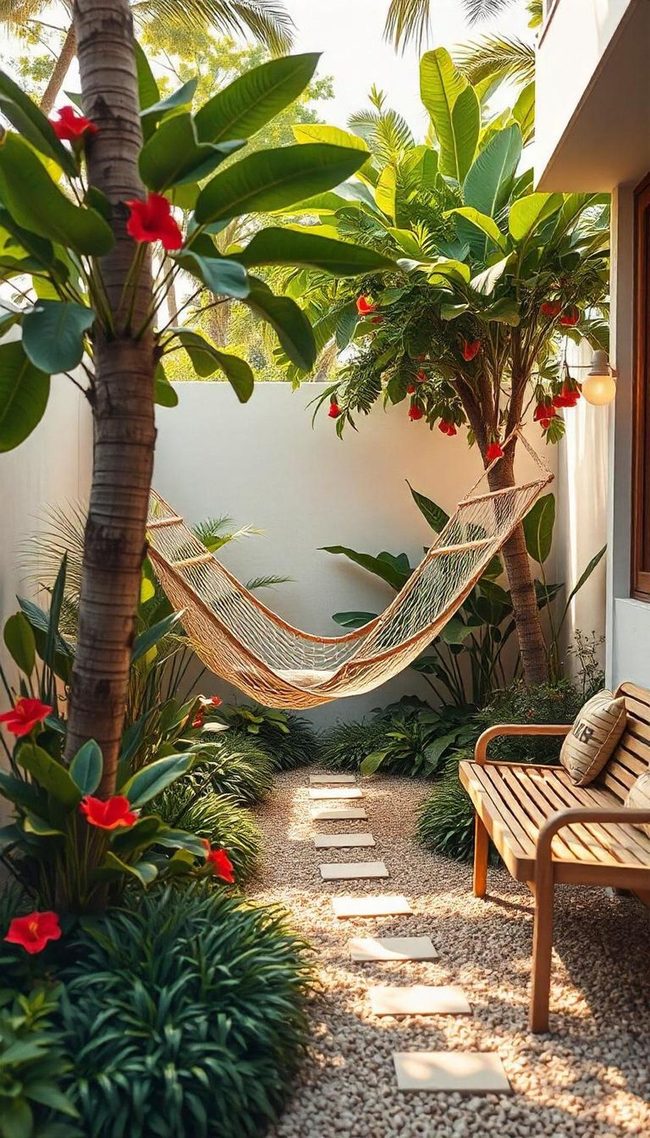
Lush palms and high-energy orchids make the most striking statement in a tropical garden, and ferns with oversized leaves fill in the spaces between them to build that exotic atmosphere in your garden area.
Bold textures from different plant varieties catch the eye, while colorful flowers scattered throughout bring energy and life to even the smallest backyard corner.
You can design this tropical retreat using plants that love warmth and humidity, which means your space will stay green and thriving year-round.
Large-leafed plants do the heavy lifting in making your garden feel like a genuine tropical escape, and we suggest mixing them with flowering species to add depth and interest.
One of the best parts about going tropical is that you don't need much space to make an impact.
Plants like palms, orchids, and ferns flow together naturally, and they adapt well to small garden spaces without needing constant fussing.
By layering different plants and colors throughout your garden, you'll turn your backyard into a peaceful getaway that feels worlds away from your everyday surroundings.
Roses And Lavender English Patio
English gardens capture attention with their structured layouts and abundant plantings of flowers, shrubs, and trees that fill every corner of the space.
You can bring this formal style to your small outside area by choosing classic English plants like roses, lavender, and boxwood that grow well in most climates.
A gravel pathway winds through the garden and gives it a polished, refined feel.
Topiary shapes add architectural interest and show the careful planning that defines this garden style.
A wrought iron bench positioned in the garden provides both a place to sit and a decorative element that reflects the sophistication of an English country estate.
Roses climb over structures or bloom in dedicated beds, while lavender lines pathways and releases its fragrance as you walk.
Boxwood hedges define garden rooms and bring about clean lines throughout the space.
This combination of structured planting, hardscaping elements, and classic materials brings the charm and elegance of an English garden into your own home.
Cascading Green Herbs In Vertical Planters
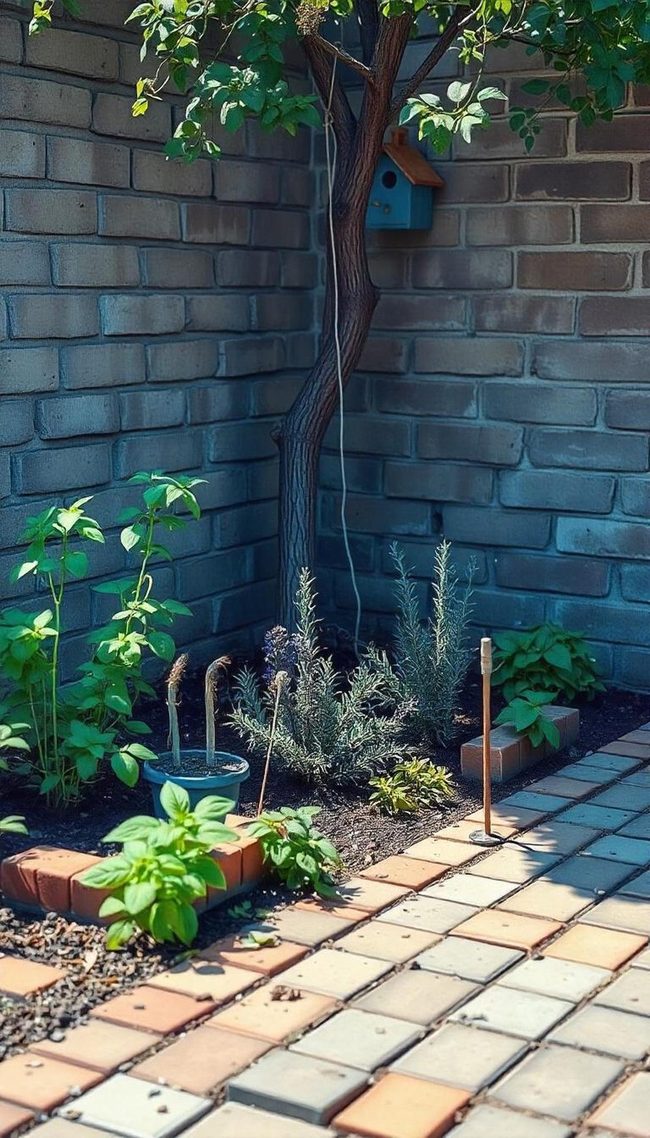
Tall vertical planters packed with cascading herbs make your garden pop with green and fragrant life, while raised beds filled with rosemary, basil, thyme, and oregano give you instant access to fresh ingredients for your kitchen.
You can mix several herbs in one container to build layers of texture and scent that look beautiful and work hard for your cooking needs.
Grouping your herb garden near your back door or kitchen window means you may grab what you need without fuss, and the aromatic plants freshen up any garden space.
Consider stacking herbs at different heights so shorter plants don't get shaded out by taller ones, and this arrangement lets light reach everything evenly.
Beyond cooking, many herbs like mint and chamomile serve double duty as natural remedies you can dry for tea or medicine.
Even a small collection of containers on a sunny patio works wonderfully, and you may find yourself reaching for homegrown herbs more often than store-bought ones.
Vertical Green Abundance In Small Spaces
Growing your own food in a small garden space opens up possibilities you might not expect, and the sight of ripe tomatoes, strawberries, and herb clusters hanging from vertical planters makes the effort worthwhile.
Raised beds packed with colorful vegetables and fruit trees heavy with blossoms transform even tiny yards into productive green spaces.
You can mix berry bushes alongside climbing vines that add layers of green throughout the season.
Containers let you arrange plants where you want them, whether on patios, balconies, or tucked into corners.
Herbs in hanging planters bring both visual interest and useful for everyday living kitchen benefits right outside your door.
Starting with what you actually eat makes the whole project simpler and more rewarding.
Sustainability happens naturally when you skip the store trips and harvest straight from your own garden.
Olivia Martinez
Founder & Principal Designer
Expertise
Sustainable Interior Design, Residential and Commercial Space Planning, Historic Preservation and Adaptive Reuse, Custom Furniture Design, Project Management
Education
Parsons School of Design, New York, NY
LEED Accredited Professional (LEED AP)
Olivia Martinez is the founder of Archi Refresh, where she brings style and sustainability together. With a degree from Parsons School of Design and a LEED certification, she’s all about creating beautiful, eco-friendly spaces.
With over eight years in the industry, Olivia has designed everything from cozy homes to commercial spaces, always putting function and sustainability first. She loves working with local artisans and has been featured in design publications for her fresh take on green living.
When she’s not designing, Olivia enjoys exploring historic architecture, painting, and spending time with her rescue dogs, Luna and Max.