
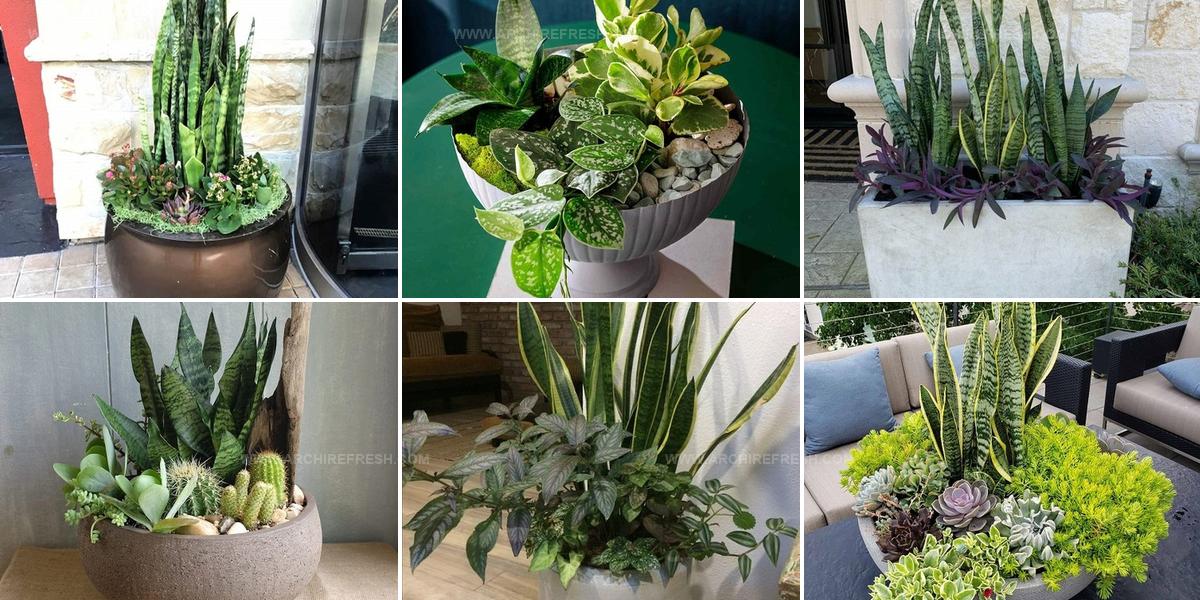
23 Snake Plant Container Combination Ideas That Work Beautifully
Snake plants combine beautifully with other succulents and low-maintenance companions in shared containers.
Grouping different varieties together creates visual interest through contrasting leaf shapes, heights, and textures without demanding constant care.
Pairing them with pothos, peace lilies, or zz plants produces arrangements that thrive in similar light and water conditions.
The architectural leaves of sansevieria provide stunning vertical elements while shorter plants fill spaces near the base.
Mixed containers work well on desks, shelves, and windowsills where space feels limited.
Combining plants with matching care requirements means less work and healthier growth overall.
Browse some creative pairings that will help you design beautiful, long-lasting arrangements.
Feathery Fronds Meet Geometric Leaves
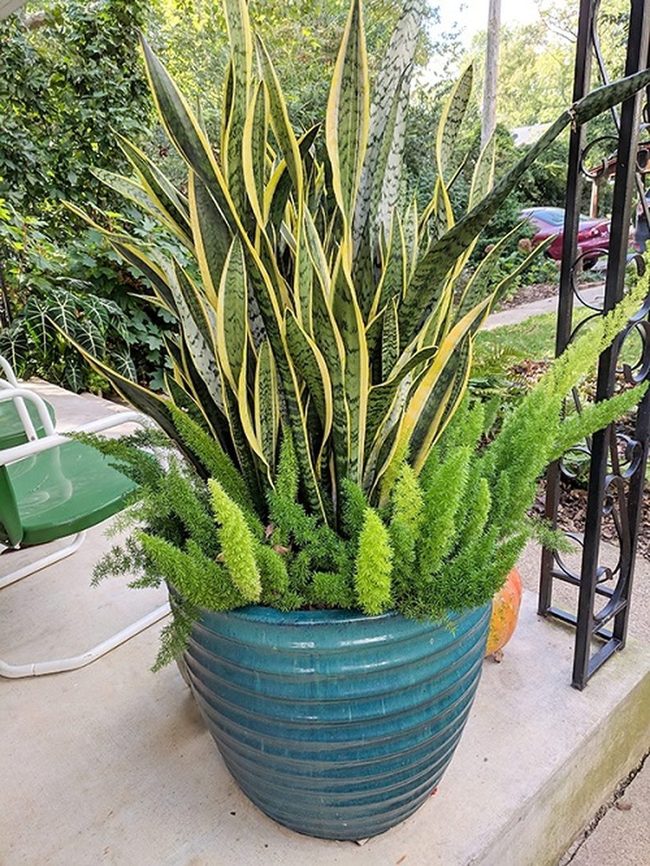
Foxtail ferns and snake plants together deliver a striking combination of soft, feathery fronds dancing beside sharp, geometric leaves that brings real sculptural drama to your room.
Green textures play off each other beautifully; the wispy movement of the fern contrasts with the clean lines of the snake plant; and this pairing appeals to anyone who loves a modern, minimalist look.
Both plants grow well under the same lighting and drink far less water than most houseplants, so you won't spend much time fussing over them.
When you pot them together, you get visual interest that feels effortless and natural.
Mediterranean-inspired greenery like this shifts an ordinary plant display into something that feels more refined and intentional.
Succulent fans especially appreciate how this duo keeps things simple and understated while still making a statement.
Tiered Green Containers Bold Statement
Snake plant container gardens deliver striking visual appeal for both indoor and outdoor areas, and you'll find they require surprisingly little upkeep to look amazing.
Grouping different snake plant varieties together creates interesting displays with minimal fuss, while mixing pot sizes and materials like terracotta, ceramic, or concrete adds depth and texture to your arrangement.
Leaf colors ranging from deep green to silvery-green work beautifully against each other and boost the overall look of your space.
Strategic placement of a few plant types can completely shift how a room feels and looks.
You don't need special gardening skills or expensive tools to pull off this style either.
Simple choices about which plants to pair together and where to position them turn plain corners and shelves into green design statements that feel purposeful and fresh.
Vertical Green Meets Cascading Cream
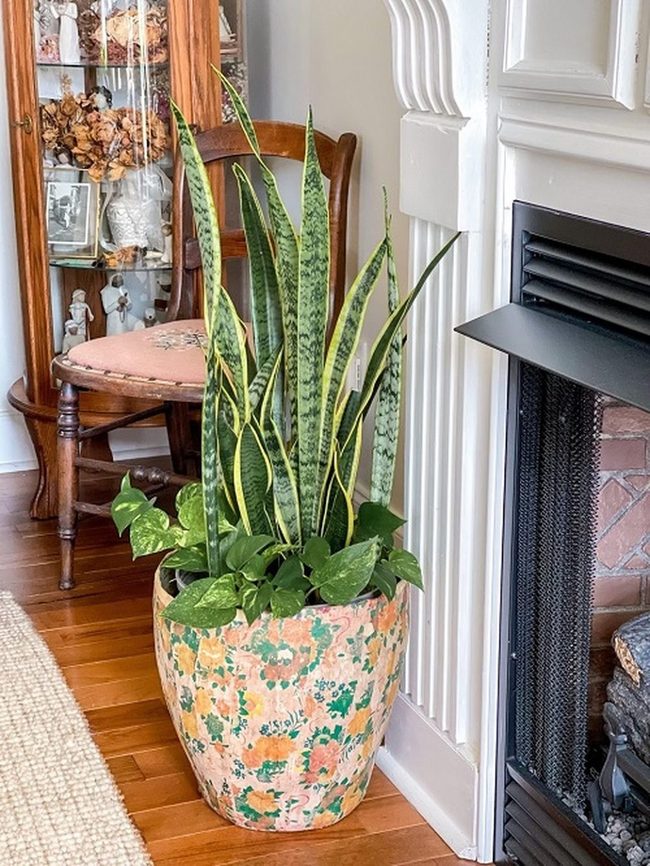
Bold snake plant leaves stand tall with dramatic sword-like shapes while trailing pothos vines cascade down around the container's edges, and this contrast of upright and flowing forms makes an immediate visual statement.
Green and cream-colored foliage offers interesting textures and growth patterns that work together in a way that keeps your eyes engaged with the arrangement.
I enjoy how minimal watering needs fit perfectly into a busy lifestyle without demanding constant attention or complicated schedules.
Both plants prefer similar light conditions, so you don't need to worry about different care requirements or complicated instructions to keep them healthy.
You can see the charm in how how simple it looks while still feeling elevated and polished.
Your space benefits from this easy-to-maintain duo that grows beautifully together.
Vertical Green Shapes Mixed
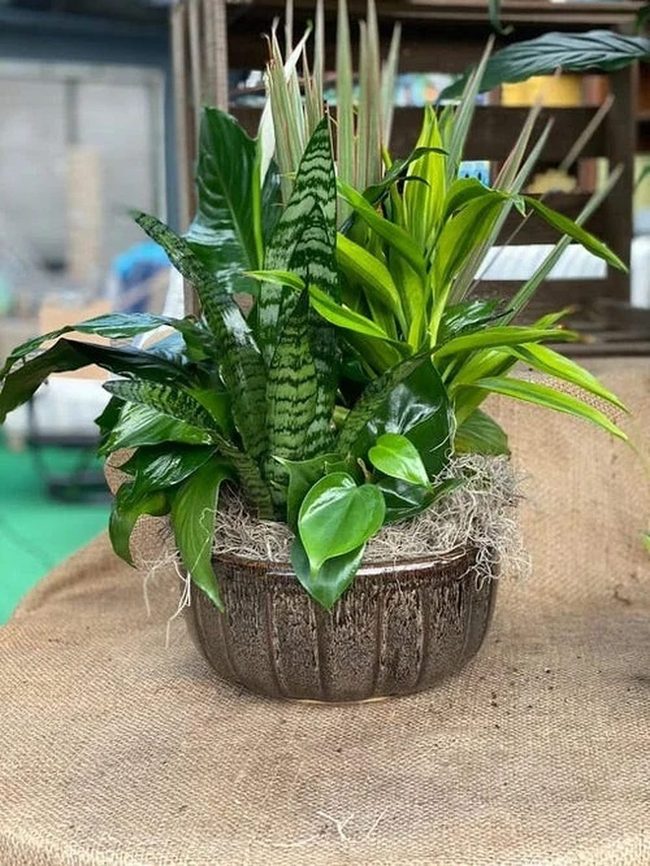
Combining snake plants, peace lilies, and New Zealand flax gives you an indoor garden that stands out with dramatic height and interesting shapes working side by side.
Tall green stalks from snake plants rise up sharply next to the delicate, rounded leaves of peace lilies and the graceful, sweeping blades of flax, and this mix of straight lines and curves creates real depth in any space.
This feels balanced because the sharp edges of snake plant foliage soften beautifully against the gentle curves of peace lily leaves and the flowing movement of flax strands.
Deep green tones tie the three plants together and add a tropical feeling that makes your room feel more layered and architecturally interesting.
Best of all, these plants are low-maintenance and work well for people with busy schedules.
Pink Begonias With Cascading Green Texture
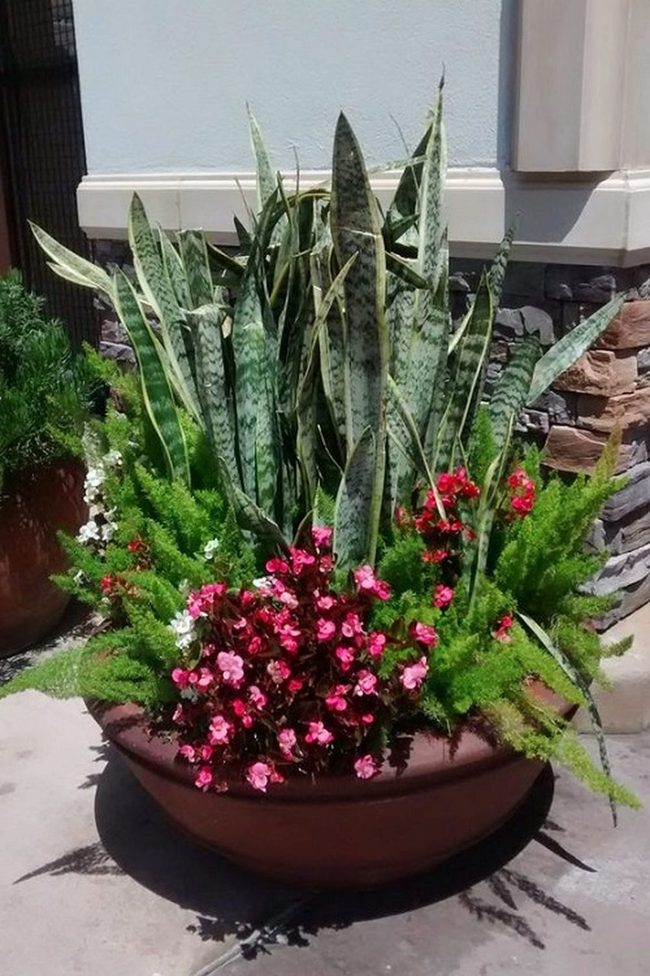
Pink begonias bring delicate color contrast that stands out immediately among the rigid plant forms, while snake plants rise up with sharp green blades that provide strong vertical structure to anchor your indoor garden arrangement.
Foxtail ferns soften the overall composition with their feathery and cascading texture that flows between the other plants.
When you combine these three together, you get different plant silhouettes and textures that balance one another out in a way that feels natural and complete.
Complementary leaf shapes add depth and visual interest to your mixed container planting without feeling crowded or overdone.
Green and pink tones blend smoothly in this botanical arrangement, and the different textures keep your eye moving around the display.
These plants do well in bright indirect light, which makes them practical for most homes.
Gardeners and designers appreciate this trio because each plant brings something different to the table, and the result feels polished without being fussy.
Green Trio For Forgetful Gardeners
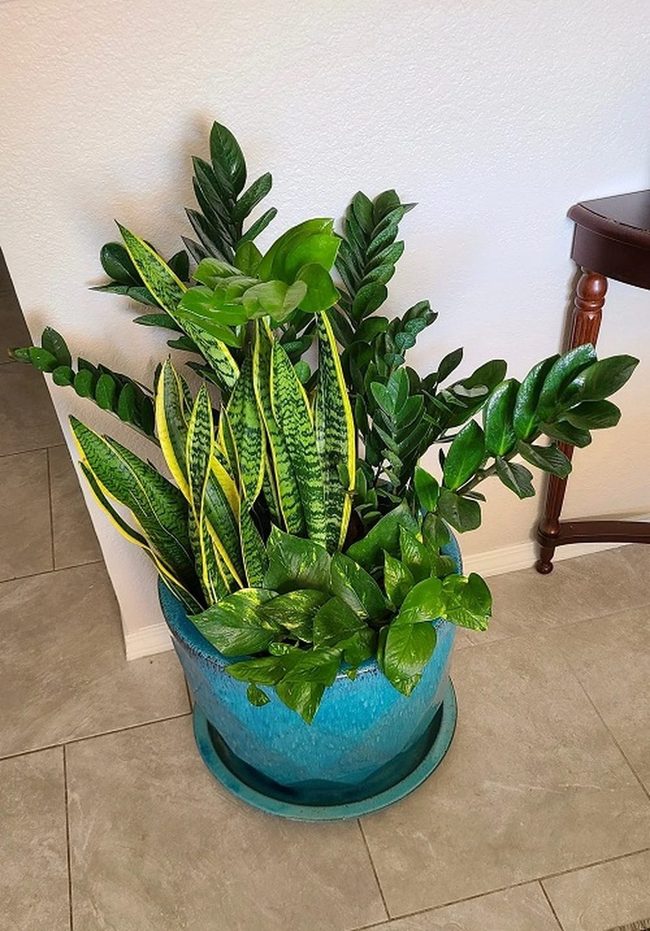
Combine snake plant, pothos, and zz plant in one spot, and you'll get a striking display that handles itself beautifully with almost no effort on your part.
Tall snake plant leaves shoot upward in dramatic lines while pothos vines spill gracefully down the sides of your container, and the zz plant fills in the middle with deep green glossy leaves that bounce light around the whole arrangement.
You don't need much space for this trio since it works great in small apartments or tight office corners where you want something green without the headache.
Both the snake plant and zz plant drink water slowly, so people with packed schedules find this grouping perfect for fitting into their lives.
Pothos adapts just as easily and keeps growing no matter what conditions you throw at it.
These three plants balance each other out nicely because they have different shapes and textures that look interesting together.
Upright Snake Plant With Cascading Pothos
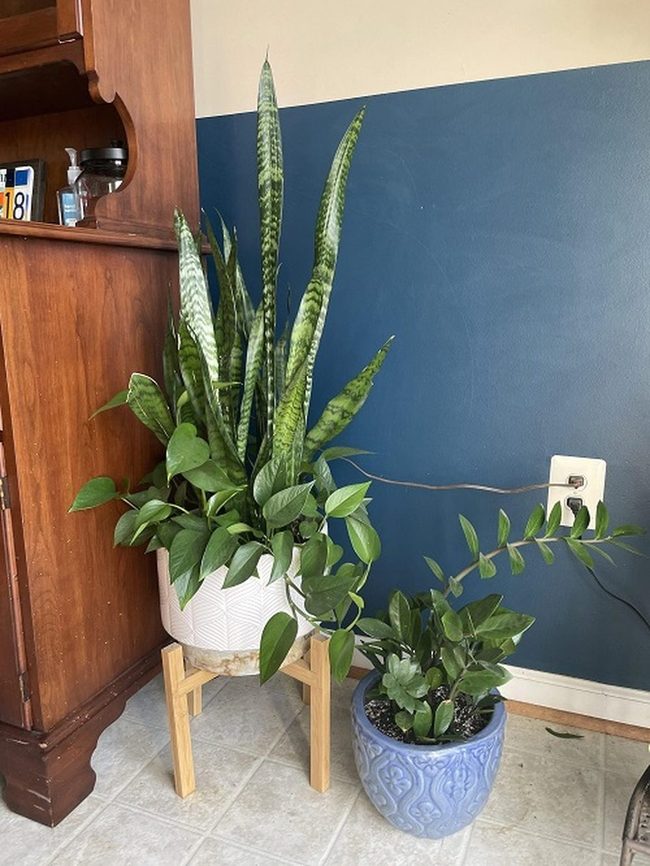
Pairing a snake plant with golden pothos in one container gives you a striking display of contrasting textures and shapes that works beautifully in small spaces, with the upright sword-like leaves of the snake plant rising dramatically above the cascading vines of the pothos.
Both plants have nearly identical care needs, so watering and light requirements stay simple and manageable for any indoor gardener.
You get natural air-filtering benefits along with lush greenery that softens your room's appearance without demanding much attention or fussy maintenance routines.
Vertical architectural interest comes naturally when these two resilient houseplants share the same pot, and they adapt to typical indoor conditions without complaint.
Putting together this container design takes just a few minutes since both plants thrive in similar environments and don't require special techniques or equipment.
Skinny Blades Meet Sturdy Spikes
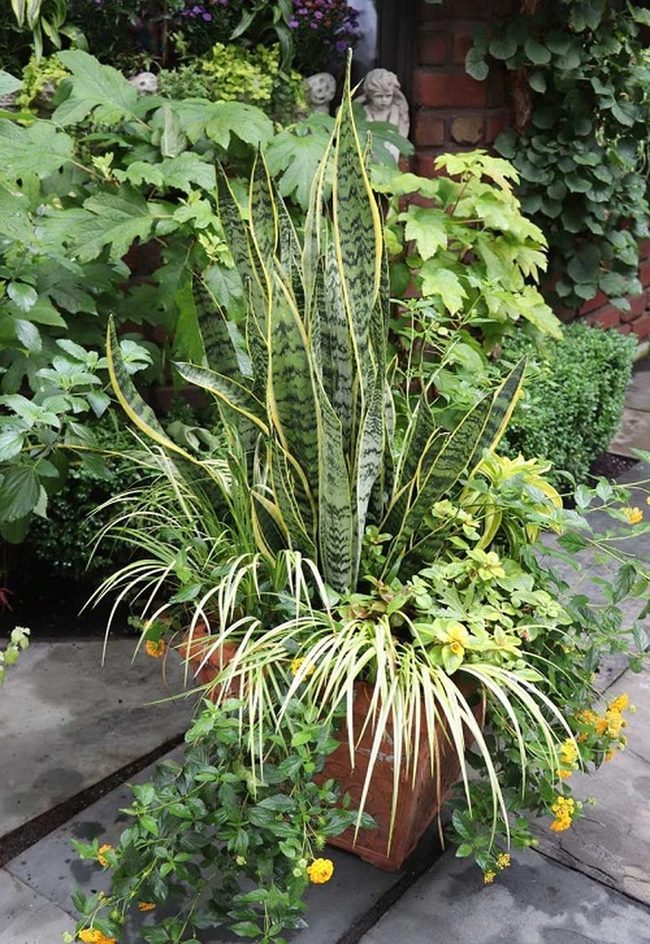
Slender sweet flag and snake plant together bring serious green drama to your container garden without asking much from you, and their contrasting textures create visual excitement that works in any indoor or outdoor space.
Sweet flag's wispy, narrow blades dance perfectly alongside the snake plant's sturdy vertical structure, and these two plants pair up in a way that feels balanced and natural.
Both plants have matching water needs, so keeping them healthy is straightforward and stress-free instead of complicated.
Compact growth habits mean the duo stays neat and under control without requiring constant trimming or fussing.
You'll find that combining plants with different shapes and sizes actually makes the whole arrangement more interesting to look at.
Strategic plant partnerships prove you can keep things simple while still getting results that feel polished and well-designed.
Purple Leaves, Green Drama, Vertical Impact
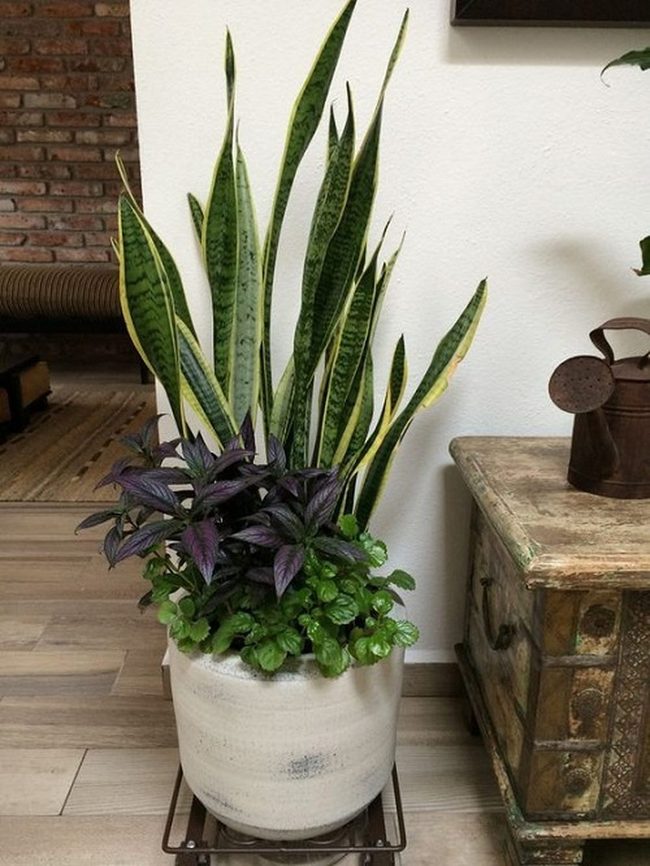
Pairing Persian shield, snake plant, and dollar plant creates a stunning garden display where deep purple leaves from the Persian shield stand out brilliantly against the upright, architectural form of the snake plant, which adds strong vertical lines and bold structure to your container.
Dollar plant softens the overall look with its delicate, rounded foliage that balances the sharper edges around it, while the interplay between dark and light green tones brings depth and dimension to the arrangement.
The contrast between the textures keeps things visually interesting, and the different leaf shapes prevent the planting from feeling flat or one-dimensional.
Recycled Denim Blooms
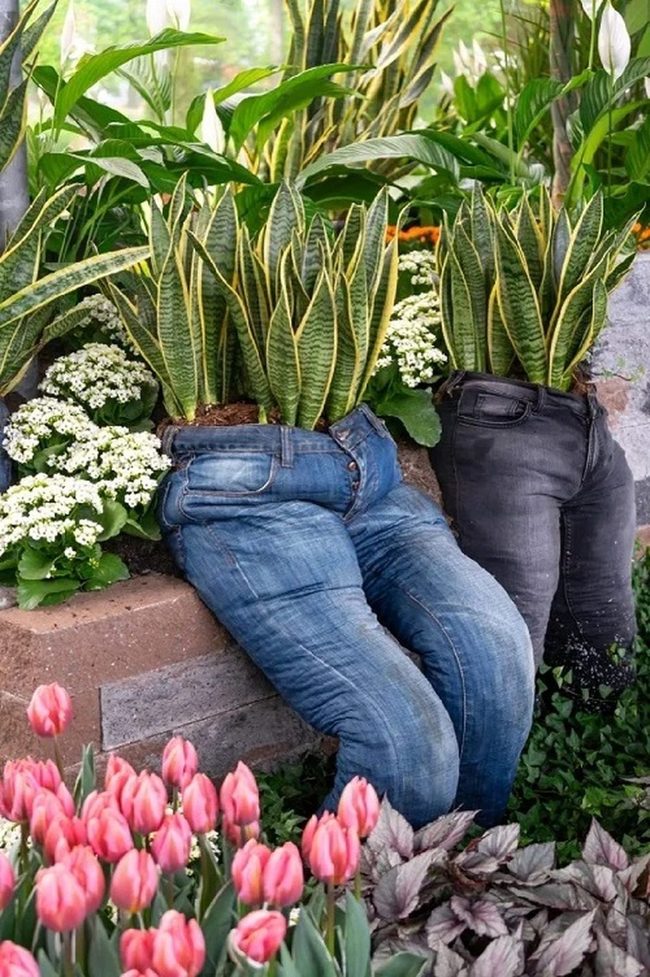
Denim jars holding vibrant marigolds or petunias burst with color and create striking contrast against the cool blue tones and worn textures of recycled fabric, while the architectural shapes of snake plants stand out beautifully against this neutral backdrop.
Old jeans and denim jackets transform into surprising plant homes that spark your gardening creativity and bring unexpected character to any space.
Worn fabric becomes rustic containers with personality that you won't find in typical store-bought pots.
Beyond their good looks, these upcycled denim vessels celebrate both plant health and creative recycling principles at the same time.
Sustainable design meets plant cultivation in these eco-friendly options, and they blend earthy charm with green living through clever reuse of materials.
Repurposing old clothing into plant homes connects your love of gardening with environmental responsibility.
You get practical storage for your plants while also keeping fabric waste out of landfills.
Green And Yellow Architectural Heights
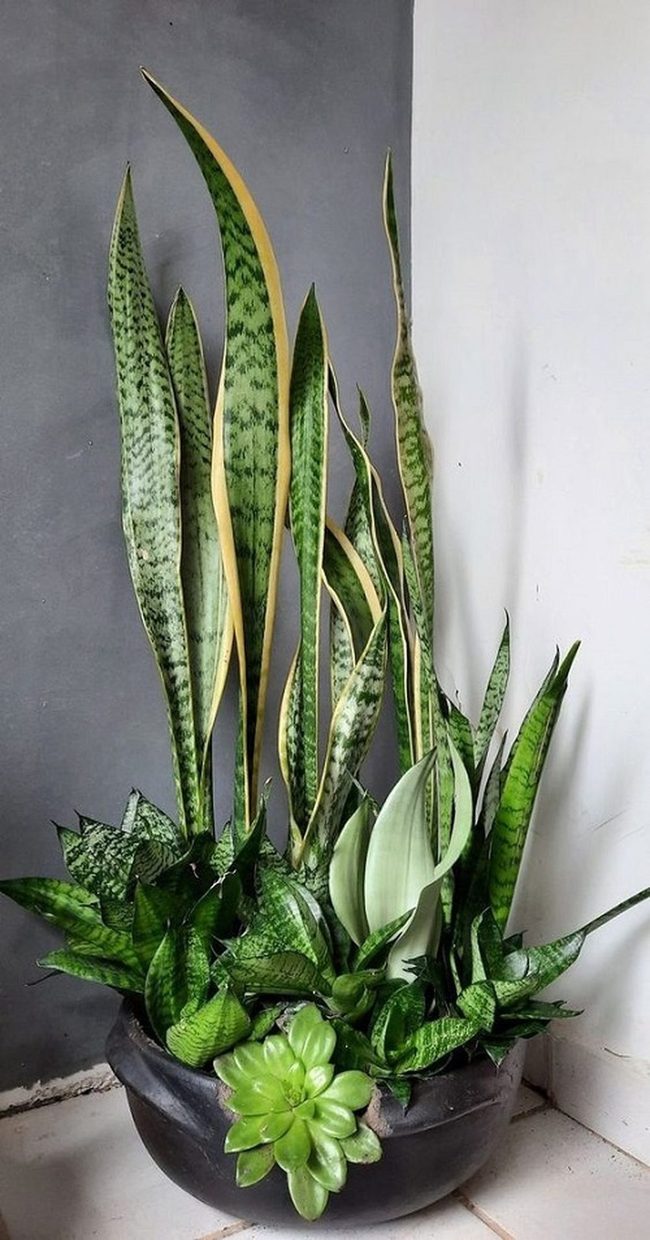
Mixed snake plant containers deliver bold visual drama right from the start, with compact bird's nest varieties forming a charming base while elegant laurentii types stretch upward to catch the eye.
Contrasting leaf shapes and sizes work together to add visual interest without taking over small spaces, and the interplay of green and yellow-edged leaves brings natural texture and depth to your arrangement.
Building architectural interest happens when you combine short and tall varieties in one pot, and selecting compact containers helps keep everything balanced and proportional.
Placement matters too; each plant needs proper sunlight and drainage to thrive, so positioning your snake plants near a window or in a spot with bright indirect light ensures they'll stay healthy and vibrant.
Upright Leaves Meet Cascading Vines
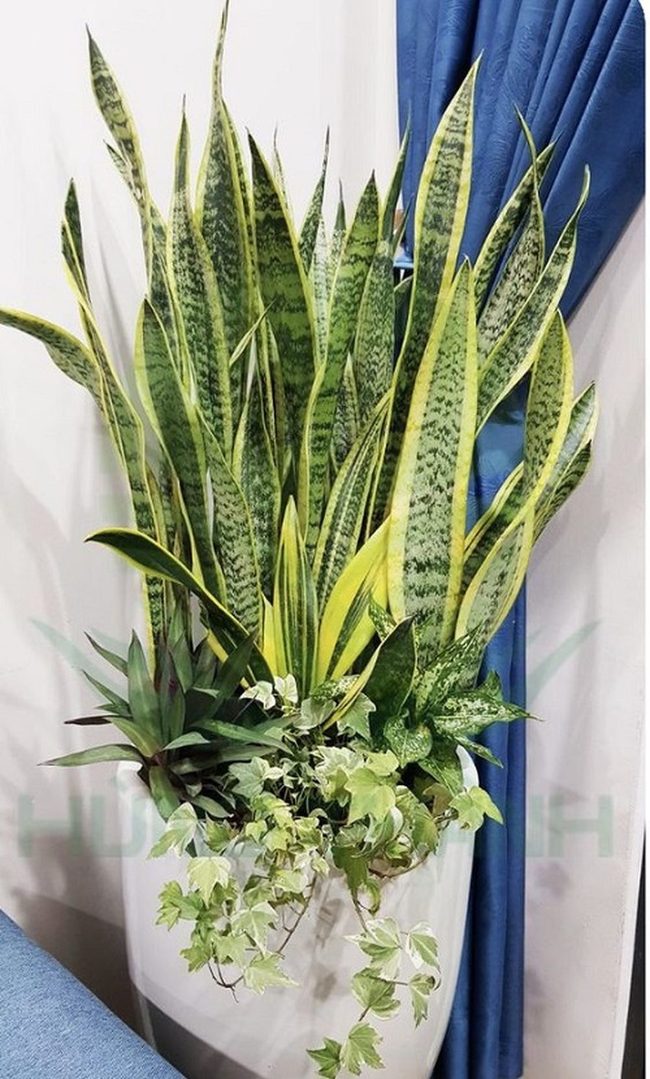
Pairing a snake plant with cascading ivy produces striking visual contrast through the architectural play of upright, sword-like foliage against delicate trailing vines that soften container edges.
Dark green snake plant leaves rise up in bold columns while Mediterranean ivy drapes gracefully around the sturdy stems and spills over the sides with soft texture.
You get maximum visual interest without needing much space, so compact containers work perfectly for this combination.
Both plants share similar water needs, which means you won't struggle with conflicting care routines, and busy people appreciate how little attention this duo demands.
Low watering requirements keep both thriving alongside each other without fussing.
Setting up this pairing takes just minutes since both plants adjust well to various light conditions.
Snake plant brings structure and drama while ivy brings movement and flow, and together they offer an easy way to add dimension to any corner of your home.
Purple Hearts Meet Striped Green
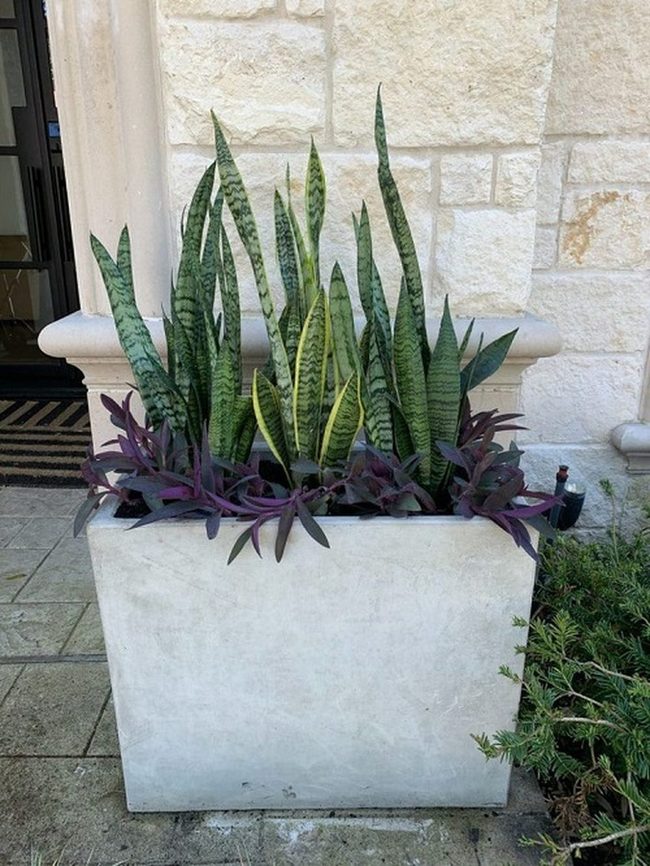
Purple heart plants deliver instant drama with their deep, jewel-toned leaves that seem to glow against the striped green and yellow foliage of nearby snake plants, and this pairing works beautifully because the two plants have completely different shapes and textures that keep your eyes moving across the container.
You can trace how the purple and green colors complement each other without being too bold or busy, which makes this combination perfect if you're working with a smaller space where you want impact without chaos.
One of my favorite things about mixing these two together is how different their textures feel; one plant is soft and flowing while the other stands tall and geometric, and that contrast adds real depth to your garden.
Both plants ask very little from you in terms of care since they thrive on minimal water and light, so you can enjoy a gorgeous display without constant maintenance.
Orange Stars Meet Sculptural Green
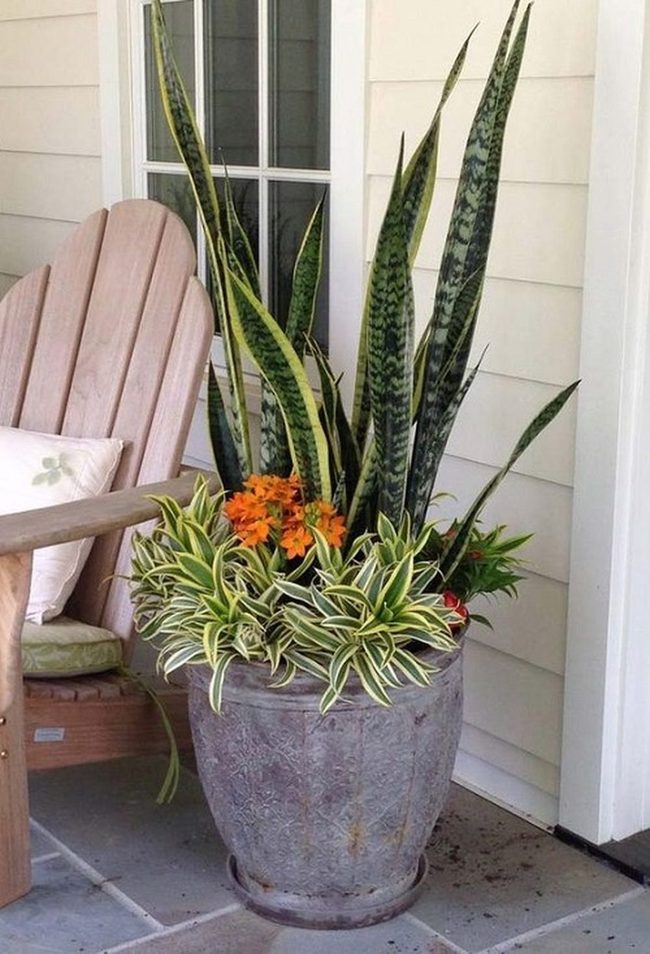
Song of India and snake plant create a bold botanical display when paired with orange star flowers, as the glossy variegated leaves of the song of India dance beside dark green snake plant spears that provide structural backbone to the whole arrangement.
Bold orange star flowers punctuate the design with electric pops of warm color that stop you mid-glance, while soft green and cream leaf patterns from the song of India complement the snake plant's architectural silhouette.
Compact snake plants anchor the container with their vertical strength, and textural combinations of glossy foliage against delicate blooms make the arrangement feel balanced.
The charm comes from how Mediterranean-inspired color palettes emerge through thoughtful plant selection, blending botanical elegance with dramatic color contrast in a way that feels both natural and striking.
Green Vines Meet Upright Leaves
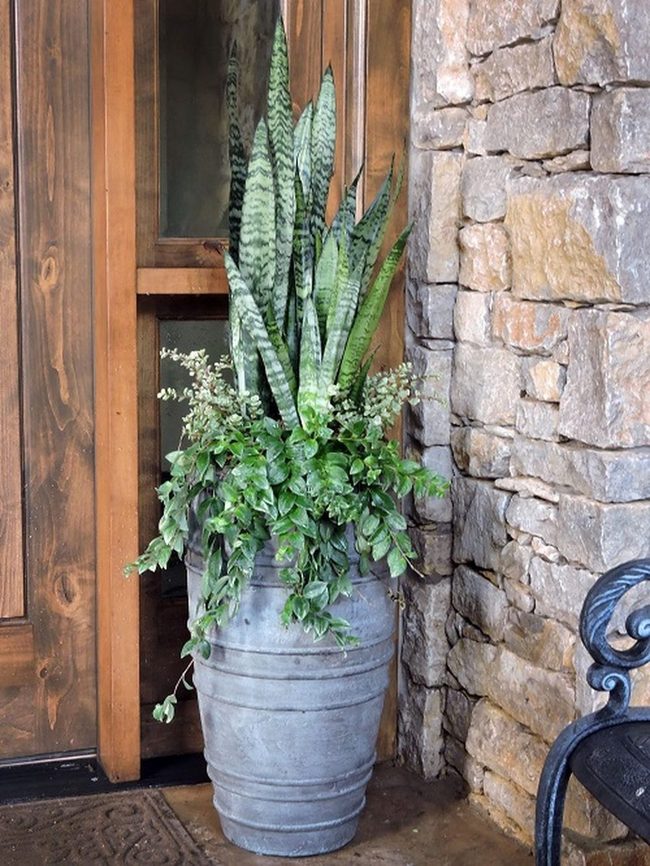
Green pothos vines cascade down alongside a tall snake plant, creating dramatic vertical architecture that immediately catches attention in any entryway.
Snake plant leaves stand upright with clean, structured lines while pothos tendrils spill over and soften the harder edges of the arrangement.
Both plants have different growth patterns and textures, so they balance each other beautifully and look great together in one pot.
Dark green foliage brings depth to smaller spaces and keeps things visually interesting without overwhelming the area.
Beyond looks, these two plants naturally filter the air in your home, which means you get both beauty and function rolled into one.
Since they need very little water and handle low-light conditions well, you can enjoy lush greenery even if you're busy or new to keeping plants.
Minimal care is required to keep this combination thriving, so whether you're a seasoned plant parent or just starting out, this pairing works wonderfully for most homes.
Three Green Textures, Zero Fuss
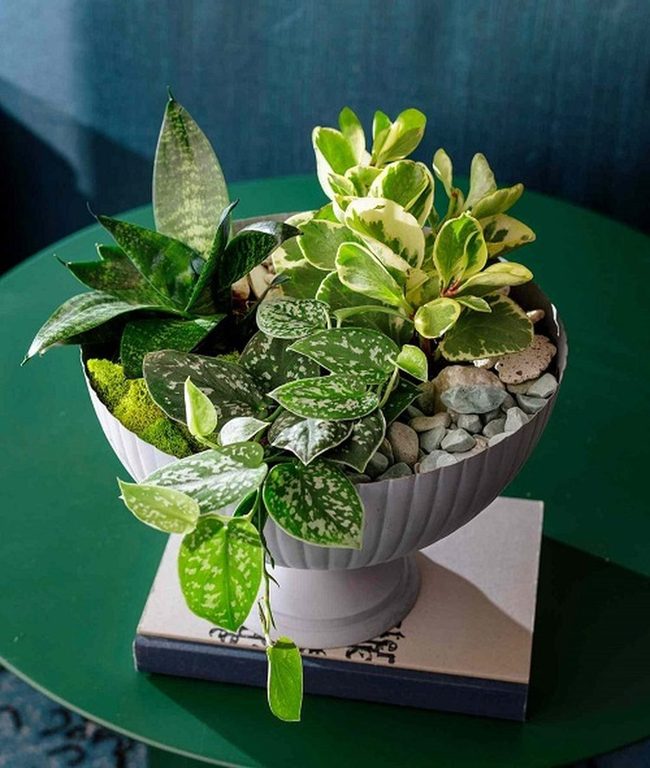
Combining scindapsus, snake plant, and peperomia together delivers striking greenery without demanding much care, and the strong vertical lines from hardy snake plants anchor the whole display while trailing scindapsus vines spill softly around the sides.
Compact peperomia leaves add interesting texture and depth that rounds out the grouping, so the different leaf shapes and growth patterns you'll see create real visual interest all in one container.
This trio thrives with minimal watering and indirect light, making it simple for you to maintain whether you're setting it up in a living space or home office.
Each plant brings something different to the arrangement, and together they build a layered look that feels both natural and balanced.
Spiky Cacti Meet Architectural Snake Plants
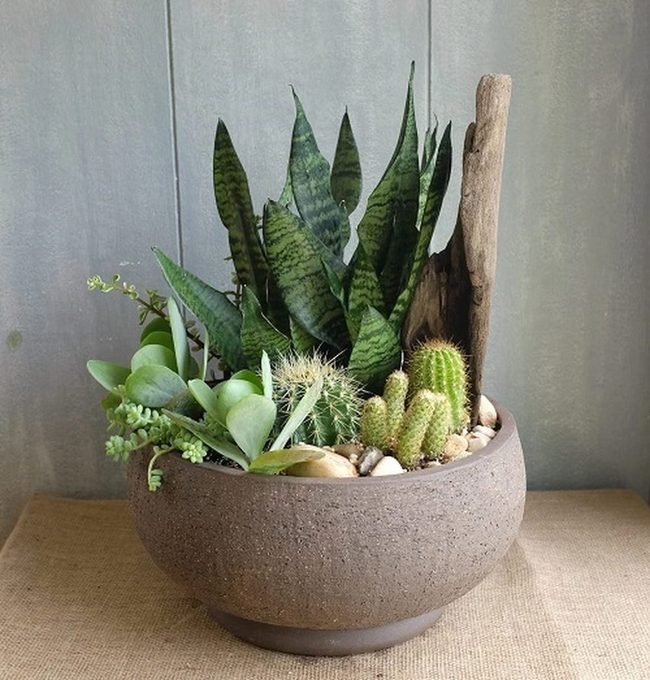
Pairing snake plants with cacti brings striking desert beauty right into your home, and the spiky shapes of cacti standing next to tall, architectural snake plant leaves create an eye-catching contrast that draws all the attention.
Both plants thrive on neglect, sharing identical watering and care routines, so you won't need to fuss over them constantly.
Placing them in ceramic containers really highlights their sculptural forms and adds another layer of visual interest to your space.
If you tend to forget about watering or simply want something fuss-free, this duo checks all your boxes since they need minimal soil, bright indirect light, and very little maintenance.
Green tones range across these plants too, from deep emerald to soft sage, and this variety adds depth without requiring any extra work on your part.
Purple And Green Trailing Drama
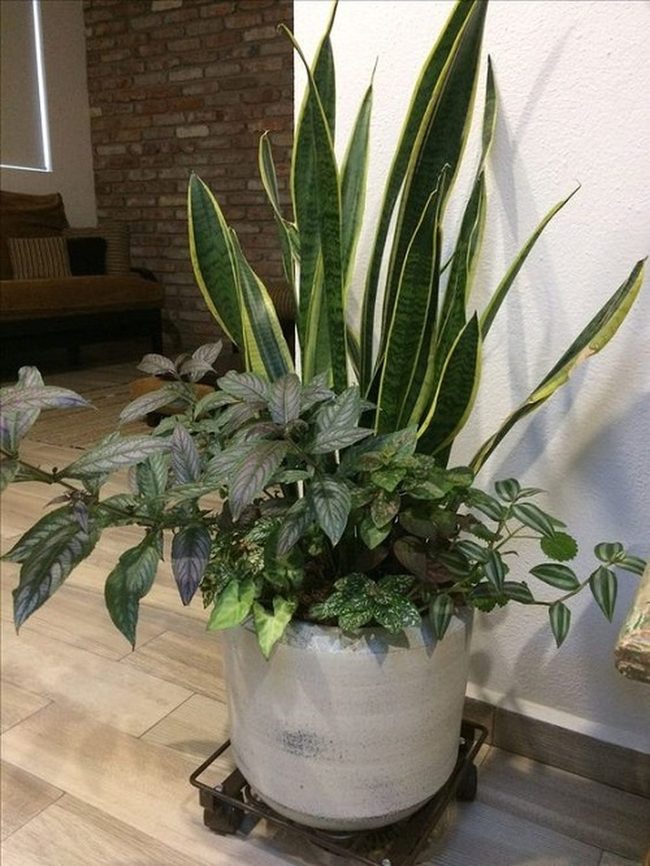
When you combine snake plant, persian shield, and inchplant in one container, you get a striking display of deep greens mixed with rich metallic purples and flowing vines that completely changes how a room looks.
Snake plants do the heavy lifting by standing tall and straight with those thick sword-shaped leaves in dark green, giving the whole arrangement its strong backbone.
Persian shield brings in those gorgeous purple tones that pop against the green and add serious visual interest to the setup.
Inchplant cascades down over the edges with its trailing stems, softening everything and breaking up the rigid lines from the snake plants above.
When you position these three together in the right way, each one shows off what makes it special while supporting the others.
Keeping them in a compact container really lets those contrasting textures and colors shine without competing for attention.
Vertical Green Meets Spreading Sedum
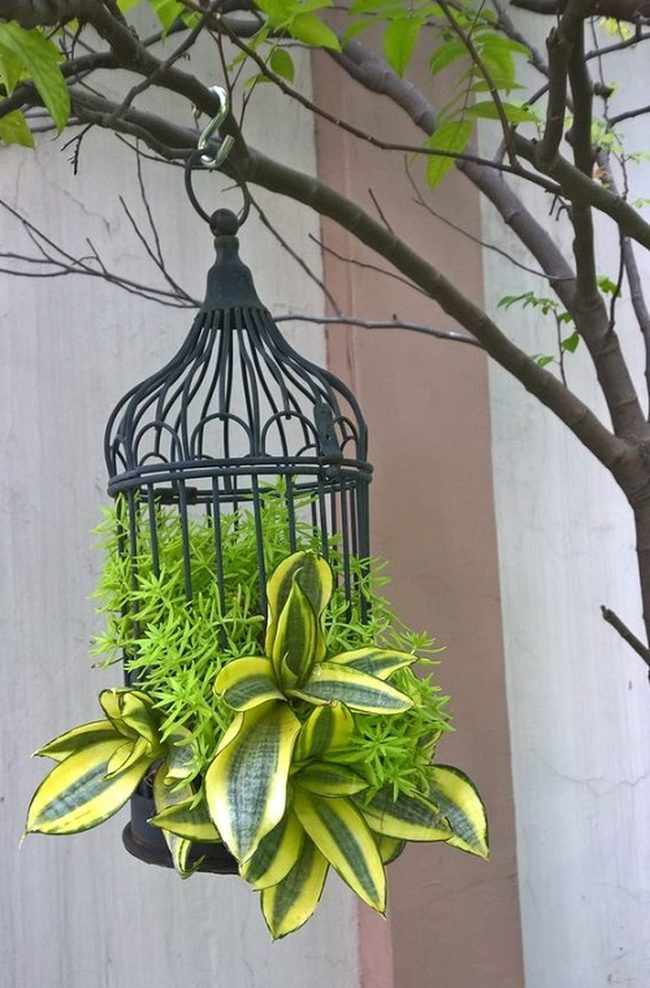
Snake plant and sedum combinations produce striking desert-inspired displays with their dramatic vertical leaves rising beside sedum's compact, spreading growth, and the contrasting green tones ranging from deep forest to lighter sage add visual depth to your container gardens.
Ceramic pots with neutral tones work best to highlight the plants' natural textures, while terra cotta containers can add warmth to the overall design.
Simple arrangements transform small spaces into modern botanical displays that look polished without demanding much effort.
Both plants need minimal watering, making them perfect for busy plant lovers who want low-maintenance greenery that still looks impressive.
You can group them together in containers to balance the tall, strappy foliage of the snake plant with the soft rosette shapes of sedum.
Even small corners of your home or outdoor space become modern botanical displays with this combination.
Setting up these plants requires almost no special skills or knowledge, so anyone can achieve this look.
Sword Leaves Meet Cascading Green
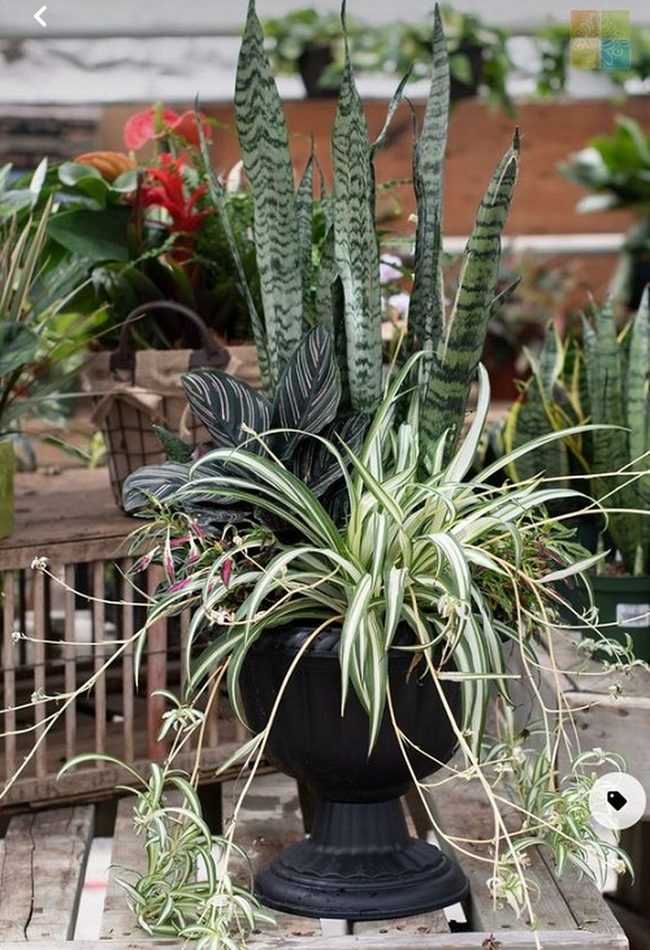
Spider plants and snake plants make an outstanding pair for your space because their contrasting leaf shapes and textures create real visual interest without much fuss.
Snake plants stand tall with sword-shaped leaves that bring architectural drama and structure to any room, while spider plants cascade gracefully from above and soften those vertical lines with their flowing greenery.
Both plants thrive on neglect, needing very little water and adapting well to the same light conditions, so you won't spend time babying them.
Ceramic pots help display how each plant grows in its own way, and you can set them on shelves, windowsills, or tables throughout your home.
Pairing these two plants together feels natural because their different leaf structures complement each other so well.
This style feels fresh because that it delivers plenty of green without demanding much from you in return.
Vertical Green And Cascading Pale Stems
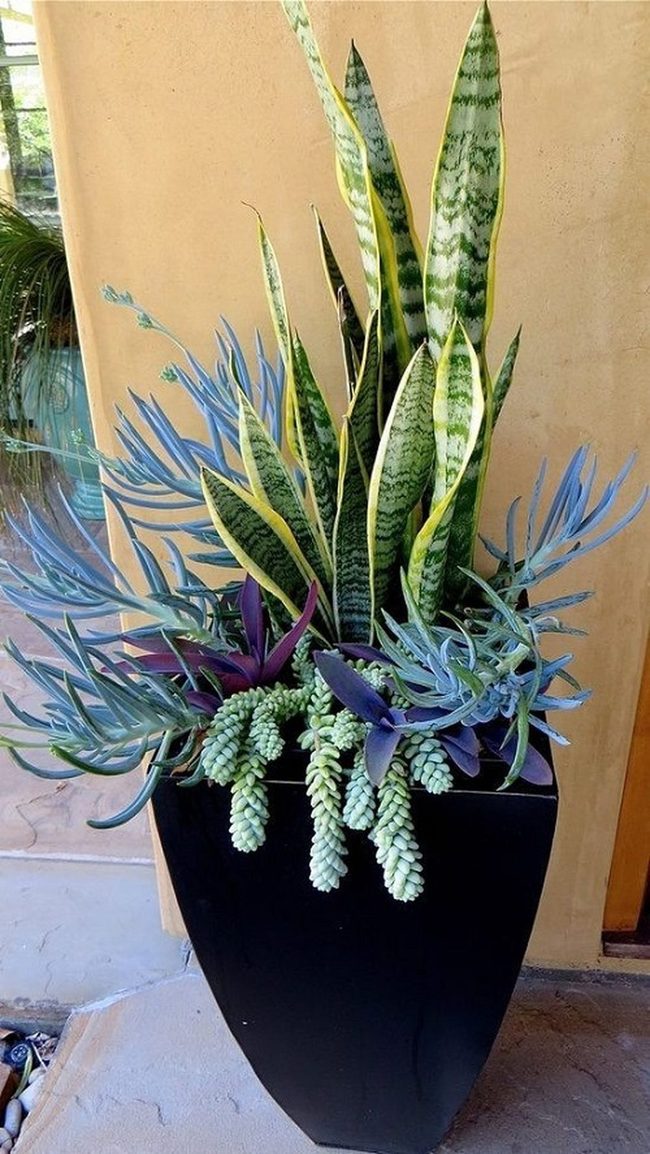
Snake plants and burro's tails make a striking combination for your container garden, with tall sword-like leaves from the snake plant rising dramatically above the pale green stems that tumble down from the burro's tail.
You get wonderful contrast between the deep green vertical growth and the cascading lighter tones, and the different textures keep things visually interesting without demanding much from you at all.
Both plants thrive in similar conditions and need very little water, so maintaining this pairing is straightforward whether you're a seasoned gardener or just starting out.
Since they don't take up much space, this duo works perfectly on small patios, windowsills, or anywhere inside your home where you want greenery.
Green Stripes With Blazing Orange Blooms
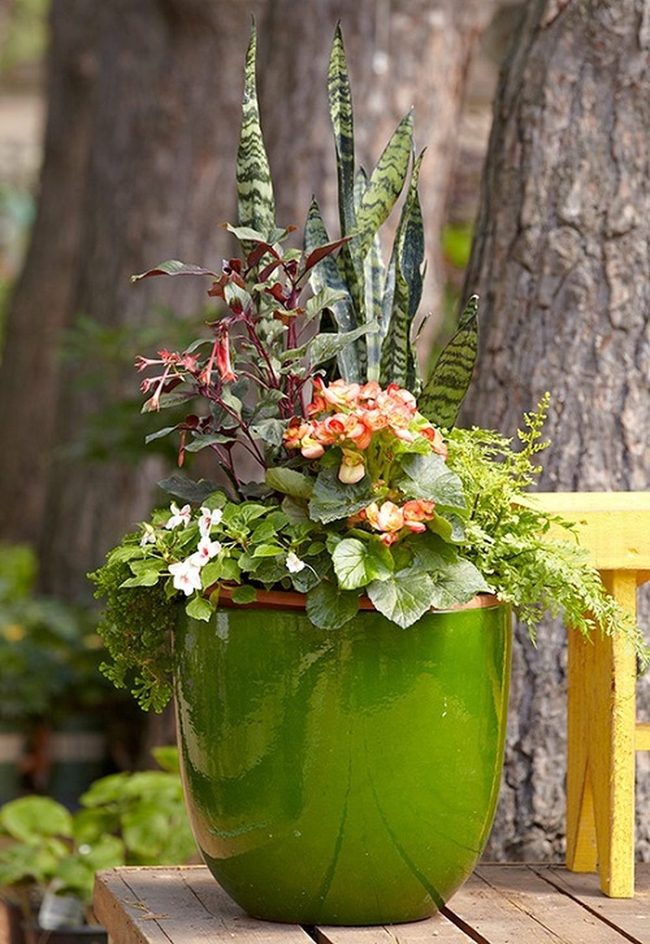
Variegated snake plant paired with marigolds and petunias creates a striking botanical arrangement where vibrant orange and pink flower tones dance around the plant's dramatic vertical green stripes and height.
Smooth snake plant leaves contrast beautifully with delicate flower petals, and this textural difference keeps your eye moving around the display.
You can place this combination in a living room, office, or sunny windowsill where the rich greens and bright colors work together to refresh your space.
Potting these plants side by side builds a dynamic visual pairing that stands out without needing much effort.
Simple techniques like this one help transform ordinary corners into green displays that feel more polished.
Tall Snakes With Textured Succulents Base
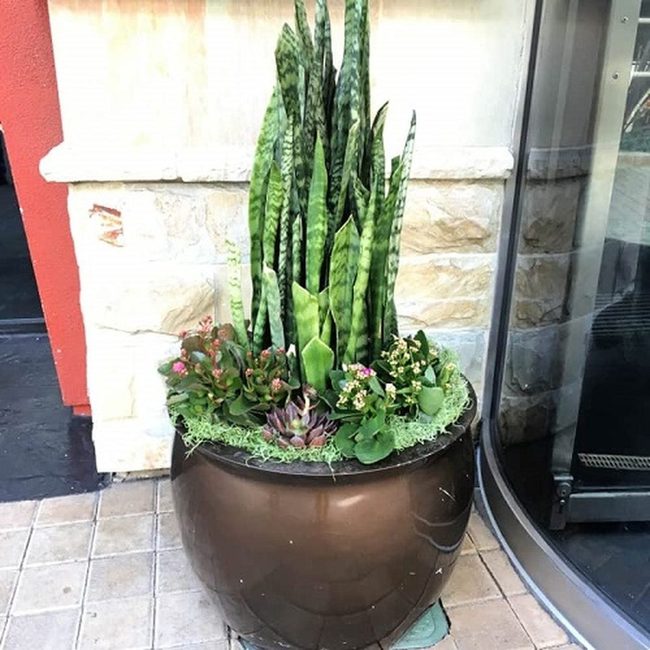
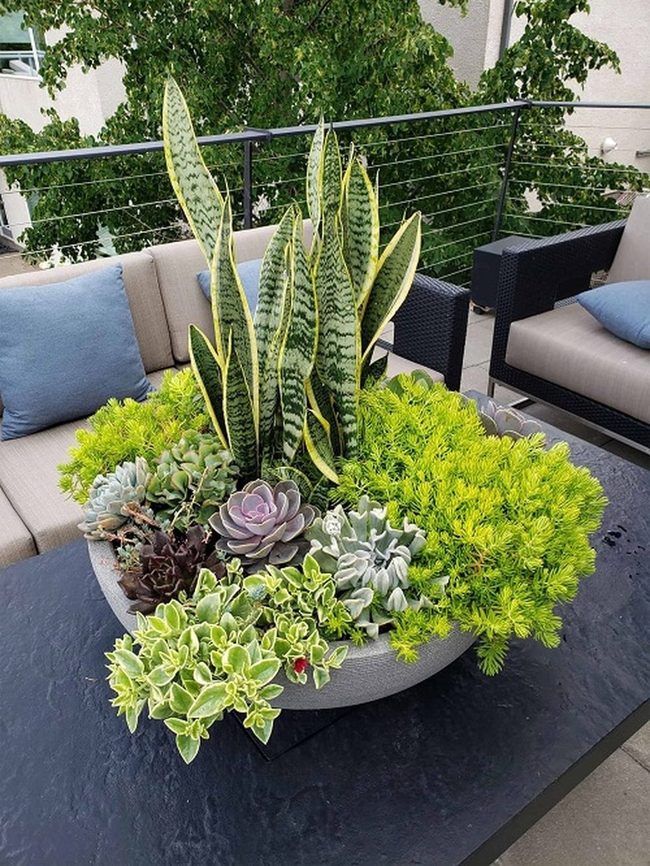
Snake plants shooting upward create striking vertical lines that immediately catch attention, while tiny succulents clustered around their base fill in the space with unexpected texture and dimension.
This design works because different leaf shapes and sizes work side by side, with the elongated blades of the snake plant contrasting beautifully against the compact rosettes of the smaller varieties.
This height difference gives the whole arrangement genuine visual interest without feeling cluttered or overdone.
Both plants come from desert regions, so they're happy with minimal water and don't need constant fussing to look good.
I enjoy the balance in how little maintenance this combination requires since you can go weeks between watering and everything stays healthy and green.
The natural balance happens on its own when you nestle those compact succulents around the taller snake plant's base.
If you enjoy plants but have limited time for care, this pairing delivers serious style with almost zero effort needed.
Michael Harris
Senior Content Editor
Expertise
Home Décor Content Creation, Interior Design Journalism, Editorial Oversight, Digital Media Strategy, Team Leadership and Mentorship
Education
University of Queensland, Brisbane, Australia
Queensland University of Technology (QUT), Brisbane, Australia
Michael Harris is the senior content editor at Archi Refresh, where he turns home design trends into engaging, easy-to-follow articles. With a journalism degree from the University of Queensland and a digital communication certification from QUT, he knows how to craft content that informs and inspires.
With over 10 years of experience in lifestyle and design media, Michael has shaped editorial strategies, mentored writers, and helped readers refresh their spaces with practical tips. His work blends storytelling with expert advice, making home decor more accessible to everyone.
Outside of work, Michael enjoys DIY projects, exploring Brisbane’s art scene, and teaching digital literacy workshops.