
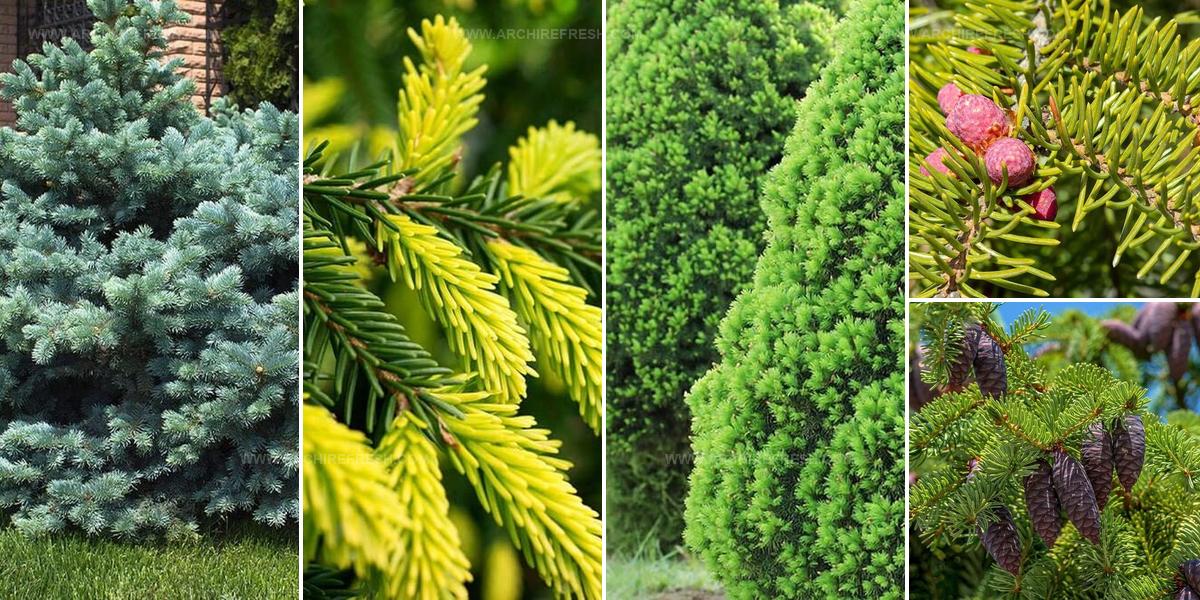
14 Spruce Tree Types For Gardens That Thrive Beautifully
Spruce tree types for gardens come in doZens of varieties that suit different landscapes and climate zones.
Homeowners often overlook how versatile these evergreens can be when selecting plants for outdoor spaces.
Blue-needled specimens offer striking color contrasts, while compact cultivars fit beautifully in smaller yards.
Growth rates vary dramatically among different species, so matching the right variety to available space matters tremendously.
Some types thrive in cold northern regions, and others adapt well to milder conditions.
Maintenance requirements differ too, with certain cultivars needing minimal pruning compared to fast-growing alternatives.
Learning about what makes each variety unique will help you choose the perfect evergreen companion for any garden setting.
Emerald Pyramid Trees For Small Spaces
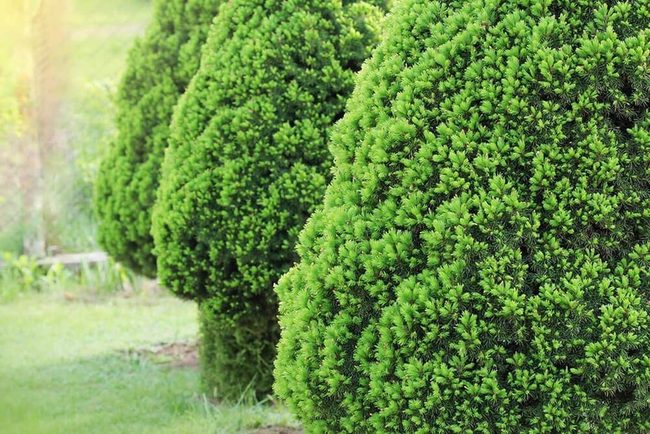
Dwarf Alberta spruces stand out immediately with their dense, emerald needles and neat, pyramid shape that draws the eye in any garden setting.
Originally discovered in Alberta, Canada, this charming conifer has won over gardeners for more than a hundred years and continues to be a popular choice today.
Since these trees only reach 10 to 13 feet tall, they fit perfectly into smaller yards or gardens where you want a touch of sophistication without the bulk of a full-size tree.
If you give it the right growing conditions, the dwarf Alberta spruce rewards you with that tidy, polished look that gardeners admire.
It's one of those plants that works hard to make your outdoor space feel more refined and put-together without demanding much from you in return.
Narrow Blue-Grey Spruce Varieties
Black spruce, sometimes called bog or swamp spruce, grows best in wet areas and brings distinctive character to your garden space.
If you want something that really stands out in your yard, the standard variety reaches an impressive 30 to 50 feet tall and commands attention from every angle.
For a more manageable option, 'Fastigiata' delivers stunning blue-grey foliage packed into a narrow shape that slides perfectly into smaller gardens.
'Beissneri' offers another compact choice at just six feet, giving you that dwarf size without taking up much room.
When you're looking for something truly low-key, 'Nana' stays around two feet tall and three feet wide, making it perfect for anyone who wants minimal upkeep.
Spreading Evergreen Nest Shape
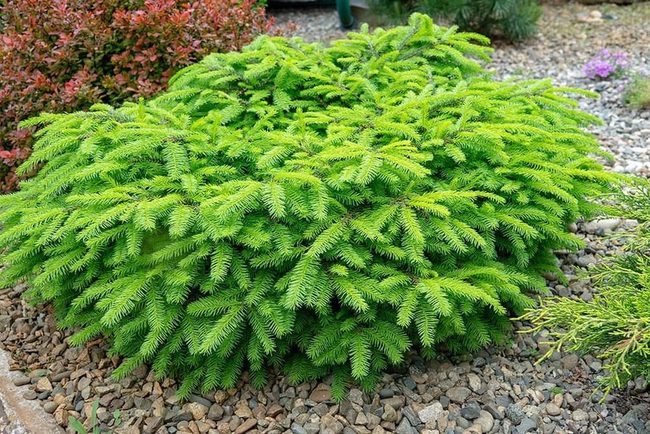
Birds Nest Norway Spruce catches the eye with its distinctive squat silhouette that looks just like a cozy nest nestled in your garden space.
Over time, this slow-growing evergreen spreads wide across your landscape, typically reaching 2 to 4 feet tall but expanding up to 8 feet in width when conditions are right.
You can tell fresh growth appearing each spring with delicate needles that add a soft texture to the tree's overall appearance.
Because it handles different climates well, this compact tree works as a reliable choice for most gardens.
Beyond its unusual shape, it brings year-round structure and beauty to your outdoor area.
The part I enjoy is how this variety maintains its character through every season without needing much fuss or demanding constant care.
Tall Evergreen For Cold Climates
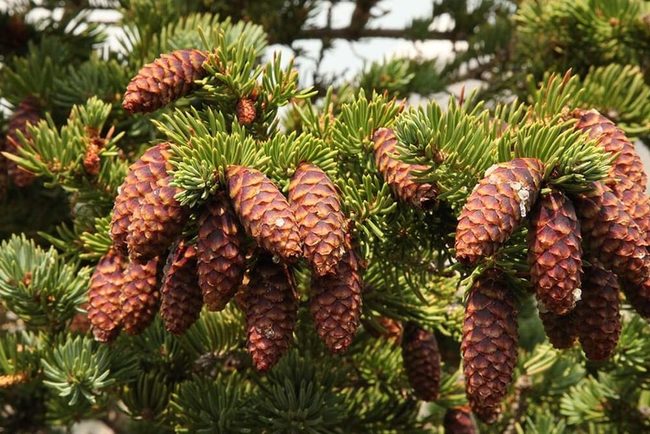
Engelmann's spruce makes a striking statement in any garden, especially if you live in cooler climates, with varieties like 'Bushs Lace' offering a weeping form that drapes gracefully and contrasts wonderfully with more upright options such as 'Compacta'.
Native to Western North America's higher elevations, this tree demonstrates remarkable toughness and endurance over time.
You can expect these trees to reach heights between 70 and 100 feet, making them an impressive long-term investment for your landscape.
If space is limited on your property, compact cultivars like 'Missy' still deliver strong visual interest without overwhelming your garden.
Growing in cooler regions where other trees struggle, Engelmann's spruce adapts well to challenging conditions.
Each variety brings something different to the table, so you can choose based on your space and the effect you want.
Blue Spruce Statement Tree
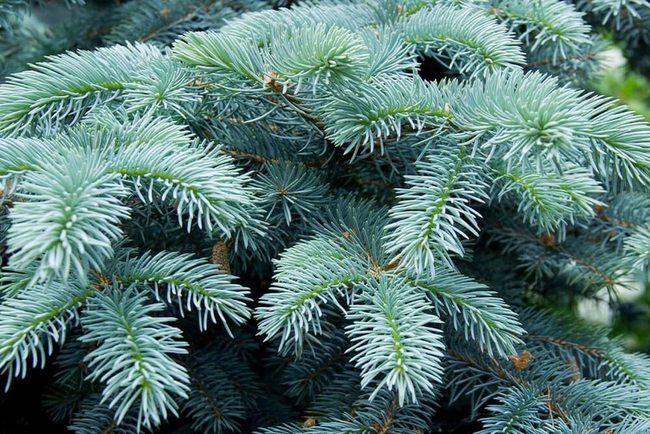
Colorado blue spruce catches your attention right away with its distinctive blue-green needles that stand out beautifully in any yard and seem to glow against green surroundings.
Growing to heights between 30 and 60 feet, these trees become natural landmarks that dominate your landscape with their impressive stature.
Birds like nuthatches and crossbills love settling in the dense branches, and you'll enjoy watching wildlife thrive throughout your garden space.
Once established, this hardy evergreen handles dry conditions well and doesn't demand much fussing over.
Sunny locations with good drainage suit these trees best, and they'll grow strong in those spots.
If you want a tree that looks good, supports local wildlife, and stays tough through tough weather, this option delivers all three benefits without requiring constant attention.
Golden Tips Evergreen For Year-Round Structure
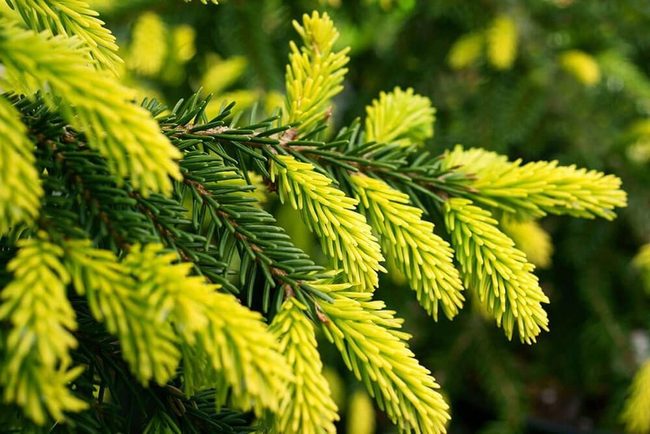
Evergreens bring lasting charm to your garden, and one standout choice is Oriental spruce 'Aureospicata', which displays bright golden yellow tips each spring that pop against its deep green needles.
This variety grows fast, adding 12 to 15 inches per year and reaching up to 25 feet tall, so you'll see your landscape fill in quickly.
Beyond its eye-catching spring colors, this spruce stays dependable through all seasons and handles cold climates well in zones 4 to 7.
If you want your garden to feel alive year-round without needing constant replanting, this cultivar offers the structure and color that keeps things interesting.
Evergreens like this one work well because they provide a backbone to your outdoor space while looking good from early spring through winter.
Deep Green Dwarf Spruce Perfection
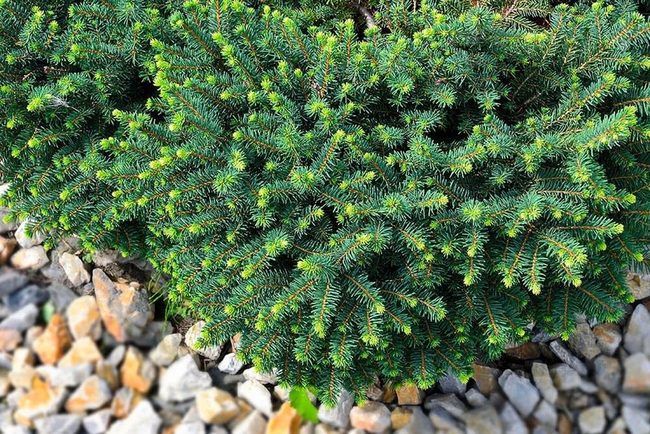
Serbian spruce 'Karel' makes a striking addition to any garden, particularly when paired with the Bird's Nest Spruce, as its deep green needles stand out beautifully against lighter green tones and keep your landscape looking rich and full throughout every season.
This dwarf variety only grows to about 2 or 3 feet in both height and width, so it fits perfectly into smaller spaces without taking over.
You get year-round structure and beauty without needing to fuss over it constantly.
If you want a dependable plant that stays compact and looks good no matter what, this spruce deserves serious consideration for your landscape.
Cascading Purple Cones Evergreen
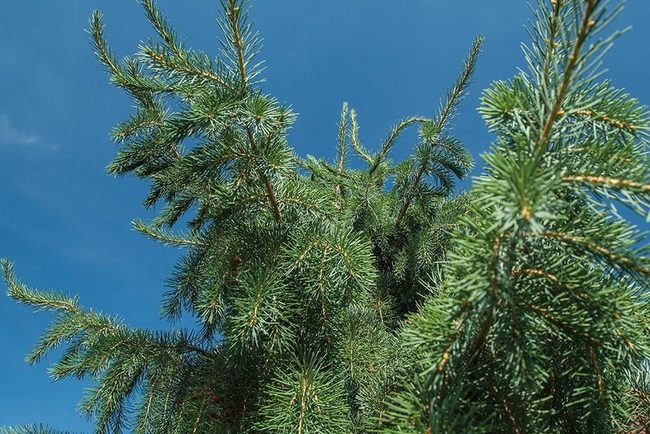
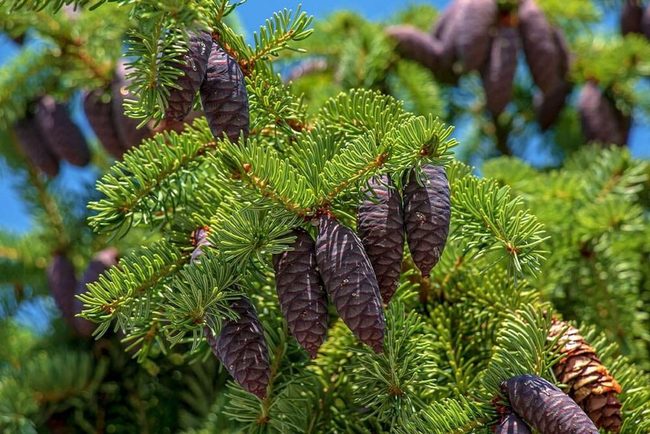
Brewer's spruce captures attention with its striking weeping branches that hang down gracefully from an open crown, and these distinctive cascading limbs give your garden real personality.
Native to North America, this tree loves sunshine and grows between 30 to 50 feet tall, thriving in regions from northern California to southern Oregon where warm summers and cool winters support its development.
What makes it even more interesting is how the cones start out in shades of purple and red, then mature into reddish-brown pendulous forms that stay decorative year after year.
You may notice this tree does best in areas with that specific climate balance, which means it's worth seeking out if you live in the right zone.
Its weeping form makes it stand apart from typical evergreens in most gardens, so it works well as a specimen tree where you want something that catches the eye.
Blue-Green Needle Mexican Rarity
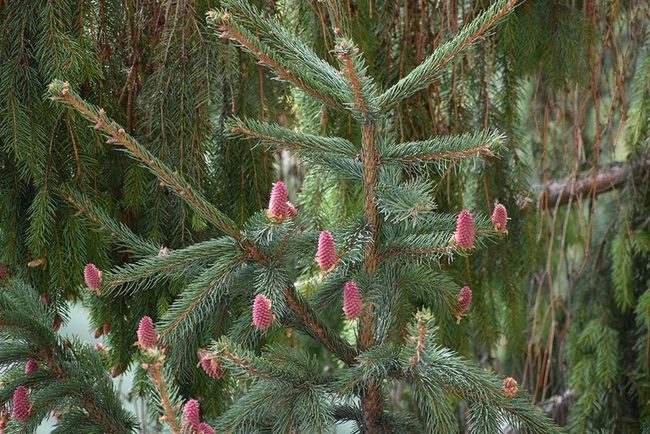
Chihuahua spruce is a rare find from northwest Mexico that stops people in their tracks with its striking blue-green needles and distinctive scaly bark, making it a standout choice for anyone serious about garden design.
You'll discover this species thriving at high elevations near streams, and it handles heat remarkably well across USDA zones 7 to 10.
Beyond its good looks, the tree carries real meaning for collectors and gardeners who care about preserving nature's diversity since it's endangered in the wild.
Standing at about 40 feet when fully grown, it brings an intriguing presence to your landscape and draws plenty of admiration from visitors.
The detail that makes this work is how it combines stunning visual appeal with purpose, giving you a tree that does more than just look good.
Growing this tree becomes a way to support conservation efforts while adding something genuinely unique to your outdoor space.
Cascading Green Branches For Gardens
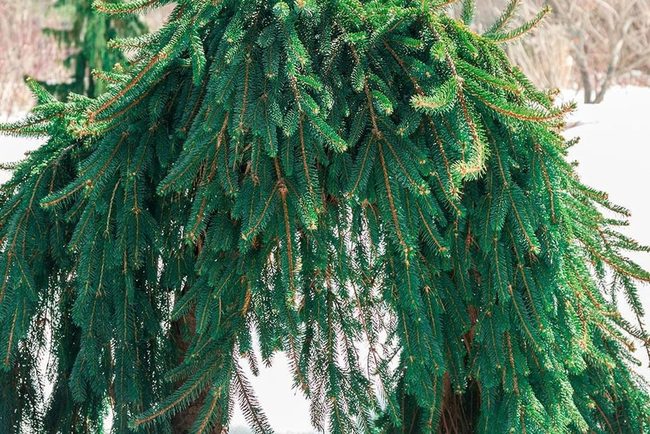
Weeping Norway spruce stands out immediately with its graceful, drooping branches that cascade beautifully over rocks and landscape features, making it one of the most eye-catching trees you can plant in your yard.
Below those sweeping limbs, you'll find a lush carpet of deep green needles that release a pleasant fragrance into the air around you.
When properly supported, this tree can grow up to 15 feet tall and becomes a remarkable focal point that anchors your entire garden design.
Getting the basics right matters, so plant it where it gets full sun and has well-draining soil to thrive.
We recommend checking your USDA hardiness zone since this variety does well in zones 3 through 7 across most regions.
Once established, the weeping spruce adds real charm and character to your outdoor space in ways that simpler plants just can't match.
Towering Coastal Giant Evergreen
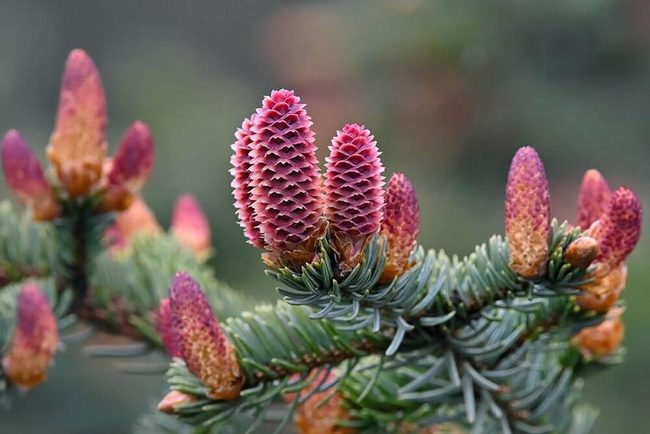
Sitka spruce towers among the world's most impressive trees, often reaching heights above 300 feet and drawing your eye straight up to the sky.
Native to the Pacific coast stretching from California all the way to Alaska, this giant species loves the cool, misty conditions that ocean fog brings.
If you live in USDA zones 6 to 8, you're in the right climate range for this hardy tree, as it handles freezing temperatures down to -33° F without trouble.
Growing one of these trees in your own yard means you can recreate that Pacific Northwest feeling right at home.
I've learned that Sitka spruce needs sandy soil with good moisture retention to truly flourish.
You'll want to ensure your planting spot mimics the moist air and cool temperatures it naturally prefers.
Beyond just height, this tree offers you a piece of authentic coastal landscape that most other species simply can't match.
Graceful Weeping Spruce Green Statement
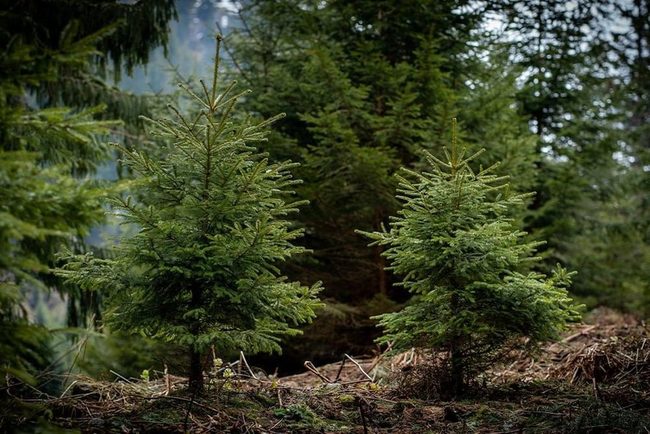
Serbian spruce reaches 50 to 60 feet tall and makes a striking statement in any garden space.
Weeping varieties like Picea omorika 'Pendula' bring an artistic quality that softens hard landscape lines and adds graceful movement to your planting beds.
Different cultivars give you options depending on your needs; 'Pimoko' offers a compact, round form while 'Bruns' grows narrow and displays light green-blue needles that stand out against other foliage.
The real appeal comes from how well it handles urban conditions and air pollution.
It adapts beautifully to humidity, heat, and partial shade, so you can place it in spots where many other trees struggle.
Whether you want a tall backdrop for your garden or a weeping specimen that commands attention, Serbian spruce delivers both substance and style with its natural resilience and varied cultivar options.
Towering Green Evergreen Giant
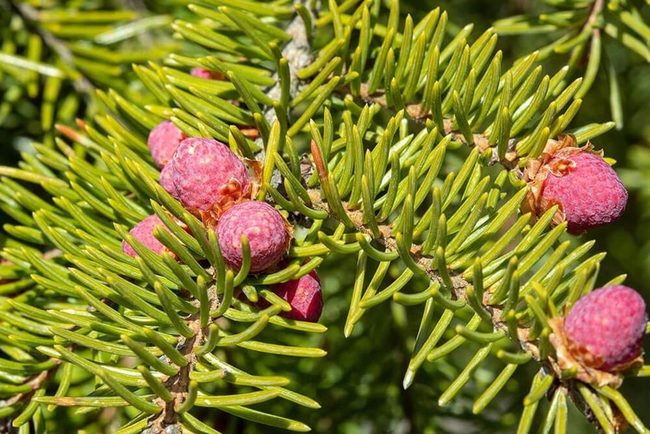
Norway spruce stands out as a magnificent choice for anyone wanting to enhance their garden's appeal, with its tiered branches and impressive height that reaches between 40 to 60 feet immediately drawing your eye upward.
Lush green needles blanket this tree, making it a favorite for landscaping and also popular as a Christmas tree in many homes.
With over 150 cultivars available, you'll find something unique to suit various tastes and spaces.
We recommend giving this evergreen well-draining soil and full sun, and it will thrive beautifully in your outdoor space.
Whether you're looking for a dramatic focal point or a traditional seasonal decoration, this tree delivers on both fronts.
You can adapt the Norway spruce to fit different garden styles and sizes depending on which variety you select.
Blue Spruce Globe Dwarf Evergreen
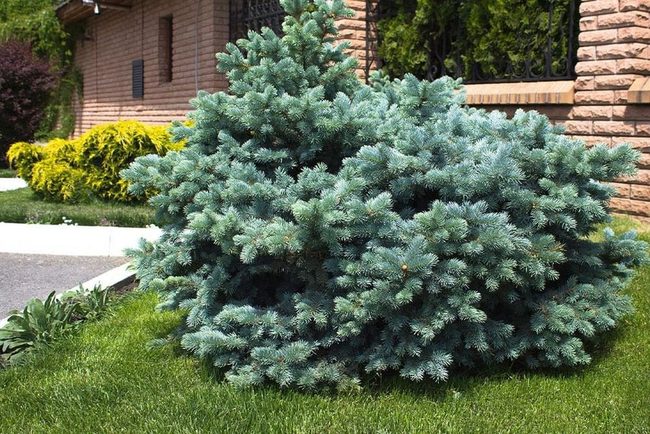
Colorado Blue Spruce 'Globe' makes a wonderful choice for gardens where room is limited, and its striking blue needles instantly catch attention against any surrounding plants or flowers you've already planted.
This dwarf variety grows into a neat, rounded shape and stays compact at just 3 to 5 feet tall and 5 to 6 feet wide, so you won't need to worry about it taking over your space or demanding constant pruning.
Because it grows slowly, you can relax knowing this evergreen will maintain its shape for years without becoming a maintenance headache.
Pairing it with colorful flowering shrubs or other greenery gives your landscape a balanced look that feels natural and pleasing to the eye.
I like how the soft blue tones work well alongside bright blooms and other plants in the garden.
When you position it as a backdrop or mixed into a border, the color contrast really shines through and adds interest to your outdoor area.
Olivia Martinez
Founder & Principal Designer
Expertise
Sustainable Interior Design, Residential and Commercial Space Planning, Historic Preservation and Adaptive Reuse, Custom Furniture Design, Project Management
Education
Parsons School of Design, New York, NY
LEED Accredited Professional (LEED AP)
Olivia Martinez is the founder of Archi Refresh, where she brings style and sustainability together. With a degree from Parsons School of Design and a LEED certification, she’s all about creating beautiful, eco-friendly spaces.
With over eight years in the industry, Olivia has designed everything from cozy homes to commercial spaces, always putting function and sustainability first. She loves working with local artisans and has been featured in design publications for her fresh take on green living.
When she’s not designing, Olivia enjoys exploring historic architecture, painting, and spending time with her rescue dogs, Luna and Max.