
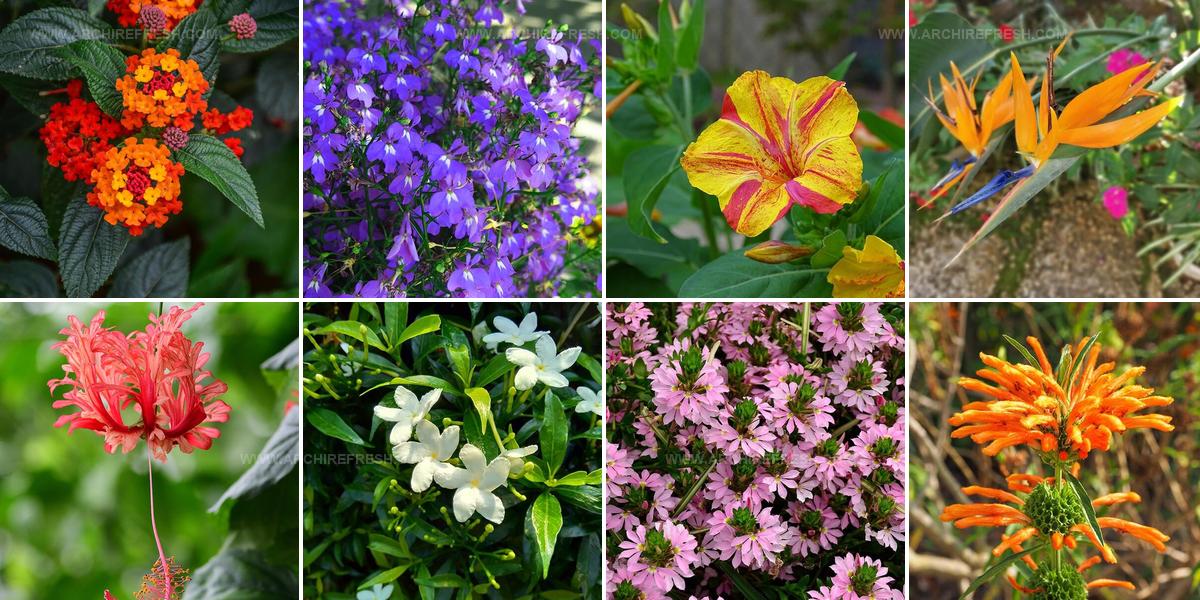
27 Tropical Flower Ideas For Gardens That Create Lush Spaces
Tropical flower ideas for gardens open up a world of bold colors and exotic textures that can turn any outdoor space into something special.
Many gardeners assume such plants only survive in humid climates, but plenty of varieties adapt well to different regions with proper care.
Whether planting in containers or directly in soil, options range from compact blooms perfect for borders to tall statement plants.
Some choices demand little maintenance while others reward extra attention with stunning displays throughout growing seasons.
The key lies in matching plant requirements with what conditions exist where planting happens.
Success comes from understanding which varieties work best based on sunlight, water needs, and temperature ranges in specific locations.
Start exploring what works for the space available and watch as color and life transform an ordinary garden into a lush retreat.
Red-Flowered Succulent Groundcover
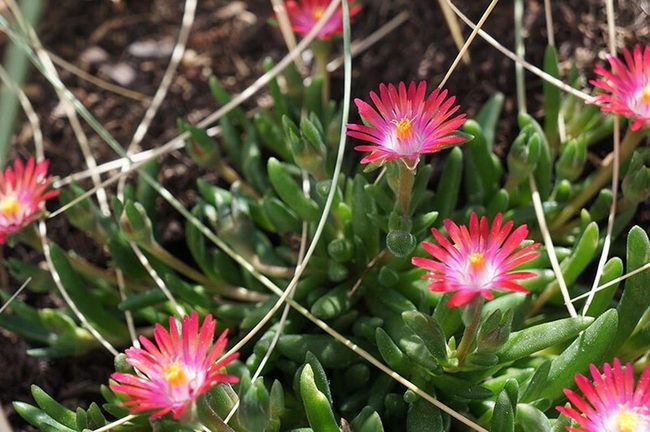
Heartleaf iceplant catches attention with its shiny red flowers and glossy green leaves that bring life to any garden space.
It grows best in full sun and needs sandy loam soil that drains well, so you'll want to avoid wet spots if possible.
Water requirements are low to moderate, making this succulent easy to care for once established.
From May through September, the plant spreads into a lovely mat-like groundcover that looks great along borders and pathways, though it can become invasive if left unchecked in ideal conditions.
Beyond its garden appeal, Zulu traditions associate this plant with good luck and use it as a natural remedy for joint pain.
Growing heartleaf iceplant is straightforward since it doesn't demand much attention after you get it settled in the right location and soil.
Orange And Blue Tropical Blooms
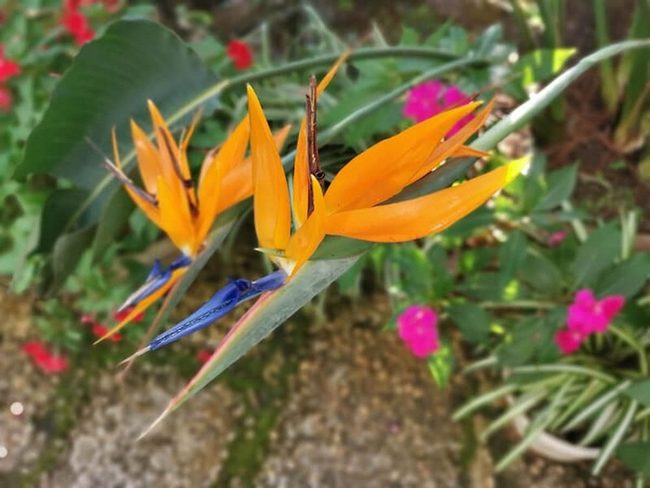
Birds of paradise command attention with their brilliant orange and blue petals and striking geometric forms that seem almost too dramatic to be real.
Growing one successfully means giving it well-fertilized soil, moderate watering, and plenty of sunshine or dappled shade throughout the day.
If you live in zones 10 to 12, you'll find these plants reward you with seasonal bursts of blooms that feel almost like fireworks in your garden.
Beyond their appearance, they carry meaning too and symbolize love and faithfulness, which makes them especially rewarding to nurture.
Most gardeners find that once established, these plants become a source of real pride and joy in the landscape.
Purple Circles Year-Round Blooms
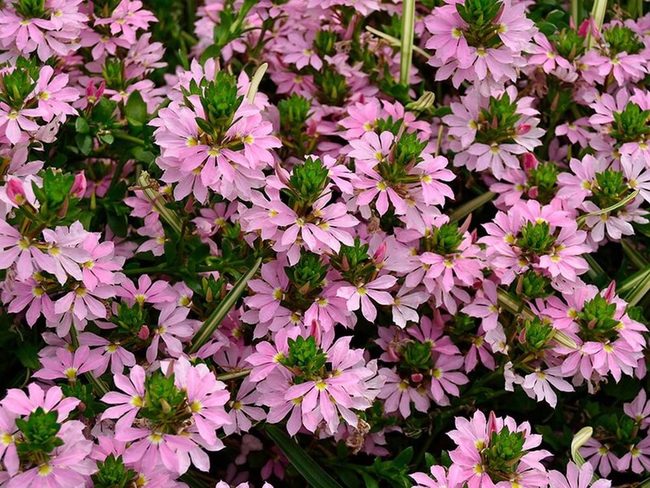
Fairy fan flowers from Australia offer striking purple blooms arranged in perfect circles that look just like something from a storybook, and in warm climates you can enjoy these delightful flowers all year long while those in cooler areas can grow them as annuals that keep blooming until the first frost hits.
Light matters quite a bit for this plant, so placing it where it gets full sun to partial shade will reward you with plenty of flowers throughout the growing season.
Soil shouldn't be too fancy either; average ground with good drainage works perfectly fine.
Water it with a moderate hand and avoid letting it sit in soggy conditions.
Between the easy care requirements and the charming appearance of the blooms, this flower makes a smart choice for gardeners at any skill level.
You can tuck it into garden beds, borders, or containers and watch it perform beautifully with minimal fussing.
White Petals Yellow Centers Fragrant
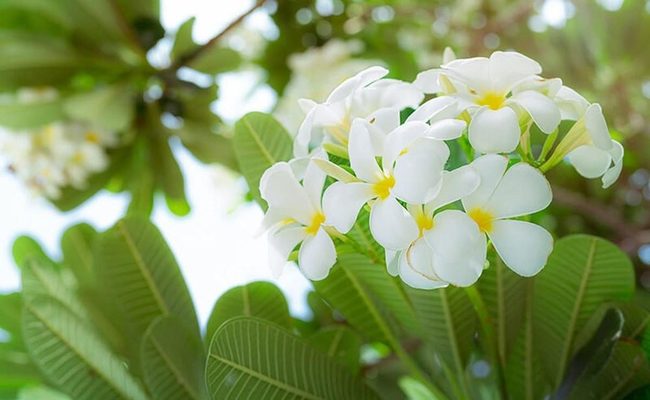
West Indian Jasmine stands out in any garden with its striking white petals and bright yellow centers that pop against green foliage and neighboring plants.
What really draws people to this flowering tree is its wonderful fragrance that fills the air around it.
If you want to grow one successfully, place it where it gets full sun and give it rich, well-draining loamy soil to work with.
It blooms generously from May through November, bringing continuous color and scent to your outdoor space over many months.
You'll need to live in zones 10 to 12 for the best results, as the tree prefers warmer climates.
Watering should be moderate; not too wet, not too dry; and the tree handles this balance well once established.
This combination of visual beauty, amazing fragrance, and fairly simple care makes West Indian Jasmine a rewarding choice for gardens in the right climate.
Purple-Pink Indigo Blooms Summer
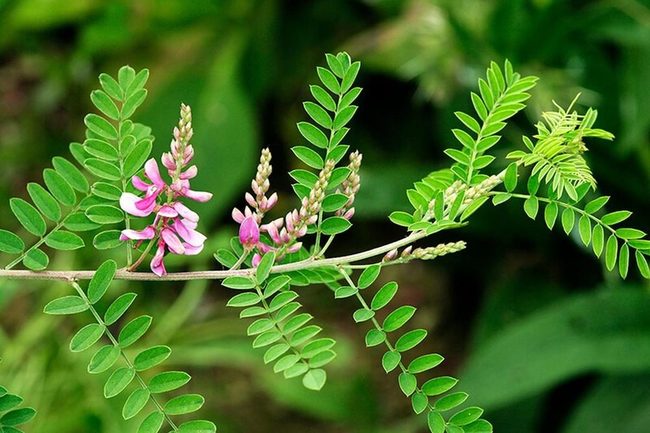
True Indigo, scientifically called Indigofera Tinctoria, produces gorgeous purple-pink flowers that bloom from July through August and stand out beautifully in any garden space.
You'll find this shrub thrives in warm zones 10 to 12 where it can soak up full sun and grow in well-drained soil.
Small oval leaves frame the blooms without overwhelming nearby plants, and the plant needs only moderate watering since it handles mild droughts quite well.
Beyond its good looks, True Indigo carries deep meaning as a symbol of wisdom and justice, with a history stretching back centuries.
If you're looking for a hardy shrub that doesn't demand constant care, this one rewards you with both visual appeal and resilience.
Blue Water Lilies Ancient Sacred Symbol
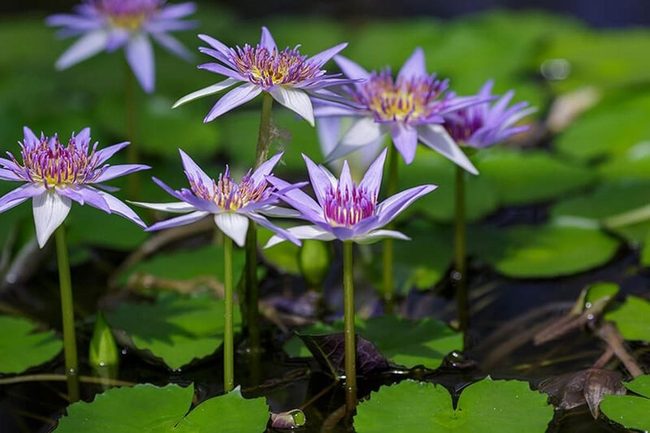
Egyptian blue water lilies command attention with their graceful form and delicate, sweet scent that draws you near any water garden.
You'll find these flowers thrive when planted in full sun and positioned in consistently wet soil, where they can spread their roots freely.
From July through September, they bloom in abundance and bring a peaceful quality to ponds, fountains, or any water feature you maintain.
Historically, ancient Egyptians held this flower sacred, associating it with spiritual awakening and the cycles of life itself.
If you live in growing zones 10 to 12, your climate provides the warm conditions these plants need to flourish year after year.
We recommend placing them where sunlight reaches throughout the day, as this encourages fuller blooms and stronger growth.
Whether you're a seasoned gardener or just starting out, this water lily rewards you with both beauty and deeper meaning rooted in centuries of human history.
White Blooms, Intoxicating Garden Fragrance
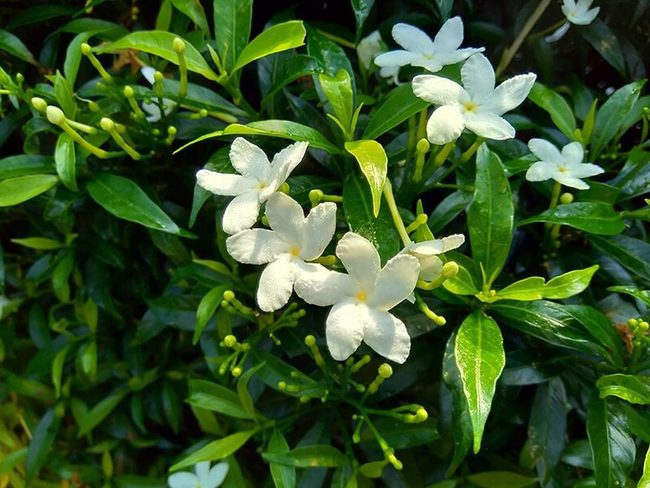
Gardenias command attention with their large, showy blooms that stand out in any garden without drowning out other plants around them.
What makes these flowers truly special is their remarkable fragrance; some of the strongest and most pleasant scents you'll encounter in nature, and they fill your entire garden with that lovely aroma.
Where you live determines how long you have room to enjoy them: in warm climates, gardenias bloom year-round, but if you're in a cooler region, you'll see their beautiful flowers only during spring and early summer months.
Growing gardenias successfully means giving them the right conditions; they need acidic soil with plenty of organic matter that drains well so water doesn't sit around their roots.
Part shade works best for keeping these plants happy and healthy, especially if you live in zones 8 through 11 where they thrive.
Delicate Fringed Petals With Drifting Stamens
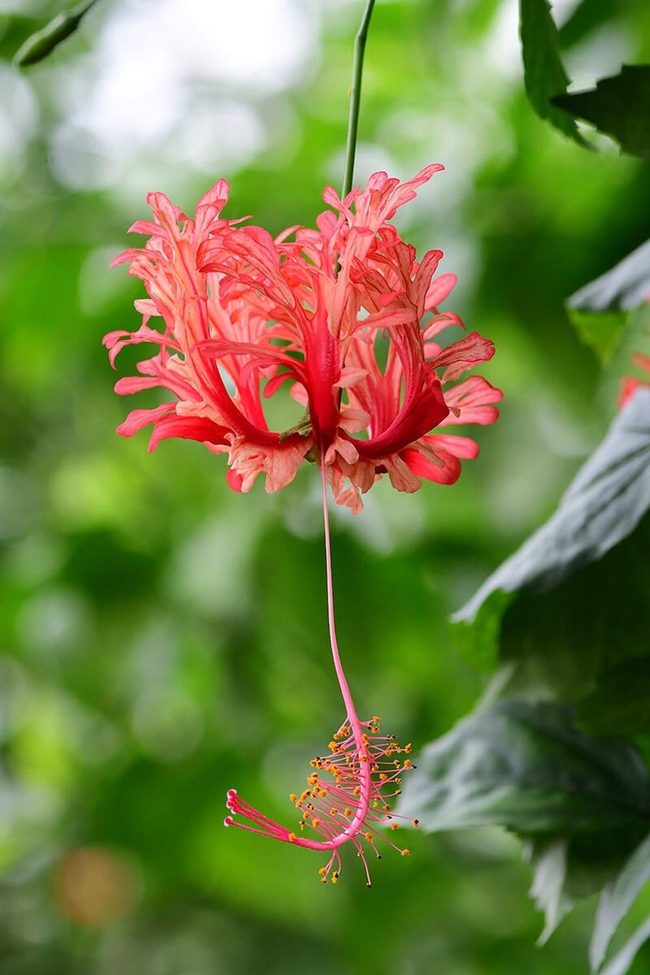
Fringed rosemallow flowers stop you in your tracks with their distinctive petals and long stamens that seem to drift through the air like delicate ornaments.
Beyond their striking appearance, these blooms represent passion, beauty, honor, and prosperity, making them meaningful additions to any garden space.
If you live in growing zones 10 to 11, you'll find they thrive beautifully in full sun with rich, well-draining soil that keeps them healthy year-round.
They need medium water levels to stay in peak condition, so consistent watering without overdoing it keeps them happy.
Originally hailing from Africa, this flower earned the nickname "Japanese lantern" thanks to its enchanting shape and appearance.
Tiny Flowers, Maximum Color Impact
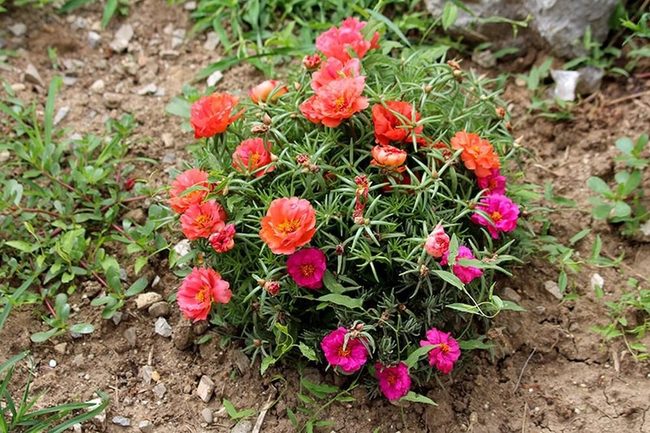
Rose moss brings explosive bursts of color to sunny garden spaces with its cheerful blooms that echo a mother's endless love, and this hardy succulent thrives in almost any condition you throw at it.
It grows well in poor soils too, so you don't need rich earth or special amendments to keep it happy.
One key thing to remember is that good drainage prevents root rot and keeps the plant healthy and strong.
Once June rolls around, the flowers start opening up and keep blooming right through frost, giving you months of continuous color without much effort on your part.
Since it loves sunshine and handles heat well, planting it in a bright spot means you'll get the most vibrant display possible.
Red Heart-Shaped Tropical Blooms
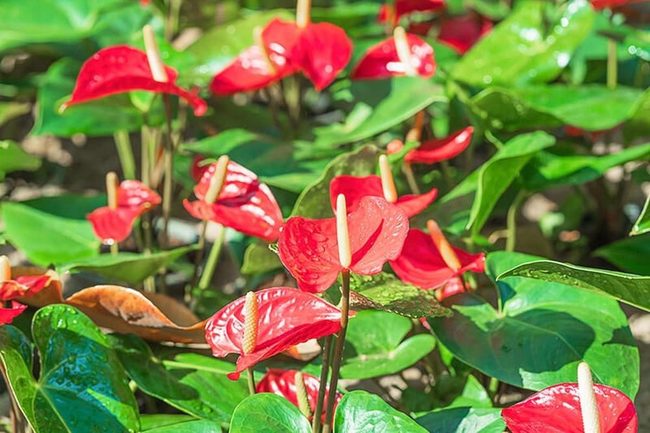
Anthurium plants showcase bold red heart-shaped flowers that stand out immediately with their glossy green leaves and fuzzy yellow spadix in the center.
You may enjoy how these tropical blooms flower freely all year long, providing consistent color to your garden space.
Growing them doesn't require much effort since they prefer part shade and moderate watering with well-drained soil.
Most gardeners find these plants reliable performers that adapt well to indoor and outdoor settings.
If you want a low-maintenance flower that delivers visual interest and sentimental value at the same time, anthurium fits the bill perfectly.
Pink And Purple Shade Bloomers
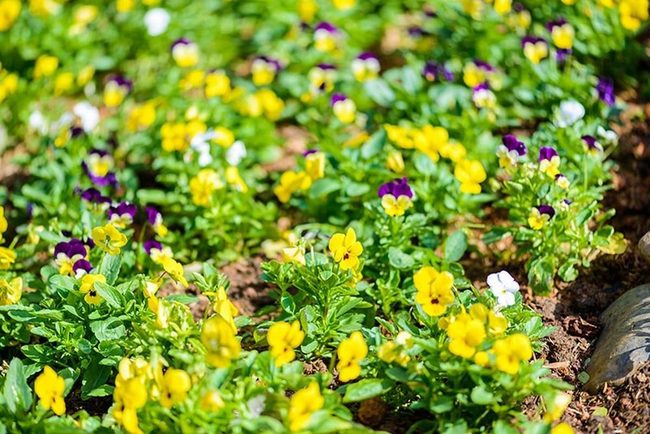
Busy Lizzy flowers burst across shady garden spots with flat petals in shades of pink, red, purple, and white from June until the first frost arrives.
Originally from Tanzania and Mozambique, these tropical blooms thrive best in growing zones 10 to 11 where they flourish year-round, though cooler climates treat them as annuals.
You'll find they need moderate watering and rich soil with good drainage to stay healthy and happy.
One of their best qualities is their ability to handle heavy shade without complaint, making them perfect for brightening those darker corners of your yard where other flowers struggle.
Impatiens Walleriana, their scientific name, prefers consistent moisture without soggy conditions.
Velvety Trumpet Flowers For Shaded Gardens
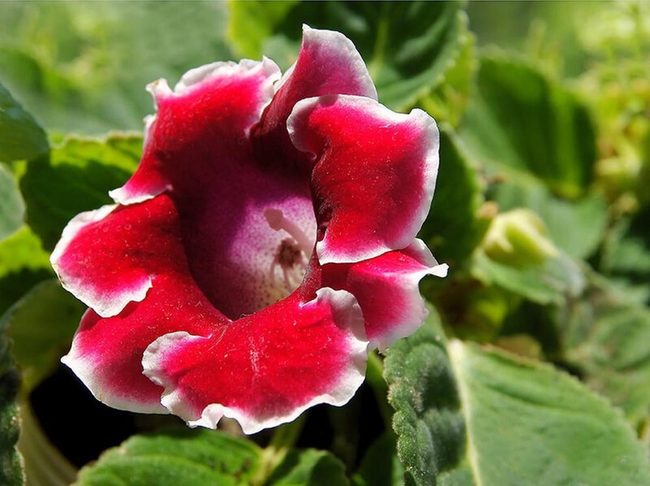
Gloxinia flowers stand out with their large, velvety petals arranged in a striking trumpet shape that immediately draws attention in any garden setting.
Growing these beauties becomes rewarding since you can enjoy blooms twice per year when you provide the right conditions.
If you live in zones 11 to 12, these plants will thrive in your garden, especially in areas with part shade or full shade throughout the day.
Getting the soil right matters too, so mix in materials that drain well and keep moisture levels moderate to support healthy growth.
Beyond their appearance, gloxinias carry symbolic meaning as flowers that represent pride and confidence.
I think adding these plants to your outdoor space brings both visual drama and meaningful symbolism that many gardeners appreciate.
Whether you're designing a shaded corner or filling a container garden, these flowers offer a sophisticated presence that elevates your landscape design.
Lantana’S Rainbow Blooms Through Frost
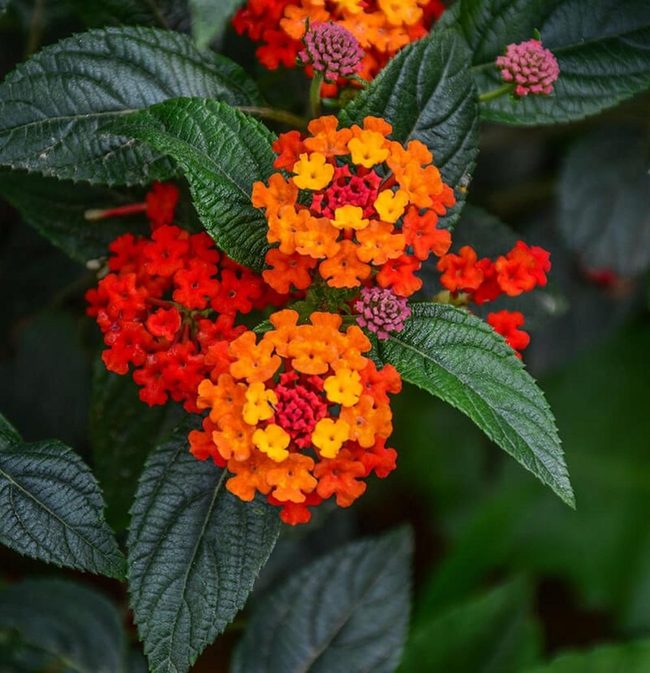
Lantana bursts with flower clusters in white, orange, red, yellow, and purple that can transform how your garden looks, and these colorful blooms appear from July straight through until frost arrives.
This South and Central American plant loves full sun and adapts to average soil as long as it drains well, staying healthy even in poor conditions and tolerating drought once it settles in.
Butterflies and birds flock to lantana flowers, and the plant has come to represent strength in many cultures.
You won't need to water it constantly since it handles dry spells without much fuss, making it a low-maintenance choice for gardeners who want something reliable and beautiful.
Striped Leaves Spring Bloomers
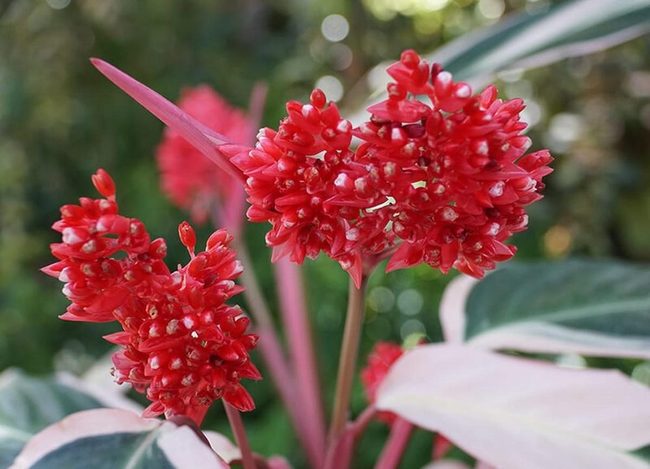
Stromanthe plants deliver striking visual drama with their variegated leaves that catch the eye throughout the year, and during their blooming season from March to April, they burst with splashes of color that bring springtime energy to your garden space.
You'll find these petite beauties easy to maintain since they prefer part shade and do well away from harsh sunlight that can damage their delicate foliage.
Caring for them involves moderate watering and planting them in fertile soil with good drainage, so they don't demand much attention once established.
Even when flowers aren't present, the eye-catching leaf patterns keep your garden looking fresh and interesting.
Whether you're a seasoned gardener or just starting out, these plants offer reliable performance and consistent beauty that rewards minimal effort.
Blue-Purple Blooms On Tropical Vine
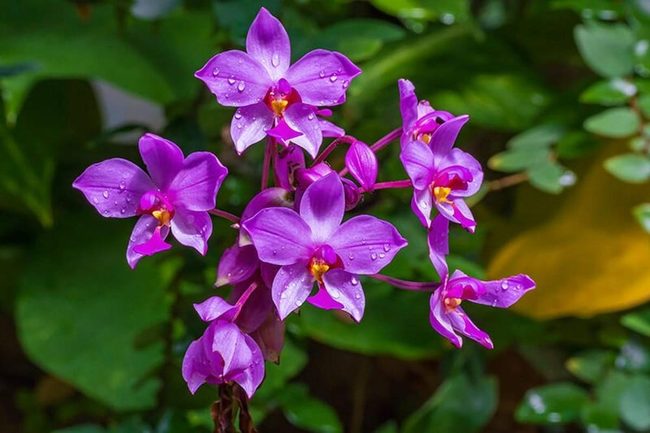
Brazilian nightshade displays striking blue-purple petals with a golden yellow stamen at the center, making it one of the most eye-catching plants you can add to your garden.
You'll get the best results when you plant it in soil that drains well and has plenty of organic matter mixed in, though it handles both sun-soaked spots and areas with dappled shade just fine.
Summer is when this plant really shines; from July through August, you're looking at continuous blooms that bring color to your outdoor space right when you need it most.
If the classic blue-purple flowers don't match your garden's style, there's also a white-flowering version available that works beautifully in different design schemes.
Growing this tropical vine on a trellis or arch is where it truly excels and makes a big impression in any yard, and many gardeners find that training it this way gives their space much more dimension and visual interest.
Trailing Blue Flowers Love Garden
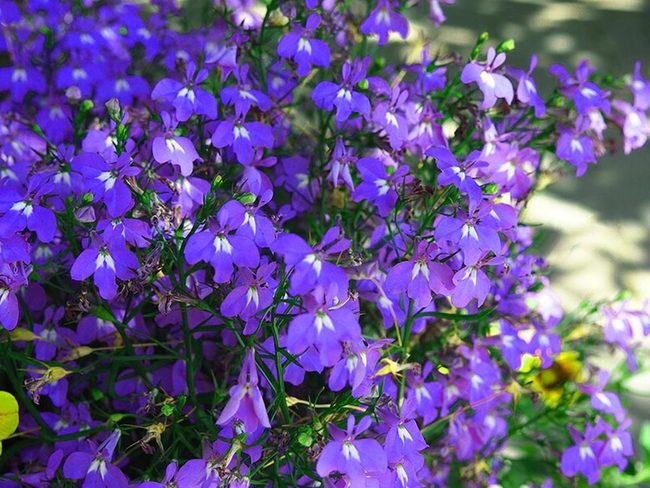
Lobelia flowers deliver striking bursts of color to your garden in shades that immediately grab attention, and their trailing or upright growth habits make them adaptable to many different landscaping designs.
Beyond their visual appeal, these plants carry meaning as symbols of love and good fortune, so adding them to your garden space brings both beauty and deeper significance.
Growing lobelia successfully requires organically rich soil with excellent drainage, and you'll want to plant them in zones 10 to 11 where they thrive best.
Sun exposure matters for healthy plants, so aim for full sun or partial shade depending on your specific garden conditions.
Blooming typically happens from April to June, giving you months of color to enjoy during the growing season.
Whether you want flowers that cascade down a hanging basket or prefer varieties that grow upright and structured, lobelia adapts to what you need.
Apricot-Scented White Blossoms
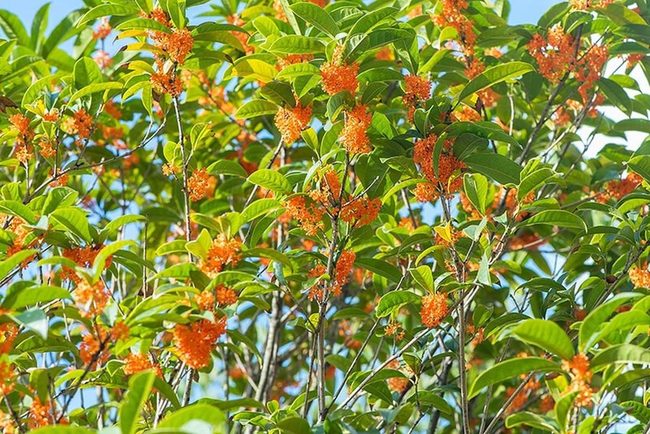
Sweet tea, or Osmanthus Fragrans, grows best in zones 9 through 11 and produces abundant white flowers that bloom throughout April and can continue into fall, releasing a surprising apricot fragrance that makes them visually simple yet wonderfully scented.
You'll want to plant this bush where it gets either full sun or partial shade, and it adapts well to most soil types including clay as long as drainage is adequate.
Positioning sweet tea near your seating areas transforms those spots into peaceful, fragrant spaces where you can relax and enjoy the aroma.
Since the plant handles average conditions without much fuss, it's a great choice if you want something beautiful that doesn't demand constant attention.
I recommend placing it where you naturally gather outside, whether that's near a patio or garden bench.
Multicolored Blooms Through Autumn Frost
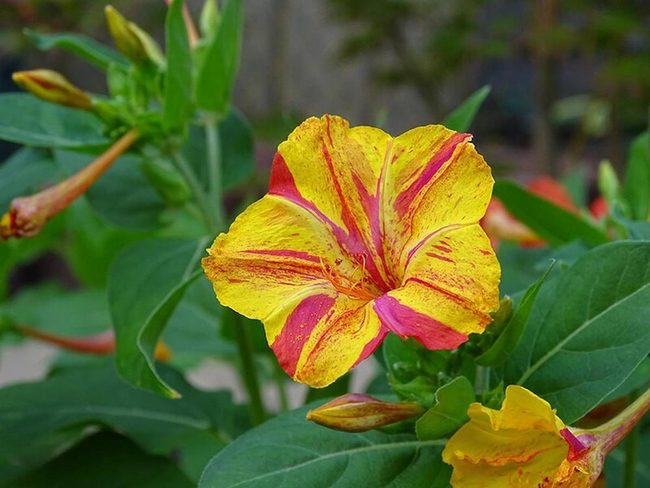
Four O'Clock flowers, scientifically known as Mirabilis Jalapa, put on quite a show with their explosion of multicolored blooms that appear on a single plant from June right through to frost.
You'll find these beauties thrive best in warm growing zones 9 to 11, and they're remarkably easygoing about soil conditions since they adapt to various types without fuss.
Watering needs fall into the moderate range, so you won't need to baby them constantly or worry about precise schedules.
Beyond their visual appeal, these flowers carry symbolic meaning tied to both shyness and passionate love, bringing an exotic quality to any garden space.
Historically, gardeners during Victorian times loved planting them as hedges, though nowadays you can showcase them as standalone specimens or mix them with other plants for a more layered garden design.
Tropical Blooms Through Green Bamboo
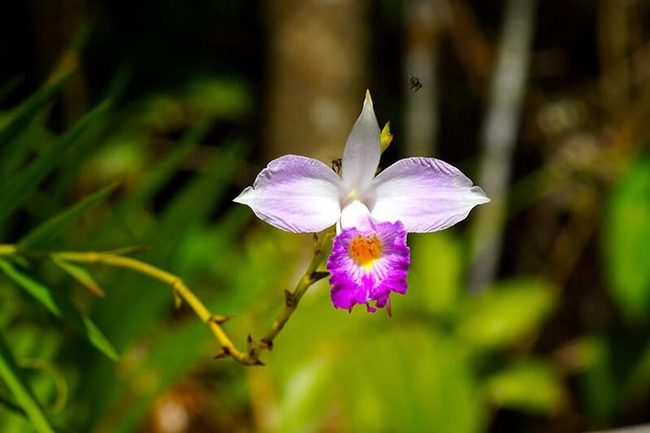
Bamboo-like foliage provides a peaceful backdrop to this plant without the spreading problems you'd face with actual bamboo, while brightly colored blooms emerge throughout the year with summer as the season when they truly shine and those striking petals create an almost otherworldly quality against the dense green leaves.
Beyond their visual appeal, these tropical flowers carry meaning; they represent resilience, love, and family, which gives them extra significance in your space.
Growing them is fairly straightforward since they need medium watering and well-draining soil to thrive.
You'll have the best success planting them in zones 11 to 12 where they can enjoy partial shade conditions.
If you're looking for something that combines natural calm with bold color and deeper symbolism, this plant offers all three qualities in one package.
Burgundy Blooms With White Crackling Pattern
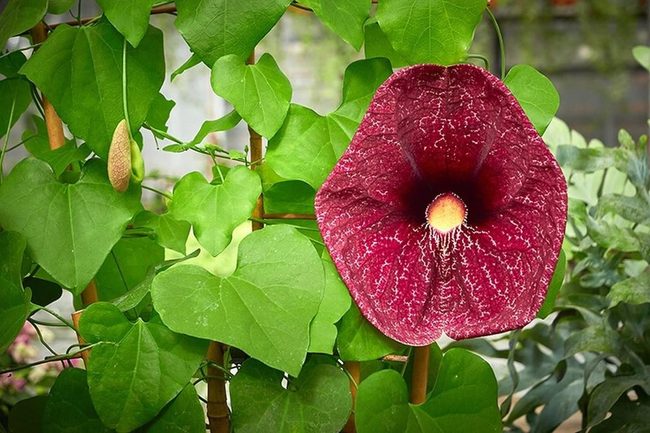
Calico flowers stop you in your tracks with their striking patterned blooms, where cool white crackling dances across deep burgundy backgrounds and no two flowers look quite the same.
Beyond the eye-catching colors, these tropical plants boast floppy petals and a tubular shape that brings real charm to any garden space.
If you want to grow them successfully, they need zones 9 to 12 where they'll thrive best.
You'll have the most success when you give them medium water and fertile soil that drains well, since waterlogged roots won't work in your favor.
Light-wise, they're flexible and happy in either full sun or partial shade conditions.
One of the best parts is that I can understand how you enjoy their beautiful blooms during the warm months from July through September.
We think these tropical beauties are worth the effort because they add such striking visual interest to any garden landscape.
Fuchsia Blooms Attract Hummingbirds
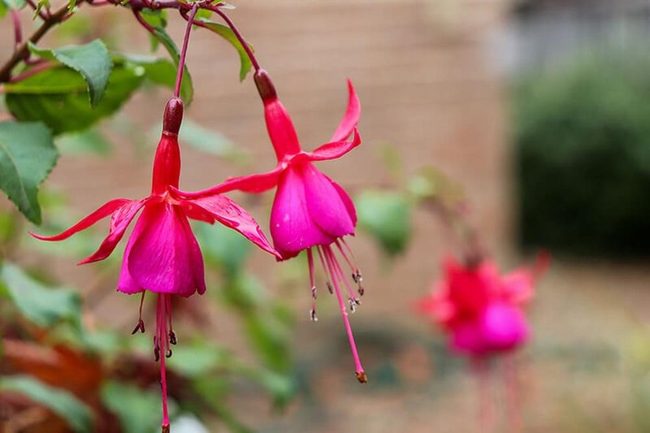
Fuchsia flowers, also called Lady's Eardrops, catch your attention right away with their stunning dangling blooms that seem to move in the breeze, and you'll find they work beautifully when planted in hanging baskets where their drooping form really shines.
These tropical plants produce flowers from May straight through to the first frost, so you get months of color in your garden during warm weather.
If you live in growing zones 10 or 11, you're in luck because fuchsias do best in part shade or full shade with soil that stays moist and rich.
Beyond the visual appeal, there's another bonus; hummingbirds love these bright flowers and will visit your space regularly.
The combination of their dramatic shape and vibrant hues makes them a smart choice for anyone wanting to add life to patios, porches, or garden areas where you need something that stands out and performs well.
Mickey Mouse Plant Yellow Flowers
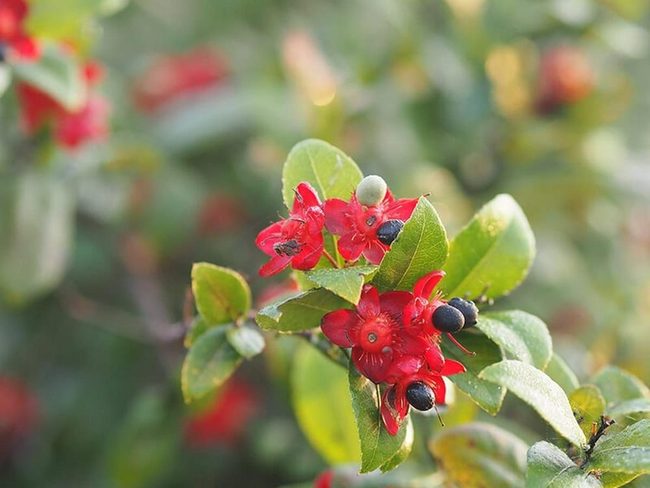
Mickey Mouse plant adds playful charm to your garden with its distinctive fruits shaped like the beloved character's ears, and during May and June, you'll enjoy bright yellow flowers blooming throughout the season.
To help this shrub flourish, plant it in loamy soil and water it at moderate levels since it prefers consistent moisture without becoming waterlogged.
You can position it in full sun or partial shade, and it grows well in zones 9 through 11 where conditions suit its needs.
Beyond its fun appearance and seasonal blooms, this plant carries symbolic meaning too; it represents strength and resilience.
We love adding one to outdoor spaces because it works as both a conversation starter and a genuine symbol of power in the garden.
Red Star Protea Blooms
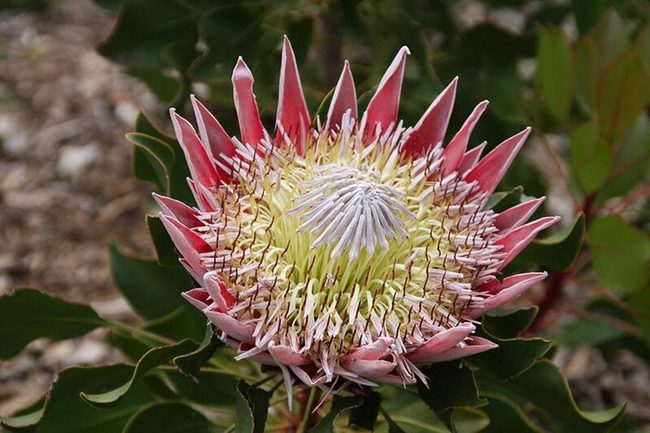
King protea stands out in your garden with its stunning star-shaped red petals that demand attention from every angle, and this South African native delivers bold color and architectural interest that few other flowers can match.
To keep it thriving, plant it in full sun and make sure your soil is acidic and drains well so water doesn't pool around the roots.
Blooming from November through June means you get those gorgeous flowers right during the holiday season when festive decorations feel natural and welcome.
Watering needs stay moderate; enough to keep the plant healthy but not so much that you create wet conditions that encourage root problems.
If you live in growing zones 9 or 10, you have the ideal climate for this flower to reach its full potential and bloom reliably year after year.
White Alyssum Fragrant Garden Clusters
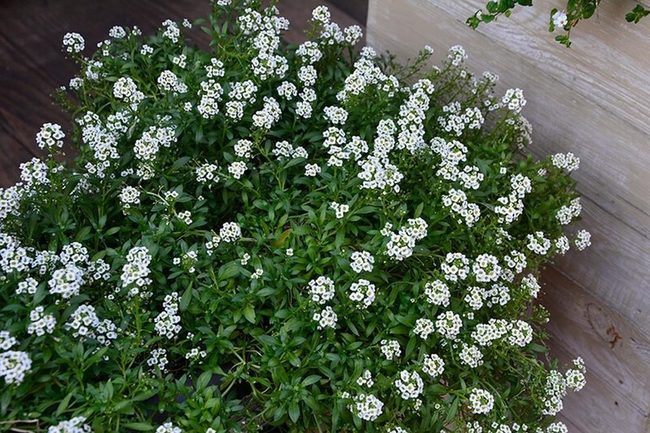
White flower clusters that bloom from spring through late fall fill your garden with a lovely scent, and their mounding form adds nice texture and balance next to larger plants with droopy petals.
Sweet alyssum does well in full sun or partial shade and needs average soil with good drainage, so it works in most garden setups.
Heat tolerance makes this plant especially useful if you live in warmer zones 10 to 11 where it grows fast and strong.
I like how these blooms carry meaning too, since they symbolize beauty beyond price and bring an exotic feel to wherever you plant them.
Pink Winter Blooms For Hummingbirds
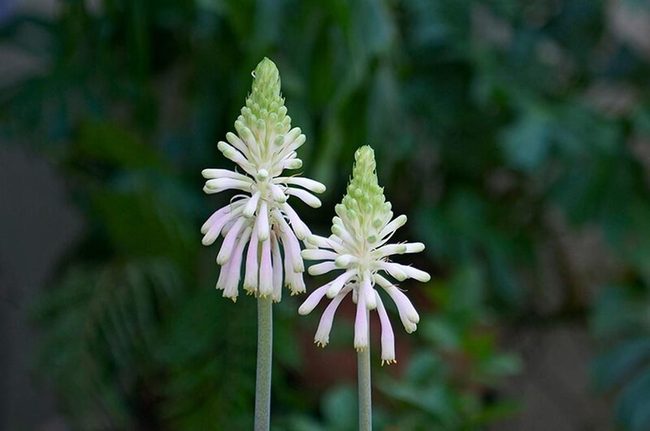
Unicorn root produces stunning clusters of pink flowers that catch attention when the plant reaches maturity, and this tropical species delivers lovely blooms throughout the winter months from December into March that hummingbirds cannot resist, making it a wonderful choice if you want to attract these birds to your garden.
Growing this plant successfully means providing it with medium watering and humus-rich loamy soil that allows water to drain away properly.
Part shade suits this species best, and you can cultivate it in zones 9 to 11 where the plant naturally goes dormant during summer after its colorful flowering period ends.
If you live in a tropical climate and enjoy watching hummingbirds visit your outdoor space, unicorn root offers both aesthetic appeal and wildlife benefits throughout the colder months.
Yellow Lollipop Flowers, Tropical Height
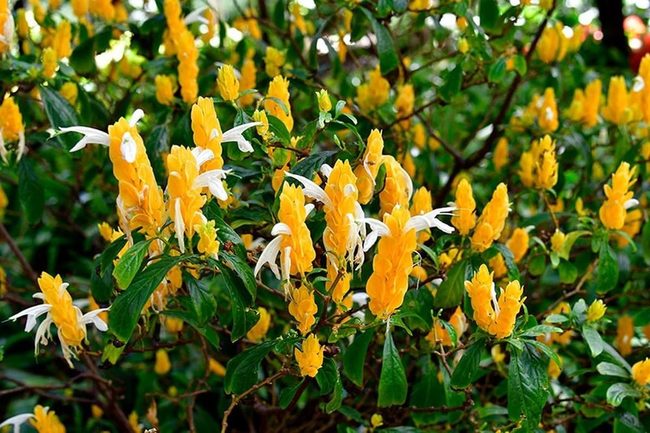
Bright yellow petals shaped like lollipops make this plant an instant eye-catcher in any garden space, and delicate white flowers arch gracefully above those cheerful blooms to add even more visual interest.
In tropical regions, you can watch it grow up to six feet tall, though in cooler climates it stays around 18 inches, so you have flexibility depending on where you live.
We recommend placing it in full sun and giving it soil that's rich with organic matter and drains well, and these conditions will help it thrive beautifully from June through August.
Beyond its gorgeous appearance, this plant carries meaning as a symbol of turning knowledge into truth, which makes it feel special in any landscape.
If you're in growing zones 10 and 11, you'll have the best success with this particular beauty.
Orange Tubular Blooms Year-Round
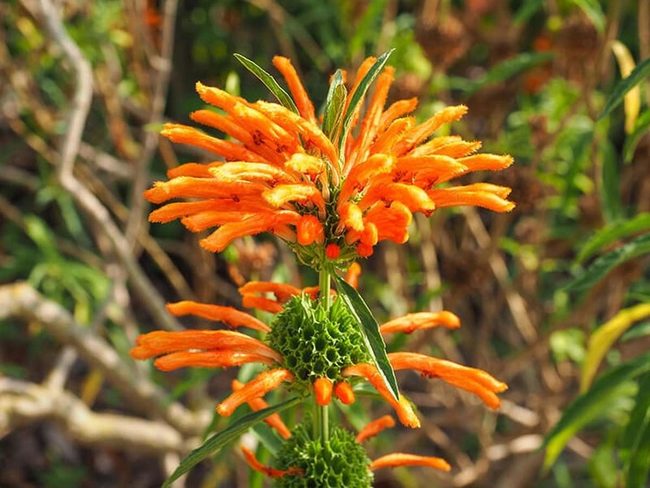
Lions Tail stands out in any garden with its striking tubular flowers that burst in shades of orange, white, and apricot from April through June, earning its name from the way the blooms resemble a lion's tail.
This tropical shrub thrives when you give it full sun exposure and plant it in average soil, making it accessible for gardeners of all skill levels.
Watering demands stay moderate, so you won't need to spend excessive time on maintenance once it's established in your landscape.
If you live in growing zones 8 through 11, this plant will flourish outdoors with reliable results.
In warmer regions or protected environments like greenhouses, we've seen Lions Tail extend its blooming season well into winter months, offering color when most other plants have gone dormant.
You can count on this shrub to deliver consistent performance without fussy requirements or special treatment.
Olivia Martinez
Founder & Principal Designer
Expertise
Sustainable Interior Design, Residential and Commercial Space Planning, Historic Preservation and Adaptive Reuse, Custom Furniture Design, Project Management
Education
Parsons School of Design, New York, NY
LEED Accredited Professional (LEED AP)
Olivia Martinez is the founder of Archi Refresh, where she brings style and sustainability together. With a degree from Parsons School of Design and a LEED certification, she’s all about creating beautiful, eco-friendly spaces.
With over eight years in the industry, Olivia has designed everything from cozy homes to commercial spaces, always putting function and sustainability first. She loves working with local artisans and has been featured in design publications for her fresh take on green living.
When she’s not designing, Olivia enjoys exploring historic architecture, painting, and spending time with her rescue dogs, Luna and Max.