
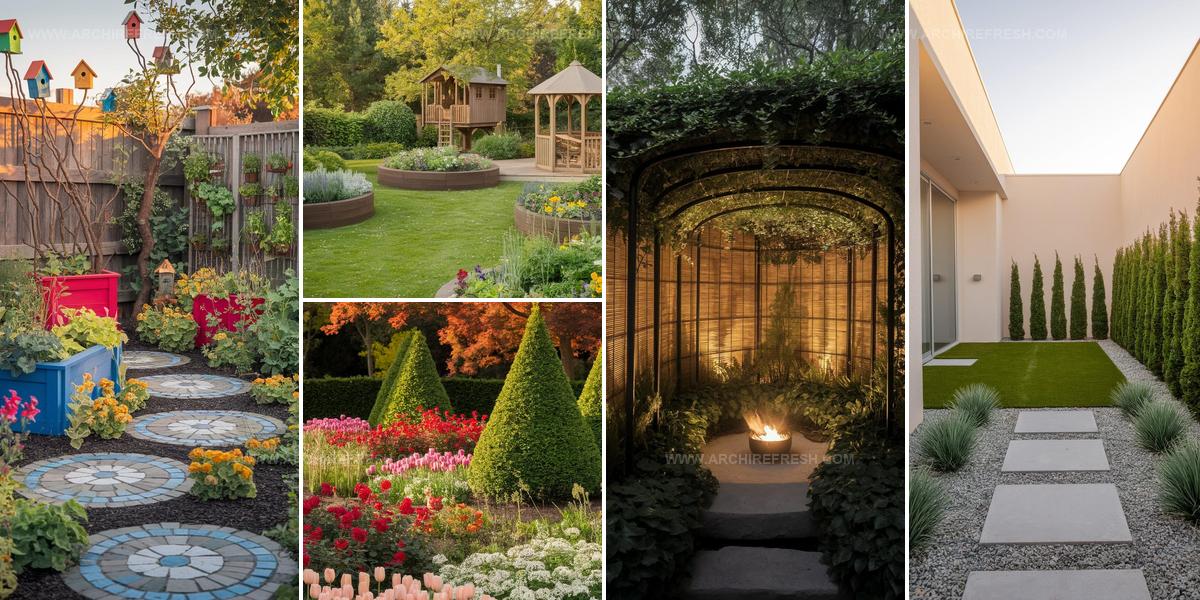
29 Please provide the keywords you’d like me to create titles for.
A dream garden becomes reality when you understand the core principles that make outdoor spaces truly shine.
Every homeowner can achieve beautiful results by focusing on practical elements that matter most.
Success depends on knowing which foundational steps lead to lasting beauty and function.
The right approach helps you avoid common mistakes while building confidence in the process.
Smart choices about layout, plants, and maintenance create spaces that flourish year after year.
No complicated techniques or expensive shortcuts are necessary when solid fundamentals guide the way.
Begin today and watch as the outdoor area you've always wanted takes shape before your eyes.
Reclaimed Wood Garden With Hand-Painted Pots
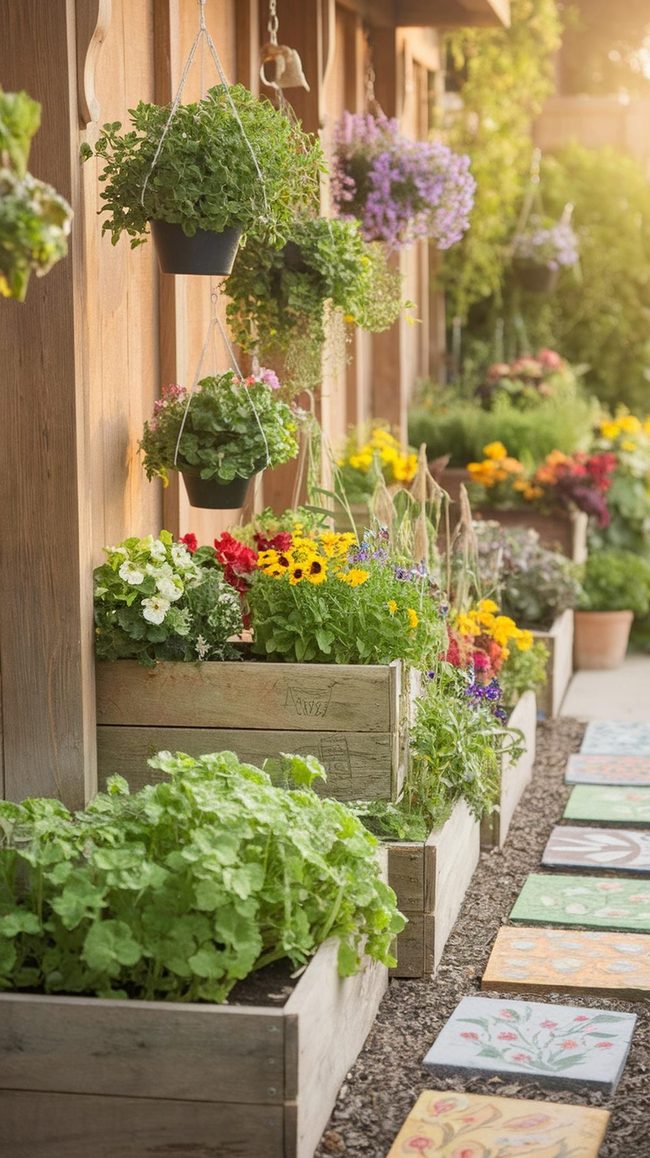
Garden design projects work best when homeowners embrace hands-on work and resourceful thinking.
Raised beds built from reclaimed wood catch light and anchor the space with structure.
Hand-painted flower pots add personality through color and pattern.
Hanging herb gardens from salvaged materials serve double duty by growing fresh plants while looking good.
Wooden crates transform into wall planters with minimal effort.
Old ladders become plant stands that add rustic charm and function.
We tend to overlook what's already around the house, yet these pieces offer both savings and a garden full of character.
Native Plants Budget Garden Transformation
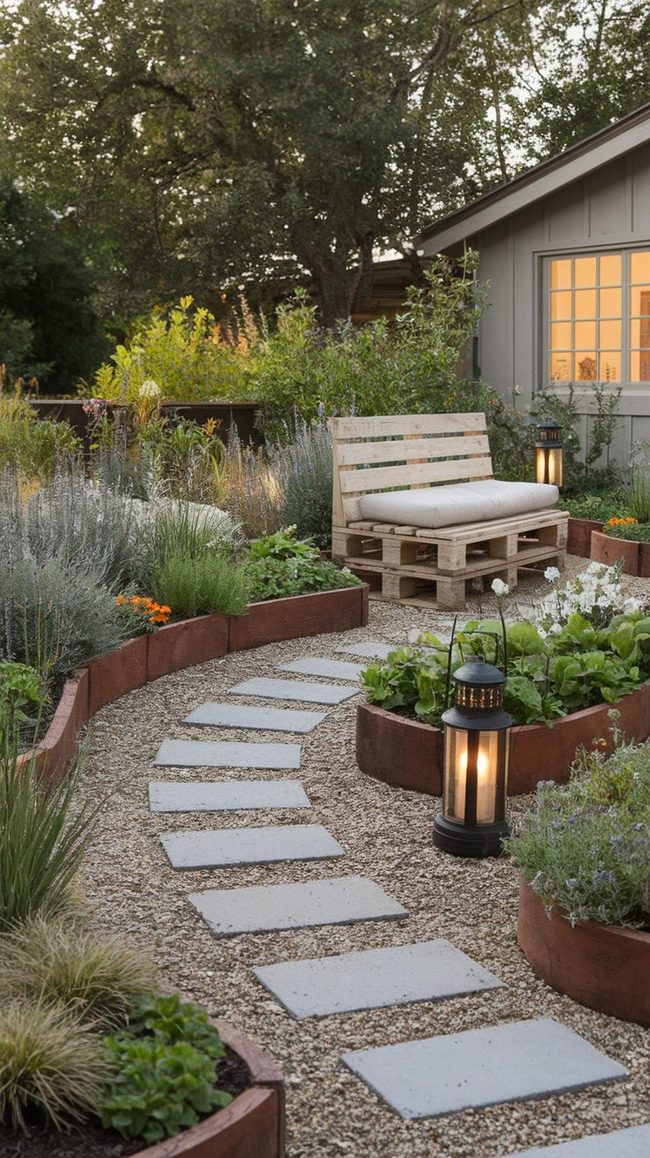
Creating a beautiful garden without spending a fortune starts with swapping costly plants for native varieties that thrive naturally in local soil.
Recycled materials and upcycled containers transform into planters, while simple pallet benches and gravel pathways deliver impressive results for minimal cost.
I believe fairy lights and solar-powered lanterns offer affordable ways to add evening ambiance without breaking the budget.
These budget-conscious choices prove that imagination matters far more than spending, and a thoughtful garden reflects personal creativity rather than financial investment.
Nighttime Garden Glows Underwater
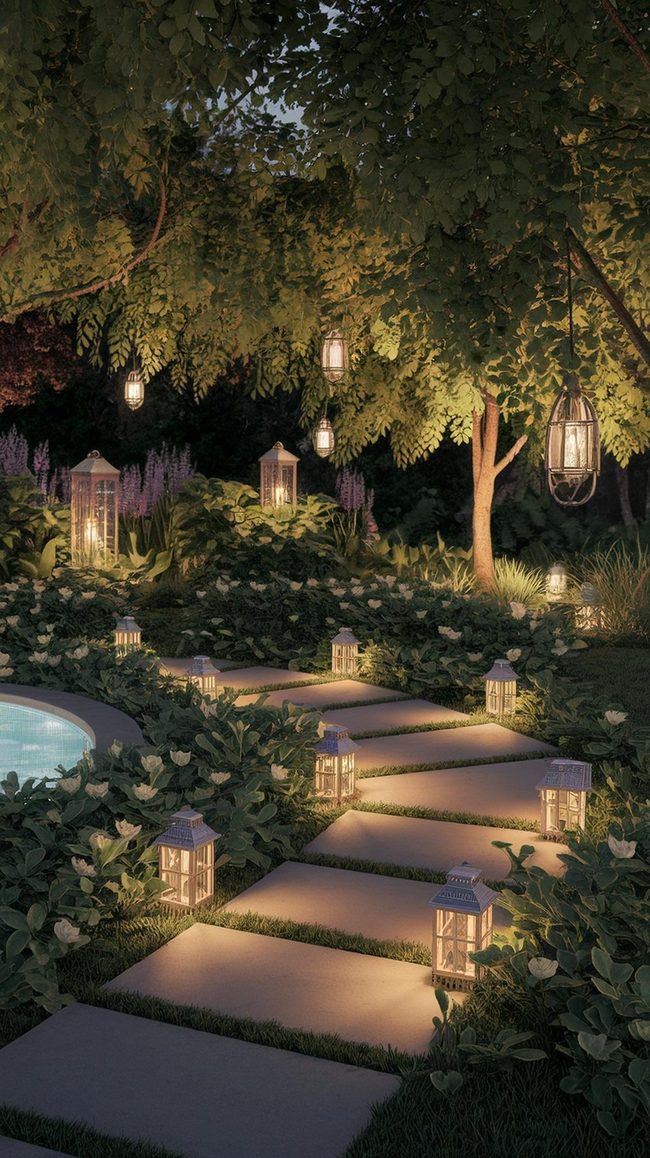
Spotlights shining on architectural plants and sculptures transform the nighttime garden into a dramatic landscape.
Water features glow beautifully when lit from below with underwater lights and fountains that shimmer in darkness.
String lights and lanterns draped throughout garden areas emit a warm glow that feels welcoming.
Pathway lights serve the wise purpose of brightening walkways for safe movement after sunset.
Solar and LED options power these features while keeping energy costs low and environmental impact minimal.
The part that works is how lighting solutions work on multiple levels, from safety to atmosphere.
Well-placed garden lights extend exterior enjoyment well into evening hours.
Green Wall Geometry With Climbing Vines
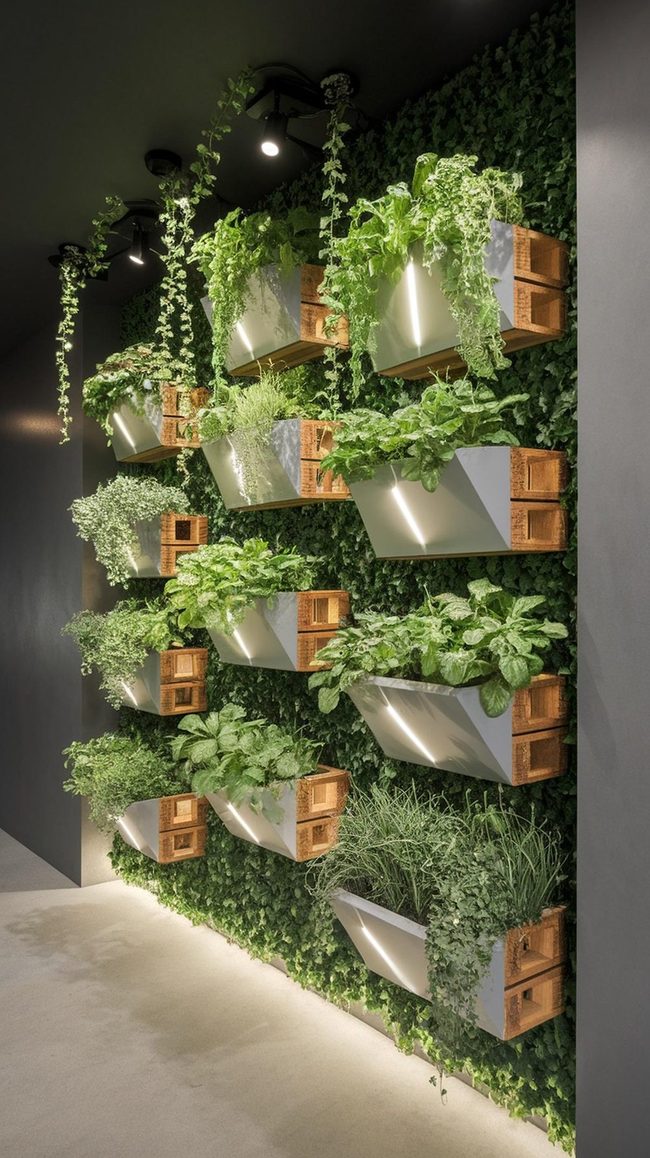
Vertical gardens transform limited spaces into lush green areas by embracing walls, fences, and trellises instead of spreading outward.
Geometric shelving paired with decorative pots and LED strip lighting creates a striking focal point that combines modern style with nature.
Hanging planters, stacked wooden pallets, and wall-mounted herb gardens stretch upward to maximize every inch of available height.
Climbing plants like jasmine, ivy, and wisteria drape gracefully across surfaces, adding movement and softness to the design.
This logic works well for small yards, balconies, and patios where ground space runs short.
I notice the care in how vertical gardens deliver both sustainability and visual interest without taking up much room.
The setup lets plants thrive while keeping the area functional and beautiful.
Year-Round Color Through Seasonal Planting
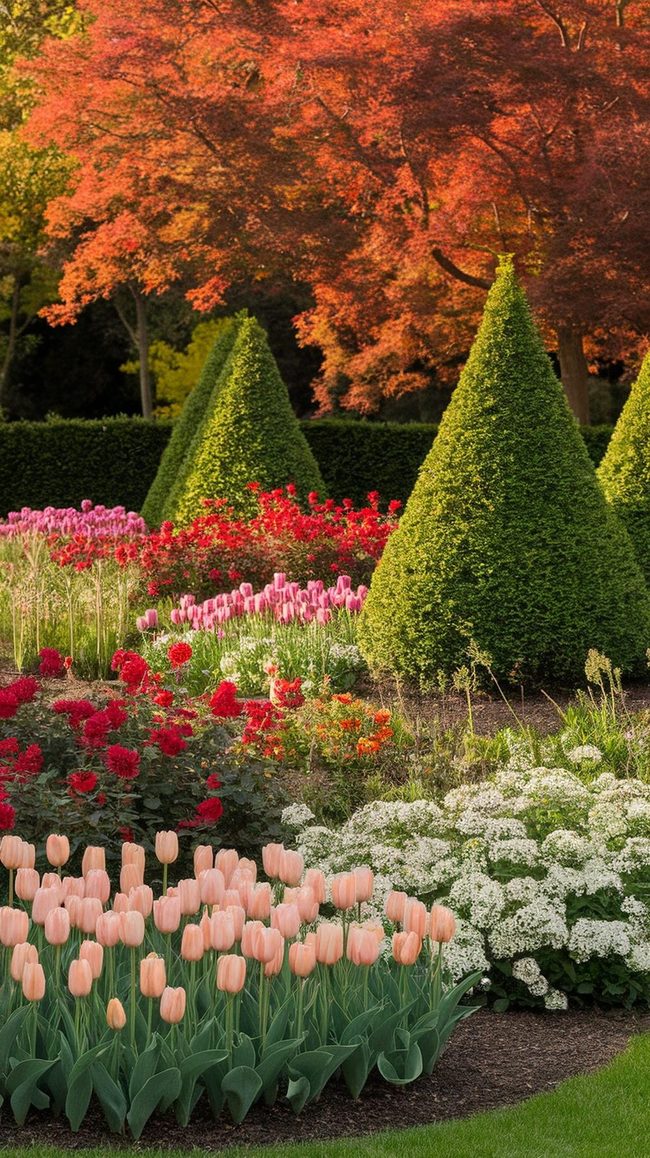
Planning a garden around the seasons keeps the landscape visually dynamic throughout the year.
Spring tulips and daffodils alive with color while summer brings lush roses and green foliage to fill the space.
Ornamental grasses mixed with maple trees add warm tones and movement during fall months.
Winter gardens stay interesting through evergreen plantings and structural elements.
I've seen how staggering flower beds so different blooms appear at different times maintains continuous color and interest.
Strategic placement of plants ensures the garden looks fresh and alive across all twelve months.
This layout enhances an outdoor space into a living calendar of natural beauty.
Green Barriers Creating Private Retreats
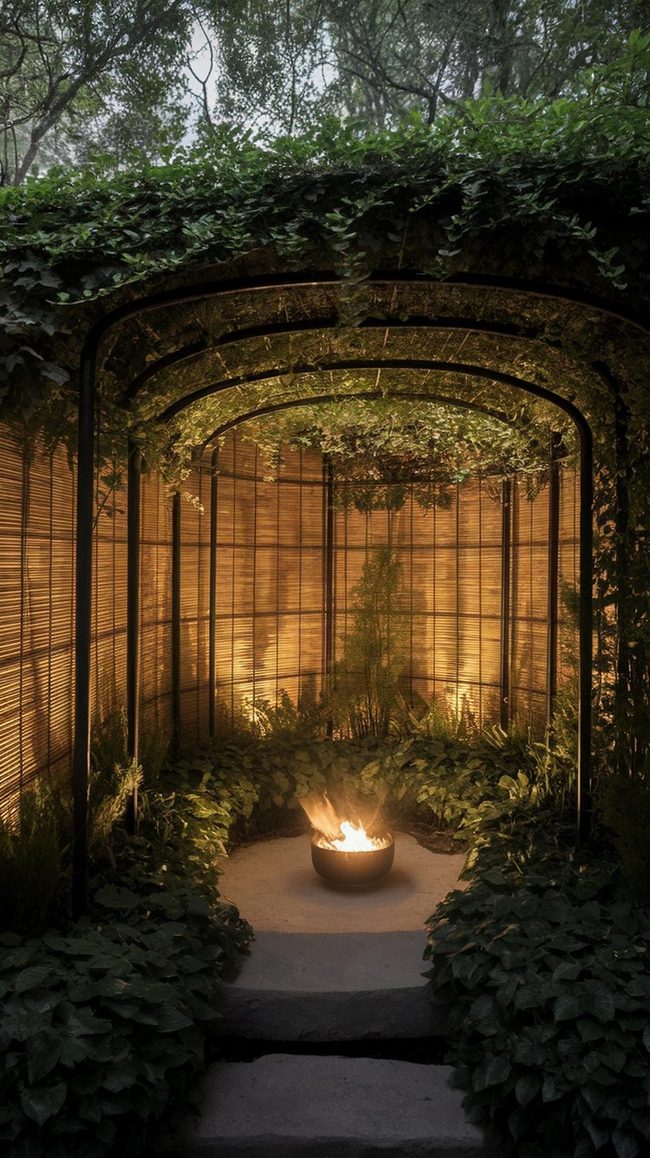
Tall hedges and floating bamboo screens form striking barriers that shield gardens from the outside world, while flexible pergolas draped with climbing vines serve as dramatic visual priorities overhead.
Small fire pits nestled among plants and fairy lights threaded through trellises establish an intimate atmosphere perfect for quiet evenings.
Layered plantings, softly defined exterior lighting, and strategically placed seating warm the space and make it feel genuinely lived-in.
Wood, stone, and plush cushions blend together to craft areas that feel both like personal retreats and welcoming exterior rooms.
I believe the best private gardens balance seclusion with comfort, letting people escape daily stress while enjoying their own peaceful sanctuary.
Green Walls For Tight Spaces
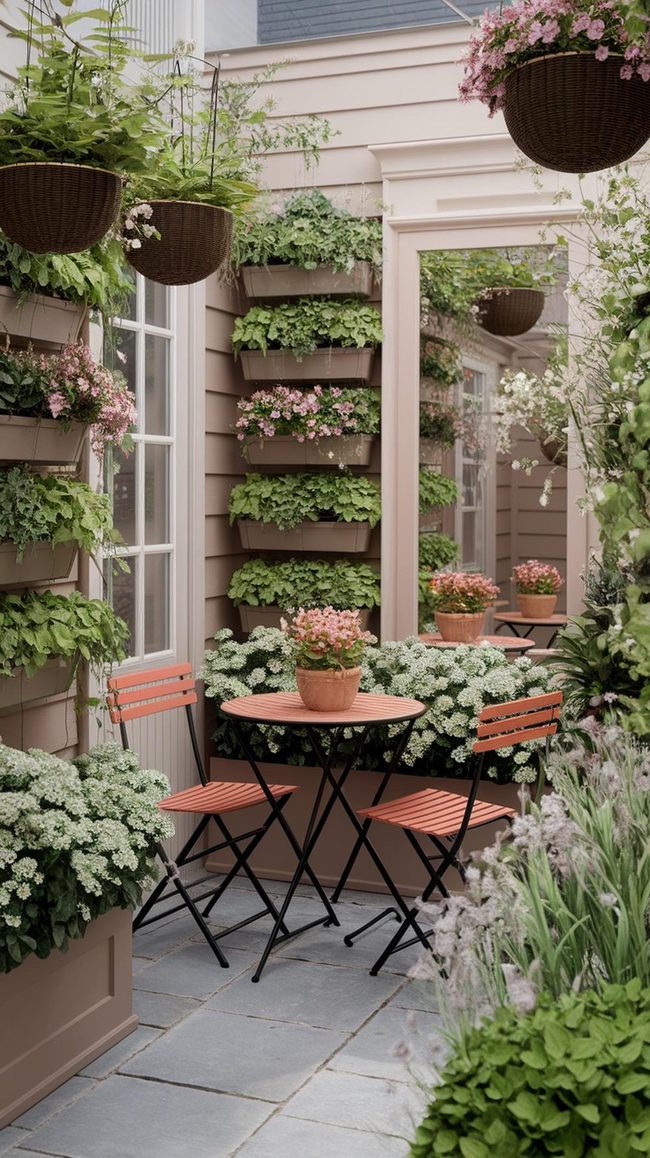
Vertical gardens with wall-mounted planters and hanging baskets transform cramped patio spaces into lush green retreats without consuming ground area.
Tiered flower beds stack greenery upward, keeping pathways clear and open for movement.
Mirrors and light-colored paving reflect light and expand the visual dimensions of small zones.
Compact furniture like foldable bistro sets or built-in wooden benches provide comfortable seating without overwhelming the layout.
Usually, that space-efficient designs make even tiny gardens feel like genuine patio escapes.
Strategic placement of these elements maximizes every available square foot.
Small patio areas deserve thoughtful planning to become functional and beautiful gathering spots.
Small Space Garden With Flowing Water
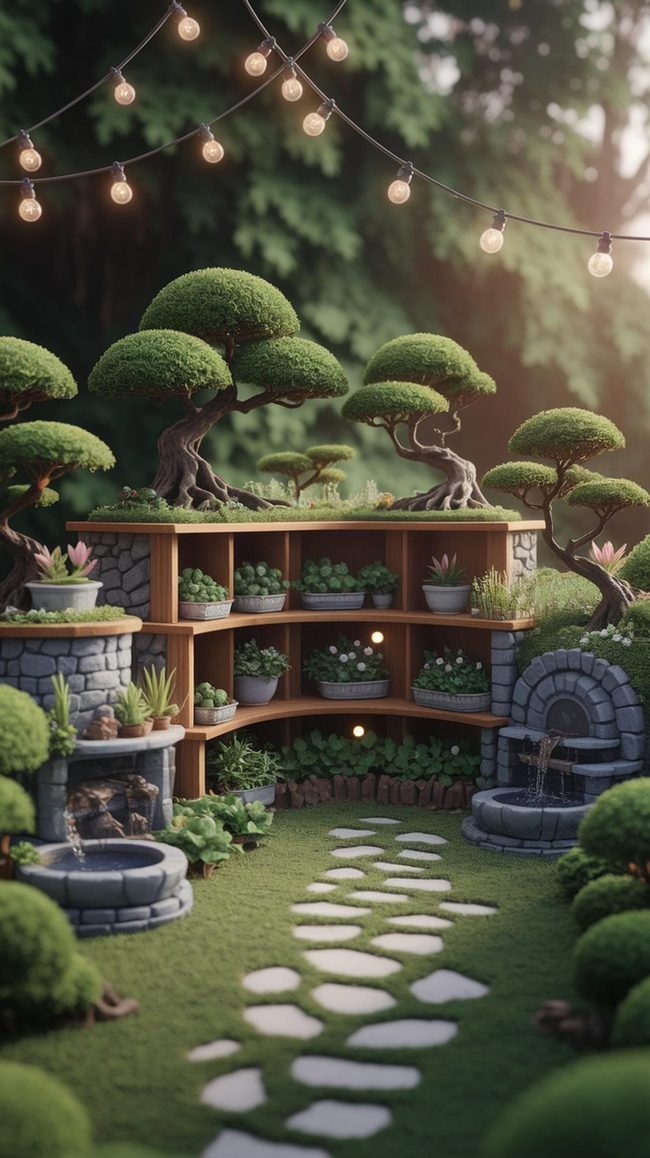
Miniature gardens work wonderfully for people with limited space, thriving on balconies, tabletops, or tucked into garden corners.
Oversized bonsai trees and luminaria mix dramatic central elements that command attention in these compact settings.
Compact flower gardens vibrate with color and personality, making even small areas feel lush.
Tiered shelving and hanging planters stack plants vertically, stretching visual interest upward without eating floor space.
Scaled-down stepping stones and garden ornaments maintain the garden's charm while fitting the miniature aesthetic.
A small tabletop fountain adds movement and sound, bringing calm and polish to the whole space, and In practice, these water features transform how a tiny garden feels to those who tend it.
Olive Trees And Lavender Garden Retreat
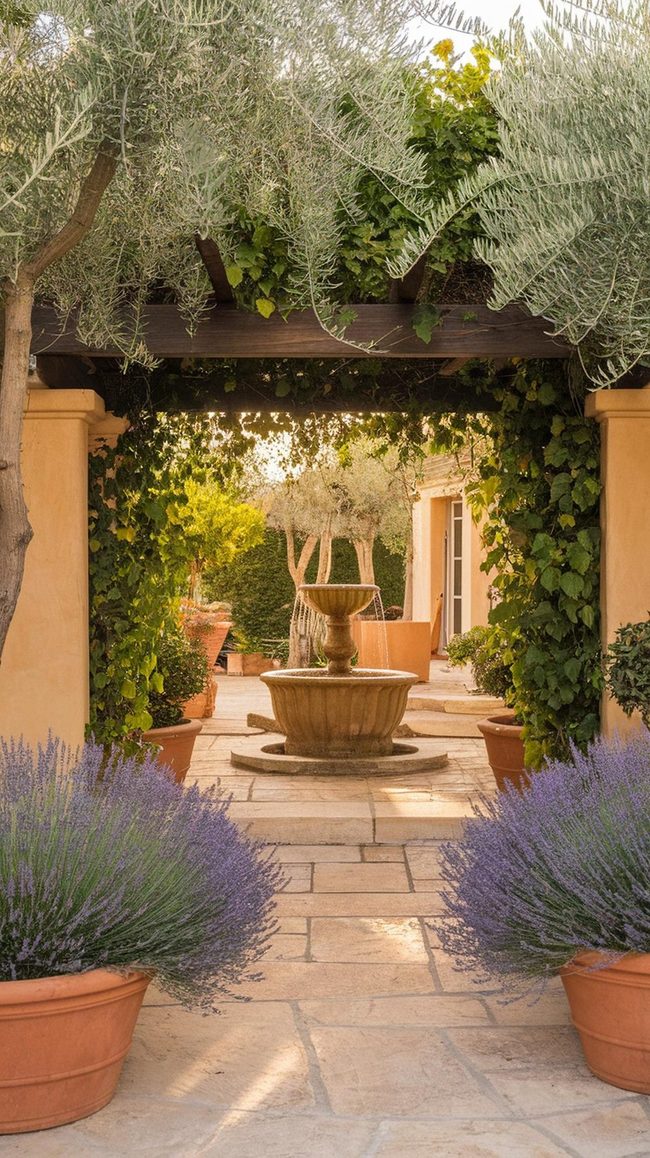
Olive trees and lavender plants birth a striking Mediterranean landscape with their natural beauty and fragrant aromas, while terracotta pots and whitewashed walls add authentic visual charm throughout the space.
Pergolas with climbing vines overhead form shaded retreats and serve as points of emphasis, with wooden beams supporting lush greenery that filters sunlight beautifully.
Water fountains positioned near seating areas bring cooling sounds and movement to the garden design.
Drought-resistant plants and rustic stone flooring keep maintenance low while maintaining that timeless Mediterranean feel.
I notice how this style combines earthy colors with hardscaping elements to build a connected in layout exterior living space.
Lavender, rosemary, and other herbs grow easily in dry conditions and reward gardeners with culinary and aromatic benefits.
Stone pathways, wooden shade structures, and water features relate within the composition naturally in warm climates, establishing an snug exterior room that captures the essence of Mediterranean coastal living.
Sustainable Garden With Drought-Resistant Plants
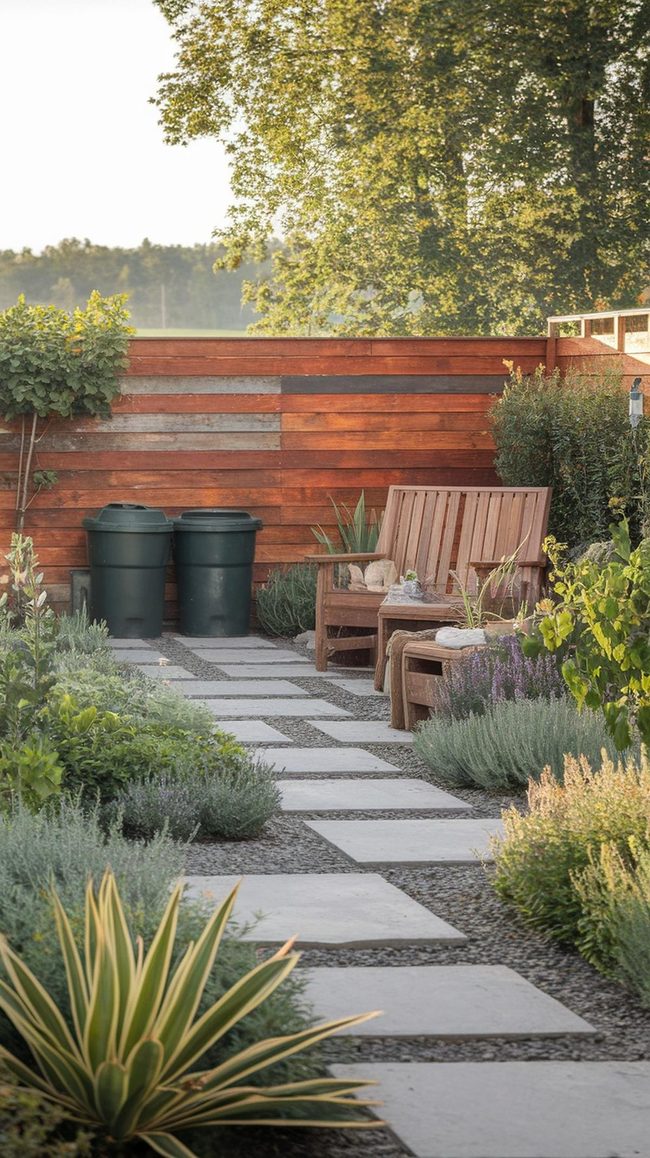
Striking landscape designs using drought-resistant plants eliminate the need for constant watering and save resources.
Rain barrels and drip irrigation systems deliver water directly where plants need it most.
Composting and organic gardening methods build healthy soil that sustains growth naturally.
Upcycled furniture and reclaimed wood become garden structures while keeping waste out of landfills.
Local plants thrive in their native environment and require far less maintenance than exotic species.
I believe sustainable gardens prove that eco-friendly choices and beautiful garden spaces go hand in hand.
These approaches click to show landscapes that benefit both your home and the planet.
Purple Wisteria Garden Connection
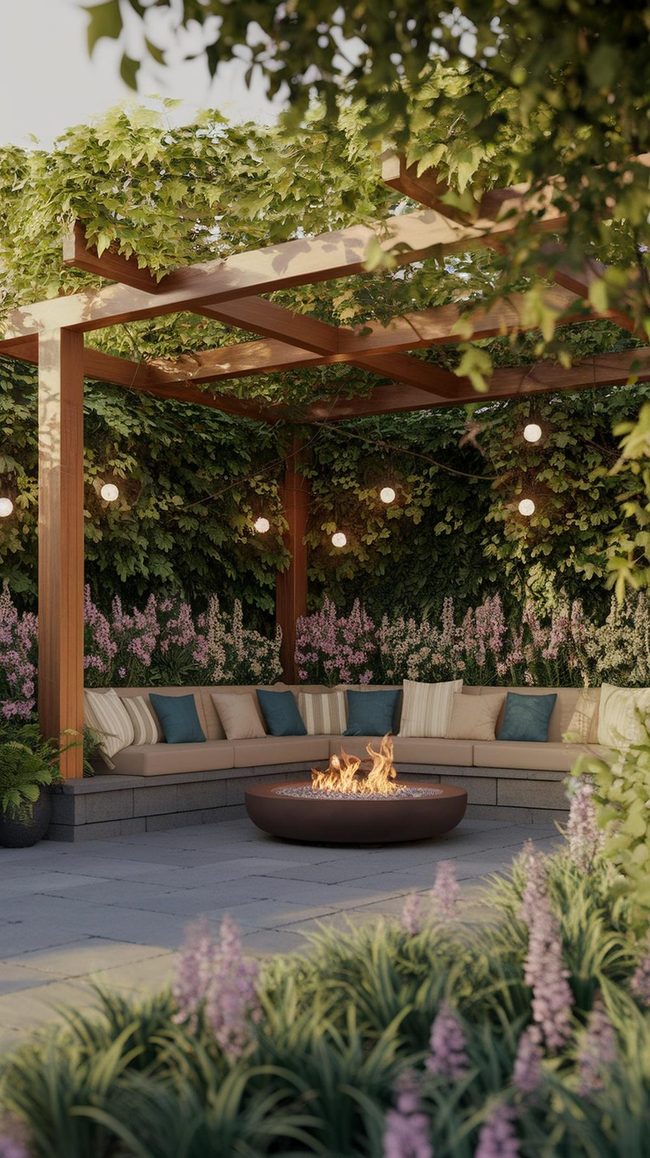
Well-designed garden connects seamlessly with your home while balancing both function and aesthetics.
Water features and pergolas draped in wisteria serve as striking key features that anchor the space.
Around these features, layered plant textures and climbing vines build visual interest and depth throughout the landscape.
Seating arranged near a fire pit creates an engaging gathering spot for relaxation and warmth during cooler evenings.
DIY elements like repurposed planters, gravel pathways, and vertical trellises add character while keeping costs manageable.
Notably, that combining these components with patience results in a garden that feels both personal and polished.
Whether the space is large or modest, thoughtful placement of across every component refreshes outdoor areas into extensions of home living.
Raised Wood Beds Packed Tomatoes
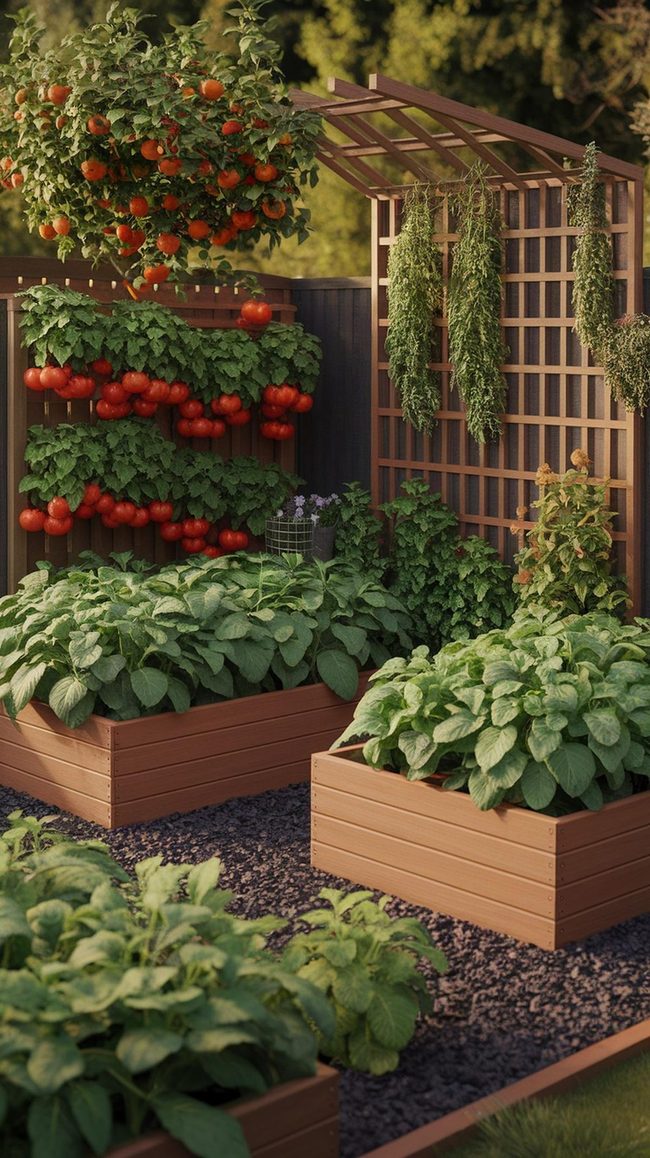
Raised wooden beds packed with tomato plants yield an immediate visual focal point in any garden space, while wall-mounted vines and trees add height and structure overhead.
Small fruit trees like miniature apples or lemons serve double duty, offering both cooling shade and fresh harvests throughout the season.
Positioning herbs near yard dining areas makes grabbing fresh ingredients simple and fills the space with wonderful aromas that diners enjoy.
Companion planting, placing vegetables, fruits, and flowers strategically beside one another, boosts production naturally and keeps pests away without extra chemicals.
Growing edible plants mixed into your landscape maximizes even tight spaces and rereveals ordinary yards into productive growing zones.
Stone Pathways Guide Garden Spaces
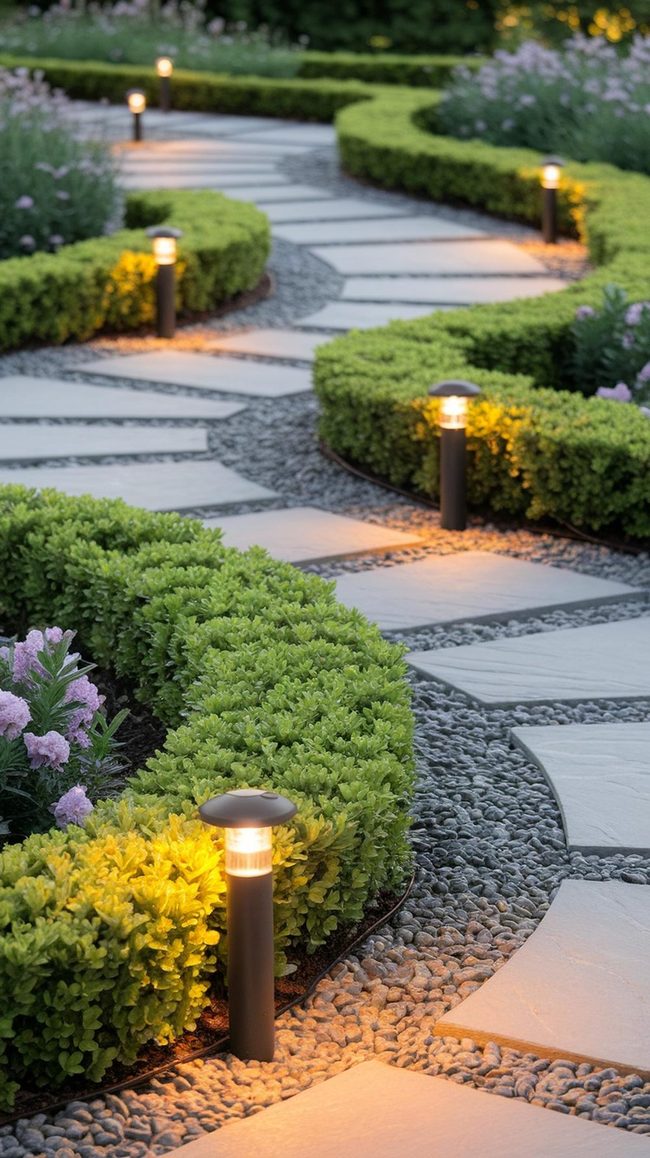
Garden pathways made from natural stone, brick, or gravel serve as both functional routes and visually clear dominant features that elevate the entire landscape.
Low shrub borders, flowering edges, and decorative stone trim define spaces with crisp lines and visual interest.
Curved paths evoke a relaxed, natural atmosphere while straight, symmetrical designs convey modern formality.
Solar-powered lights along pathways add nighttime sparkle and safety.
I believe well-designed pathways connect the garden's different zones and guide visitors through the space with intention and beauty.
Zoned Garden Space With Multiple Activity Areas
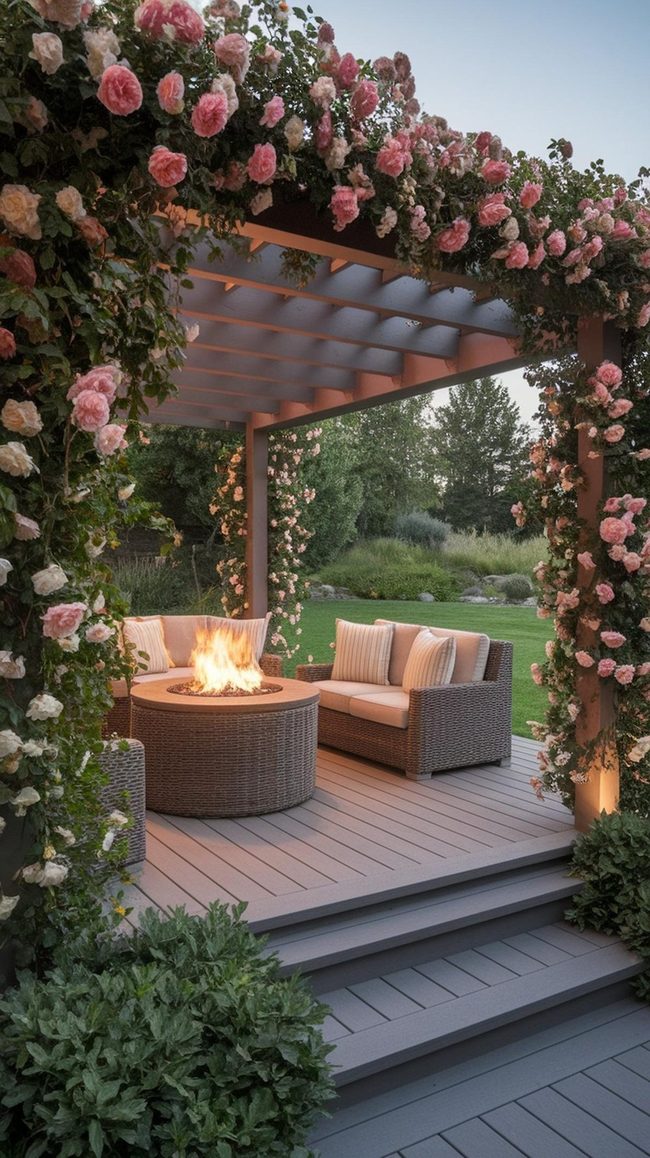
Backyard gardens shine brightest when they feature distinct zones for different activities, like a rose-covered pergola or a fire pit surrounded by comfortable seating.
These separate areas let household members enjoy the space in their own ways, whether relaxing quietly or gathering together.
A lush outside terrace nestled among greenery creates a peaceful retreat from daily life.
Well-defined zones make the garden feel more spacious and purposeful.
Dividing the yard into functional sections takes some planning but pays off quickly.
Personally, the best gardens blend beauty with flexibility.
Adding pathways between zones helps people move through the space naturally and discover new spots to enjoy.
Lavender And Succulent Container Garden
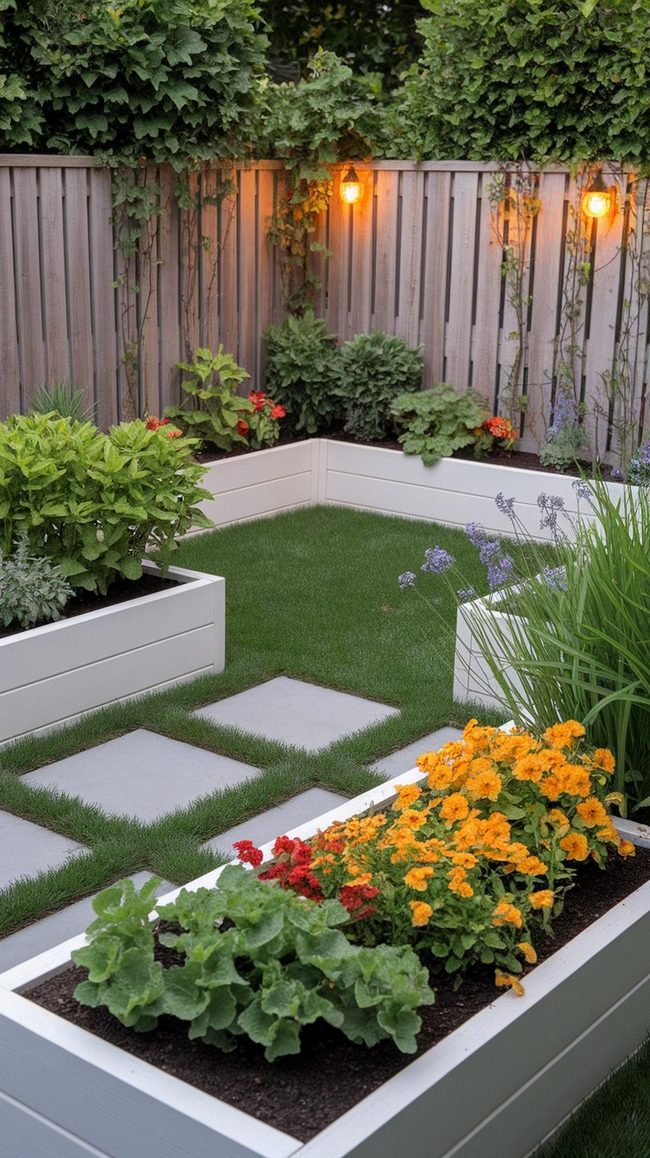
Raised garden beds packed with lavender, succulents, and marigolds shape an immediate focal point that revamps any exterior space.
Solar-powered lights scattered throughout the garden catch the eye while keeping maintenance simple and manageable.
Container planting works well for beginners since it keeps plants contained and organized without overwhelming effort.
Gravel paths or small grass areas break up the plantings and guide movement through the space.
A clean, uncluttered layout makes the whole garden feel peaceful and easier to tend.
It appears that that sticking to low-maintenance perennials from the start removes much of the stress new gardeners often face.
Starting with these basics gives beginners confidence to expand their garden designs over time.
White Roses And Symmetrical Garden Lines
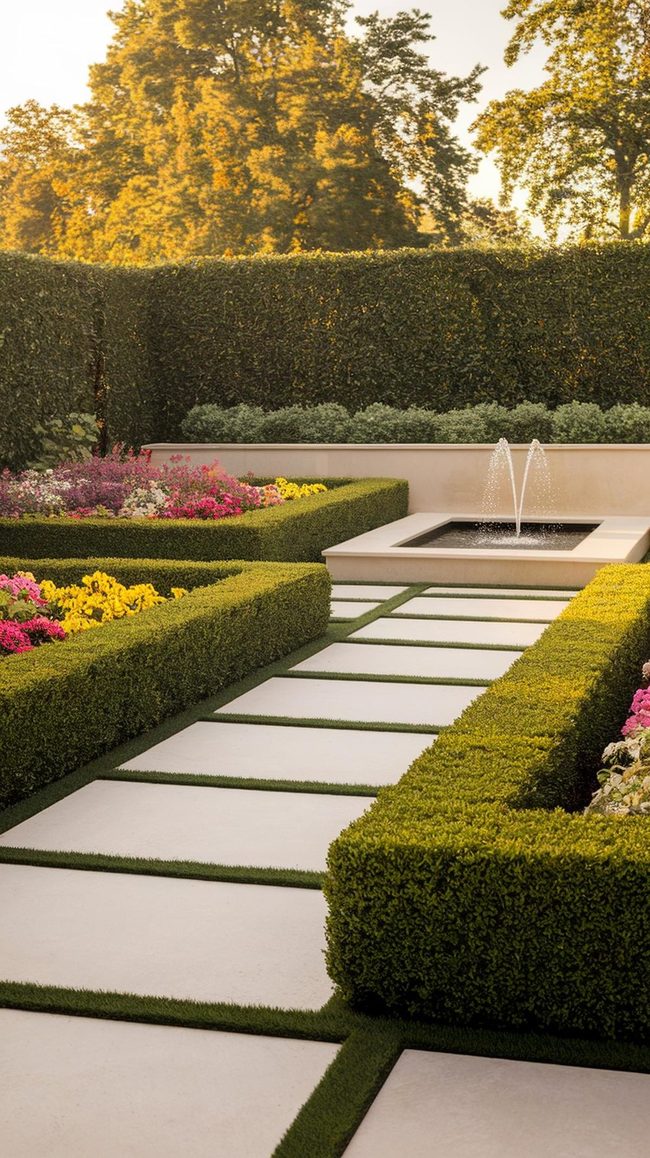
Clean lines and symmetrical layouts form the foundation of garden spaces that feel both refined and ageless.
Pruned shrubs stand alongside evenly spaced flower beds and streamlined pathways that guide movement without clutter.
White roses paired with deep green foliage draw a restrained color palette that feels sophisticated and exclusive.
A minimalist fountain or reflecting pool anchors the space and establishes a sense of peaceful solitude.
Such gardens appeal to those drawn to understated beauty and calm aesthetics.
I enjoy the way these designs prove that less truly does more in patio spaces.
Timeless gardens like these remain lovely for years without needing constant updates or trendy additions.
Flowing Water Features Garden Elegance
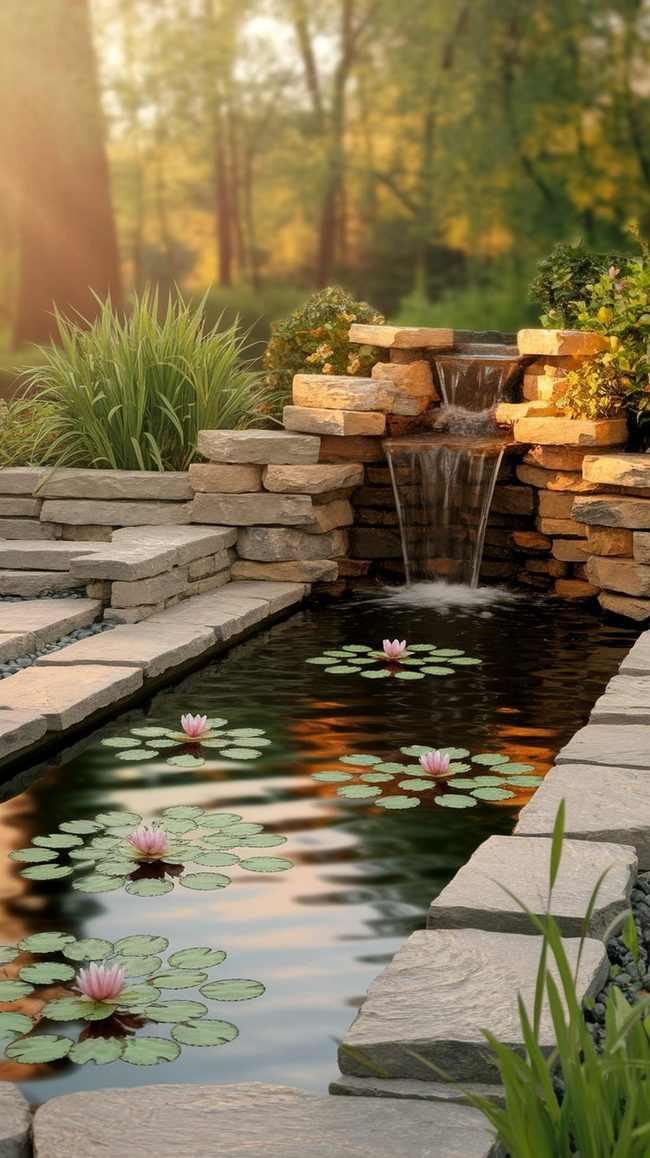
Waterfalls and flowing streams fill gardens with captivating movement and soothing sounds that instantly elevate any outdoor space.
Reflecting pools bordered in stone offer a clean-lined, polished look that complements modern designs, while traditional birdbaths and koi ponds bring quieter charm and natural appeal.
Water lilies floating on the surface add planted beauty and blend seamlessly with the surrounding landscape.
Different water feature styles, from minimalist designs to ornamental cascades, suit various garden aesthetics and preferences.
Beyond appearance, the gentle sound of moving water creates a peaceful atmosphere that rereveals how the space feels.
Designers often see that even simple water elements shift the entire garden's energy and draw people outside more often.
Consider starting with one feature that matches the garden's current style and expanding from there.
Family-Friendly Open-Air Play Zone
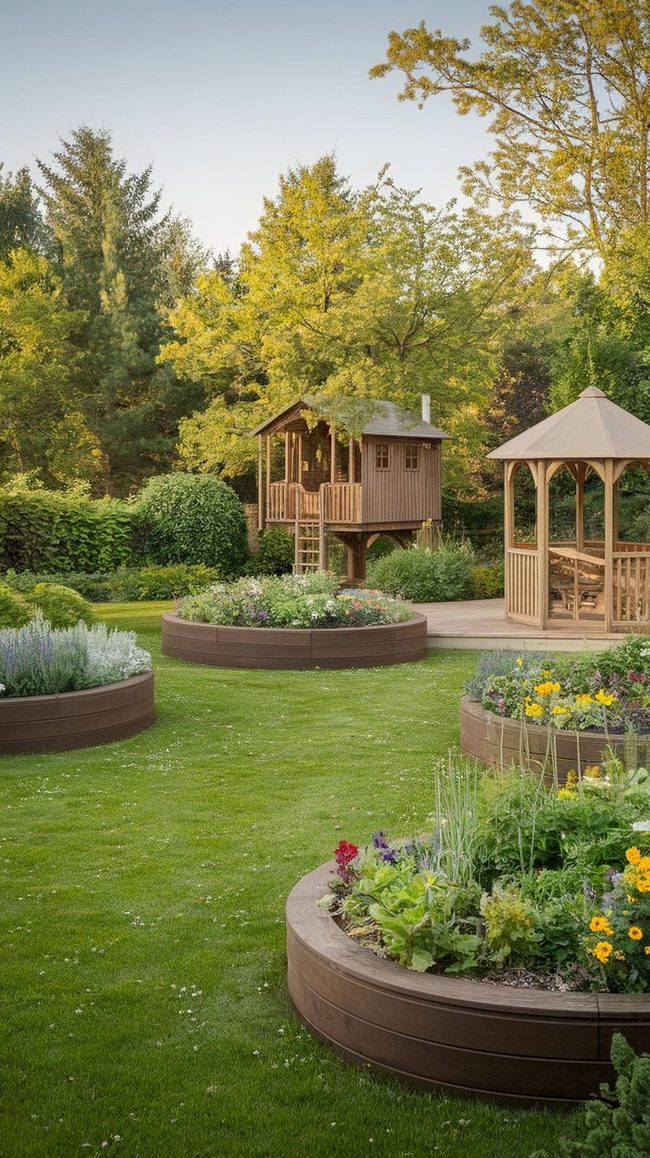
Gardens designed for families thrive when they balance fun, relaxation, and beauty across the landscape.
Open grass areas give children room to run and play freely, while designated zones with swings or treehouses keep them happily occupied.
Raised flower beds and vegetable patches let kids get their hands dirty and learn where food comes from.
A shaded pergola or gazebo becomes the heart of the space, perfect for yard meals and time together.
Safety matters most, so choosing non-toxic plants and sturdy furniture ensures everyone can enjoy the garden without worry.
I believe these simple elements come together to make a backyard that works for the whole family.
Gray Concrete Garden With Sculptural Plants

Modern gardens stand out through bold geometric shapes and clean lines that make smart use of space and light.
Structured gravel beds, monochromatic paving, and a mix of tall and short plants with sculptural forms yield visual interest across the landscape.
Materials like concrete, black metal, and glass bring contemporary materials into the patio space.
Large ceramic pots, LED lighting, and smart irrigation systems add both aesthetic appeal and real function.
This design approach works well for those seeking organized, uncluttered spaces that still feel distinctive.
I find it helpful that modern gardens balance minimalist principles with enough personality to avoid feeling cold or sterile.
It's an ideal choice for anyone drawn to clean design with real substance.
Wooden Fence Garden Sanctuary
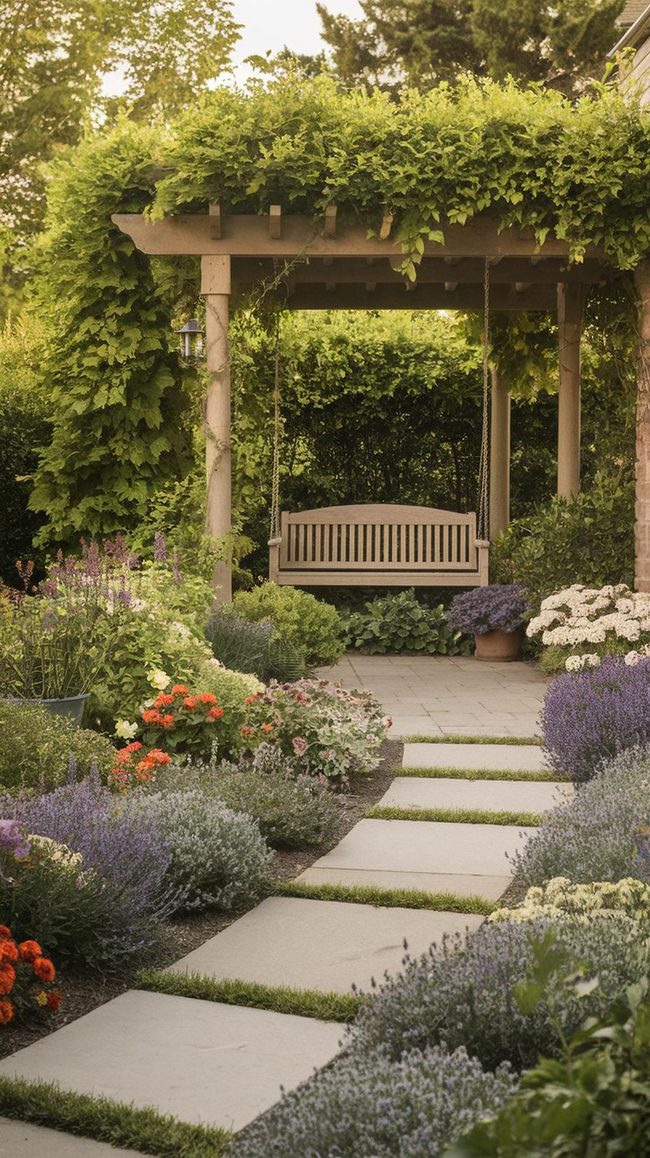
The wooden fence paired with tall plants and flowers polishes a backyard into a private retreat that feels removed from the outside world.
Layered features like tiered steps and raised garden beds add visual depth and interest to otherwise flat space.
A pergola overhead combined with a hanging swing or hammock creates an intimate spot for relaxation.
Stone pathways and natural elements give the space a clear sense of order while maintaining balance throughout the landscape.
The result is a balanced in structure patio space that feels both organized and connected to nature, and Personally, these layers work best when they flow from one area to the next.
Wooden Bench Beneath Garden Canopy
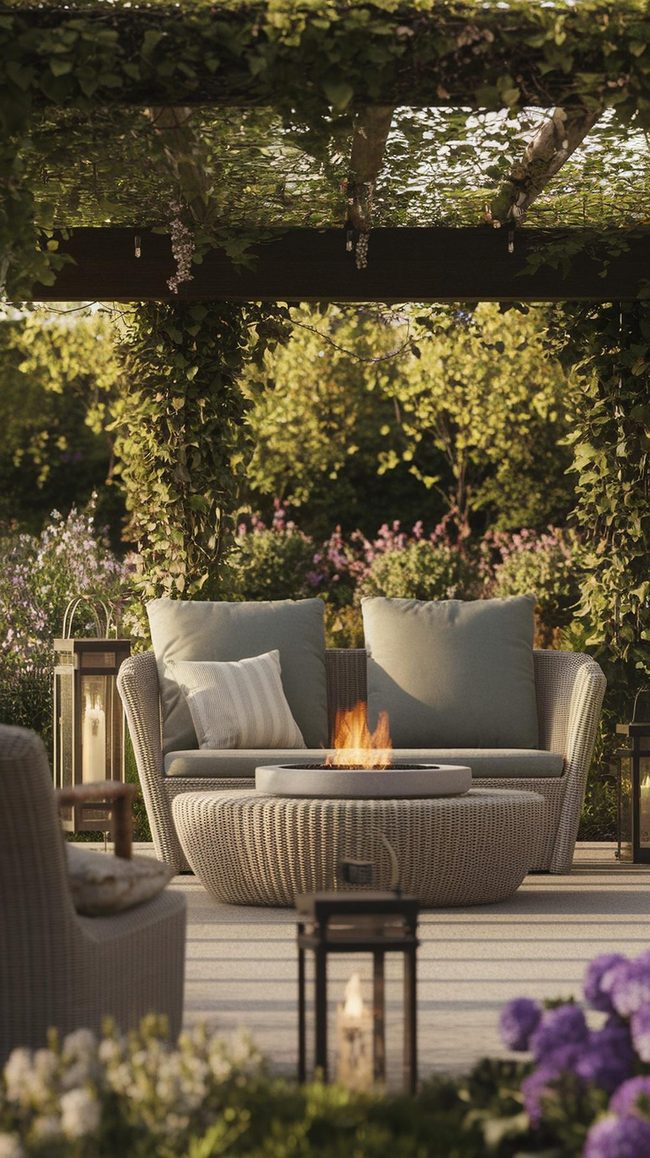
The wooden bench nestled beneath tree branches or a rattan set with modern lines polishes a garden into a real retreat where people actually want to linger.
Fire pits offer warmth for evening gatherings, while pergolas draped in climbing vines and retractable canopies provide shelter from the sun.
Cushions and hanging lanterns add comfort and atmosphere to sitting areas.
I believe positioning seating to overlook flower beds, water features, or open lawn creates both visual interest and peaceful relaxation.
These thoughtful arrangements turn ordinary patio spaces into destinations for genuine rest and connection with nature.
Green Pathways Divide Structured Spaces
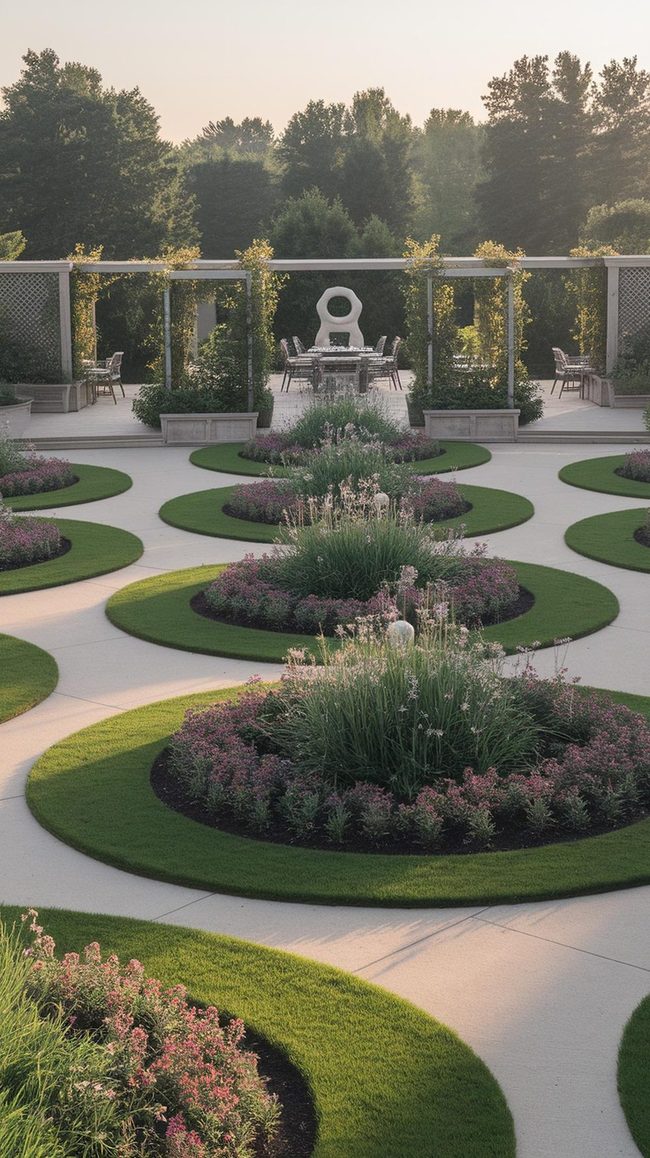
That well-planned garden layout brings both function and beauty together, with distinct zones for dining, relaxation, and growing plants that work in harmony.
Curved pathways guide movement naturally while symmetrical plantings give structure and definition to the space.
Overall, that hedges and trellises, inspired by traditional British garden design, make areas feel separated and the whole garden appear more expansive.
Central elements like sculptures and seating spots anchor the design and bring the space into alignment visually.
Thoughtful placement of these elements ensures the garden feels balanced and connected throughout.
Purple Flowers Feed Wildlife Garden
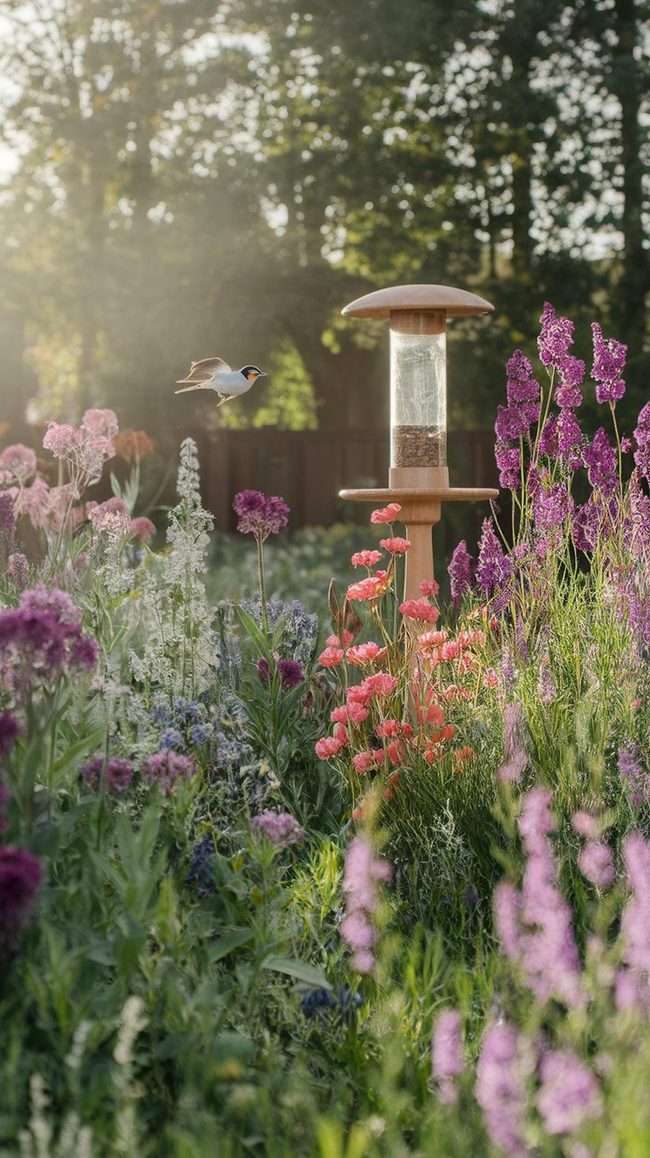
Filled with natural light flowers like lavender and buddleia draw bees and butterflies directly to the garden while berry-bearing shrubs provide essential food sources for wildlife.
Bird feeders, insect hotels, and small ponds show shelter and nourishment for various species throughout the seasons.
Native plants thrive better than exotic varieties and support local ecosystems more effectively.
Avoiding pesticides and plastics keeps the environment safer for all creatures living in the space.
A balanced mix of food sources, shelter, and plants keeps the garden healthy, just as birds need the right conditions to flourish.
I believe every healthy garden starts with understanding what local wildlife needs to survive and thrive there.
Designing with these natural requirements in mind makes the whole space feel more connected to nature.
Layered Plants With Mosaic Pathways
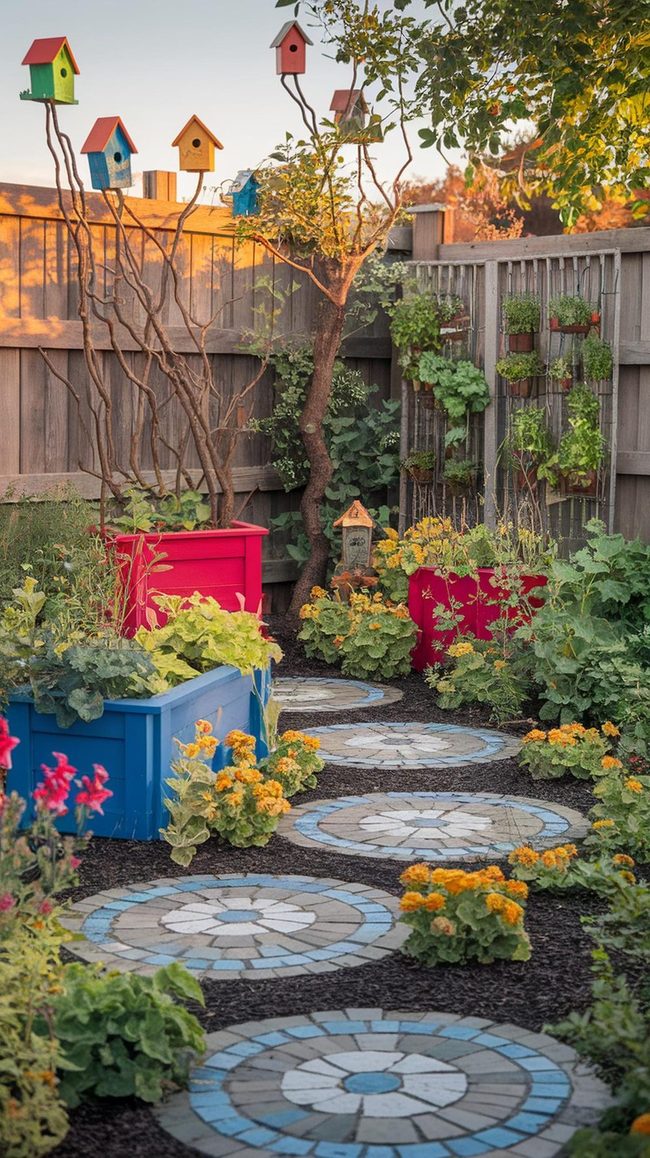
Garden truly comes alive when you layer plants at varying heights and add unexpected elements like repurposed furniture transformed into plant stands and colorful birdhouses dotting the landscape.
Mosaic pathways wind through the space, drawing the eye downward while statues, whether original pieces or replicas, anchor different areas and add visual interest.
Handpicked pots and containers complete the design, making the whole space feel distinctly personal.
I believe the best gardens happen when creative choices override conventional rules, allowing personality to shine through every corner.
Zen Garden With Raked Gravel Design
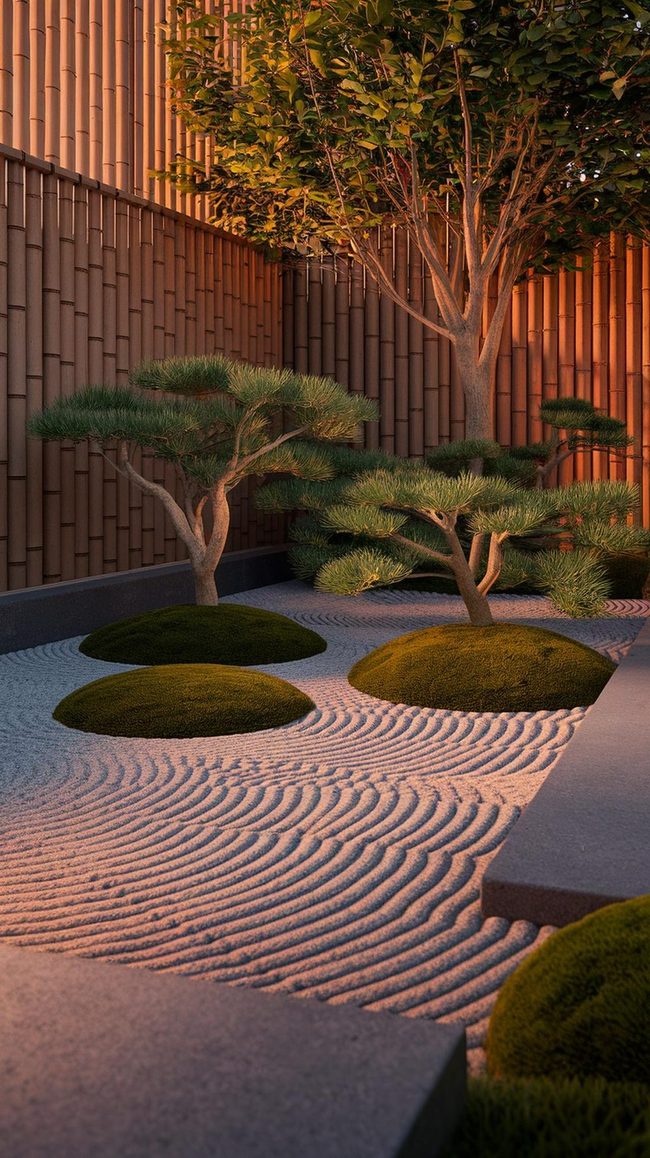
Raked gravel patterns and with focus positioned rocks form the striking foundation of a Zen garden, often framed by bamboo fencing to enhance the peaceful atmosphere.
Water features and moss-covered stones work alongside bonsai trees to deepen the sense of calm throughout the space.
Wooden benches and airy lighting provide natural spots for sitting and meditation.
This garden style draws inspiration from Japanese tradition, where such spaces have long served as places of solace and mindfulness.
The part I enjoy is how the minimalist design principles make these gardens ideal for anyone seeking a meditative patio retreat.
Simple lines and balanced composition transform even small areas into tranquil havens.
The overall effect creates a space that encourages reflection and inner peace through its understated beauty.
Cascading Water Through Stone And Bamboo
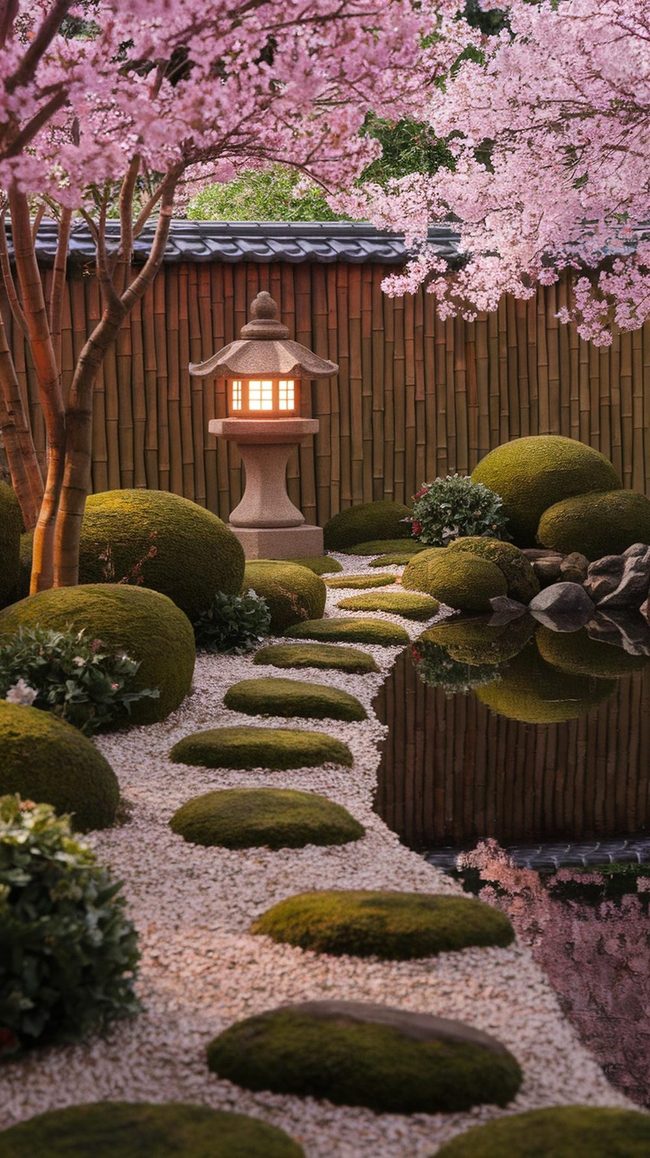
Japanese gardens embody balance, simplicity, and serenity through a harmonious blend of water features, rocks, and plants arranged with refined architectural elements.
Cascading streams and gravity-fed water forge the most striking visual presence, drawing the eye through the landscape with movement and sound.
Walking paths made from mulch wind gently through the space, guiding visitors on a meditative journey.
Cherry blossoms and Japanese maples provide seasonal color and visual interest as the year progresses.
Bamboo hedges and evergreen plants maintain the garden's peaceful, Zen-like quality throughout all four seasons.
Simple grassy areas balance the planted spaces and offer room for quiet reflection.
The part that works is how these low-maintenance, organic landscapes work in both private residences and larger settings, proving that tranquility doesn't require complexity.
Stately Hedges And Stone Walkways
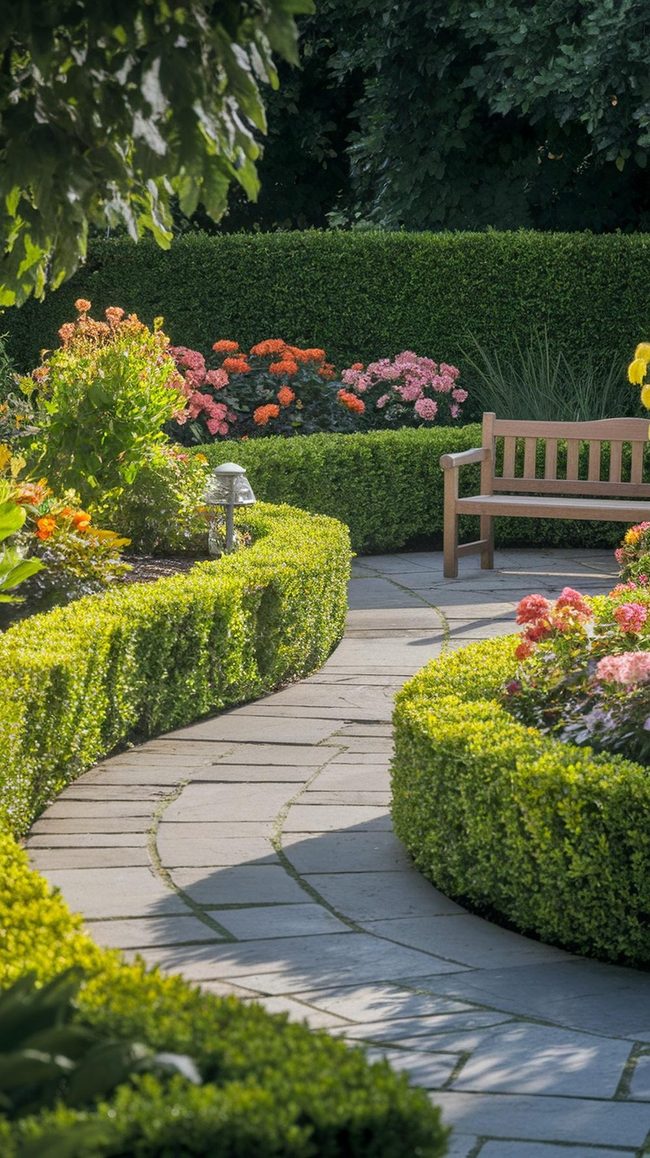
Front garden's first impression comes from bold architectural elements like neatly trimmed hedges and stone pathways that ground the space.
Layered plantings mixing evergreen shrubs with seasonal flowers keep the garden looking fresh throughout the year.
Plush pathway lighting serves dual purposes, illuminating the walkway while adding warmth and safety to evening arrivals.
A simple garden bench positioned thoughtfully offers a quiet spot to pause and enjoy the surroundings.
Whether leaning toward modern clean lines or romantic flower-filled beds, the key is finding balance between structure and natural growth.
This works because these elements work separately while preserving combine to welcome visitors before they even reach the door.
Small touches like these transform an ordinary entrance into a thoughtful reflection of the home.
Stone Pathways Through Green Hedges
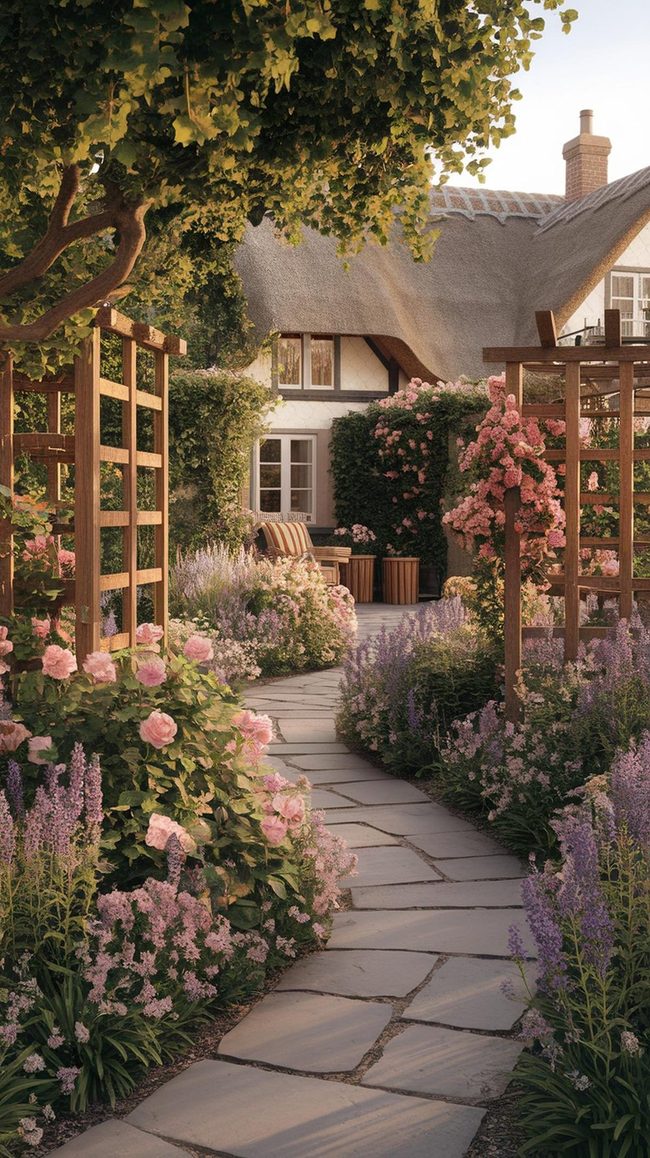
British gardens blend classical and modern elements to shape well-resolved garden spaces.
Towering hedges trimmed into neat shapes stand alongside flower borders bursting with colorful blooms, while stone pathways and flagstone sections wind through the landscape.
Low-growing perennials mix with multi-trunked evergreen shrubs to keep gardens green year-round.
Raised beds and wooden trellises add warmth and familiar charm to the setting.
I notice the way vintage-inspired decorative touches enhance the overall appeal.
Choosing weather-resistant furniture and planting varieties suited to damp conditions prevents rust and ensures plants thrive despite Britain's moist climate.
This combination of thoughtful plant selection and appropriate materials keeps maintenance manageable while maintaining a polished, attractive garden.
Low Maintenance Stone Garden Path
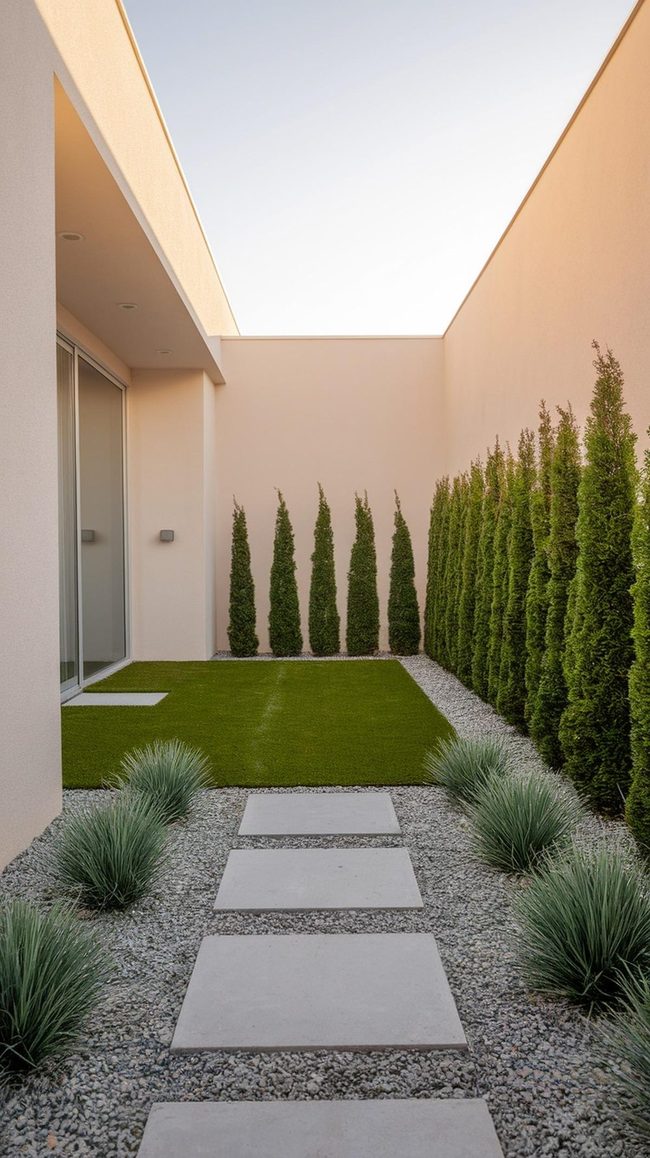
Gravel and stone paths replace grass that demands constant upkeep, offering the most noticeable shift in garden maintenance.
Drought-tolerant perennials, artificial grass, and self-watering pots slash water needs dramatically.
Low-drop trees work well in small spaces without overwhelming the area.
An automatic irrigation system handles watering on its own, eliminating daily chores.
For busy people, this combination of elements renews a garden into a peaceful retreat.
Observation shows that mixing these approaches creates garden spaces that look good and stay manageable year-round.
Olivia Martinez
Founder & Principal Designer
Expertise
Sustainable Interior Design, Residential and Commercial Space Planning, Historic Preservation and Adaptive Reuse, Custom Furniture Design, Project Management
Education
Parsons School of Design, New York, NY
LEED Accredited Professional (LEED AP)
Olivia Martinez is the founder of Archi Refresh, where she brings style and sustainability together. With a degree from Parsons School of Design and a LEED certification, she’s all about creating beautiful, eco-friendly spaces.
With over eight years in the industry, Olivia has designed everything from cozy homes to commercial spaces, always putting function and sustainability first. She loves working with local artisans and has been featured in design publications for her fresh take on green living.
When she’s not designing, Olivia enjoys exploring historic architecture, painting, and spending time with her rescue dogs, Luna and Max.