
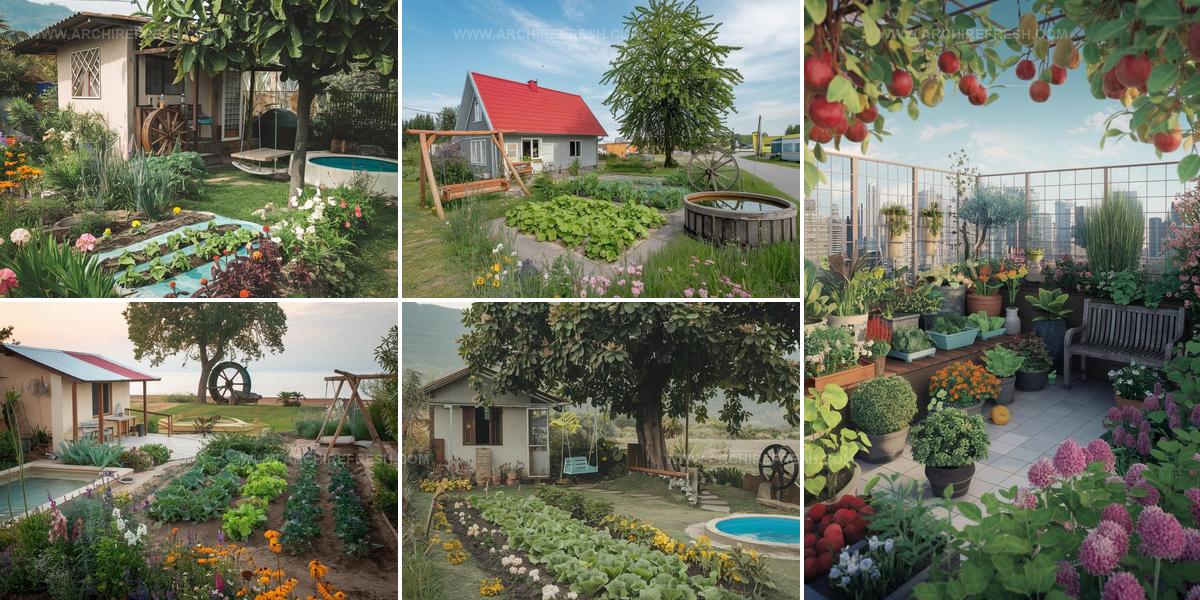
18 Fresh Vegetable Garden Ideas for Your Backyard Space
Growing a vegetable garden opens doors to fresh produce right outside the back door.
Homegrown tomatoes taste better than store-bought versions, and harvesting carrots brings satisfaction money cannot buy.
Planning the layout requires consideration of sunlight patterns, soil quality, and available space in any yard.
Small plots can yield impressive amounts of food when organized efficiently with companion planting techniques.
Containers work well for renters or those with limited ground area who still want fresh herbs and greens.
The benefits extend beyond nutrition since tending plants reduces stress and connects you with natural cycles.
Begin planning today and watch edible abundance flourish in the months ahead.
Staked Tomatoes Produce Bigger Harvests
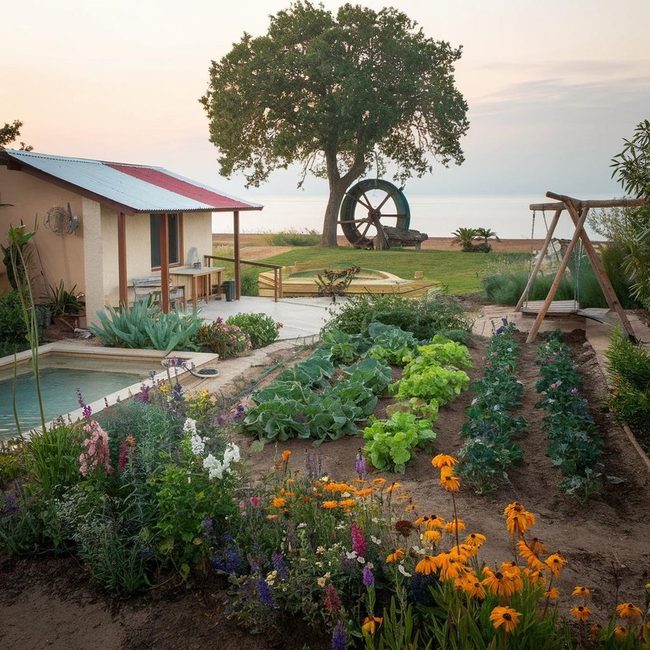
Tall plants like tomatoes and peppers need staking or caging so they stay upright and don't collapse under their own weight, and this support system makes a real difference in how much fruit you actually harvest.
Removing extra leaves from your vegetables might seem counterintuitive, but it opens up space for air to flow through the plant and keeps moisture from sitting on the foliage where disease can take hold.
We know that when plants get crowded with leaves, they become more prone to fungal issues and other problems that hurt your yield.
Pruning also directs the plant's energy toward producing fruit rather than maintaining unnecessary growth, so you end up with healthier specimens overall.
Simple stakes work great for many plants, while cages offer more support if you're growing plants that get particularly heavy with produce.
Many gardeners find that even just checking on their plants once a week and removing dead or damaged leaves keeps things moving in the right direction.
Your effort in these basic maintenance tasks pays off when you're harvesting more vegetables than you expected, and the plants themselves look noticeably better throughout the season.
Seasonal Crop Movement Terrace System
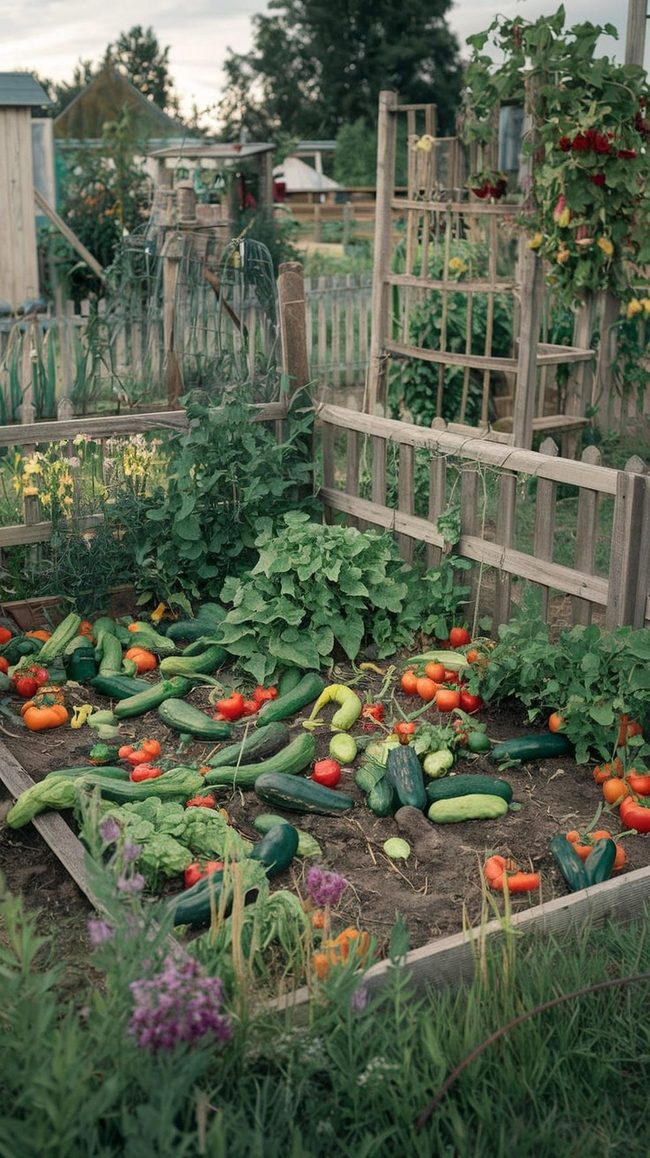
Rotating where you plant vegetables every season keeps your garden soil healthy and stops pests and diseases from taking over.
Moving crops to different spots prevents the same nutrients from getting used up in one area and breaks the cycle of bugs that thrive on specific plants.
We recommend keeping notes about what you plant and where so you can stick to a solid rotation schedule year after year.
Your soil stays balanced when you switch things around, and you avoid the buildup of harmful organisms that would otherwise cause problems down the line.
Since different plants use different nutrients, this simple practice lets the ground recover between plantings.
Tracking your planting locations also helps you spot patterns in what works best for your space.
Over time, this habit becomes routine and saves you from dealing with expensive pest treatments or damaged crops.
Making crop rotation part of your regular gardening plan is one of the smartest moves you can make for long-term success.
Peak Ripeness Harvesting Guide
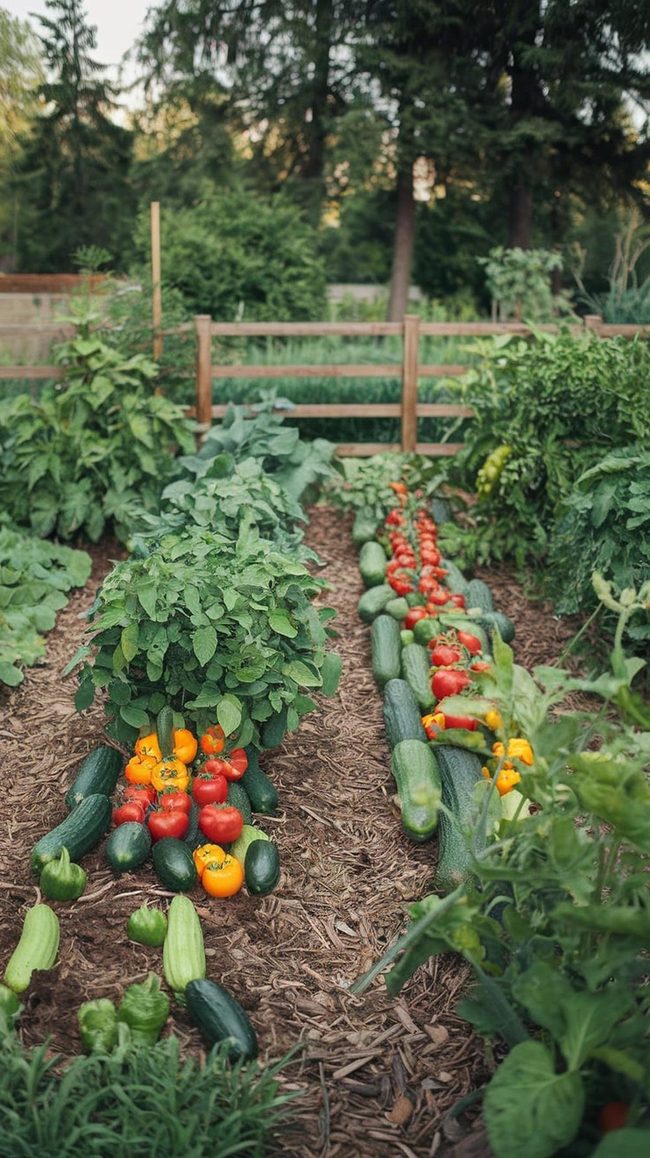
To get the best taste and nutrition from your garden, timing your harvest matters more than you might think.
Throughout vegetable type shows you when it's ready through color changes, how big it grows, and how it feels to the touch.
Picking your vegetables at their peak means you get maximum flavor and nutrient density.
When you harvest on a regular schedule, your plants keep producing new vegetables instead of putting energy into overripe ones.
Most gardeners find that consistent picking actually encourages plants to make even more food.
If you wait too long, vegetables lose their tenderness and start to taste less interesting.
Getting this rhythm down takes a little practice, but soon the area works well for know just by looking when something is ready to come off the vine.
Indoor Seedling Head Start
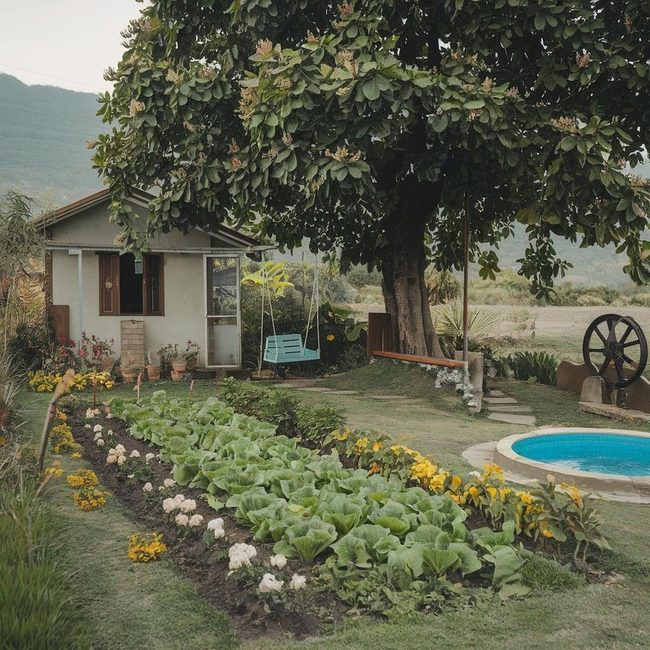
Beginning seeds indoors works well for many vegetables and helps you stretch your growing season longer than you'd get outdoors.
Set up seed trays or small containers with seed starting mix and make sure they get plenty of light and consistent warmth so they can sprout properly.
Once your seedlings develop a good root system and grow their true leaves, they're ready to move outside to your garden.
This method gives your plants a real advantage since they'll be stronger and more mature when transplant time comes around.
You won't have to wait as long for your first harvest because these plants are already several weeks ahead of what direct seeding would give you.
The part I value is how composition lets you start tender plants early without worrying about late frosts damaging them.
Starting seeds this way is straightforward once you understand the basics, and most home gardeners find it rewarding to watch seedlings develop from tiny seeds into transplant-ready plants.
Pollinator-Friendly Flowers Boost Yard Harvests
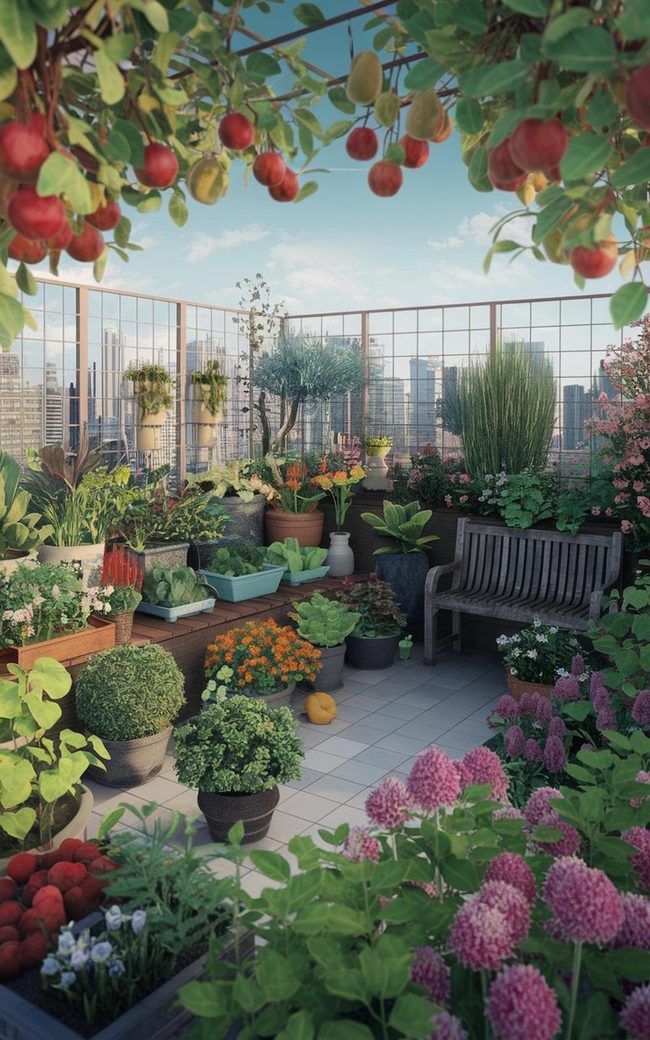
Bees, butterflies, and hummingbirds are essential for pollinating your vegetable garden and helping your plants produce fruit and seeds, so drawing them in should be part of your gardening strategy.
One of the best ways to get these helpful insects to visit is by planting flowers and herbs that are packed with nectar throughout your garden space.
When you skip the pesticides, you protect these pollinators and the other beneficial bugs that live in your soil and on your plants.
We recommend spacing these flower patches near your vegetables so pollinators naturally move between them while they feed.
Local varieties often work better because they attract the pollinators that already live in your area.
Once you see these creatures visiting regularly, you can spot your vegetables setting fruit more consistently and producing more seeds.
It takes a little planning, but the payoff in harvest quality makes it worth the effort.
Rich Brown Soil Foundation
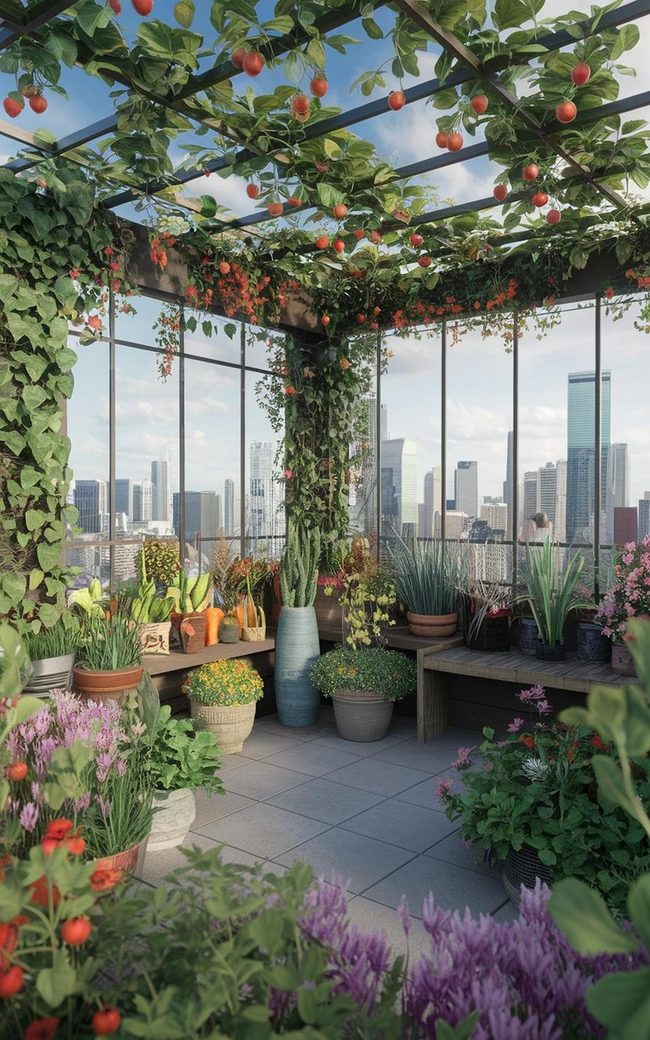
Building a vegetable garden starts with what's underneath everything else, the soil itself.
Quality soil that drains well and holds plenty of nutrients makes all the difference in how your plants grow, and you can boost this foundation by mixing in compost or organic matter to strengthen its structure and feed your vegetables.
When you take time to prepare the ground properly before planting, you set yourself up for healthier plants and better harvests down the road.
We recommend spending a bit extra on good soil because it's really the base that supports everything you're trying to grow.
Poor soil leads to struggling plants, but rich, well-prepared soil does the opposite and helps your garden thrive from the start.
It's worth thinking of soil improvement as an investment in your garden's success, not just an extra expense.
Adding organic materials breaks up compacted earth and helps water flow through without washing away nutrients your plants need.
Starting with this solid foundation means you can have an easier time maintaining your garden throughout the season.
Fresh Terrace Bounty Shared Daily
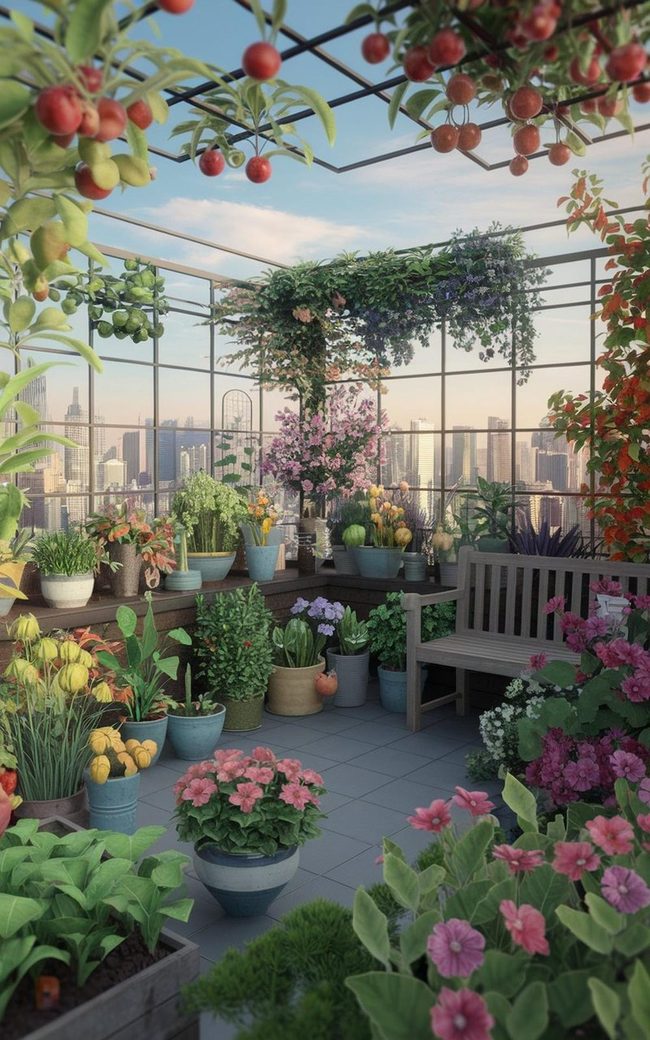
Sharing what you've grown from your garden brings real pleasure to the people around you, whether that's family, neighbors, people, or even local food banks that need fresh produce.
Your extra vegetables and fruits make generous gifts that show you care, and they help reduce waste from your hard work in the soil.
Passing along your harvest opens doors for others to discover how satisfying it is to grow their own food.
When people taste something you've grown yourself, they often feel inspired to start their own gardens.
Giving back to your community through fresh produce strengthens connections with those nearby.
Gardens have a way of spreading happiness naturally when you share what comes from them.
You may find that generosity with your bounty often circles back to you in unexpected ways.
Staggered Plantings For Continuous Harvests
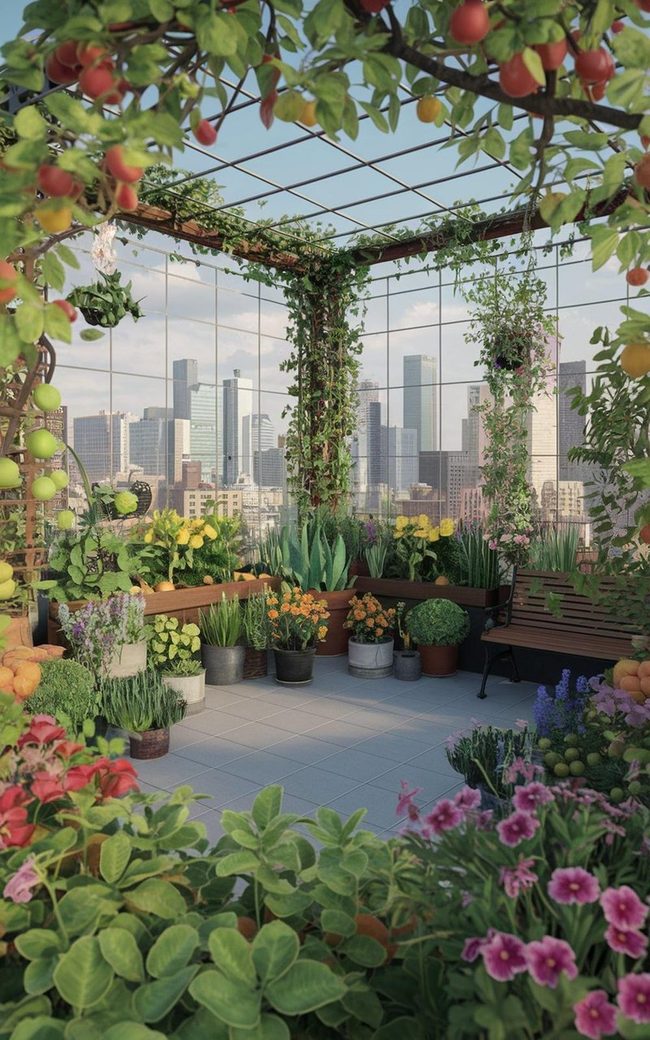
If you want fresh vegetables throughout the growing season without massive harvests all at once, succession planting offers a straightforward solution that keeps your garden productive all year long.
Instead of planting all your seeds on the same day, you sow small batches at regular intervals, which means the room naturally supports have ripe crops ready to pick week after week rather than everything maturing together.
This method works especially well for fast-growing vegetables like lettuce, beans, radishes, and carrots, since you can plant new rows every two or three weeks and maintain steady supplies.
One major benefit is that you avoid the overwhelming glut of produce that typically forces you to preserve or give away everything at once.
Spacing out your plantings also reduces waste significantly because you're harvesting only what your household needs at that moment.
Planning your succession planting takes a bit of calendar work, but once you establish a rhythm, the system becomes second nature.
Many gardeners find that with this layout, requires less overall effort than managing massive single harvests, and the reward of walking out to pick dinner ingredients throughout the season makes the small amount of planning worthwhile.
Mulch Layer Stops Yard Weeds
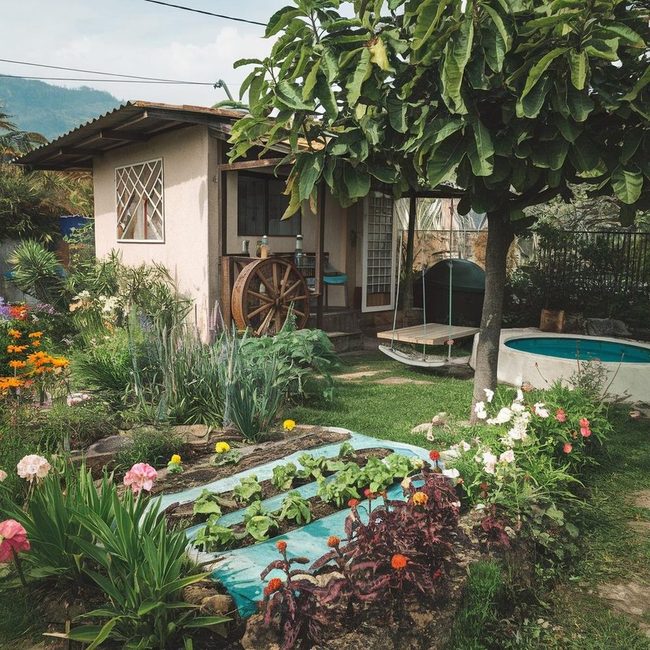
Layering mulch across your vegetable garden beds stops weeds from pushing through the soil while also keeping moisture locked in around your plants' roots.
Organic materials like straw, wood chips, or fallen leaves work well for this job and spread easily across the ground.
As these materials break down over months and seasons, they feed your soil with nutrients that help your vegetables grow stronger.
Moisture stays in the earth longer when you mulch, which means you don't have to water as often during dry spells.
Soil temperature stays more stable too, protecting plant roots from extreme heat or cold swings.
You may observe fewer weeds competing for space and resources once you get a good mulch layer going.
Many home gardeners find that starting with a few inches of mulch around throughout plant makes a real difference in how well their gardens perform.
Extended Season Vegetable Protection Covers
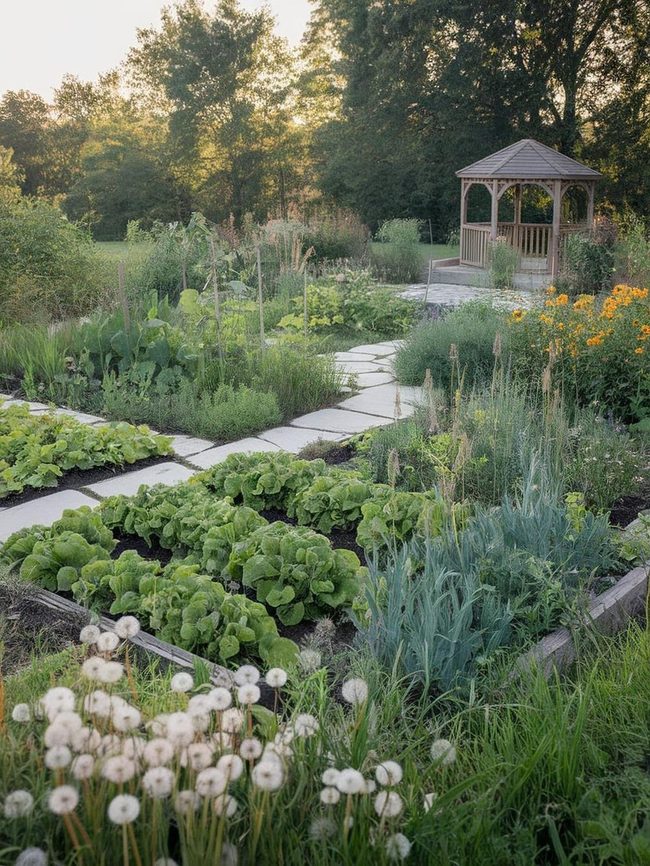
Hoop houses and cold frames stand out as the most visible way to protect your garden from unexpected frosts, and they let you grow vegetables months longer than you normally could.
Row covers work just as well if you prefer something simpler to set up and take down as seasons shift.
These protective barriers trap warmth around your plants and shield them from harsh winds and sudden temperature drops.
You can start planting much earlier in spring when frost still threatens, since your plants stay safe underneath.
The same setup works beautifully in autumn, letting you harvest fresh vegetables well after your neighbors have given up for the year.
We recommend starting with row covers if you're new to this, as they cost less and require minimal effort.
Cold frames offer a nice middle ground between basic covers and full-sized structures.
Either way, extending your season means enjoying homegrown produce for more months and getting better value from your garden space.
Contained Vegetable Growing In Raised Beds
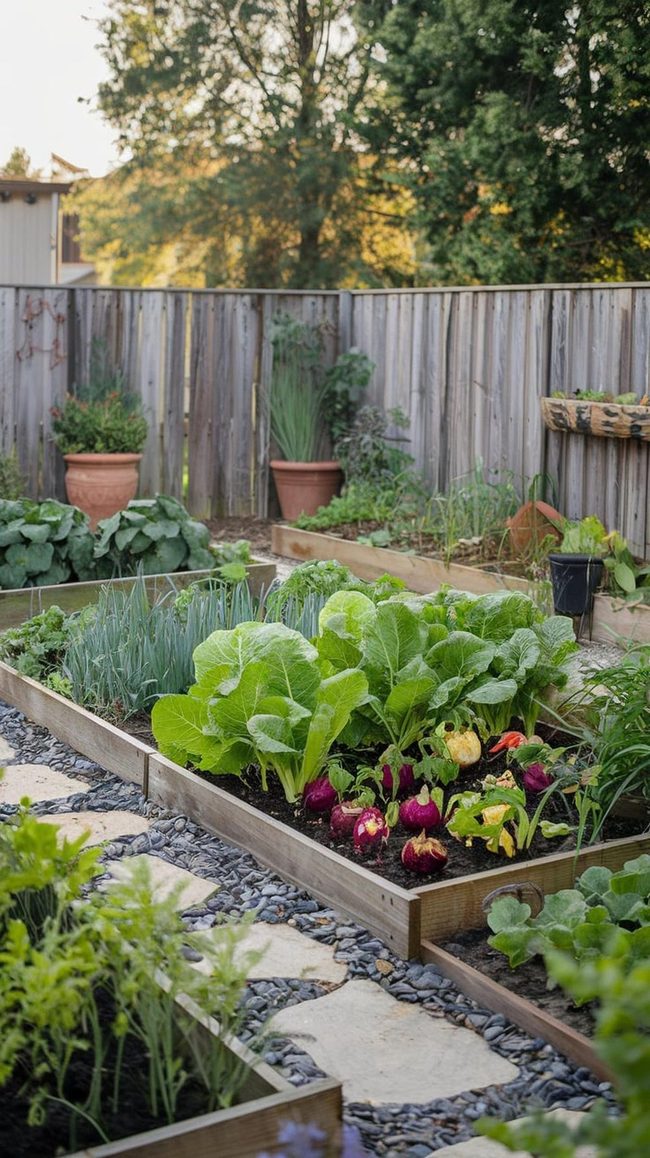
Raised beds stand out as one of the most user-friendly ways to begin growing vegetables because you can build or buy them and fill them with soil that's tailored to your plants' needs.
When you use raised beds, controlling weeds and pests becomes straightforward since everything is contained in one defined space.
Your plants also benefit from improved drainage and airflow around their roots, which means healthier development and better yields overall.
Many gardeners start here because it removes a lot of the guesswork involved in traditional ground gardening.
We recommend with the layout,, whether you're working with limited space or dealing with poor soil in your yard.
Even if you only have room for one or two beds, you can grow a surprising variety of vegetables.
Building or installing raised beds takes minimal effort compared to the ongoing maintenance they save you, and most people see results in their first season.
Homegrown Harvests Preserved Year-Round
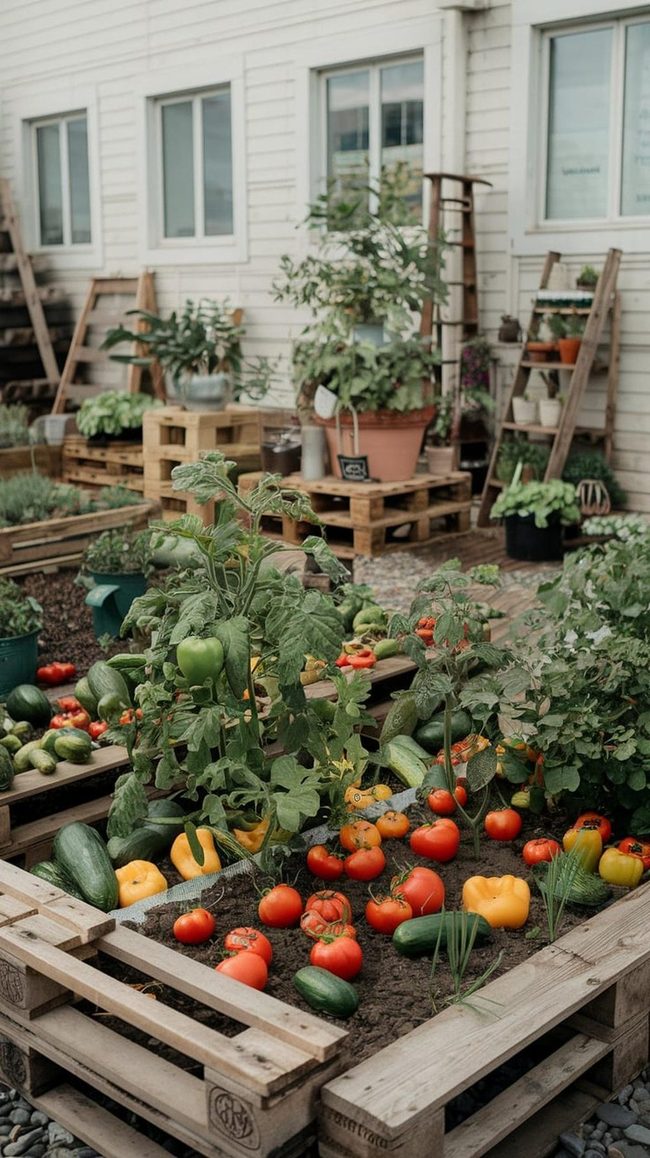
If you grow more food than you can eat right now, putting some away for later means this gives you room to enjoy your harvest all year long.
Canning works great for tomatoes and pickles, freezing keeps berries and beans fresh for months, and drying brings out wonderful flavors in herbs and peppers.
We recommend learning safe food preservation techniques before you start, since doing it right protects both your food's quality and your family's health.
Throughout method has its own steps to follow, and sticking to those guidelines helps your preserved food taste as good as the day you picked it.
You don't need fancy equipment to get started either, since many methods use things you probably have at home already.
Spending an afternoon putting food away now means opening jars and packages later when fresh produce costs more and tastes less flavorful.
This way, summer's bounty stays on your table straight through the winter months.
Golden Marigolds Protect Tomato Plants
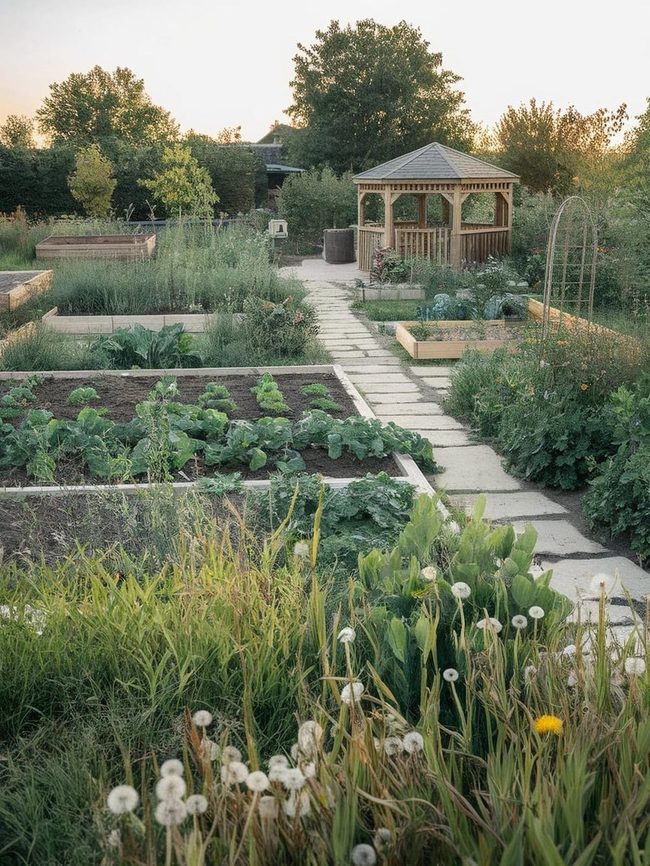
Pairing plants strategically in your garden can solve pest problems and boost flavors all at once, and marigolds planted beside tomatoes naturally keep harmful insects away while basil grown near peppers makes those peppers taste even better.
You don't need fancy tools or chemicals to make this work, just smart plant combinations that support every other in the soil and through the air.
Spending time researching which plants grow well together helps you build a garden that runs more smoothly and produces better harvests.
Many gardeners swear by these partnerships because they reduce the need for extra care and expense.
You might pair beans with corn since beans fix nitrogen in the soil that corn loves to eat.
Herbs can boost the growth of nearby vegetables while also giving you fresh flavoring for your kitchen.
When you match plants based on how they support one another, your garden becomes more balanced and productive without as much work.
Culinary Space Scraps Into Terrace Gold
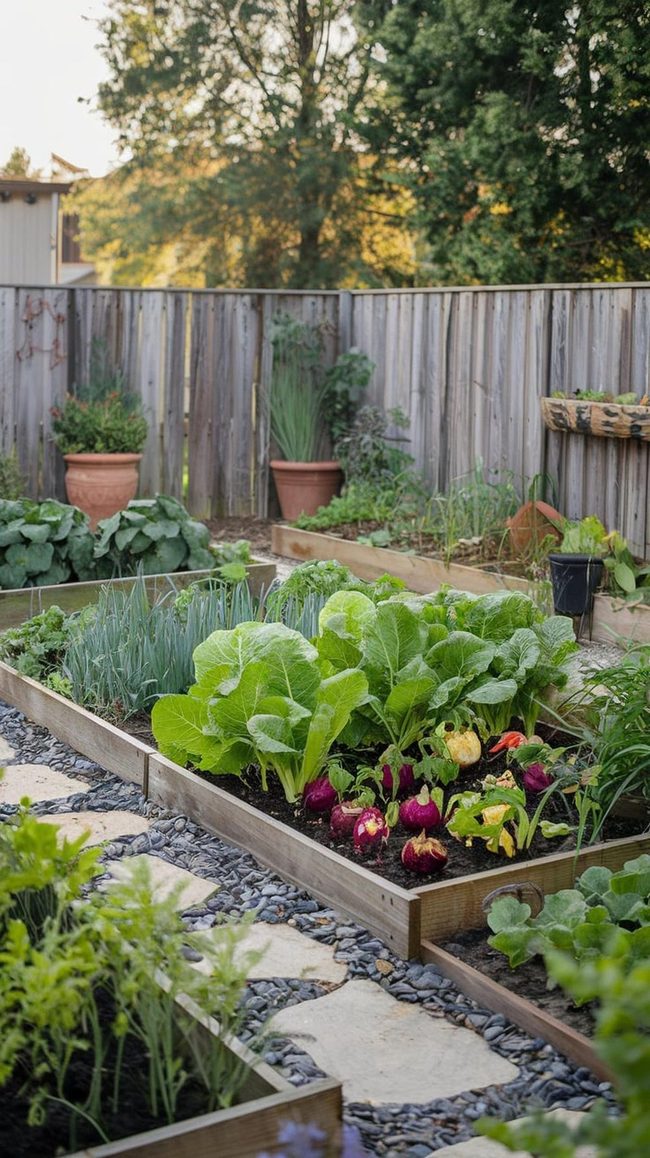
Building a compost pile from your kitchen scraps and yard trimmings lets you turn waste into black gold for your vegetable garden and soil.
This room can want to layer both green materials like food waste and grass clippings and brown materials like dried leaves and cardboard to keep everything balanced and decomposing well.
Starting with a simple bin or pile in a corner of your yard makes the whole process easy to manage.
Over time, bacteria and microorganisms break down these layers and transform them into dark, crumbly compost that smells earthy and wonderful.
Once your compost finishes breaking down, you can mix it directly into your garden beds or use it as a topping around your plants.
This finished compost feeds your soil with nutrients and helps it hold water better, which means your vegetables grow stronger and healthier.
It's one of those projects where you're helping the environment while also getting free fertilizer for your garden.
Beneficial Insects Stop Landscape Pests
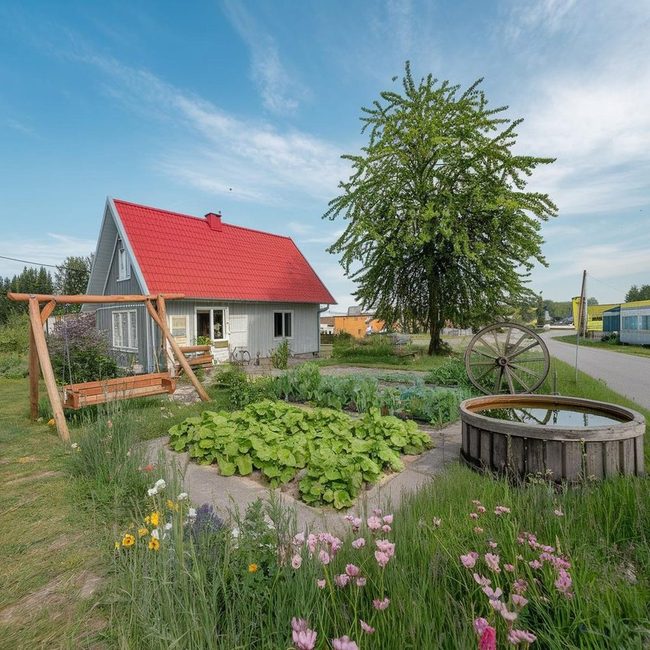
Beneficial insects are among the most visible and exciting defenders you can add to your vegetable garden, as ladybugs and lacewings actively hunt down harmful pests right before your eyes.
Row covers work as physical barriers that keep insects away from your plants while still letting light and water through, and the area works well for see the results almost immediately once you put them in place.
Planting herbs such as mint and dill around your garden beds pushes many pests away naturally, and these plants also give you fresh ingredients for cooking.
We recommend walking through your garden beds regularly to spot any signs of damage or unusual insect activity early on.
When you do spot problems forming, addressing them right away stops small issues from turning into major ones.
Taking these straightforward steps means your vegetables stay healthy and productive without relying on harsh chemicals that could harm your soil or the environment.
Sunlit Patio Spot Selection Guide
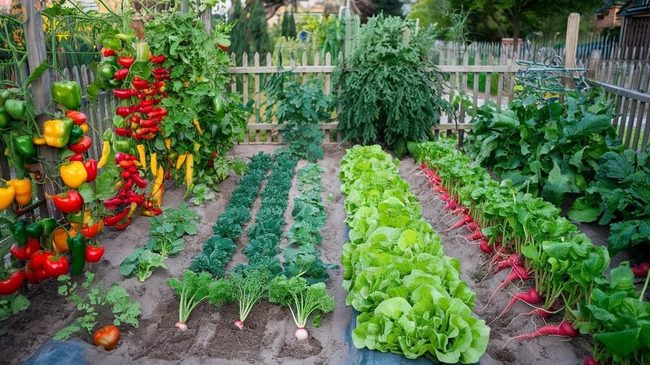
Pick a spot for your vegetable garden that gets plenty of direct sun, since most vegetables need six to eight hours daily to grow well.
We recommend choosing an area where you can easily get to for watering and harvesting throughout the season.
Good soil drainage matters too, so avoid spots where water tends to pool after rain.
Consider how close the location is to your water source, as this makes daily care much simpler.
Wind exposure is another thing worth thinking about, because strong winds can damage plants and dry out soil quickly.
You may also want to check that the ground is relatively level so water distributes evenly across your beds.
Standing near your potential garden spot at different times of day helps you see which areas stay sunny longest and which ones get shaded by trees or buildings.
Deep Watering Drives Vegetable Growth
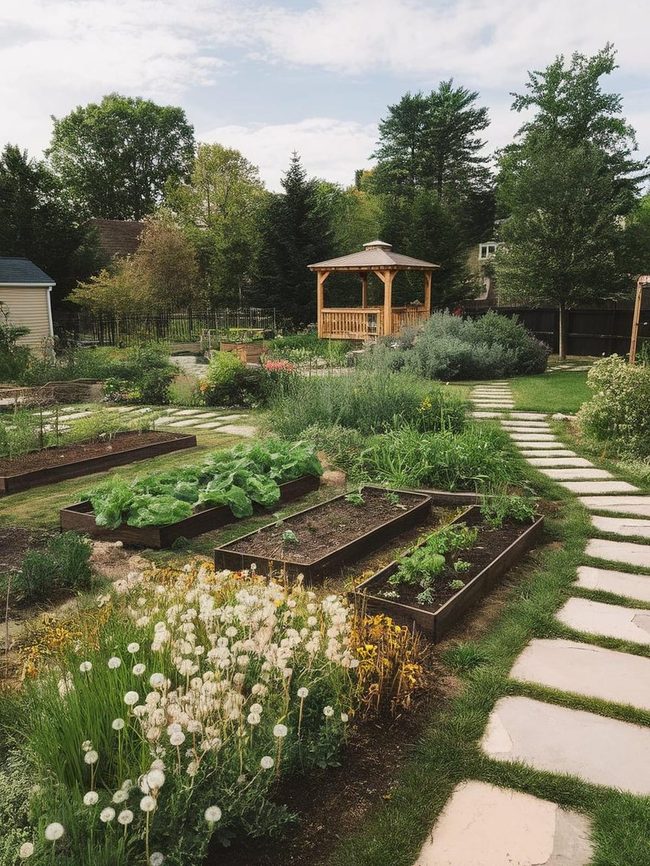
Getting water right makes all the difference in how well your vegetables actually grow, so it's worth learning the basics.
Most vegetables need roughly 1 inch of water eachweek from rain or a hose, and the layout makes it possible to want to water deeply rather than give plants light, frequent sprinkles.
Deep watering pushes roots down into the soil where they can find more nutrients and stay healthier, while shallow watering tends to leave the top wet and encourages roots to stay near the surface.
Infrequent but thorough soaking also prevents the soil from becoming soggy and holding too much moisture, which can rot roots and bring in disease.
You can check if your soil has enough water by poking your finger a few inches down and seeing if it feels moist or dry.
If you're in a dry climate or dealing with a hot stretch, you might need to water more often, but the goal is always the same: get that water deep into the root zone where it actually helps.
Adjusting your routine based on rainfall and temperature keeps things simple and your plants healthy throughout the growing season.
Green Walls Maximize Small Spaces Upward
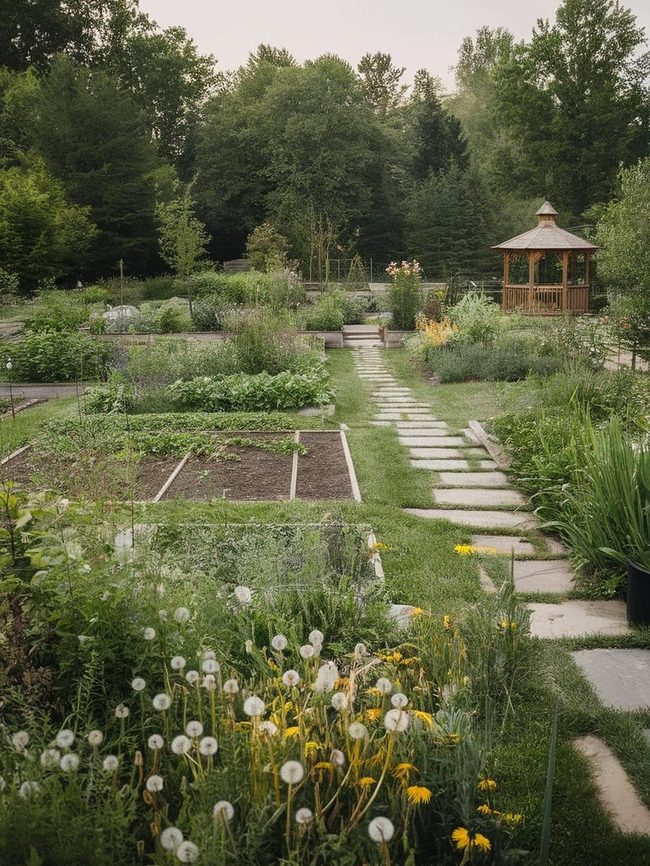
Vertical gardening reshapes a cramped outside space into a lush growing zone without eating up square footage on the ground.
You can use trellises, hanging baskets, and tall planters stacked against walls or fences to reach upward instead of outward.
Growing upward also means less bending when it comes time to pick ripe tomatoes, beans, or cucumbers since everything hangs at a more comfortable height.
The layered plants nice visual texture across your space, making bare walls and empty corners suddenly feel green and productive.
Hanging baskets especially bring dimension to any area since you can position them at different heights.
One nice bonus is that air circulates better around vertical plants, which keeps them healthier overall.
If you're working with limited room, going vertical is one of the smartest solutions for getting the most from your garden.
Michael Harris
Senior Content Editor
Expertise
Home Décor Content Creation, Interior Design Journalism, Editorial Oversight, Digital Media Strategy, Team Leadership and Mentorship
Education
University of Queensland, Brisbane, Australia
Queensland University of Technology (QUT), Brisbane, Australia
Michael Harris is the senior content editor at Archi Refresh, where he turns home design trends into engaging, easy-to-follow articles. With a journalism degree from the University of Queensland and a digital communication certification from QUT, he knows how to craft content that informs and inspires.
With over 10 years of experience in lifestyle and design media, Michael has shaped editorial strategies, mentored writers, and helped readers refresh their spaces with practical tips. His work blends storytelling with expert advice, making home decor more accessible to everyone.
Outside of work, Michael enjoys DIY projects, exploring Brisbane’s art scene, and teaching digital literacy workshops.