
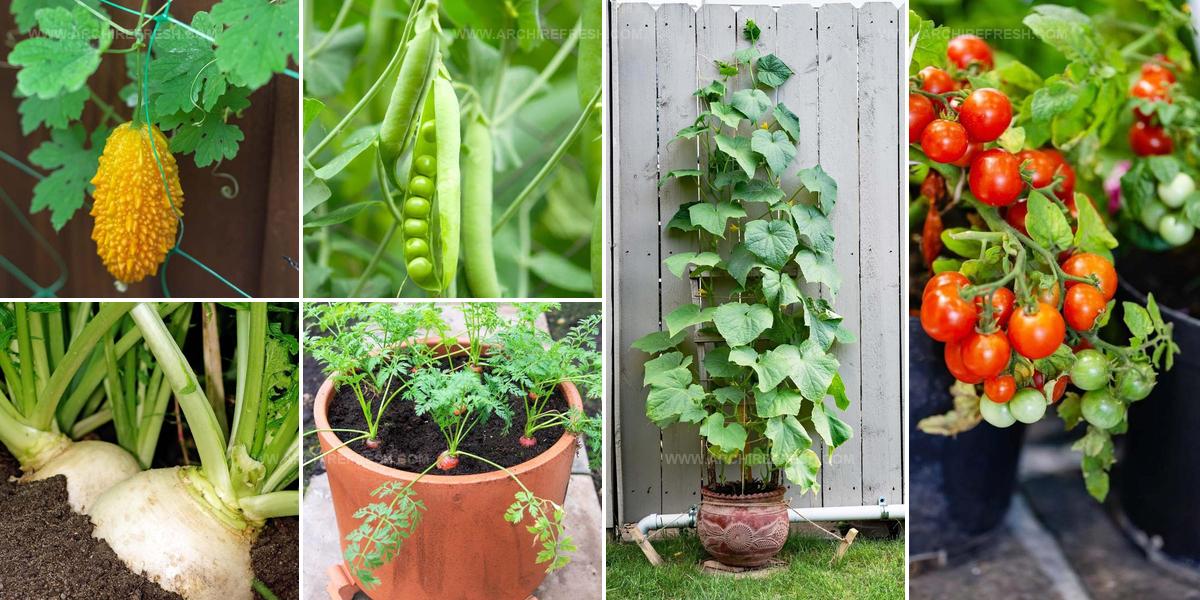
26 Vegetables To Grow In Pots for Fresh Small-Space Harvests
Growing vegetables in pots opens up gardening possibilities for anyone with limited outdoor space or challenging soil conditions.
Container gardening allows people living in apartments, condos, or homes with small yards to enjoy fresh produce right outside their door.
This method gives you complete control over soil quality, drainage, and placement while eliminating concerns about ground pests or poor earth composition.
Potted plants can be moved to follow sunlight patterns throughout the day, maximizing growth potential during different seasons.
The flexibility of container gardening means beginners and experienced gardeners alike can cultivate a productive edible garden on balconies, patios, or even sunny windowsills.
Many popular crops adapt beautifully to life in containers, producing abundant harvests when given proper care and attention.
Container Fresh Lettuce Year-Round
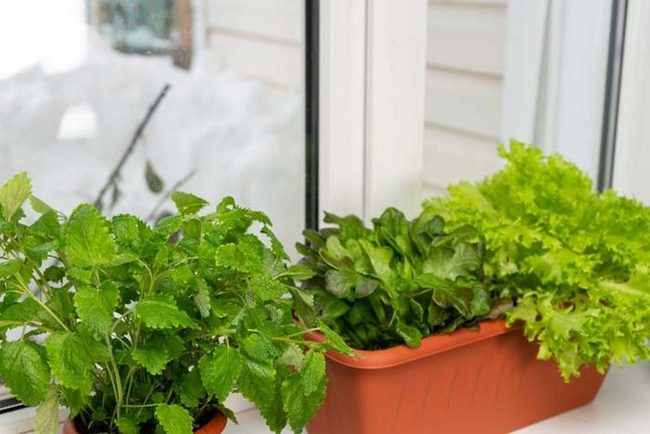
Lettuce grows beautifully in containers and gives you fresh greens whenever you need them for salads and meals.
Start with seedlings in early spring or pick heat-resistant types so you can harvest crisp leaves all summer long.
Moving your pot to a shadier area on really hot days protects the leaves from burning and keeps them tender and delicious.
Soil that stays evenly moist is key to healthy plants, and this matters more than having perfect sunlight conditions.
Water regularly and check on your lettuce every few days to catch any problems early.
Growing lettuce at home in a pot is simple enough for beginners and satisfying enough for anyone who loves gardening.
You'll be picking fresh salad ingredients from your own container garden in just a few weeks.
Spring Peas In Container Trellises
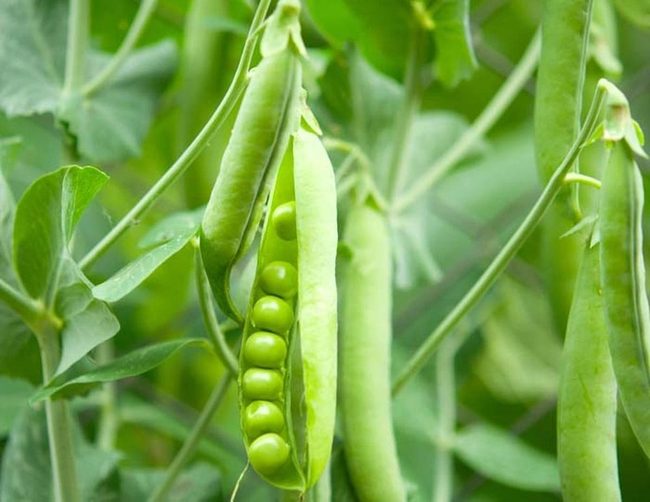
Peas stand out as outstanding container garden choices because they deliver abundant harvests in spring and fall, and you can pick from English peas with their naturally sweet flavor, snow peas that work beautifully raw or cooked with a mild taste, and sugar snap peas that give you the best qualities when you harvest them young.
Beyond just feeding you fresh vegetables, these plants actually improve your soil by adding nitrogen naturally, which means your next round of crops will grow stronger and healthier.
Most pea varieties need some kind of support system to grow upright and develop properly, so selecting containers tall enough to accommodate stakes or trellises matters quite a bit.
Growing peas in pots gives you flexibility to position them wherever you have good sunlight and space in your garden.
The part that feels natural is how quickly these plants grow when conditions suit them.
Purple Root Vegetables In Compact Pots
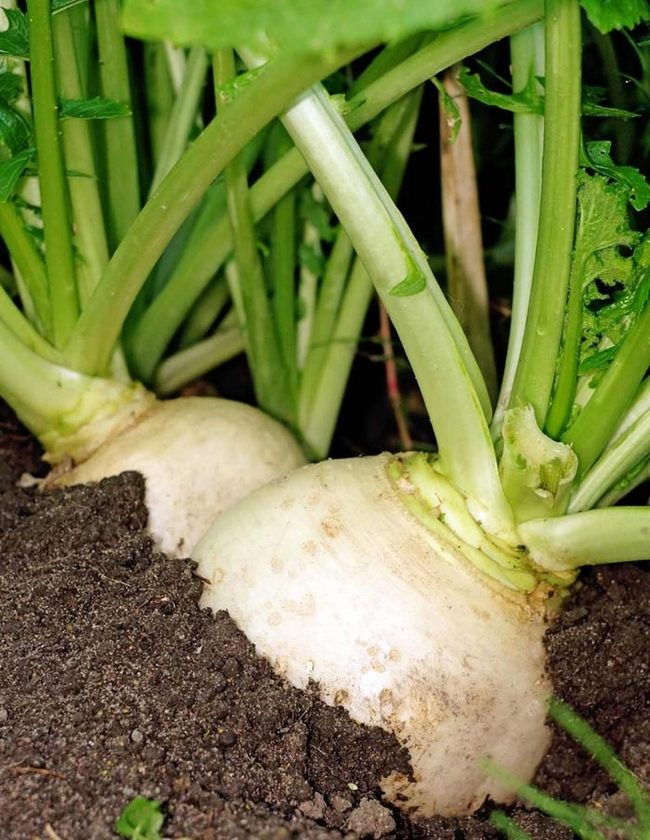
Growing turnips in containers opens up wonderful possibilities for gardening in small spaces, and you can eat nearly every part of this remarkably useful plant.
Turnips pack impressive nutrition with vitamins A, C, and B along with calcium and iron, so you're getting both flavor and health benefits in one crop.
When you're setting up your pots, grab soil that drains well and leans toward the acidic side, which stops the roots from cracking and splitting as they develop.
Go for a container that's around 12 inches deep with drainage holes at the bottom, and position it where plants receive at least six hours of sunlight each day.
Keeping the soil consistently moist matters most during the growing season, and you'll need to water more often when temperatures climb or rainfall drops.
Deep Green Leaves On Balcony
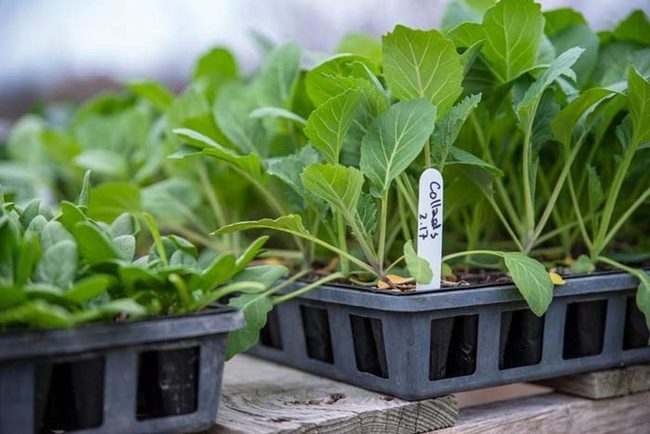
Collard greens make a rewarding addition to any patio or balcony garden, and watching those deep green leaves unfold from seedlings is one of gardening's best rewards.
You'll want to start with a pot that holds at least three gallons so the roots have room to spread and develop properly.
Spring planting works best because seeds germinate quickly during warmer weather and you'll see noticeable growth within weeks.
Keep the soil consistently moist and mix in nitrogen-rich nutrients to get those tender, sweet leaves that taste so much better than store-bought versions.
Sunlight matters quite a bit here, so place your containers where they'll soak up at least six hours of direct sun each day.
In just a couple of months, you can snip fresh leaves straight from your plants and use them in your favorite dishes.
Edible Arugula Flowers In Containers
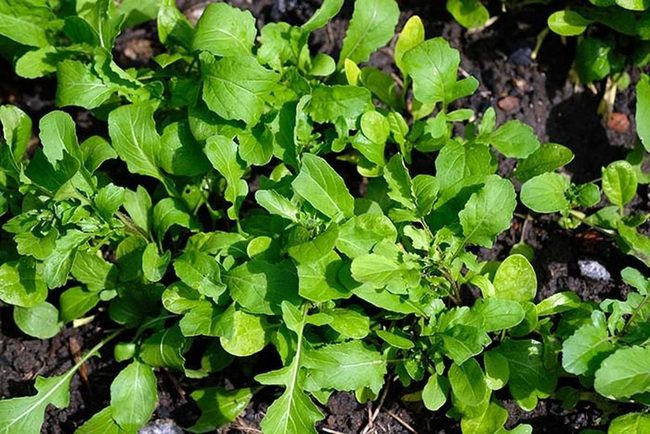
Arugula stands out as a leafy green that you can grow right in containers, delivering both delicious flavor and natural beauty to your home.
When those delicate sweet flowers bloom among the spicy leaves, they create a striking look that catches attention and adds character to any space.
Balconies and patios work wonderfully for this herb since you can position it where morning sunlight reaches it best for healthy growth.
Use an 8-inch deep container with a 6-inch diameter, and you'll have plenty of room for the plant to develop well.
One nice benefit is that container growing lets you move the pot around throughout the day if you want to adjust its light exposure.
Container-Grown Rhubarb For Decade-Long Harvests
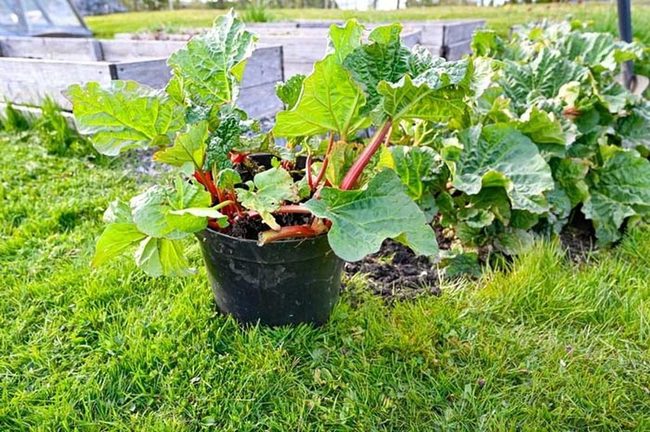
Rhubarb stands out as a striking addition to any garden space, and you can grow this remarkable plant right in containers no matter how small your yard is.
Deep pots work best because rhubarb needs room for its sprawling root system to develop strong and healthy.
Once your plant gets going, you'll be able to pick fresh rhubarb for up to ten years, which means countless pies, jams, and preserves straight from your own garden.
Water the crown area generously and be patient as your plant settles in during its first year.
Hold off on harvesting until the second year rolls around, and from that point forward you can enjoy this generous plant's bounty season after season.
Container Tomatoes Heavy Yields
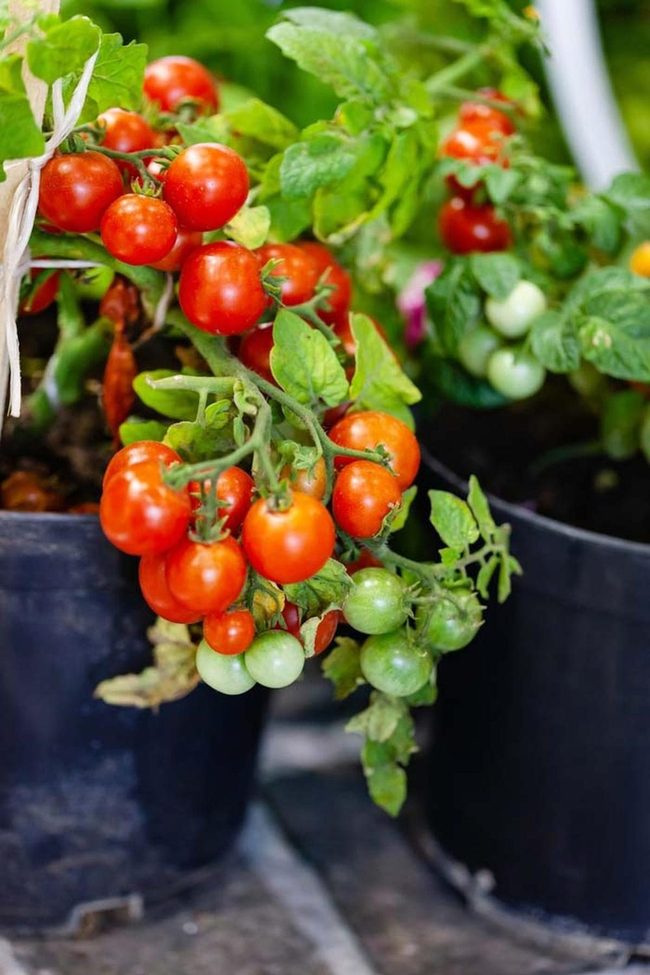
Growing tomatoes in containers works surprisingly well and often produces more fruit than planting them directly in the ground.
Large pots give roots plenty of room to develop and let you add support structures such as cages or stakes, which matters most when you're growing heavier varieties that will bend and break under the weight of ripe fruit.
Before you move seedlings outside, spend time gradually introducing them to outdoor air and sunlight while trimming them back appropriately for their new environment.
If you decide to buy plants from a nursery instead of starting seeds yourself, look for compact seedlings without flowers already blooming on them, and you'll set yourself up for healthy growth from day one.
Black Pots Heat-Loving Okra
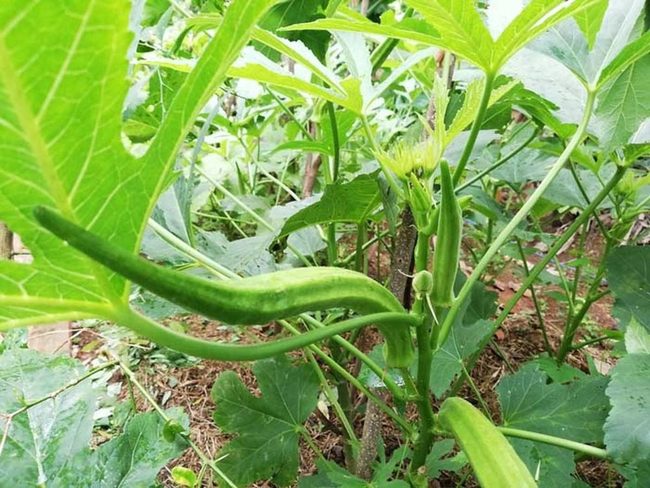
Okra flourishes in black pots that absorb and hold heat, so you'll want to use containers at least three gallons in size for best results.
Plant your okra in a location where it gets full sunlight for six hours or more each day, and this sunshine directly boosts how well your plants grow.
You should wait until frost danger passes before putting seeds in the soil, as this timing helps you get the most from your harvest.
Warm conditions are what okra loves, which makes it ideal if you want to try container gardening.
When you combine the right pot size, sun exposure, and planting time, okra becomes a straightforward and rewarding vegetable to grow on a patio or balcony.
One Broccoli Per Container Garden
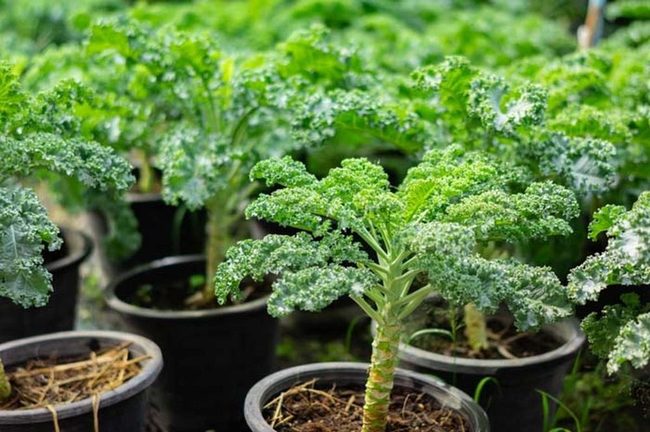
Growing broccoli in containers works wonderfully when you give each plant plenty of room, so plant just one per pot since it needs space to spread out properly.
Skip black pots altogether because they absorb too much heat and stress your plants instead of helping them thrive.
Feed your broccoli regularly with nitrogen-rich fertilizer and water it consistently throughout the growing season.
Pests can become a problem, so position multiple pots at least a meter apart from one another and this spacing also helps air flow better around your plants.
You'll harvest fresh, homegrown broccoli straight from your own containers and enjoy the superior taste compared to store-bought options.
Taking care of container-grown broccoli is straightforward once you nail down these basics.
Your homegrown broccoli will reward you with a satisfying harvest.
Fast-Growing Spinach Container Gardens
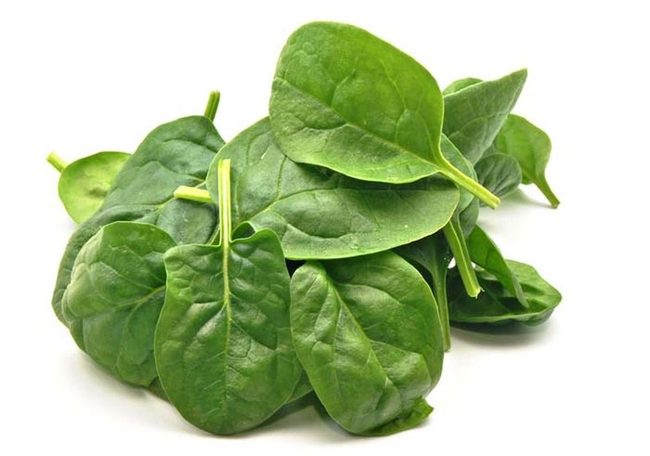
Spinach grows remarkably fast, making it one of the best vegetables for container gardening and quick seasonal harvests.
This leafy green delivers impressive nutrition, offering vitamins A and C along with iron and calcium that support your health.
You'll want to select a spacious pot with well-draining soil since spinach dislikes sitting in excess moisture.
Seeds sprout within five to fourteen days, which means you can plan your garden timeline around when you want fresh leaves ready to eat.
During fall months, position your containers in areas that get plenty of sunlight throughout the day.
Summer gardening requires a different approach, so move your seedlings into partial shade to keep them from bolting in the heat.
Well-draining soil is key to preventing waterlogged roots and keeping your plants happy.
This combination of fast growth, easy care, and nutritious leaves makes spinach a smart choice whether you have limited garden space or just want reliable harvests.
Deep Purple Container Eggplant
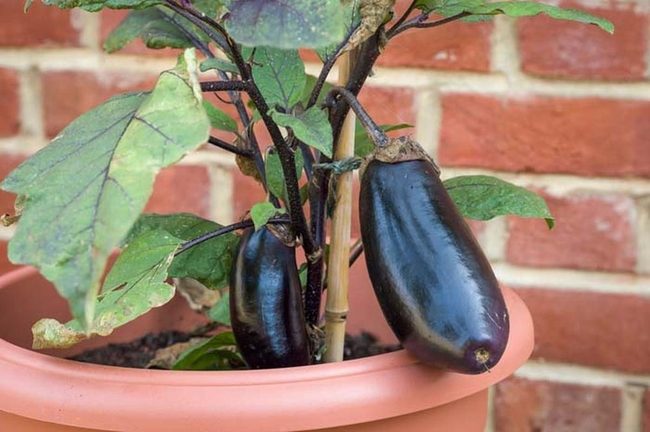
Eggplant's deep purple fruits sitting against rich green foliage make it a standout in any garden space, and this visual appeal combines wonderfully with the bonus of having fresh produce at your fingertips.
Most standard varieties demand significant room to grow, but smaller cultivars such as Hansel and Fairytale were bred to flourish in containers and tight quarters without losing any of their delicious taste.
If you're working with limited space on a balcony or patio, these compact types let you enjoy both the ornamental beauty of the plant and homegrown eggplants for your kitchen.
Planting one of these smaller selections means you get dual benefits; a garden feature that looks great and produces flavorful fruit all season long.
Giant Squash Harvest In Containers
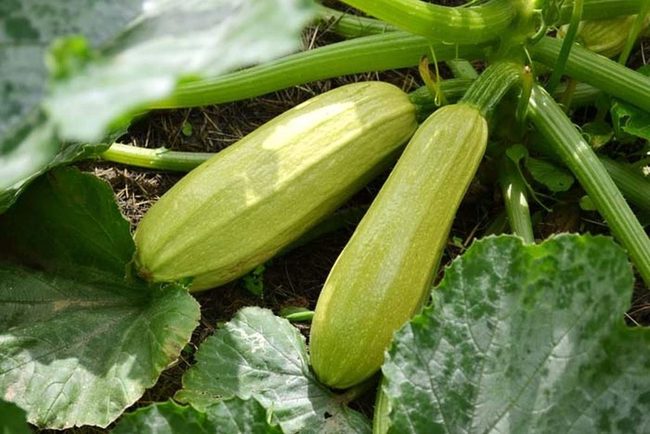
Squash is one of the most satisfying vegetables you can grow in pots and containers, especially since the plants produce large, impressive fruits that make a real visual statement in your garden space.
You can choose from varieties like Cucurbita maxima, which grows to substantial sizes, or go with compact options like Honeybear acorn squash if you're working with limited room.
Placing your container in a spot that gets plenty of direct sunlight and keeping the soil consistently moist will help your plants thrive and send out those expansive green leaves.
Even though squash takes up some room in a container, you'll find that the harvest of fresh, delicious produce makes it well worth the space you dedicate to it.
Beyond the practical benefits of growing food, these plants bring a genuine garden feel to any patio or balcony area.
Container Beets For Small Spaces
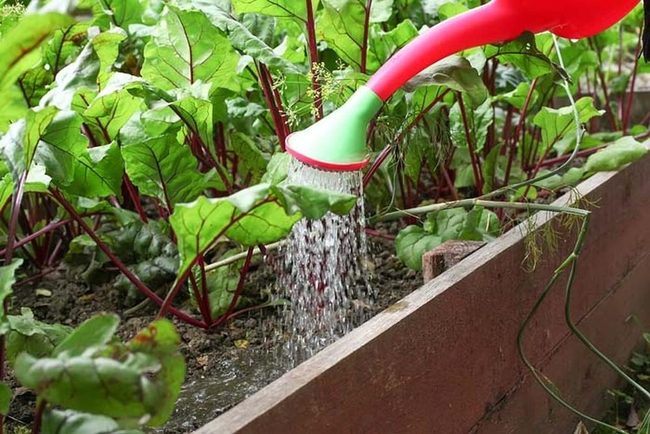
Beets grow beautifully in containers when you have limited garden space, and you'll find that a pot at least 10 inches deep gives their roots plenty of room to develop strong and healthy.
Spacing each plant about three inches apart prevents overcrowding and allows them to reach their full size without competition.
Cool weather combined with sunshine is what these vegetables love most, so I suggest planting them during fall, winter, or spring inside a greenhouse to get the best harvest.
Containers are such a practical solution for growing these delicious roots because you control the soil quality and moisture levels easily.
You can move pots around to catch the sun or protect them from harsh conditions whenever needed.
This versatile vegetable thrives when given the right conditions in a contained environment.
Container Carrots, Balcony Garden Success
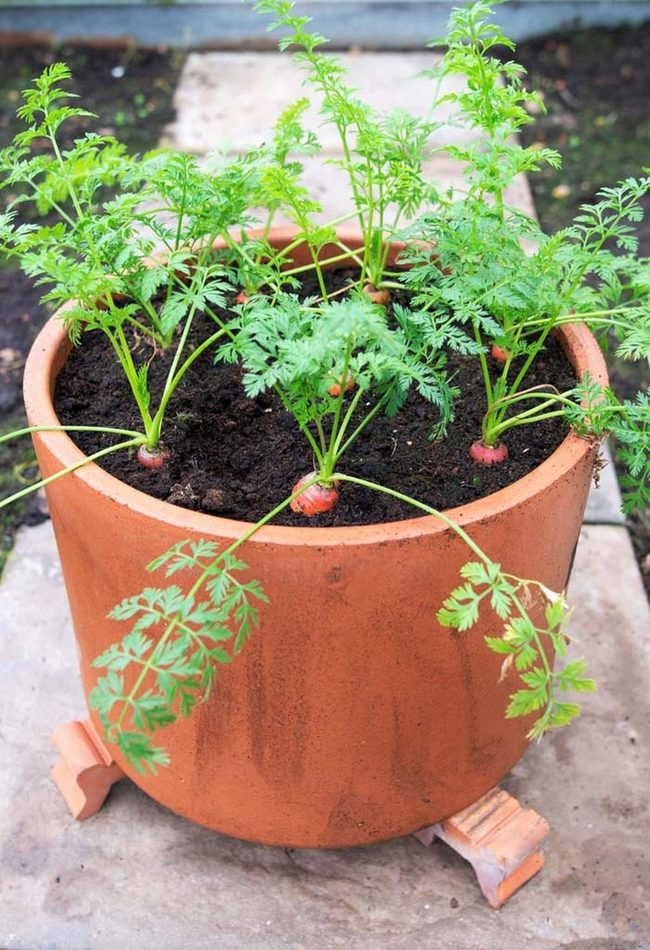
Carrots grown in pots and containers give you a rewarding gardening experience right on your balcony or patio.
Space your seeds about 2 centimeters apart and they'll each have the breathing room needed to grow into full-sized carrots.
Moisture matters a lot here; you want the soil consistently damp but not soggy, since overwatering leads to splitting and root damage.
Finding that balance between wet and dry keeps your carrots healthy and prevents common problems.
Water regularly and check the soil with your finger before adding more, which helps you stay in control.
Most gardeners find that container carrots are actually easier than ground planting because you can monitor conditions closely and adjust as needed.
Fast-Growing Radishes For Small Spaces
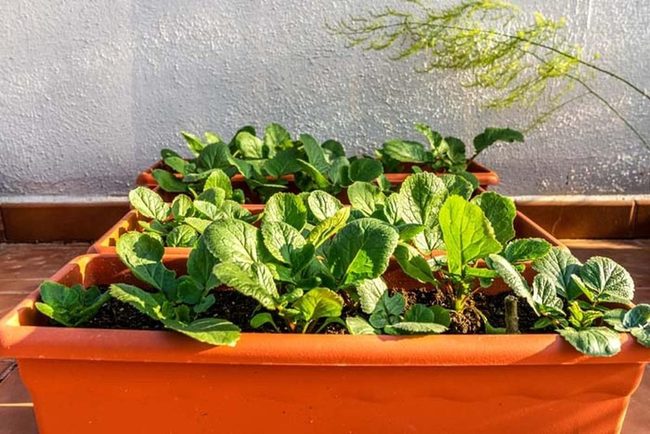
Radishes shoot up faster than most vegetables you can grow, which makes them perfect for container gardening and small spaces.
You only need shallow soil and a cool location to prevent them from bolting, so they work well in tight areas.
Planting seeds straight into a pot lets you try different varieties and flavors without much fuss.
Since radishes mature quickly, you can easily harvest fresh produce in just a few weeks and enjoy the reward of growing food at home.
Golden Potatoes From Your Patio
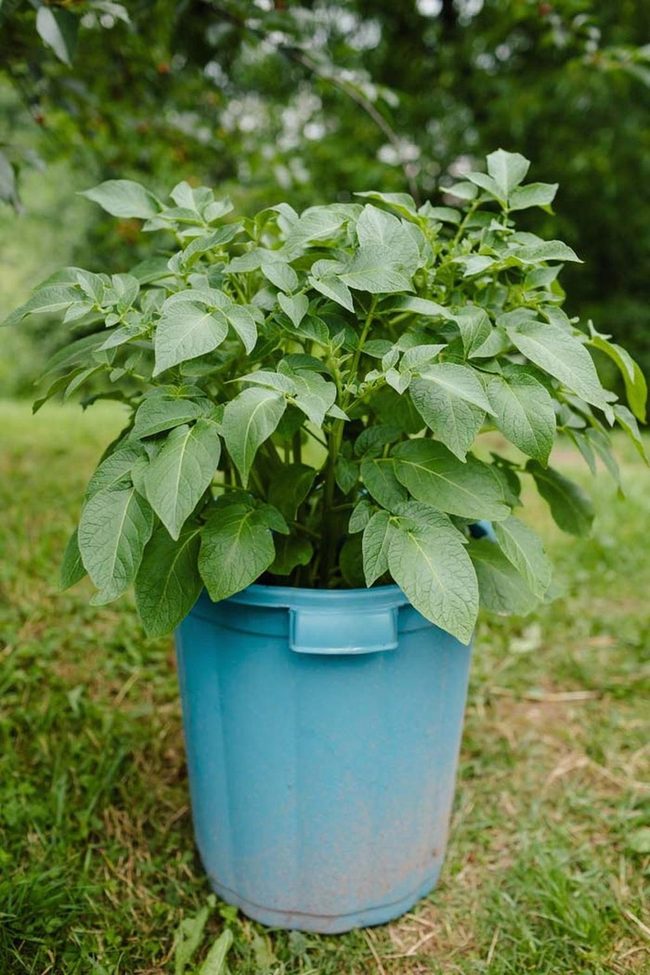
Growing potatoes in containers brings fresh, delicious food right to your balcony or patio, and homegrown varieties taste so much better than store-bought options because they're picked at peak ripeness and moisture.
Deep buckets work wonderfully for this project since they give potato seeds enough room to develop underground and produce healthy plants.
You don't need a sprawling garden or farmland to succeed either; apartment dwellers and people with limited outdoor space can harvest their own potatoes successfully.
Once you dig up your container and pull out those tender, golden potatoes, you'll understand why freshness matters so much for flavor.
Even a small setup on your patio can provide you with vegetables that taste richer and more satisfying than anything you'd find in a supermarket.
Starting this simple growing method takes minimal effort, and the reward of eating potatoes you planted yourself makes it worthwhile.
Large Leafy Greens For Cold Seasons
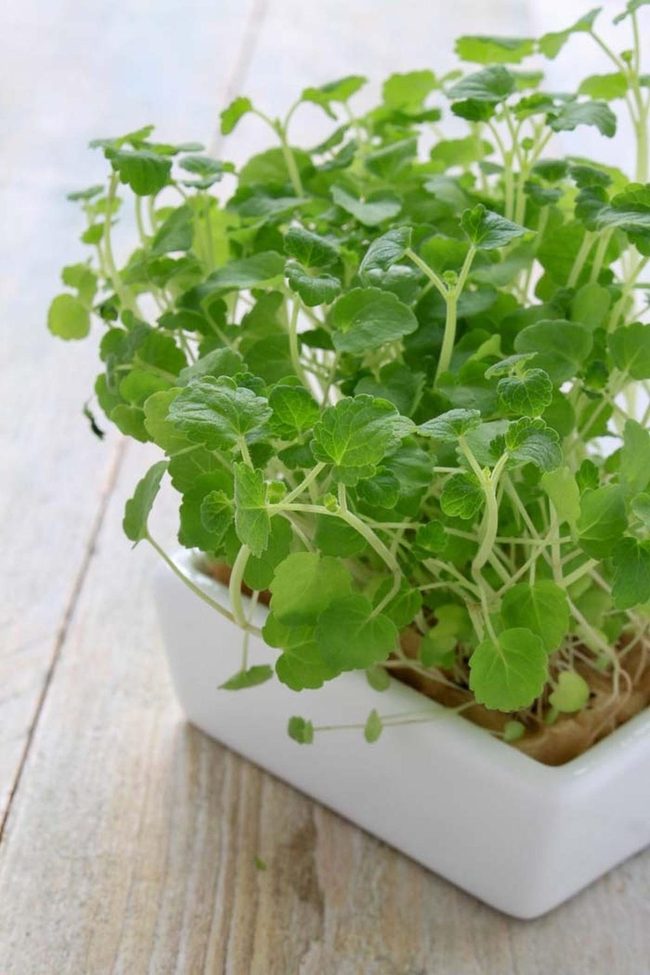
Mustard greens explode into large, leafy plants from surprisingly shallow roots, so you'll want a container with enough space for them to spread out and grow strong.
Cold weather is when these hardy plants really shine, making them perfect for your winter garden since they handle frost without complaint.
Harvesting works beautifully because you can simply snip the outer leaves for salads and let the inner ones keep developing, giving you fresh greens over weeks rather than all at once.
One thing to watch for is how their flavor changes as temperatures climb; picking them before the heat kicks in means you get that pleasant taste you're after.
Beyond just being easy to grow, mustard greens pack serious nutrition into your meals and help you get more food from the space you're working with.
Colorful Peppers For Container Gardening
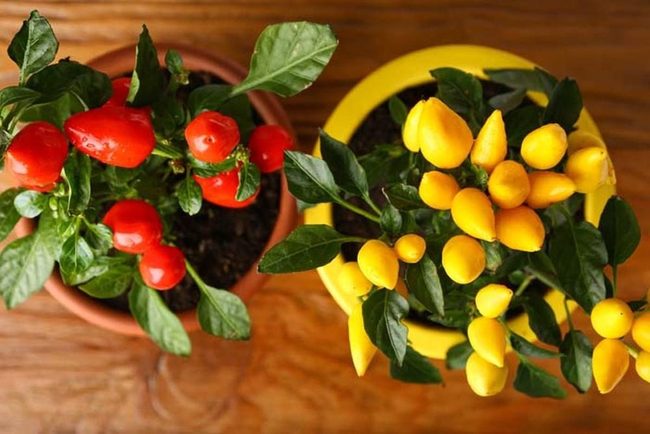
Peppers and chillies burst with bold colors; oranges, yellows, and purples; that make your container garden pop with visual excitement.
You'll find these vegetables deliver real flavor while looking gorgeous on your patio or balcony.
What's great is how compact they are, so pots work perfectly without requiring lots of height or space.
Getting them to flourish means preparing your soil well and positioning containers in a spot that gets plenty of sun throughout the day.
The payoff is worth it; fresh peppers and chillies ready to harvest and use in your cooking.
Growing them in containers also means you can move them around if needed to chase the best light.
Once you start, you'll likely want to grow more because they're so rewarding and beautiful at the same time.
Potted Cucumbers For Instant Harvests
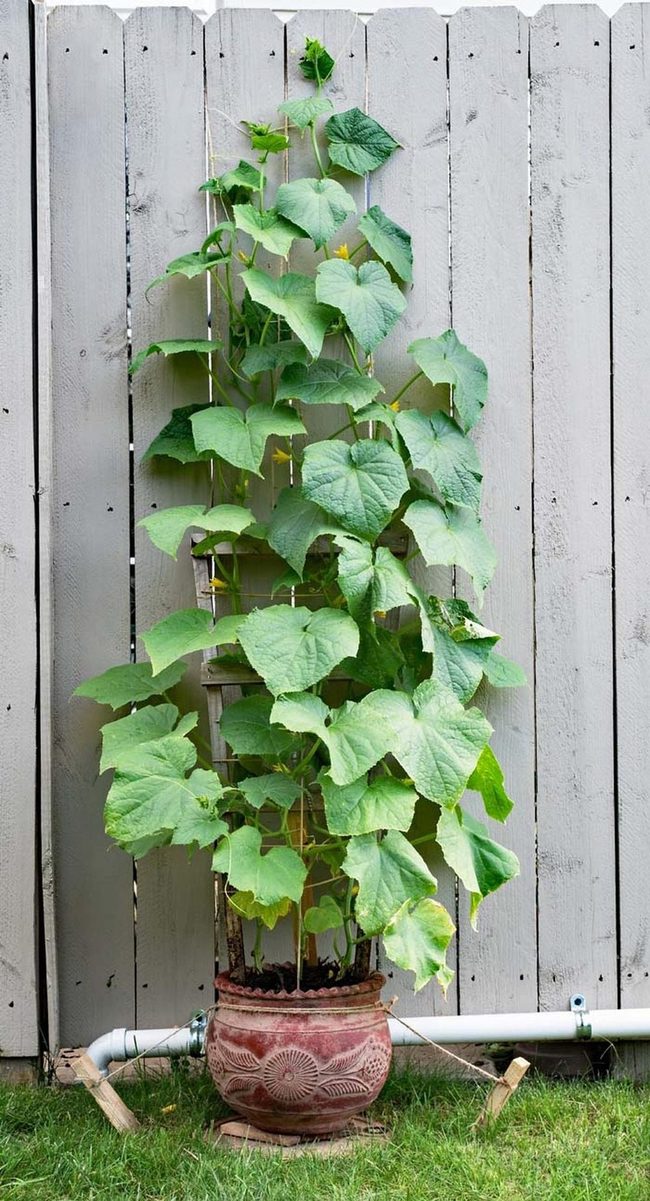
Cucumbers grown in containers deliver fast results and give you remarkable flexibility in how you arrange your garden space.
Bush varieties work wonderfully for pickling projects, while vining types stretch upward on trellises and make the most of limited room.
When you grow them in pots, managing water becomes simple and straightforward, and you'll find that weeds barely become an issue.
Container gardening also lets you move plants around to chase the sun or shift them away from harsh afternoon heat.
You can also harvest crisp, flavorful cucumbers straight into your kitchen for fresh salads and snacks.
Since these vegetables thrive in containers, even small patios or balconies can produce abundance.
Climbing Bitter Melon Container Garden
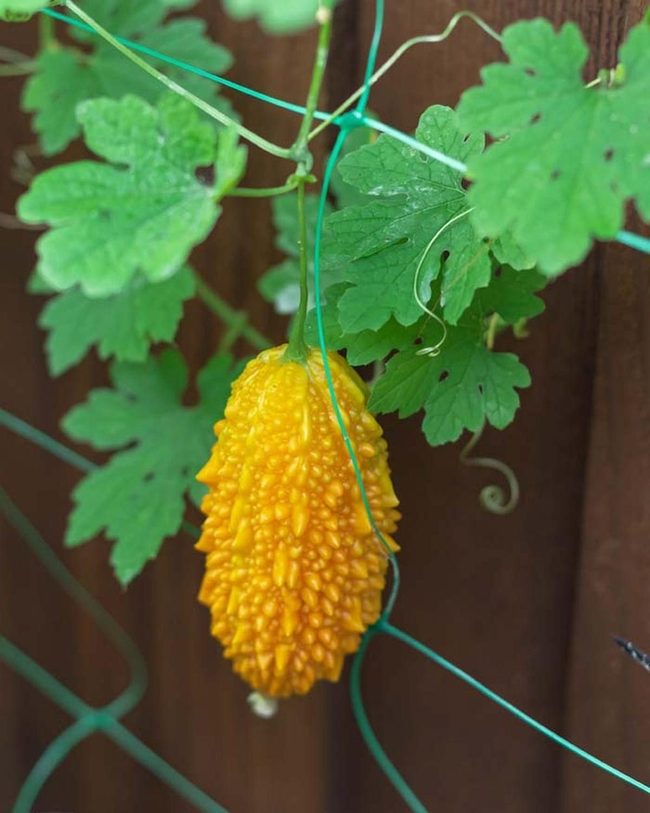
Bitter melon grows tall and dramatic, climbing up to 5 meters high on sturdy supports that let you watch its vines sprawl across your garden space.
Like cucumbers and squash, this flexible vegetable adapts well to container growing, so you can enjoy it even in smaller yards or on patios.
Deep pots about 16 inches wide give the roots room to spread and develop strong systems underneath.
Positioning your containers in full sunlight helps the plants grow faster and produce more fruit for you to harvest.
Keeping the soil consistently moist throughout the growing season supports healthy development and better yields.
You'll have fresh vegetables ready to pick when you need them, and the process is straightforward enough for anyone to manage.
Container Garlic Growing Guide
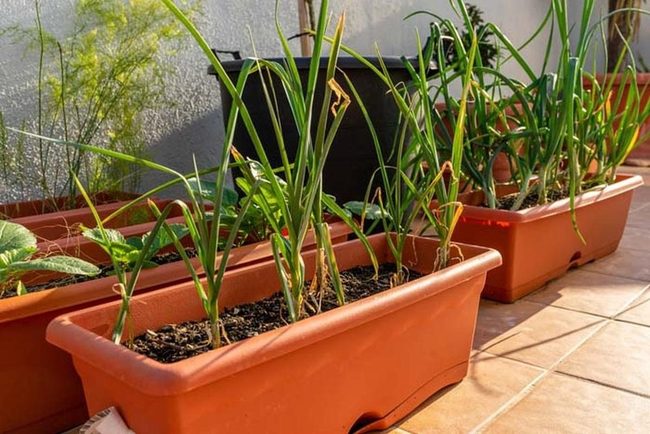
Garlic grows wonderfully in pots and makes a great choice if you want to garden in containers, so pick one that reaches at least ten inches deep so the roots have plenty of room to spread out.
Position your cloves about four to six inches apart with the pointed ends facing up, and this spacing helps them develop properly.
Place the container somewhere that gets at least six hours of sunlight daily because garlic really loves warmth and light.
Watering once a week usually keeps things on track, though you'll want to watch out for overwatering since too much moisture can cause the roots to rot.
Moving your pot to a sunny spot is one of the easiest ways to support healthy growth and strong cloves.
Homegrown Kale Leaves, Garden Fresh
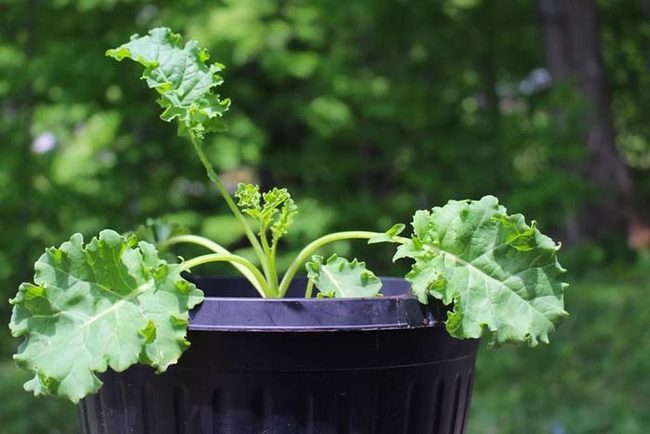
Kale produces abundant green foliage that transforms any container garden into a lush, food-producing display, and growing it yourself costs far less than buying bundles at the grocery store.
You can tuck pots of kale among your flowers and perennials, blending practical gardening with ornamental landscaping in one space.
Since kale loves cool weather and struggles once summer heat arrives, timing your harvest before the warmest months ensures you get tender, flavorful leaves.
Position your container where it soaks up at least six hours of direct sun each day, and fill it with nutrient-rich soil that doesn't hold water for too long.
Beyond its good looks, kale packs serious nutrition into every leaf, making it an excellent choice for gardeners who want both beauty and health benefits from their outdoor spaces.
Quick Bean Harvests In Containers
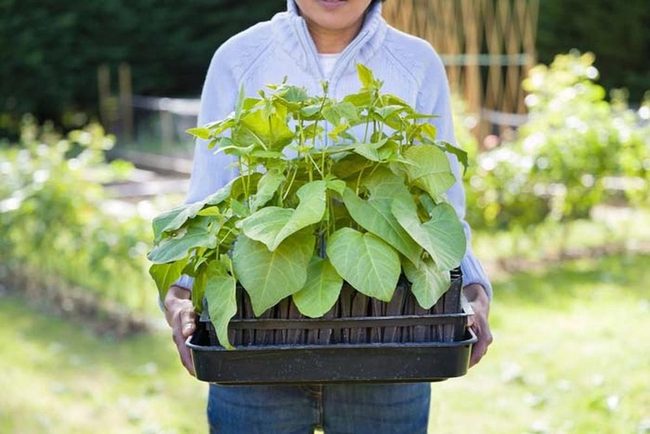
Beans deliver fast-growing results in containers, and you'll love watching seeds sprout into productive plants in just weeks.
Both bushy and vining varieties work well depending on your space, so there's an option for nearly any setup you have.
Spacing seedlings about 12 inches apart makes a real difference in how well they develop and produce.
Early-maturing types give you an advantage against unexpected frost, which means you can harvest more even when you're working with a small area.
Proper watering keeps the plants healthy and happy throughout the growing season.
Growing beans in containers turns out to be one of the easiest ways to get fresh food from your own home, and the whole process feels rewarding from start to finish.
Fresh Bok Choy In Containers
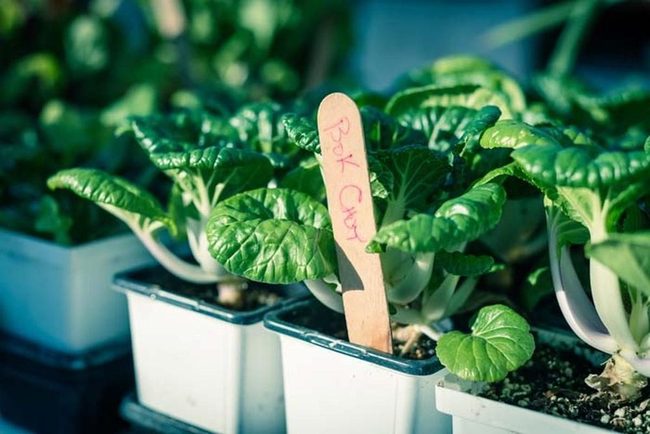
Asian greens make an excellent choice for container gardening because they're so adaptable to different growing spaces, and bok choy stands out as one of the most rewarding options you can grow since it gives you a nutritious leafy vegetable while letting you sidestep the bolting and pest problems that often plague traditional garden beds.
Selecting containers with plenty of drainage holes and choosing materials that hold moisture well sets up the right conditions for your plants to thrive.
Growing your own fresh produce in containers means this lets you enjoy crisp, homegrown greens straight into your meals without dealing with the outdoor pests and soil-based diseases that can damage plants grown directly in the ground.
You'll find real satisfaction in tending these plants in your own space and harvesting vegetables you've nurtured from start to finish.
Container Onions Six Hours Sun
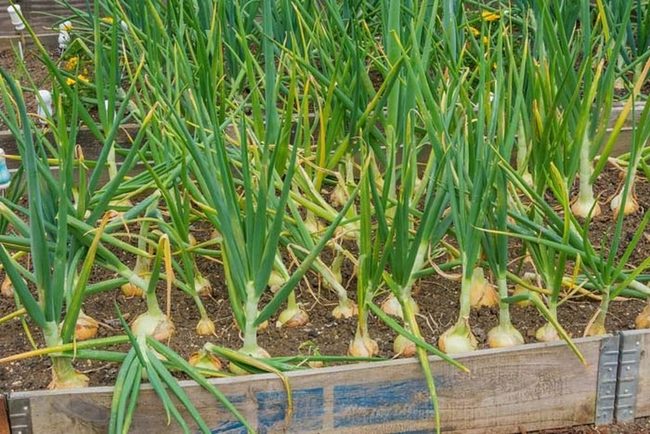
Growing onions in containers opens up exciting possibilities for any gardener, and all you need is a spacious pot that gives the bulbs room to develop properly.
Position your containers where they'll receive at least six hours of direct sun each day, since onions truly perform best under strong light conditions.
Keeping the soil consistently moist makes a real difference in how well your plants thrive, so get into the habit of checking the soil surface regularly and watering whenever it starts to dry out.
These hardy vegetables adapt beautifully to pot life, making them an excellent option if you have limited garden space or want to grow food on a patio or balcony.
With proper pot selection, sunlight exposure, and a basic watering routine, you'll be harvesting your own homegrown onions before long.
Glossy Green Leaves, Edible Beauty
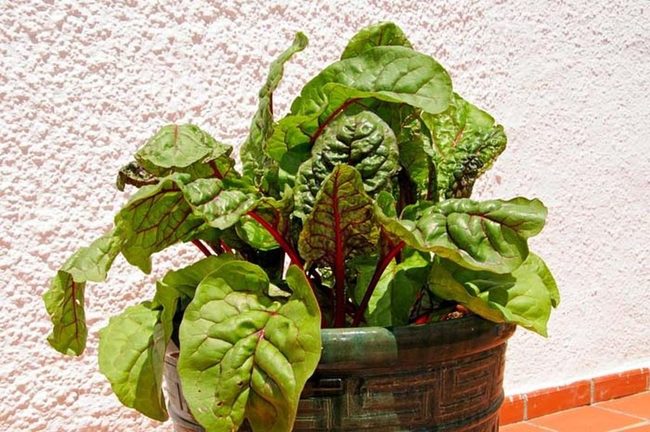
Chard catches attention with its glossy leaves and vibrant colors that brighten any space, making it a standout choice for container gardening and fresh salads within just two months of planting.
If you time your planting for mid-summer, you'll harvest delicious leaves when autumn and winter arrive.
Keeping the soil consistently moist is really the only trick you need to remember, and it rewards you with lush chard that keeps producing through the cooler months.
The plant's subtle flavor works well in many dishes, so you're not just decorating your space but also stocking your kitchen with fresh greens.
Olivia Martinez
Founder & Principal Designer
Expertise
Sustainable Interior Design, Residential and Commercial Space Planning, Historic Preservation and Adaptive Reuse, Custom Furniture Design, Project Management
Education
Parsons School of Design, New York, NY
LEED Accredited Professional (LEED AP)
Olivia Martinez is the founder of Archi Refresh, where she brings style and sustainability together. With a degree from Parsons School of Design and a LEED certification, she’s all about creating beautiful, eco-friendly spaces.
With over eight years in the industry, Olivia has designed everything from cozy homes to commercial spaces, always putting function and sustainability first. She loves working with local artisans and has been featured in design publications for her fresh take on green living.
When she’s not designing, Olivia enjoys exploring historic architecture, painting, and spending time with her rescue dogs, Luna and Max.