
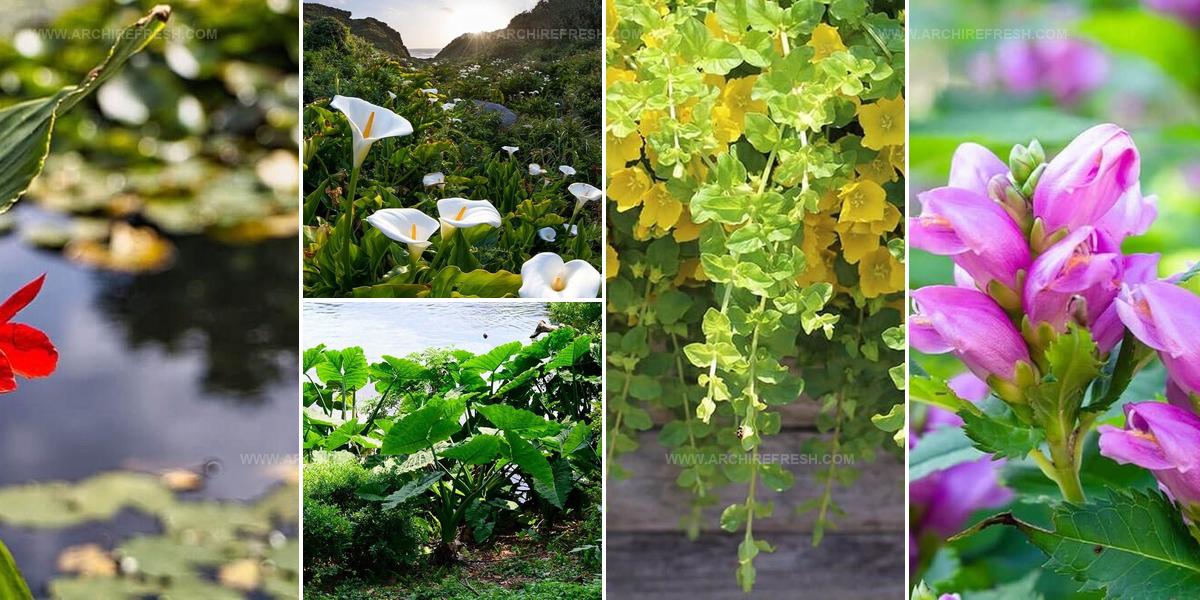
10 Water Loving Plants For Damp Garden Areas
Plants that thrive in wet areas offer solutions for garden spots where moisture lingers and drainage proves challenging.
Many homeowners face soggy zones that seem impossible to landscape, but selecting the right vegetation changes everything.
Flora adapted to waterlogged conditions actually prefers what most species cannot tolerate.
Gardens blessed with damp soil can become lush showcases rather than problematic spaces.
Understanding which varieties flourish in saturated ground helps design beautiful landscapes that work with nature instead of against it.
Successful wet-area gardening relies on matching plant requirements to site conditions for optimal growth and visual appeal.
Make the most of those soggy spaces by choosing species that genuinely love what dampness provides.
Golden Creeping Jenny Yellow Blooms
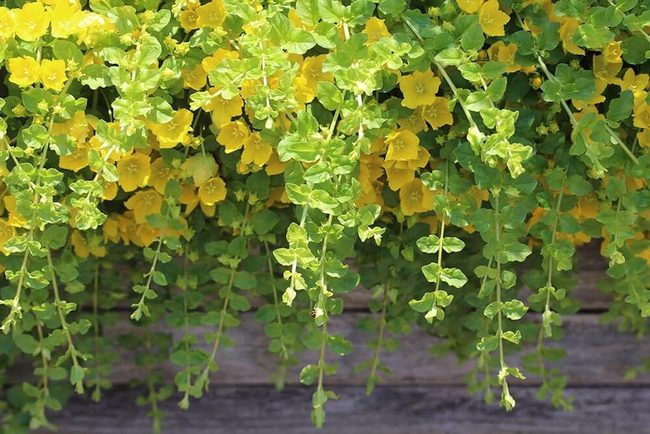
Golden Creeping Jenny displays lush green foliage with delicate yellow flowers that emerge during summer months, making it a gorgeous choice for spilling over the edges of hanging baskets and containers.
Because it prefers moist soil, you'll find it quite easy to grow and maintain once established.
Originally from Europe and Western Asia, this hardy perennial adapts well to USDA zones 4 through 9 and won't disappoint in most climates.
Standing only 2 to 4 inches tall while spreading across 18 inches or more, it offers excellent ground coverage for gardeners seeking that cascading effect.
Keep in mind that without regular monitoring, this vigorous grower can sometimes become invasive and spread into areas where you don't want it.
Towering Yellow Spikes Summer Shade
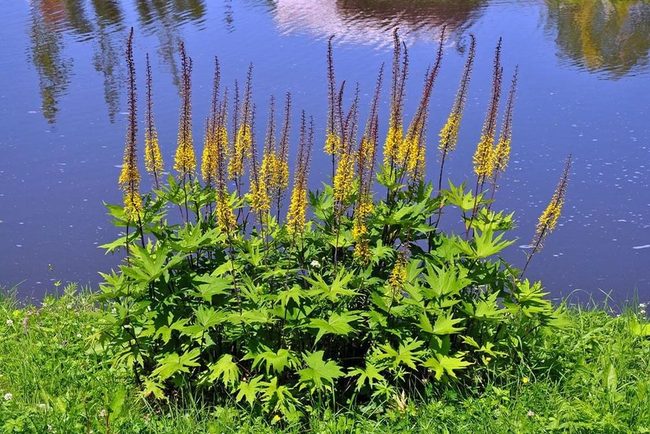
Tall spikes of yellow flowers make ligularia one of summer's most eye-catching plants, and you'll get the best growth when you place it in full shade with consistently moist soil.
This plant spreads 2 to 4 feet across and grows 3 to 6 feet high, so it maintains its shape beautifully even when flowers aren't present.
You'll enjoy blooms from June through July, and the plant truly loves water, which makes it perfect for rain gardens or spots near streams and water features.
Large, lush foliage forms the base, and keeping the leaves protected from strong winds helps them stay healthy as they develop.
Ligularia does well in hardiness zones 4 to 8, and it needs rich soil that stays damp throughout the growing season to thrive properly.
Pink Wildflower Wetland Beauty
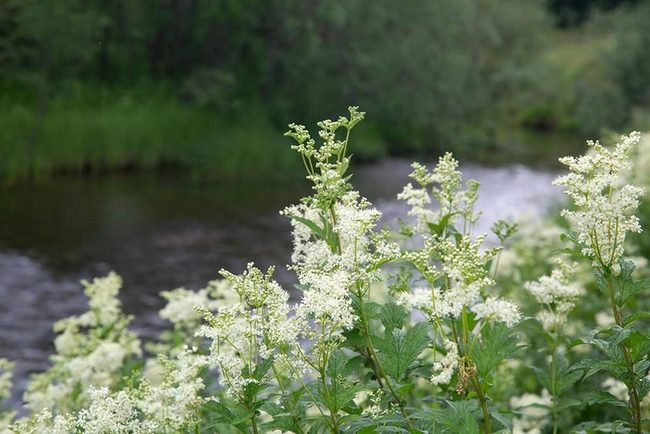
Meadowsweet reaches about 4 feet in height and flourishes in damp environments such as marshes, meadows, and streamside areas where moisture is abundant.
Small flowers appear during spring and summer months, clustering together in shades ranging from white to soft pink and releasing a sweet fragrance that draws bees and other wildlife to your garden.
Grown in full sun, this plant adapts well across USDA zones 3 to 9, making it accessible for many regions.
Beyond its visual appeal, the aromatic leaves add another sensory dimension to the landscape.
You can use both the fresh blooms and dried versions in flower arrangements, giving you flexibility in how you display them.
Originally native to Asia, meadowsweet has naturalized across Europe, Eastern Canada, and various parts of the USA, spreading far from its ancestral home.
Massive Black And Green Foliage
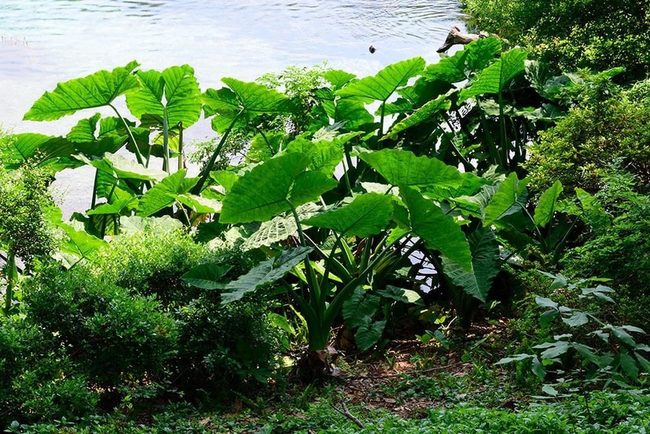
Elephant Ear plants command attention with their massive leaves that spread across your garden in shades ranging from deep black to bright green, so you have plenty of color choices to work with.
Many varieties showcase distinctive shapes and edges that contrast with the rest of the leaf, adding visual interest to any space.
These plants hail from warm regions like Africa and Asia where they thrive in moist soil throughout their growing season.
In most gardens, they grow between 3 to 6 feet tall and handle both sunny and shady spots without complaint.
If you live somewhere cold, simply dig up the tubers before winter arrives and store them indoors until spring returns.
Once warmer weather shows up, replant those tubers and watch them produce another round of stunning foliage just like before.
This makes them a practical choice for people who want dramatic plant life without permanent commitment.
Red Tubular Flowers Native Pollinator
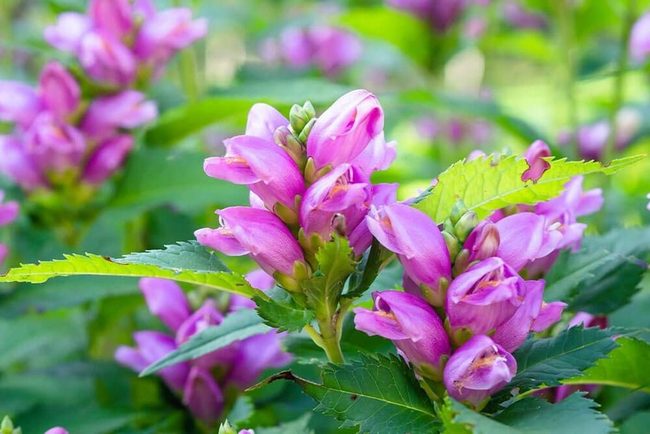
Turtlehead plants produce striking tubular flowers that resemble a turtle's head and bloom in red, pink, or white shades rising above dense green foliage, bringing remarkable color to your garden from late summer right through fall.
Most gardeners appreciate how these native North American plants attract bees, butterflies, and hummingbirds, transforming any outdoor space into an active wildlife hub.
Growing 2 to 3 feet tall, turtlehead flourishes in moist locations like stream banks and woodland areas, which makes it suitable for many different landscape designs you might have in mind.
Soil needs to be rich and moisture-retaining since turtlehead demands consistent wetness to perform well.
Tropical Blooms For Summer Gardens
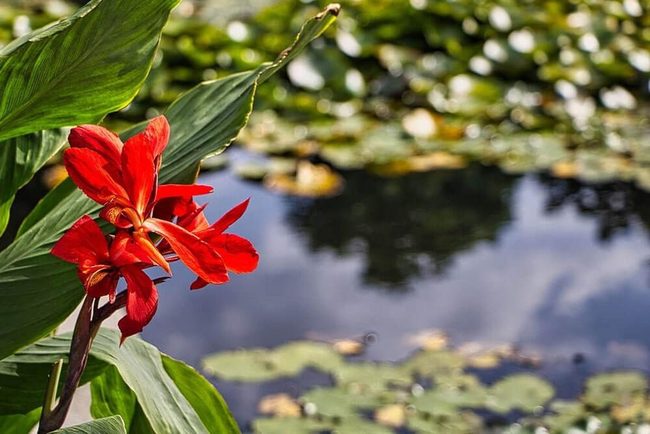
Canna lilies stand out in any garden thanks to their large, colorful leaves and bold flowers that bloom in bright white, deep red, lively orange, or sunny yellow all summer long.
Birds and bees flock to these vibrant blooms and keep your outdoor space active with life.
You can grow cannas in warmer climates from USDA zones 7 to 11, and they adapt to colder areas when you dig up the roots and store them indoors during winter.
These tropical plants need plenty of water to thrive, so regular watering supports healthy growth.
In drier regions or when cannas live in pots, submerging the roots in ponds or pools keeps them hydrated well throughout the growing season.
Pink Clusters Monarch Butterfly Magnet
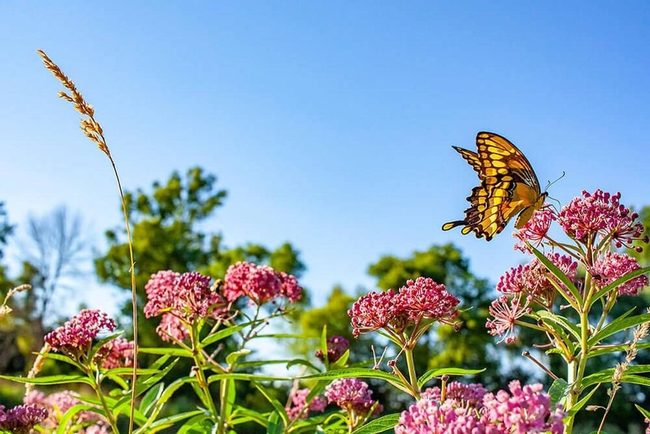
Swamp Milkweed commands attention in any garden with its impressive height of 3 to 5 feet and stunning clusters of glossy pink or white flowers that release a delightful fragrance into the air.
Summer through fall blooms make this plant a magnet for pollinators and an essential food source for Monarch butterfly larvae.
You'll find it thrives in wet spots like ponds and riverbanks, making it perfect for water gardens and poolside designs.
Since it grows hardy across USDA zones 3 to 9, you can plant it in both natural landscapes and cultivated gardens without worry.
Many gardeners love combining its wildlife benefits with its lovely appearance for double the garden value.
Selecting this native plant is a simple way to bring energy and movement to your outdoor space while supporting local butterfly populations at the same time.
Tall Iris Blooms For Wet Gardens
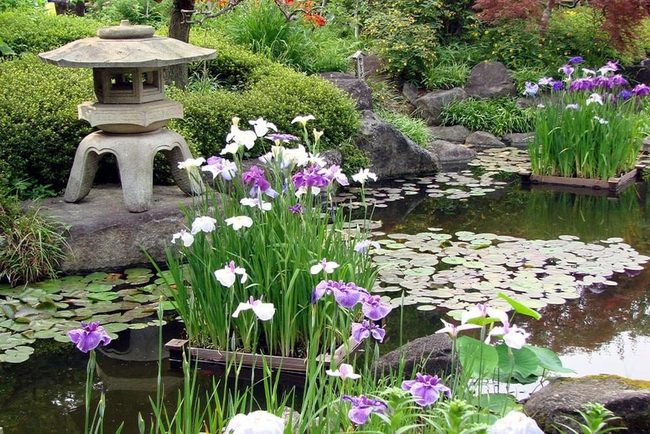
Water-loving plants like Siberian and Japanese Irises display stunning blooms in a wide range of colors that can leave you amazed, making them excellent choices for bogs and ponds where wet soils are the norm.
Standing between 2 to 4 feet tall, these irises bring brilliant spring color to your garden and thrive in USDA zones 3 to 9 thanks to their natural hardiness.
While many varieties originate from Asia, North America boasts its own species too, including Blue Flag (Iris versicolor) and Southern Blue Flag (Iris virginica).
Iris enthusiasts often seek out rare and uniquely patterned flowers to add excitement to their collections.
Their ability to flourish in challenging wet conditions means less fussing on your part.
Yellow, Red, Pink Calla Lilies
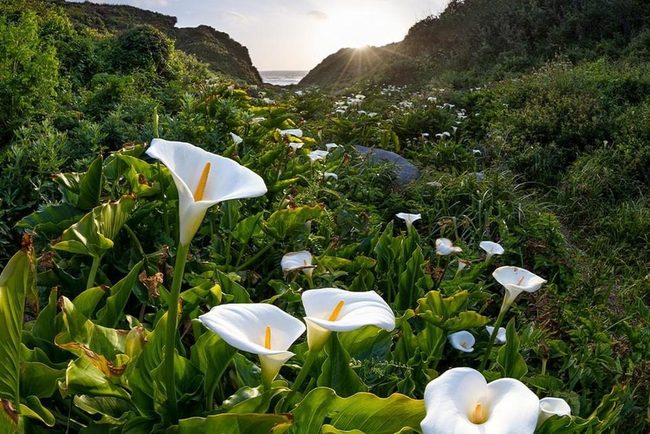
Calla Lily flowers display dramatic arrow-shaped spathes in stunning shades of yellow, red, pink, purple, green, or white that sit atop tall spikes with small blooms, and these plants grow 1 to 3 feet high with distinctive pointed leaves.
Native to Africa, these bulbs thrive in USDA zones 7 to 10 and prefer wet soil, so you can plant them in ponds, containers, or even bring them indoors for year-round enjoyment.
Blooms typically appear from late spring into early summer, offering you eight different species and numerous cultivars to choose from for your garden or home.
Many people love cutting these flowers for arrangements because their unique shape and bold appearance make such a strong statement in any room.
Growing conditions matter most when you want success with these plants, and keeping the soil consistently moist supports healthy development.
Tall Mauve Flowers Attract Butterflies
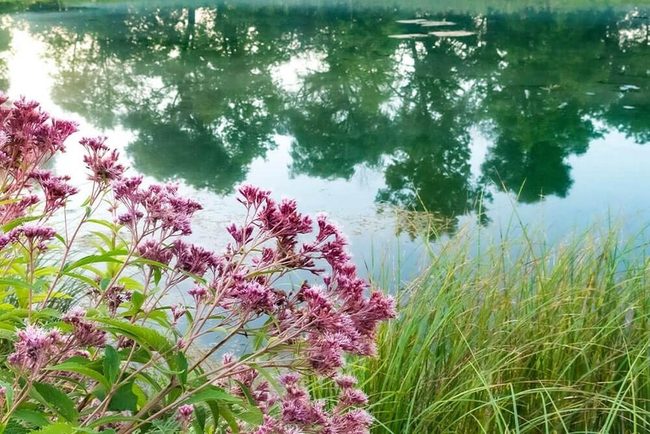
Joe Pye Weed is a remarkable plant that stands out if you love butterflies, and it reaches an impressive 5 to 7 feet tall with mauve flowers that release a lovely vanilla scent.
This native gem flourishes in central and eastern North America and grows well in USDA zones 4 to 9, thriving in the moist conditions found along streambanks and water features.
Both bees and butterflies visit the flowers regularly, making it a living attraction in your garden.
You'll find this plant fits beautifully into rain gardens or borders around water gardens where it can access the moisture it needs.
Growing Joe Pye Weed in your landscape brings height and color while supporting local pollinators, and the vanilla fragrance adds another layer of appeal to your outdoor space.
Michael Harris
Senior Content Editor
Expertise
Home Décor Content Creation, Interior Design Journalism, Editorial Oversight, Digital Media Strategy, Team Leadership and Mentorship
Education
University of Queensland, Brisbane, Australia
Queensland University of Technology (QUT), Brisbane, Australia
Michael Harris is the senior content editor at Archi Refresh, where he turns home design trends into engaging, easy-to-follow articles. With a journalism degree from the University of Queensland and a digital communication certification from QUT, he knows how to craft content that informs and inspires.
With over 10 years of experience in lifestyle and design media, Michael has shaped editorial strategies, mentored writers, and helped readers refresh their spaces with practical tips. His work blends storytelling with expert advice, making home decor more accessible to everyone.
Outside of work, Michael enjoys DIY projects, exploring Brisbane’s art scene, and teaching digital literacy workshops.