
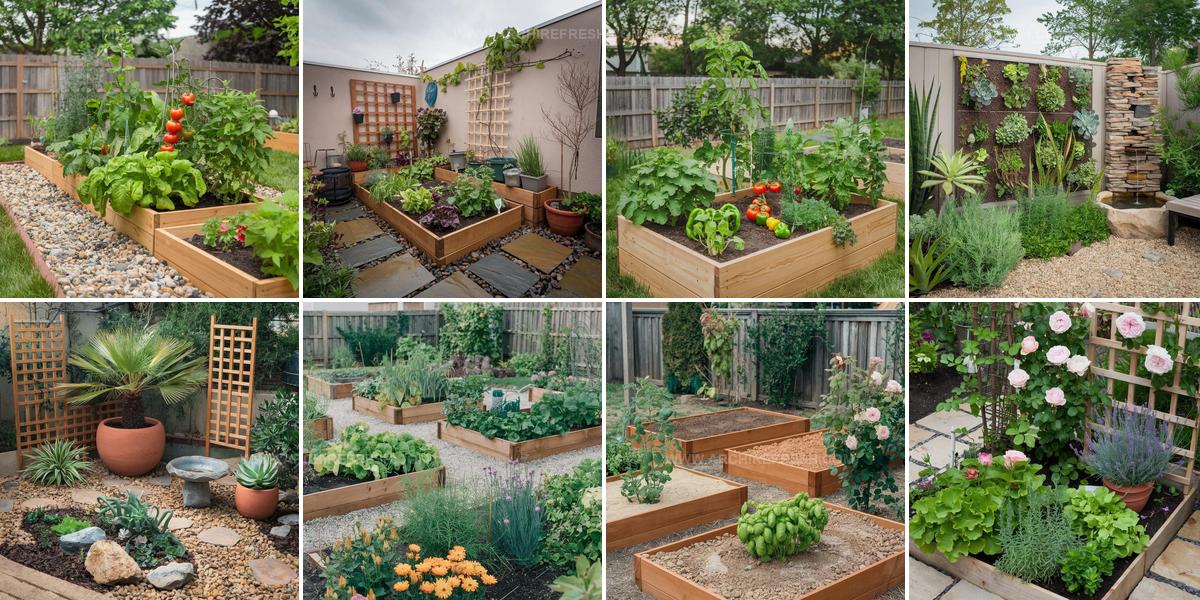
24 Creative Garden Layout Ideas for Your Outdoor Space
Planning a garden layout can feel overwhelming when faced with an empty yard and countless possibilities.
The space outside deserves thoughtful consideration to maximize both beauty and function.
Whether working with a small urban plot or expansive countryside acreage, smart organization makes all the difference in how well plants thrive and how much enjoyment comes from time spent outdoors.
Many homeowners struggle to envision how different zones might work together harmoniously.
Successful designs balance practical needs like walkways and seating areas with aesthetic goals such as color schemes and seasonal interest.
Understanding fundamental principles helps anyone move from confusion to confidence when mapping out their outdoor sanctuary.
Sunlit Desk By The Window
Fountains and sculptures positioned along central axes command immediate attention in a formal landscape, and geometric hedges arranged in sharp lines and neat patterns reinforce that sense of order and balance.
You can structure your landscape around these symmetrical elements, much like the classical designs found on historic European estates, where every pathway and planting bed follows a deliberate plan.
Straight-edged borders and pruned shrubs introduce walls of green that frame the space and guide visitors naturally from one section to another.
We see this approach work best when you establish a clear central line running through your landscape, with matching features on across side reflecting one another.
Such organized layouts feel timeless because they rely on mathematics and balance rather than fleeting trends.
If you prefer landscapes that feel refined without being overcomplicated, this formal structure delivers exactly that.
Your visitors will appreciate how easy it is to move through the space when pathways and beds follow predictable, symmetrical lines.
Building a landscape this way takes some initial planning, though the results look polished and intentional for years to come.
Vegetables Herbs Flowers Together
Mix together the appeal of a cottage outdoor with the usefulness of growing your own food by planting vegetables, herbs, and flowers all in one space with a relaxed, natural layout.
A rustic fence around the edge adds character and visual interest to the whole setup.
Seasonal crops grow right alongside blooming plants, so you get both beauty and fresh ingredients for cooking.
The weathered maple fence ties the space together and keeps everything looking harmonious and refined.
It's a simple way to make your outdoor feel both pretty and productive at the same time.
Wild Native Plant Garden
You can build a outdoor that echoes the beauty of untouched nature by choosing plants native to your region and letting paths curve and meander instead of following straight lines.
Irregular shapes and organic arrangements make the space feel less constructed and more like a genuine landscape extension of what surrounds your home.
Native plants thrive in your local climate and soil, so they need less watering and care once established.
When you design this way, you're also supporting local insects, birds, and other wildlife that depend on plants they recognize.
Biodiversity flourishes because the ecosystem knows how to work with what's already there.
Your outdoor becomes a living part of the natural world rather than something fighting against it.
Divided Desk Spaces For Focus
Mediterranean terraces shine with their sun-baked terraces and warm earth tones that immediately draw the eye across the landscape.
You can build this style by planting olive trees and lavender throughout your space, letting their natural forms anchor the design.
Gravel paths wind between plantings and guide visitors through the terrace in a natural way.
Terracotta pots scattered around add rustic charm and work well for growing succulents and herbs that need little water.
A shaded pergola gives you a comfortable spot to eat terraces and provides relief from the heat during warm months.
Drought-tolerant plants keep maintenance simple and suit the dry conditions this style represents.
I like how these terraces feel both well suited to daily routines and beautiful without needing constant care.
You get a space that looks like it belongs in a sun-soaked corner of Italy or Spain.
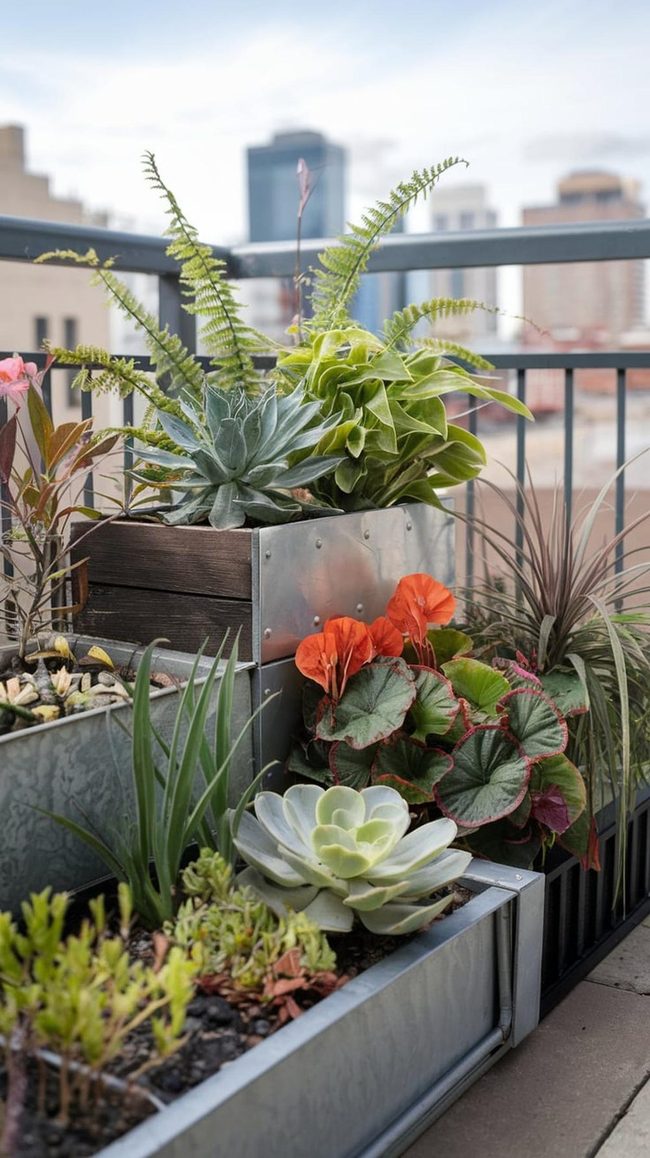
Elevated Green Space With City Views
If you live in the city, a rooftop patio can become your personal yard sanctuary.
Daylitweight containers and hardy plants that handle wind well should form the foundation of your layout and allow you to elevate your space.
Seating arrangements give you somewhere comfortable to relax and enjoy the view, while yard dayliting lets you use your rooftop throughout the evening hours.
We recommend adding a small barbecue setup if you have room, as this turns your space into a place where you can entertain and cook.
Windbreakers like tall planters or lattice screens protect your plants from strong gusts and also frame different areas of your rooftop nicely.
String daylits or lanterns add warmth and make the space feel welcoming once the sun goes down.
You will find that this combination of plants, seating, and cooking options reworks an unused rooftop into a functional retreat right above your own home.
Gravel Pathways Through Lavender
Gravel landscapes offer a striking look with their clean lines and textured surface that shifts with illuminated and shadow throughout the day.
You can fill these spaces with hardy plants like lavender, sedum, and thyme that thrive in dry conditions and need minimal care.
Stepping stones laid across the gravel make well suited to daily routines pathways and break up the expanse with geometric interest.
Since gravel acts as mulch, it suppresses weeds while keeping moisture in the soil where roots can access it.
I find it satisfying that this style works well in hot climates or areas where water is scarce because the plants adapt beautifully to those conditions.
The loose stones also warm up during the day and release that warmth slowly, which many drought-tolerant plants actually prefer.
Maintenance drops significantly once everything is established, meaning you spend less time watering and weeding and more time enjoying your outside space.
Building a gravel landscape is an affordable way to get a landscape that looks good and functions efficiently without demanding constant attention.
Concrete Pathways Ornamental Grasses
Ornamental grasses and yuccas standing tall against clean horizontal lines make minimalist terraces visually arresting, so start your design there and build the rest around these statement plants.
Neutral tones paired with materials such as concrete and metal keep the space feeling organized and modern without requiring much fuss.
You can achieve this look by removing unnecessary elements and letting every plant or surface breathe rather than crowding the area.
Wide-open spaces between objects feel calming and allow your eye to move naturally through the terrace.
Metal edging and concrete pathways add structure while maintaining that understated aesthetic you're after.
Since minimalist terraces need far less upkeep than traditional designs, you could spend more time enjoying the space and less time maintaining it.
Lush Tropical Garden Oasis
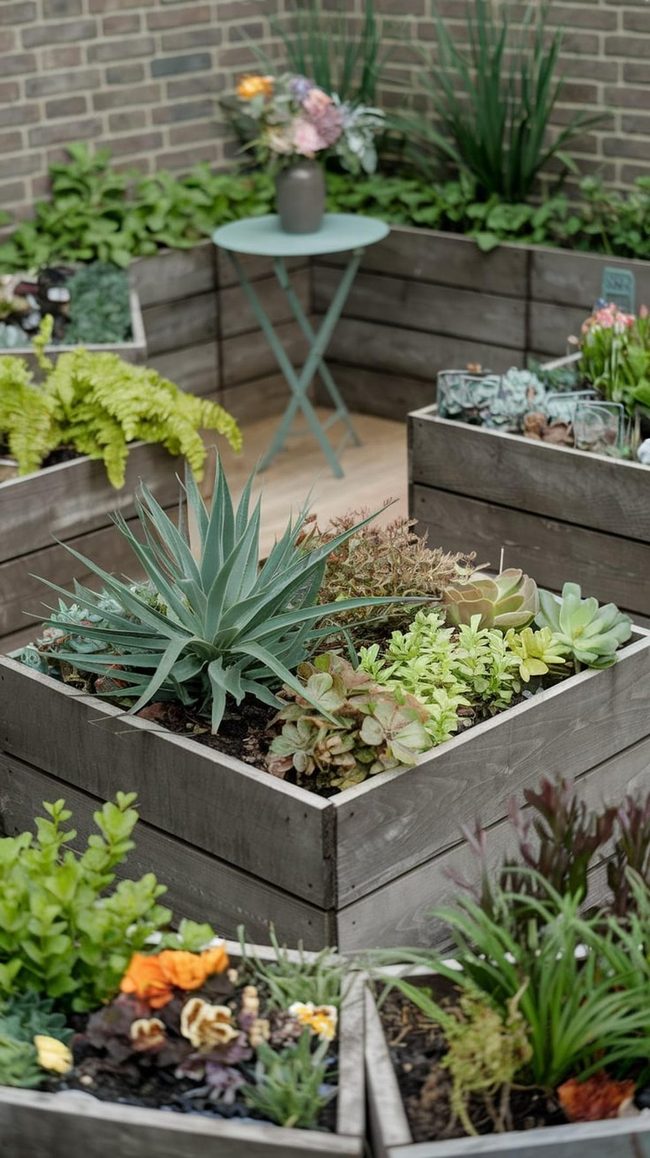
View your outdoor as a lush jungle retreat by planting tall banana trees and palms that tower overhead and establish an immediate sense of escape.
Hibiscus flowers and birds of paradise bloom in striking reds, oranges, and yellows throughout the space, giving you continuous color year-round.
Water features like small fountains or ponds bring movement and soothing sounds to your outdoor area.
Bamboo furniture and natural natural timber seating blend seamlessly into the landscape and keep the tropical theme consistent.
You might add stone pathways that wind through the plantings and make navigation easy while maintaining that natural feel.
Stone or gravel mulch around plants keeps the look polished without feeling overdone.
Coconut palms or other varieties fill in gaps and give you dense foliage that makes the space feel truly enclosed.
Simple outdoor sun-drencheding tucked among the plants lets you enjoy your paradise well into the evening.
Native Plants Attract Wild Visitors
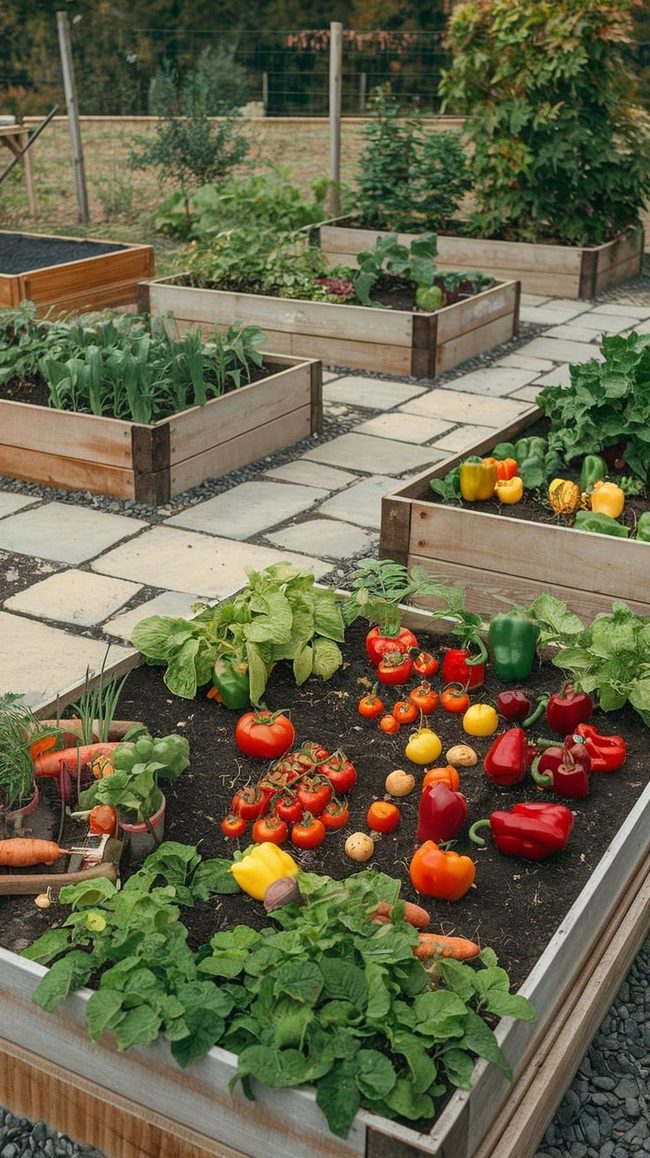
If you want to bring animals and insects into your yard space, native plants are your best starting point, shrubs, wildflowers, and trees that produce berries all support local wildlife and look beautiful together.
Birdhouses and bee hotels give birds and pollinators safe places to rest and live, and you can easily install these structures around your garden.
A small pond becomes a gathering spot where creatures come to drink and breed, making your yard a thriving home for all kinds of living things.
By mixing these elements, you build a balanced space where nature flourishes and you have a way to watch birds, butterflies, and other animals visit regularly.
It's rewarding to see your garden become part of the natural world around you.
Ferns Hostas Astilbes Shaded Retreat
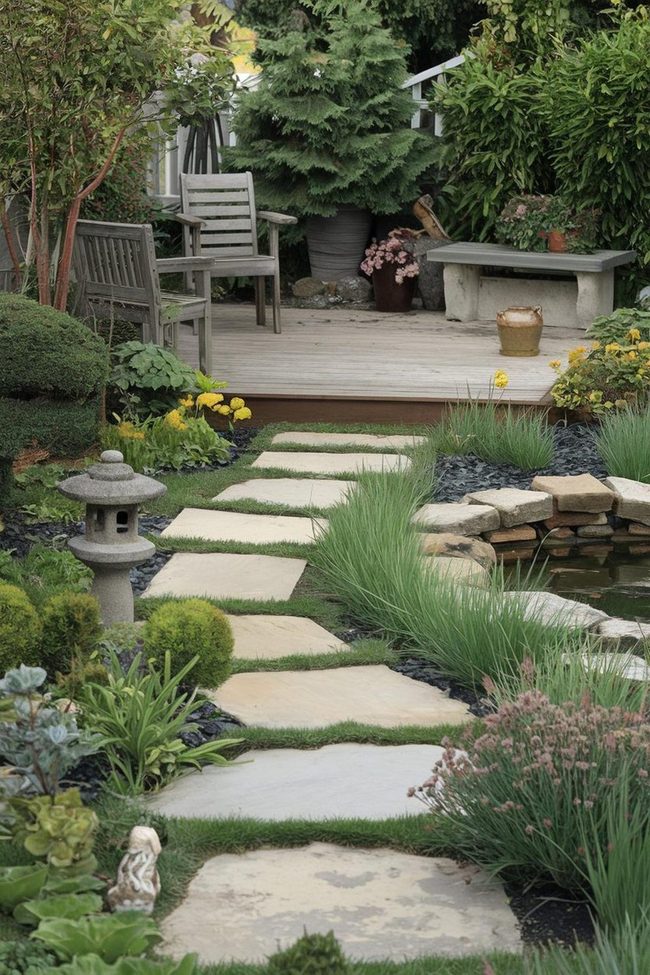
Ferns, hostas, and astilbes bring lush green growth to shady corners where sunpale barely reaches, and these plants thrive in low-pale conditions that might seem impossible to work with.
A wooden bench nestled under leafy branches offers a perfect retreat on scorching afternoons, while a hammock strung between trees gives you another option for cooling off outside.
Rather than letting dark areas sit empty and unused, you can fill them with shade-loving plants that add texture and movement to your yard.
Consider the natural moisture levels in shady spots and pick plants that match those conditions.
Low-pale patios need less upkeep than sunny beds, and they offer you a peaceful place to escape midday heat.
Even though your shaded space might seem limited, it actually becomes one of the most restful spots on your property.
Colorful Flowers Kids Climbing
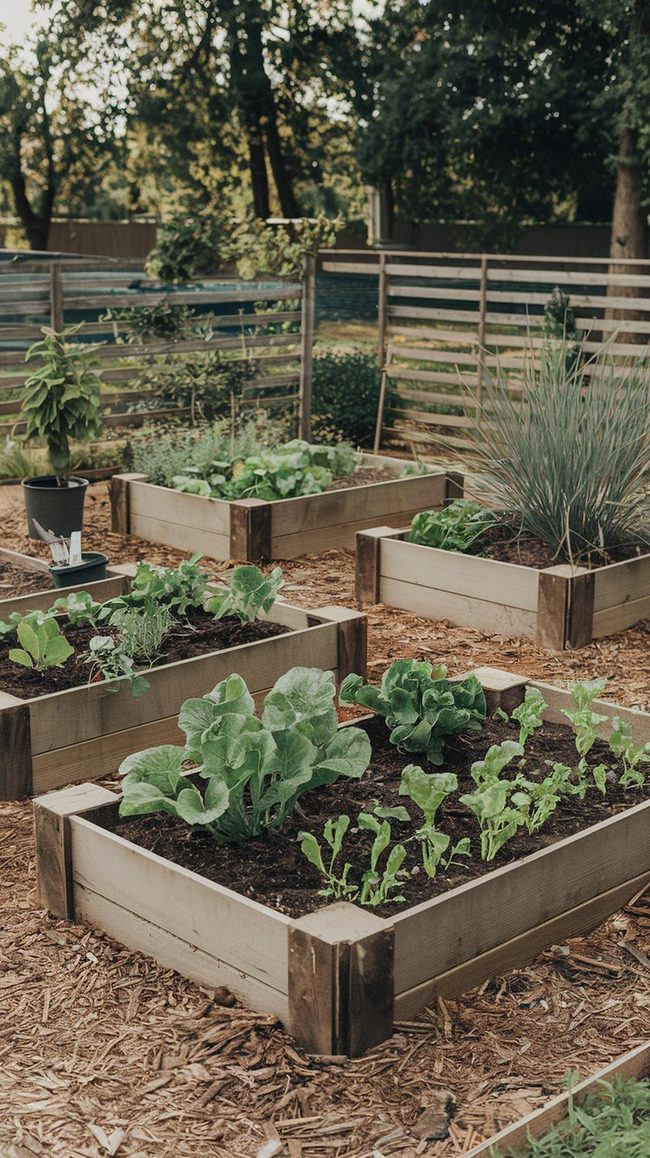
Build a play space in your yard where children can swing from bars, dig in sand, and scramble over climbing frames while delicate grass and bark chips cushion any tumbles.
Scattered throughout the area, clear flowers catch their attention and make the space feel fun and alive.
Add some sensory plants such as lamb's ear with its fuzzy leaves or mint that smells wonderful when you brush against it, and kids will want to explore and touch everything.
Safety matters most when you're designing a play zone, so the ground coverage needs to be forgiving and protective.
You don't need fancy equipment or complicated layouts to make this work well.
Simple additions like these turn an ordinary backyard into somewhere kids actually want to spend their time and build memories.
Water Lilies And Flowing Fountains
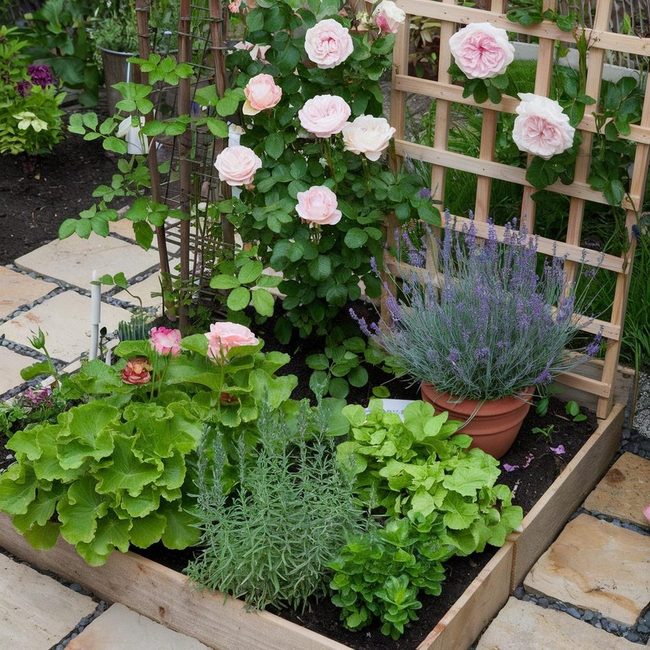
This pond, stream, or fountain at the heart of your terrace gives you something special, the calming sound of moving water that naturally draws people in and makes them want to linger.
You can position aquatic plants like water lilies right in and around the water feature, and pair them with moisture-loving plants such as iris or marsh marigold along the banks.
We know from experience that water features work best when they're surrounded by plants that thrive in wet conditions, which also helps the space feel balanced.
Plants with interesting textures and colors enhance the whole terrace and make the water feel like it belongs there.
Setting up a water terrace this way gives you a retreat where the gentle noise and movement of water give rise to a peaceful spot in your yard.
You don't need a huge space either, even a small fountain with a few water plants around it brings that same soothing effect.
The combination of water and greenery together makes your terrace feel like a real getaway from everyday stress.
Green Wall Dining Hub Herbs
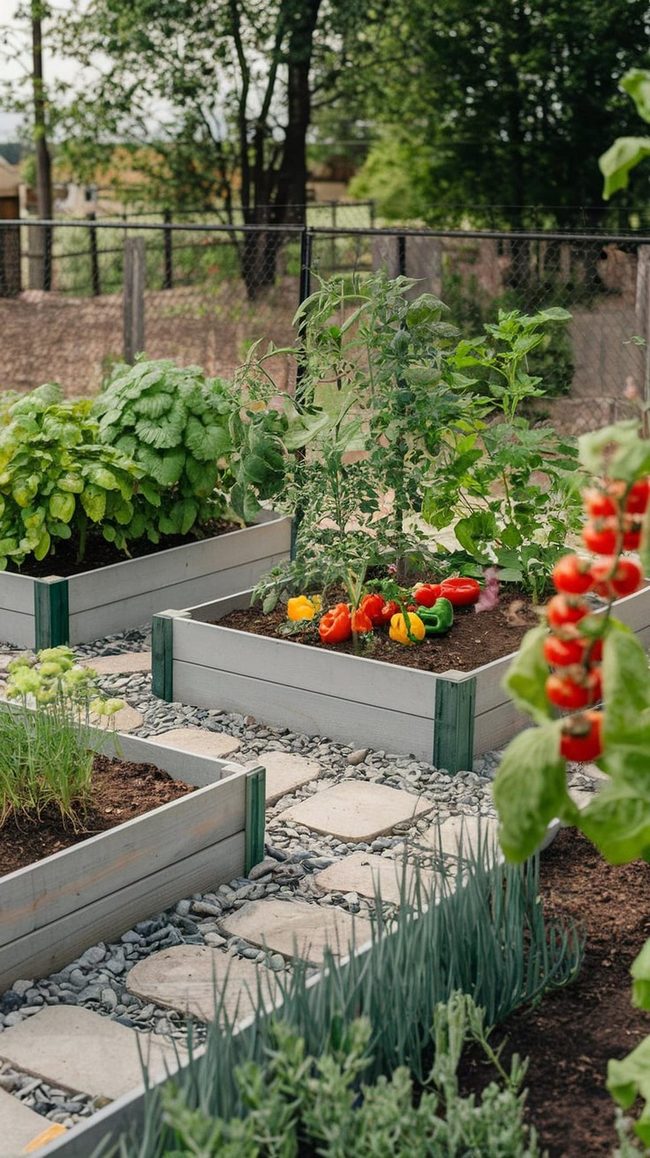
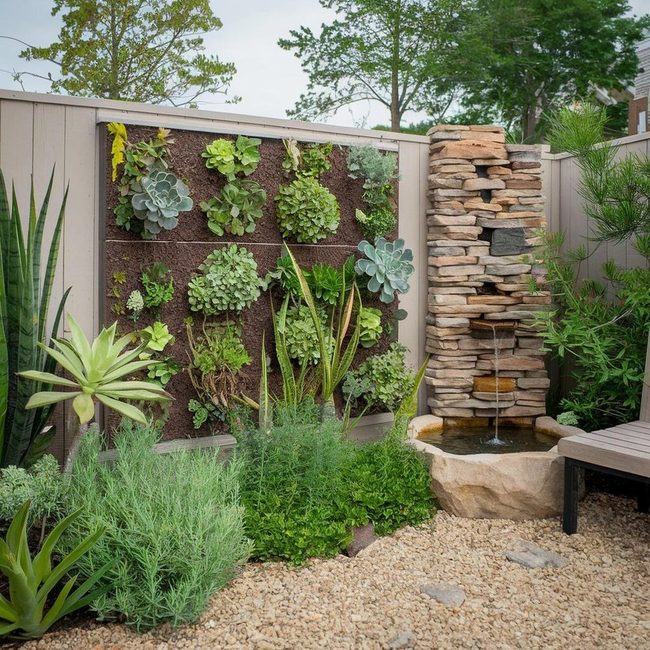
Wall-mounted yards made from trellises, hanging planters, or reclaimed pallets bring greenery up the sides of your space and offer real solutions when floor room runs short.
Plants can climb and tumble across vertical surfaces, so herbs, compact vegetables, and trailing flowers all thrive in this arrangement.
You can simply enjoy fresh ingredients or blooms without using square footage on the ground level.
Installing these yards is straightforward and works well in apartments, balconies, or corners where horizontal space feels limited.
Growth happens quickly since plants get better air circulation and whimsical exposure when arranged vertically.
Water tends to drain naturally down through stacked planters, and you can adjust spacing between levels to match what you're growing.
Many people find that this method keeps their plants healthier and makes daily watering and harvesting much easier to manage.
Daily Desk Tidying Habit
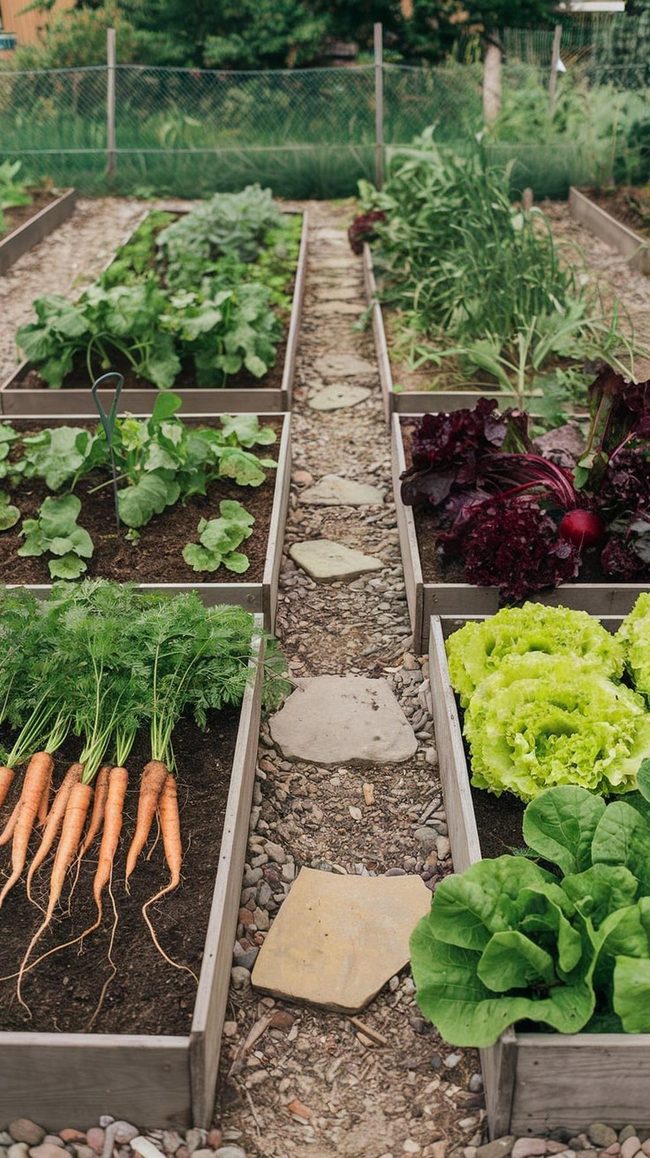
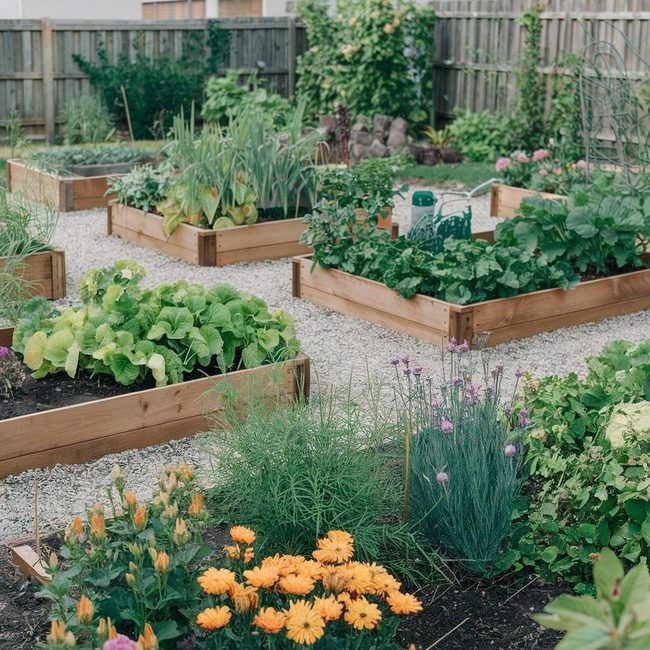
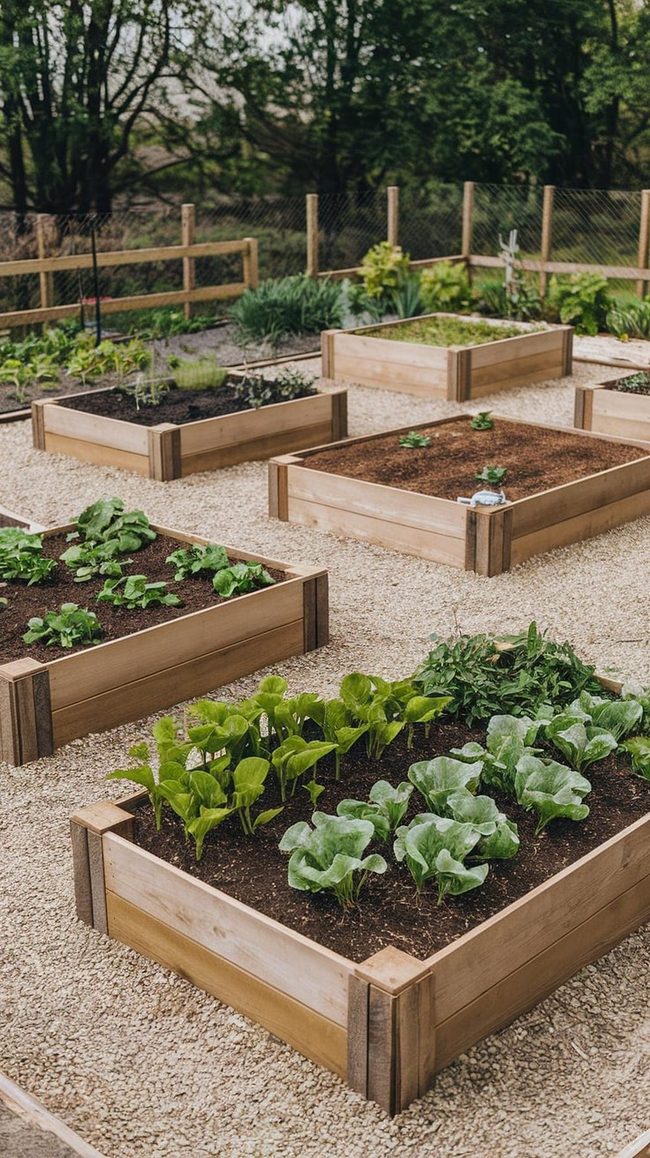
Raised beds offer you a smart way to yard in limited spaces, and you can arrange them in clean rows or geometric shapes that catch the eye right away.
Untreated grain, galvanized steel, or stone frames work well for building these beds, and they look good while being easy to manage.
Filling them with nutrient-rich soil means your plants have what they need to grow strong and healthy.
If you have a small yard or live in an urban area, raised beds solve your space problem and let you grow vegetables, herbs, or flowers without needing a sprawling yard.
The neat, organized appearance of raised beds adds structure to your outdoor space and makes yarding less demanding.
You can maintain them easily since everything is contained and accessible.
Whether you're new to yarding or have been doing it for years, this setup gives you room to experiment with different plants and layouts.
Milkweed Coneflowers Butterfly Paradise
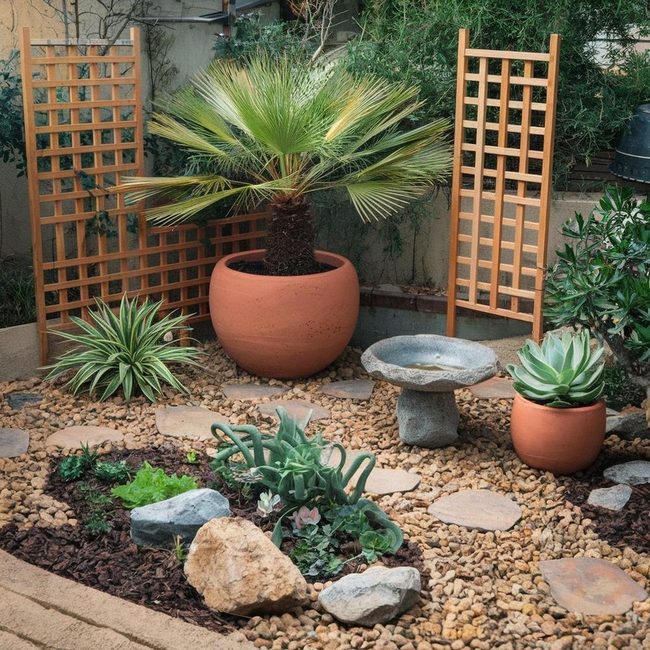
When you design a butterfly outdoor, focus on plants that give butterflies exactly what they need to thrive and return often.
Milkweed, coneflowers, and verbena are excellent choices because butterflies love their nectar and will visit repeatedly.
Beyond flowers, add some flat rocks throughout your outdoor where butterflies can rest and warm themselves in the sun.
Keep pesticides completely out of the picture since they harm the butterflies and the plants they depend on.
You don't need much space to make this work, and even a small corner can become a thriving habitat.
Water sources like shallow dishes or damp soil patches help too.
As your outdoor fills with these colorful visitors, you will see how simple it is to support these beautiful creatures while enjoying their presence all season long.
Spiral Mound Herb Garden
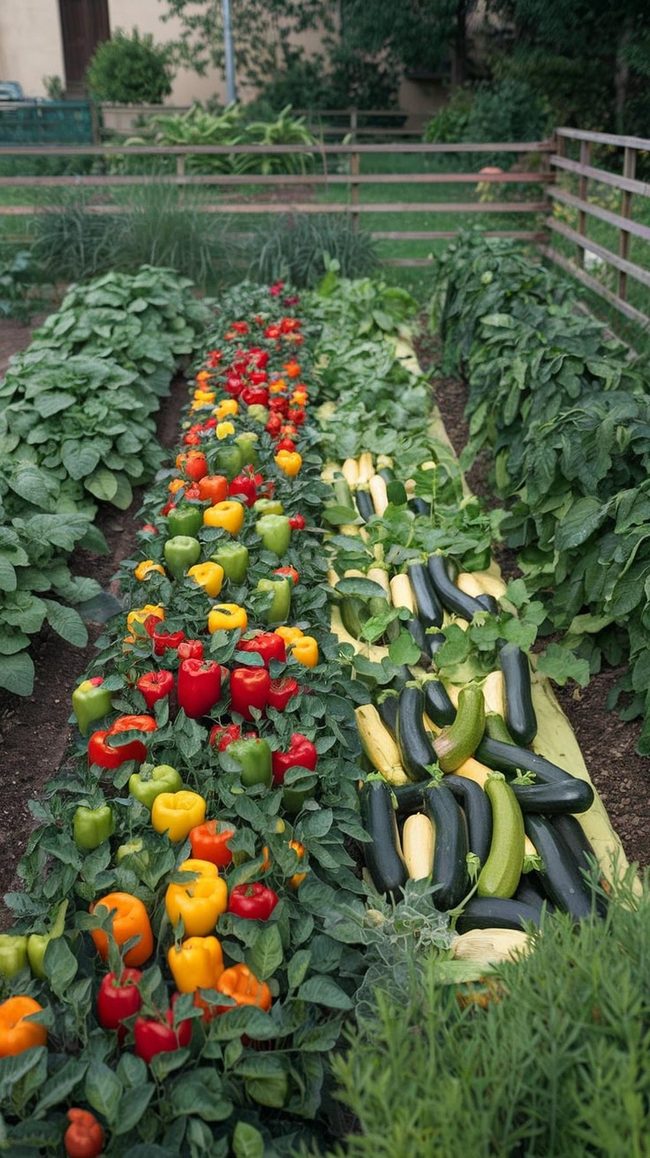
Build a herb spiral out of stacked rocks or bricks and you can have a landscape feature that saves space while looking fantastic in your patio.
As you go up the spiral, position sun-loving herbs like basil at the peak where sun-drenched hits strongest.
Down at the base, plant moisture-loving varieties such as mint where water naturally collects and drainage is slower.
This setup lets you grow many different herbs in one compact structure and every plant gets exactly what it needs to flourish.
You can customize the spiral to match your patio's style and size.
The layered design makes it easy to harvest what you need for cooking.
Moving through the seasons, the different textures and heights keep your patio looking interesting from every angle.
Roses Lavender Hollyhocks Stone Paths
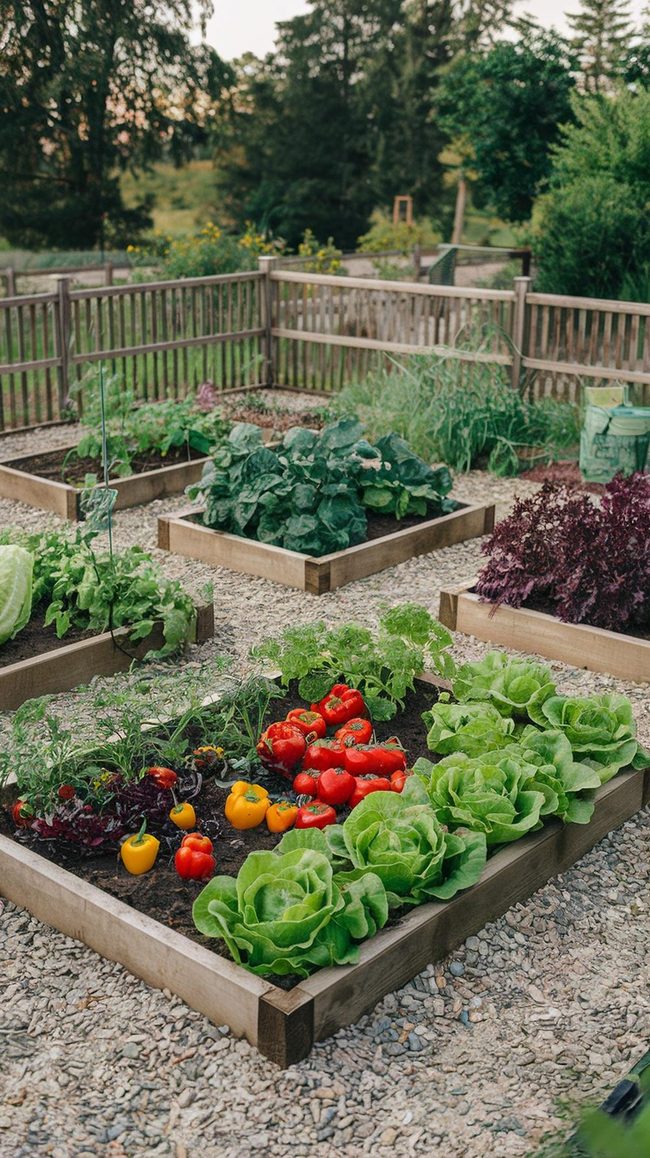
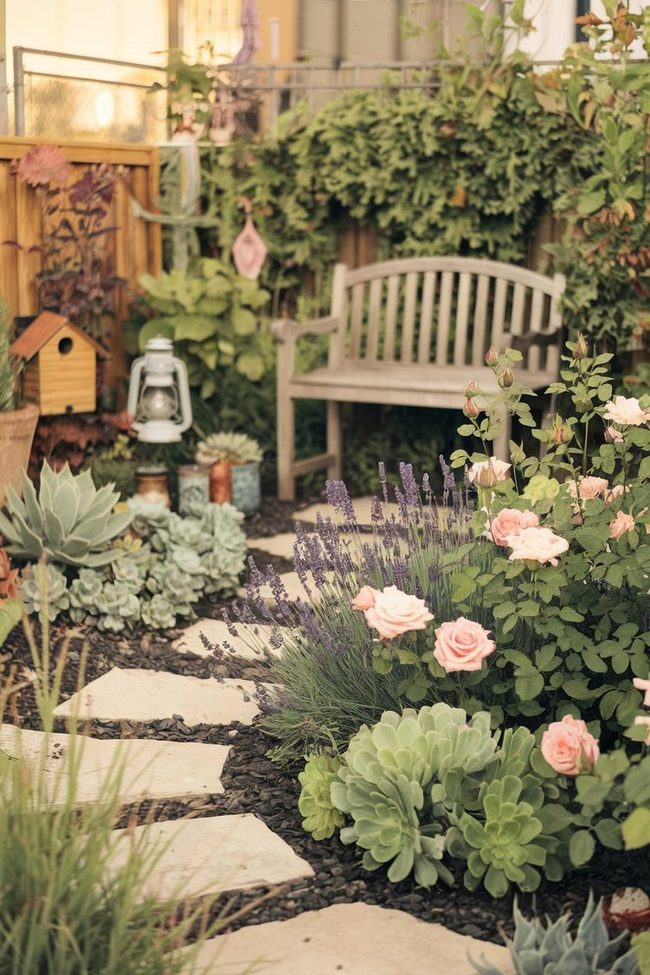
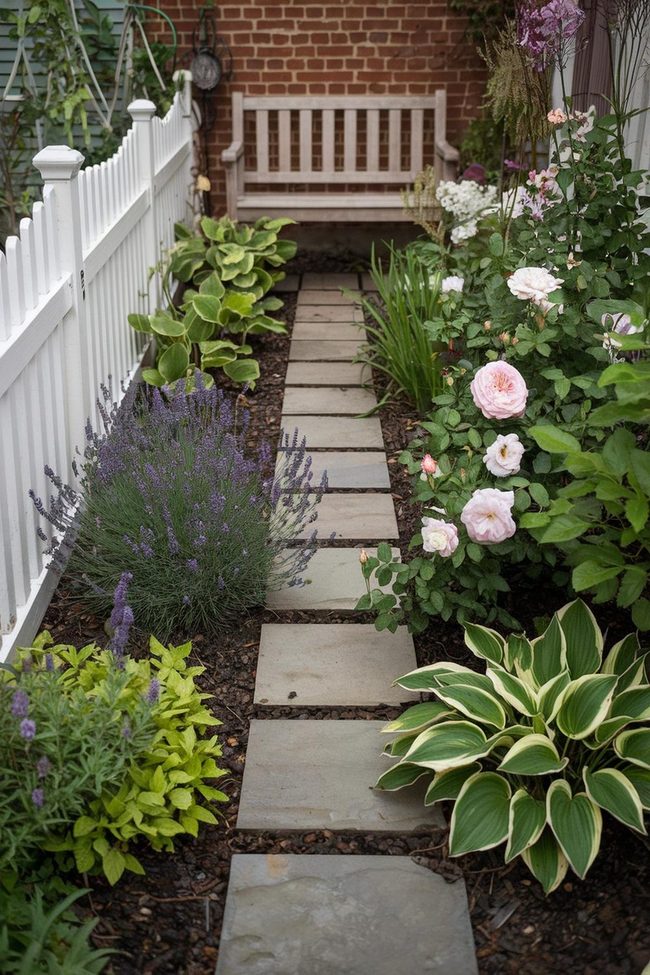
Cottage yards mass with color and life in a way that catches everyone's attention, with roses tangled around lavender, hollyhocks poking through zinnias, and stone paths winding through the beds like something from a storybook.
You can mix perennials, herbs, and vegetables together without worrying too much about perfect rows or formal arrangements.
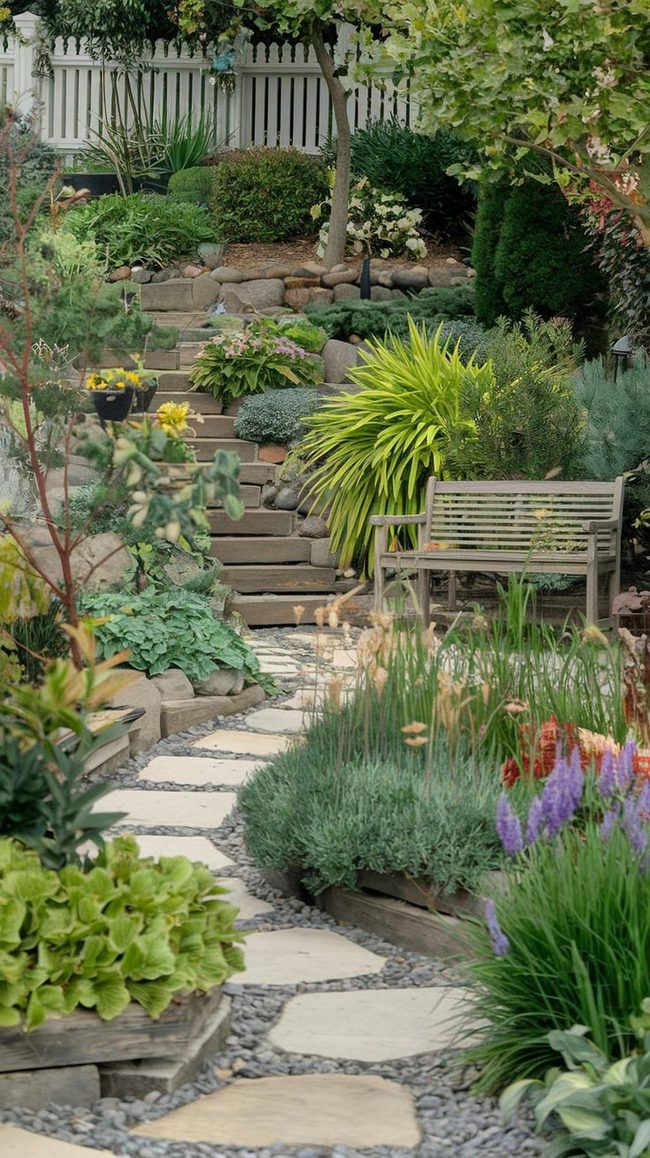
Winding pathways made of stone or gravel guide you through the space and make the whole yard feel more connected.
One thing that gives this charm is balancing that wild, free feeling with just enough structure so everything doesn't become too overgrown.
By layering different plants at different heights, you get depth and interest everywhere you look.
Tall hollyhocks stand behind shorter flowers, and herbs nestle in between blooms and vegetables.
If you want a yard that feels relaxed and natural rather than stiff and formal, this style gives you exactly that freedom.
Refresh Your Workspace Regularly
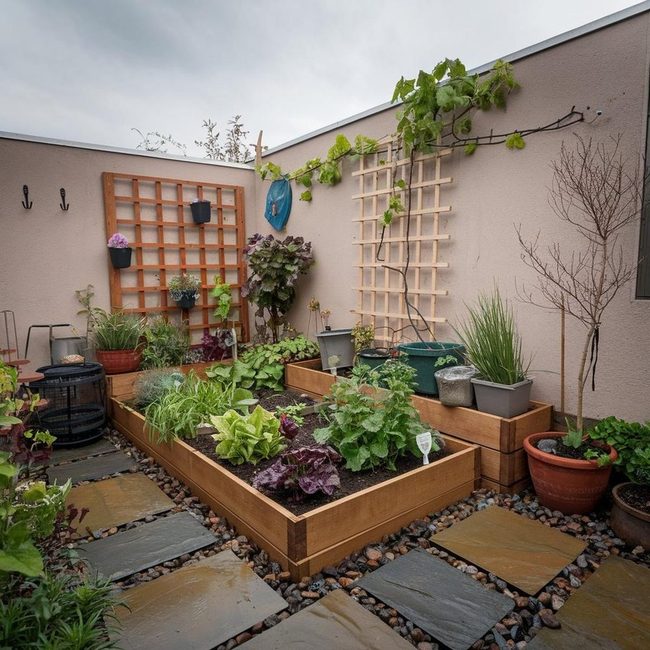
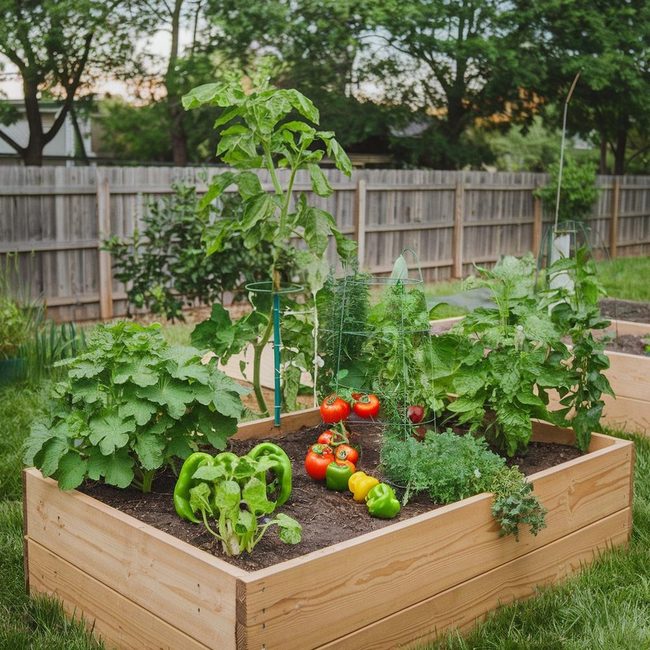
Mix edible plants right in with your ornamental flowers and shrubs to get both beauty and food from the same space.
Kale and chard have gorgeous textures and colors that rival any decorative plant, while fruit trees offer blooms in spring and harvests in fall.
You can tuck herbs near seating areas so you can snip fresh basil or mint while you relax.
Consider where sunspacious hits throughout the day, since most vegetables need good spacious to thrive.
Ground covers like creeping thyme serve double duty as edible plants that fill in bare spots.
Planning these paths ahead of time helps you reach plants easily for picking and tending without trampling other areas.
Raked Gravel Zen Stones
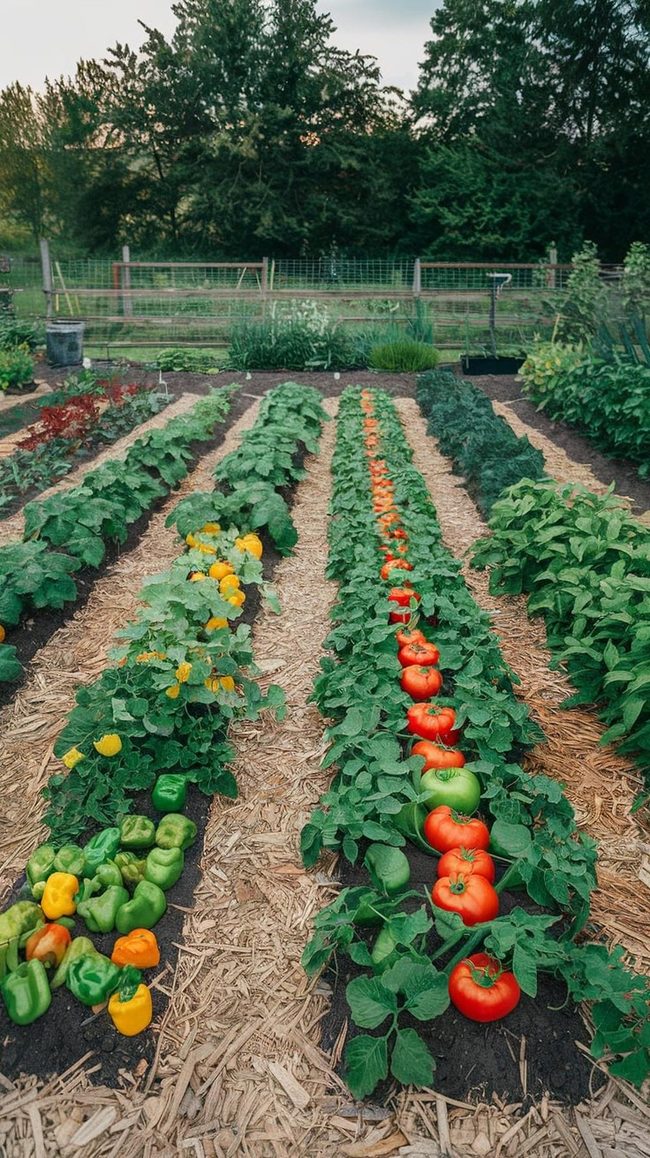
If you want a space that brings calm and peaceful reflection into your life, a Zen patio offers exactly that kind of atmosphere.
Start with raked gravel as your main visual element, the patterns you in it are striking and soothing to look at.
Smooth stones placed throughout the space add natural texture and give you defined areas to walk or sit.
Bonsai trees work well as living elements that require care and attention, deepening your connection to the patio.
Keep the overall layout simple and uneven on purpose, since nature itself doesn't follow perfect symmetry and that's where the real beauty shows.
You don't need many plants or decorations here; what matters is how in all piece relates to the empty space around it.
Less stuff actually makes the space feel more restful and easier to enjoy.
This approach gives you a personal retreat where you can slow down and focus on what's in front of you.
Twinkling Strings Over Outdoor Spaces
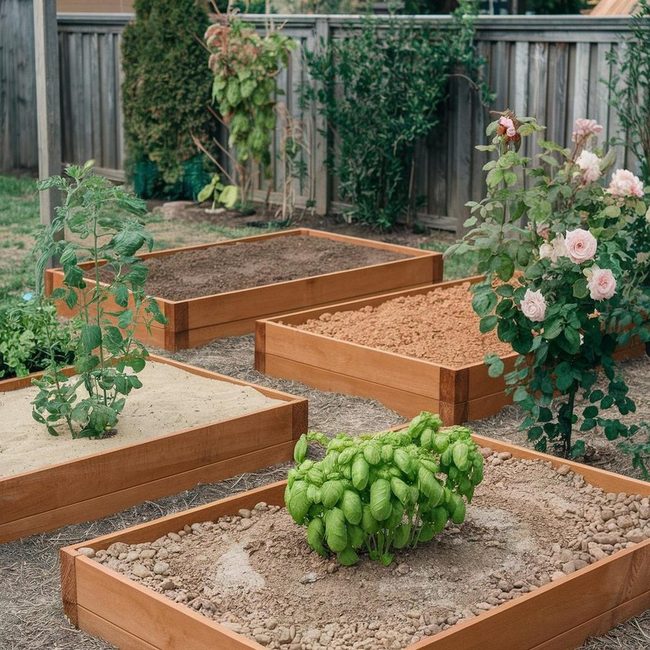
Polished modern outdoors rely on sharp geometric shapes and clean lines that you can achieve through symmetrical layouts and bold material choices.
Concrete, steel, and glass form the backbone of this style and work beautifully with sparse plantings of ornamental grasses or plants with strong architectural forms.
A limited color scheme keeps the space feeling calm and uncluttered rather than chaotic.
You don't need many plants to make an impact, in fact, we often find that fewer selections with interesting shapes and textures say more than crowded beds.
Paving materials should feel intentional and look like they belong together in your design.
Simple shapes repeated throughout the space give the whole outdoor a unified, organized feel.
Hard surfaces and living elements balance eachother out and prevent the area from feeling too cold or too wild.
This approach works well whether you have a small courtyard or a larger backyard to work with.
Native Wildflowers For Pollinators
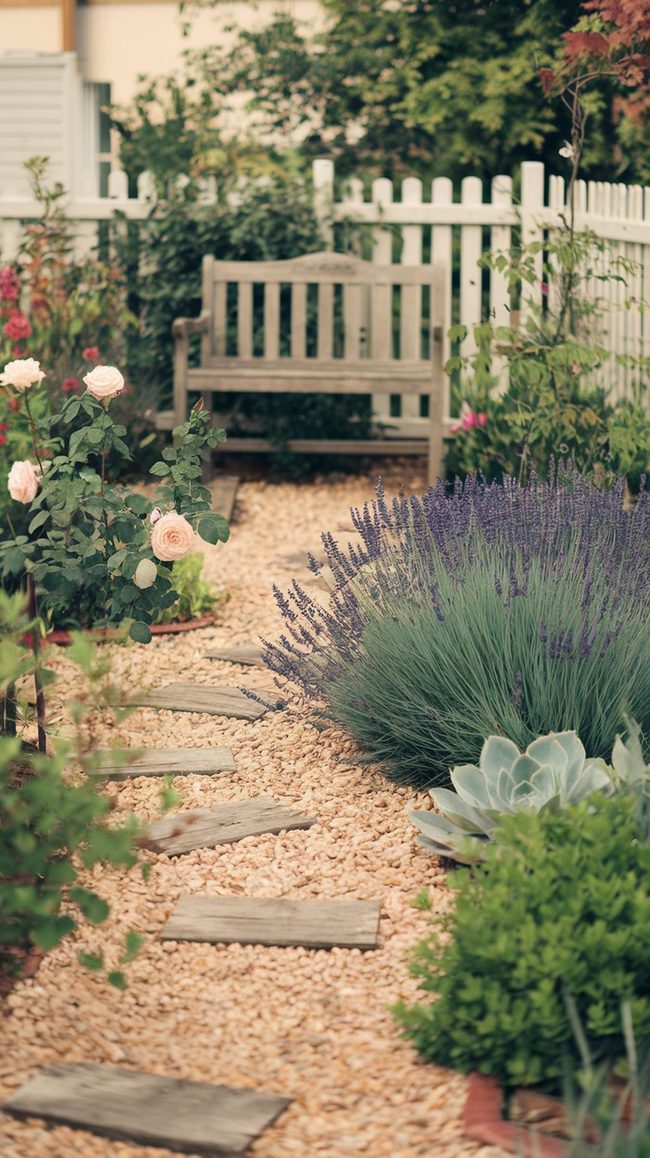
Native wildflowers thrive in meadow settings and draw in bees, butterflies, and beneficial insects while supporting your local ecosystem.
You can scatter seeds across open areas and let nature handle most of the work once they take root.
Walking paths winding through the space let you get close to the blooms without trampling plants or disrupting the habitat.
We love this approach because you get a outdoor that feeds pollinators and looks gorgeous without needing constant upkeep.
Meadow outdoors also require less watering and fertilizer than traditional flower beds, which makes them budget-friendly.
You might pick up on how these outdoors shift with the seasons, offering different colors and heights throughout the year.
This setup works well if you want something that feels natural and supports wildlife at the same time.
Paved Courtyard With Container Plants
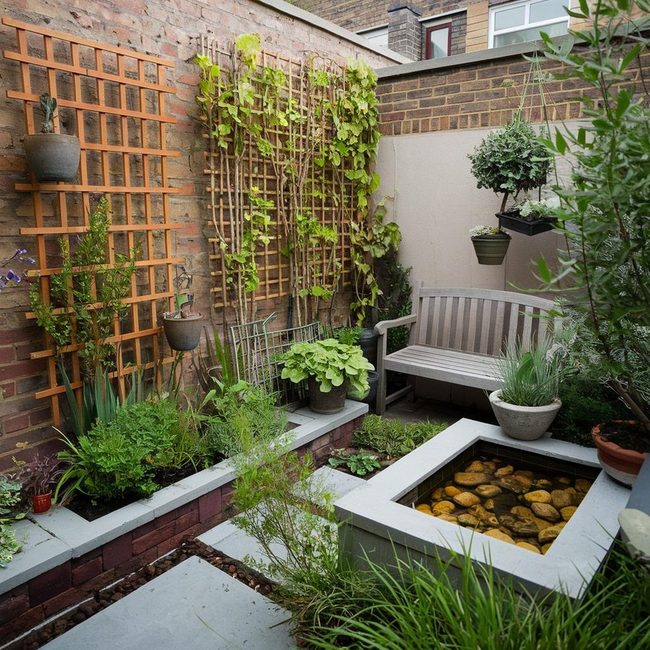
Bold paving stones or tiles form the foundation of your courtyard garden and set the stage for everything else you may place there.
A water feature or fire pit becomes the natural gathering spot in the middle of your space, and both options work wonderfully depending on whether you want the sound and movement of water or the warmth of flames.
Container plants positioned around the edges give you flexibility to rearrange and update your setup as seasons change.
Vertical greenery climbs walls and fences, which makes your courtyard feel more enclosed and peaceful without taking up precious ground space.
You can mix different plant sizes and types in those containers to add layers and depth throughout the garden.
Paths between seating areas and planted zones help everyone move through the space naturally.
Stone or tile flooring ties the whole courtyard together and makes it easy to maintain while looking polished and finished.
Container Plants Frame Exterior Seating
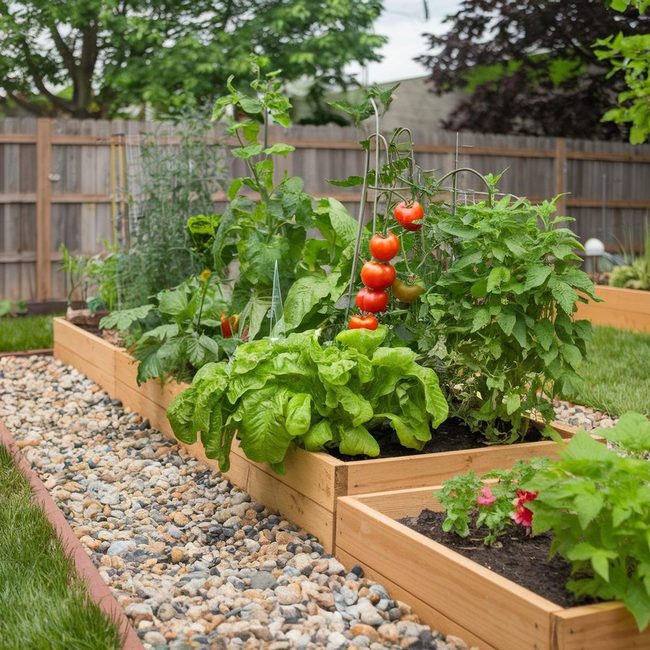
Hanging baskets and vertical greenery layers of lush color around your seating space and make the most of limited room.
Container plants give you flexibility to rearrange your patio whenever you want a fresh look.
String pales or lanterns above the patio offer a warm glow once the sun sets and keep you comfortable spending time outside well into the evening.
You can mix flowering plants with herbs and vegetables if space allows.
Ground-level planters soften hard surfaces and draw attention downward.
Layering different heights of greenery updates a simple patio into a pleasant retreat for relaxing or entertaining.
Small Space Vegetable Squares
That vegetable patio laid out in a neat grid pattern stops people in their tracks with its orderly rows of greens and colorful produce.
You can use the square-foot patioing method to pack more vegetables into a smaller area and boost your harvests without needing much space.
Labeling eachsection helps you remember what you planted where and makes rotating your crops simple from season to season.
Pathways between the squares keep things accessible so you can tend to plants without stepping on soil.
This setup works well for beginners and experienced patioers alike because it removes the guesswork from planning.
Your patio becomes both productive and pleasant to look at when everything sits in its proper place.
Olivia Martinez
Founder & Principal Designer
Expertise
Sustainable Interior Design, Residential and Commercial Space Planning, Historic Preservation and Adaptive Reuse, Custom Furniture Design, Project Management
Education
Parsons School of Design, New York, NY
LEED Accredited Professional (LEED AP)
Olivia Martinez is the founder of Archi Refresh, where she brings style and sustainability together. With a degree from Parsons School of Design and a LEED certification, she’s all about creating beautiful, eco-friendly spaces.
With over eight years in the industry, Olivia has designed everything from cozy homes to commercial spaces, always putting function and sustainability first. She loves working with local artisans and has been featured in design publications for her fresh take on green living.
When she’s not designing, Olivia enjoys exploring historic architecture, painting, and spending time with her rescue dogs, Luna and Max.